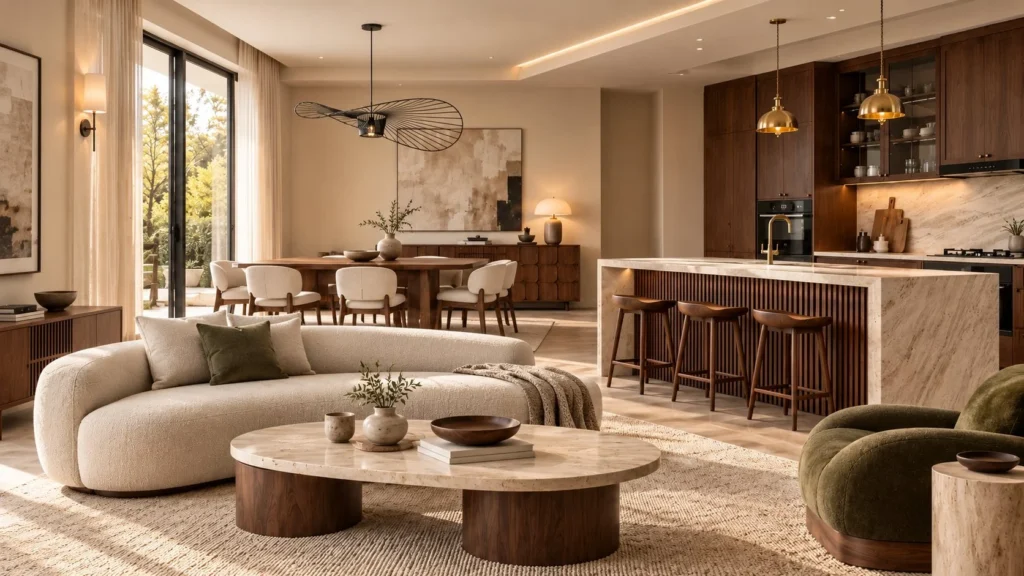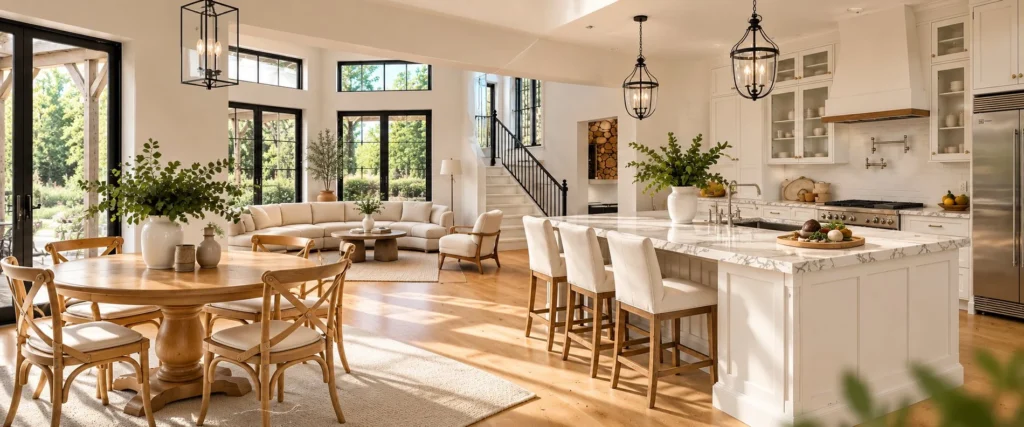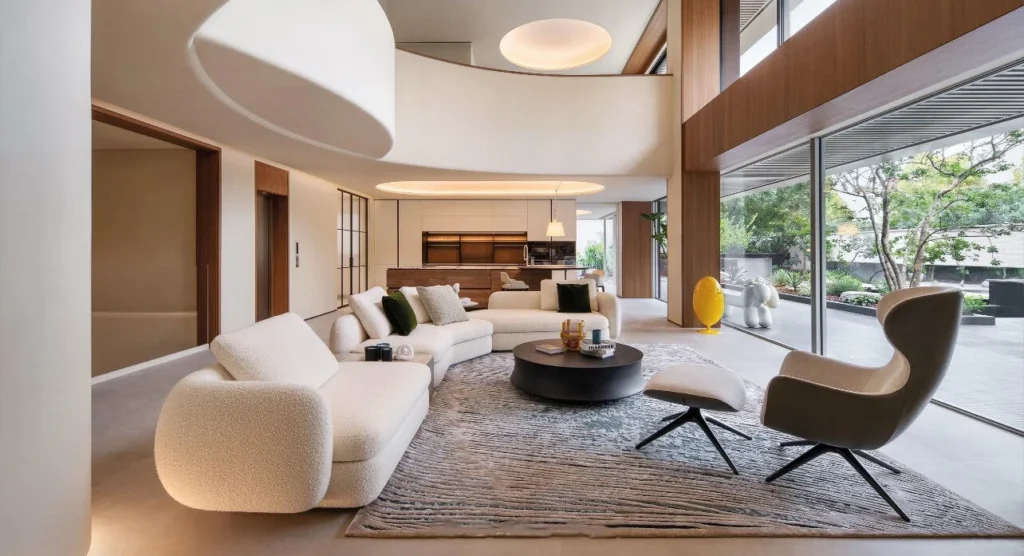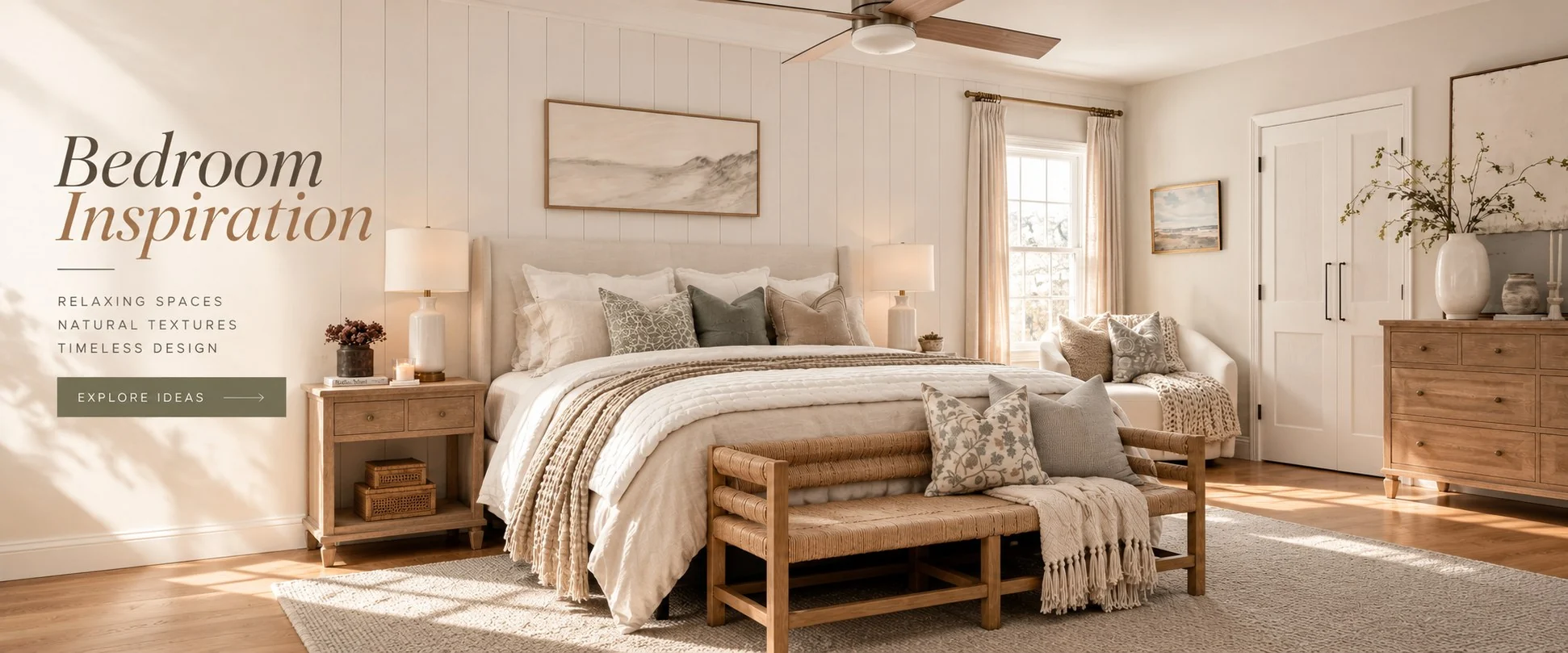
A restful bedroom is more than a color palette. It is how the bed sits in the room, where light falls at night, how everyday belongings disappear into storage and whether each texture feels right to touch. Use the photographs below as a visual checklist: pick a direction you love, note the key furniture and finishes, then work back to dimensions and practical needs.
1. Layer a neutral bed with texture, not extra color
A calm bedroom starts with a bed that invites you in. Try cream sheets, a quilted coverlet, linen pillows in taupe and oatmeal, and one deeper chocolate or olive cushion. The photographs show that layering works best when the fabrics differ in weave and weight, even if every color stays within the same warm-neutral family. Add a tall upholstered headboard or a soft wall treatment for a finished look that still feels effortless.
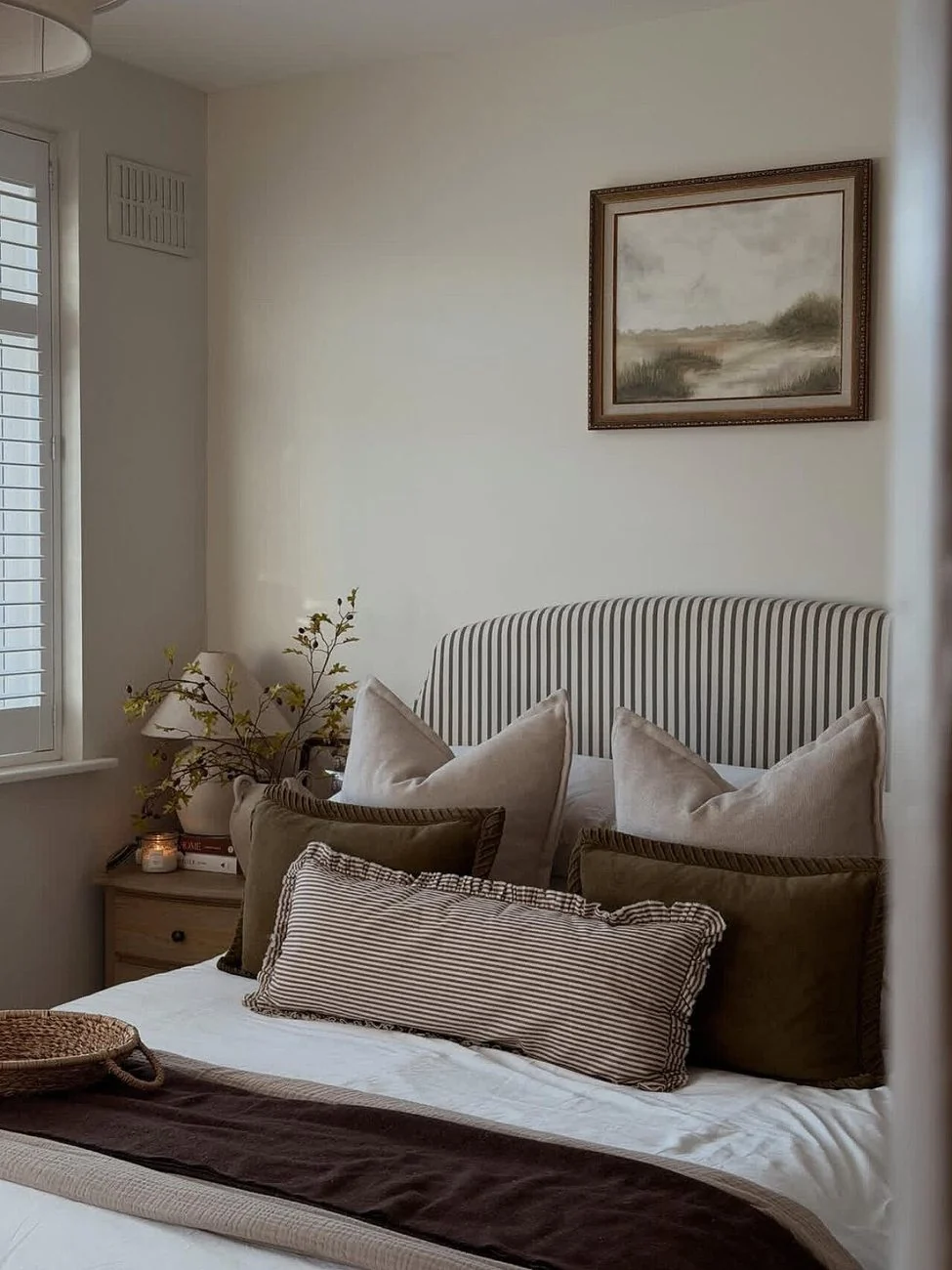
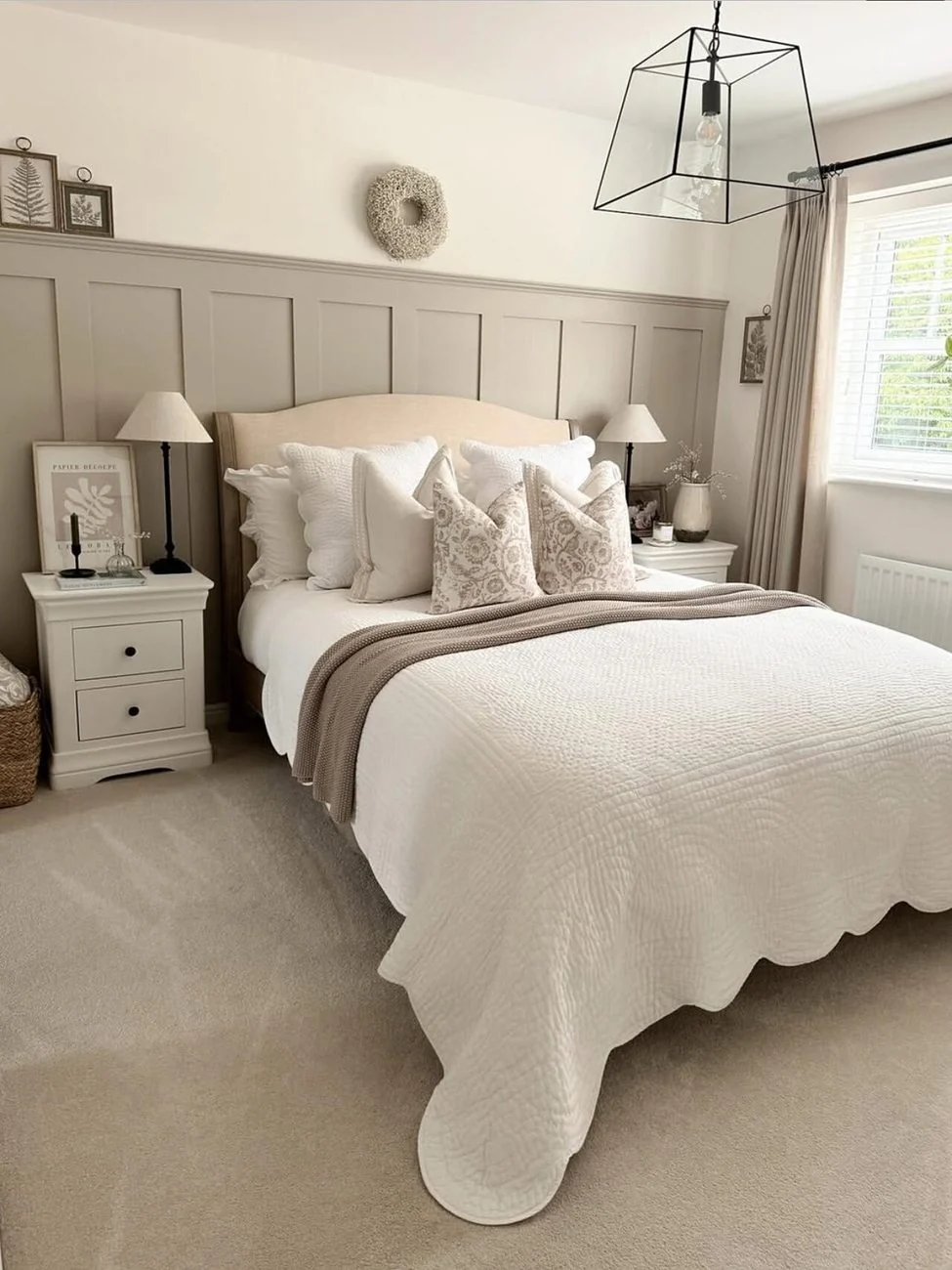
Visual cue: Look at the light upholstery and stacked pillows. Start with a quiet bedding base, then vary texture before introducing any strong accent color.
Try this direction: layered cream and brown bedding, a softly upholstered headboard and an uncluttered bedside zone.
2. Make natural wood the warmth behind the bed
A natural wood dresser or nightstand can shape the feeling of an entire bedroom. In the light-filled scenes here, softly grained timber and vertical slats contrast with pale fabrics and white walls. Instead of matching every wooden piece, pick one dominant wood temperature and repeat it in two or three places. Let curtains, upholstered surfaces and simple ceramics soften the harder edges.
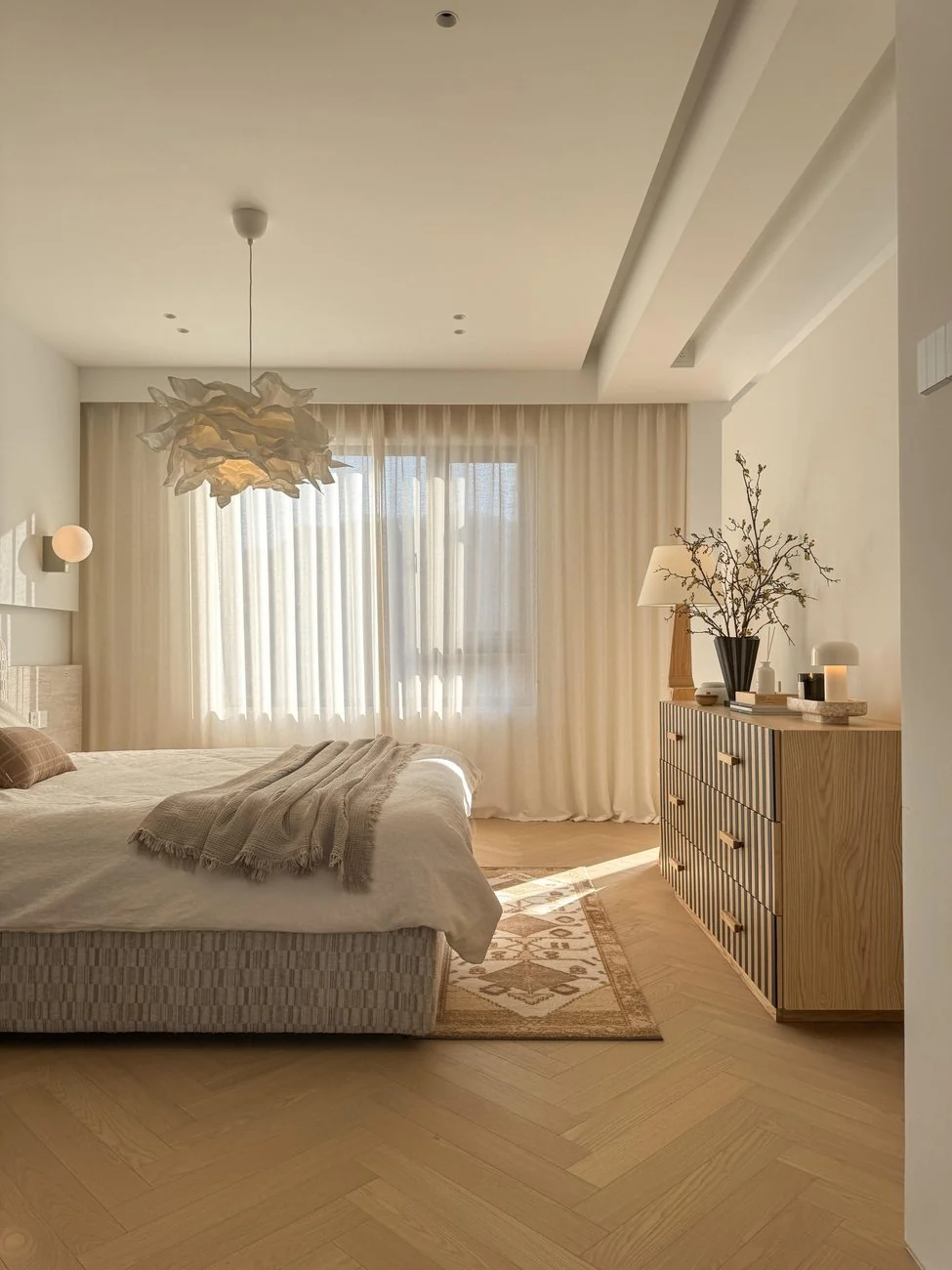
Visual cue: The warm wood is repeated in storage and bedside furniture. Choose your main wood tone first, then let bedding and curtains provide softness.
Try this direction: one dominant timber finish, woven textures and a mix of matte and soft surfaces.
Related reading: Explore Ratahome’s guide to choosing wood for furniture
3. Style bedside tables that feel collected and useful
The bedside zone is the easiest place to test a new decorating direction. A rounded lamp, framed print, a small vase and one meaningful object can transform an ordinary nightstand. Use the height of the headboard and lamp shade to create a pleasing composition, but leave space for a book, phone and glass of water. If two nightstands are used, they can coordinate without being identical.
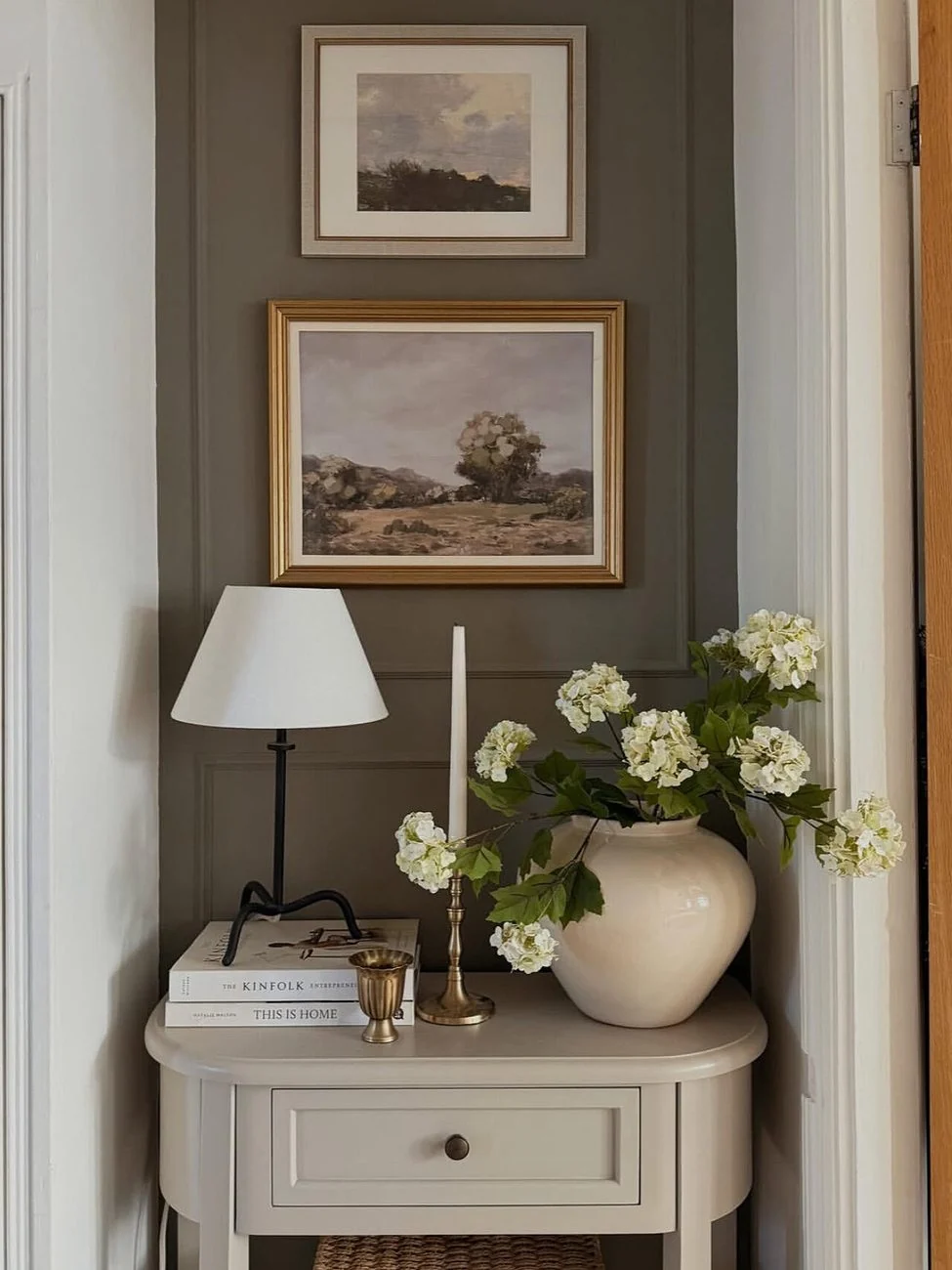
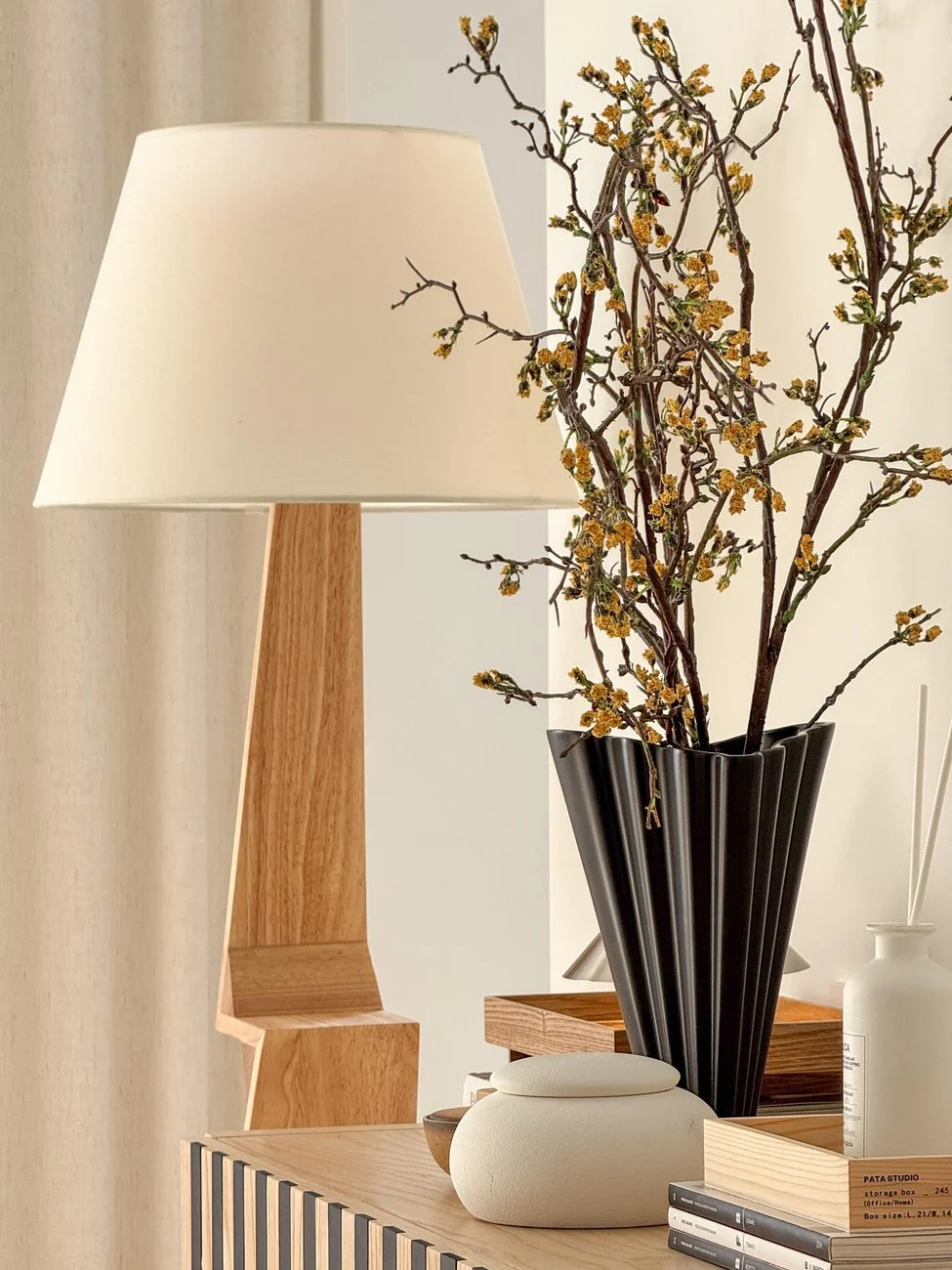
Visual cue: Each bedside vignette has one dominant lamp and one smaller object. Keep the tabletop usable; symmetrical placement matters more than identical accessories.
Try this direction: a table lamp at a comfortable reading height, one visual anchor above the table and room for everyday items.
4. Turn dressers into quiet bedroom focal points
A dresser can be more than practical storage: it can anchor an otherwise empty wall. A dark vintage chest with a framed mirror feels intimate and collected, while a rhythmic slatted-wood dresser makes a modern bedroom look architectural. To avoid clutter, style the top with one tall object, one low tray and generous breathing room. Choose drawer depth and placement for your actual wardrobe—not just the photograph.
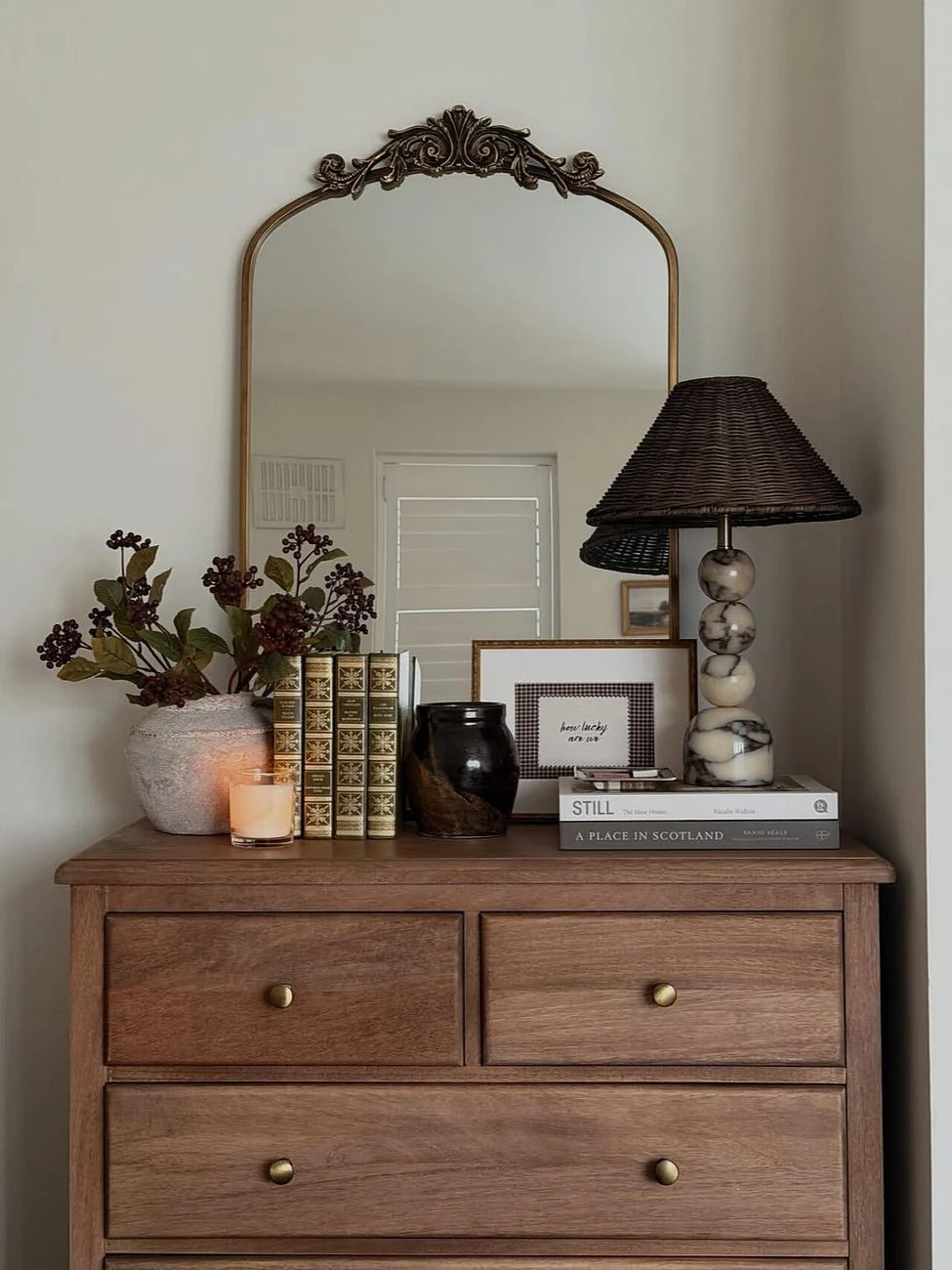
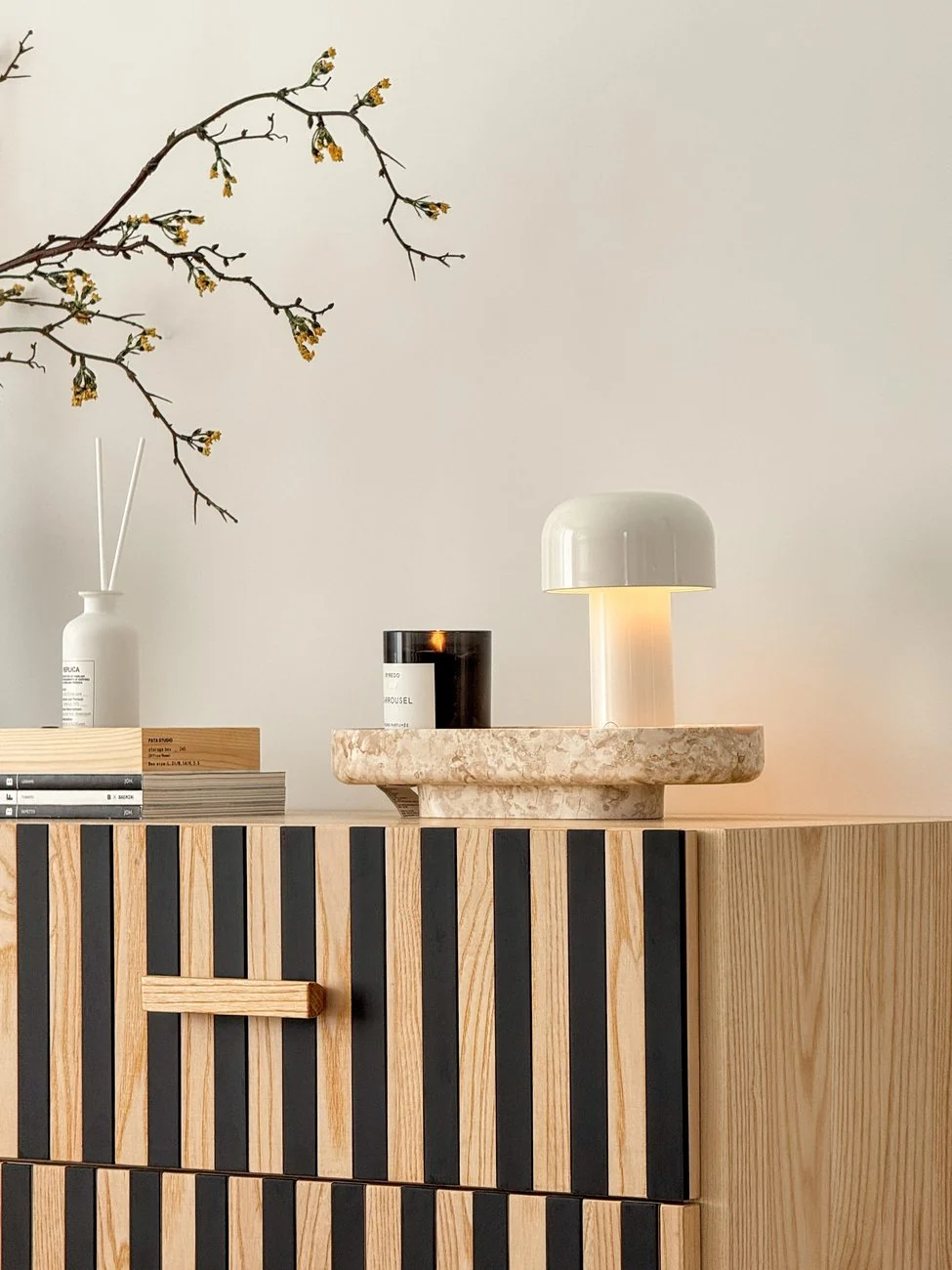
Visual cue: Compare the traditional chest with the modern slatted cabinet. The right dresser depends on whether your room needs visual softness or a stronger architectural line.
Try this direction: a dresser with the right scale, restrained styling above it and drawer space suited to your routine.
5. Choose artwork and objects that make the room yours
Artwork brings personality to a restful room without requiring bold wall color. The gallery-wall example introduces rhythm through repeated frames, while the console vignette uses an arched mirror, lamps and woven baskets for a softer, vintage-inspired mood. Pick one visual story—landscape paintings, monochrome photography or sculptural ceramics—and give it room to breathe rather than spreading small decorations across every surface.
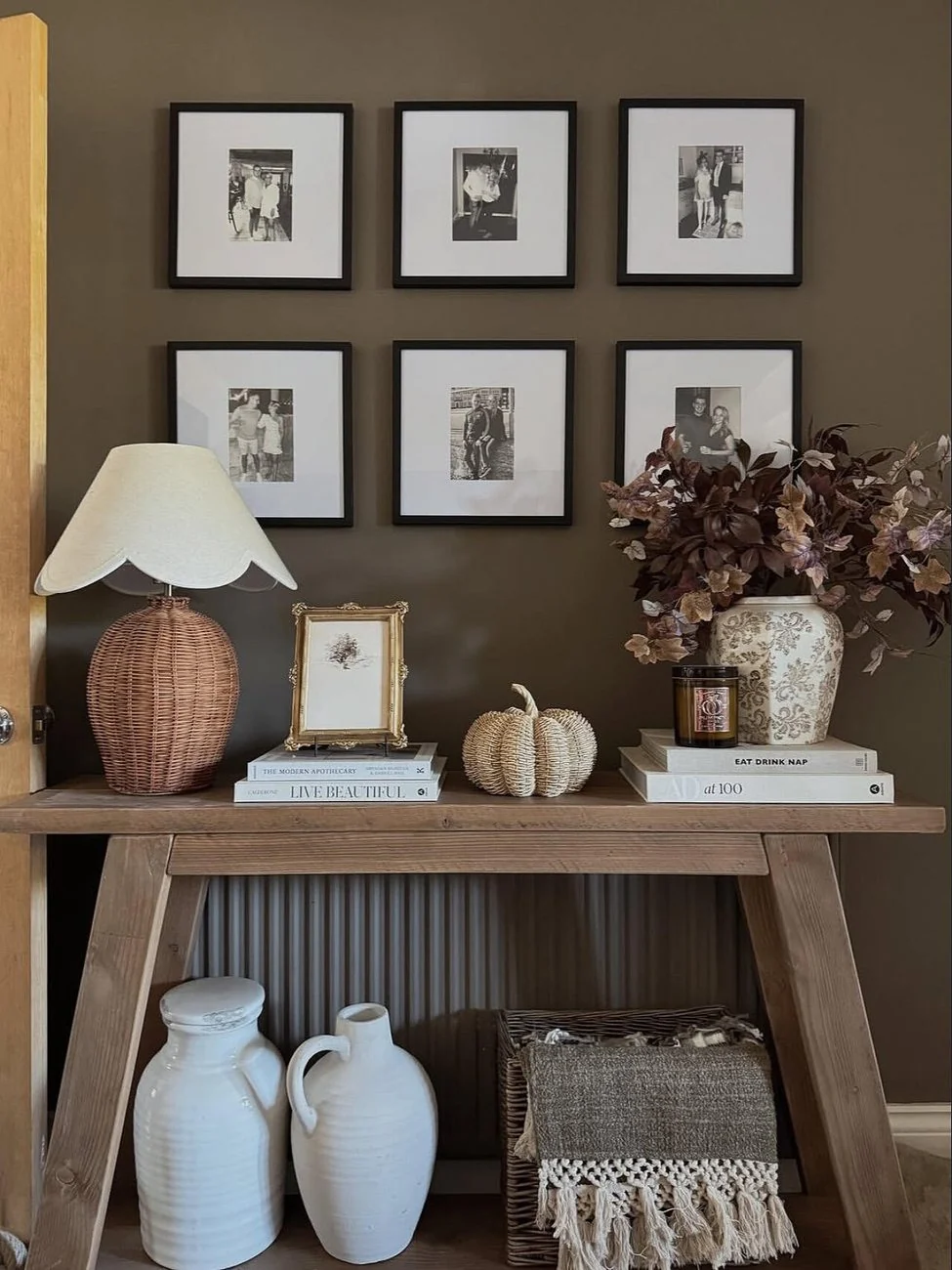
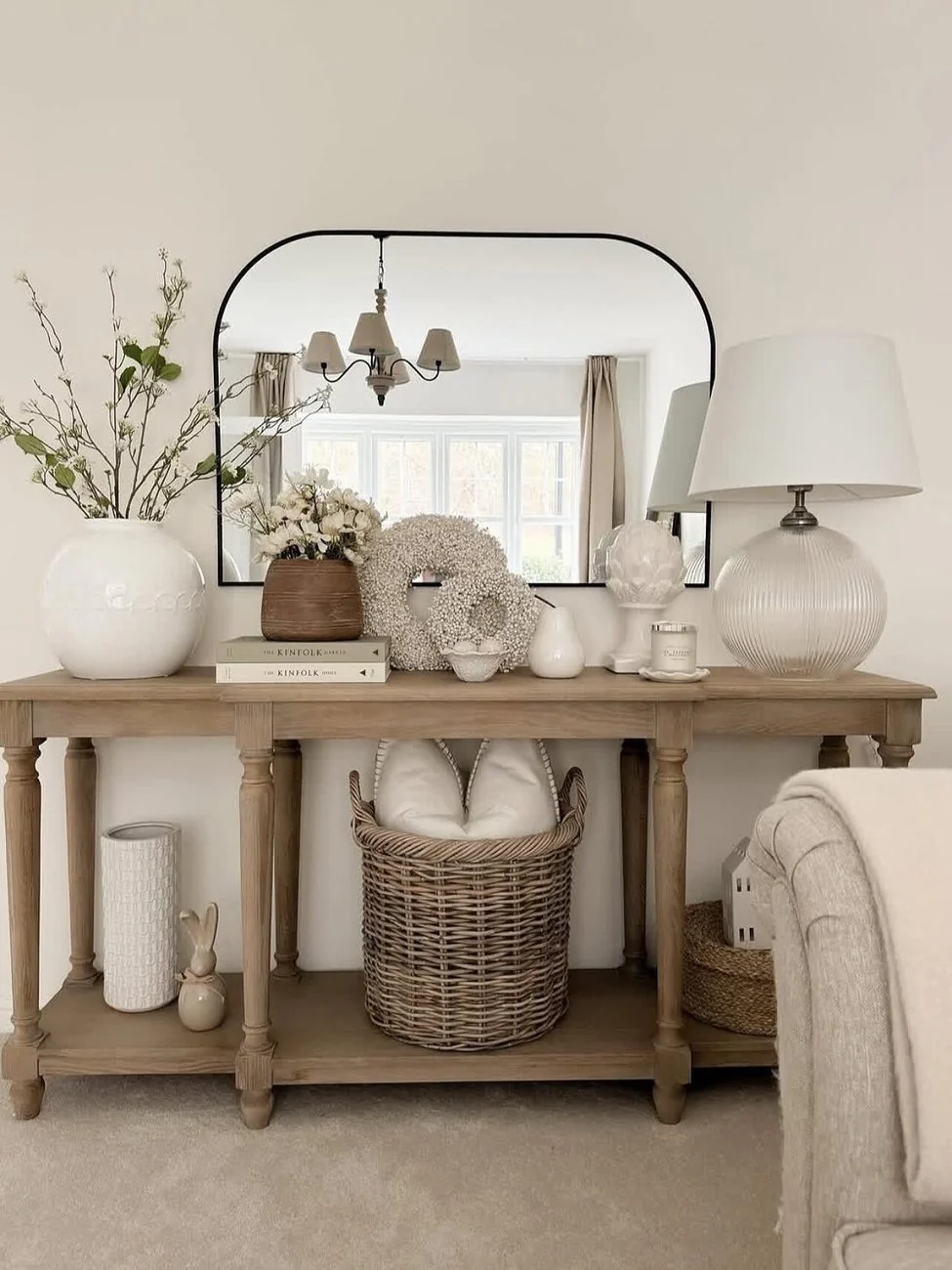
Visual cue: A grouped gallery wall feels more personal, while a single mirror-led composition feels calmer. Pick one method rather than covering every empty wall.
Try this direction: a coherent art palette, varied object heights and generous breathing room between pieces.
Related reading: See the Organic Modern style guide for a restrained art and material direction
6. Create a brighter mirror or dressing corner
A mirror can work as both an everyday necessity and a decorative gesture. An arched full-length mirror softens the vertical lines of a narrow room; a round mirror above a dresser creates a gentle focal point. Position mirrors to capture daylight rather than directly reflecting a cluttered corner. A small stool, clear floor space and flattering lamp light turn the area into a useful dressing zone.
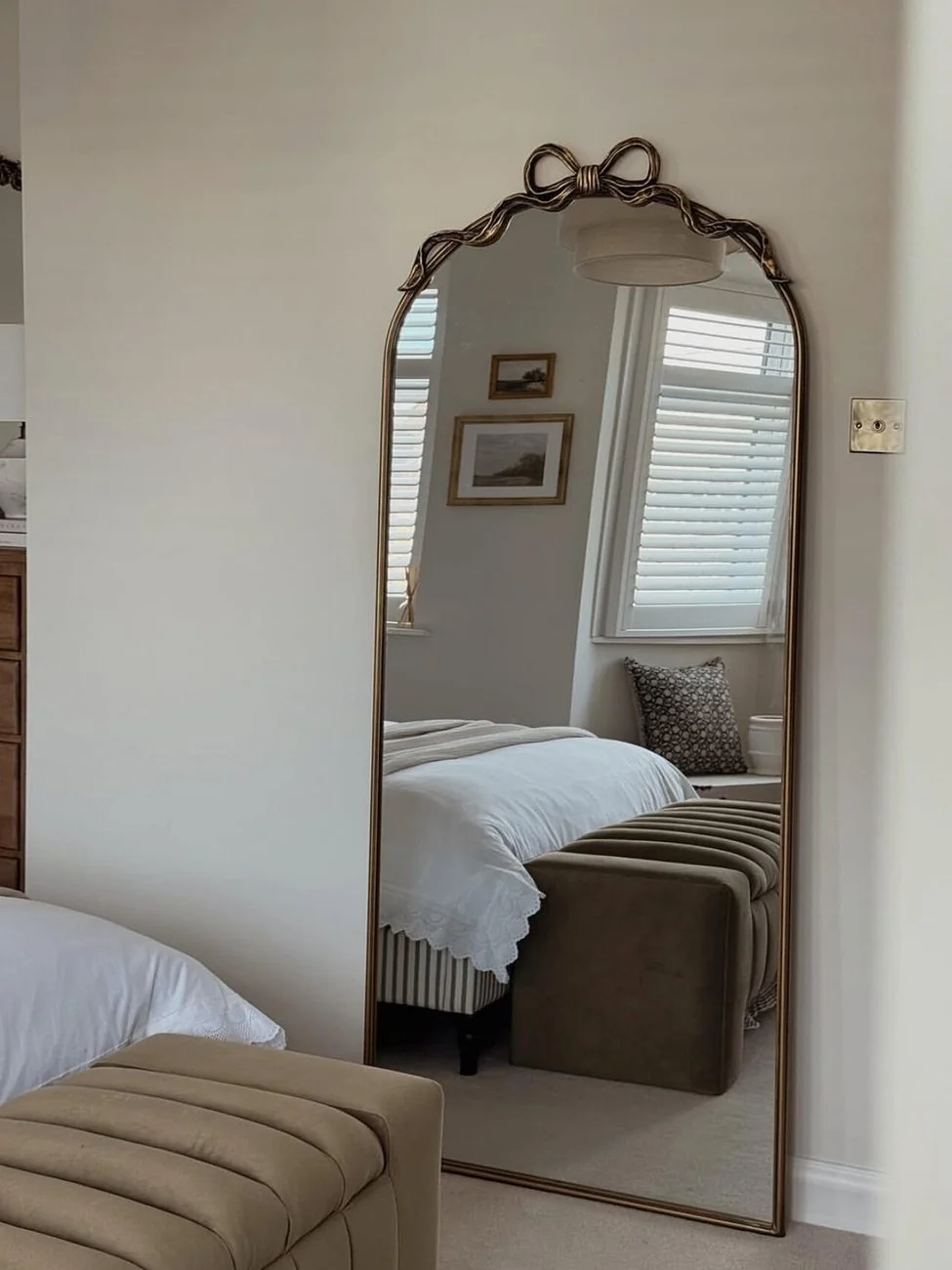
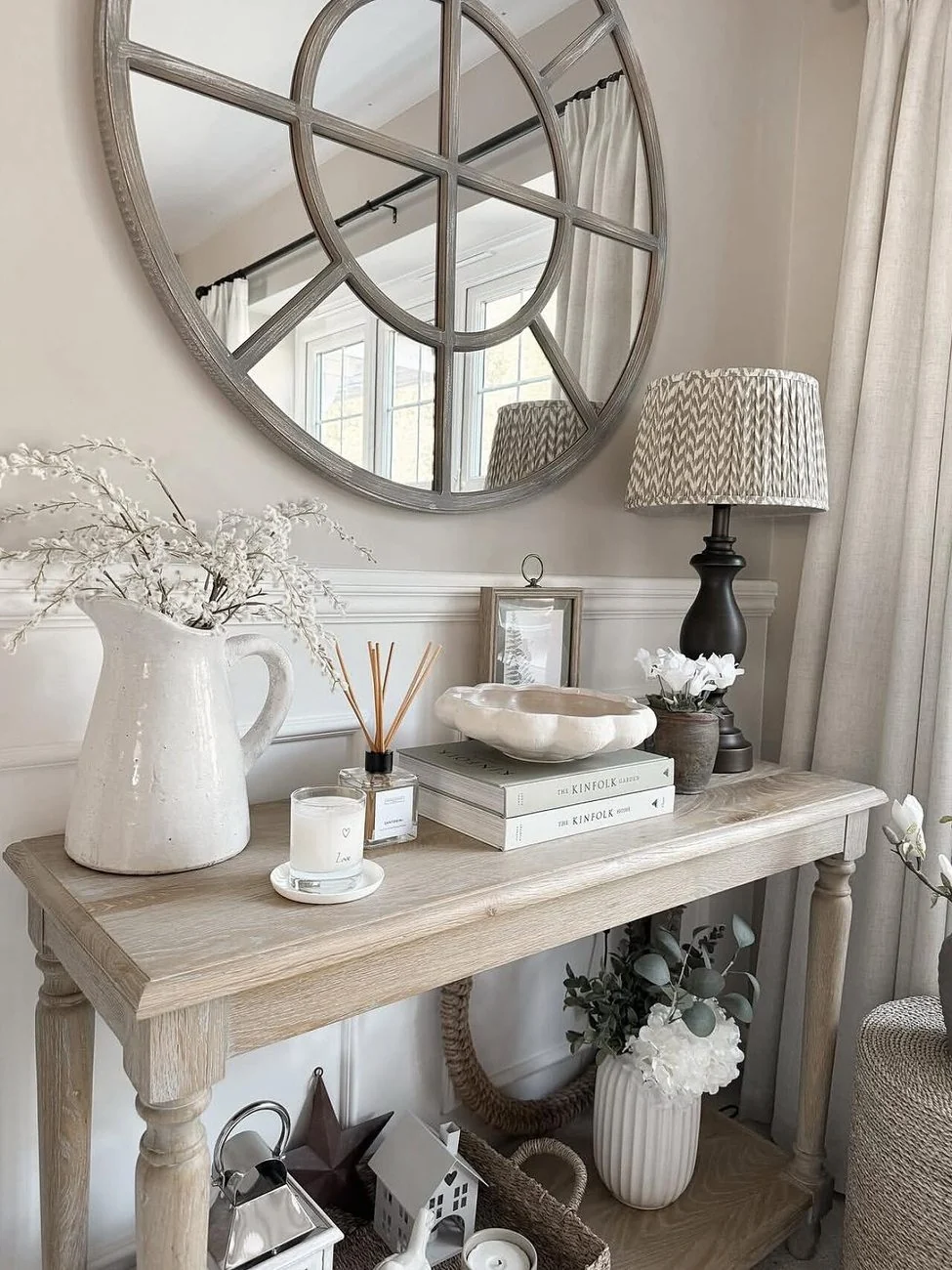
Visual cue: An arched full-length mirror and a round dresser mirror create different effects. Choose based on available wall width, the amount of reflected daylight and your dressing routine.
Try this direction: a mirror with a frame that suits the furniture, flattering ambient lighting and an uncluttered floor area.
7. Find your palette: soft daylight or sophisticated contrast
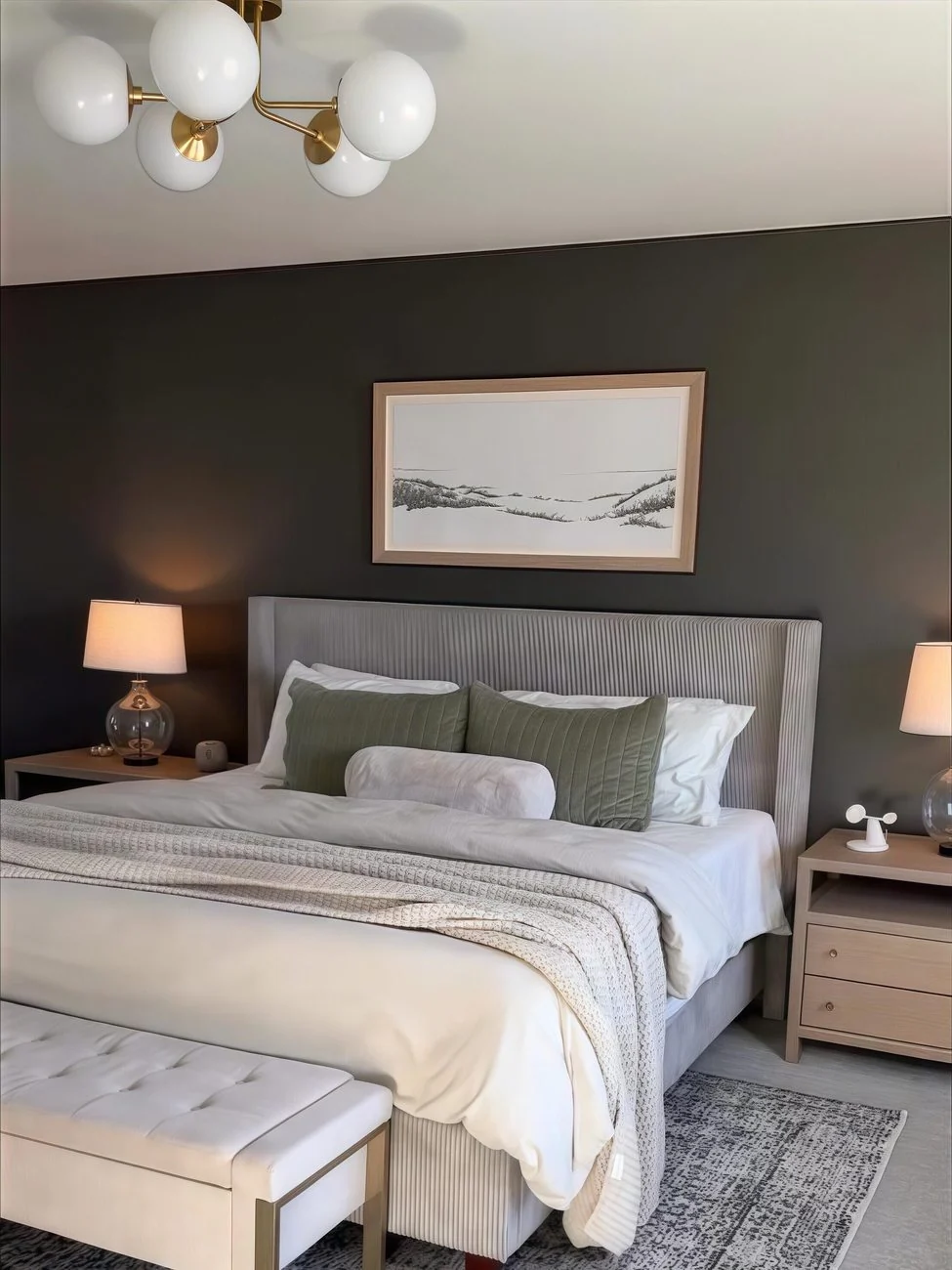
A bedroom should feel good in the morning and after dark. Pale walls, sheer drapes and natural bedding create a sunlit retreat, while charcoal walls and gray upholstery introduce a more tailored hotel-like atmosphere. Neither direction requires a complicated scheme: keep the bedding balanced, repeat the accent color once or twice, and use bedside lamps to create warmth when daylight fades.
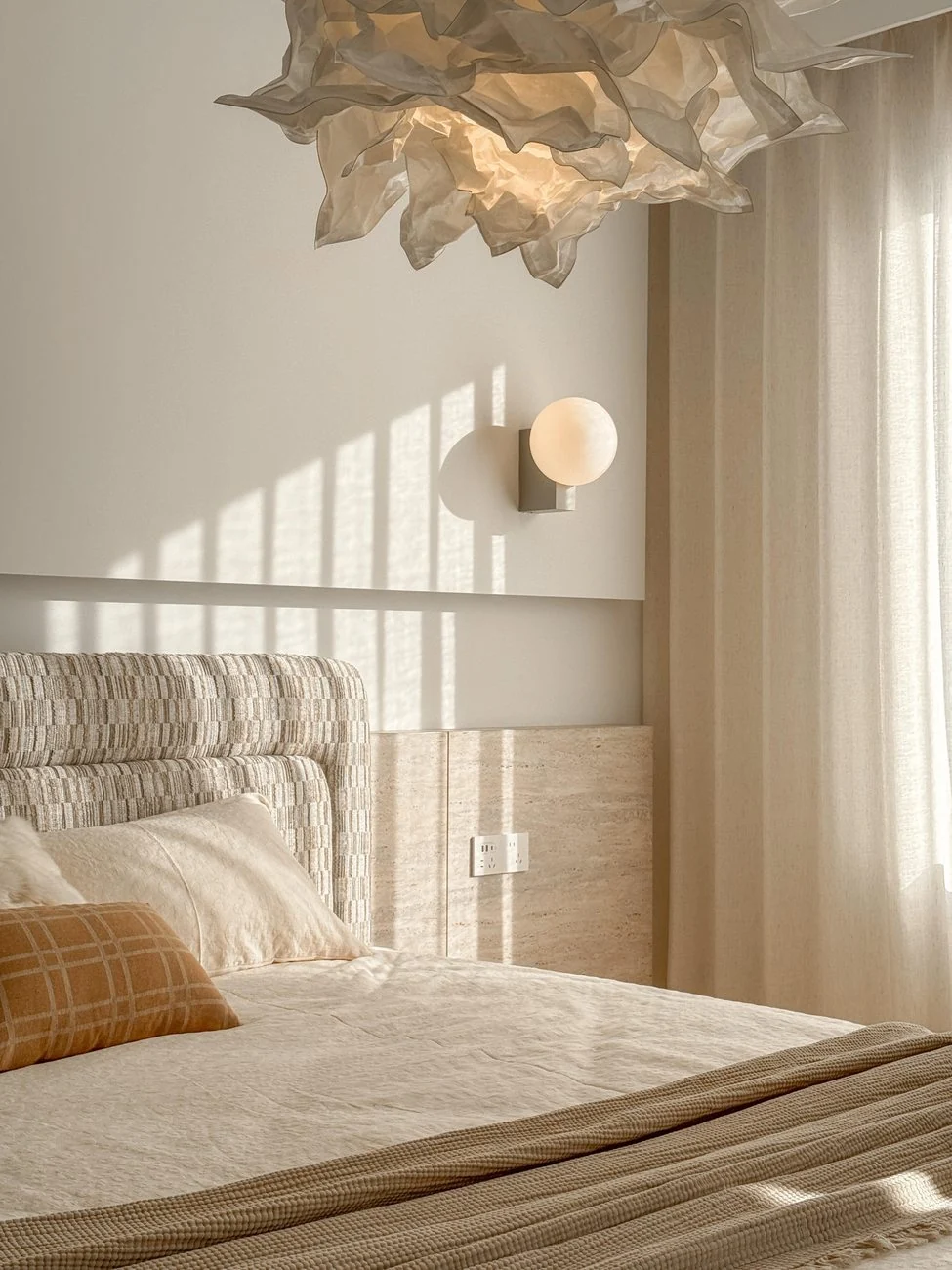
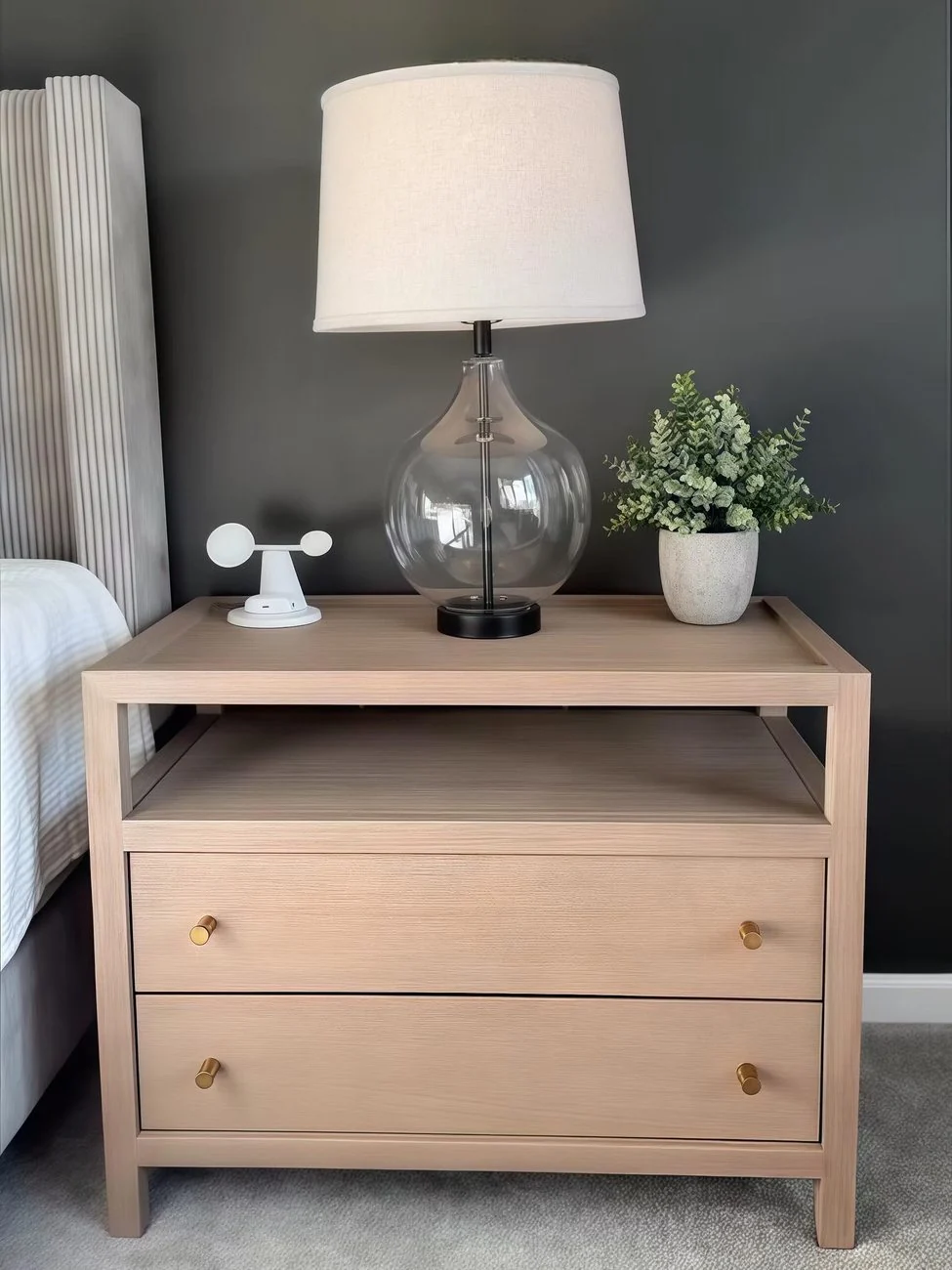
Visual cue: Decide whether you prefer bright morning neutrals or an intimate charcoal backdrop. Test fabric, wall and lamp colors together, not in isolation.
Try this direction: the atmosphere you want at night as well as in daylight, then coordinate bed textiles and lighting accordingly.
Turn your favorite bedroom images into a furniture brief
Start with two or three reference photos and your floor plan. Specify the bed size, room dimensions, desired bedside tables, wardrobe or dresser storage, finish preferences and approximate budget. This turns visual inspiration into a shortlist of coordinated pieces rather than an assortment of unrelated purchases.
For practical ideas on selecting materials that fit your inspiration, consult Ratahome’s wood selection guide. For a calm, nature-led look, explore the Organic Modern furniture style guide. For a project-level example of coordinating bedrooms with the rest of a home, see the premium whole-home furniture project.
Bring your bedroom inspiration to life.
Share your bedroom measurements, preferred inspiration images, furniture list and budget. Ratahome can help you refine a coordinated direction for beds, nightstands, dressers, finishes and whole-room sourcing.
Share Your Floor Plan & Bedroom Furniture ListBedroom Decorating Questions, Answered
What is the easiest way to make a bedroom feel more inviting?
Start with comfortable layered bedding, warm rather than harsh lighting, and one clear material direction such as pale timber or soft upholstery. Add personal details only after the main furniture layout works.
How can I decorate a small bedroom without clutter?
Choose a correctly scaled bed, slim bedside tables, wall-mounted lighting where useful, and storage that combines function and visual simplicity. Keep walkways clear.
Should bedroom furniture all match?
Not necessarily. Matching every piece can look rigid. Coordinating wood temperature, proportions and hardware finishes often creates a more natural, collected bedroom.
What information helps when sourcing bedroom furniture?
A floor plan with measurements, bed size, preferred style photos, desired storage, material preferences, delivery location and approximate budget help turn references into specifications.