1. Why metal choice matters in furniture
Metal is not one interchangeable category. A brushed stainless-steel island, a powder-coated iron bed, an aluminum cabinet frame and a patinated brass handle may all look “metallic,” yet they solve very different problems. The right choice depends on load, exposure to water, expected weight, finish consistency, fabrication method and how much visual warmth the design needs.
For whole-home furniture, metal is usually used selectively: as a frame, base, leg, reinforcement, door profile, trim, pull, lighting element or decorative skin. The best specification starts with the job the metal needs to do, then chooses the finish. This is the same function-first logic used in Ratahome’s wood furniture guide, where species is selected by performance before stain color.
2. Stainless steel vs aluminum vs iron vs brass: quick comparison
| Metal | Visual character | Weight | Corrosion behavior | Best furniture uses | Main watch-out |
|---|---|---|---|---|---|
| Stainless steel | Cool, precise, modern; brushed or polished | Medium–heavy | Very good when the right grade and finish are used | Kitchen surfaces, bases, frames, trims, high-use details | Fingerprints, scratches, grade selection and weld finishing |
| Aluminum | Clean, light, easy to powder coat | Light | Excellent for many indoor/outdoor applications | Cabinet profiles, frames, outdoor furniture, doors and panels | Thin sections can feel weak; finish quality varies |
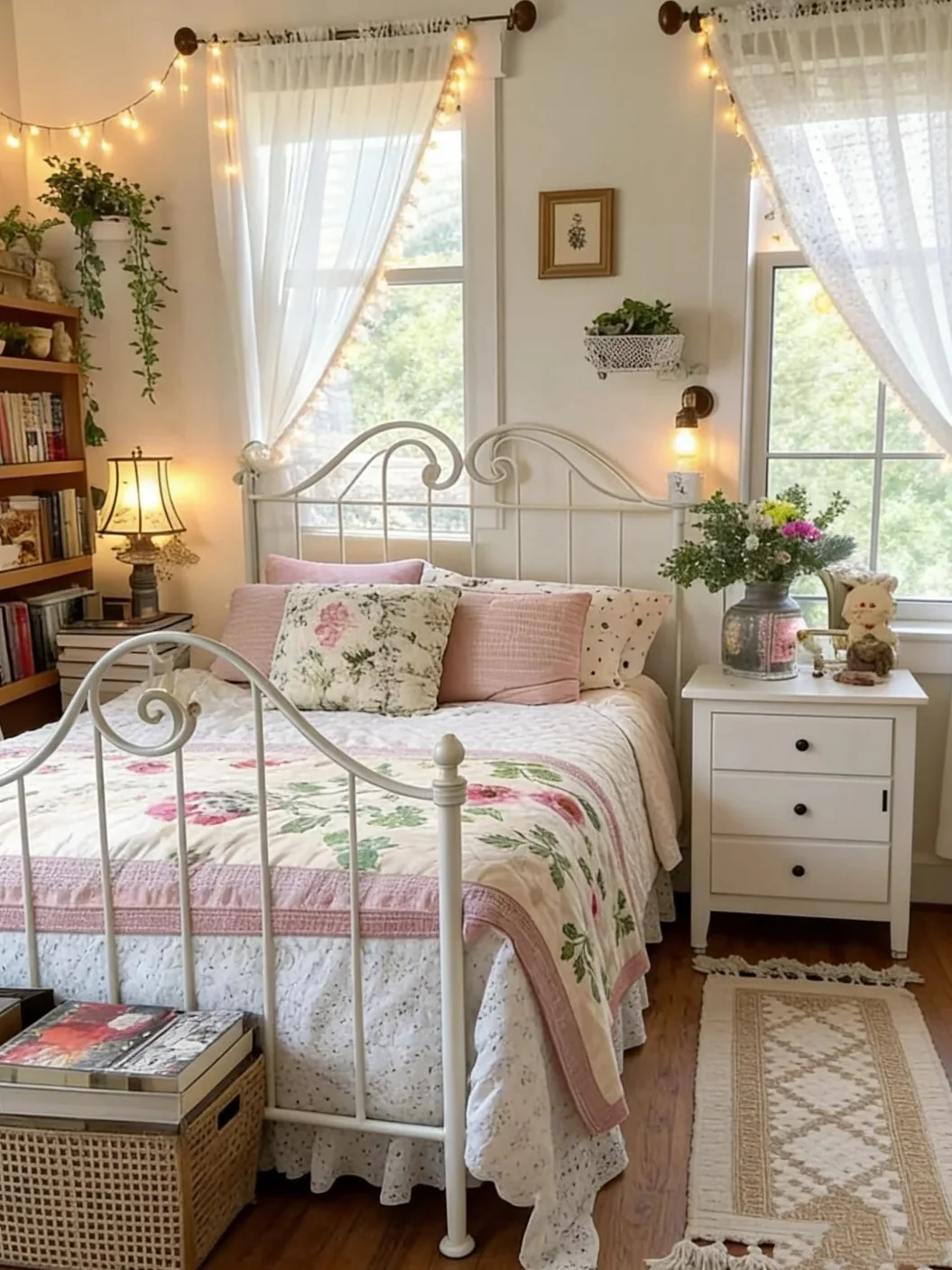
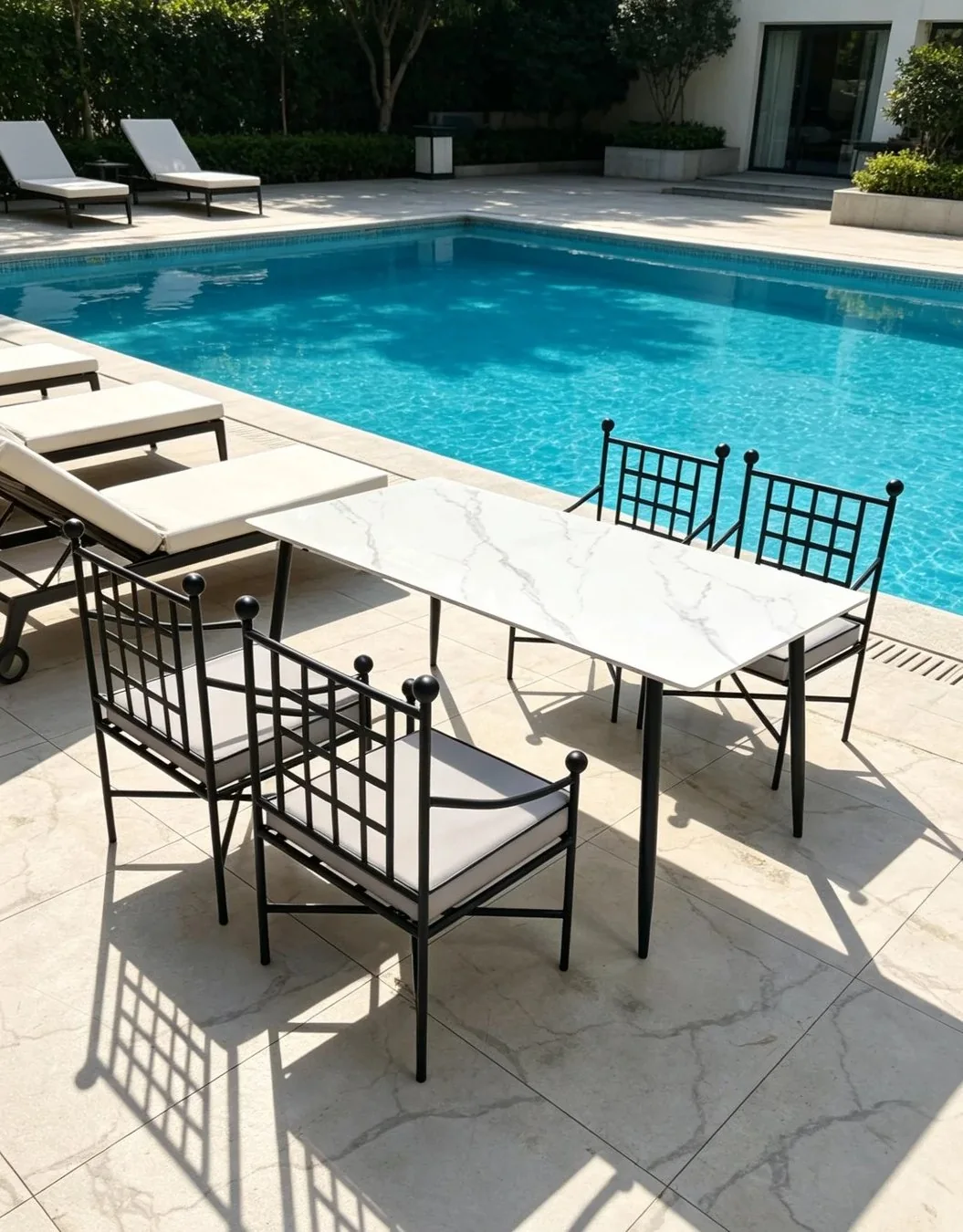
| Iron / mild steel | Strong visual line; industrial to traditional | Heavy | Needs coating and edge protection | Beds, chair frames, table bases, racks, outdoor frames | Rust at welds, joints, scratches and hollow sections |
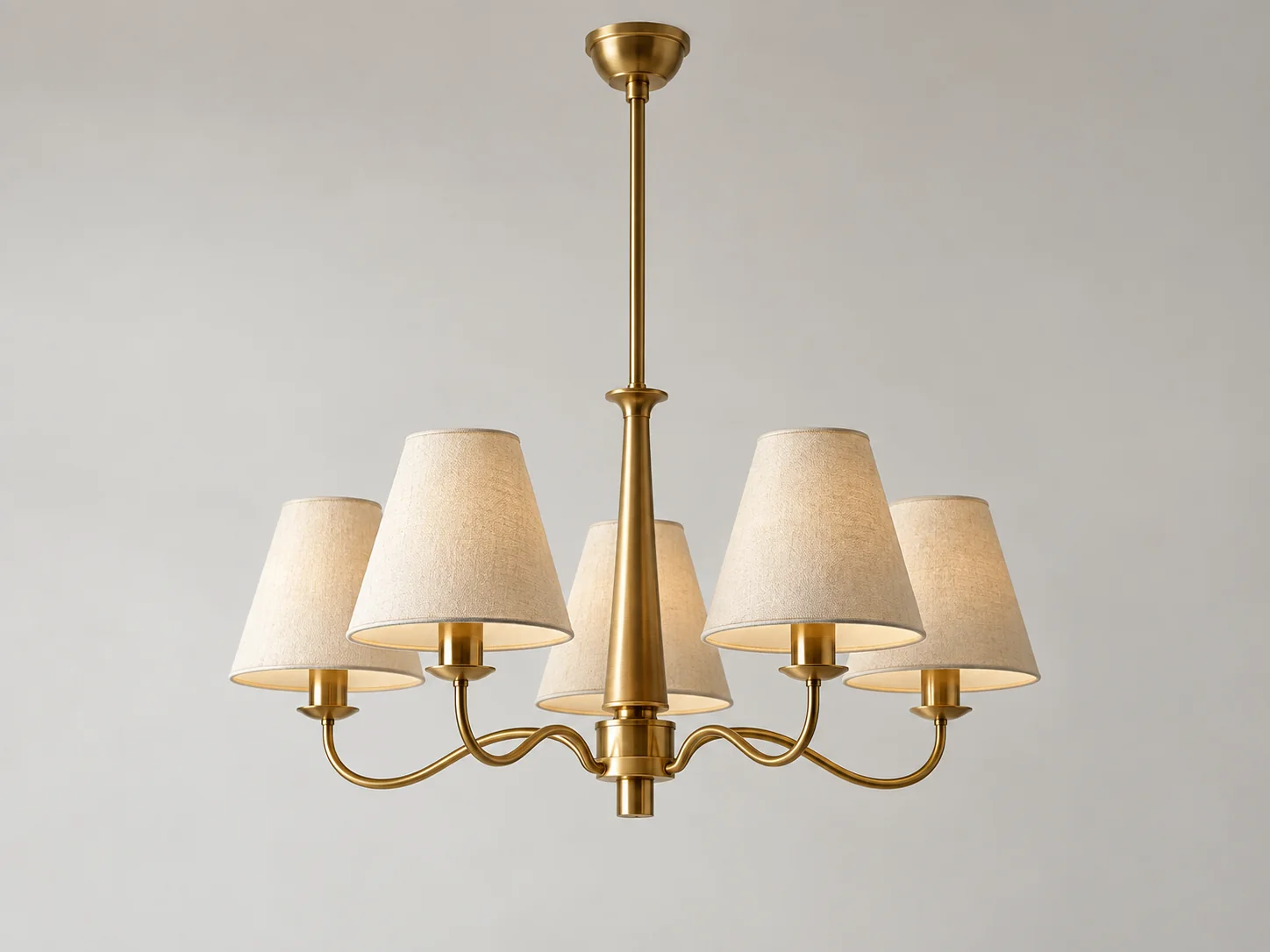
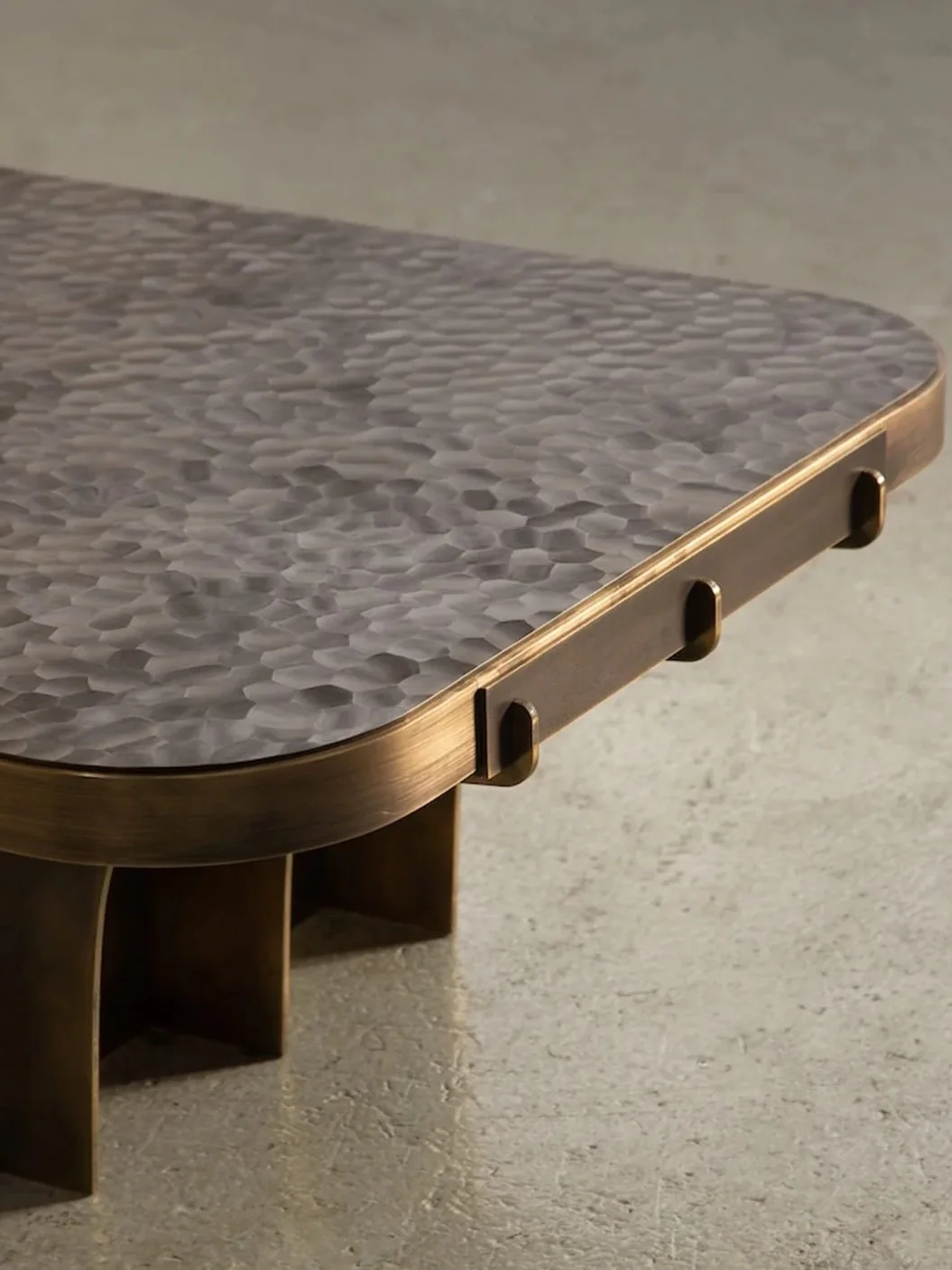
| Brass | Warm gold to brown; decorative and premium | Heavy | Develops patina; behavior depends on finish | Hardware, trims, lighting, mirror frames, accent bases | Color variation, fingerprints, patina and plating quality |
3. Stainless steel: clean, durable and detail-sensitive
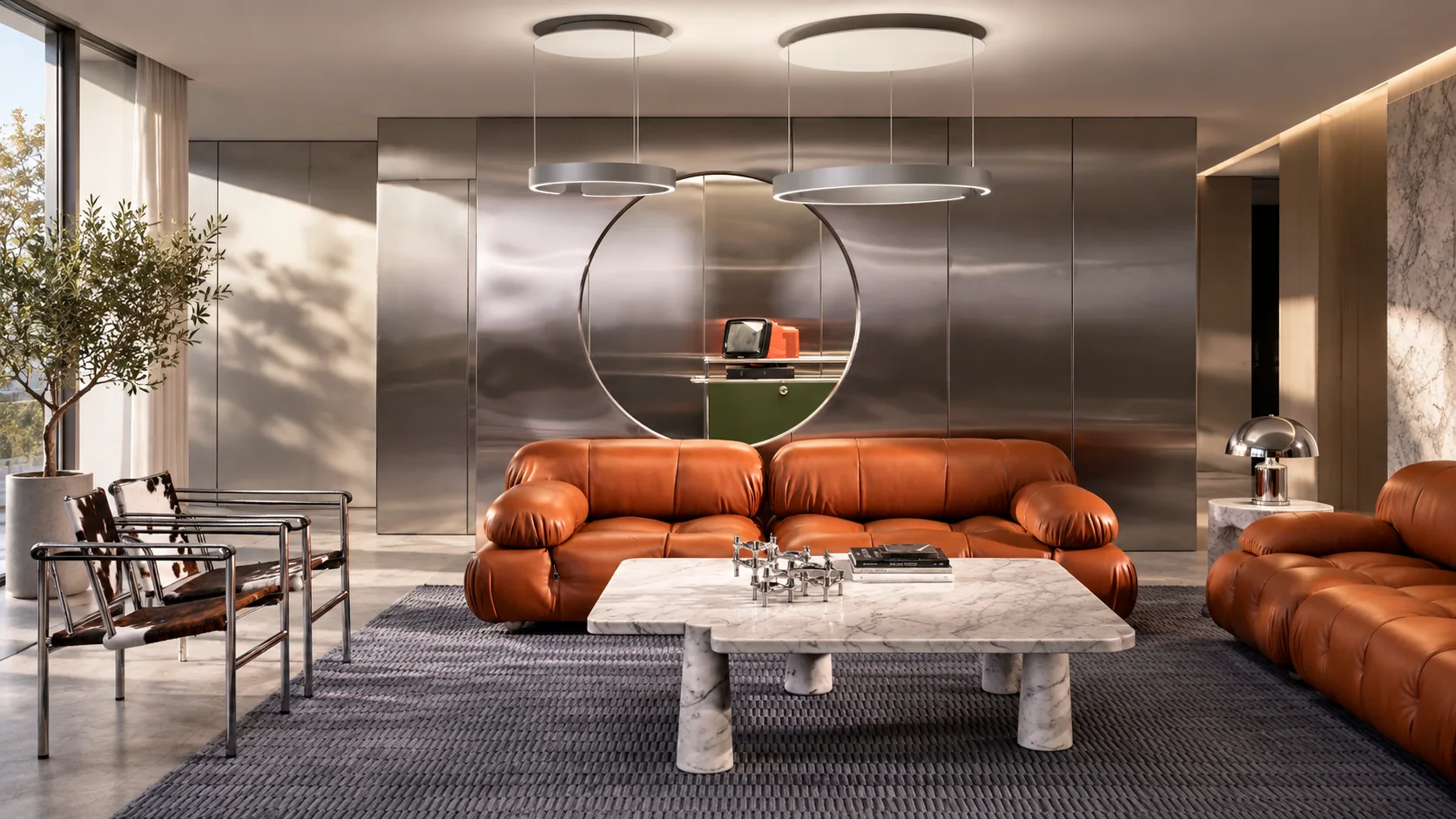
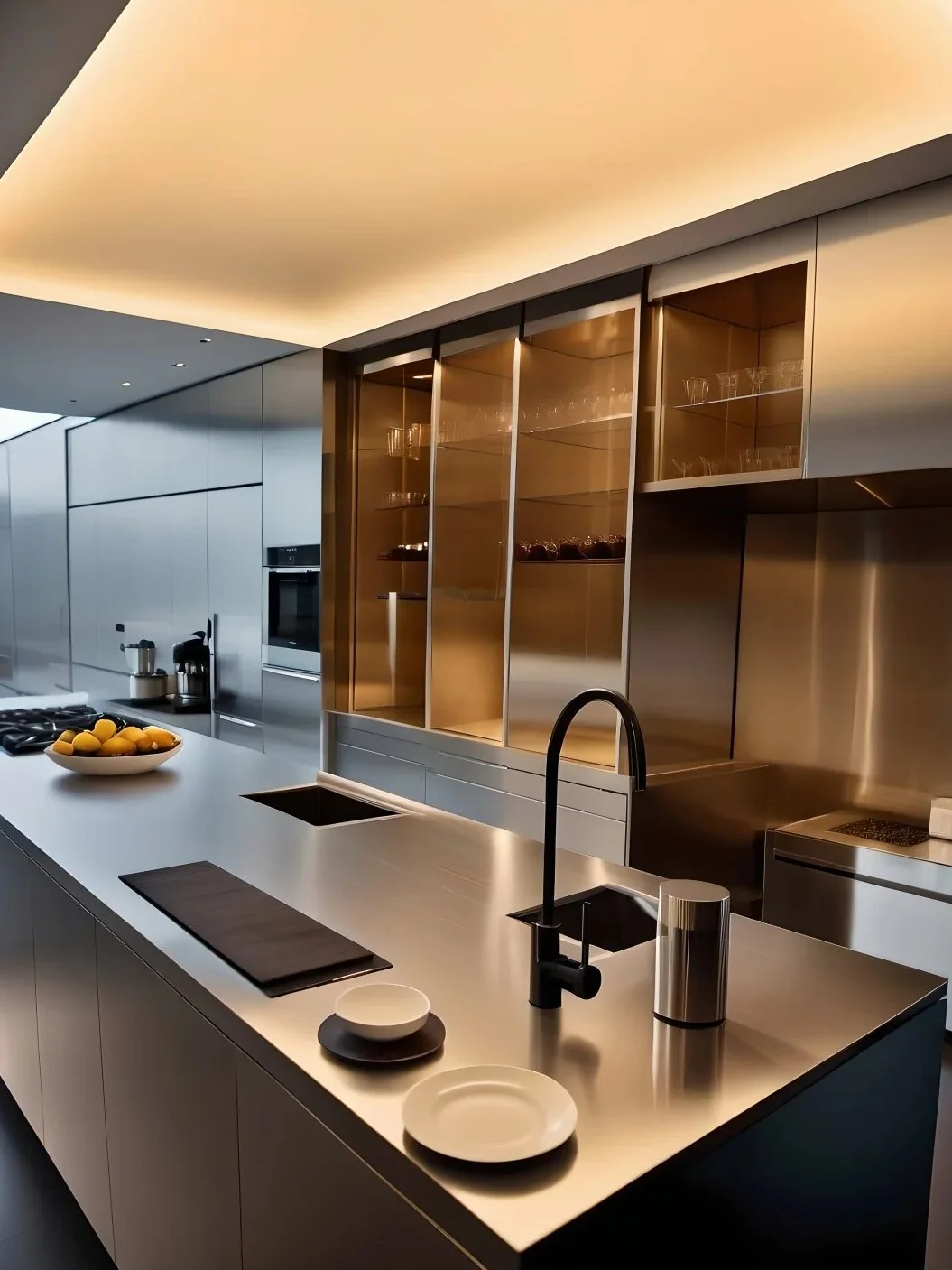
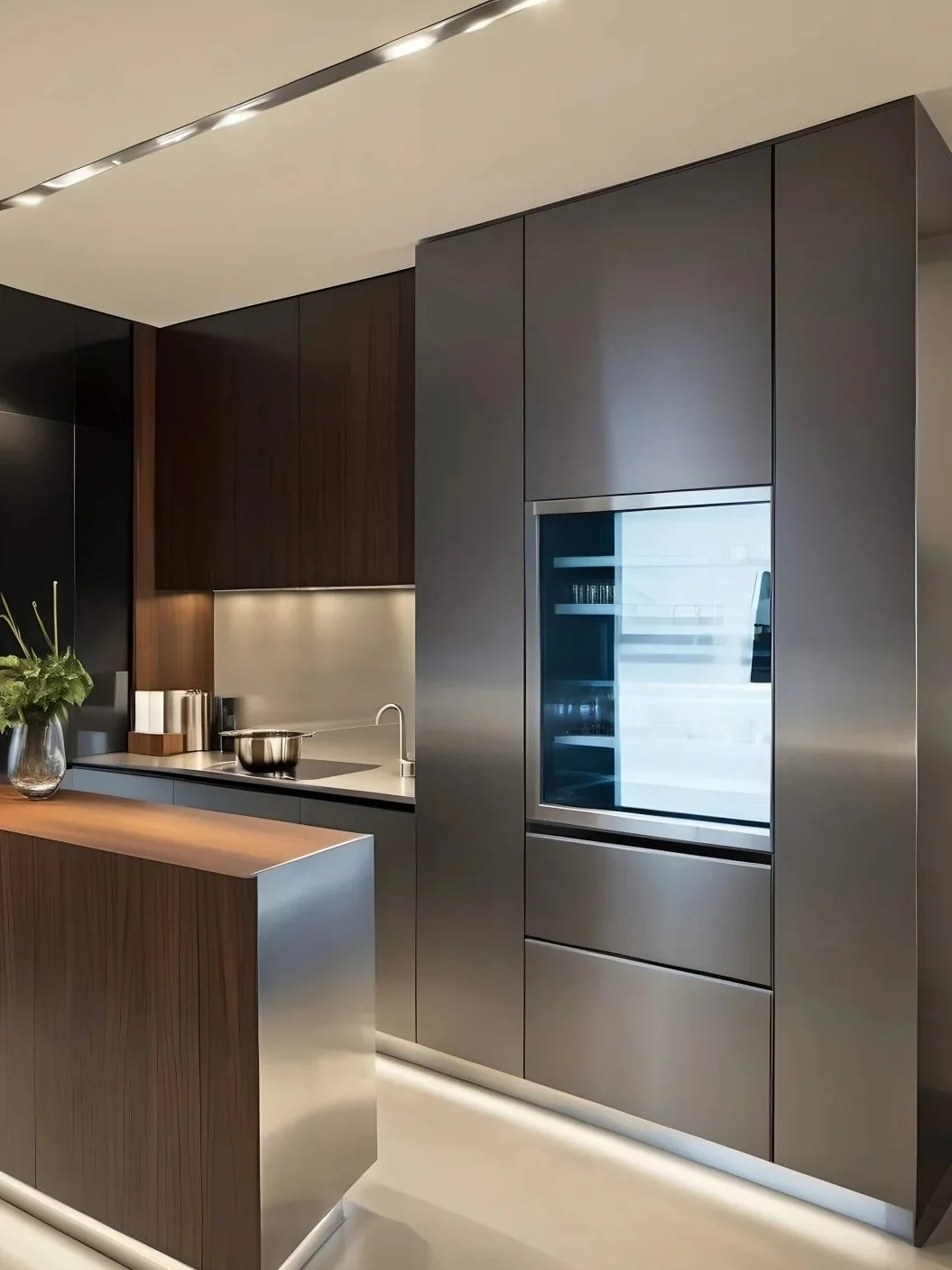
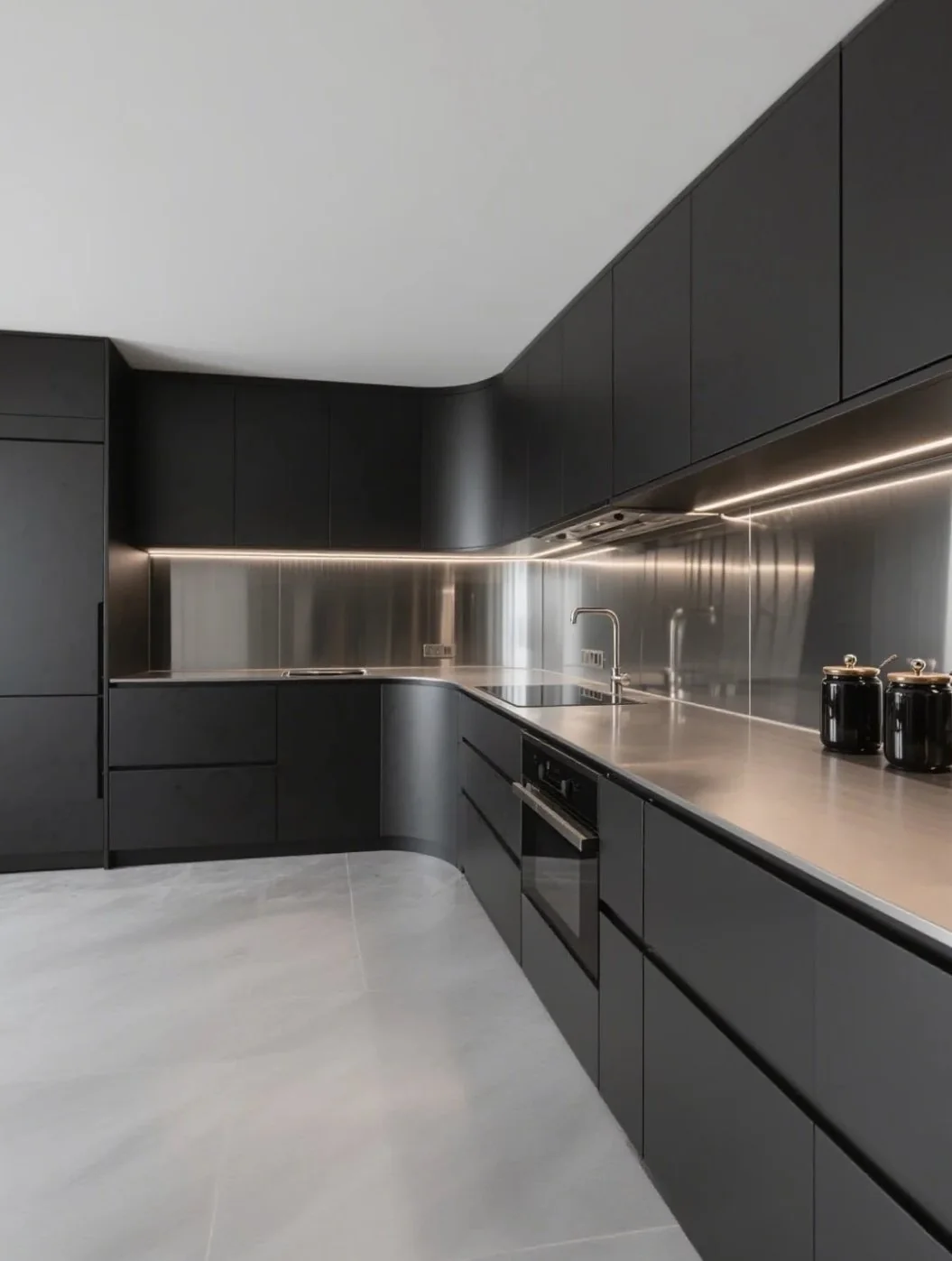
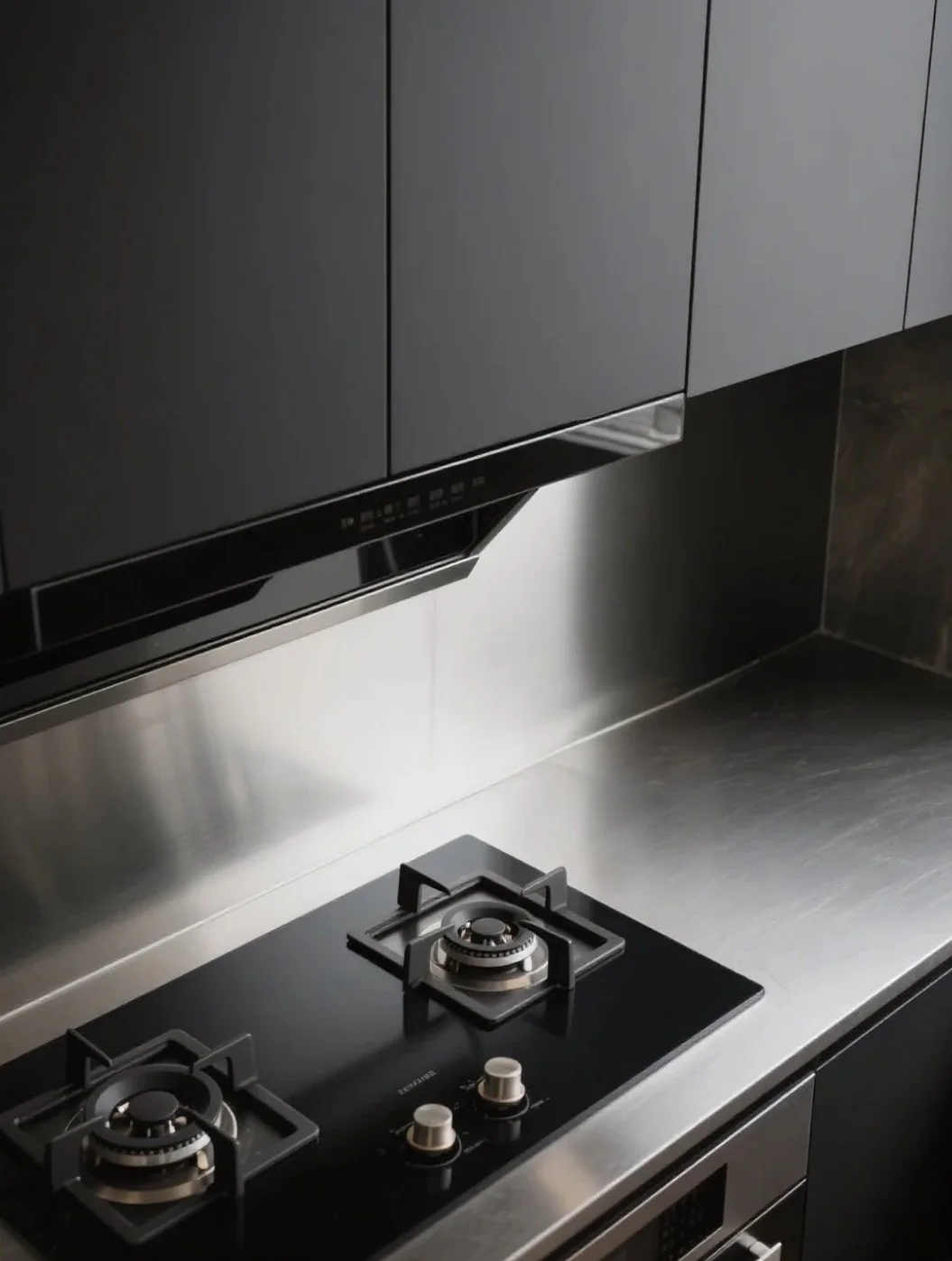
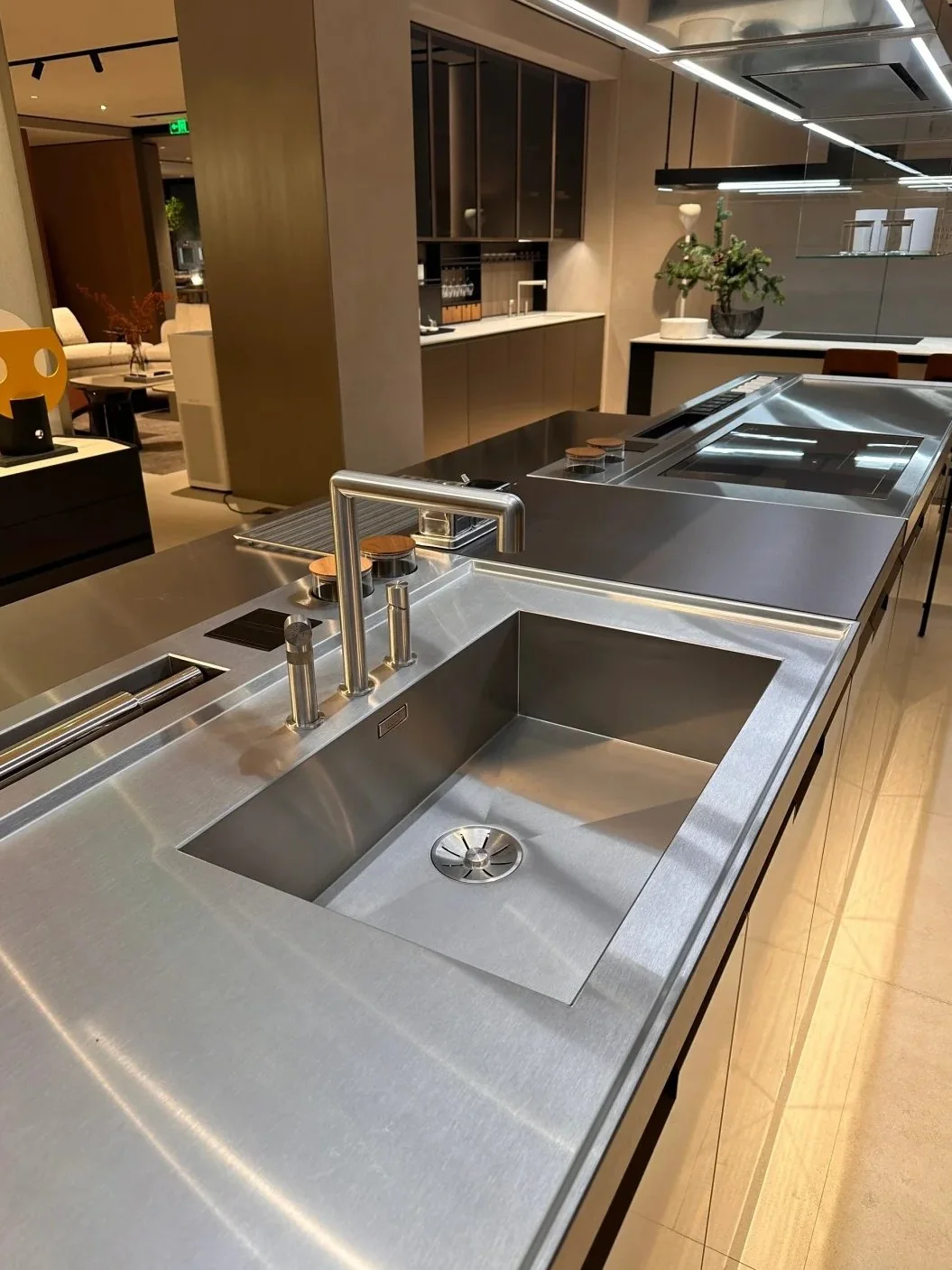
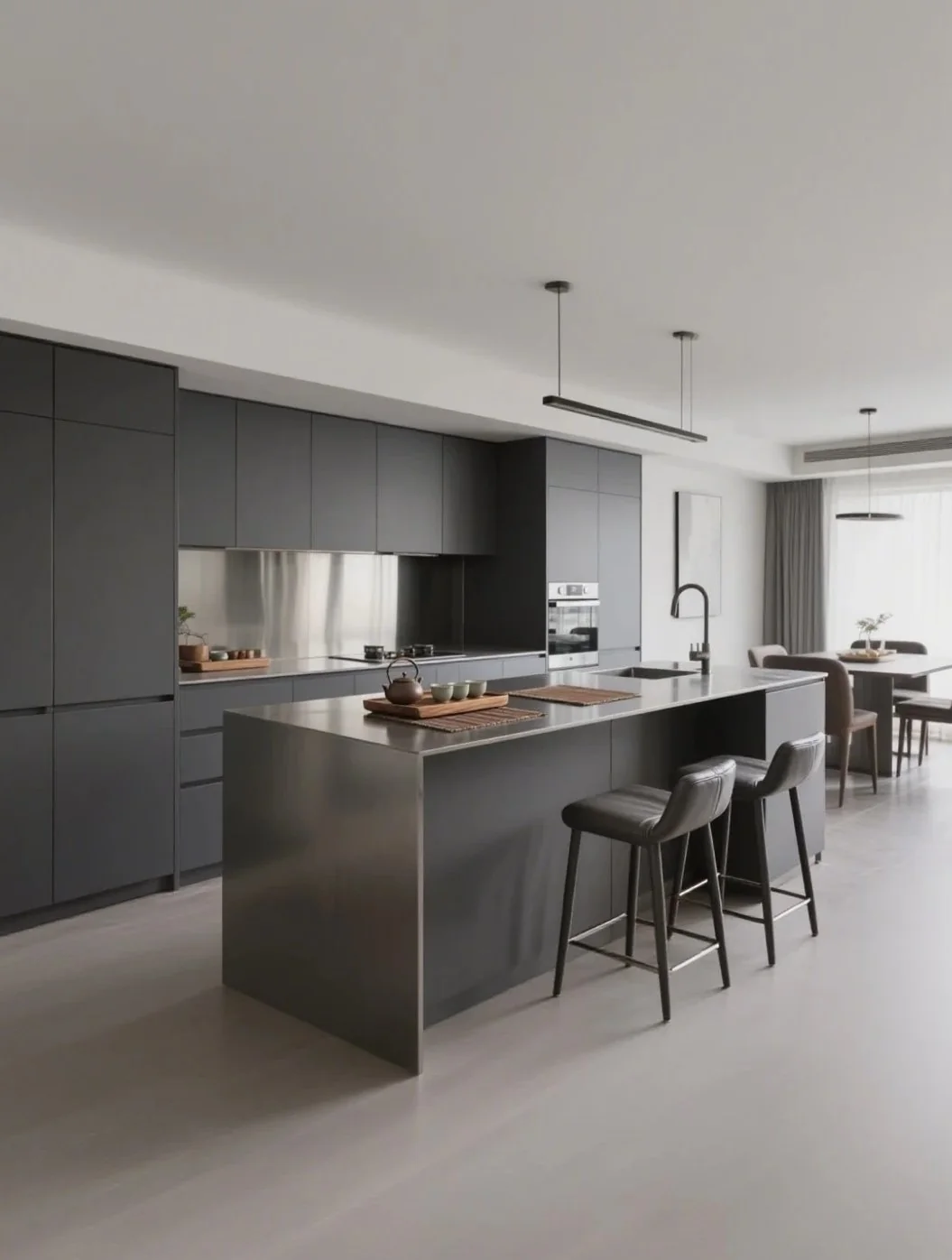
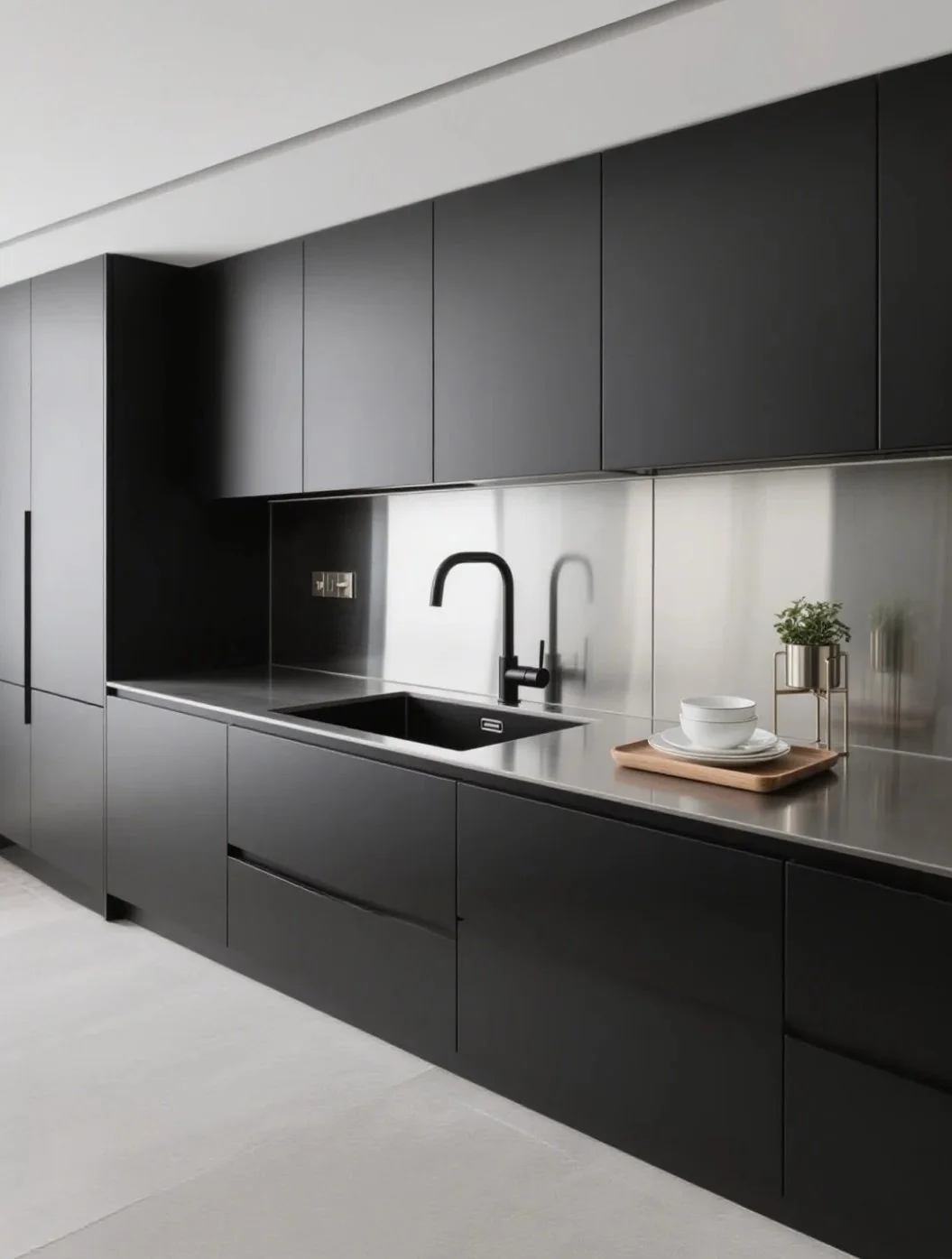
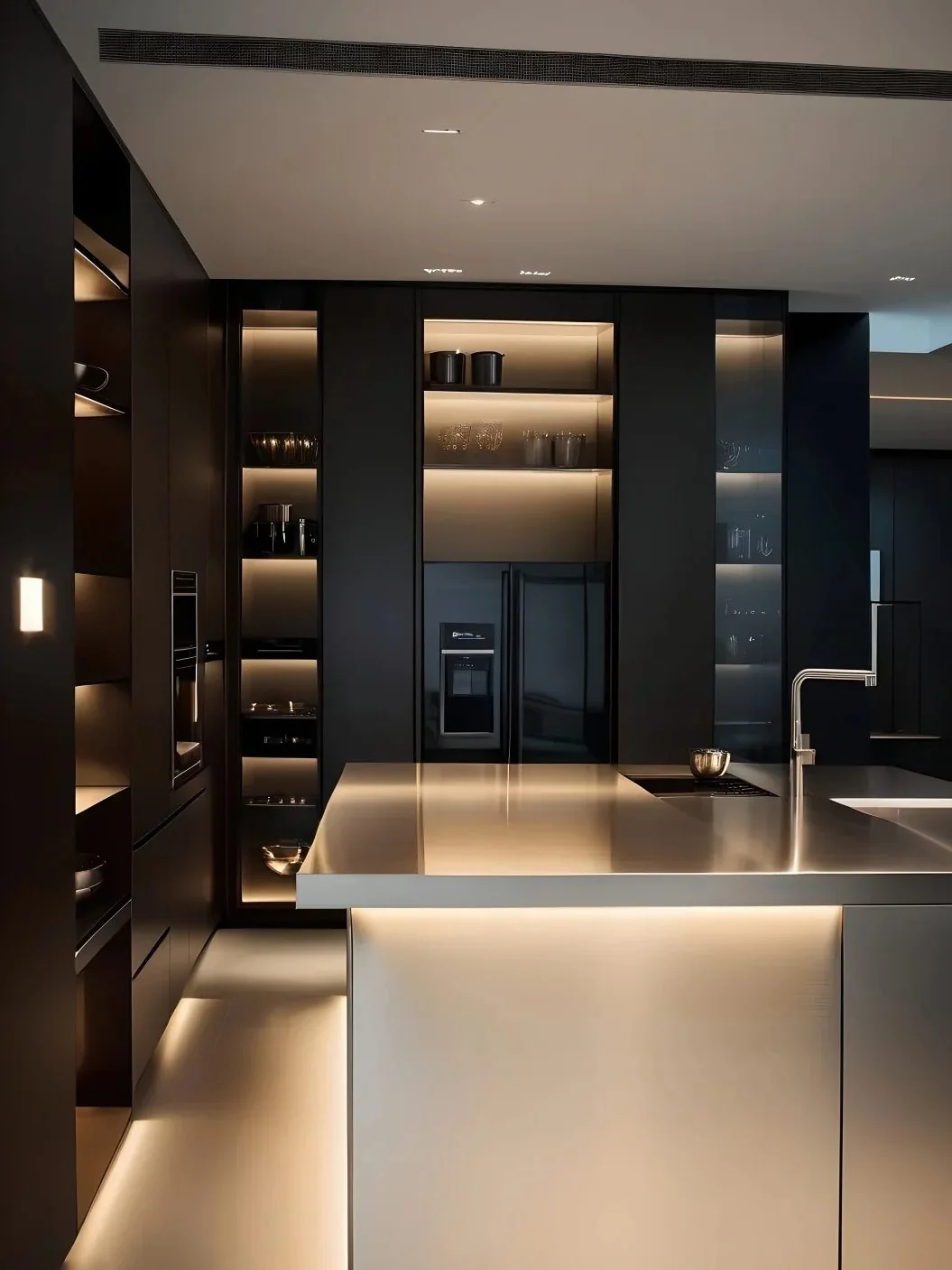
Stainless steel is chosen when designers want a refined metallic surface with high resistance to staining and corrosion. In furniture it appears as sheet cladding, cabinet worktops, table bases, trims, frames, sinks and architectural details. Brushed finishes soften reflections and hide minor handling marks better than mirror-polished surfaces, while polished stainless creates a more jewelry-like effect.
For indoor furniture, the practical questions are usually less about “is stainless strong?” and more about the exact grade, thickness, surface direction, corner treatment and weld polishing. A beautiful brushed sheet can still look poor if grain directions mismatch across adjacent panels or if welds become visible under light.
4. Aluminum: lightweight, stable and versatile
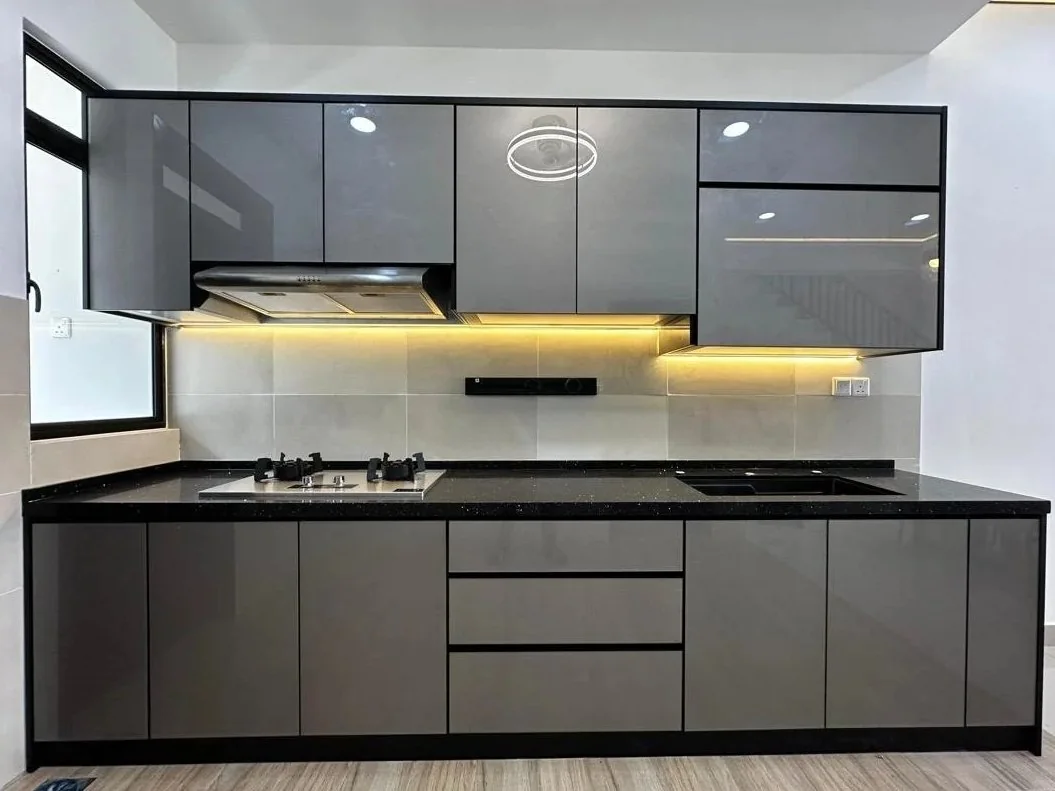
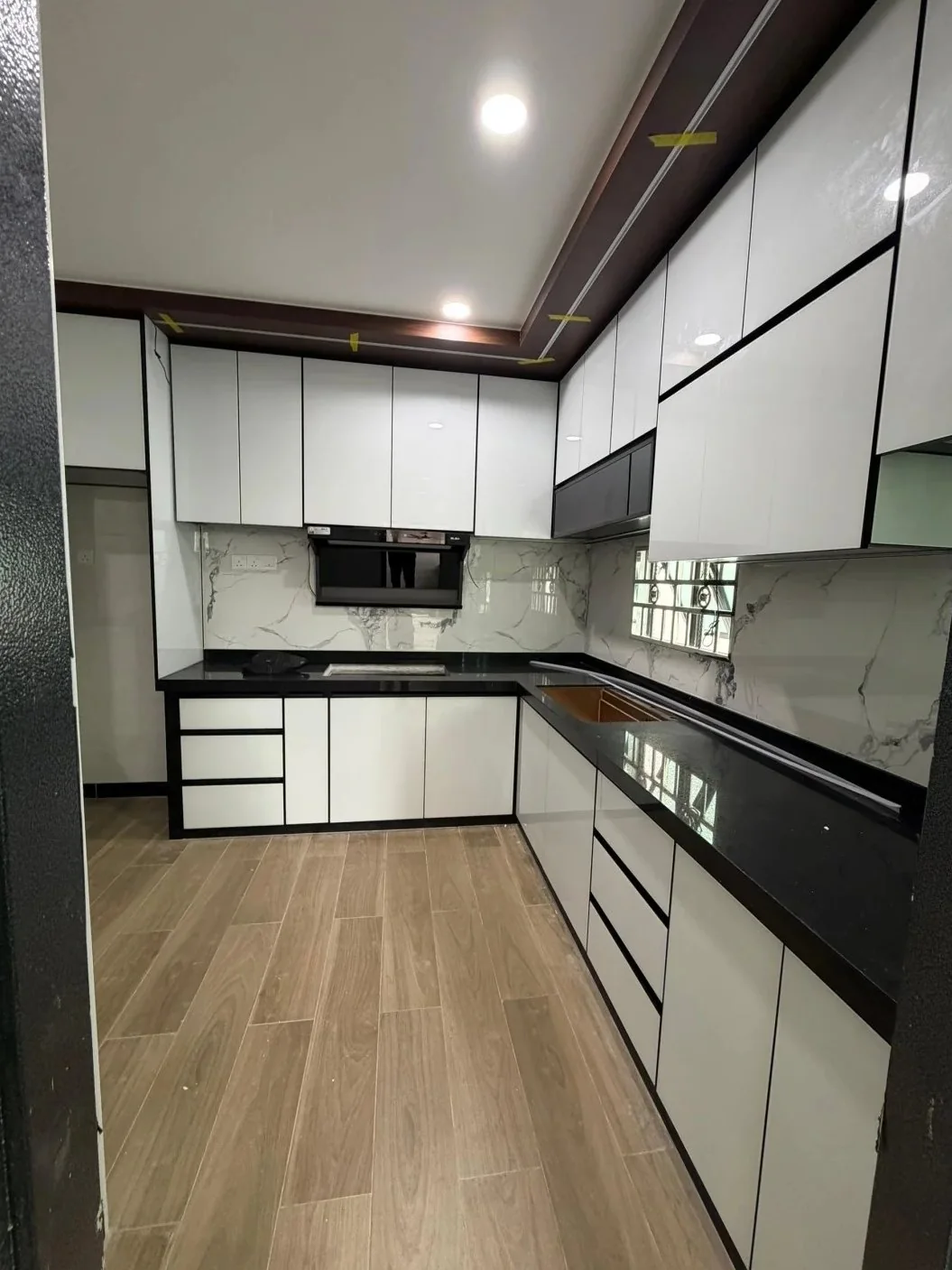
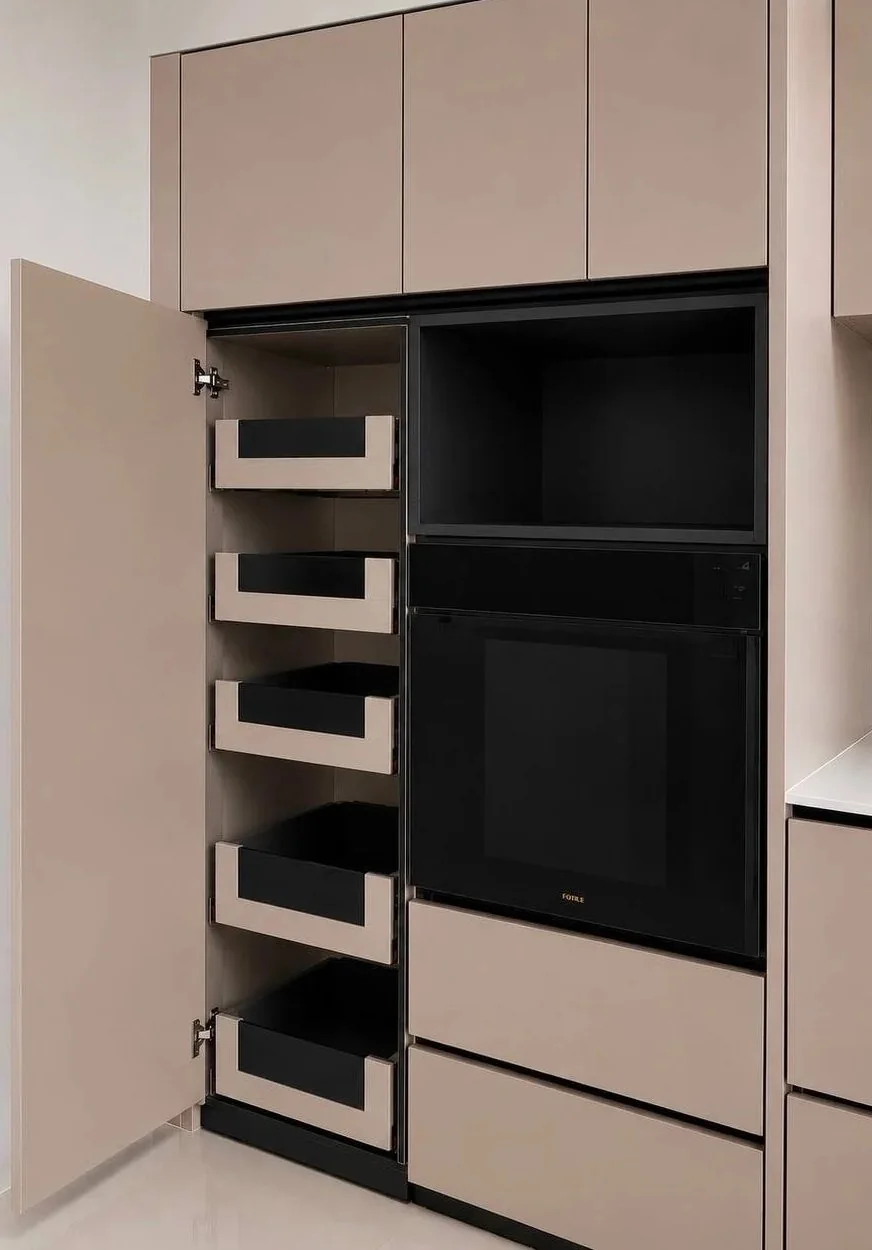
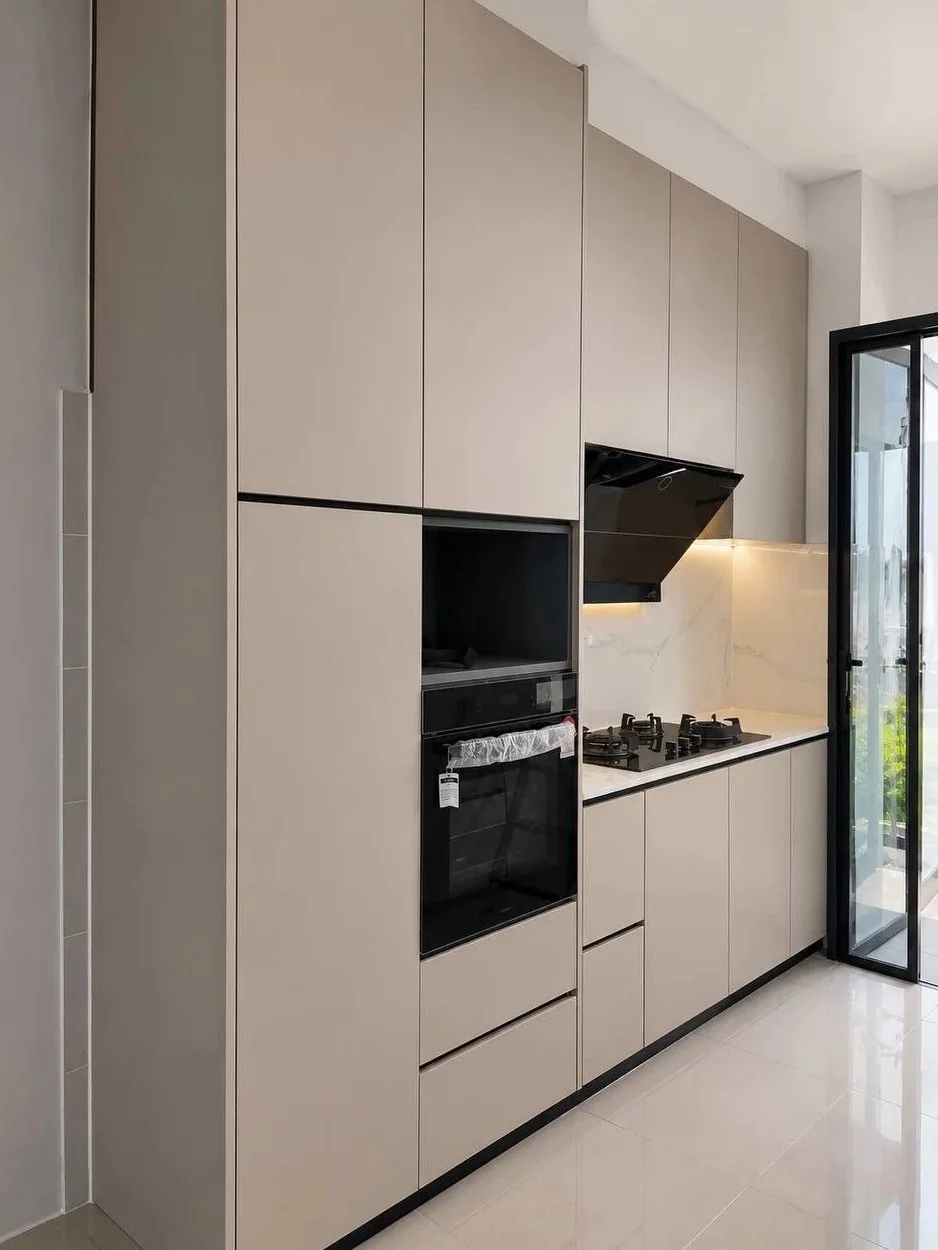
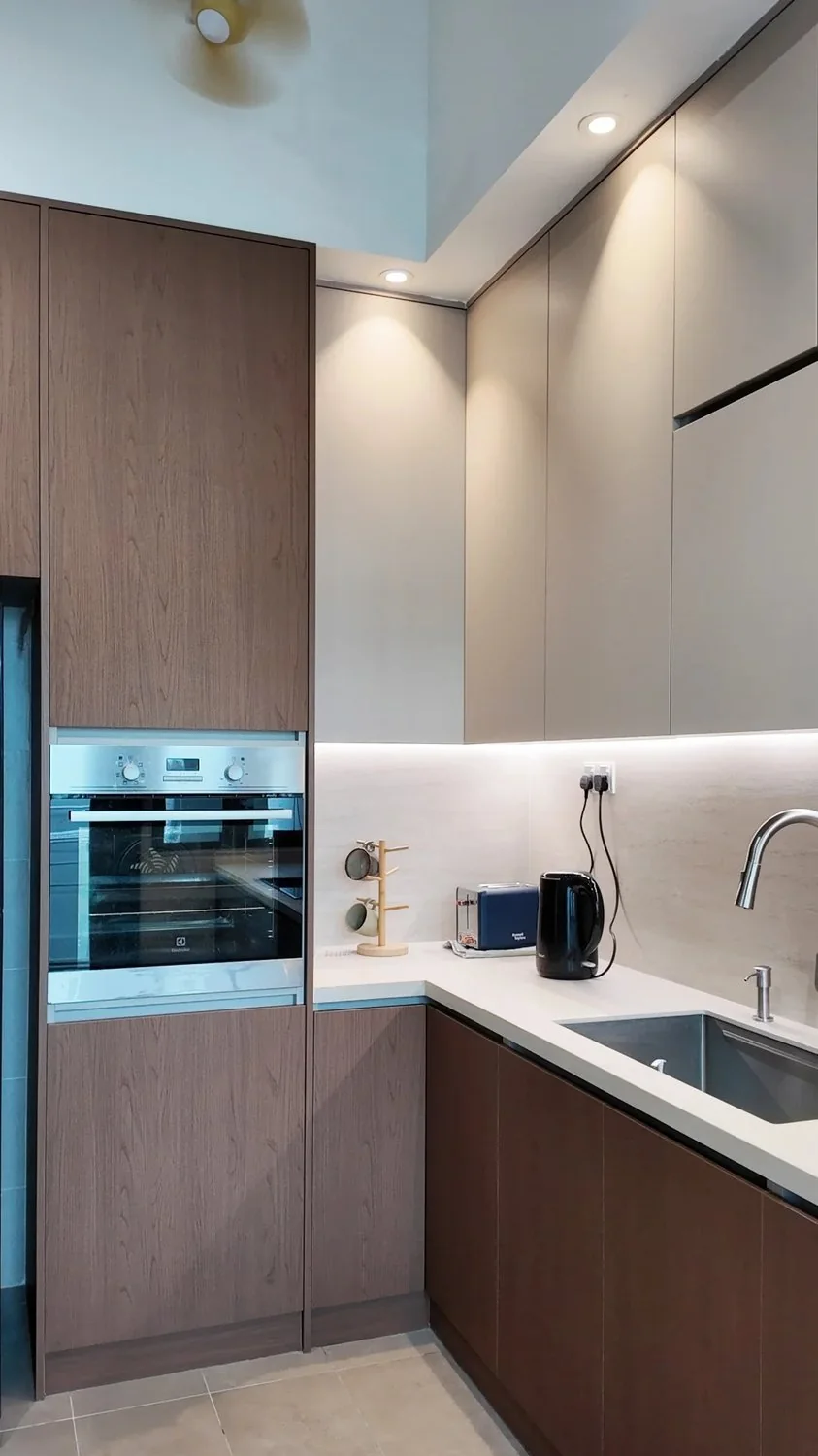
Aluminum offers one of the best strength-to-weight relationships in furniture. It can be extruded into precise profiles, formed into panels and finished with anodizing or powder coating. That makes it useful for slim cabinet frames, glass-door systems, handles, outdoor structures and lightweight casework details.
Its low weight is a major advantage in large doors and transport, but buyers should not confuse lightness with quality. Thin-gauge sections can twist or feel hollow; better furniture controls profile geometry, wall thickness, reinforcement and corner connections. For cabinetry, the quality of the hinge fixing and internal reinforcement is often more important than the visible surface alone.
5. Iron and mild steel: strong structure with protective finishing
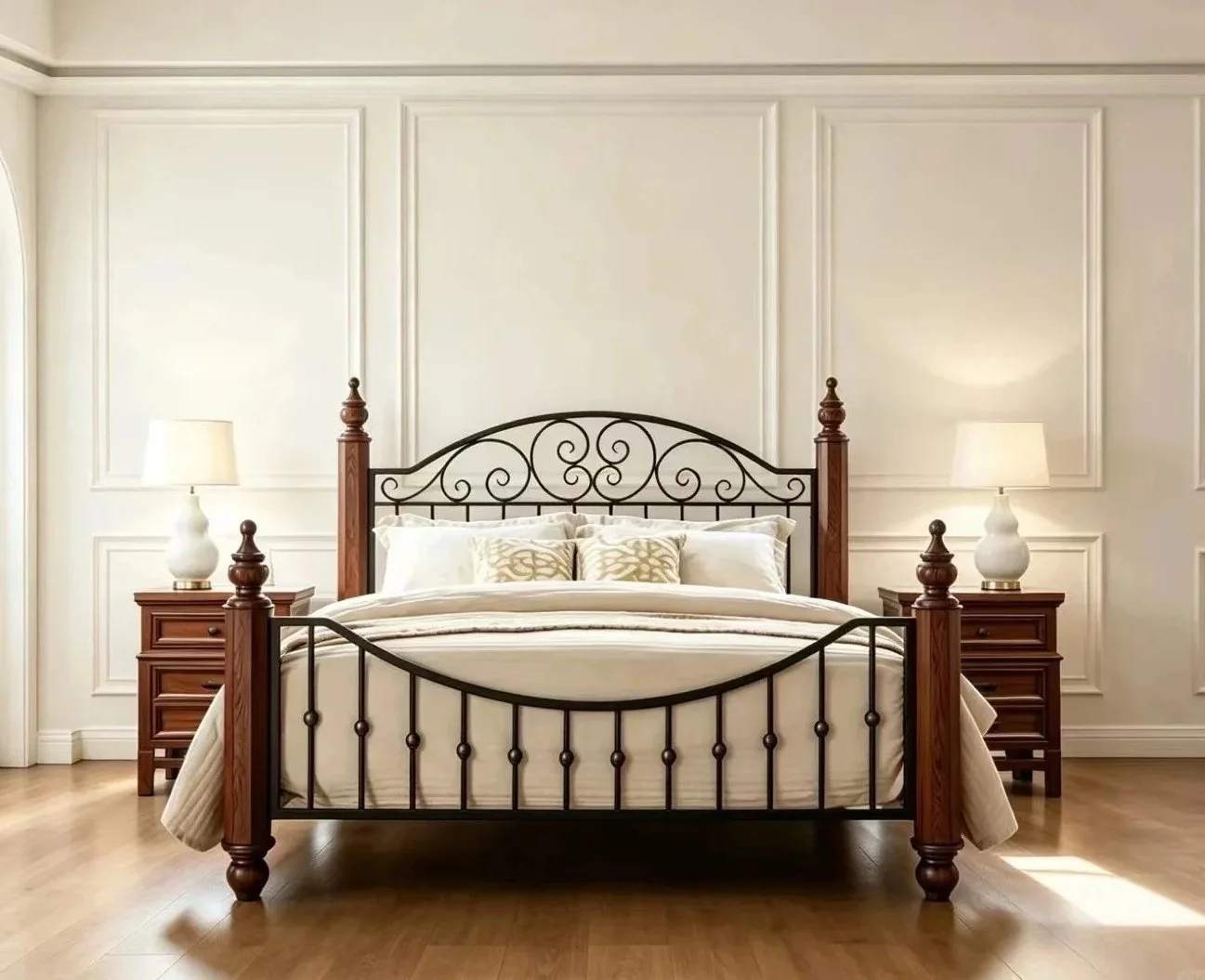
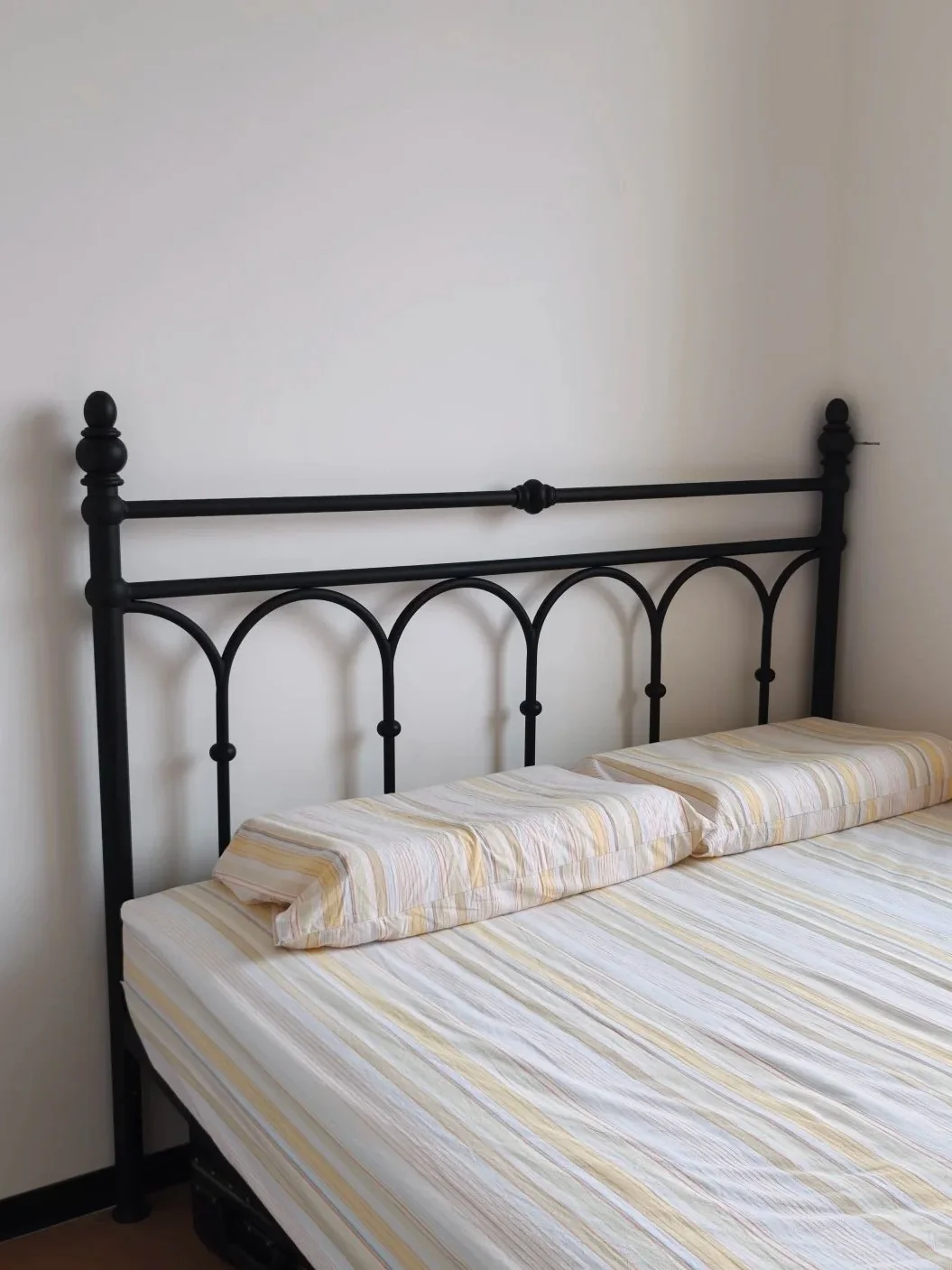
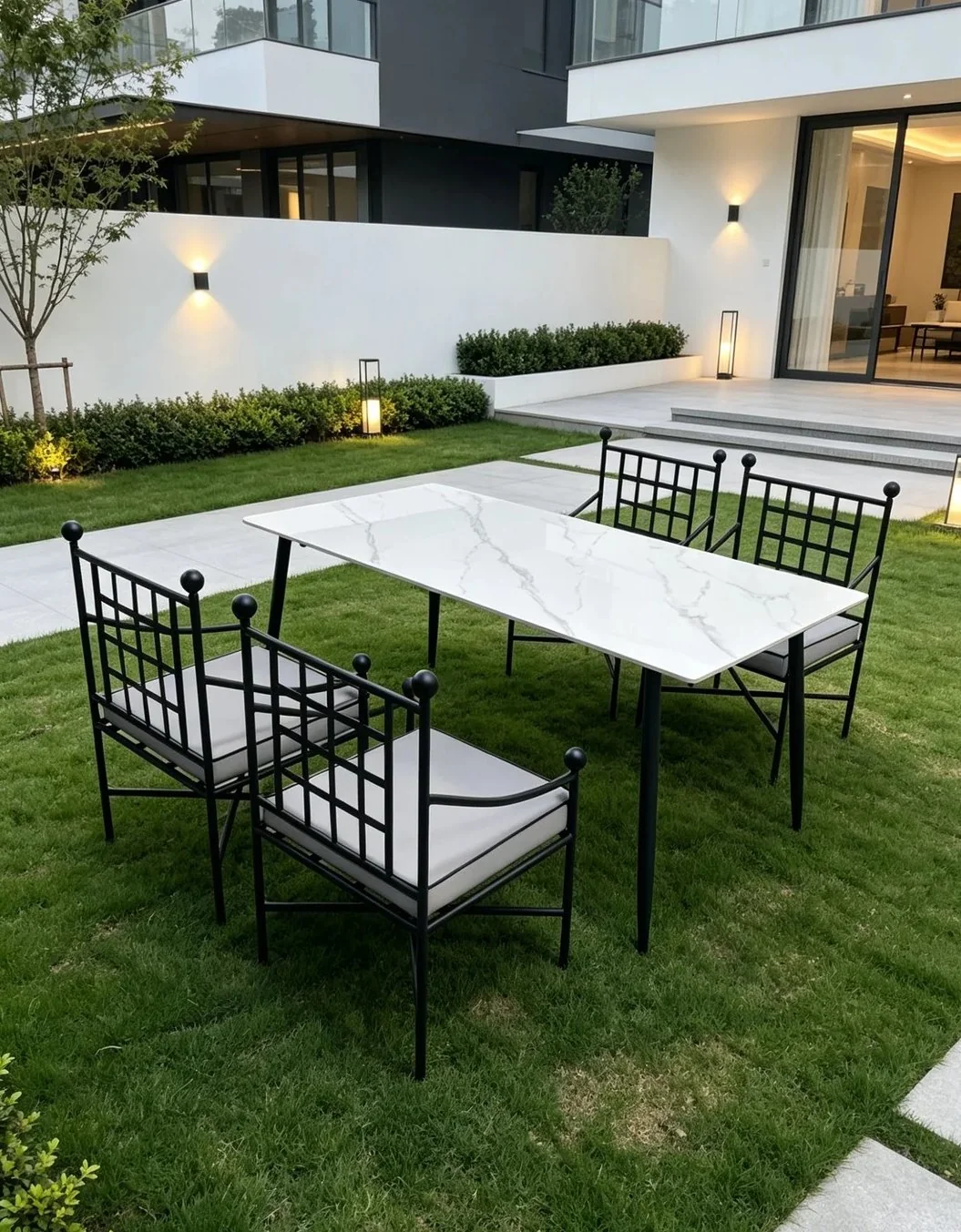
In furniture conversations, “iron” often refers to wrought-iron-style work or mild-steel fabrication rather than pure elemental iron. The attraction is structural clarity: slender rods, tubes and bars can form beds, table bases, chair frames and outdoor furniture with a strong silhouette.
Unlike stainless steel, ordinary iron or mild steel relies on a protective finish. Powder coating, paint, plating or another corrosion-control system must cover edges, welds and hidden cavities—not only the easy flat surfaces. Outdoors, drainage and sealed tube ends matter because trapped water can start corrosion from inside the frame.
6. Brass: warm, decorative and naturally variable
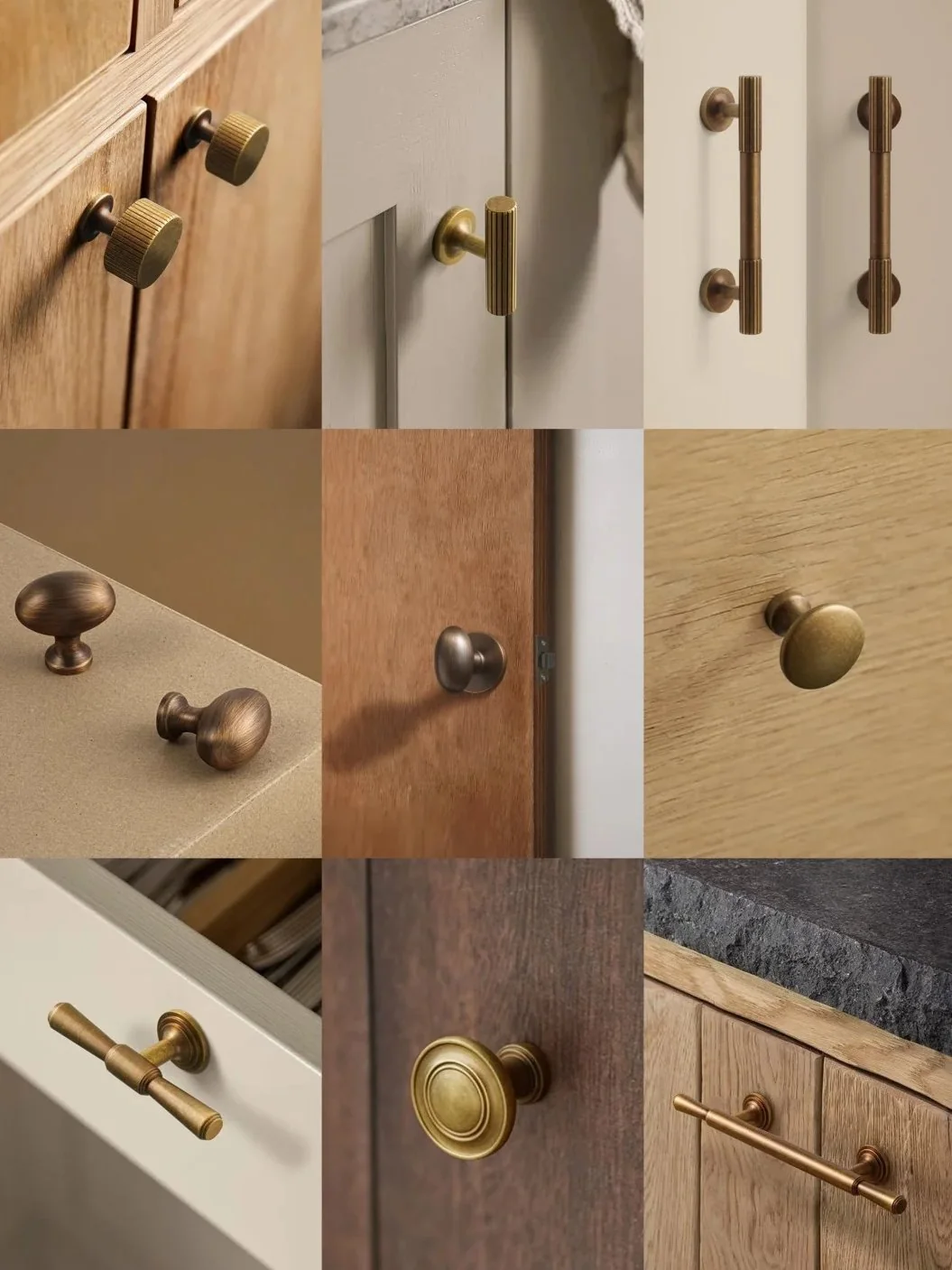
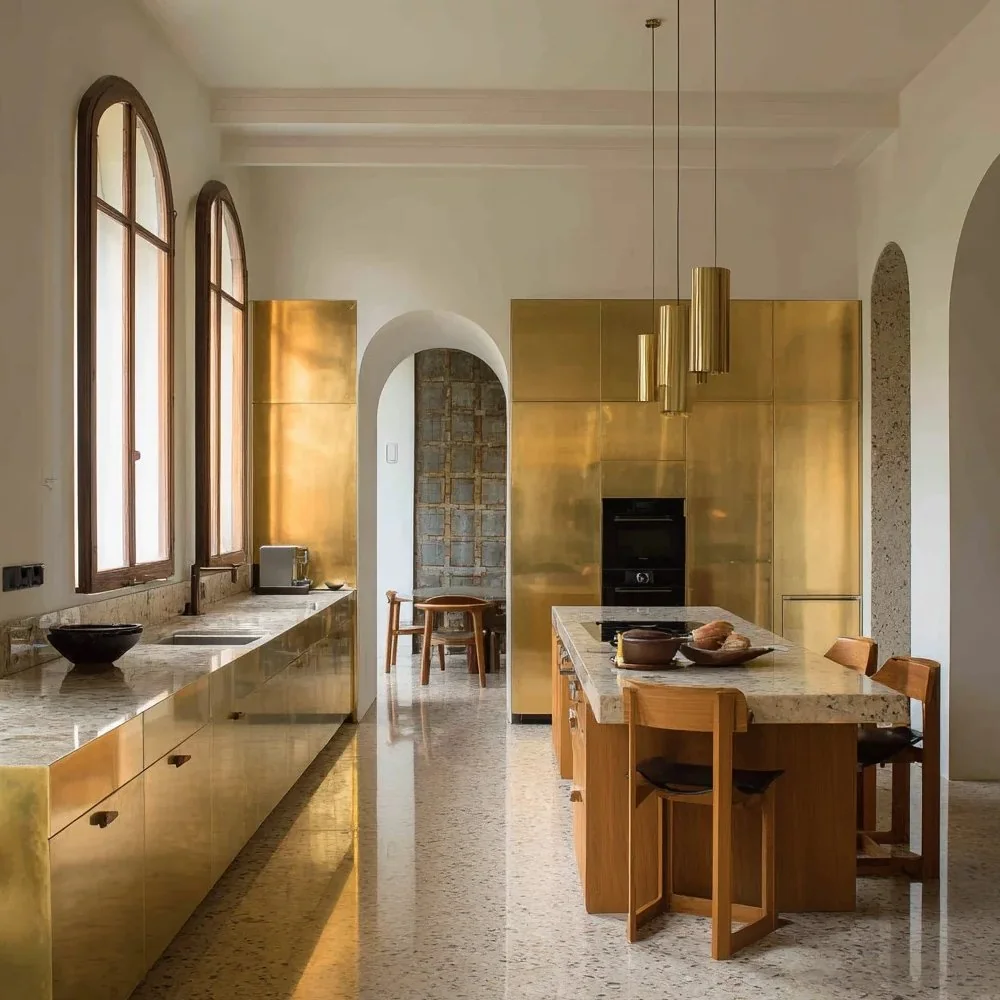
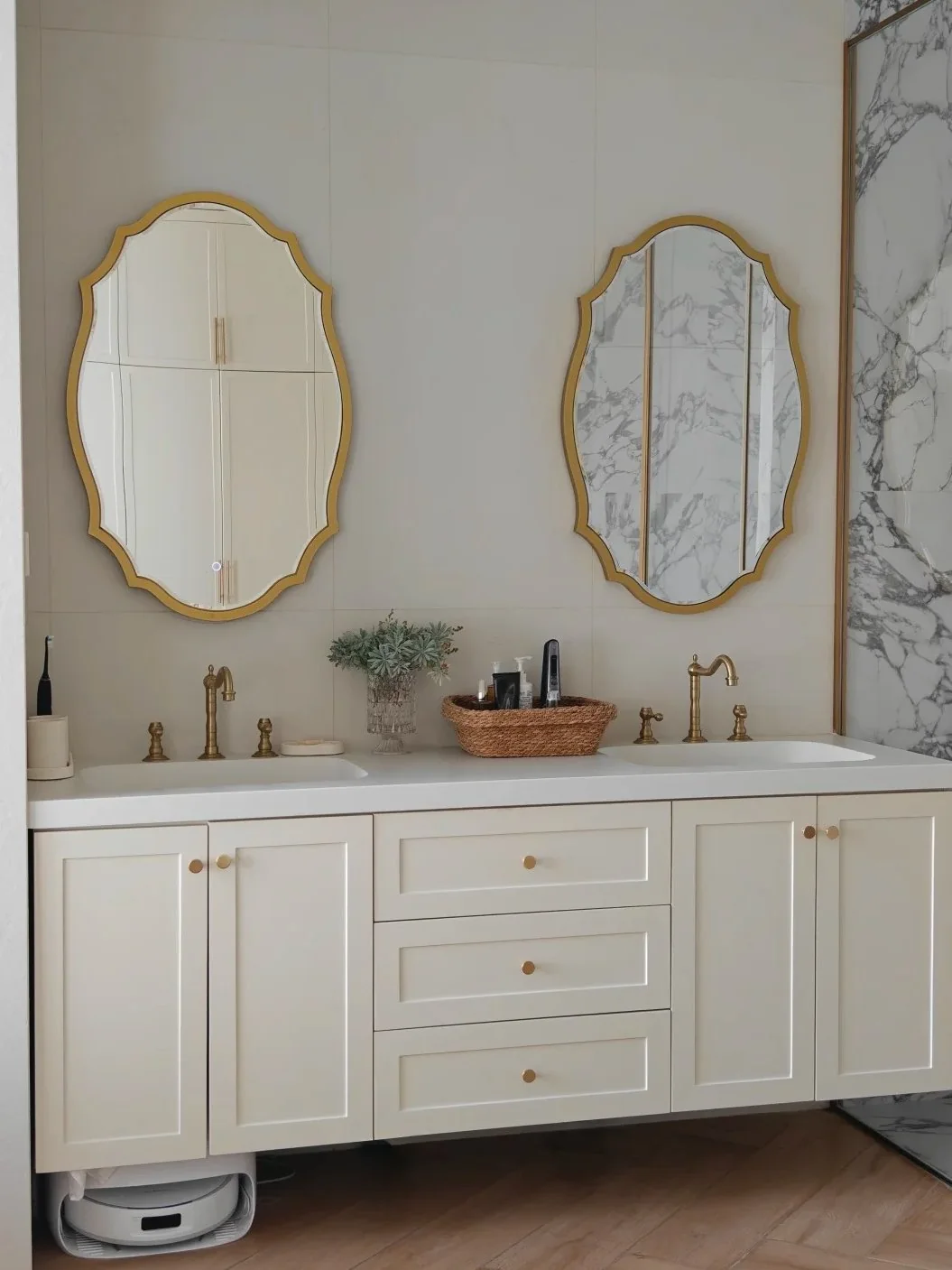
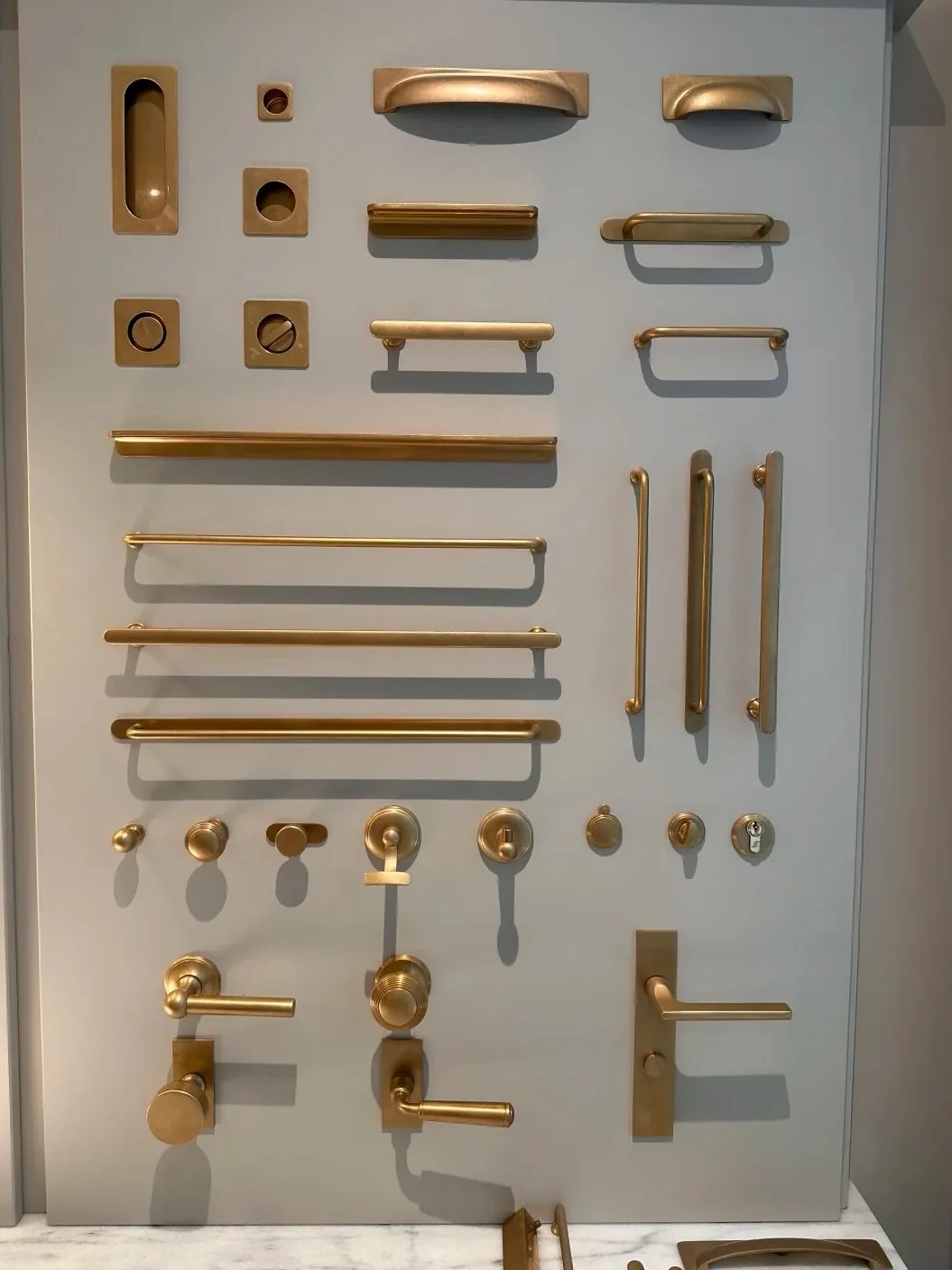
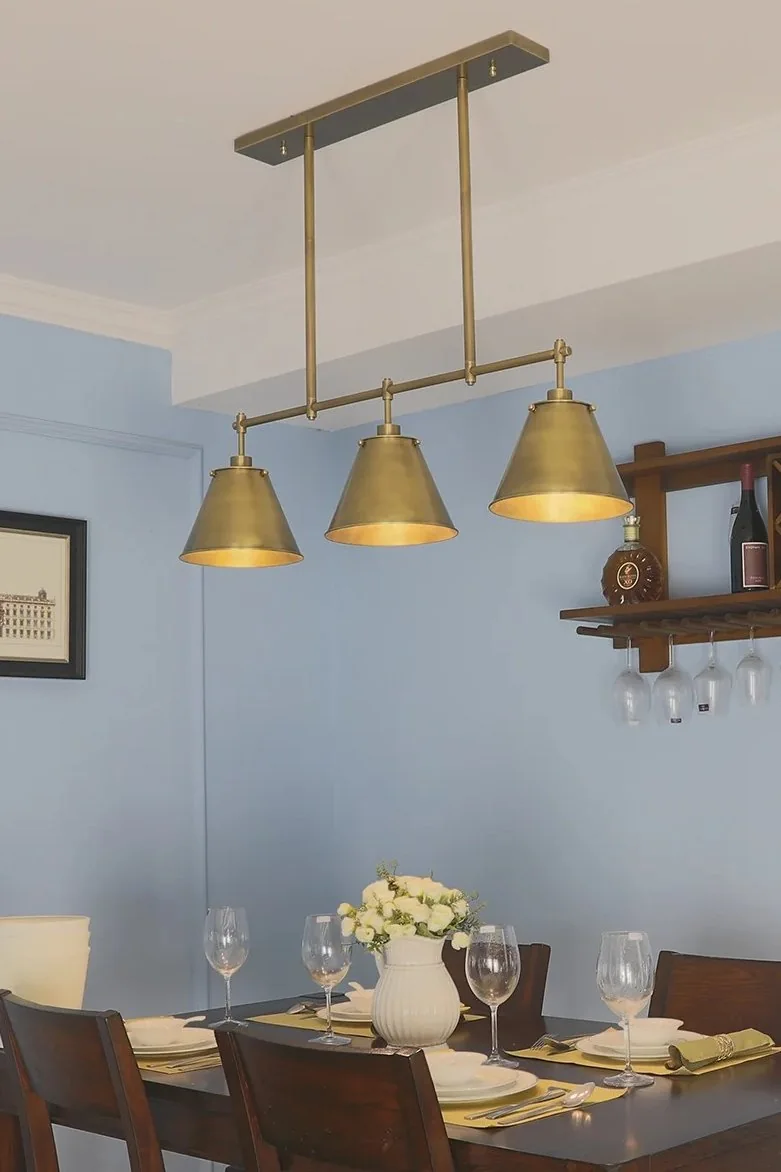
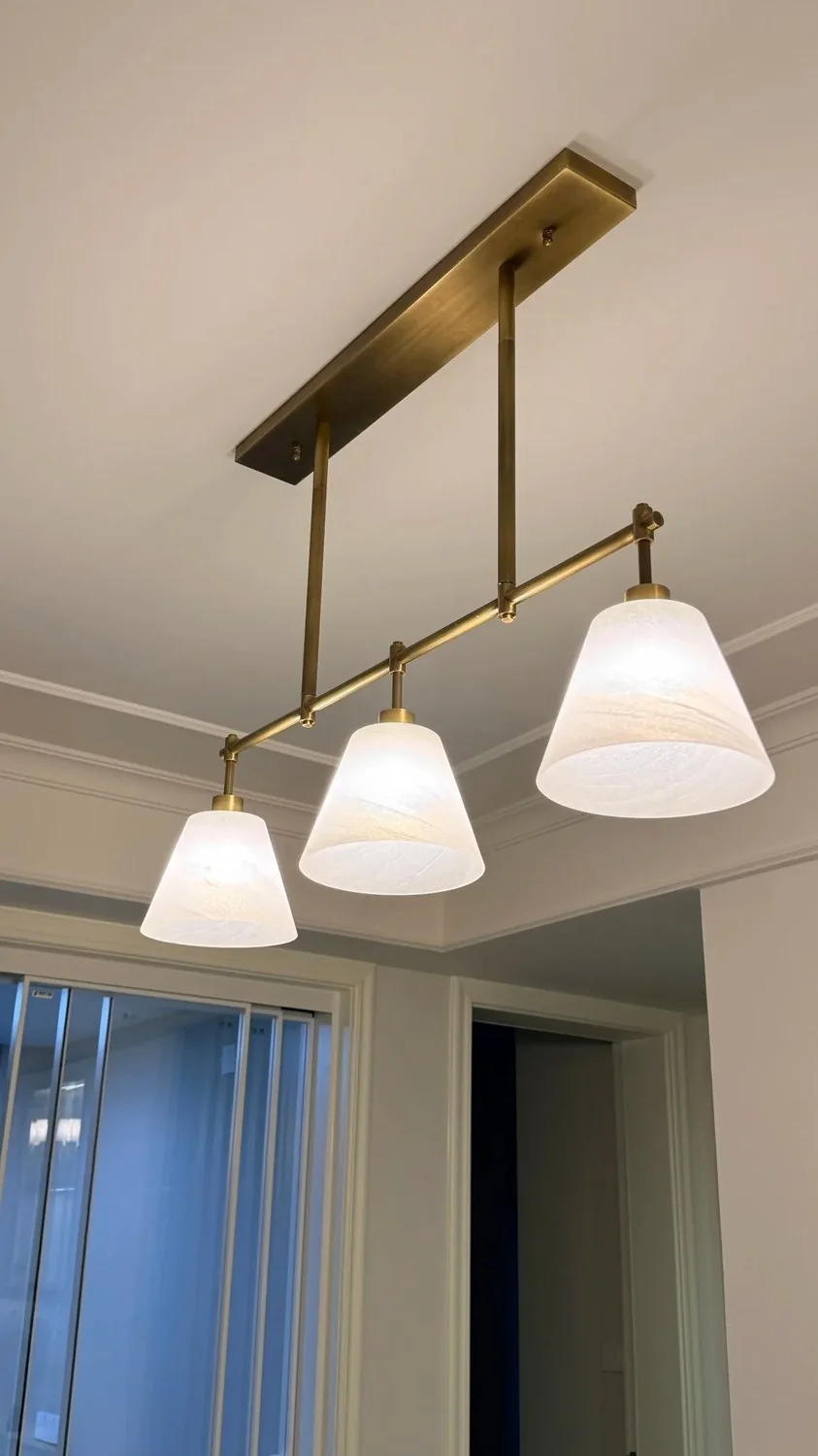
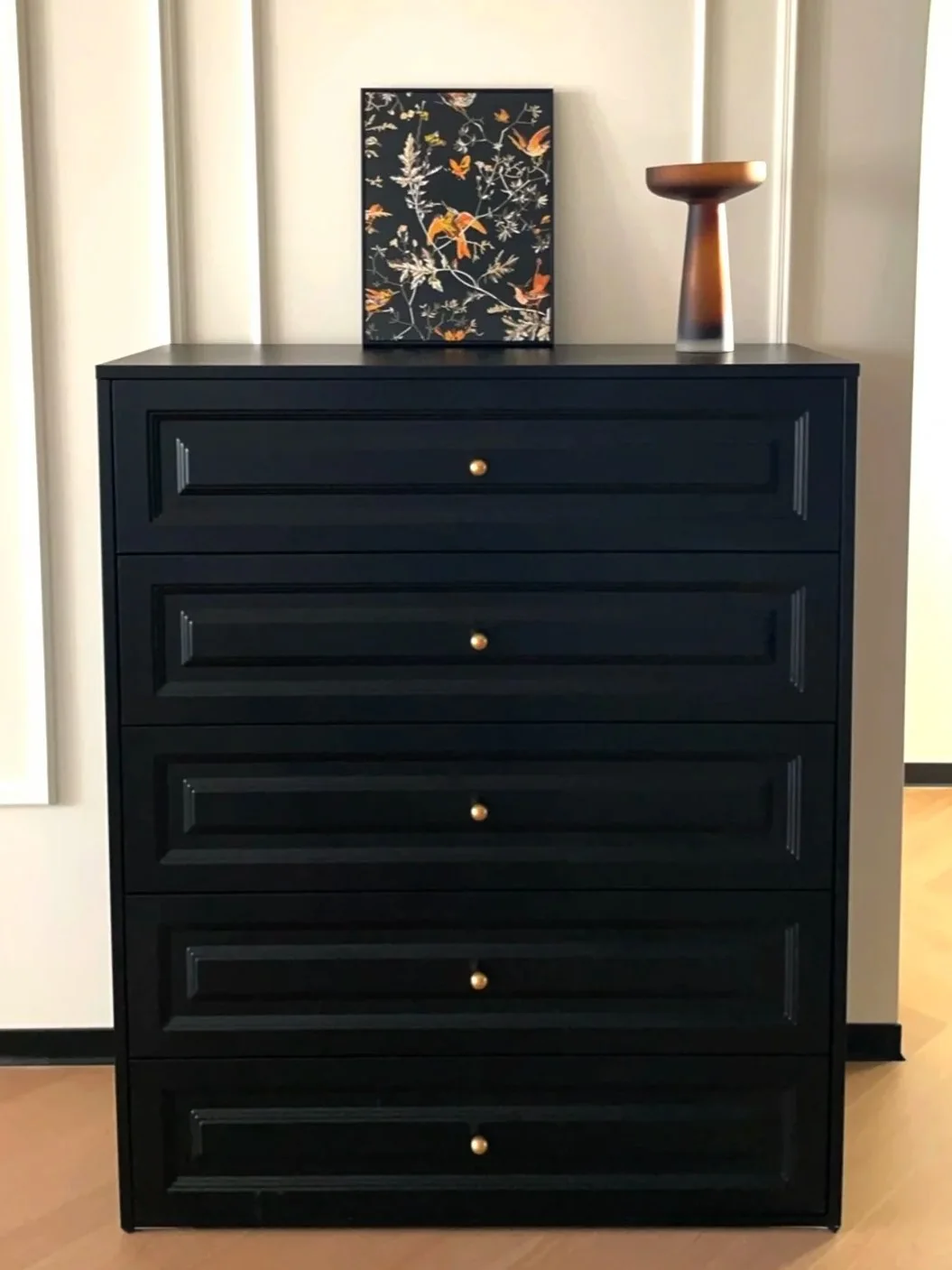
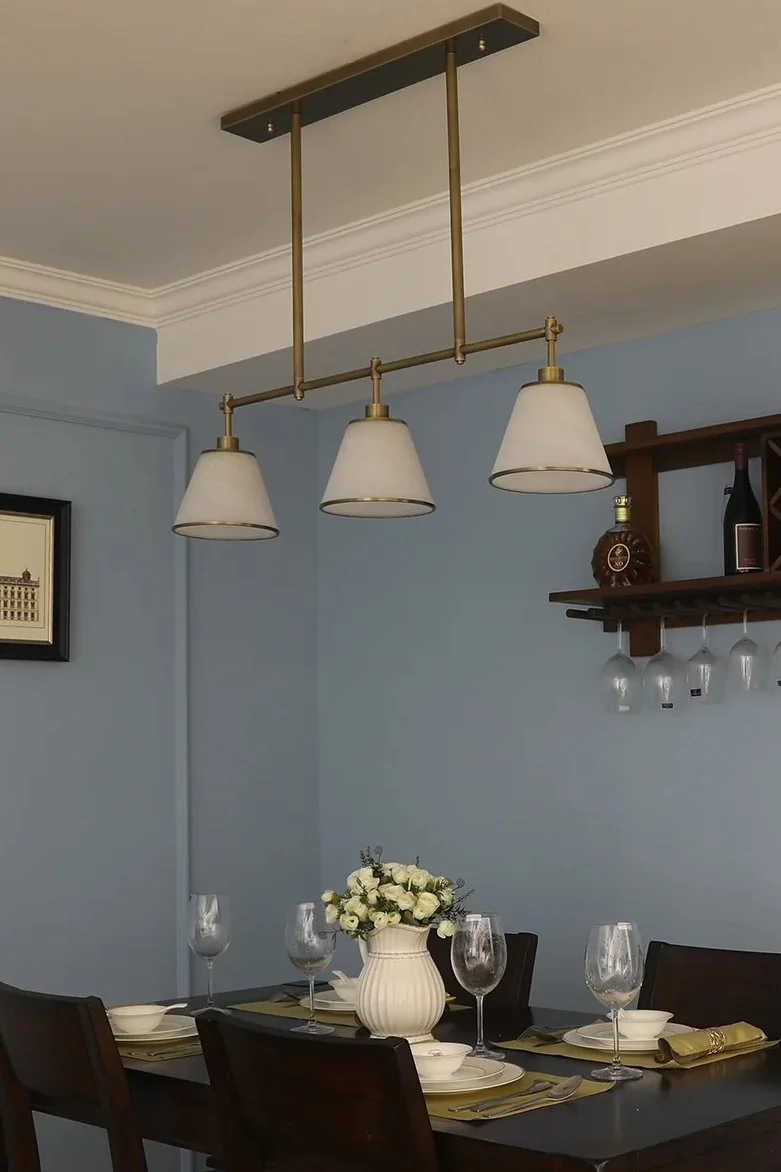
Brass adds warmth that stainless steel and black iron cannot easily reproduce. Depending on alloy and finish, it can range from bright yellow-gold to muted bronze-brown. In furniture it is frequently used for pulls, knobs, trim, lighting, mirror frames, feet and accent bases rather than for an entire load-bearing structure.
Real brass can gradually darken and develop patina. Some clients love that living finish; others want the original color preserved. The specification should therefore state whether the intended surface is polished, brushed, lacquered, antiqued, patinated or brass-plated over another metal. “Brass color” is not the same thing as solid brass.
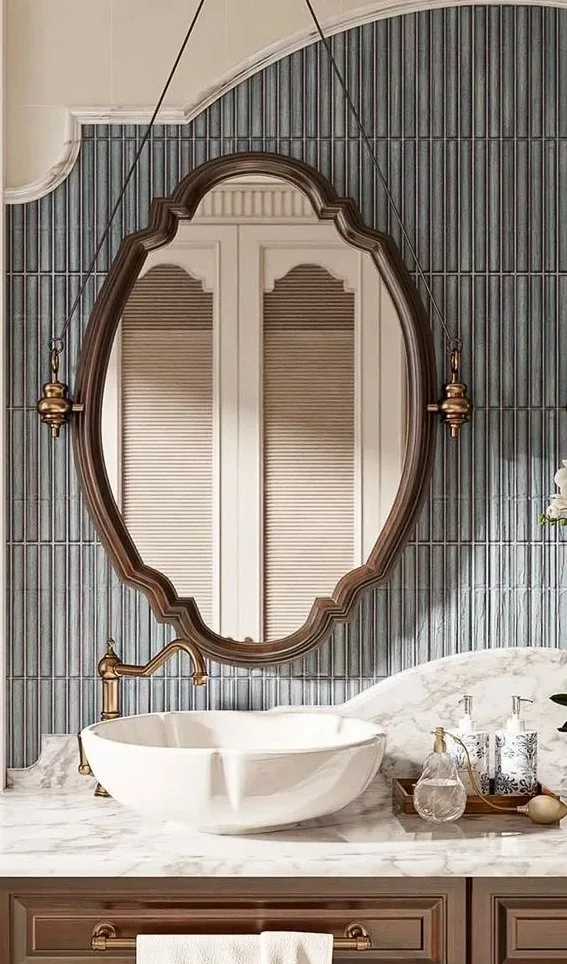
7. Finish and surface treatment change the material as much as the metal itself
Two pieces made from the same base metal can look completely different after finishing. Brushing creates directional texture; polishing increases reflectivity; powder coating adds color and protection; plating gives a thin decorative metal surface; patination intentionally ages the color. For custom furniture, finish is a controlled production variable, not a final cosmetic afterthought.
Always approve a physical sample under the lighting used in the project. Warm residential lighting can make stainless steel look champagne; cool daylight can make brass look greener or darker. On repeated pieces, batch consistency matters. Ratahome’s quality-control process specifically treats metal finish consistency as a batch-level check rather than judging one sample in isolation.
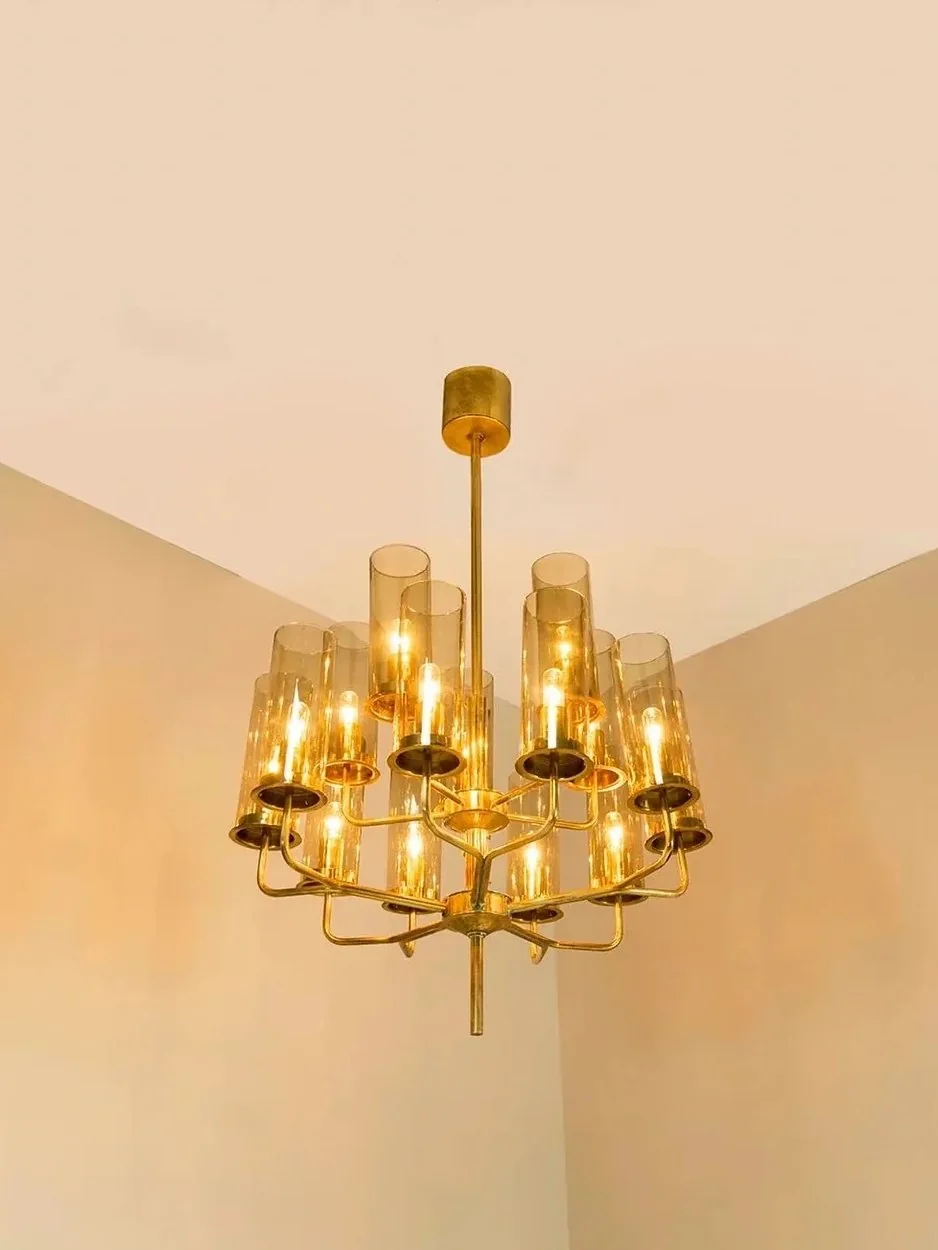
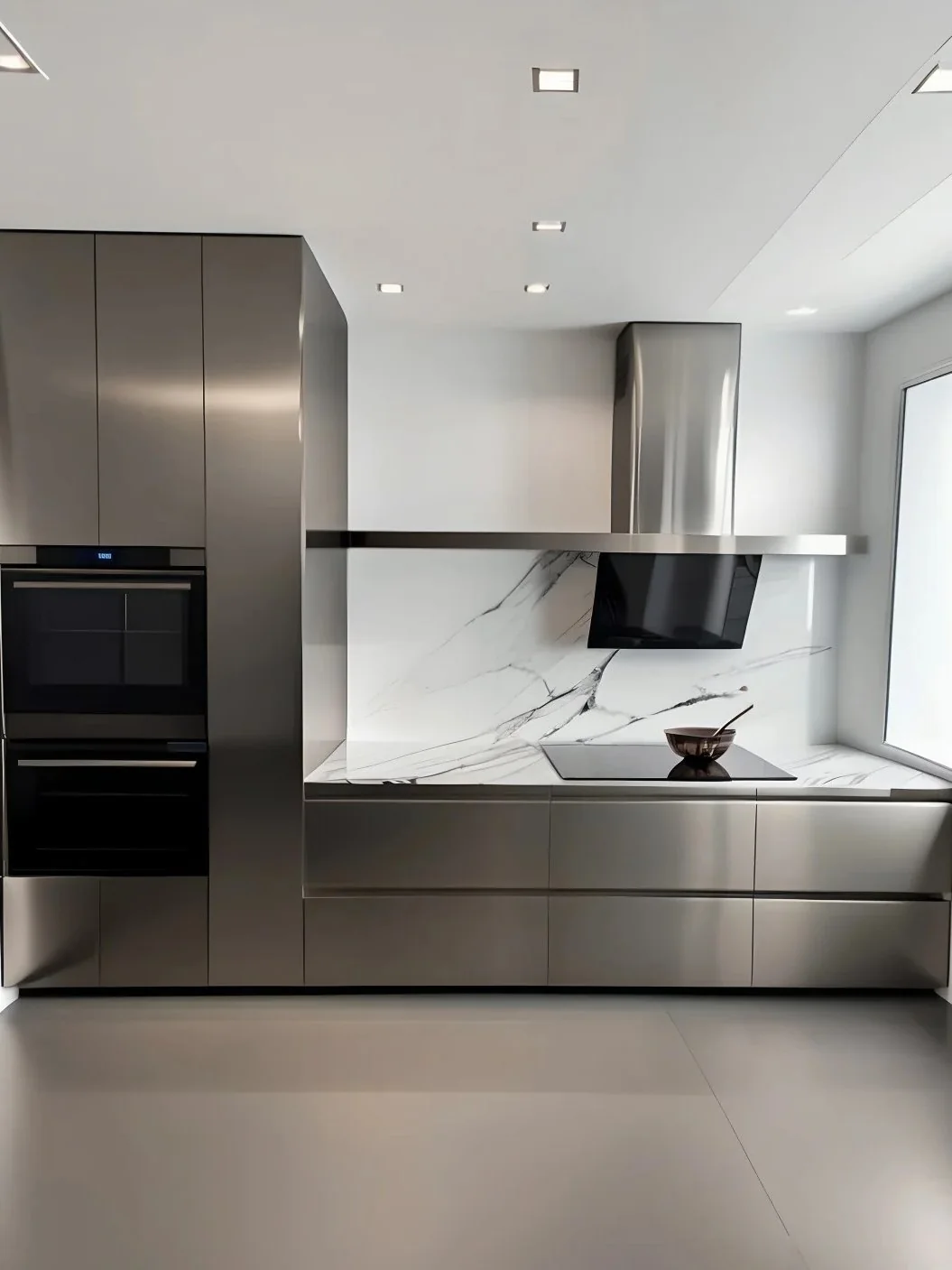
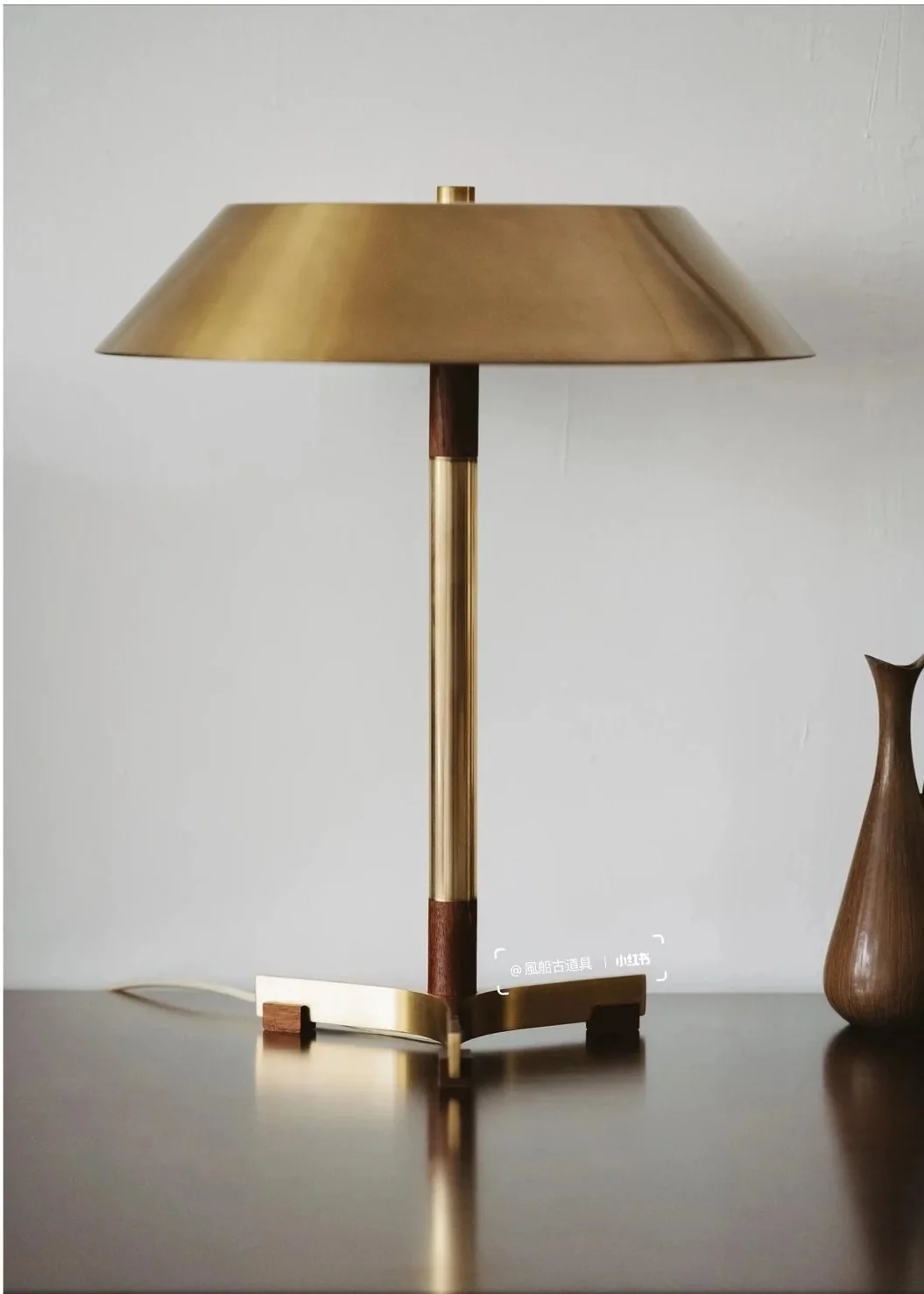
8. Construction and fabrication: thickness, welds and joints decide whether metal feels premium
Metal furniture quality is often hidden in section size, tube wall thickness, internal reinforcement, weld penetration and how joints are ground or concealed. A table base may look substantial in a photograph yet flex if the tube is too thin. A thin stainless skin can look premium if it is bonded to a stable substrate—but only when seams and corners stay flat.
Inspect welds for consistency, sharp edges, pinholes and excessive grinding. On painted frames, check whether coating reaches the underside and inside corners. On mixed-material furniture, look at the connection between metal and wood or stone: slotted holes, brackets and isolation pads may be needed so movement and different material hardness do not create cracks or noise.
9. Indoor vs outdoor use: corrosion strategy matters more than color
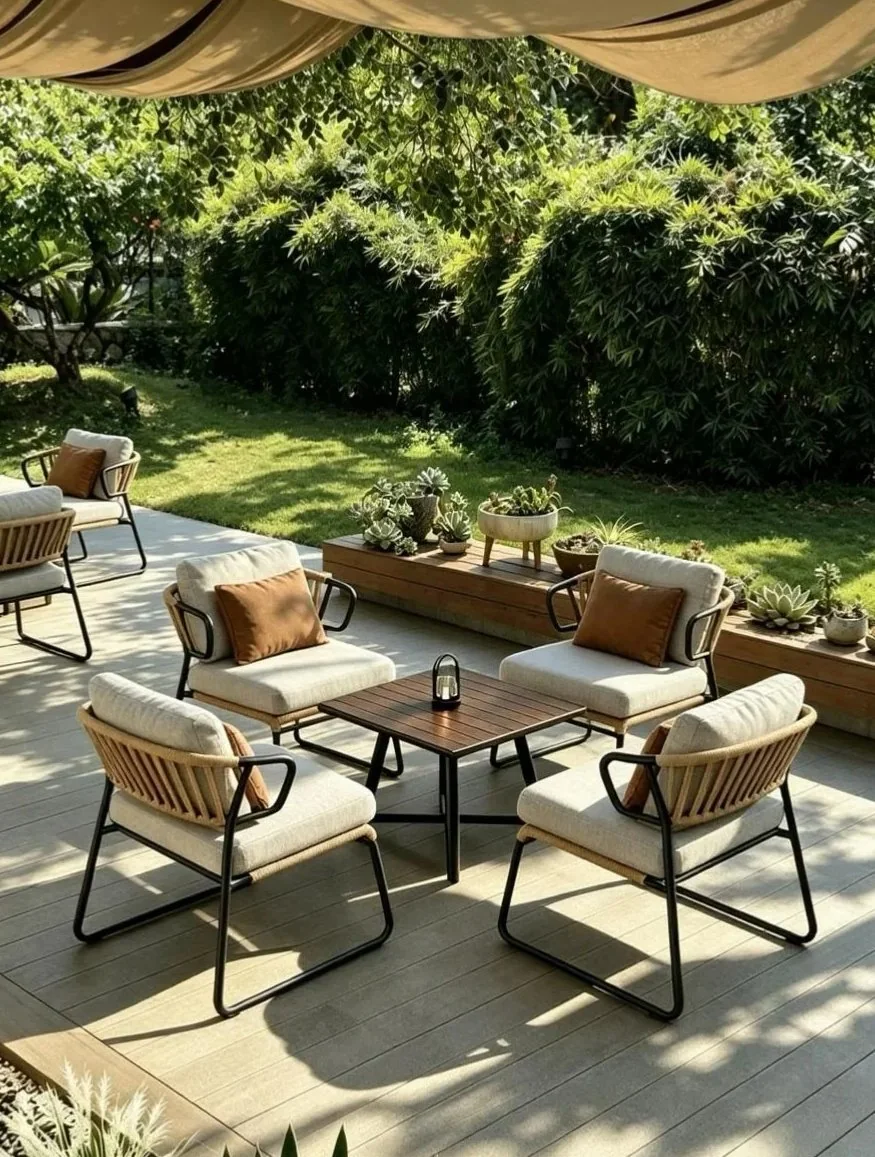
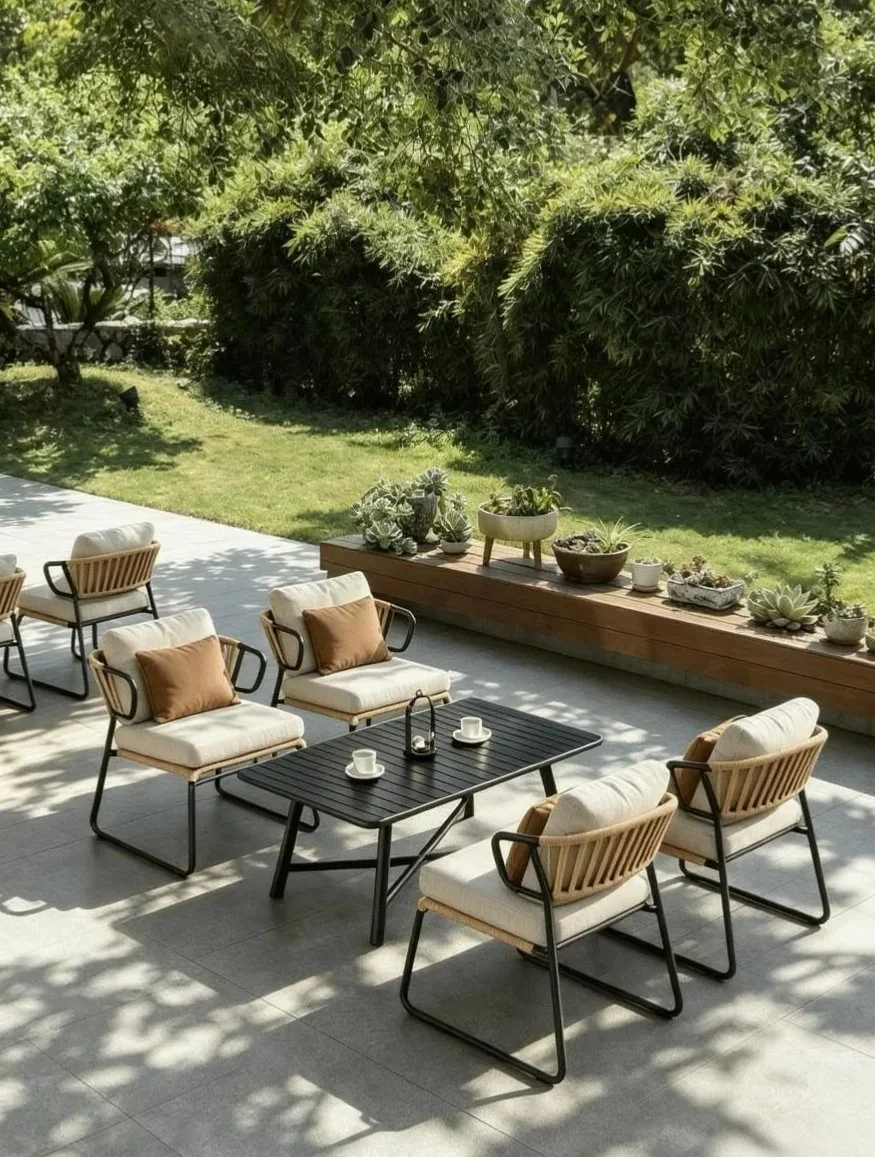
Outdoor furniture is where metal choice becomes most unforgiving. Rain, humidity, pool chemicals, coastal air and thermal cycling can attack joints and finishes even when the showroom sample looks perfect. Aluminum and appropriate stainless grades are common outdoor choices because the base metals resist corrosion better than unprotected mild steel. Iron or steel can still work outdoors, but coating maintenance becomes part of the ownership plan.
Indoors, corrosion risk falls but moisture remains relevant around kitchens, bathrooms, bars and entry zones. If a project combines indoor and outdoor furniture, do not assume one black finish means one construction specification.
10. Mixing metal with wood, stone, glass and upholstery
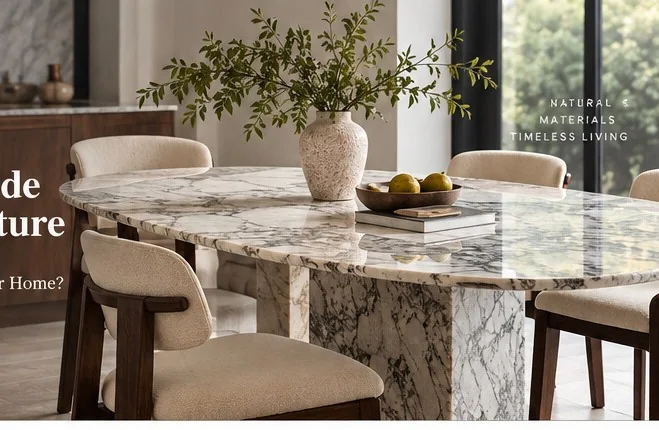
Metal is most convincing when it supports the surrounding material rather than competing with it. Warm brass can bridge walnut and marble; black iron can give a light upholstered chair stronger definition; stainless steel can sharpen a dark kitchen; slim aluminum can disappear into glass or panel systems.
For a complete-home palette, limit the number of metal finishes and repeat them intentionally. One primary finish for major frames plus one accent finish for hardware is often easier to control than using four unrelated metallic colors. Ratahome’s Materials & Finishes approach applies the same logic across cabinetry, wall panels and doors: a smaller, coordinated material language usually looks more deliberate.
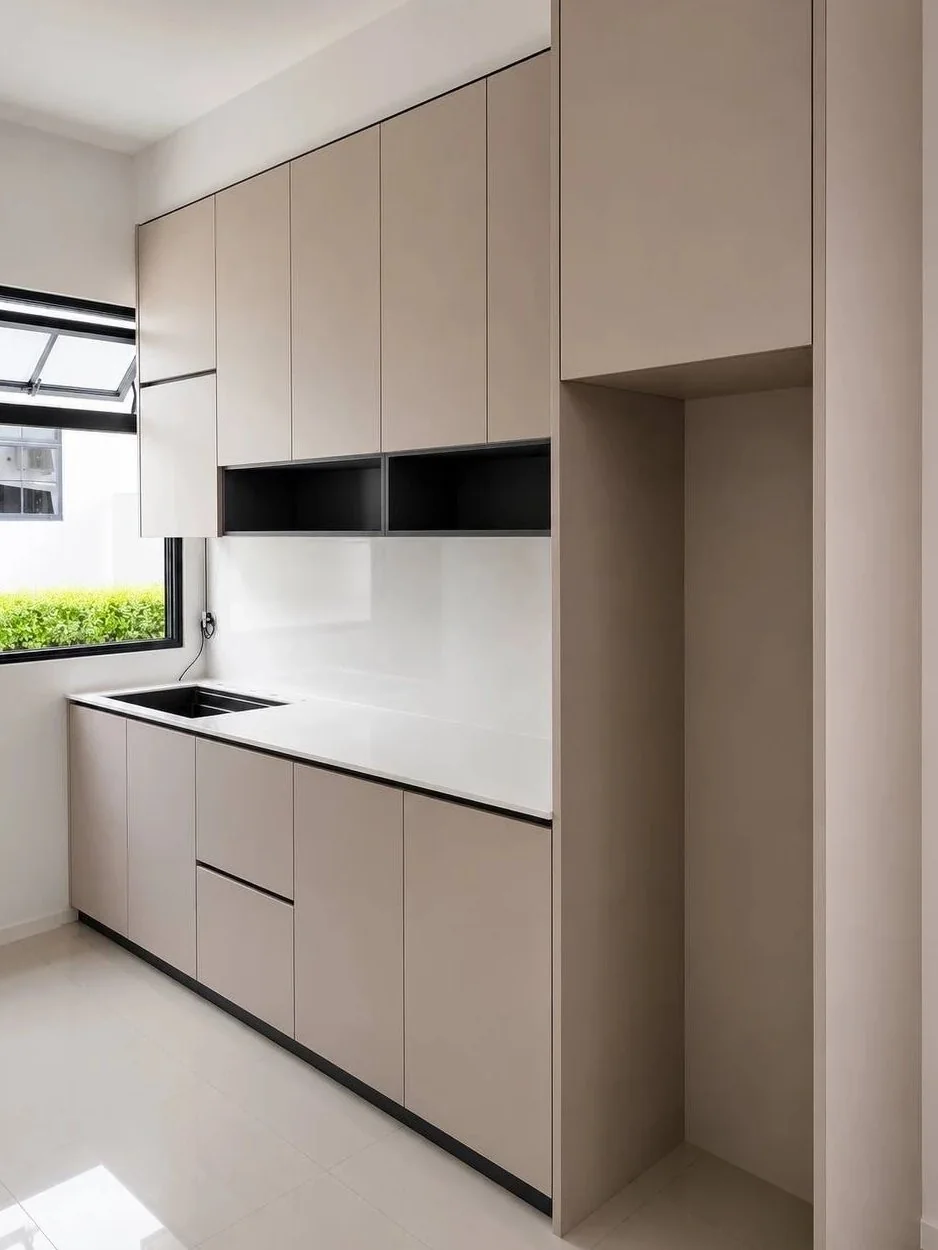
11. Choose metal by furniture type, not by trend
Prioritize base stiffness, welds, floor contact, stone connection and finish durability.
Check repeated-load joints, tube wall thickness, sharp edges and noise at connections.
Focus on profile straightness, hinges, door weight, finish batch and hardware alignment.
Confirm solid vs plated metal, finish sample, patina expectations and hand-feel.
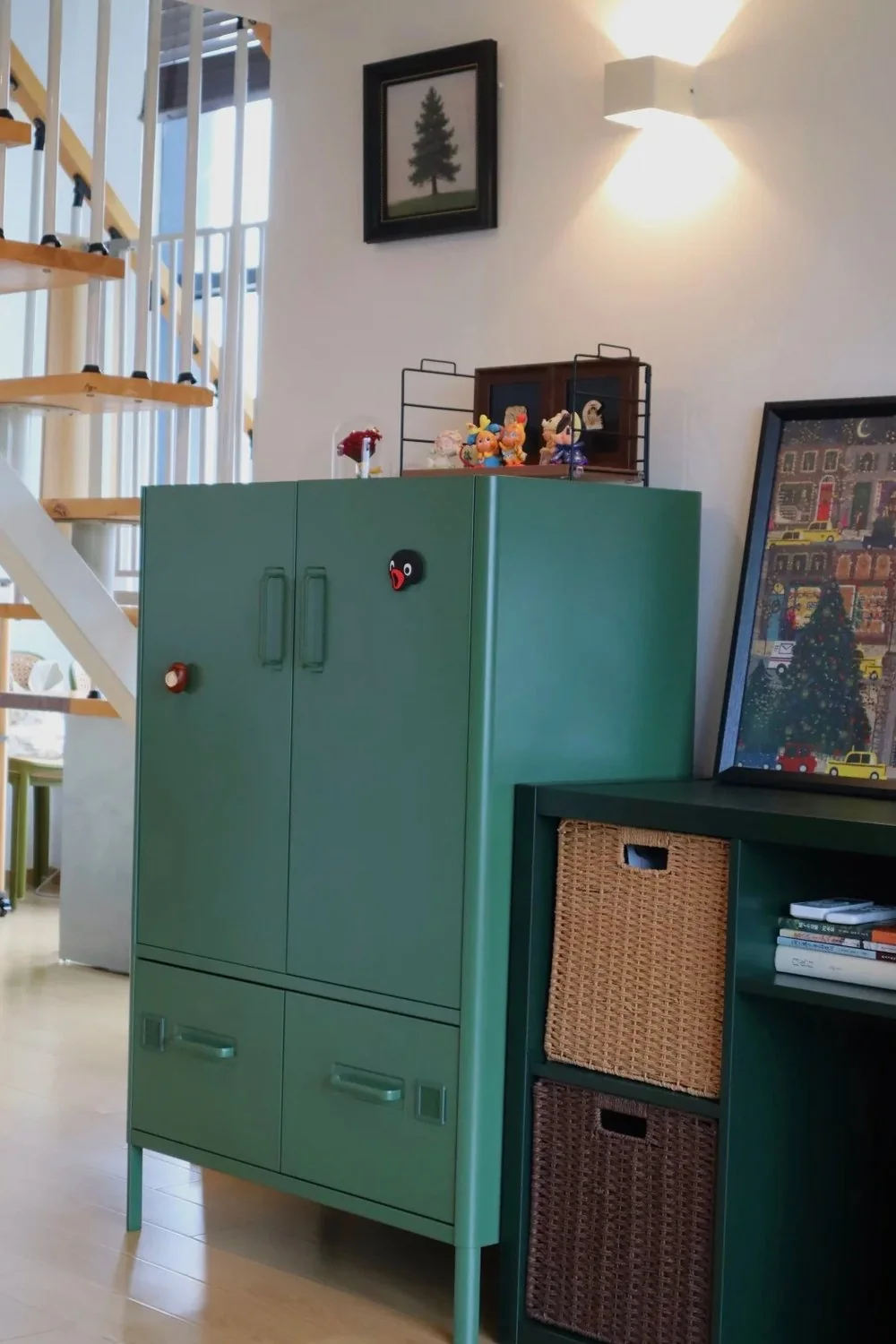
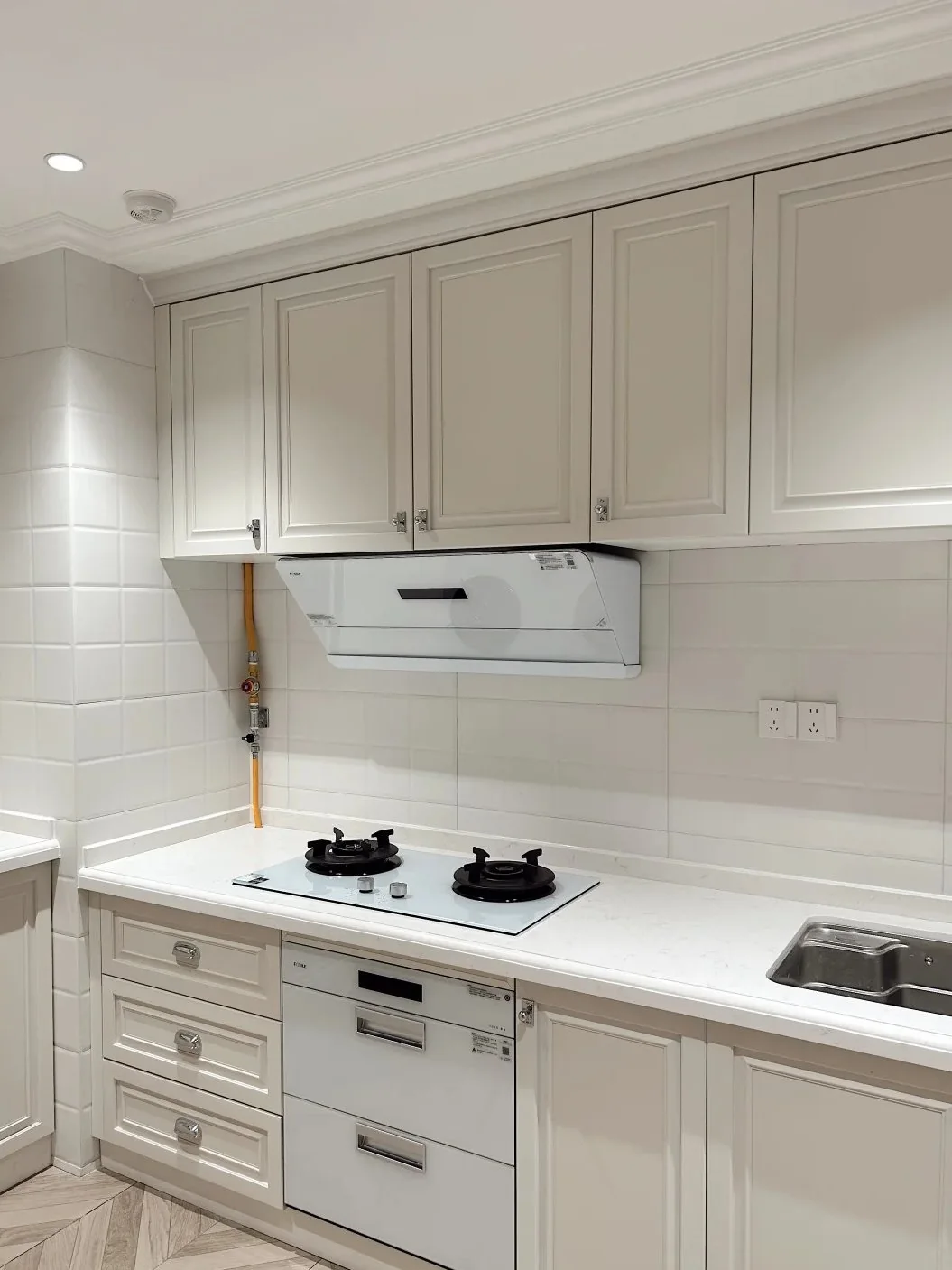
12. Factory specification and QC: what to inspect before shipment
Metal problems are much cheaper to fix before packing. For custom orders, the approved drawing should call out material, thickness, finish and critical dimensions. During production, measure frame squareness, check welds before coating, inspect color consistency after finishing and dry-fit mixed-material assemblies.
Before shipment, compare repeated units side by side. Minor color differences that look acceptable individually can become obvious when ten chairs or six cabinet doors are installed together. Ratahome’s QC system checks materials, custom dimensions, finish consistency and assembly before dispatch; that same logic should be applied to metal furniture.
13. How to specify metal for a whole-home furniture project
Start with a simple finish hierarchy. Choose one dominant structural metal—often black iron/steel, stainless or aluminum—then choose one decorative accent such as satin brass. Next, assign the metals by furniture category and room. Finally, lock reference samples before production so the same “brass” or “black” does not drift between factories.
This becomes especially important when sourcing in a dense manufacturing ecosystem. Ratahome’s China furniture industry overview explains how material suppliers, furniture factories, finishing specialists, QC teams and logistics providers connect inside the same regional supply chain. The Foshan furniture market guide likewise recommends confirming materials, finish samples and shop drawings rather than approving a custom order from photos alone.
14. Quick FAQ
Is stainless steel always better than iron?
No. Stainless steel offers better corrosion resistance, but iron or mild steel can be more economical and visually appropriate for beds, table bases and traditional frames. The correct choice depends on environment, finish and structure.
Is aluminum strong enough for furniture?
Yes when the profile and wall thickness are engineered correctly. Aluminum is widely used where low weight and corrosion resistance are useful, but an overly thin profile can flex.
Does brass always stay gold?
No. Unlacquered brass can darken and patinate. Lacquered, plated and antiqued brass have different maintenance and aging behavior, so the finish should be specified explicitly.
What should I ask a factory for?
Ask for metal type, grade/alloy where relevant, thickness, tube or profile section, finish method, physical color sample, weld standard, outdoor suitability if needed, hardware compatibility and pre-shipment QC photos.