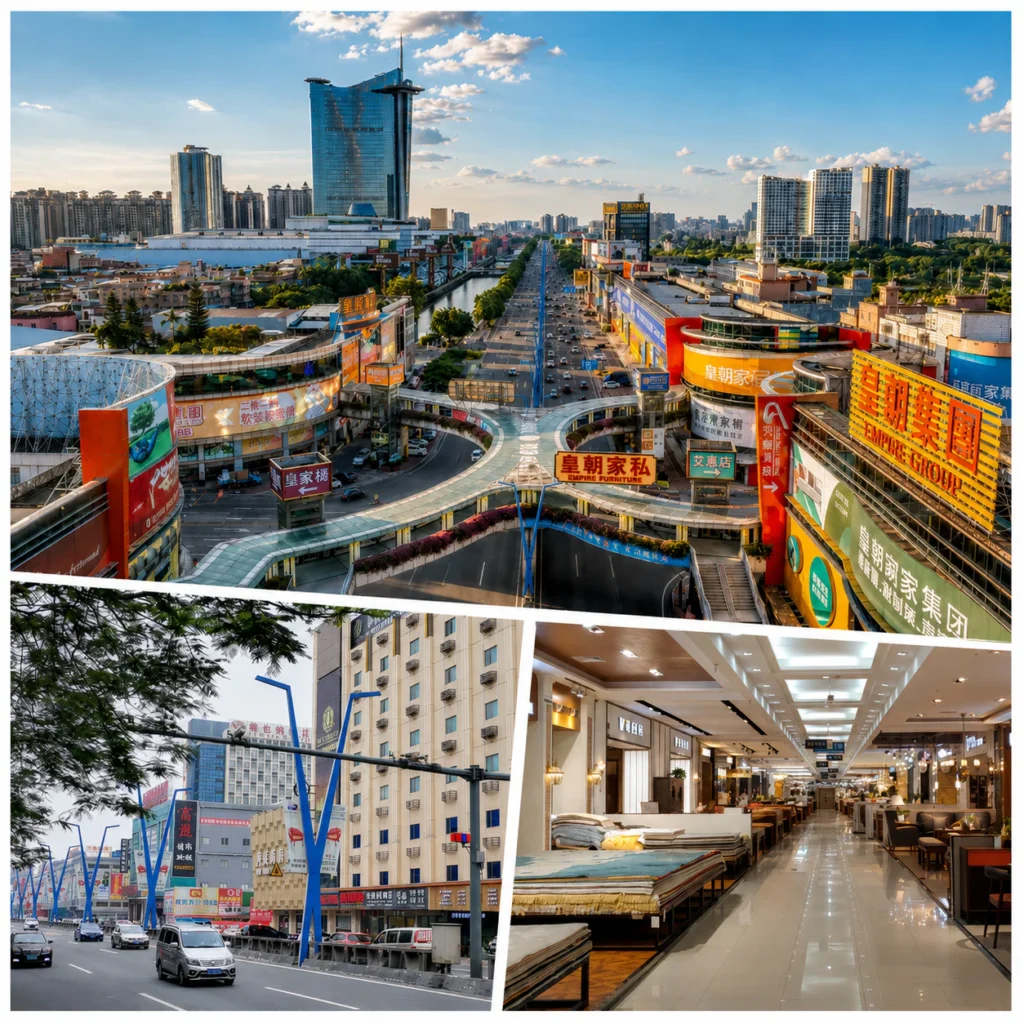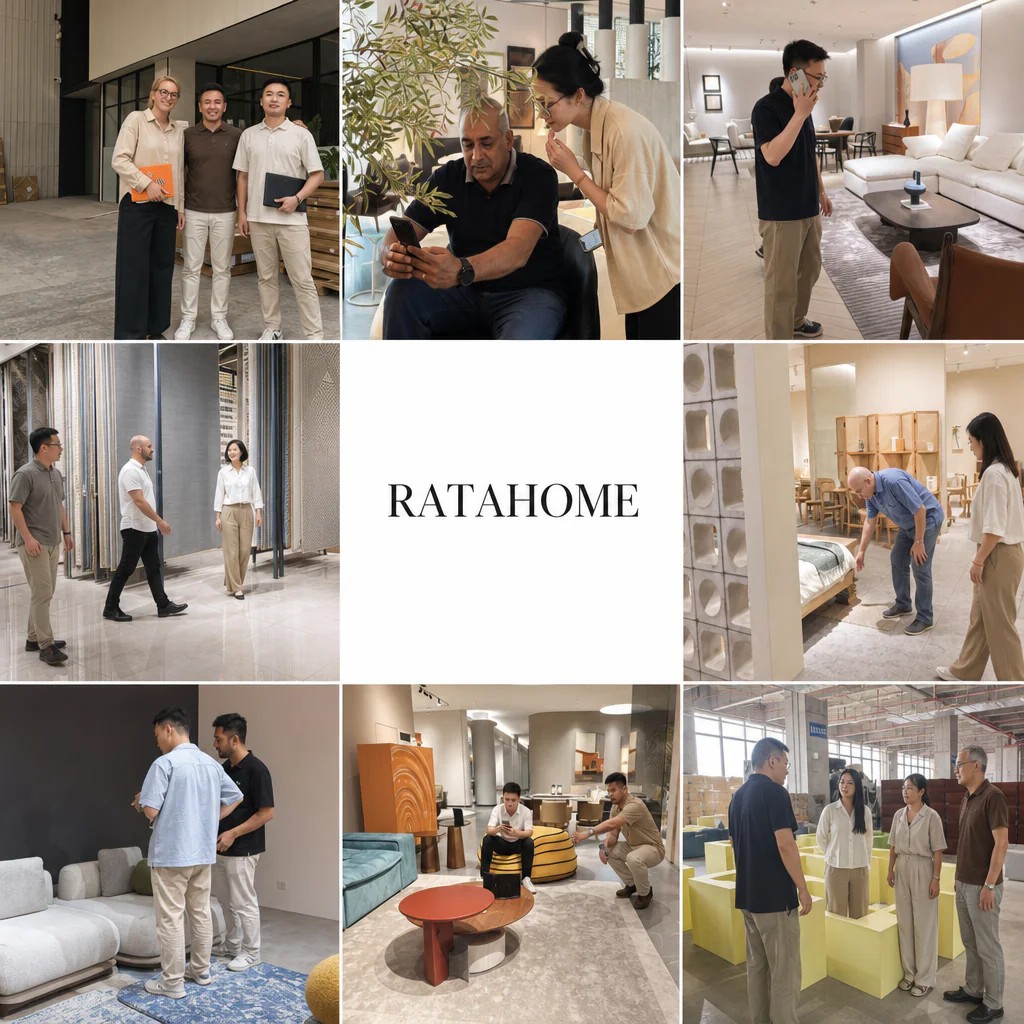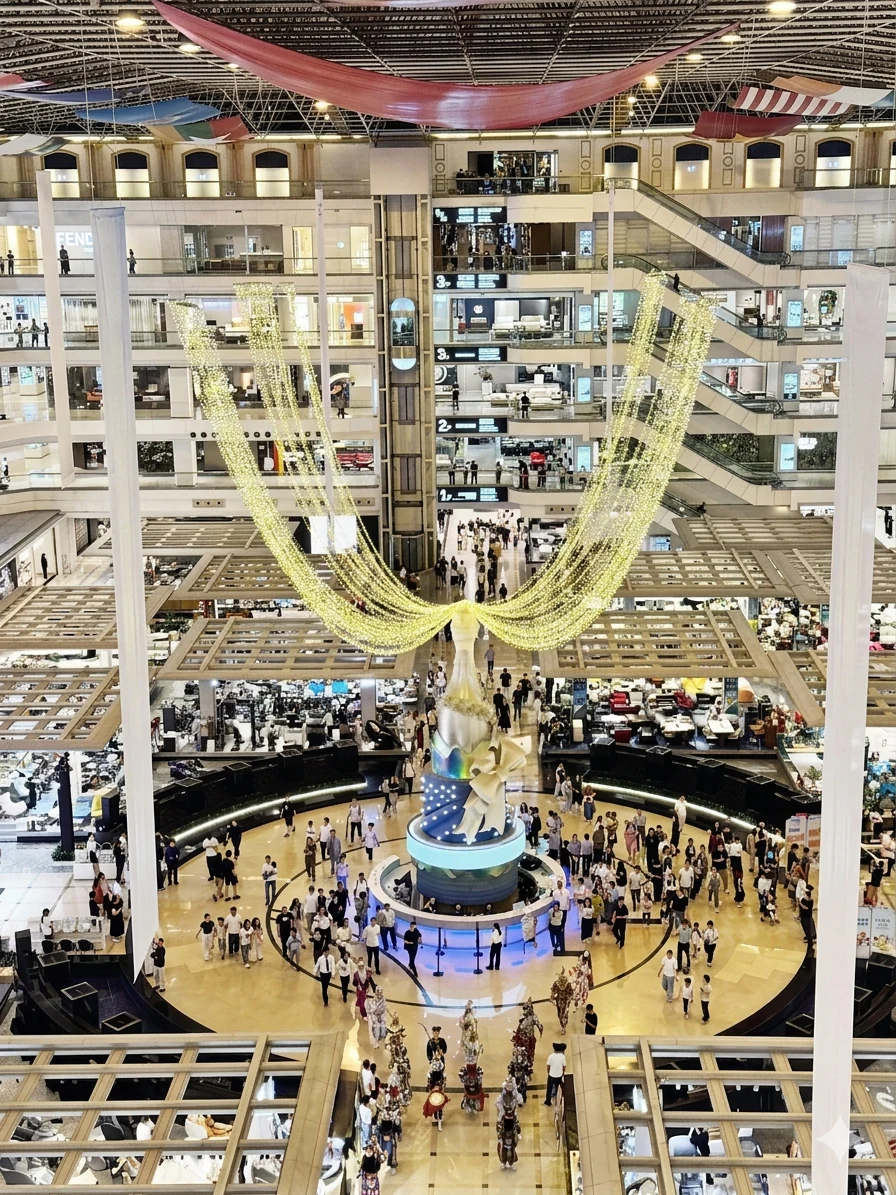
China’s furniture advantage is not simply factory capacity. It comes from dense regional ecosystems where manufacturers, material suppliers, hardware specialists, showrooms, packaging teams and logistics providers work within the same supply chain.
For overseas buyers, that ecosystem is especially valuable when a project involves custom furniture, multiple product categories or an entire home rather than a single SKU.
Industry at a glance
One industry, several specialized regions.
Furniture production is spread across China, but the strongest manufacturing and export capacity is concentrated in a handful of regional clusters.
Data: China National Furniture Association, 2025 industry reports.
Where furniture is made
China’s five major furniture ecosystems.
Rather than one single factory city, China has several clusters with different strengths. For project sourcing, choosing the right region matters as much as choosing the right supplier.
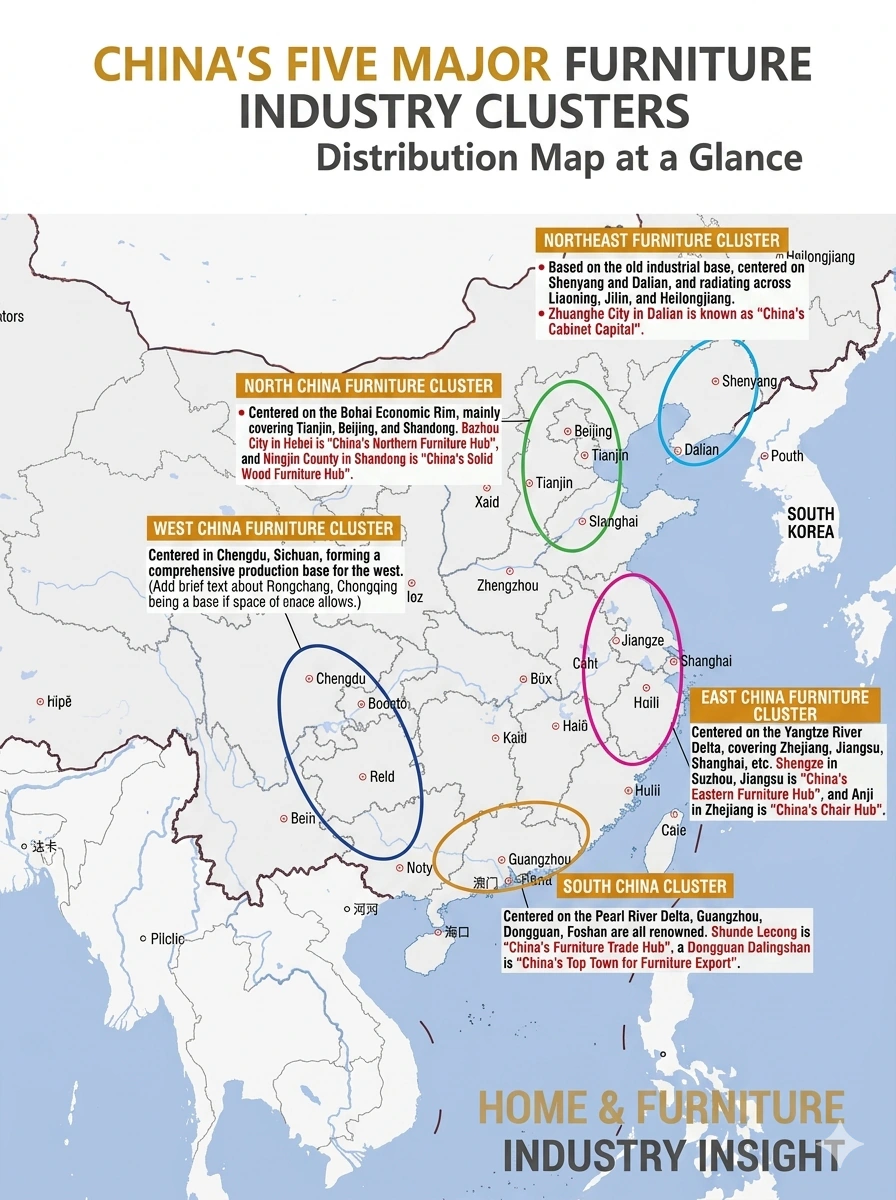

South China — Foshan & Pearl River Delta
Sofas, dining, beds, cabinetry, stone, lighting and decor. The widest multi-category ecosystem for complete-home sourcing.
Key hubs: Foshan · Shunde · Lecong · Longjiang · Dongguan
East China — Zhejiang & Jiangsu
Strong in chairs, upholstery, office, outdoor and wooden furniture, supported by efficient export manufacturing.
Known clusters: Anji chairs · Haining sofas
North China — Hebei & Shandong
Broad production in wood, metal and upholstered residential furniture, with Shandong a major exporting province.
Northeast China — Liaoning & Dalian
Historically built around timber processing, solid wood and cabinetry, with a smaller export ecosystem than the south and east.
West China — Chengdu & Sichuan
Strong in panel, bedroom and residential furniture, historically serving a larger share of China’s domestic market.
Why Foshan stands out
Not one factory. A complete sourcing ecosystem.
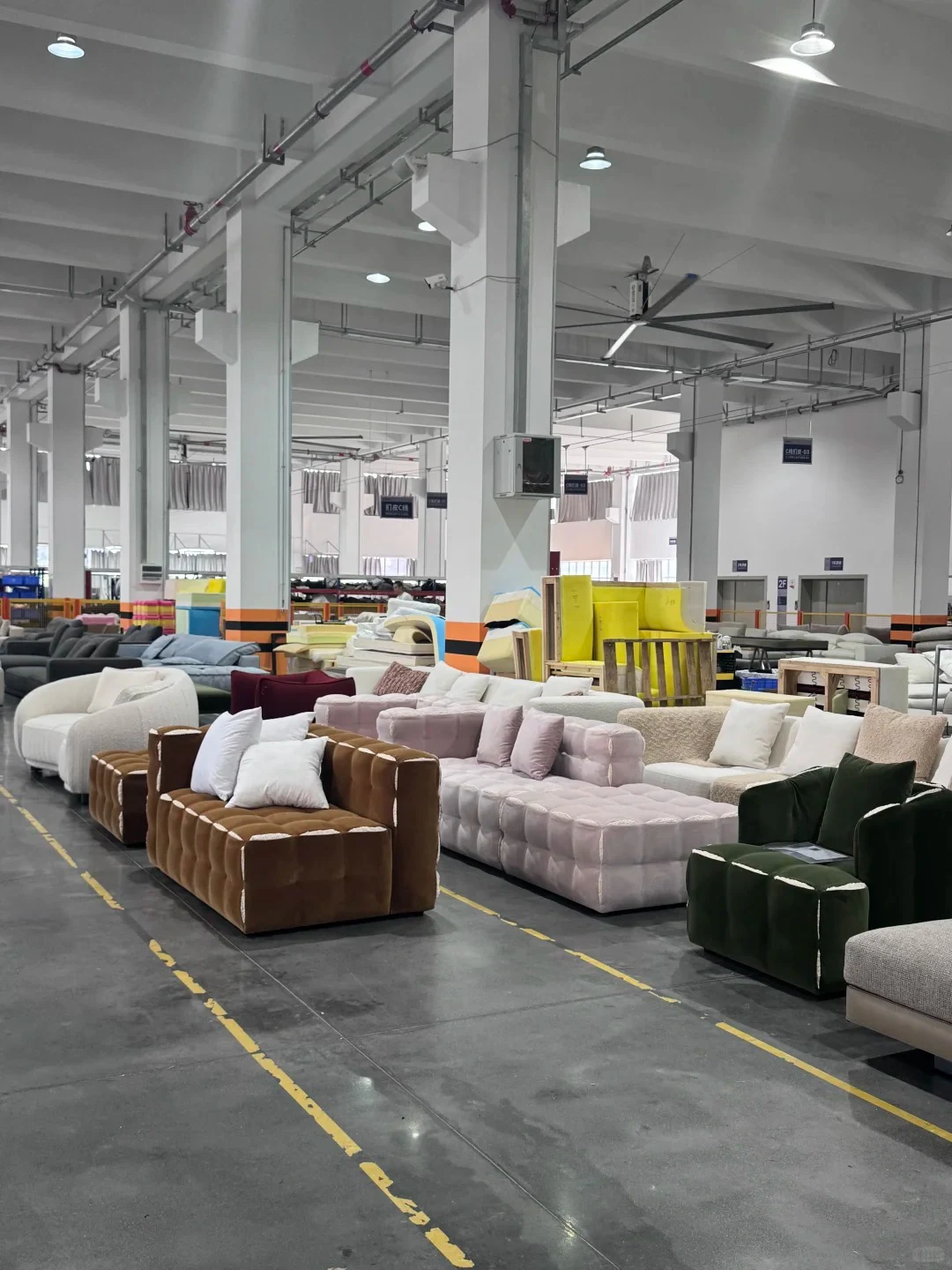
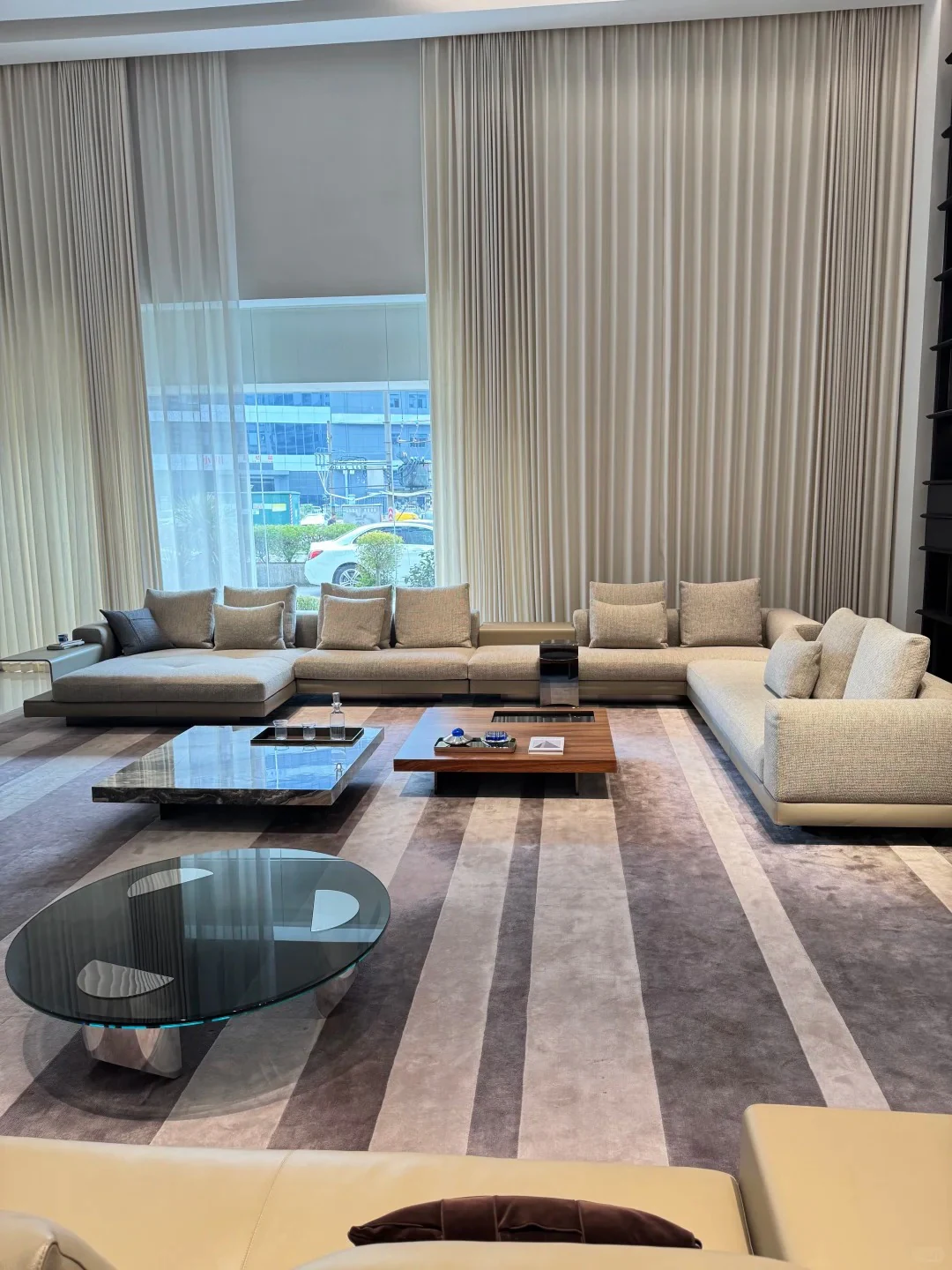
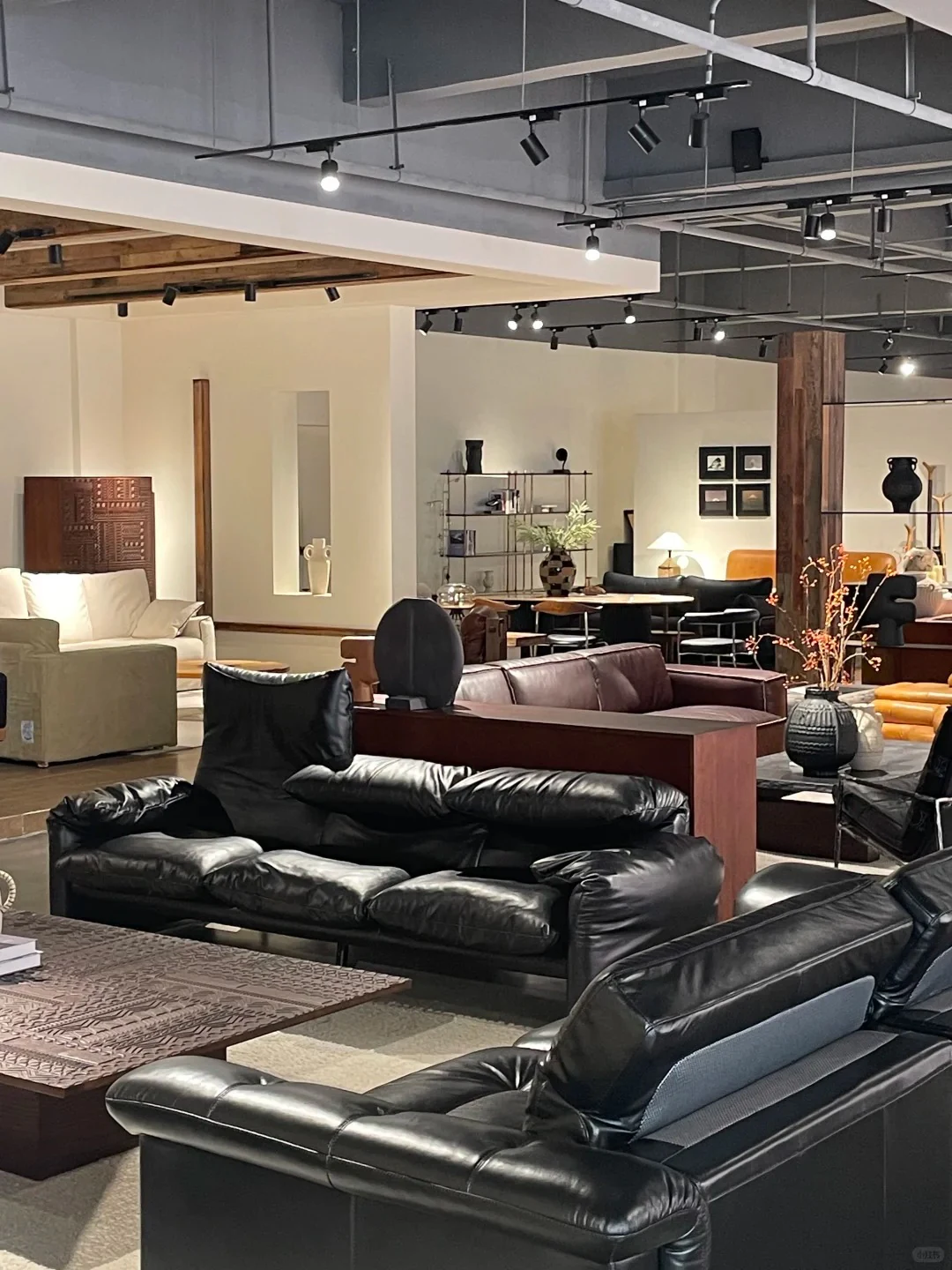
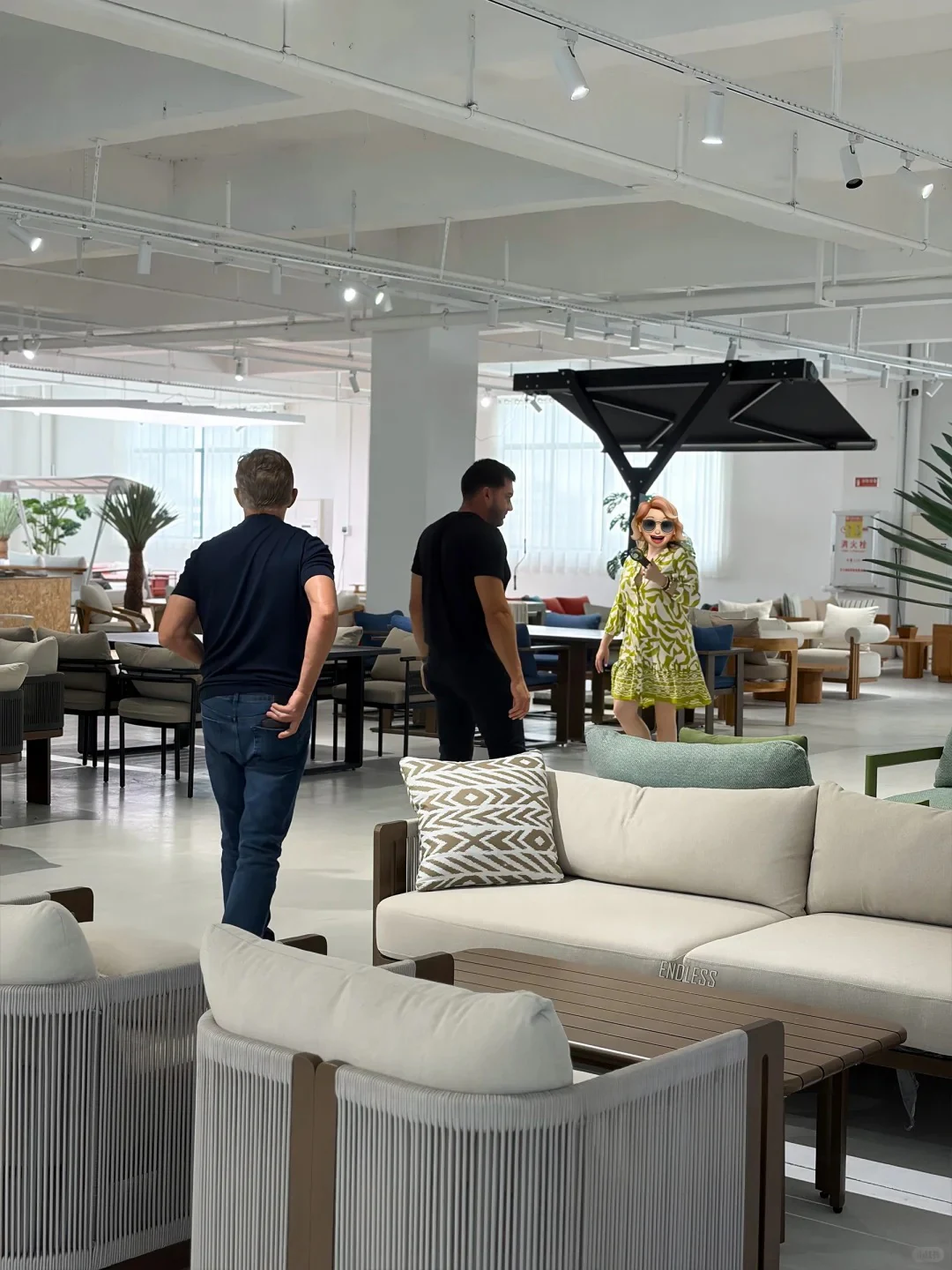
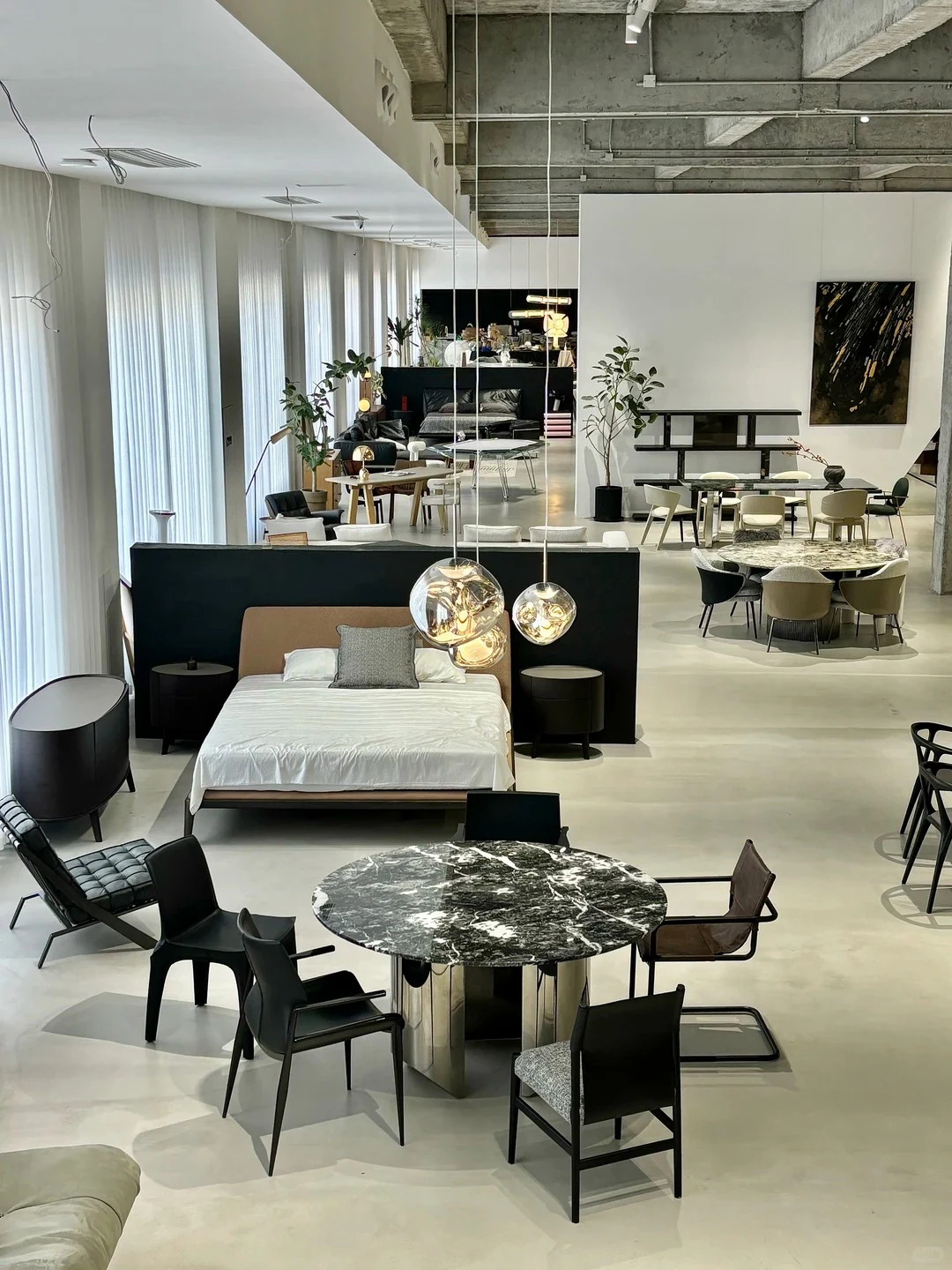
Foshan combines furniture factories, material suppliers, custom workshops, major wholesale showrooms and export logistics within one concentrated region.
That makes it unusually effective for projects that need many categories coordinated together.
- More categoriesFurniture, cabinetry, stone, lighting, rugs and decor in one region.
- More customizationDimensions, fabrics, finishes and construction can be developed around a project brief.
- One consolidated projectDifferent specialist factories can be inspected, packed and shipped together.
How the supply chain works
A finished piece is the end of a much larger network.
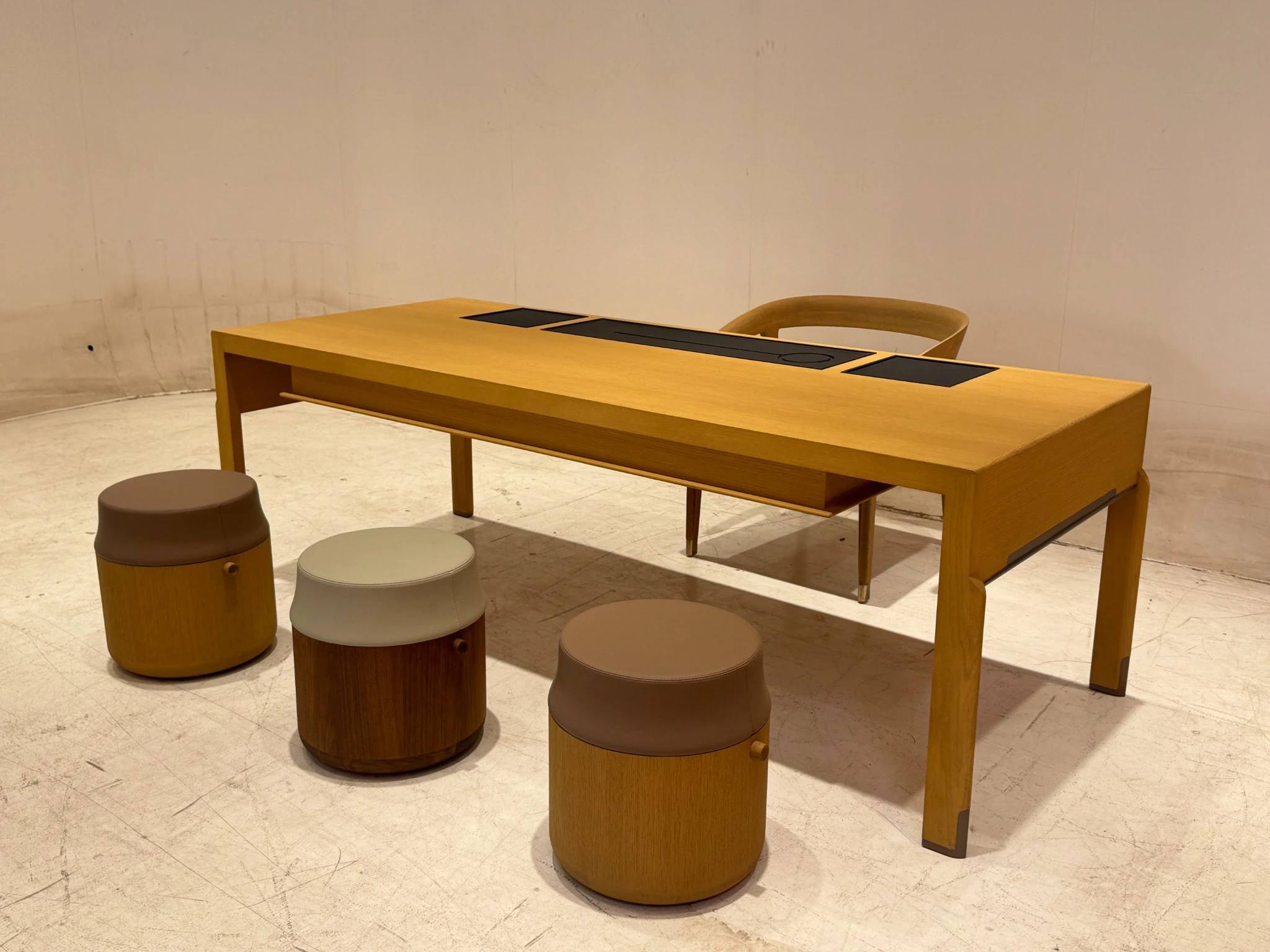
China’s furniture supply chain connects raw materials, component specialists, finished-goods factories, quality control and export logistics.
- MaterialsWood, metal, stone, fabric, leather, foam and hardware.
- ManufactureSpecialist factories for upholstery, tables, chairs, beds and cabinetry.
- FinishingVeneer, paint, metal treatment, stone work and upholstery.
- Quality controlDimensions, materials, finishes, hardware and assembly checks.
- ConsolidationMulti-factory orders packed together for international shipping.

Export and international trade
China sells globally — and still buys premium furniture from abroad.
China exports furniture to nearly every major global market. In the first three quarters of 2025, Asia, North America and Europe together represented the majority of China’s furniture exports.
The United States remained the largest individual export destination, while growth in Europe, Latin America and Africa showed a broader diversification of demand.
China’s global position is increasingly about supply-chain breadth — not simply low-cost production.
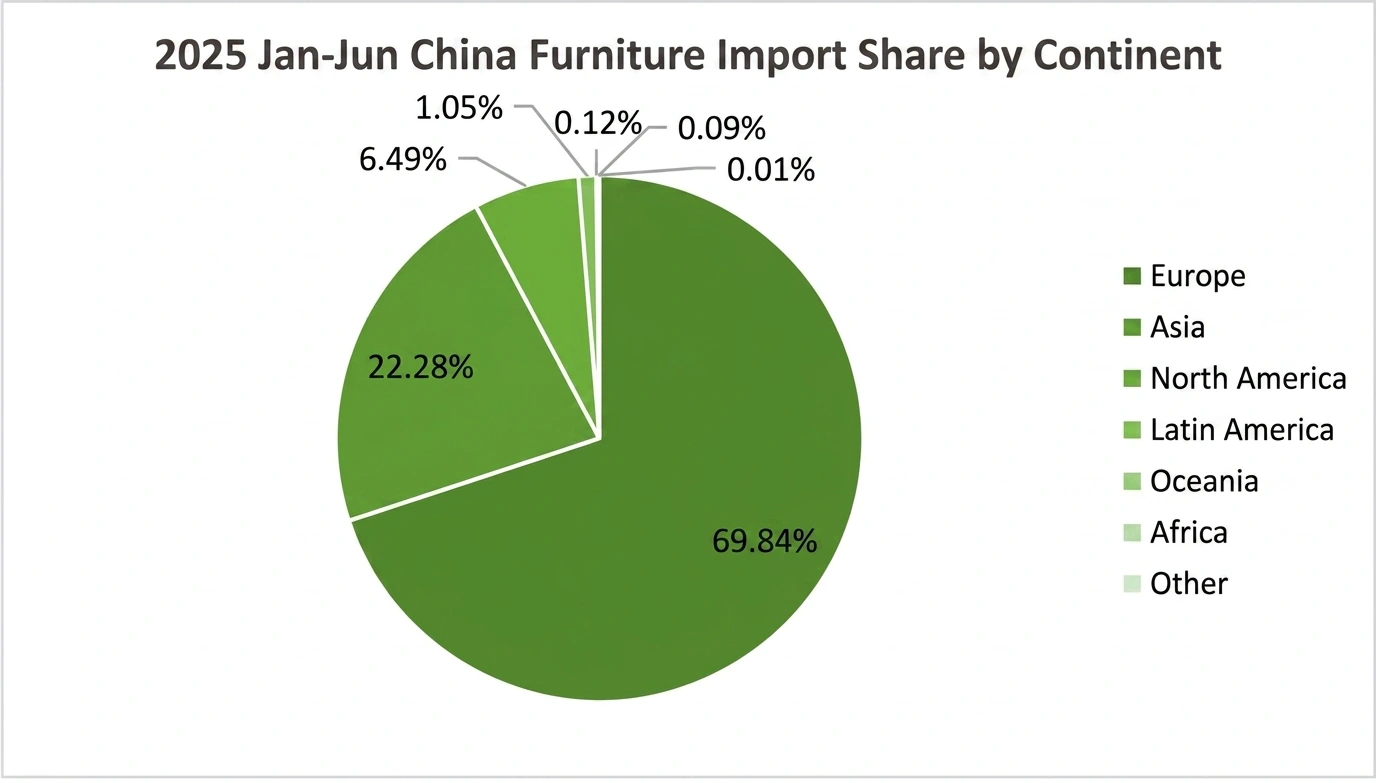
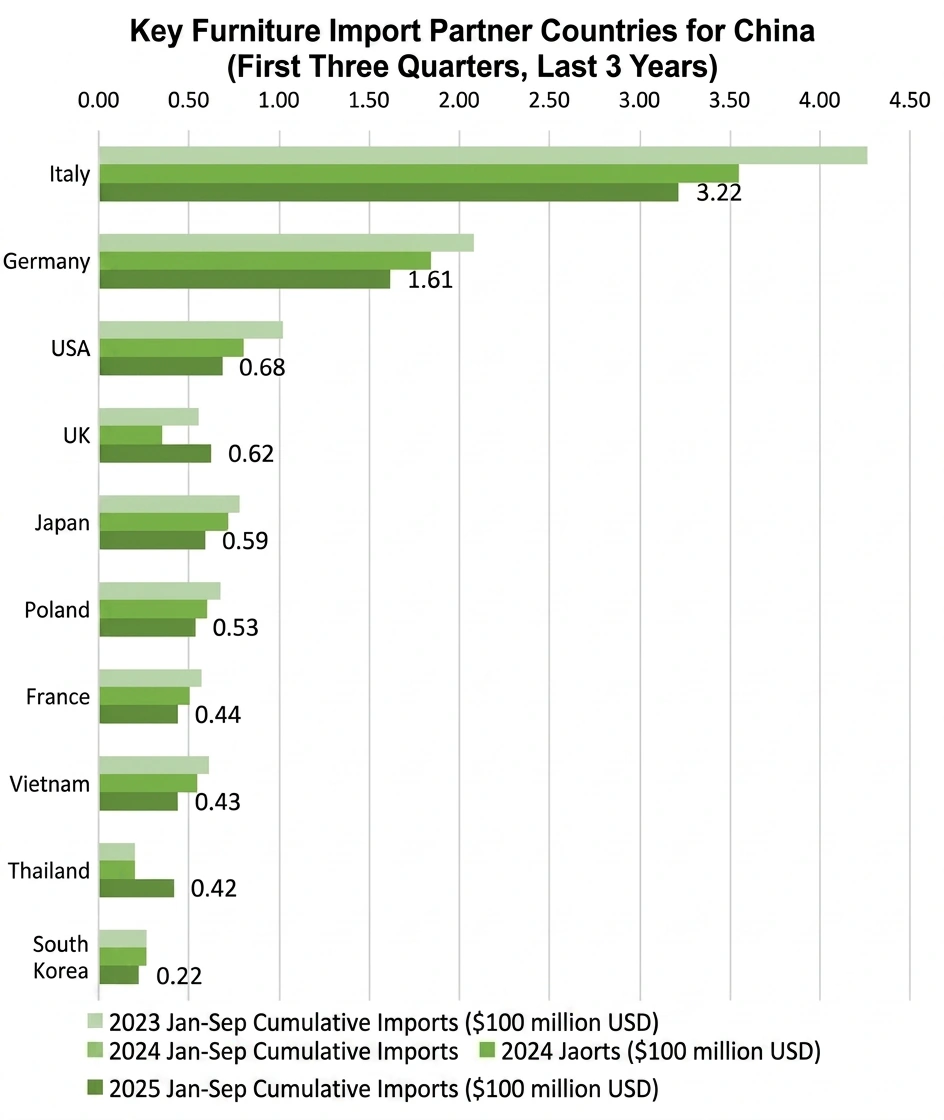
That two-way trade highlights the industry’s structure: China is strongest in manufacturing scale, customization and supply-chain depth, while European producers remain influential in luxury branding, original design, engineering and premium positioning.
International comparison
Different furniture countries win for different reasons.
Complete supply-chain depth, custom capability and multi-category sourcing.
Highly competitive export-oriented wooden furniture production.
Design authorship, craftsmanship, luxury positioning and brand equity.
Engineering, industrial systems, kitchens and technical manufacturing.
Efficient European production for upholstery, casegoods and mass-market furniture.
For a whole-home project, China’s advantage becomes most visible when many different categories need to work together.

For overseas buyers
The biggest opportunity is also the biggest risk: too many choices.
A strong result depends less on finding “a factory” and more on controlling specification, supplier selection, quality and coordination.
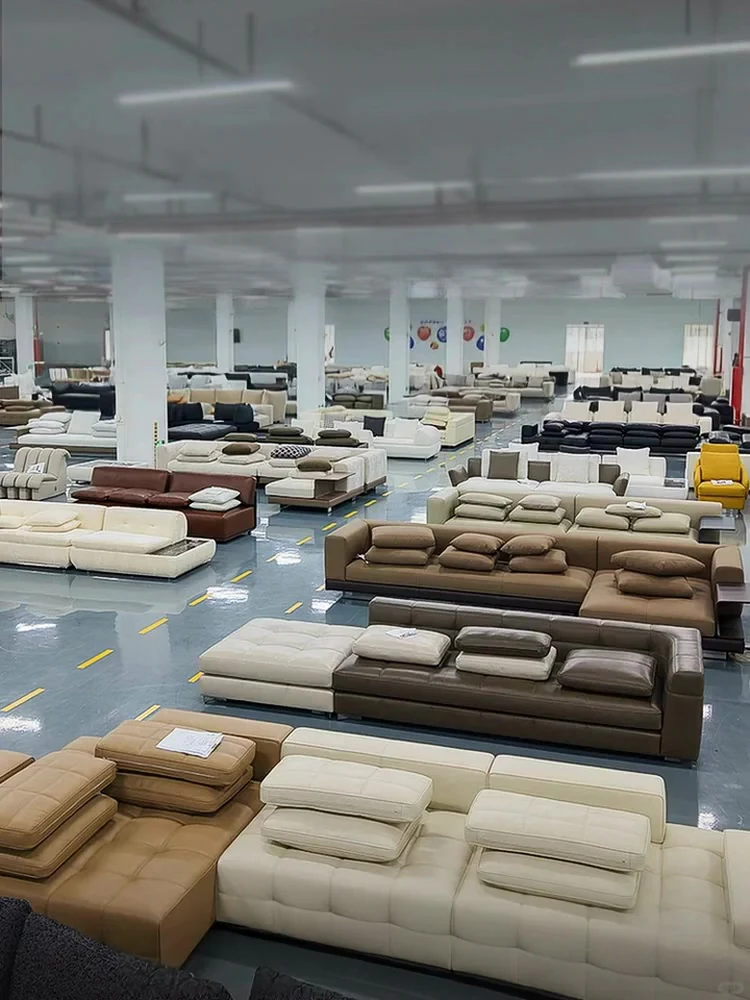
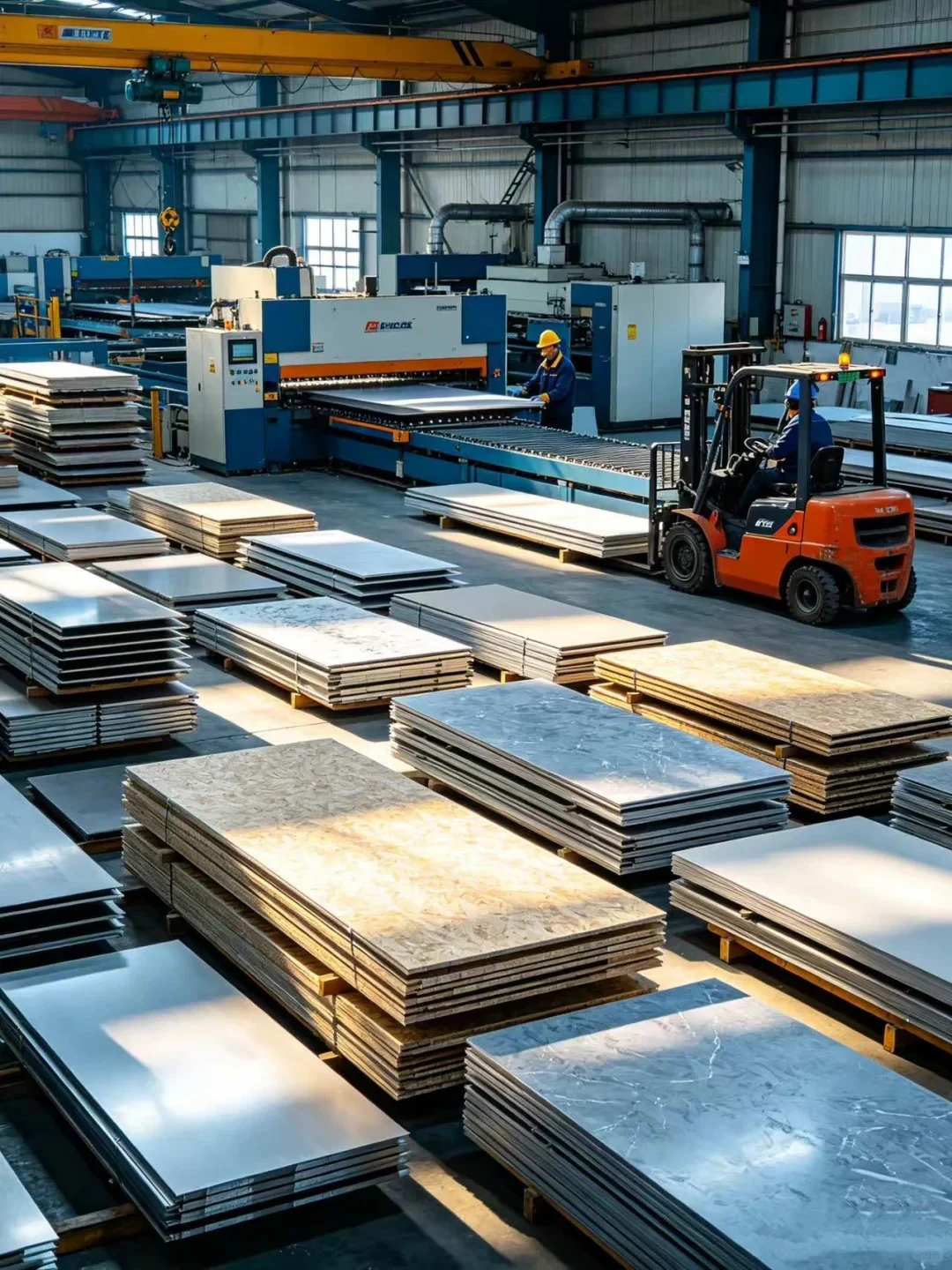
Verify what a supplier truly manufactures, how it builds the product and whether it can repeat the approved standard.
Fabric, leather, veneer, stone, foam, hardware and finishes should be documented before the order begins.
A good sample does not guarantee a consistent batch. Pre-shipment QC is part of the buying process.
For multi-factory orders, schedule, finish consistency, packaging and container planning need one coordination point.
Design → Specification → Supplier Matching → Production → QC → Consolidation → Shipping
China National Furniture Association — 2025 furniture industry and Jan–Sep import/export reports; CSIL World Furniture Outlook. Figures are used as industry context and should be refreshed when newer official releases are published.
China National Furniture Association · Ratahome China Furniture Guide