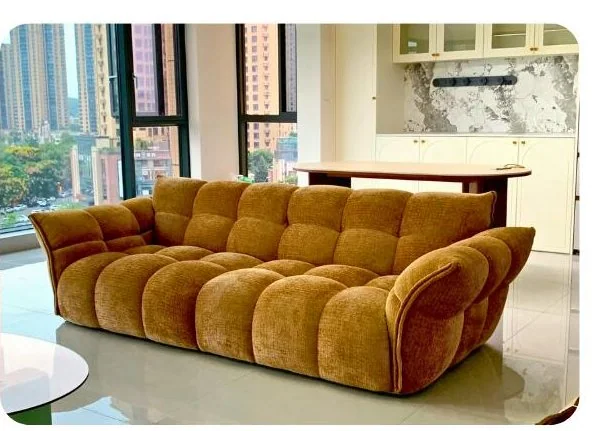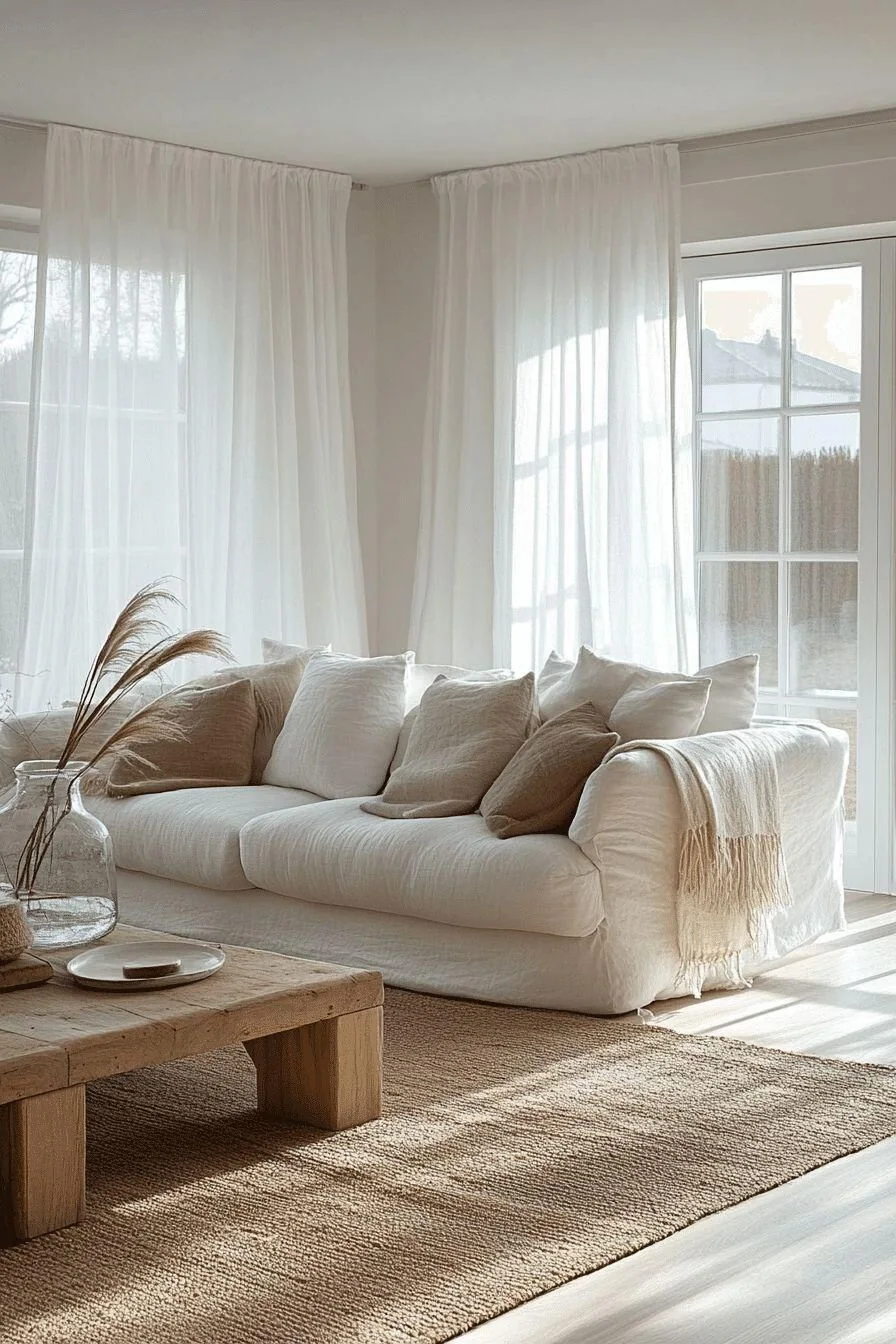
Why upholstery fabric matters more than most buyers expect
Two sofas can share the same frame and cushion construction yet feel completely different because of the fabric. Upholstery changes friction, breathability, surface temperature, visual softness, stain behavior and even how crisp or relaxed the tailoring looks.
For a custom furniture project, the useful question is not simply “Which fabric looks best?” It is: which surface behavior belongs on this exact piece, in this exact room, for this exact household? A sculptural lounge chair may benefit from tactile bouclé. A hot-climate family room may be better served by a breathable linen blend. A formal statement sofa can make velvet’s directional pile an advantage, while a rental or pet-heavy home often needs a tested performance weave.
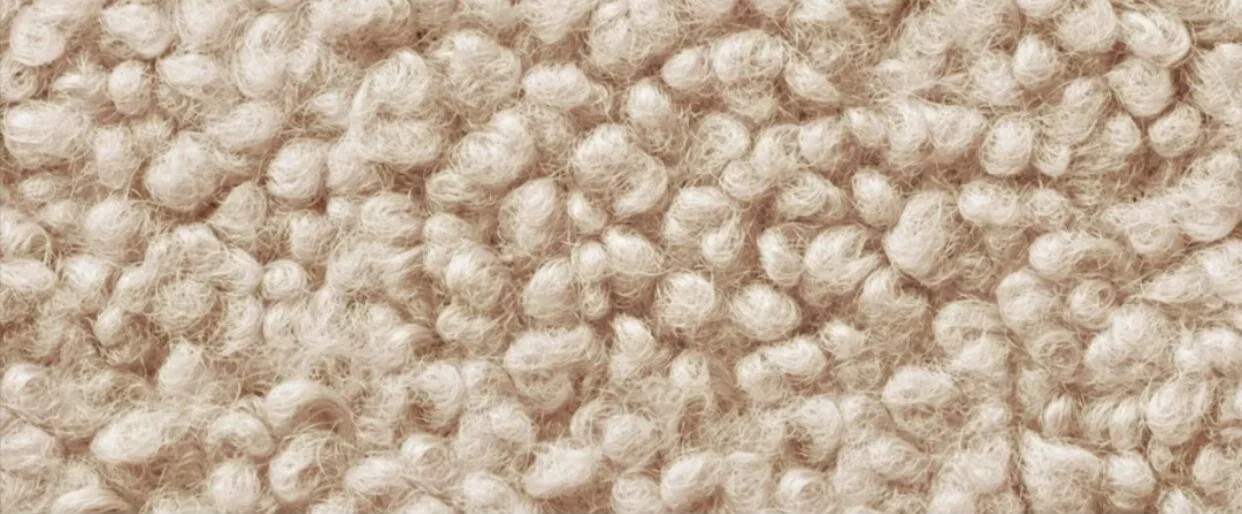
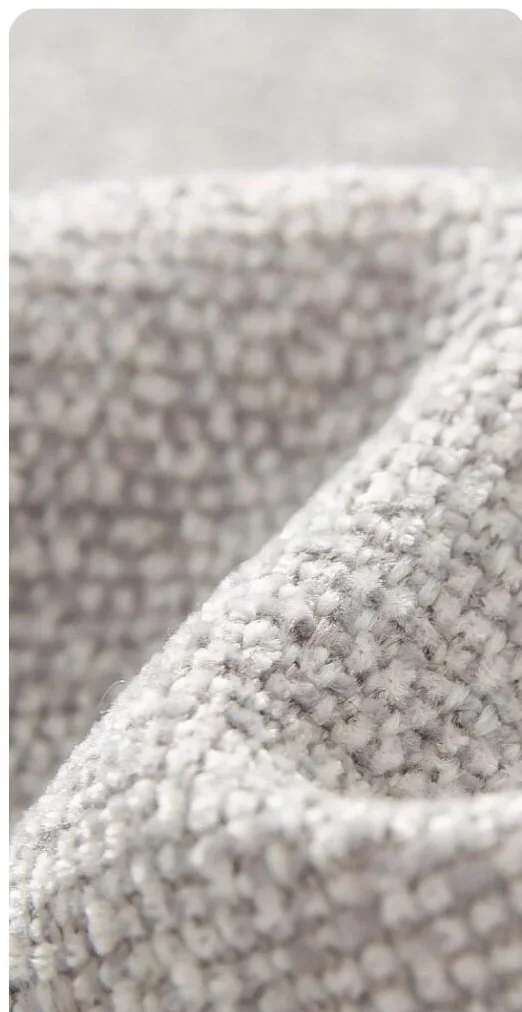
Ratahome’s sofa collection already separates premium fabric, bouclé and performance directions because upholstery is a functional specification, not only a style choice. The same principle applies to lounge chairs and other upholstered pieces.
Bouclé vs linen vs velvet vs chenille vs performance fabric
The fastest way to compare these materials is to separate appearance from fiber content. Bouclé and chenille describe yarn or surface constructions; velvet describes a pile structure; linen is a fiber; “performance fabric” is a performance category that can use several fibers and weaves. That is why two fabrics carrying the same retail name may behave very differently.
| Fabric | Signature look | Touch | Strengths | Main watch-outs | Best use |
|---|---|---|---|---|---|
| Bouclé | Looped, nubby, sculptural | Soft to textured | Visual depth, hides minor surface variation, strong designer look | Loops can snag; light colors show soil; some versions pill | Accent sofas, lounge chairs, organic-modern rooms |
| Linen / linen blend | Matte, natural, relaxed | Dry, breathable | Airflow, timeless texture, elegant casual drape | Wrinkling, possible shrinkage, pure linen can be less forgiving | Slipcovers, warm climates, relaxed sofas |
| Velvet | Rich pile, color depth | Soft, plush | Luxury appearance, saturated color, smooth hand | Directional nap, pressure marks, dust visibility | Statement seating, formal rooms, accent pieces |
| Chenille | Soft yarn, subtle texture | Plush, cozy | Comfort, softness, good visual body, broad color range | Can crush, snag or hold dust; quality varies widely | Everyday sofas, family seating, cushions |
| Performance fabric | Can imitate many looks | Varies | Stain resistance, abrasion resistance, easier care when properly specified | “Performance” is not one standard; verify test data and cleaning code | Kids, pets, rentals, high-use rooms, hospitality |
Do not assume that a synthetic fiber is automatically “performance” or that a natural fiber is automatically delicate. Construction, backing, yarn quality, finish, test results and maintenance instructions all matter. Ratahome’s quality-control process treats fabrics as an incoming material to be checked before production for the same reason.
Bouclé: sculptural texture with a soft, architectural look
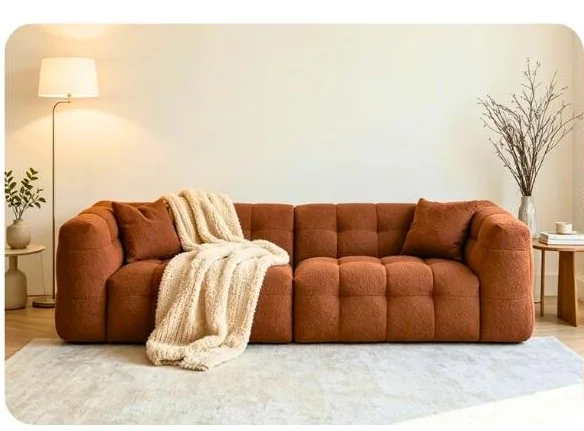
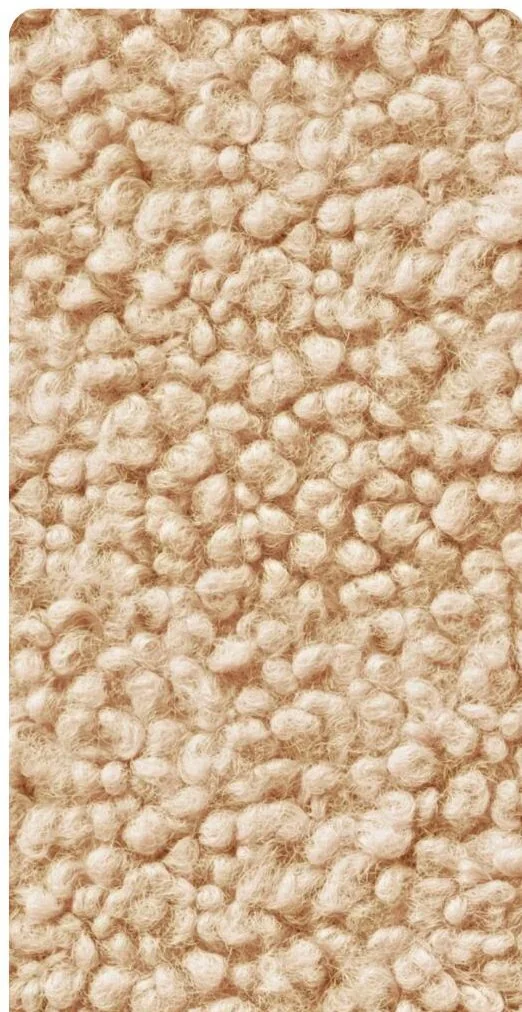
Bouclé gets its recognizable surface from looped or curled yarns. From a distance it reads as soft and cloud-like; up close it can range from tiny tight loops to larger teddy-like curls. That three-dimensional surface is why bouclé works especially well on rounded sofas, compact lounge chairs and organic silhouettes.
Where bouclé wins
It adds visual volume without pattern, makes pale neutrals feel less flat, and supports curved furniture beautifully. Dense constructions can also disguise small pressure marks better than smooth fabrics.
What to check
Loop stability, snag resistance, pilling tendency, seam performance and whether the backing is strong enough for the furniture shape. Large, loose loops are more vulnerable around pets or sharp accessories.
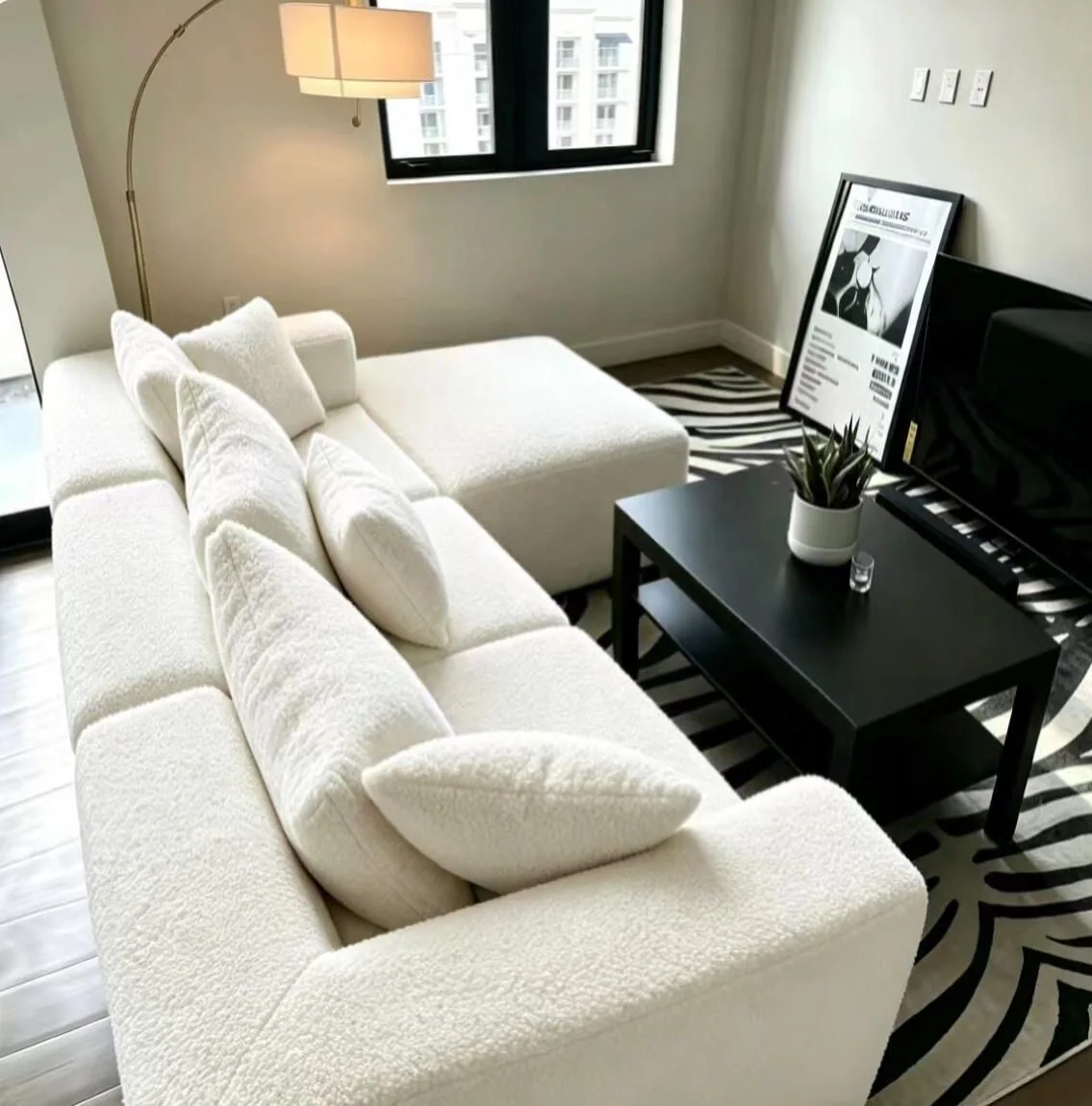
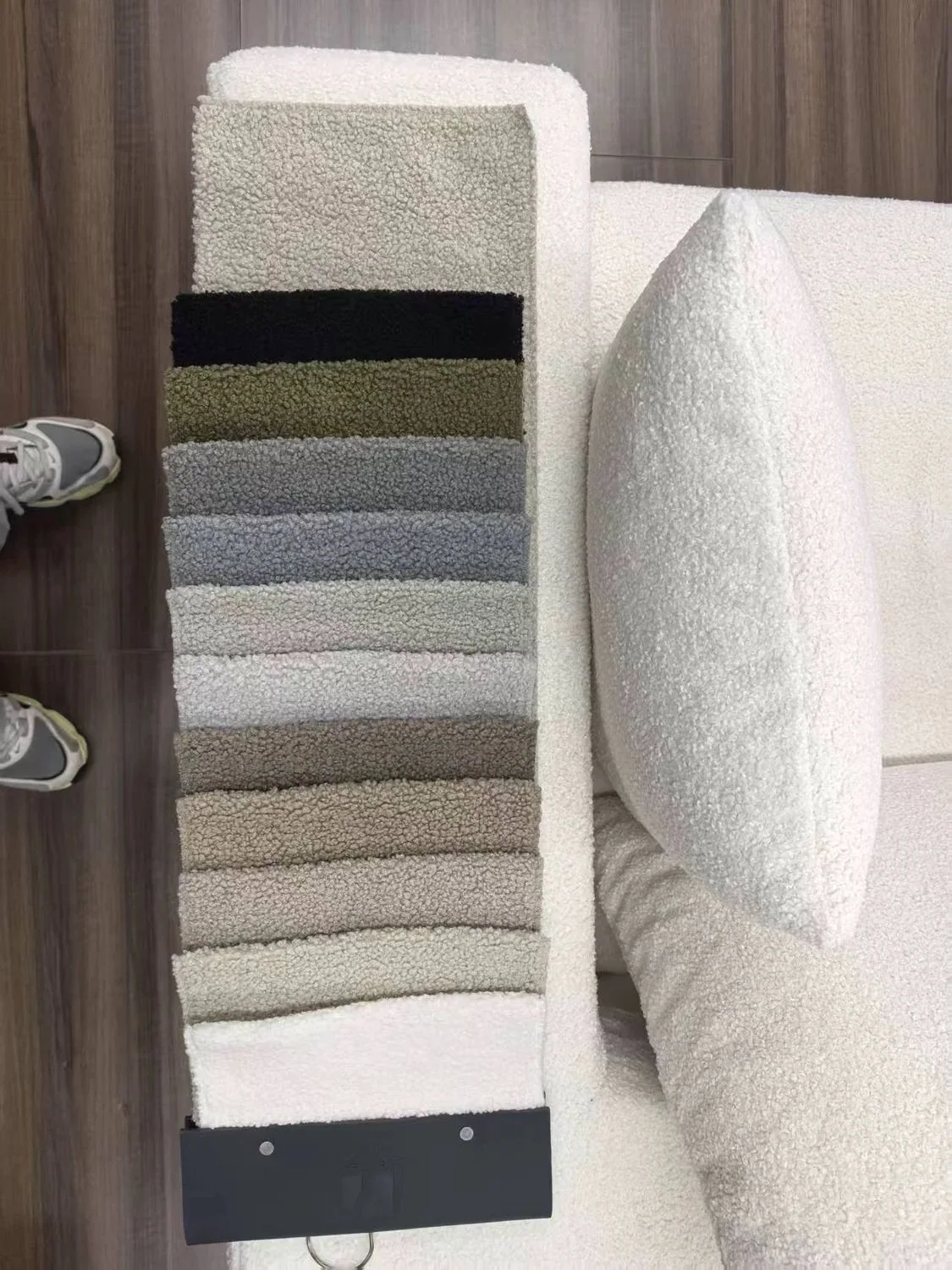
For a main family sofa, ask for a tighter, lower loop rather than the most dramatic teddy texture. For an occasional lounge chair, a more expressive loop can be reasonable because the piece sees less continuous friction.
Linen: breathable, matte and intentionally relaxed
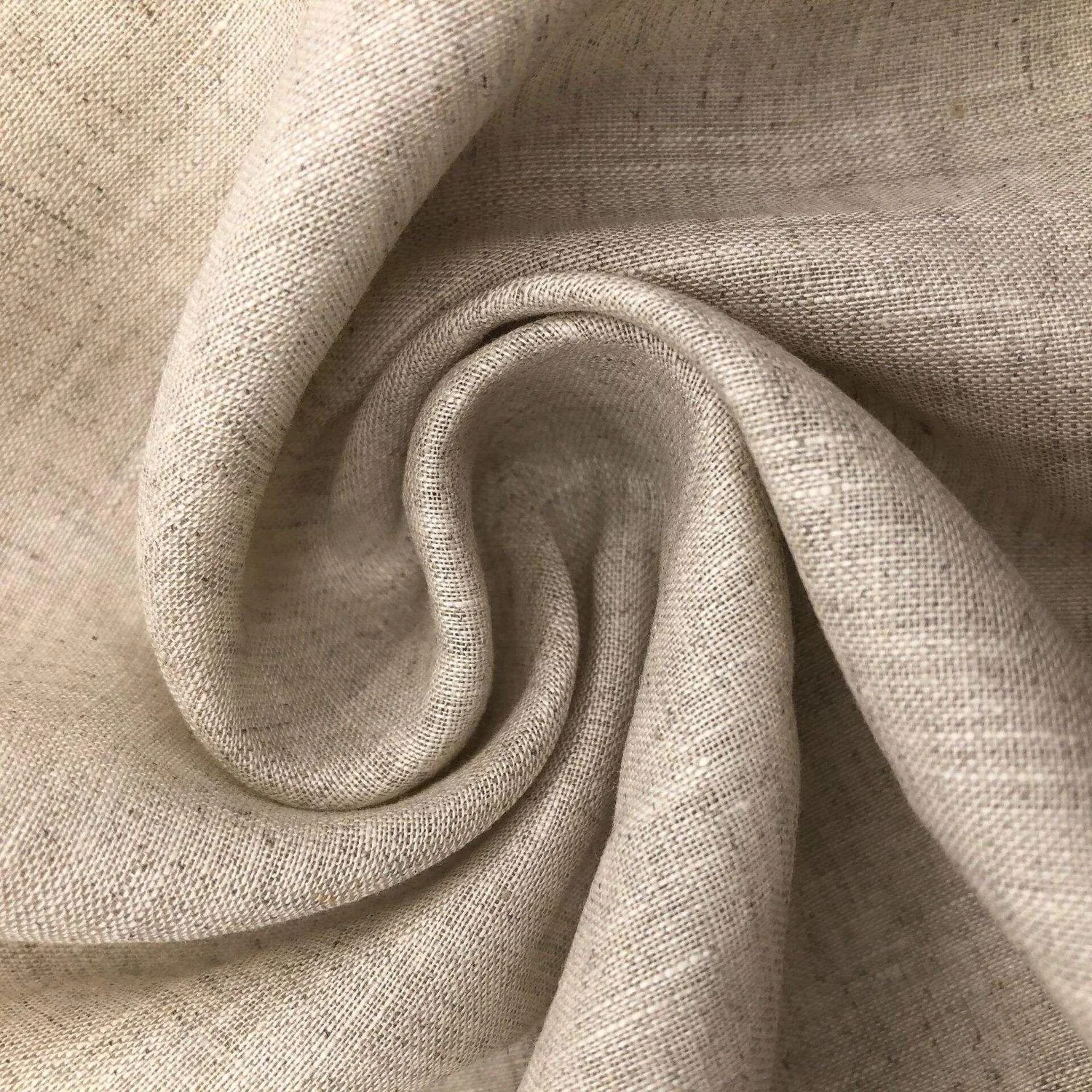
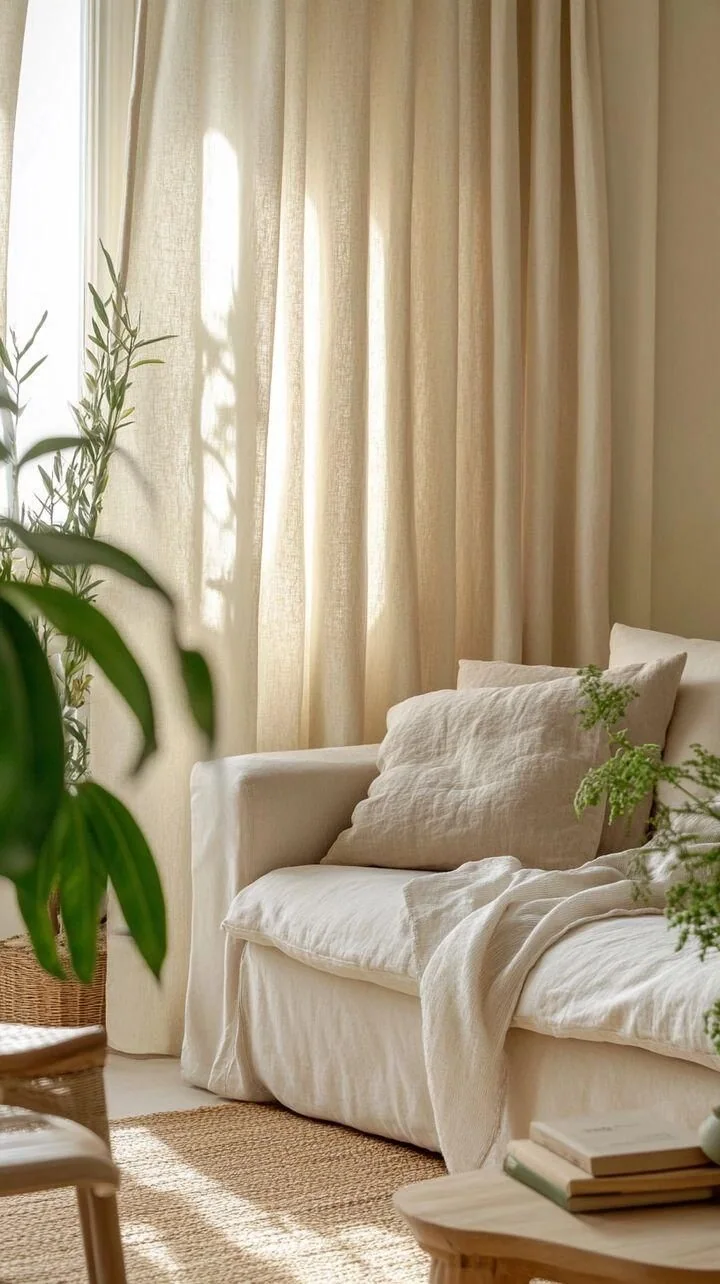
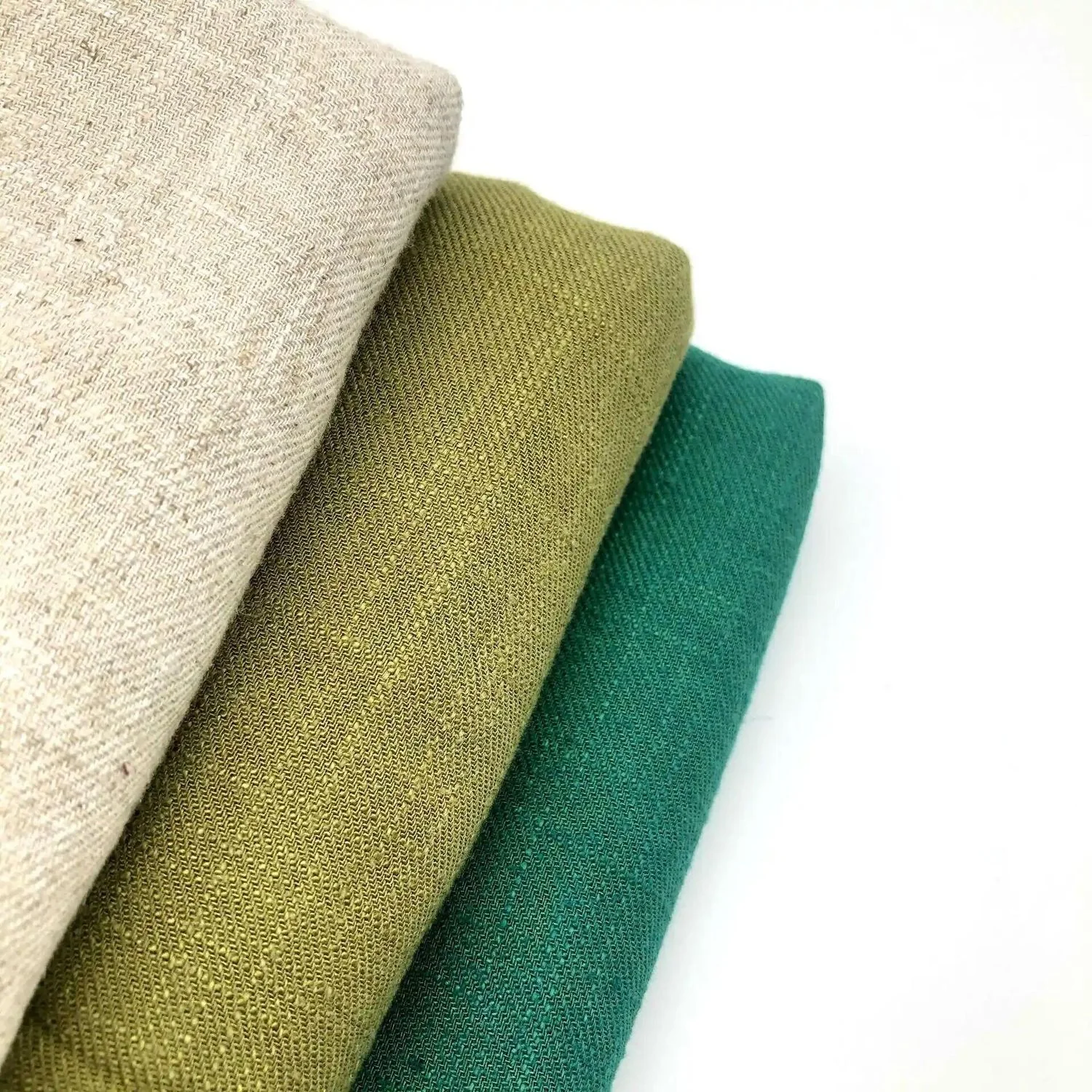
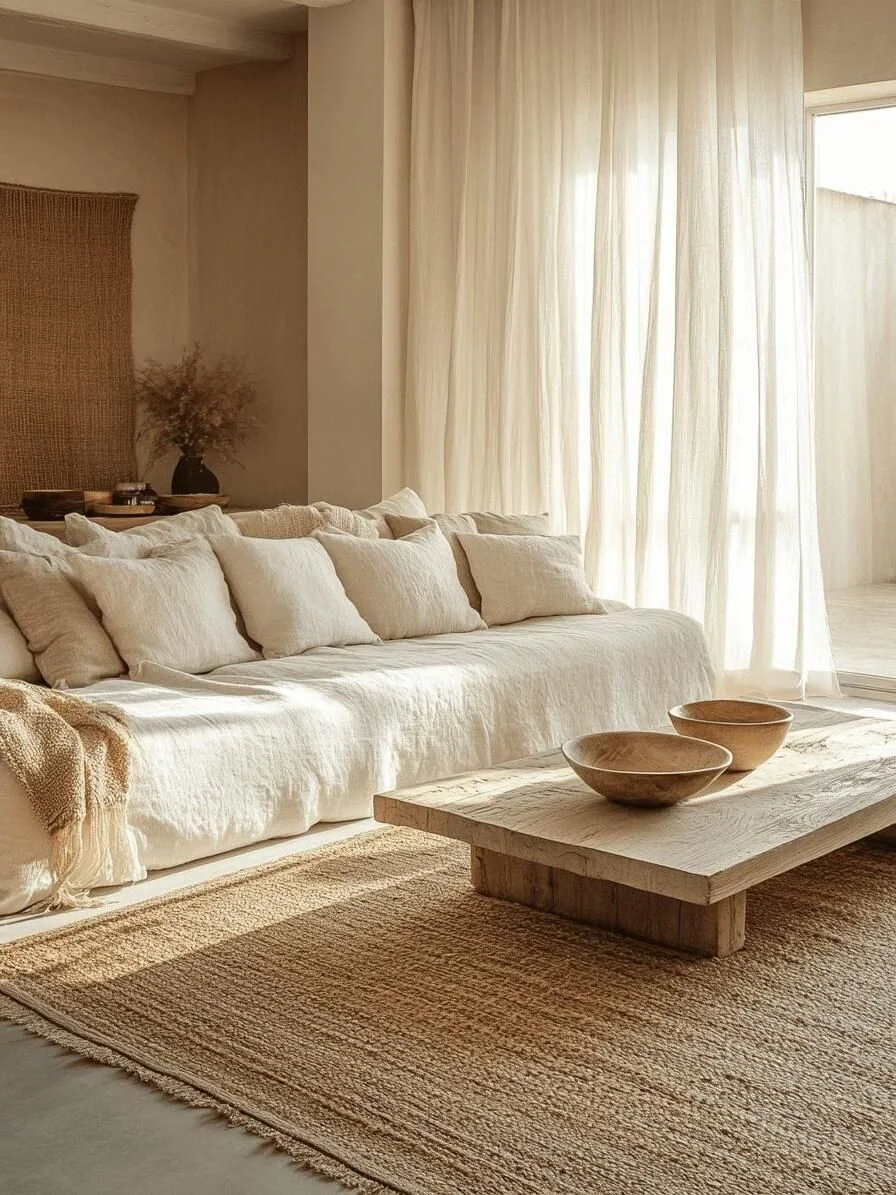
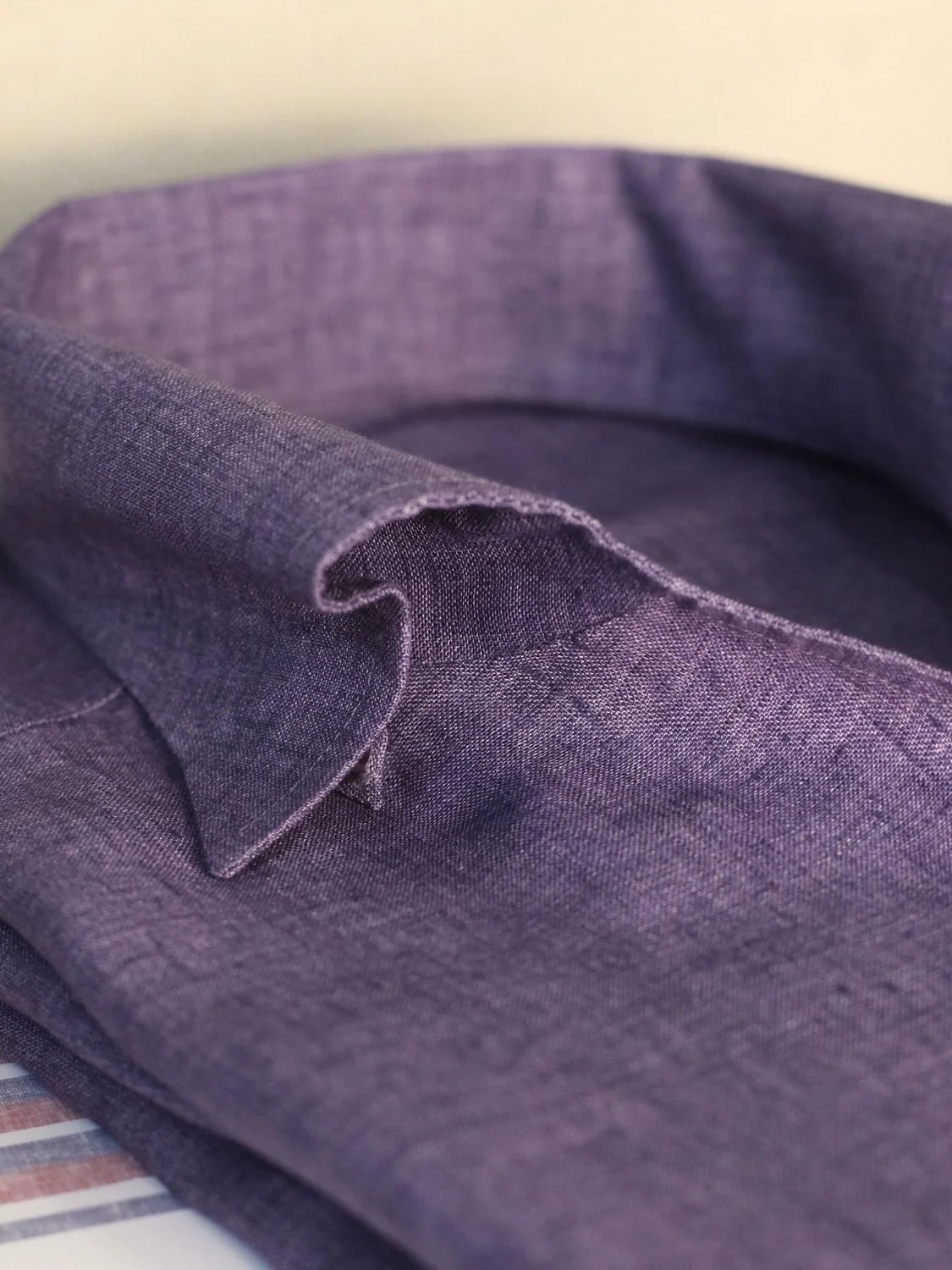
True linen is made from flax fiber. In furniture, however, many products described as “linen” are linen blends or linen-look textiles. That is not necessarily a downgrade: blending linen with cotton, viscose or polyester can improve wrinkle recovery, reduce shrinkage or increase abrasion resistance while keeping a dry, natural hand.
The beauty of linen is its irregularity. Slubs, subtle yarn variation and relaxed creasing create a casual surface that suits warm, quiet interiors. Buyers who expect a permanently taut, hotel-perfect face may prefer a blend with more recovery.
Velvet: rich color, soft pile and a visible change with light
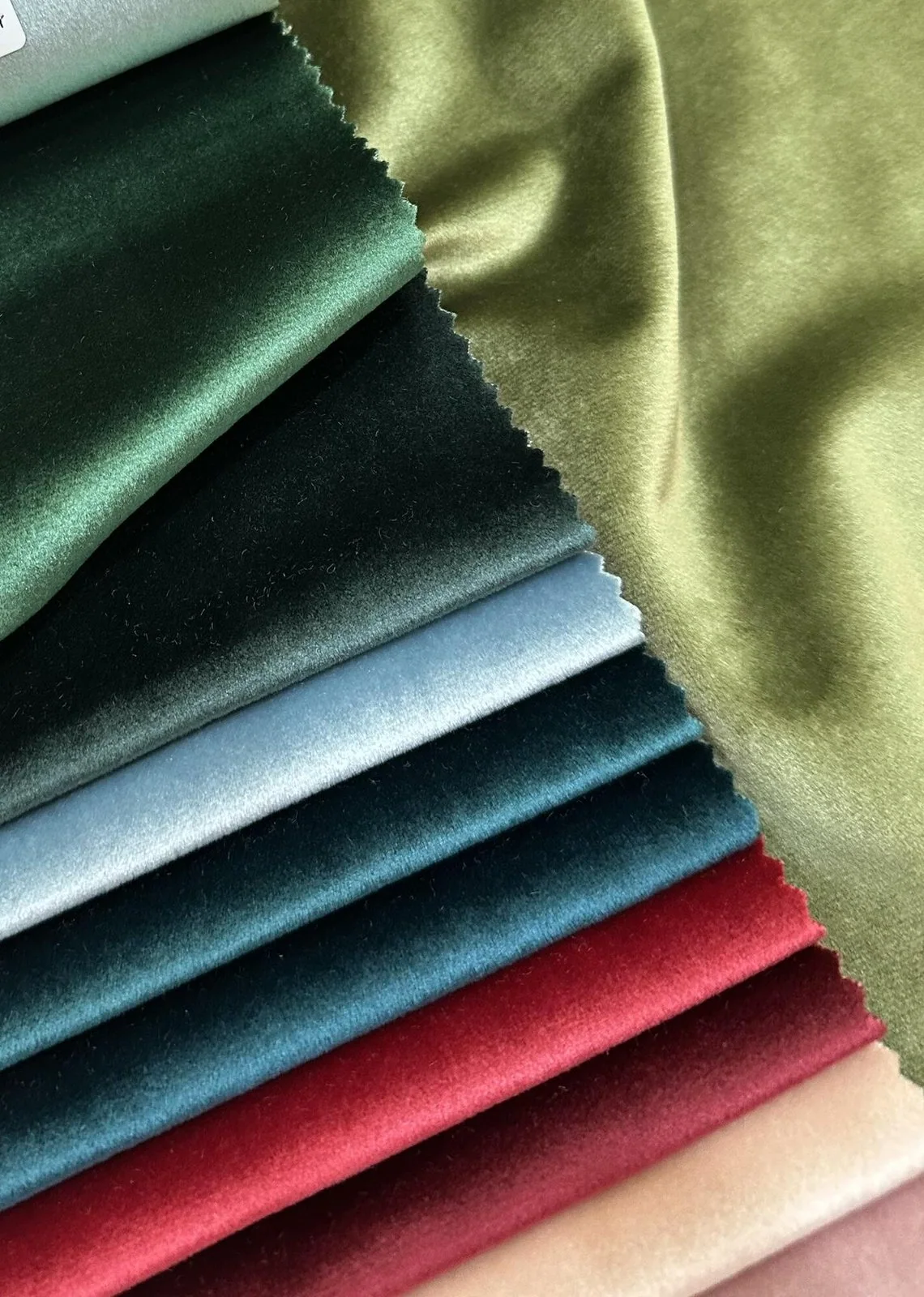
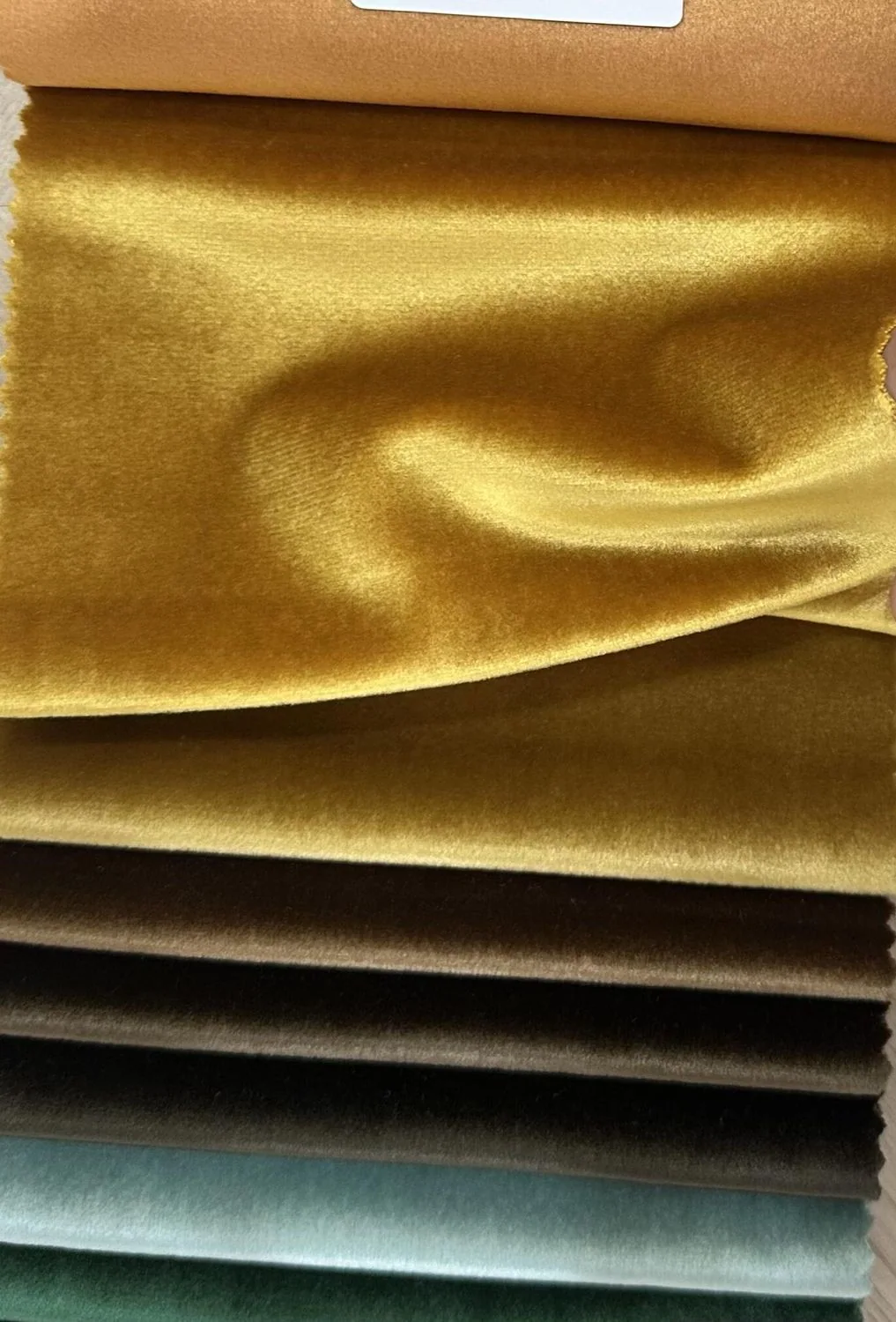
Velvet is defined by its cut pile, not by one specific fiber. Cotton, viscose and polyester velvets can all look luxurious while behaving differently. Polyester velvet is widely used in furniture because it can offer strong wear resistance and color consistency; viscose-rich velvet can have exceptional luster but may be more sensitive to crushing and moisture.
Velvet’s biggest visual strength is also the detail buyers need to understand: nap direction. When the pile is brushed in different directions, the same fabric can appear lighter or darker. That effect can make curved furniture exceptionally rich, but it also means cutting direction and panel matching should be controlled during production.
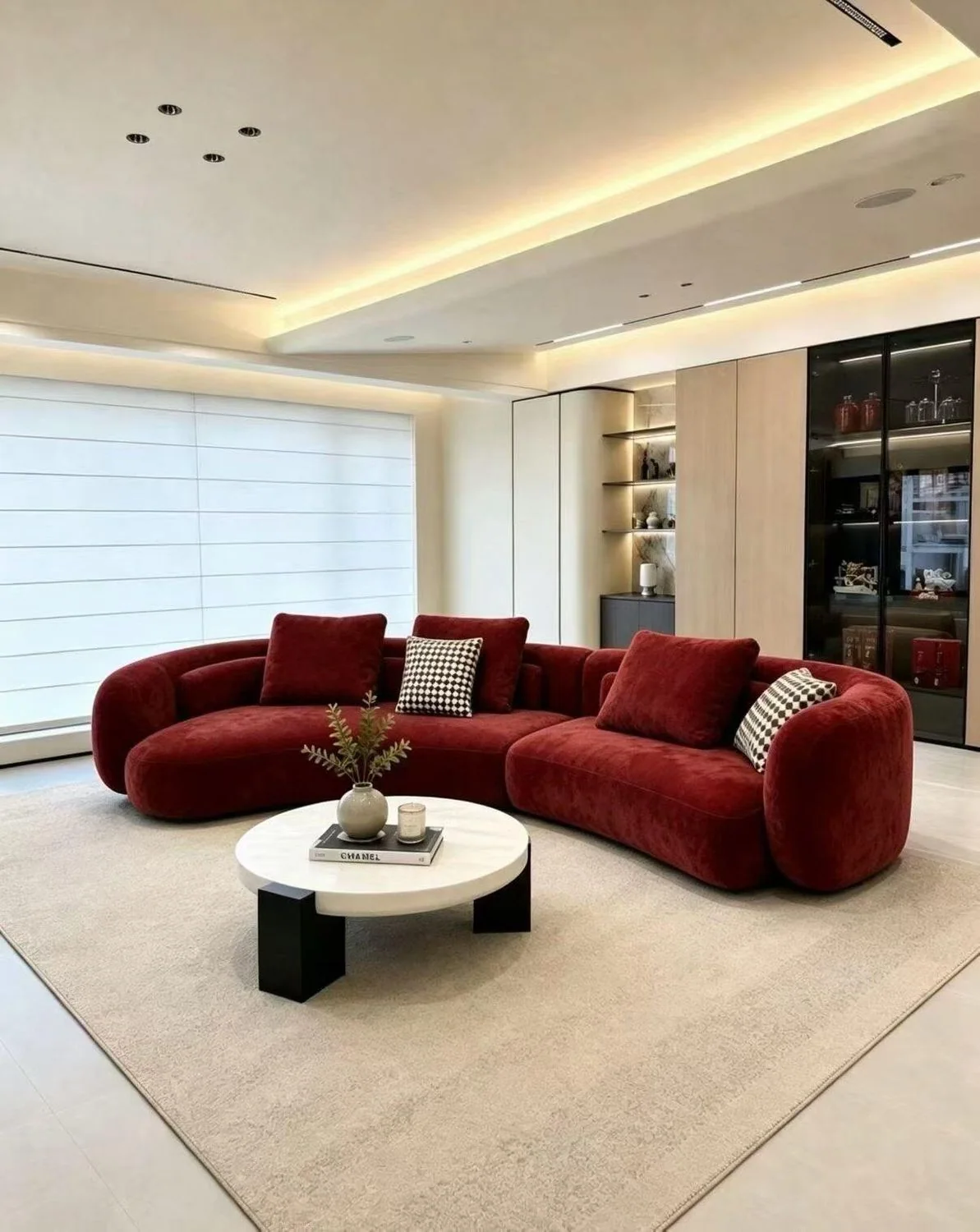
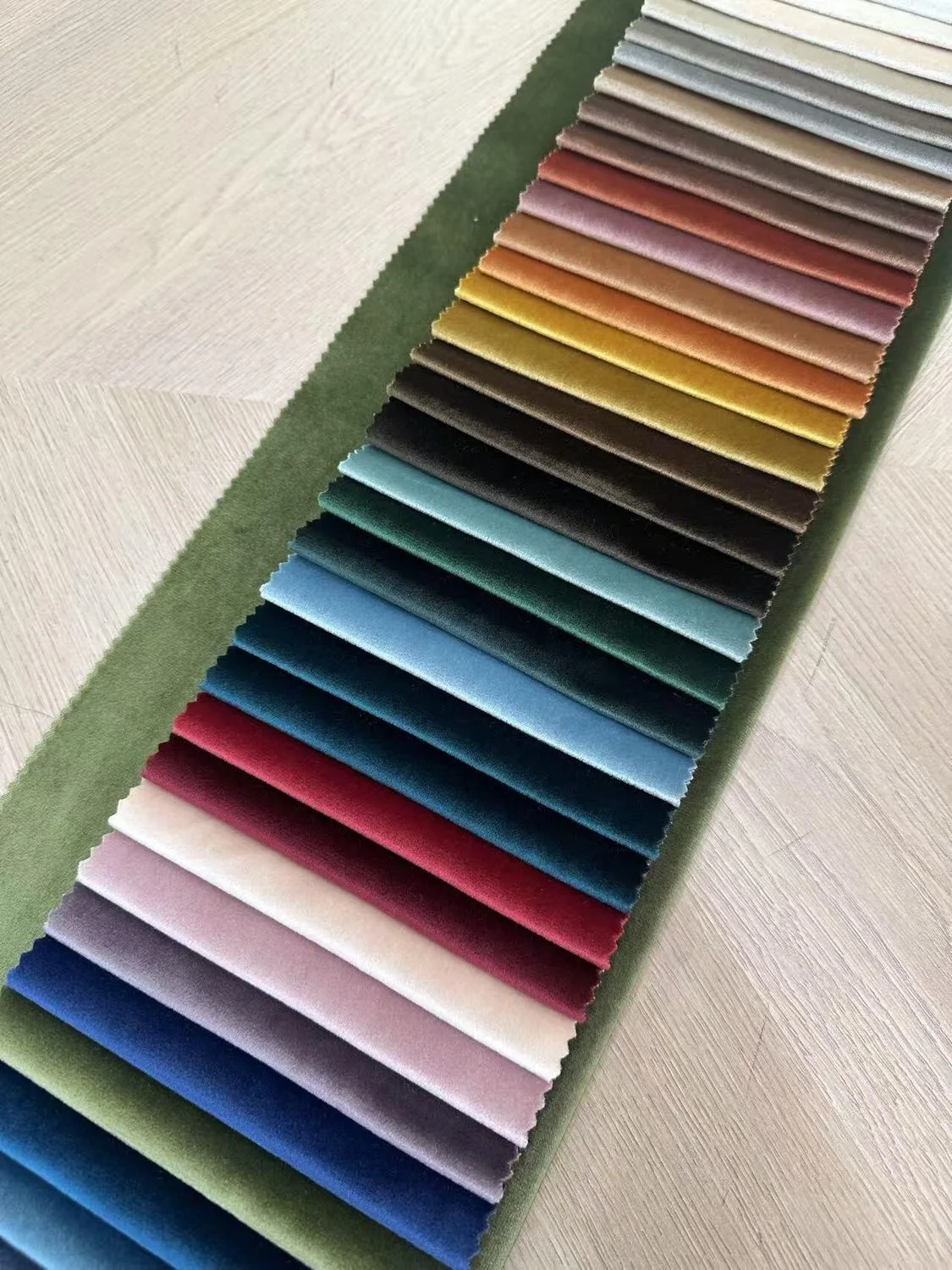
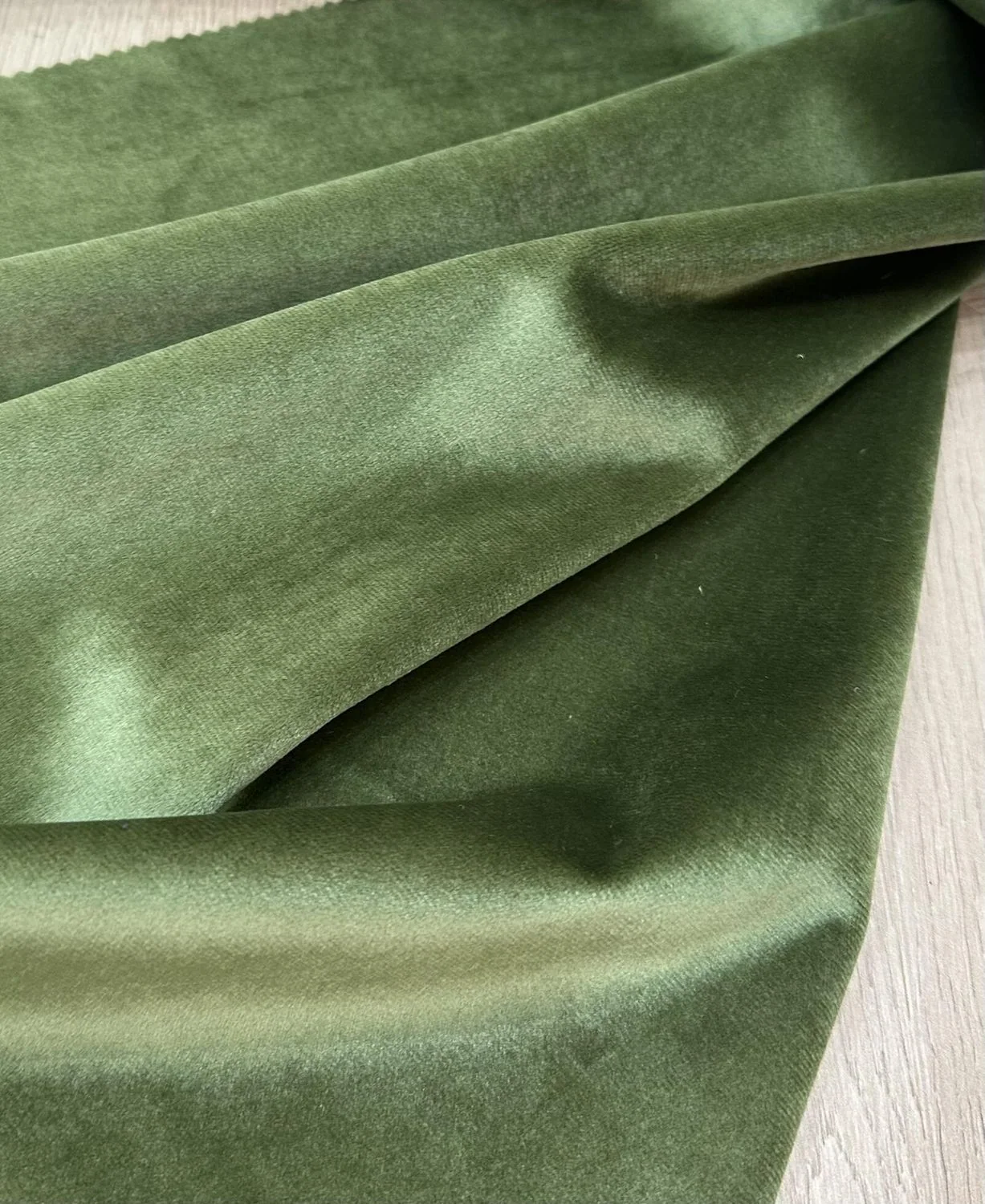
For formal living rooms, bedrooms and statement pieces, velvet can be extremely effective. For very casual, high-spill spaces, ask whether a performance velvet version is available rather than assuming all velvet should be handled delicately.
Chenille: plush comfort with a dense, home-friendly surface
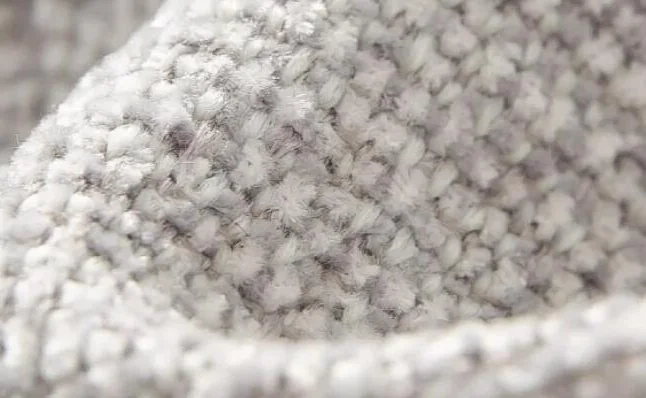
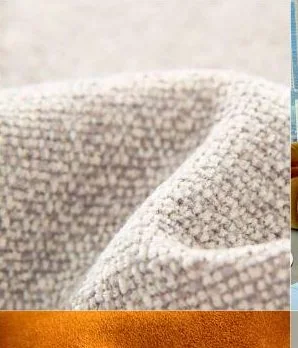
Chenille is made with fuzzy pile held around a core yarn, giving the fabric its soft, caterpillar-like texture. On sofas it often lands between linen’s dry natural feel and velvet’s rich pile: warmer and plusher than linen, but usually less shiny and formal than velvet.
Good chenille has enough density to keep the face full without excessive fuzz shedding. Lower-quality versions can flatten at high-contact zones or develop visible pilling. Because chenille can also trap lint and pet hair, light-colored or high-contrast households should look at a real sample after brushing and vacuuming.
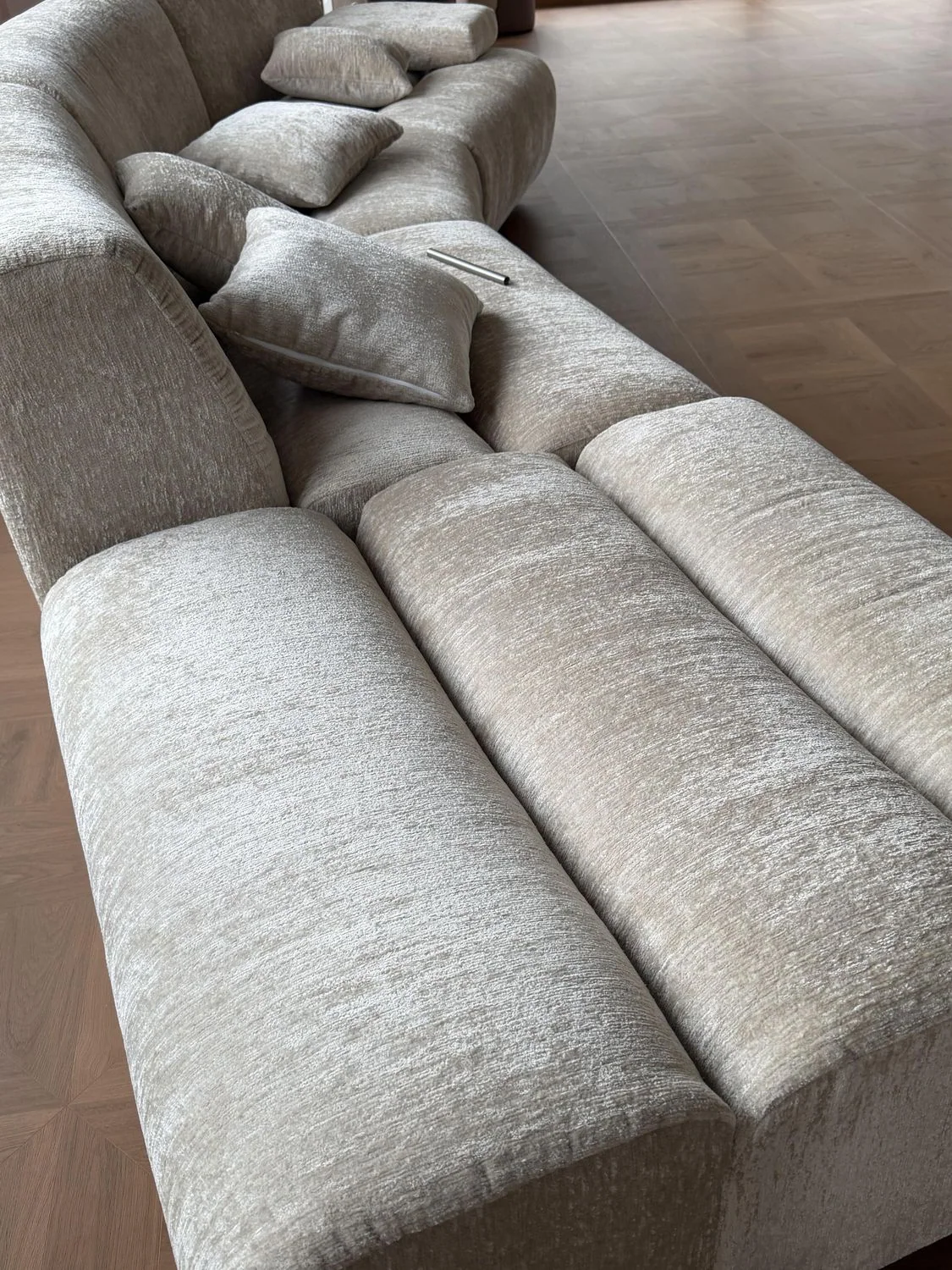
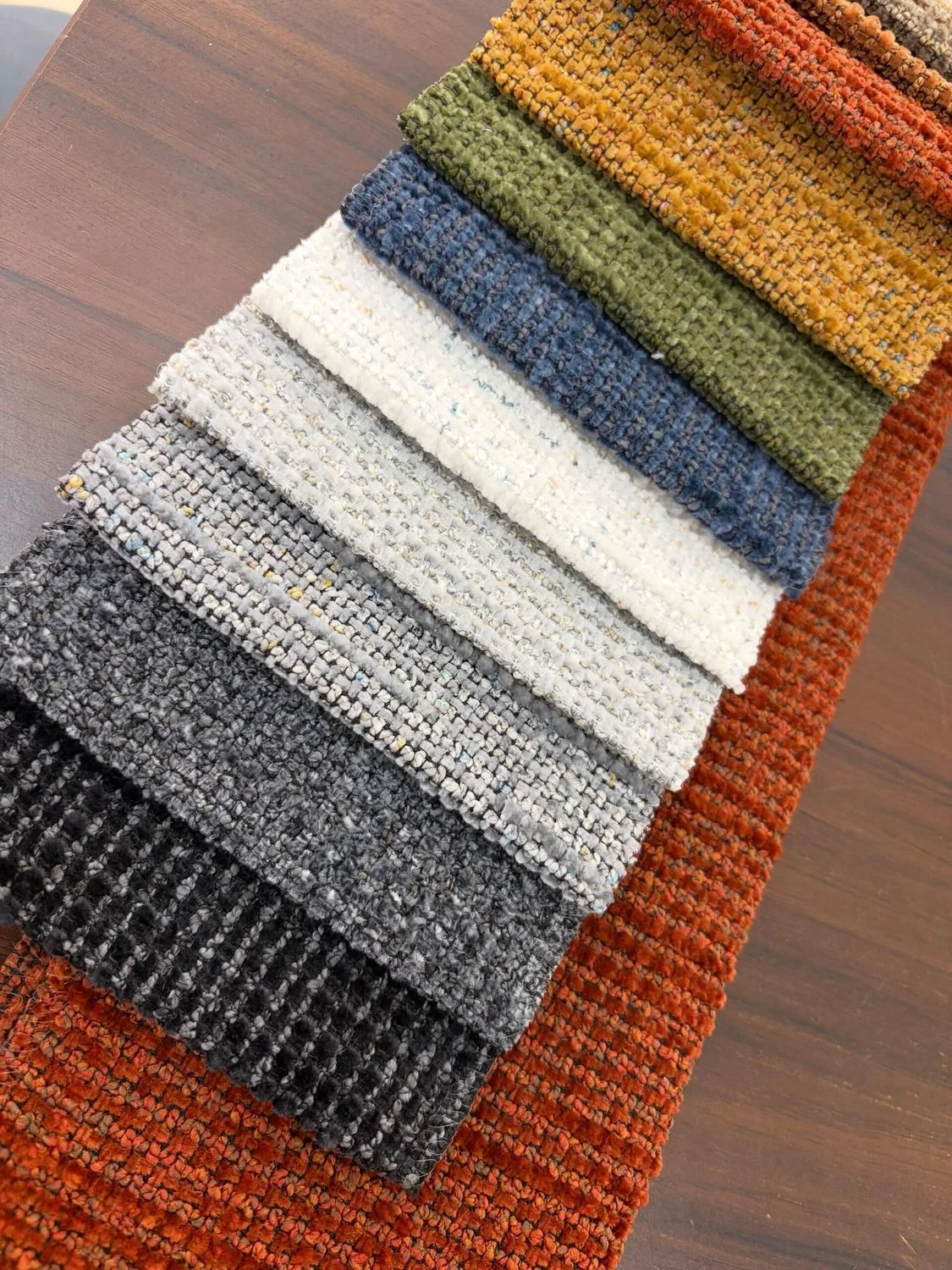
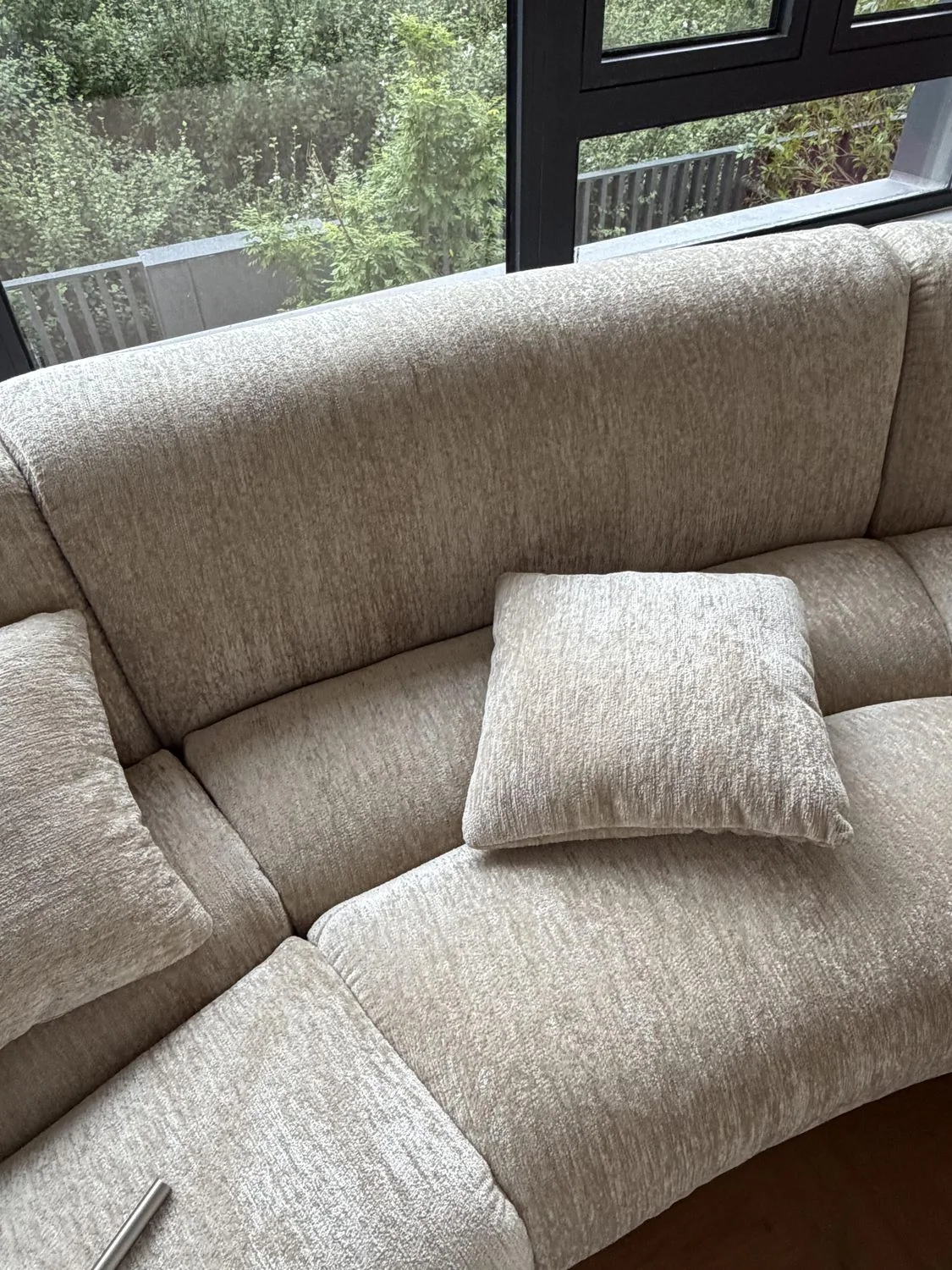
Chenille is a strong candidate for everyday sofas and sectionals when comfort is the priority and the household is prepared for routine vacuuming and prompt spill care.
Performance fabric: a specification, not a single look
“Performance fabric” is often misunderstood as a particular texture. In reality, it is a category defined by intended performance: stain resistance, abrasion resistance, colorfastness, water repellency, cleanability or a combination of these. A performance textile can look like a plain weave, chenille, velvet or even bouclé.
That flexibility makes performance fabric especially useful when a design team wants a refined residential look without treating the furniture as precious. The trade-off is that the word performance by itself tells you very little. Ask what has actually been tested.
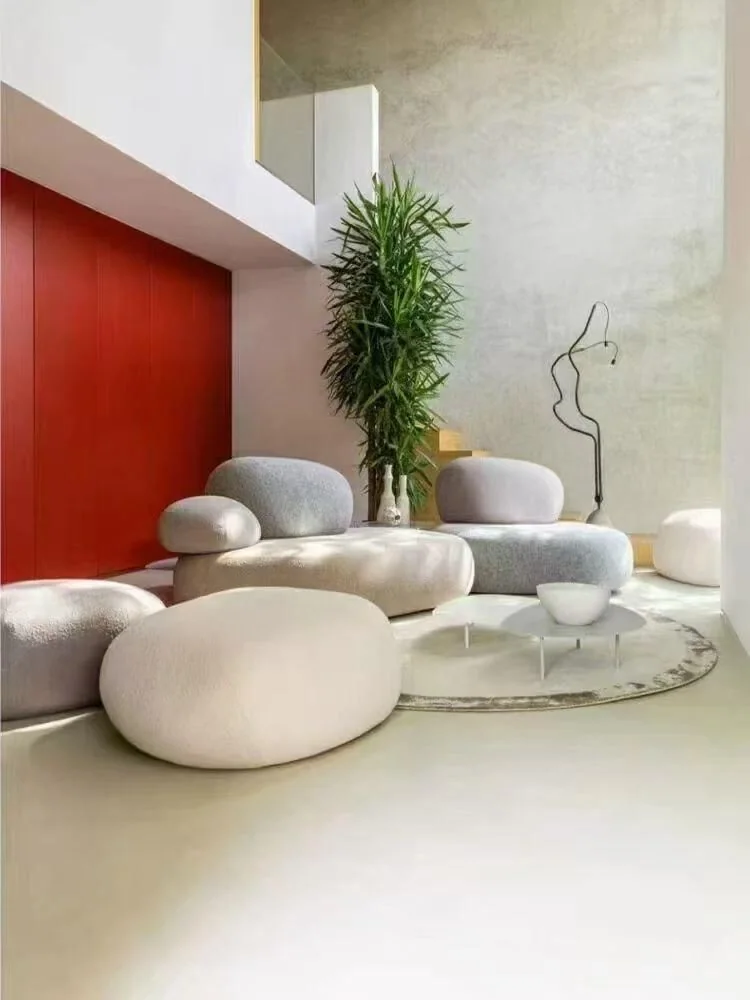
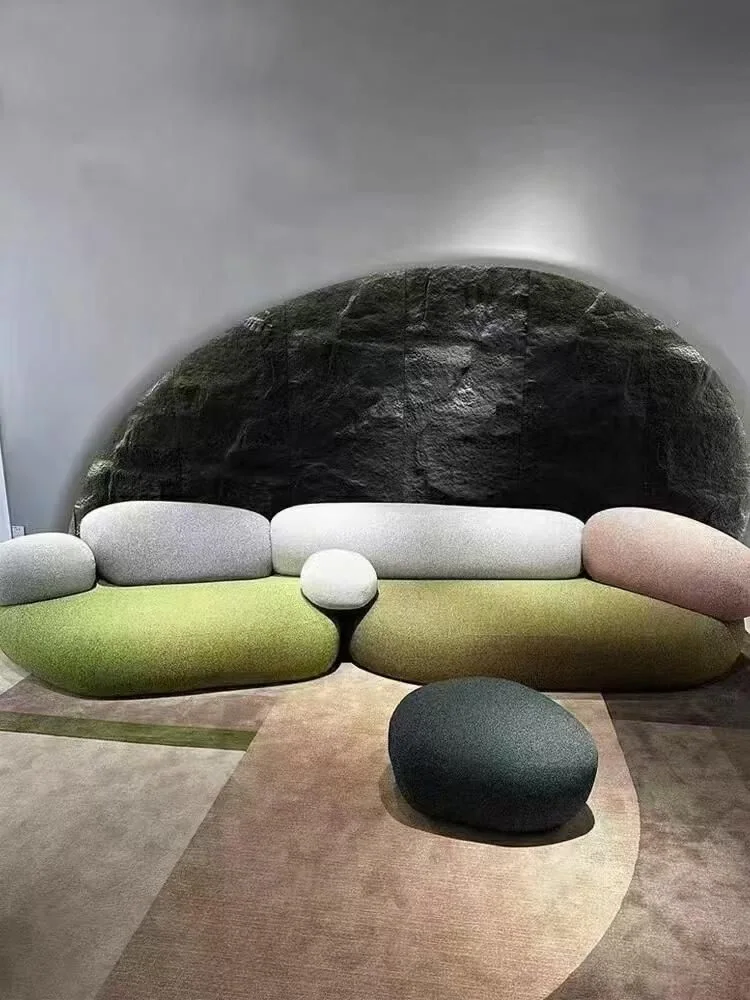
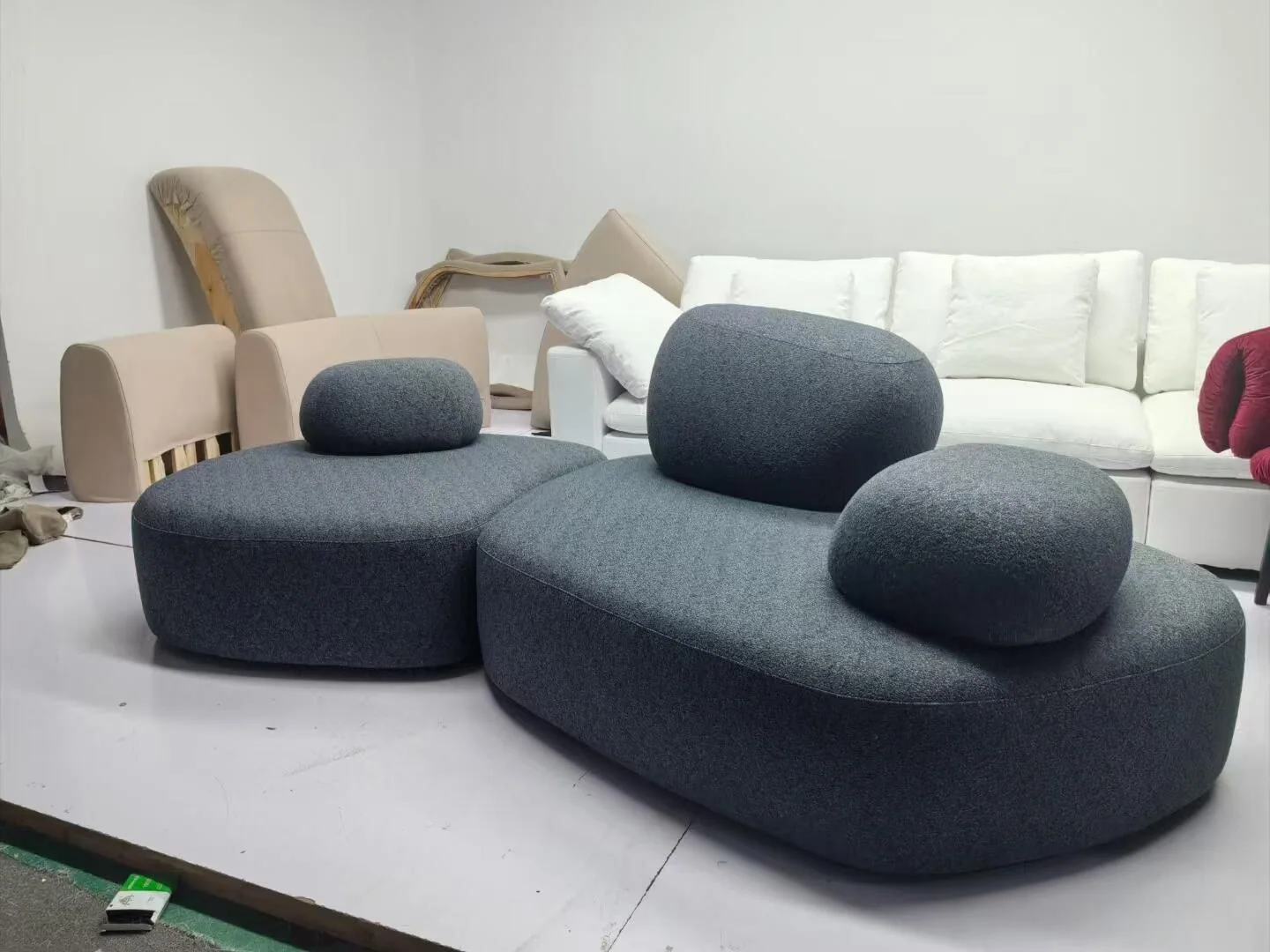
Ratahome’s QC system specifically includes performance fabric, linen and velvet in material review. For project orders, that means the approved fabric sample should become part of the production reference—not merely a verbal color name.
How to judge upholstery fabric quality before you order furniture
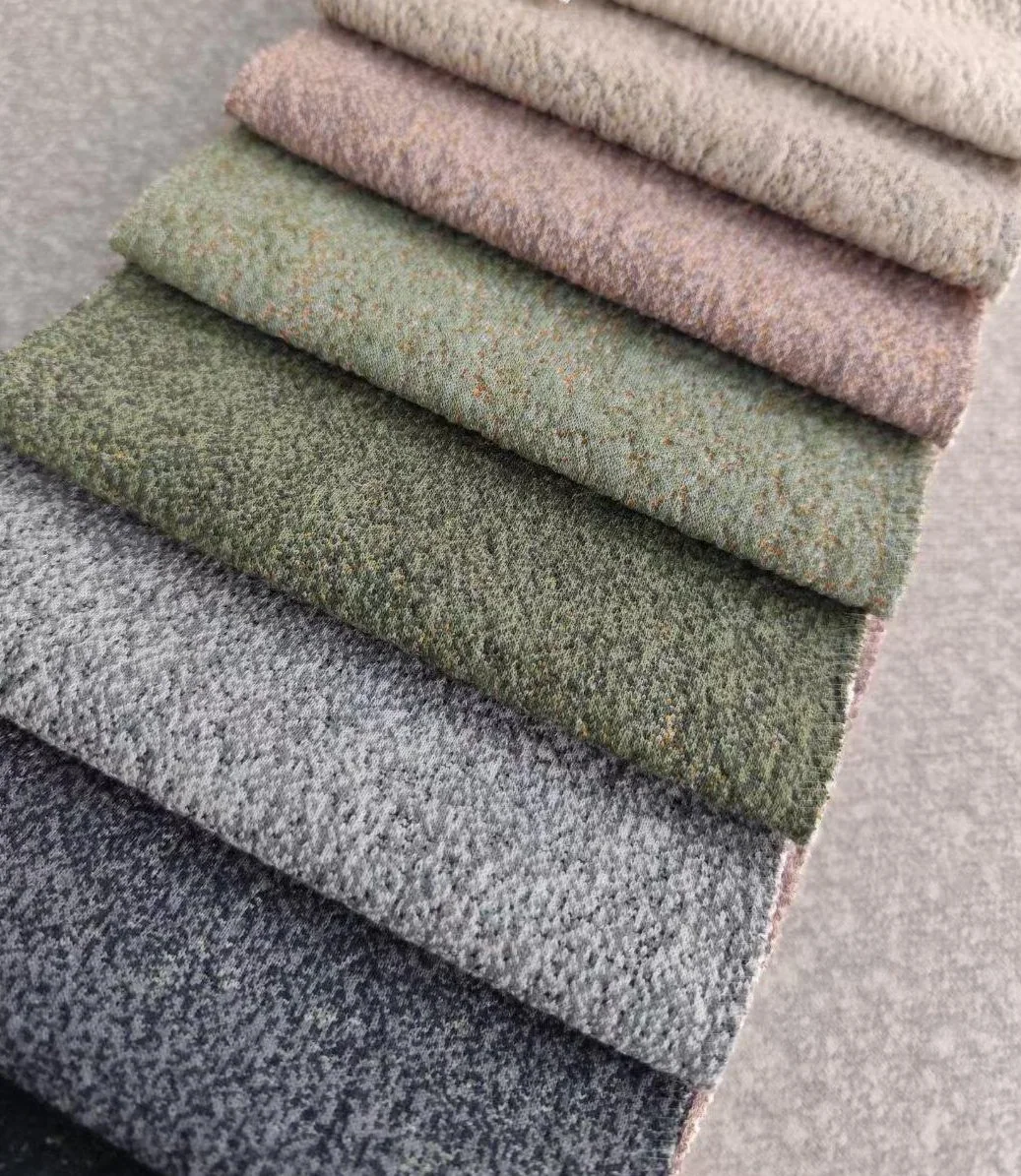
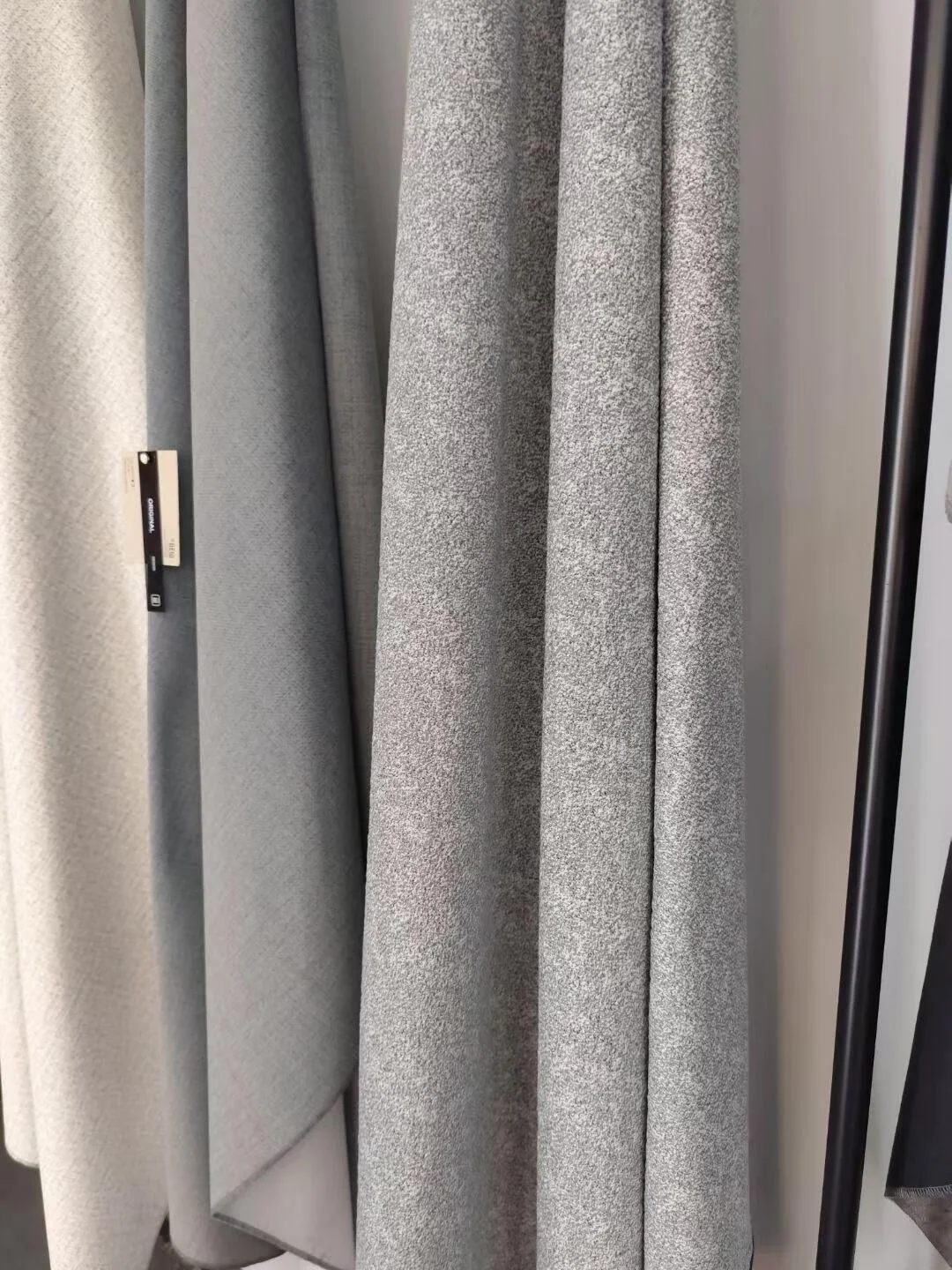
A swatch should be evaluated from both sides. The face tells you texture and color; the back reveals coating, backing, weave openness and how stable the cloth may be during upholstery. Fold the sample sharply, rub it, brush it in two directions, hold it against the light and compare the edge after repeated handling.
Ask the factory or supplier for six things
Choose upholstery by room, climate, children, pets and usage
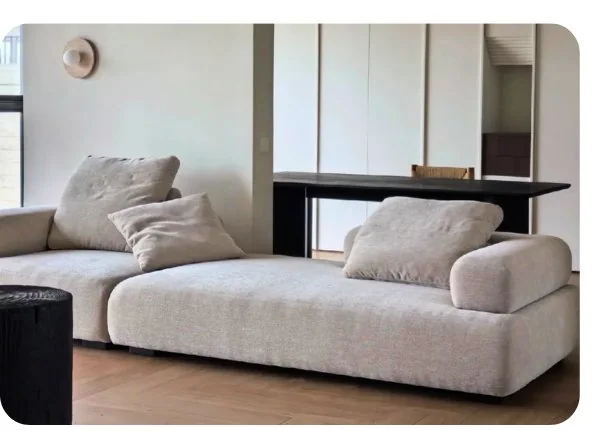
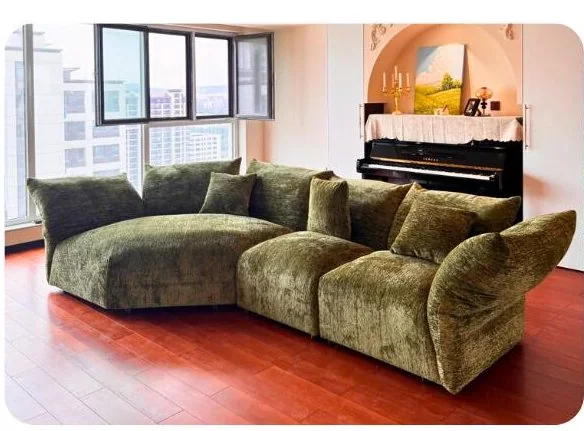
Whole-home furniture projects are easier to control when fabrics are assigned by zone. You do not need one fabric everywhere. A quieter, breathable linen blend can suit a formal or low-use room, while a performance weave handles the family room. Bouclé can be reserved for sculptural accent seating, and velvet can become a controlled color moment rather than a maintenance burden across every sofa.
| Household / room | Strong starting point | Why |
|---|---|---|
| Hot climate, low pets | Linen blend | Breathable, dry hand, relaxed look |
| Children / frequent spills | Performance weave | Easier cleaning and higher wear tolerance when properly tested |
| Pet claws | Tight performance weave | Fewer exposed loops than dramatic bouclé |
| Statement lounge chair | Bouclé or velvet | Texture and light interaction matter more on a focal piece |
| Cozy main sofa | Chenille | Soft hand and substantial visual body |
| Formal room | Velvet | Color depth and refined pile |
For room-by-room planning, the broader Ratahome Furniture Guide can help connect upholstery decisions with sizing, materials, construction and care.
Why the same fabric color changes after it becomes a sofa
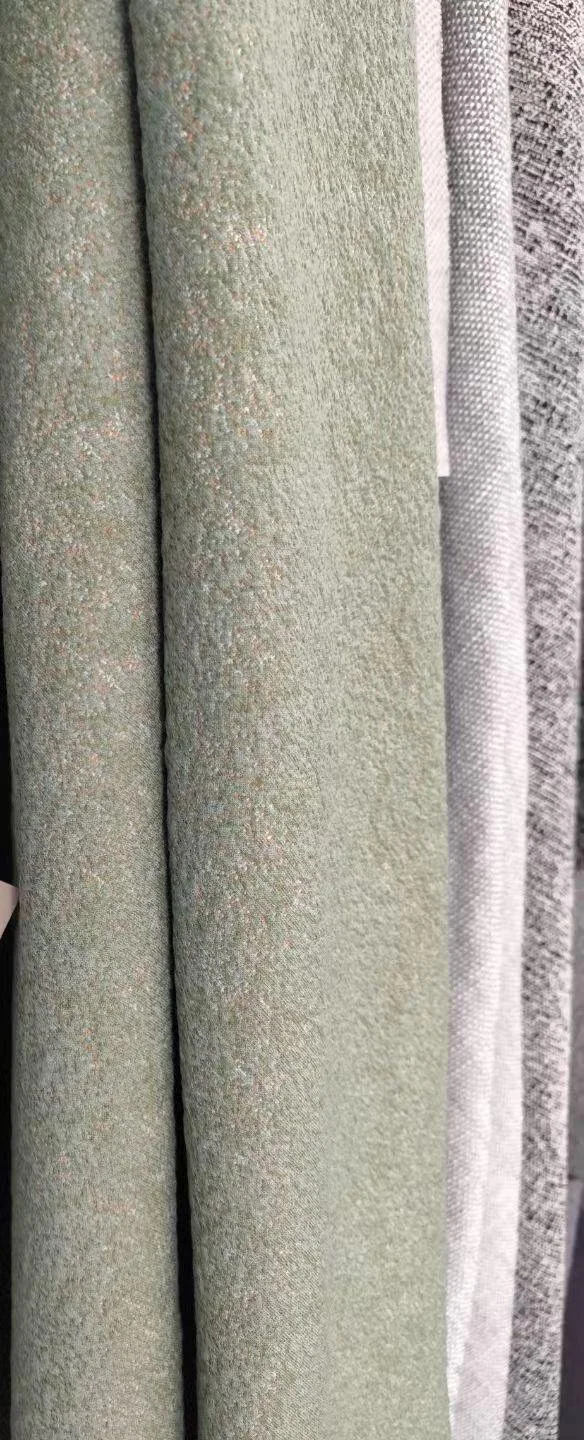
Small swatches are deceptive. A beige that looks cool on a 4-inch sample can read much warmer across a 10-foot sectional. Pile fabrics add another variable because the nap changes how light reflects. Window orientation, warm LEDs, flooring and wall color all influence the final perception.
Cleaning and maintenance: match the fabric to the care you will actually do
No fabric is maintenance-free. The practical difference is how quickly a material shows neglect and how forgiving it is when cleaned. Vacuuming matters because dust acts like an abrasive in textured yarns and pile. Spills should be blotted rather than scrubbed. Removable covers should only be machine washed when the supplier explicitly approves it.
Better habits
Vacuum with a soft upholstery tool, rotate loose cushions, blot spills immediately, protect strong-sun exposures and keep the factory cleaning instructions.
Avoid
Hard scrubbing, random household chemicals, steam without approval, washing removable covers “just to test,” or assuming stain resistance means stain proof.
How to specify upholstery fabric for a custom or whole-home furniture order
Once the style is selected, the project should move from a mood-board description to a production specification. “Warm beige chenille” is not enough. A repeatable order needs a fabric code, fiber content, color reference, supplier, intended furniture model and agreed cleaning/performance requirements.
Minimum specification checklist
This documentation logic mirrors the way Ratahome approaches other material decisions—including wood selection in the custom furniture wood guide. In both cases, the visible finish only works when the underlying specification is clear.
Quick answers before you choose
Which upholstery fabric is best for a family sofa?
A tested performance weave is the safest starting point for heavy daily use, children or frequent spills. If comfort and softness matter more and the home is lower risk, dense chenille can also work very well.
Is bouclé hard to maintain?
It depends on loop size and construction. Tight, low loops are easier to live with than loose teddy textures. Pet claws and sharp hardware can snag exposed loops.
Is linen good for sofas?
Yes, especially in blends designed for upholstery. Pure linen is breathable and beautiful but wrinkles easily. A linen blend can improve recovery and durability while keeping the natural look.
Does velvet always show marks?
Most velvet shows directional shading because the pile moves. Some marks brush out; others can be pressure or moisture related. Performance velvet can be a better choice for high-use homes.
What is the biggest mistake buyers make with “performance fabric”?
Assuming the label itself is proof. Ask what was tested, to which method, and what cleaning procedure is approved.