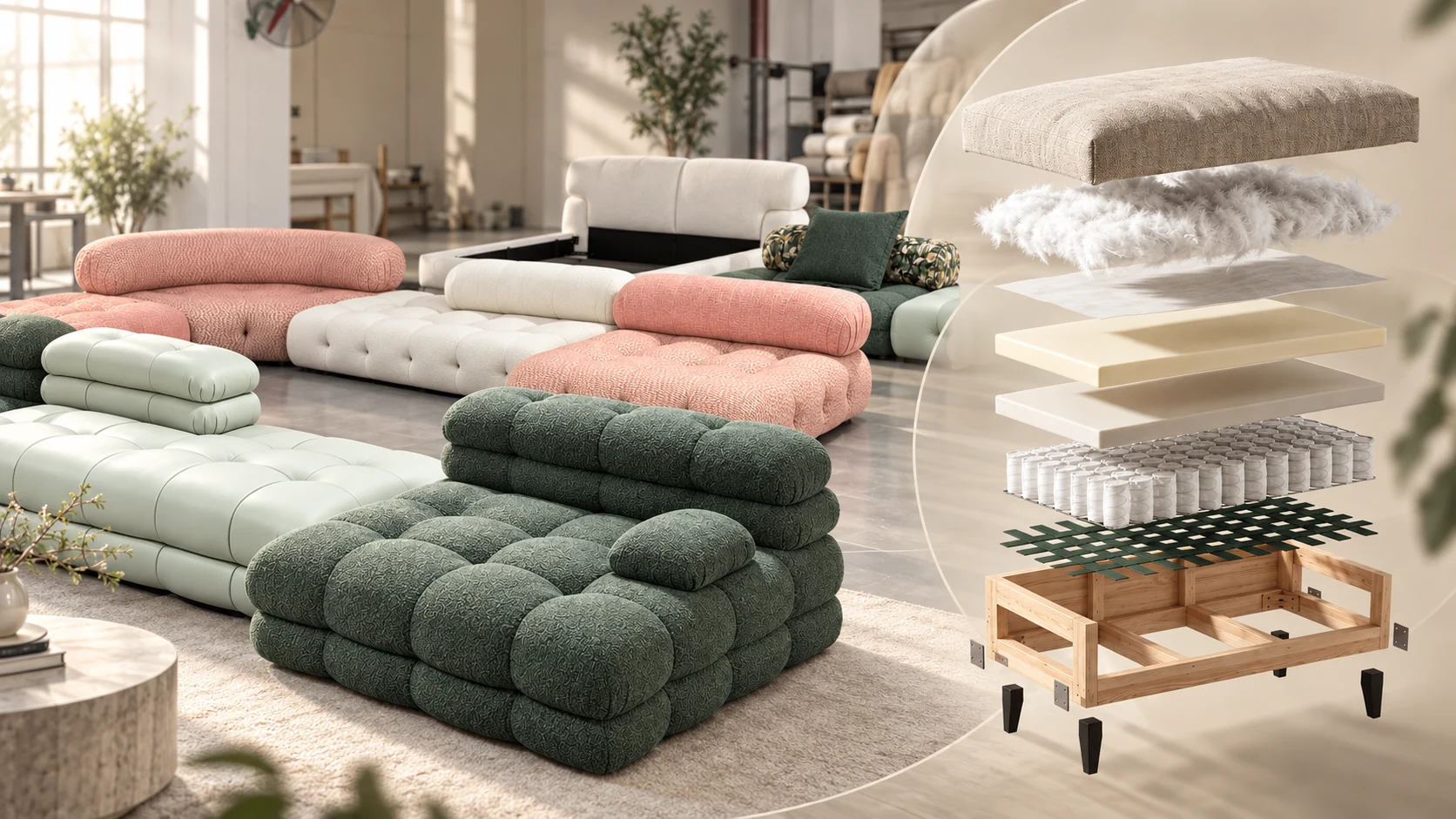
1. Why sofa construction matters
Two sofas can look almost identical in a showroom and perform very differently after years of use. The difference is usually hidden: frame geometry, joinery, suspension spacing, foam density, cushion build, fabric tension and the consistency of the factory process.
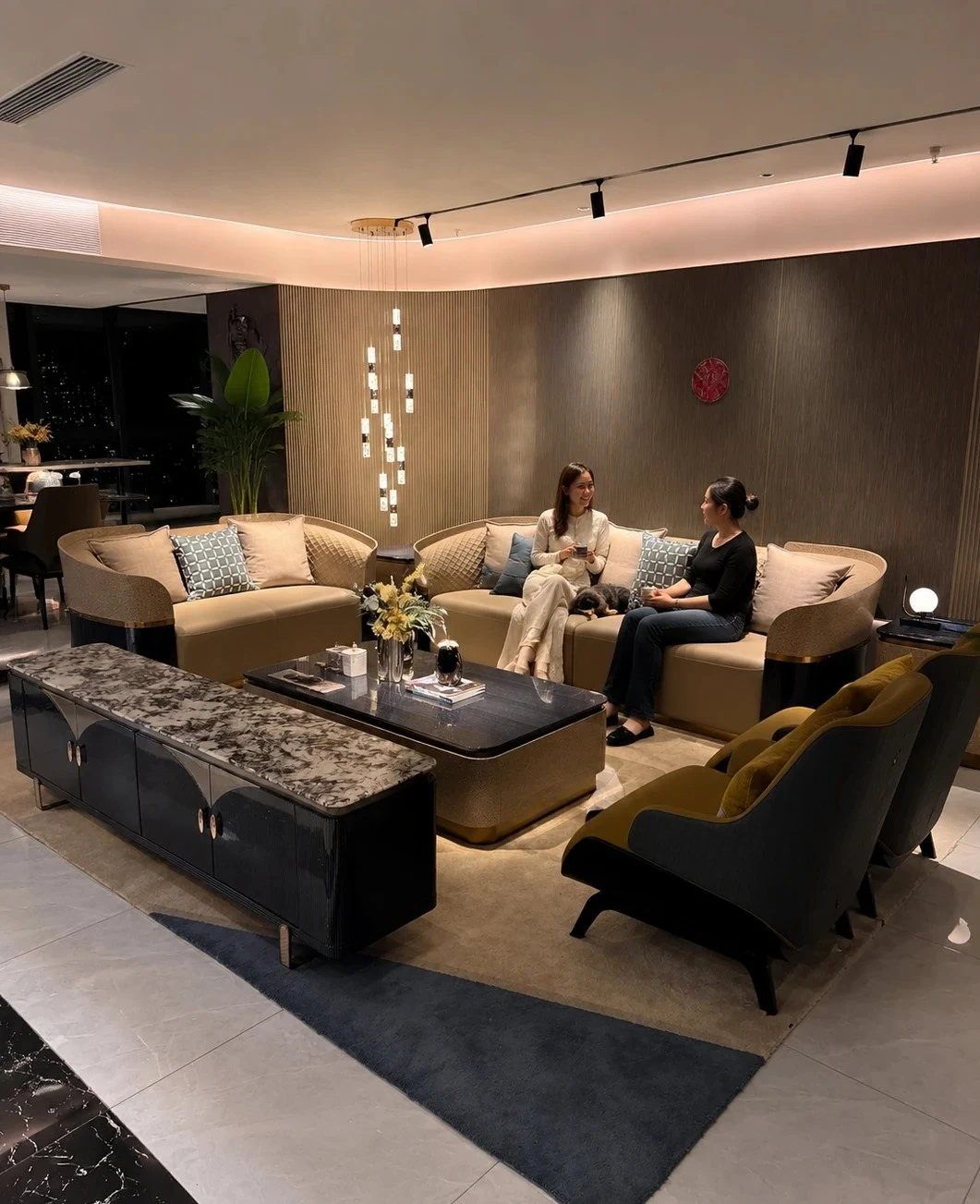
A high-quality sofa is not defined by one “premium” material. It is a system. A rigid frame needs a suspension system that distributes load correctly; foam needs the right support below it; upholstery needs stable geometry beneath it so seams stay straight and panels do not ripple. This is why Ratahome’s sofa collection and quality-control process treat frame, foam, stitching and finish as one specification rather than separate details.
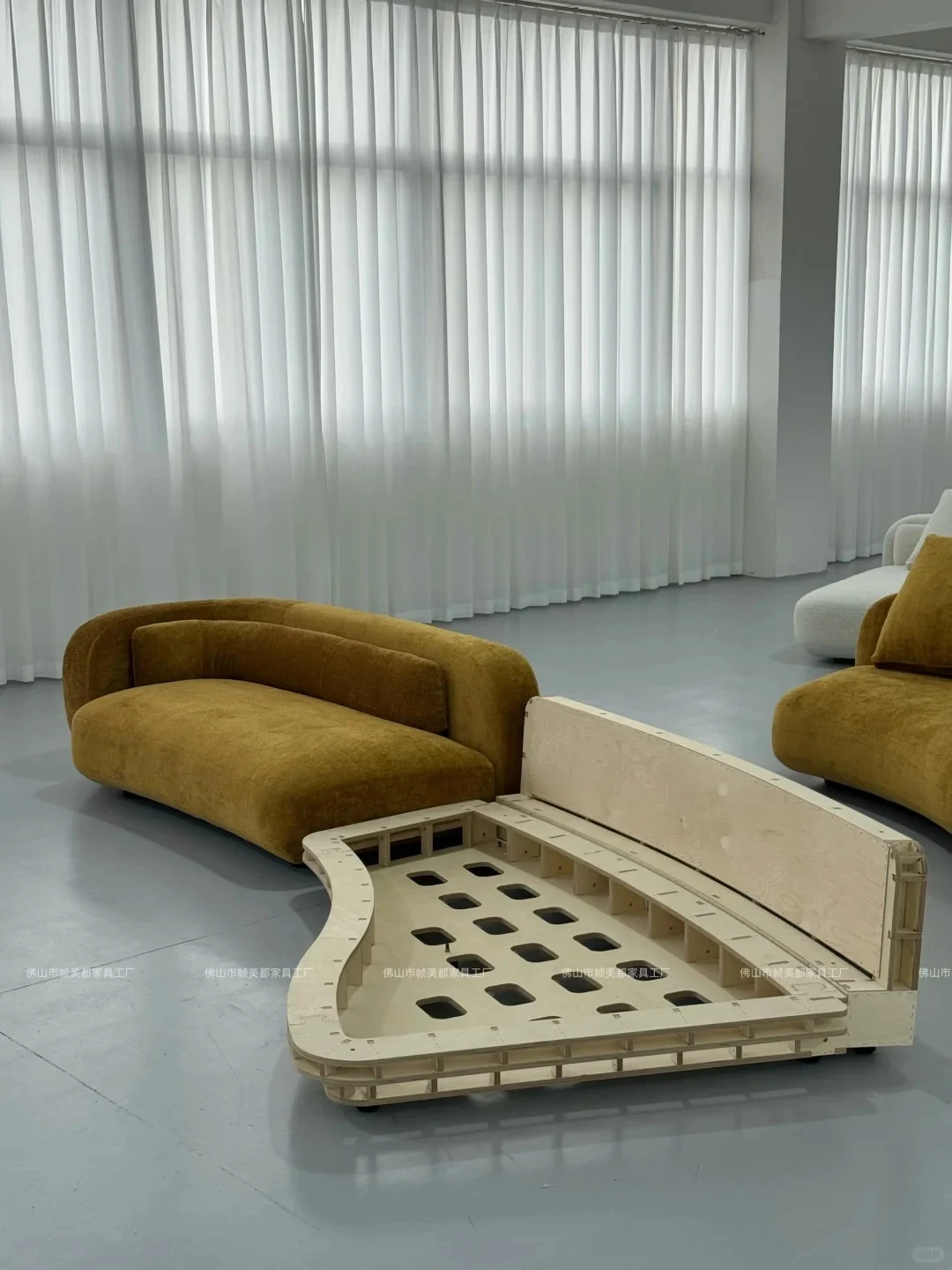
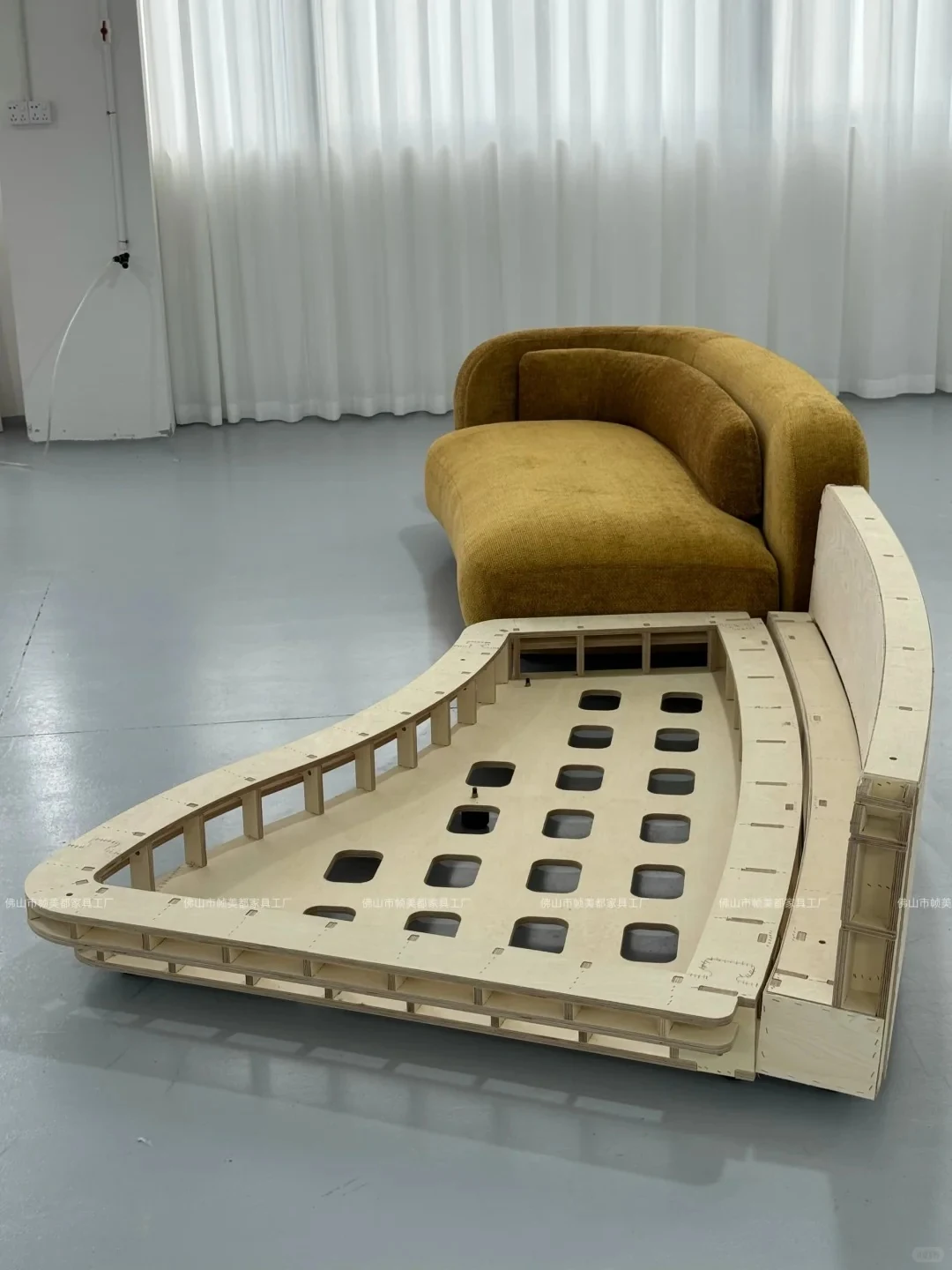
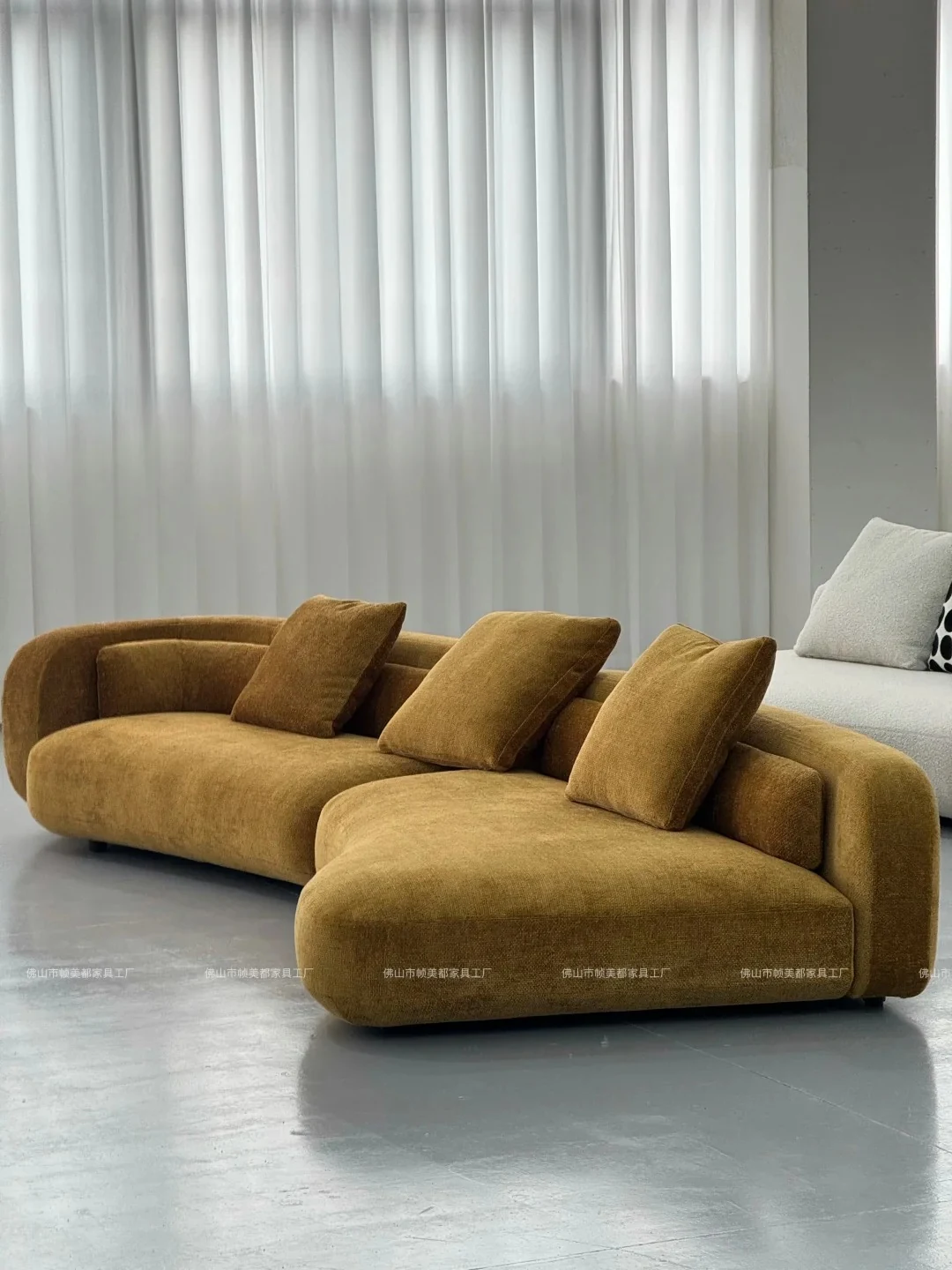
2. Inside a sofa: the structural layers
Most upholstered sofas combine five structural layers: the load-bearing frame, suspension, seat and back cushioning, upholstery cover, and the legs or base. Some designs add metal reinforcement, mechanisms, loose cushions, feather wraps or modular connectors.
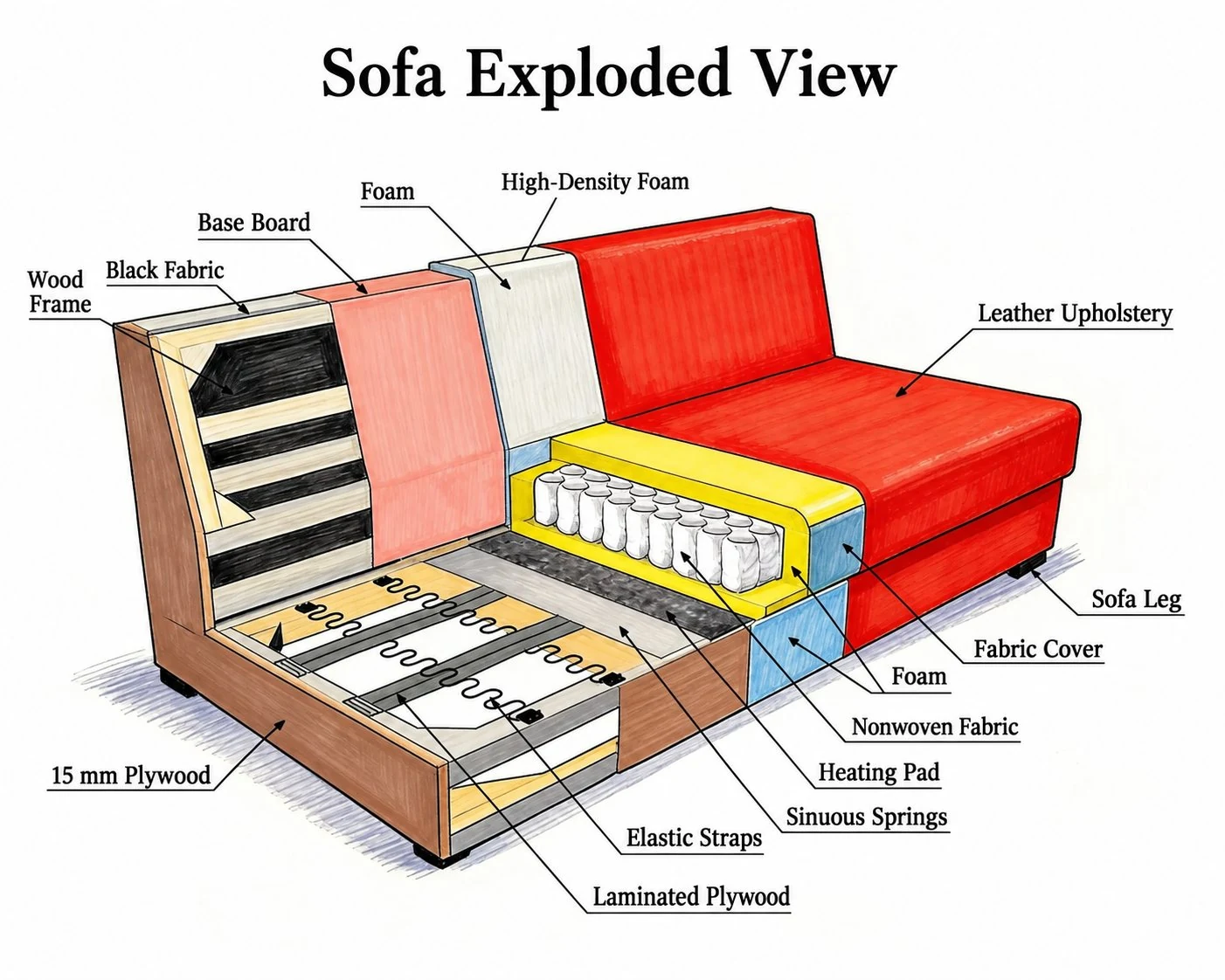
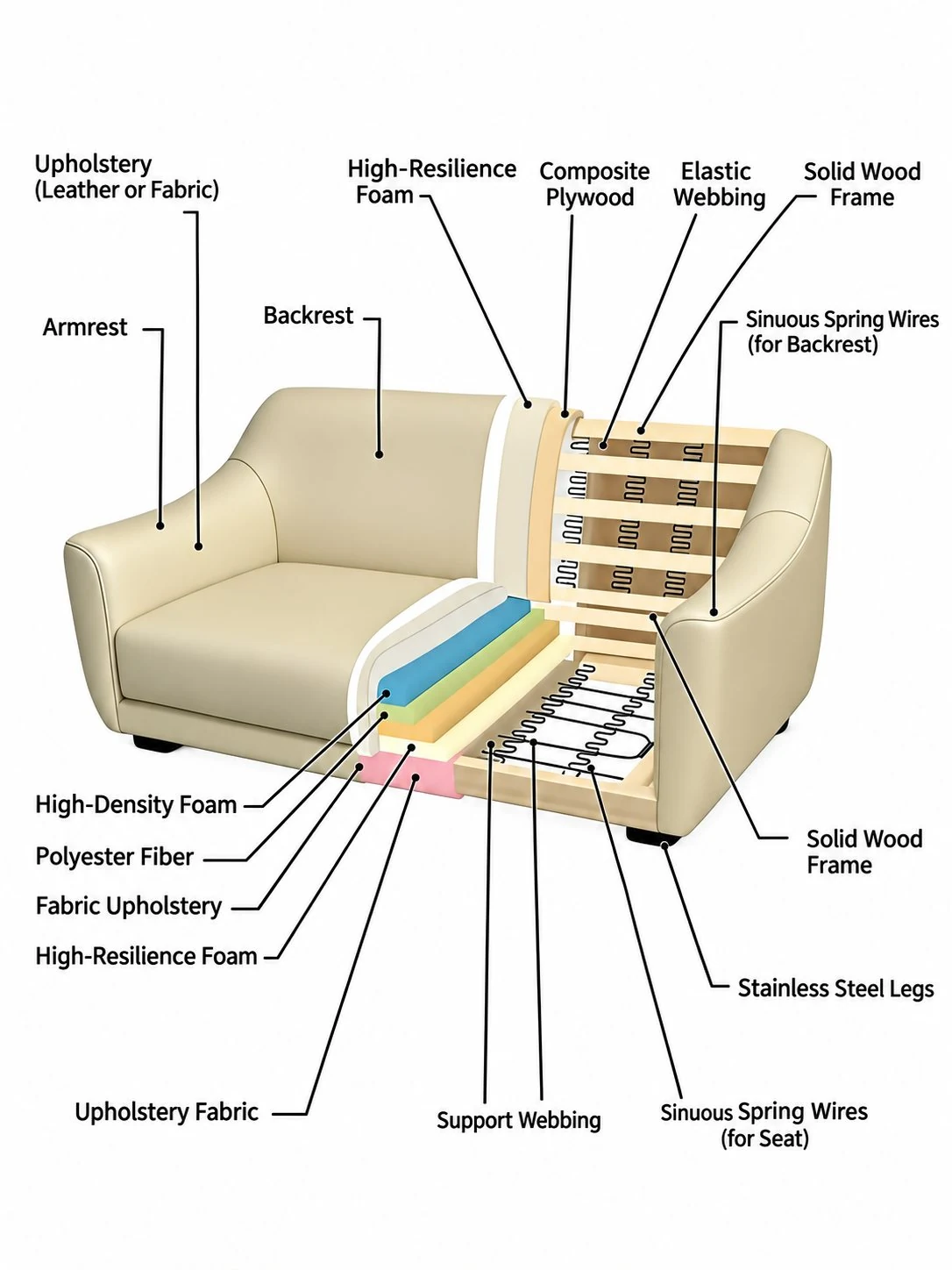
3. Frame materials and structural design
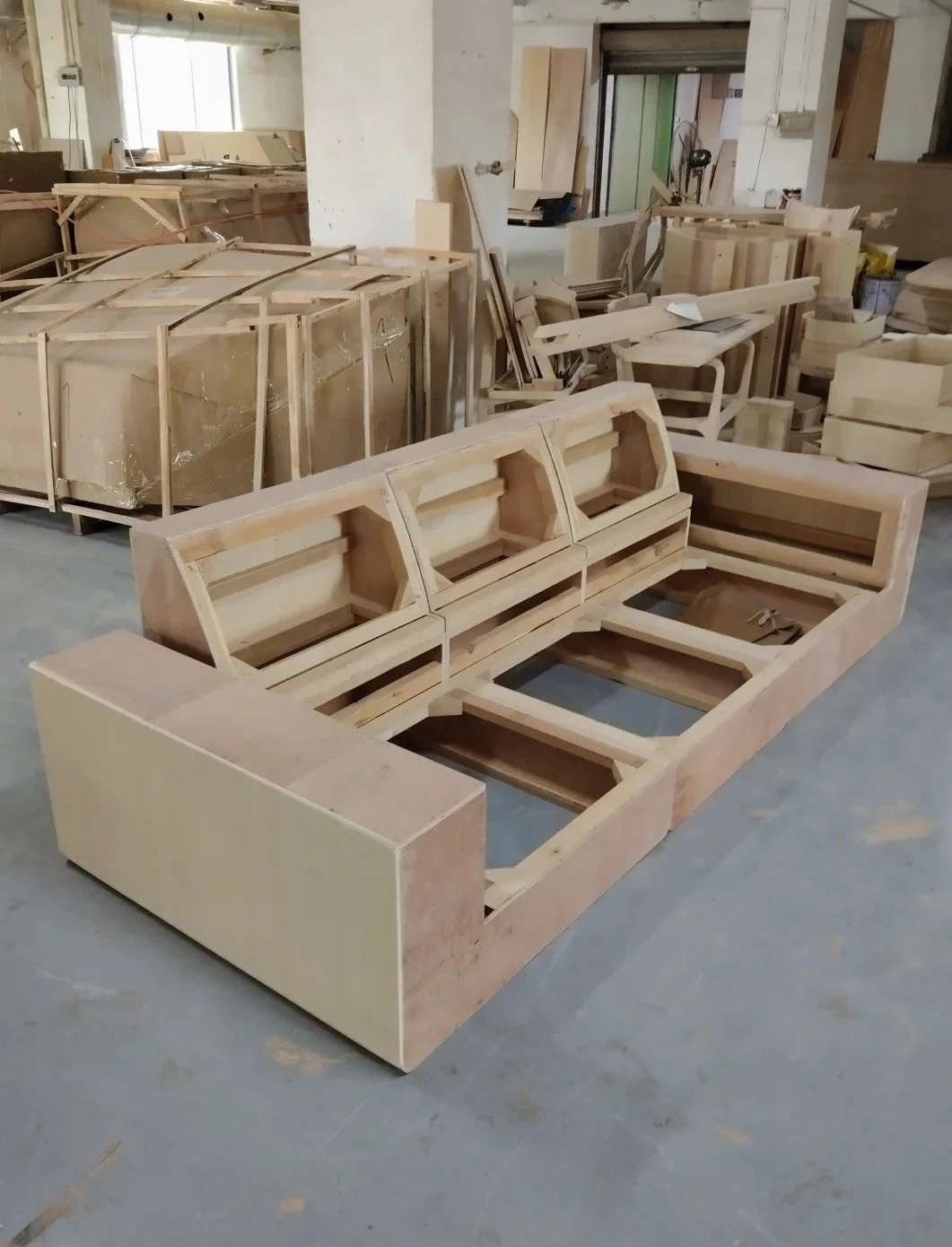
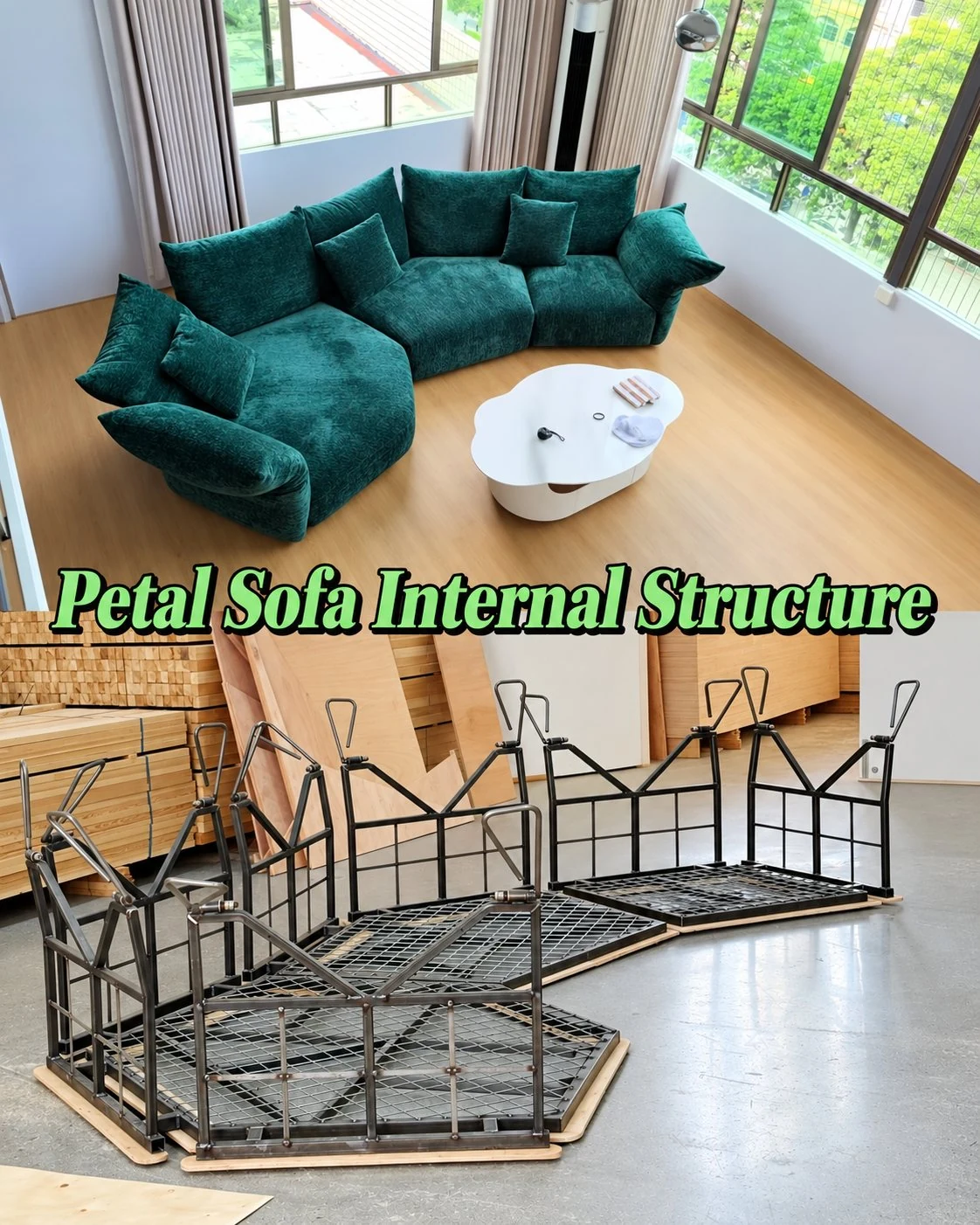
The frame carries every load that enters the sofa. Common construction uses solid timber, engineered wood, plywood, metal, or a combination. Material choice should follow the design: long spans, thin profiles, curved forms and reclining mechanisms create different structural demands.
For timber frames, the important questions are not simply “solid wood or plywood?” but which species, what section size, how dry the timber is, how joints are reinforced, and whether the frame is designed to resist racking. For more on wood behavior, see Ratahome’s wood furniture guide.
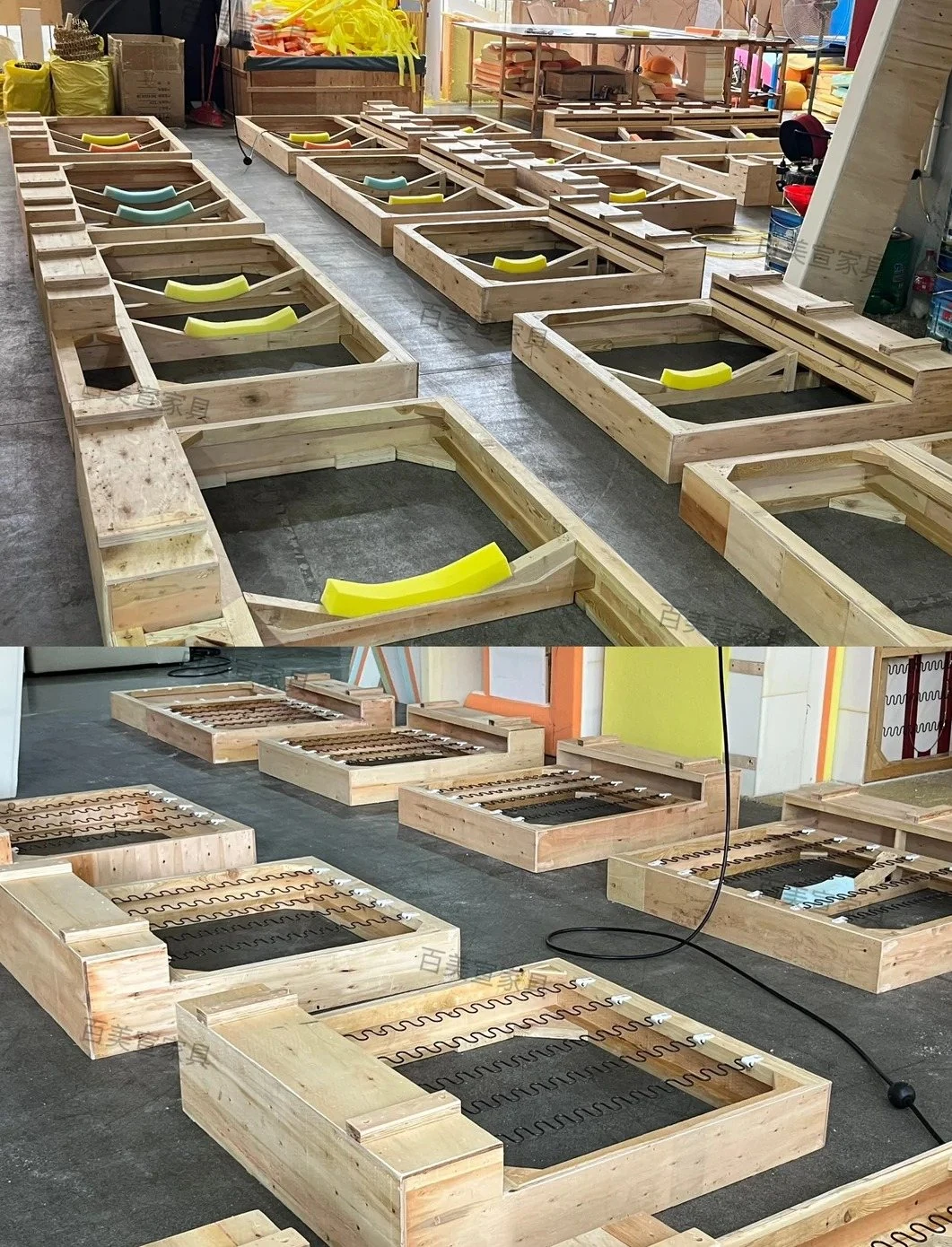
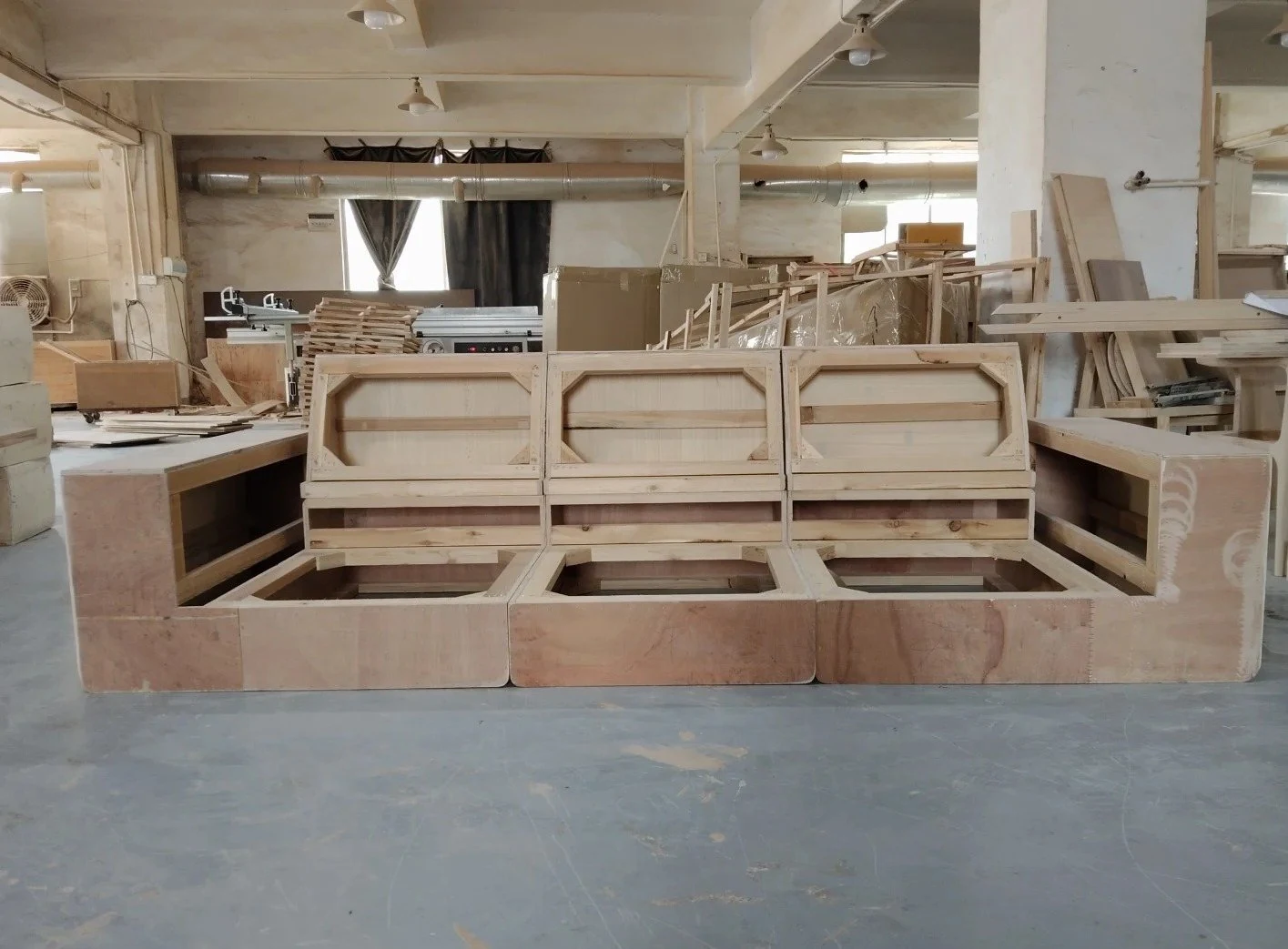
4. Joinery, shaping and frame craftsmanship
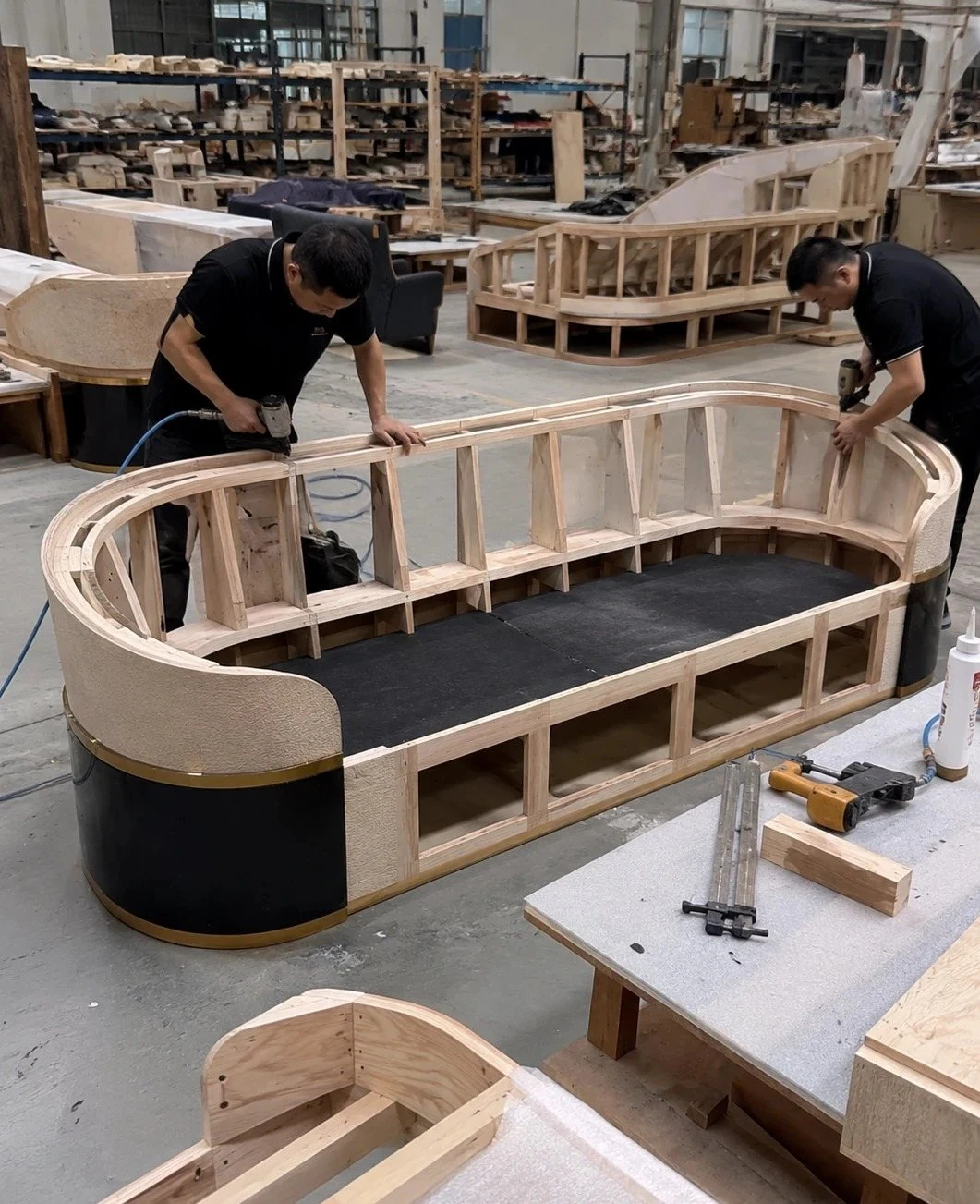
Good sofa frames resist twisting, squeaking and joint movement. Factories may use mortise-and-tenon joints, dowels, screws, corner blocks, structural glue, metal brackets or combinations of these. The best method depends on the geometry and production volume.
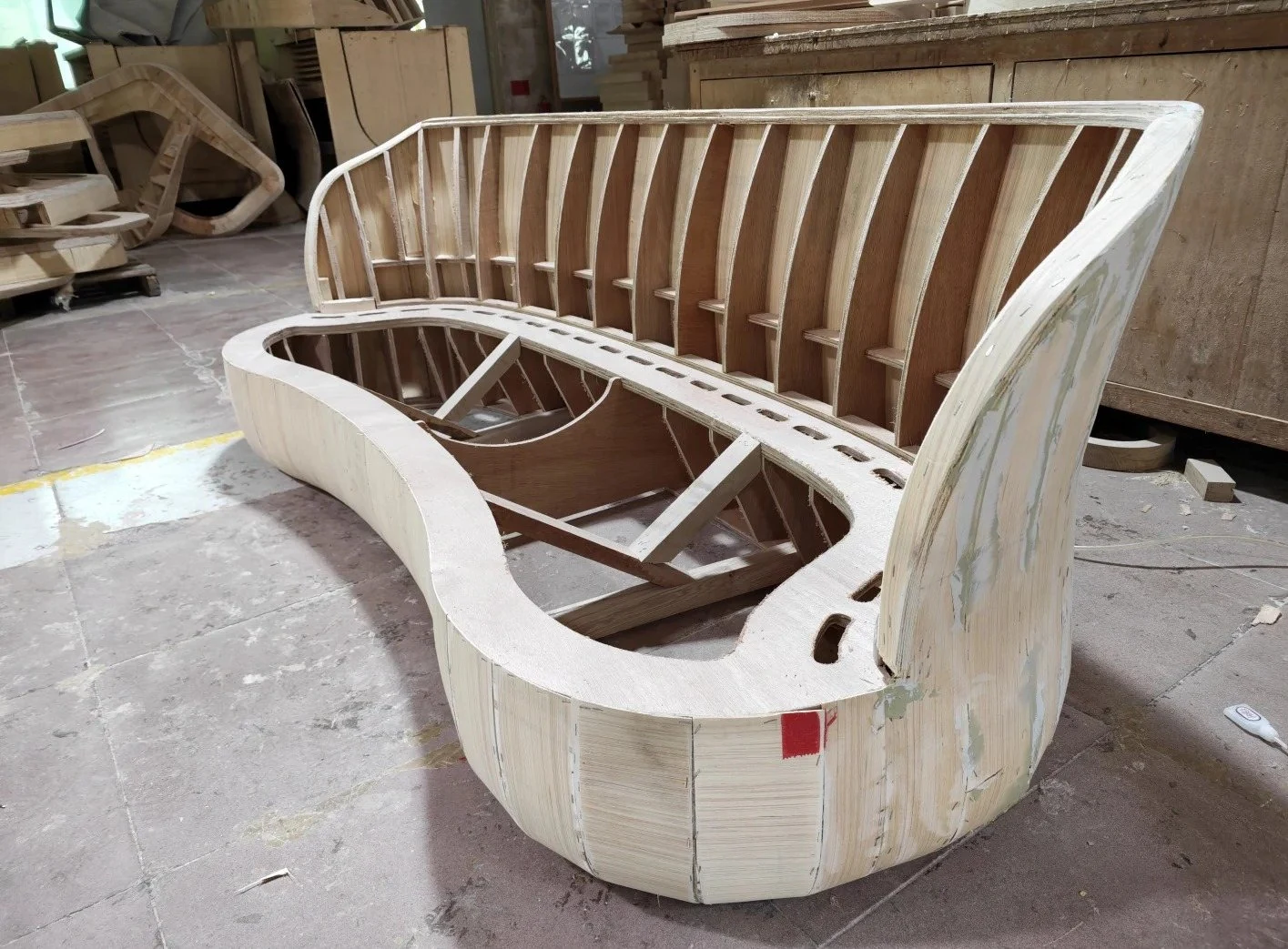
Curves require a different construction strategy
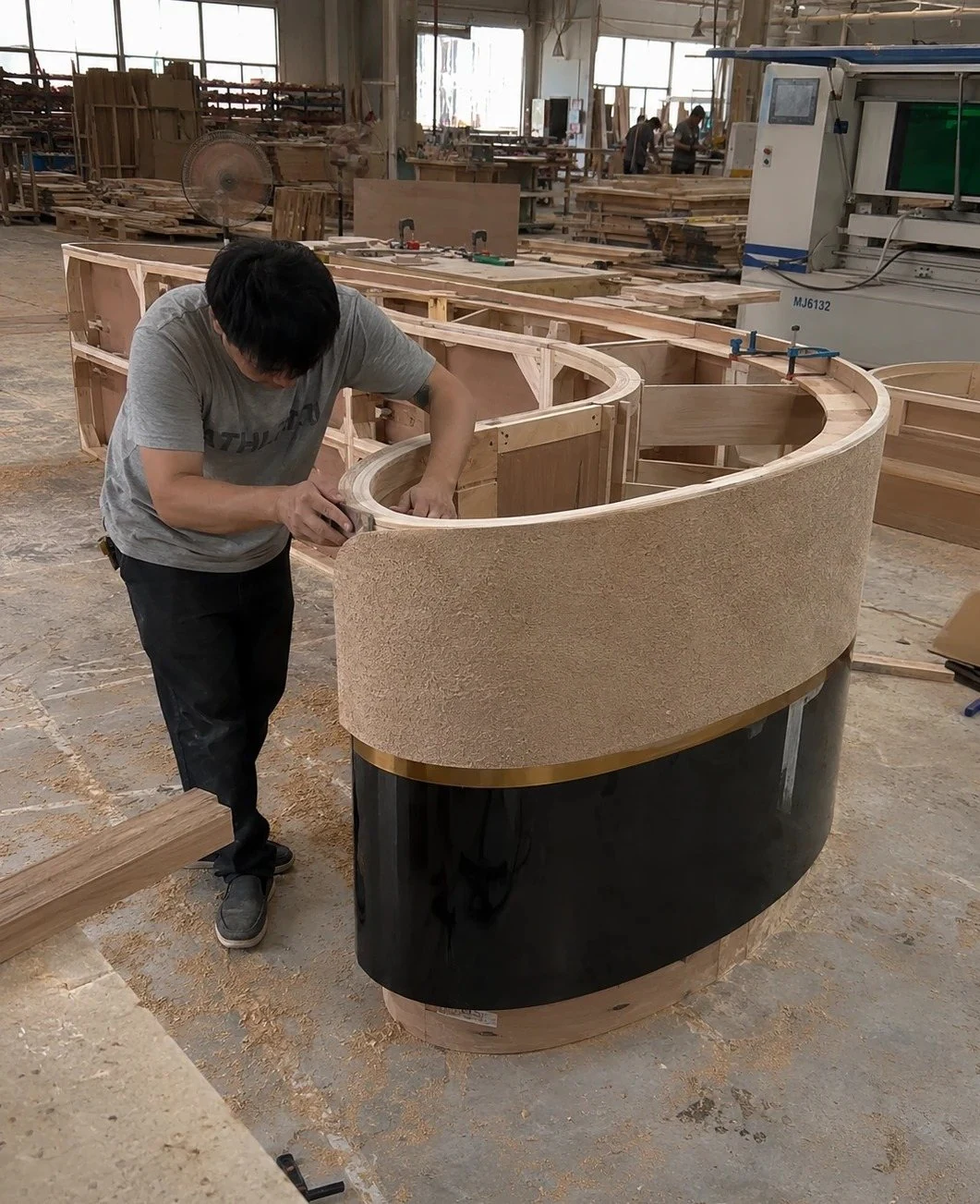
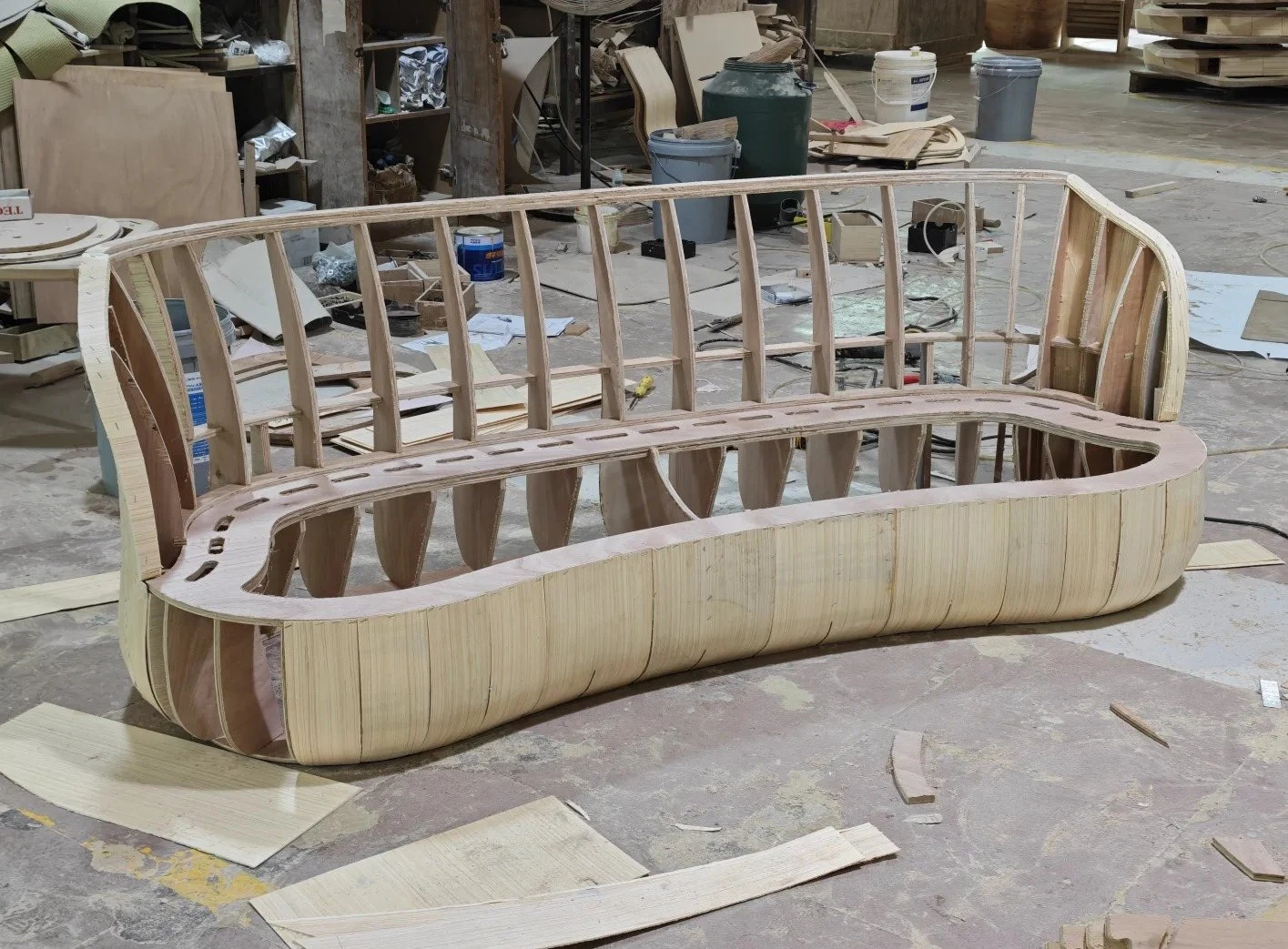
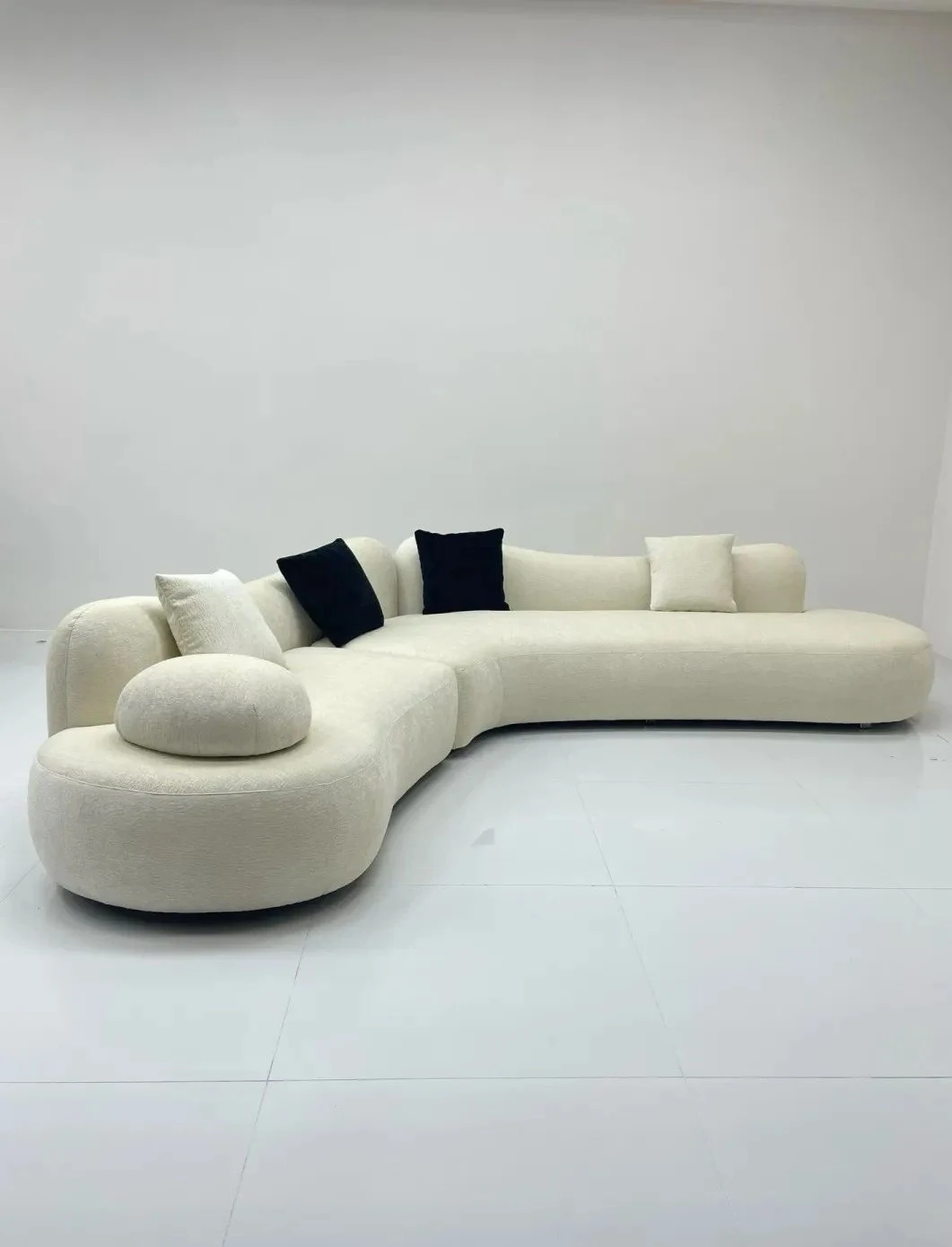
Curved sofas and sculptural arms are often built from shaped laminated members, CNC-cut plywood ribs, segmented solid timber, or a hybrid frame. Accurate templates and jigs matter because a small deviation in the frame can become a visible asymmetry after upholstery.
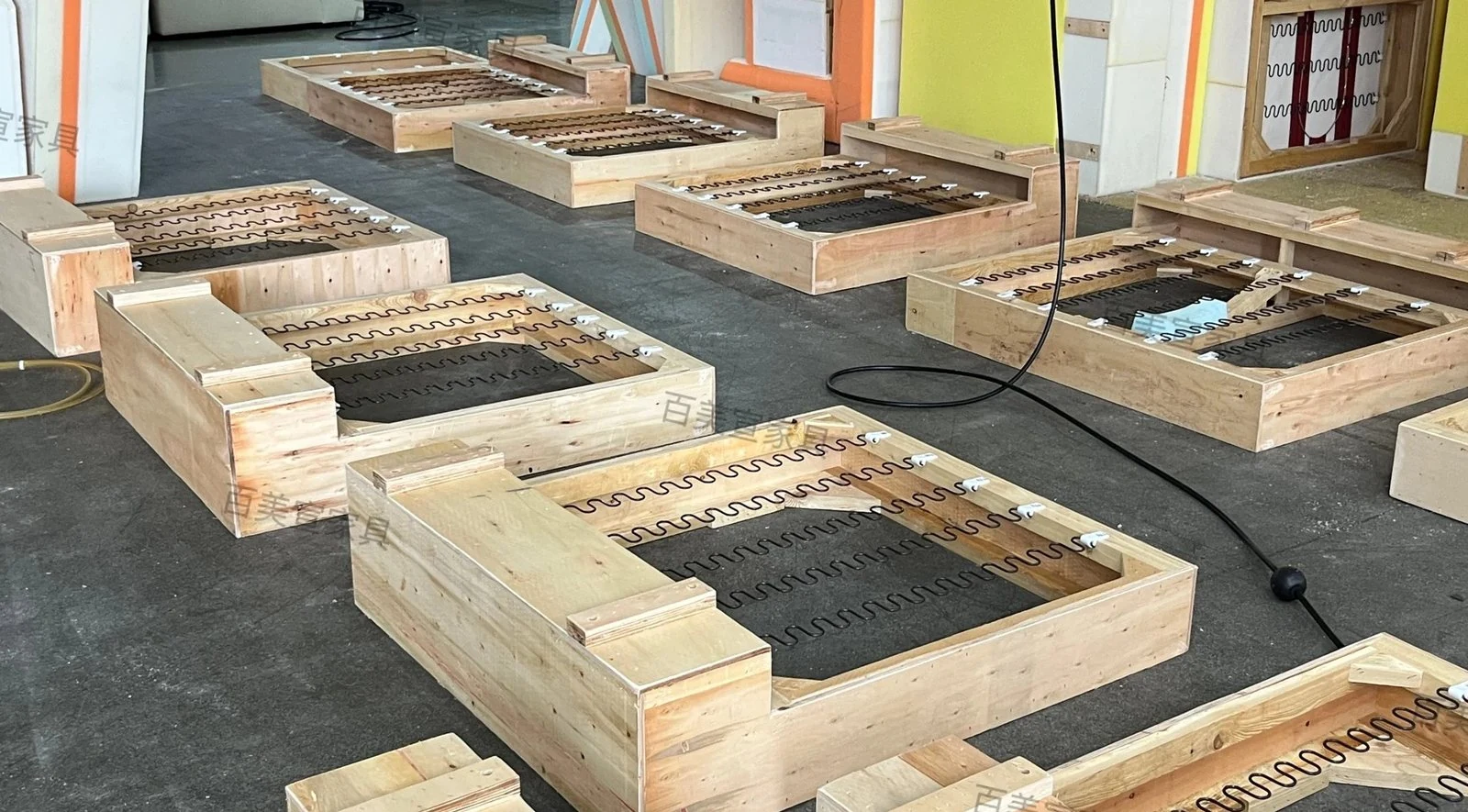
5. Suspension: webbing, springs and support
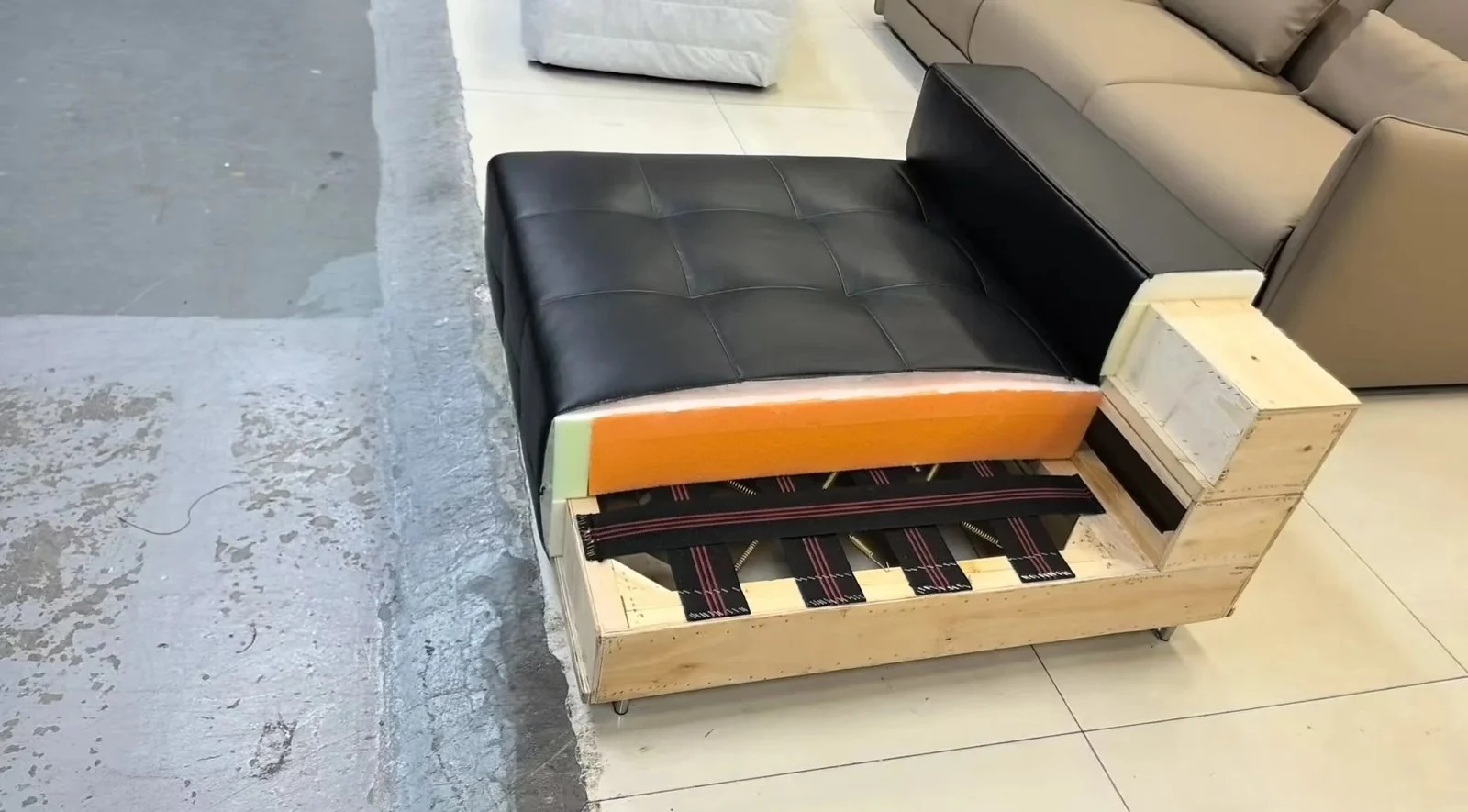
Suspension sits between the frame and the cushion. It absorbs impact, spreads load and strongly affects whether a sofa feels lively, firm or “bottomed out.” Common systems include elastic webbing, sinuous (zig-zag) springs, coil springs and platform support.
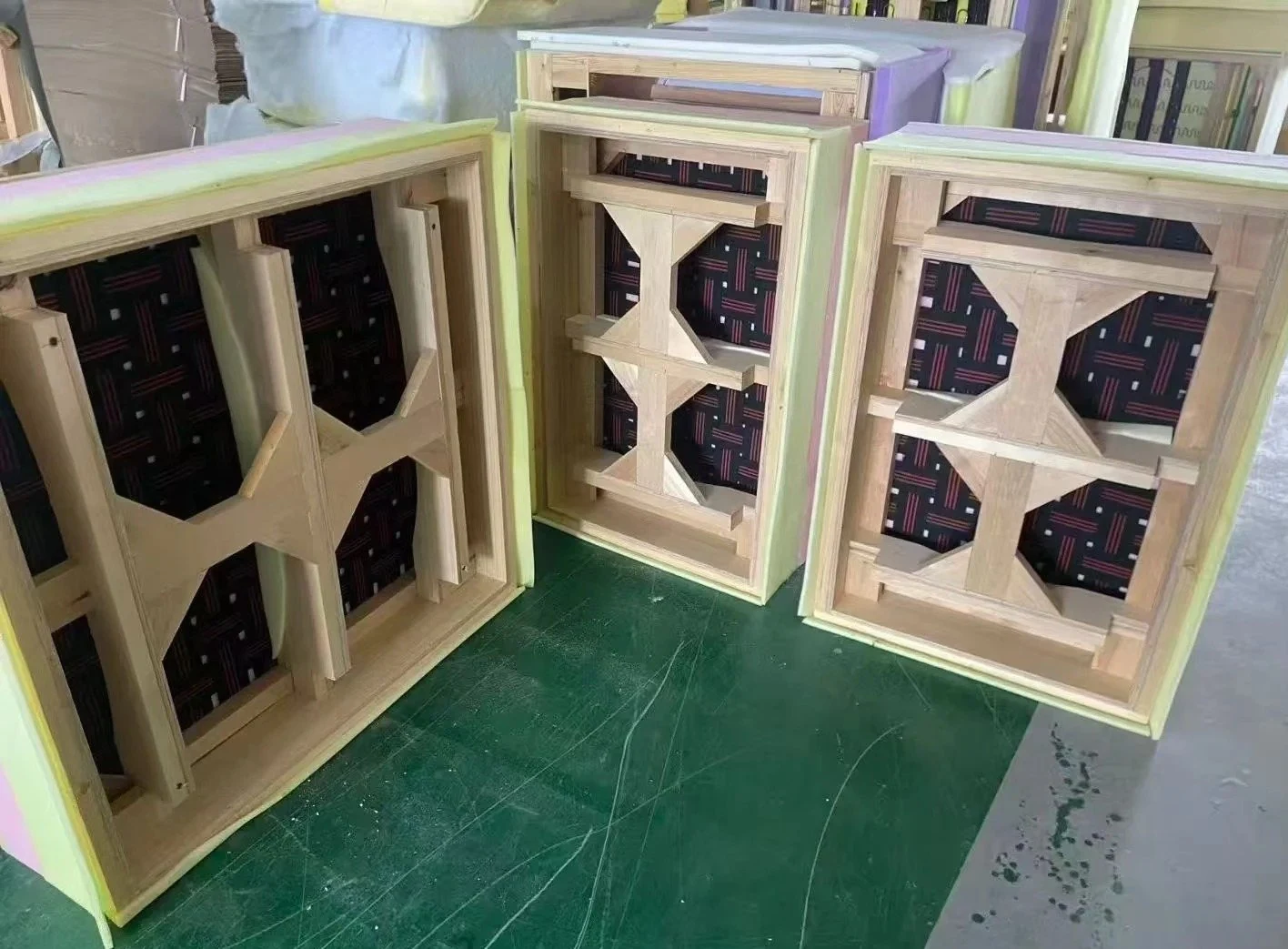
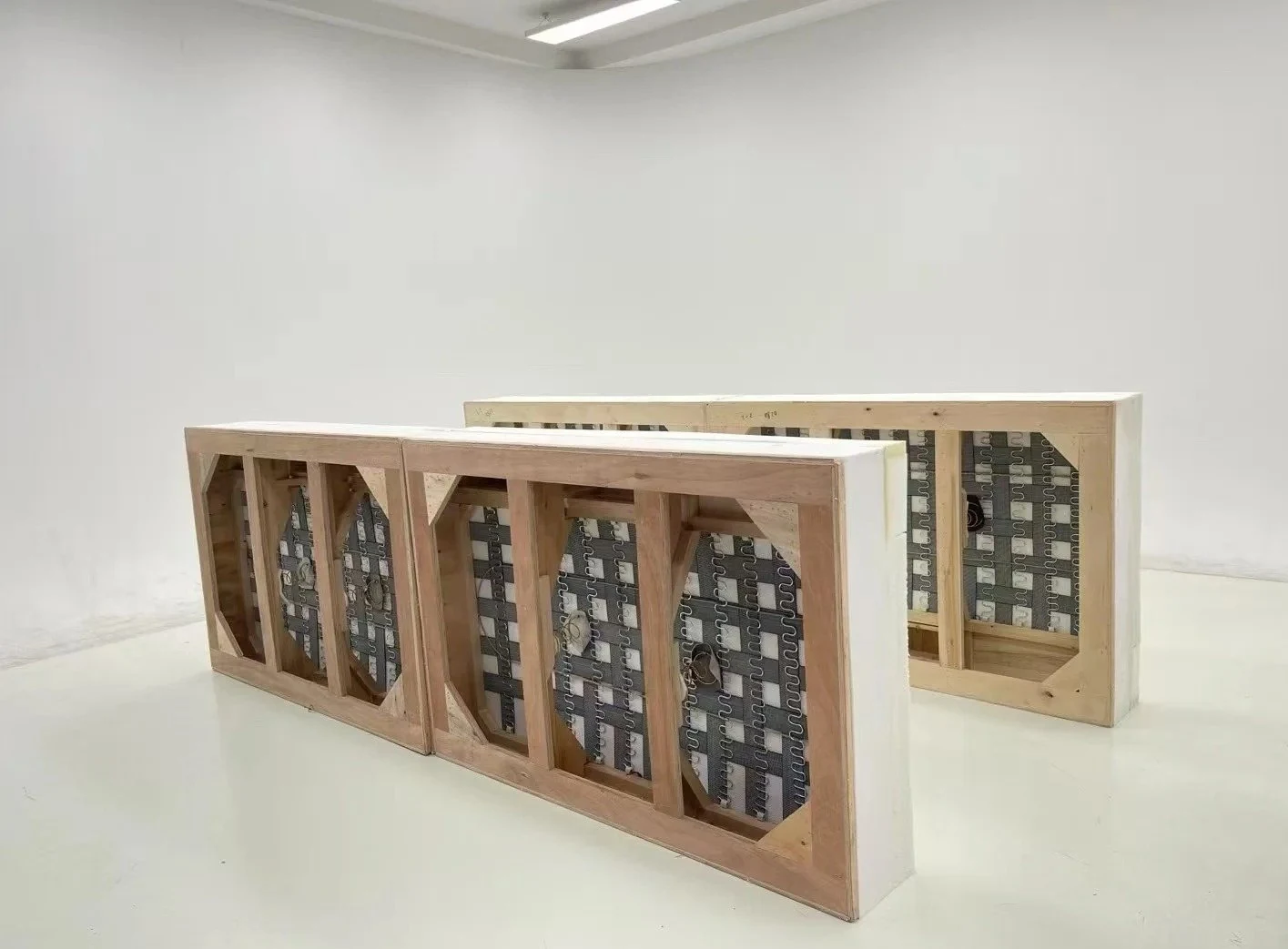
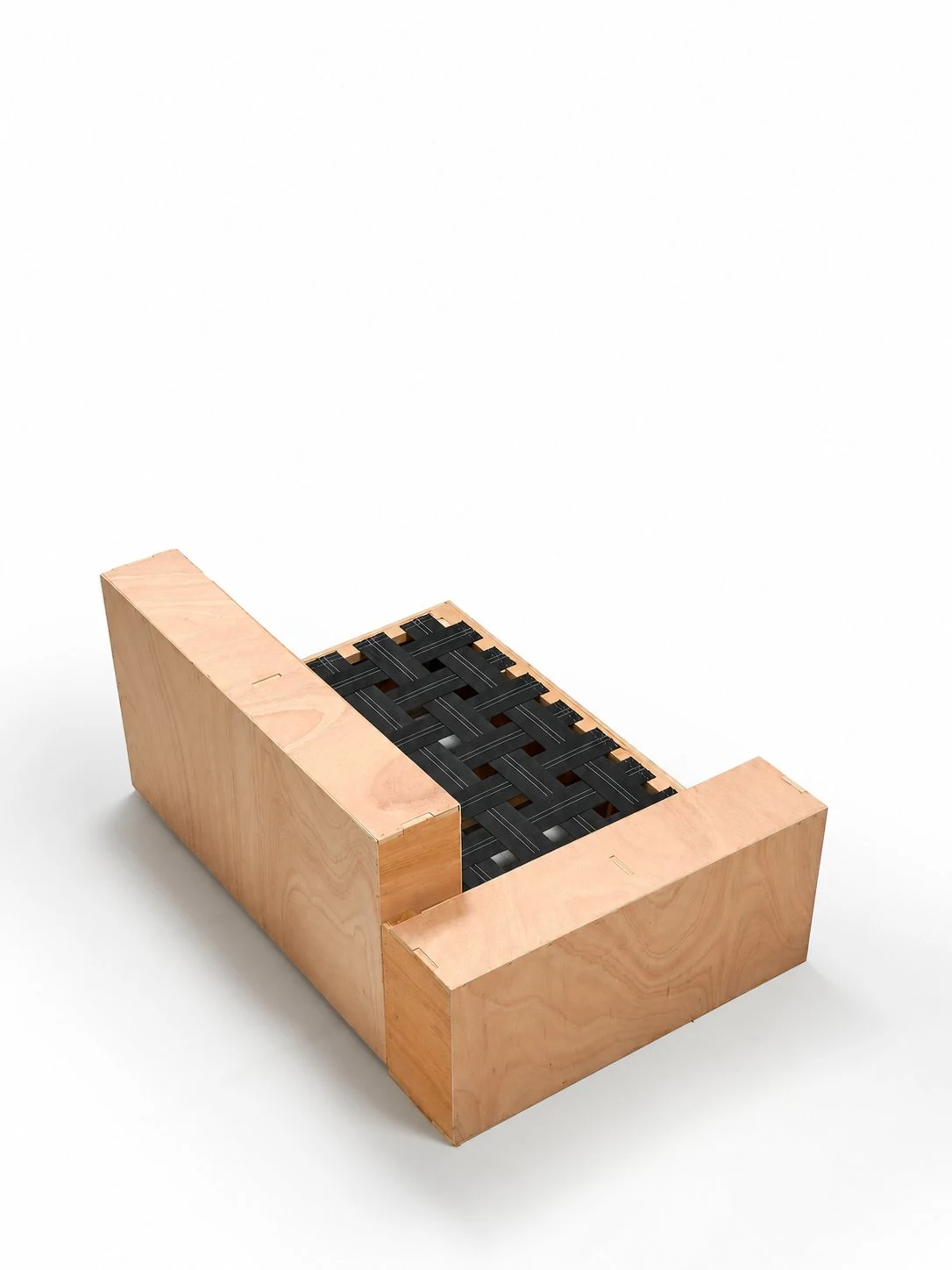
| System | Typical feel | What to inspect |
|---|---|---|
| Elastic webbing | Responsive and compact | Webbing grade, spacing, tension, anchoring and frame edge protection |
| Sinuous springs | Supportive with controlled bounce | Spring gauge, spacing, clips, cross ties and noise control |
| Coil springs | Deep, traditional resilience | Spring count, tying method, edge support and cushion compatibility |
| Platform | Firm and stable | Panel rigidity, ventilation, edge treatment and cushion specification |
6. Foam, cushions and comfort engineering
Foam determines much of the first impression, but density and firmness are different measurements. Higher density generally supports durability, while firmness controls how hard or soft the seat feels. Premium cushions may combine several densities, pocket springs, memory foam, fiber, latex or feather/down wraps.
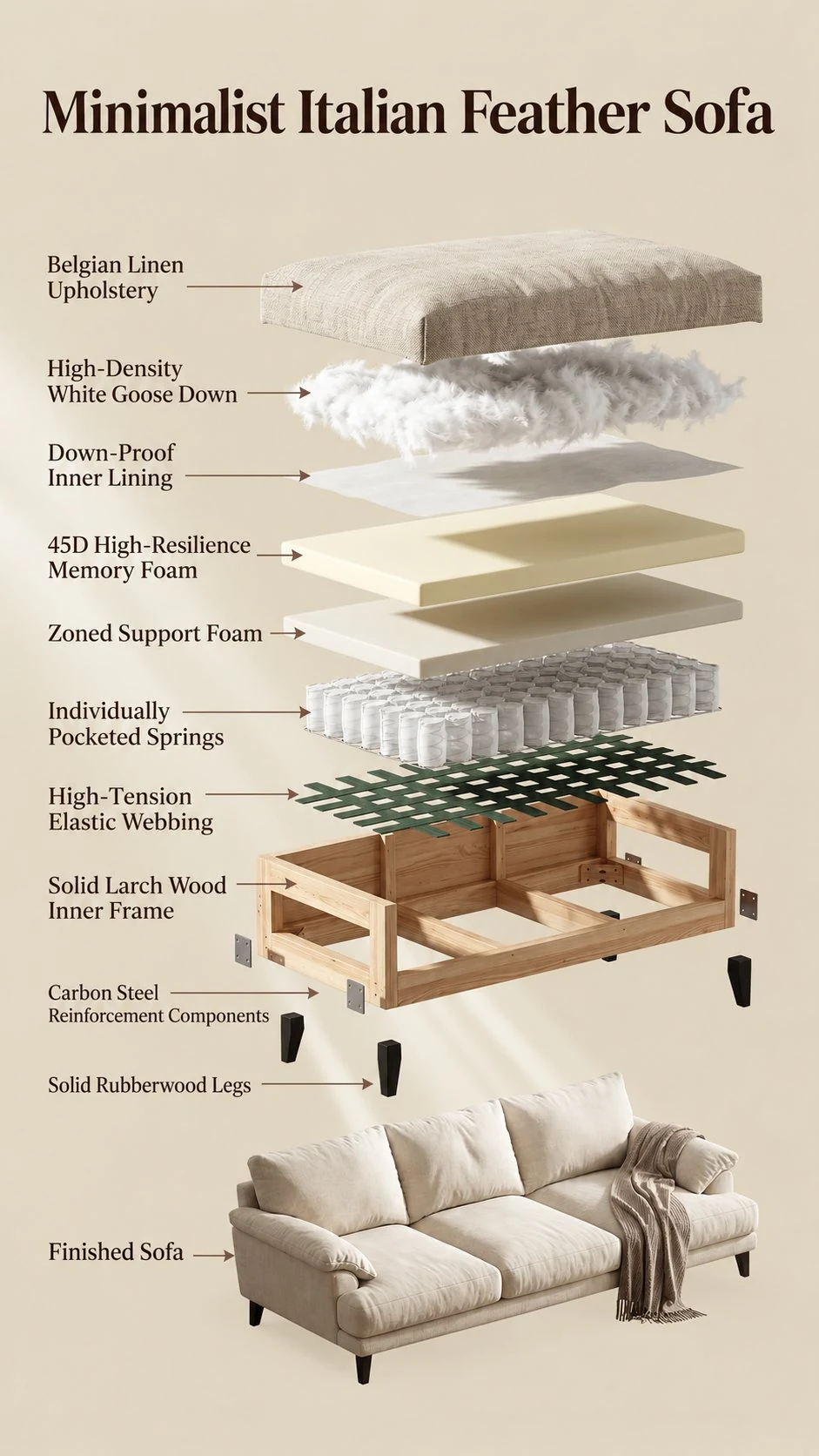
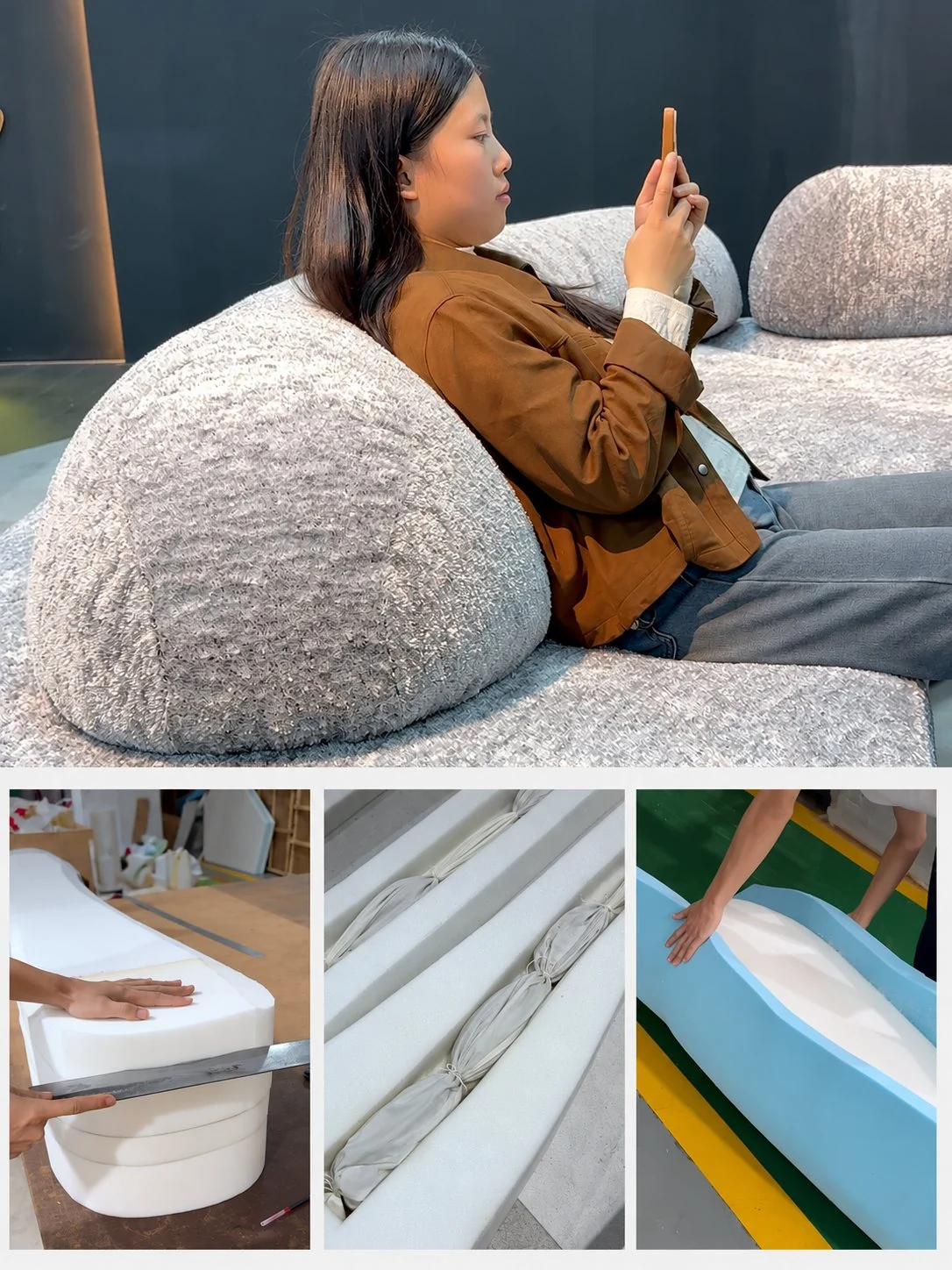
For whole-home projects, ask suppliers to document the cushion build in writing—core material, density, firmness, wrap and whether covers are removable. This makes replacement and future re-ordering much easier.
7. Upholstery, sewing and surface finishing
Upholstery is where structural accuracy becomes visible. A square frame gives the upholsterer a reliable reference; inconsistent foam cutting or uneven fabric tension creates wavy seams, distorted piping and loose surfaces. On curved sofas, pattern development is especially important because the fabric must follow changing radii without puckering.
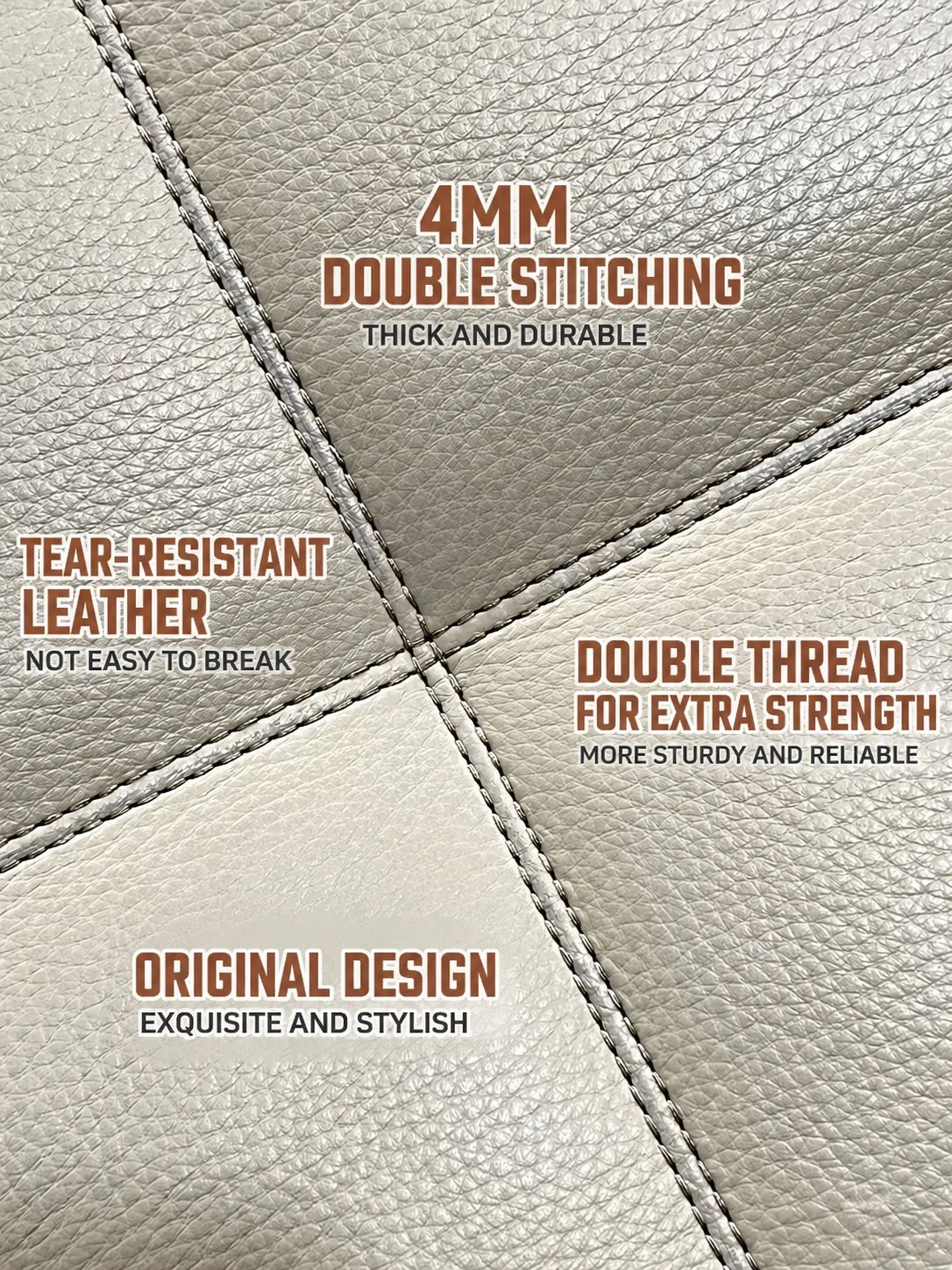
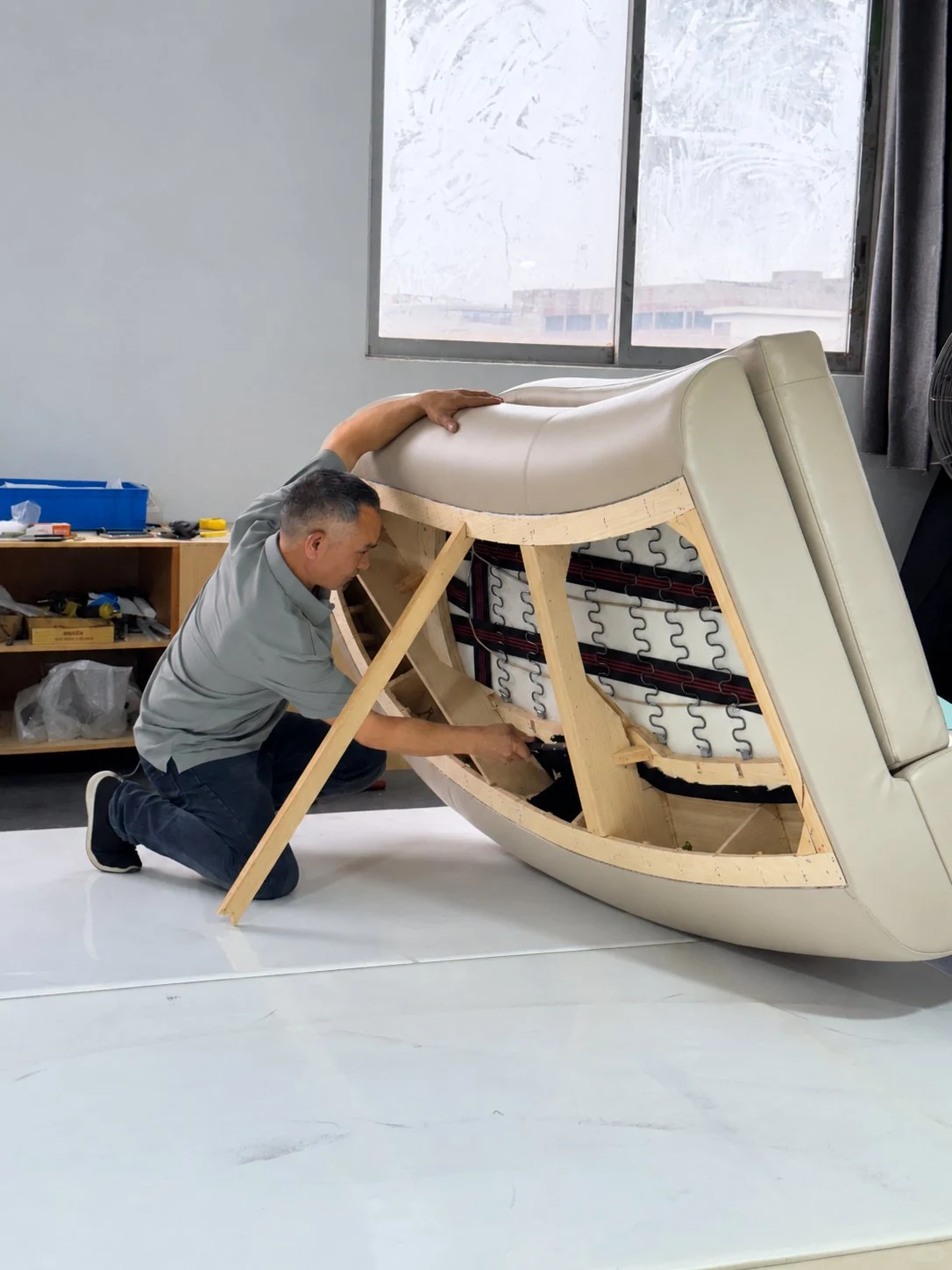
Fabric choice also changes how much construction shows through. Tight woven fabrics expose irregular foam more easily, while textured bouclé and chenille can visually soften small variations. The correct approach is not to hide defects with texture, but to choose a fabric that suits the intended feel and use. For material selection, see Ratahome’s furniture material guides.
8. Curved and modular sofa engineering
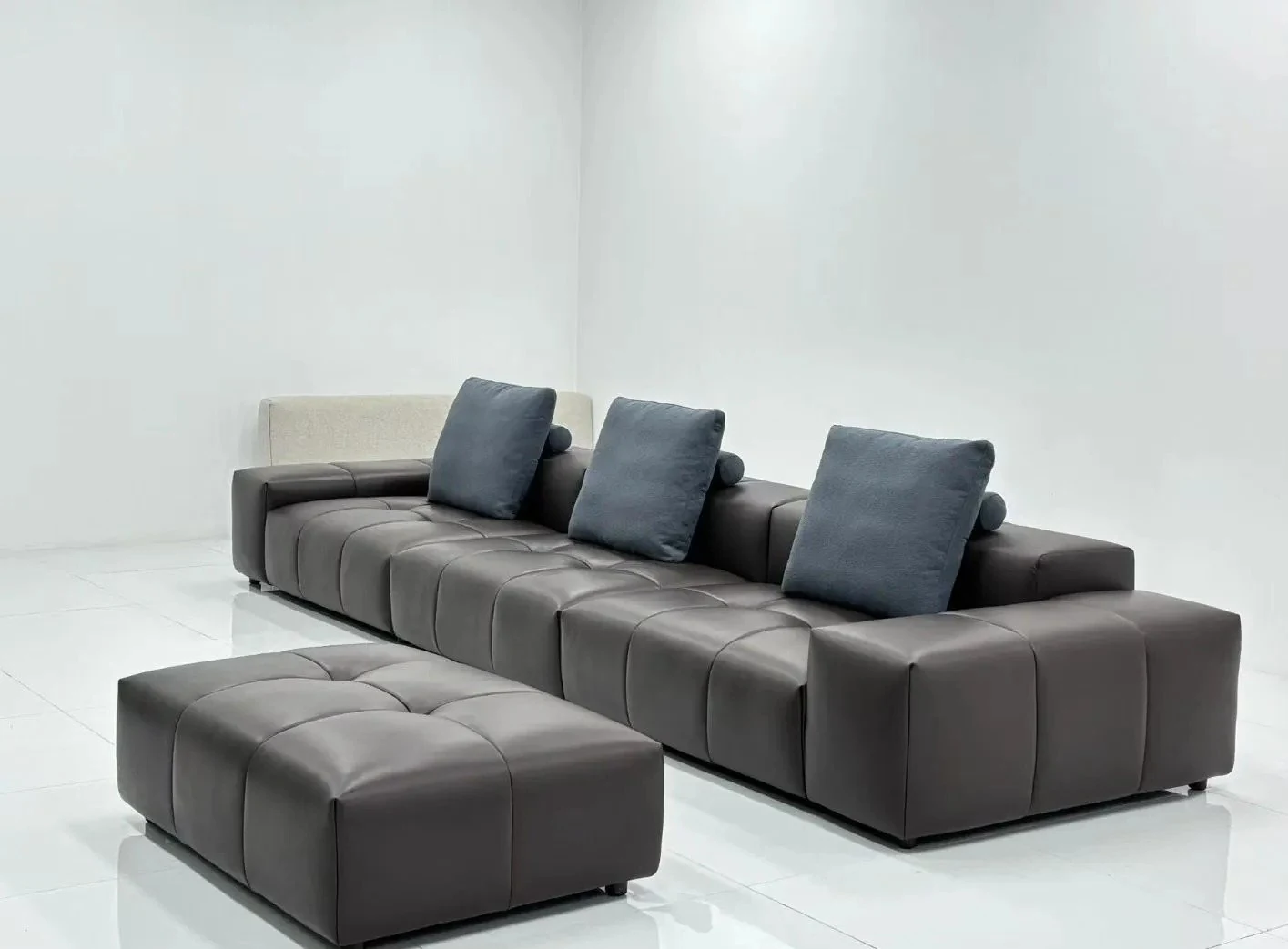
Large curved sofas and modular sectionals add two challenges: repeatable geometry and connection accuracy. Each module must meet the next at the correct angle and height. Otherwise seat gaps, uneven backs or misaligned bases become obvious after installation.
9. From drawing to finished sofa
A controlled sofa production process is easier to understand as a chain of approvals. For custom work, each step should preserve the dimensions and material decisions agreed before production.
Dimensions, seat height, depth, modules, materials and details are locked.
Timber/metal is cut, shaped, joined and trial-assembled.
Webbing/springs are fitted; foam is cut, layered and shaped.
Fabric or leather is cut, sewn, tensioned and finished.
Legs, bases, connectors and mechanisms are installed.
Width, depth, seat height and module fit are checked.
Seams, symmetry, surface tension, color and comfort are reviewed.
Protection, labeling and final documentation are completed.
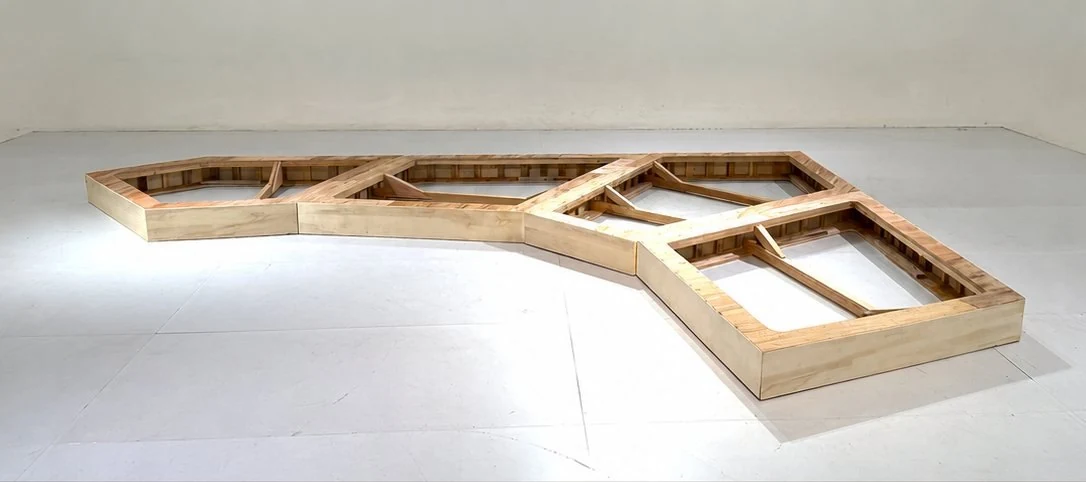
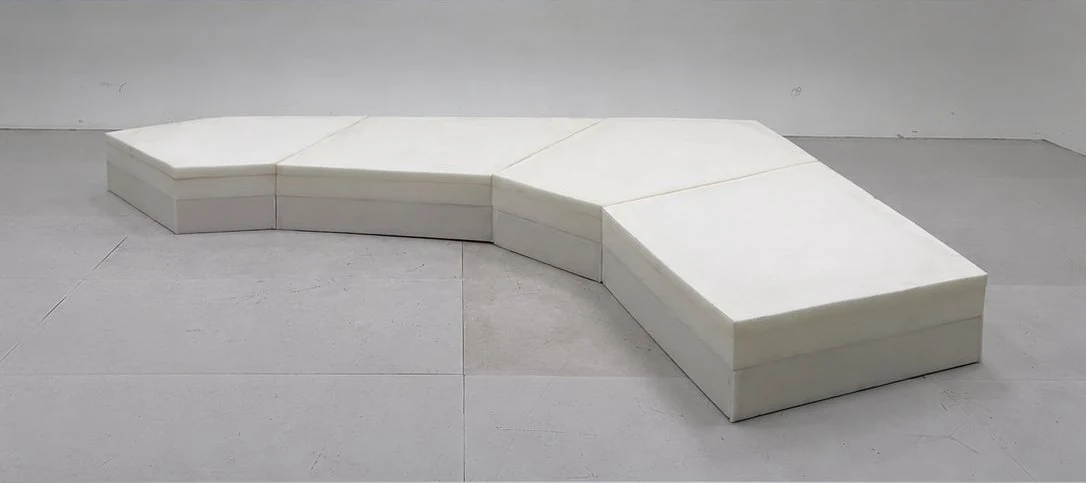
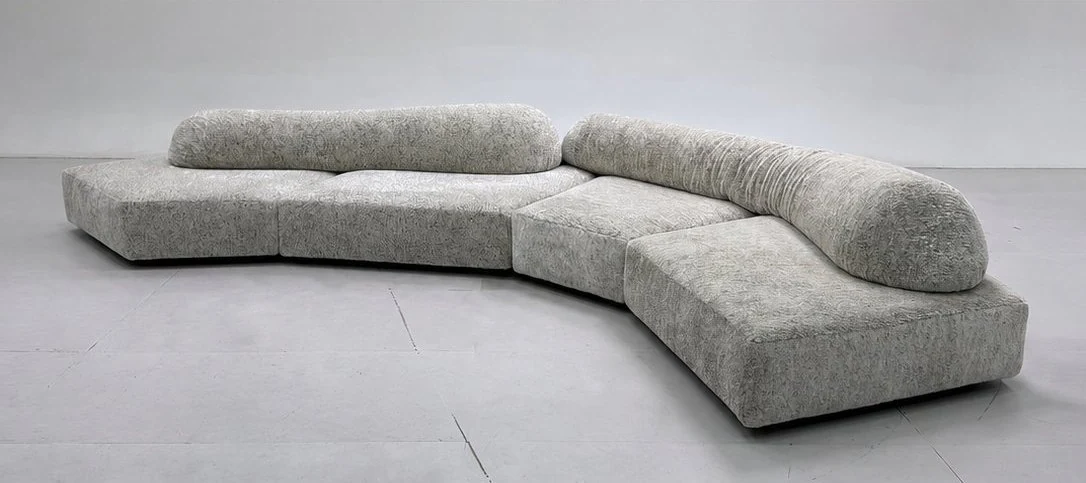
This workflow mirrors the production-control principle behind Ratahome’s manufacturing capability: construction decisions are checked during production rather than left for a final cosmetic inspection.
10. Equipment and jigs used in sofa production
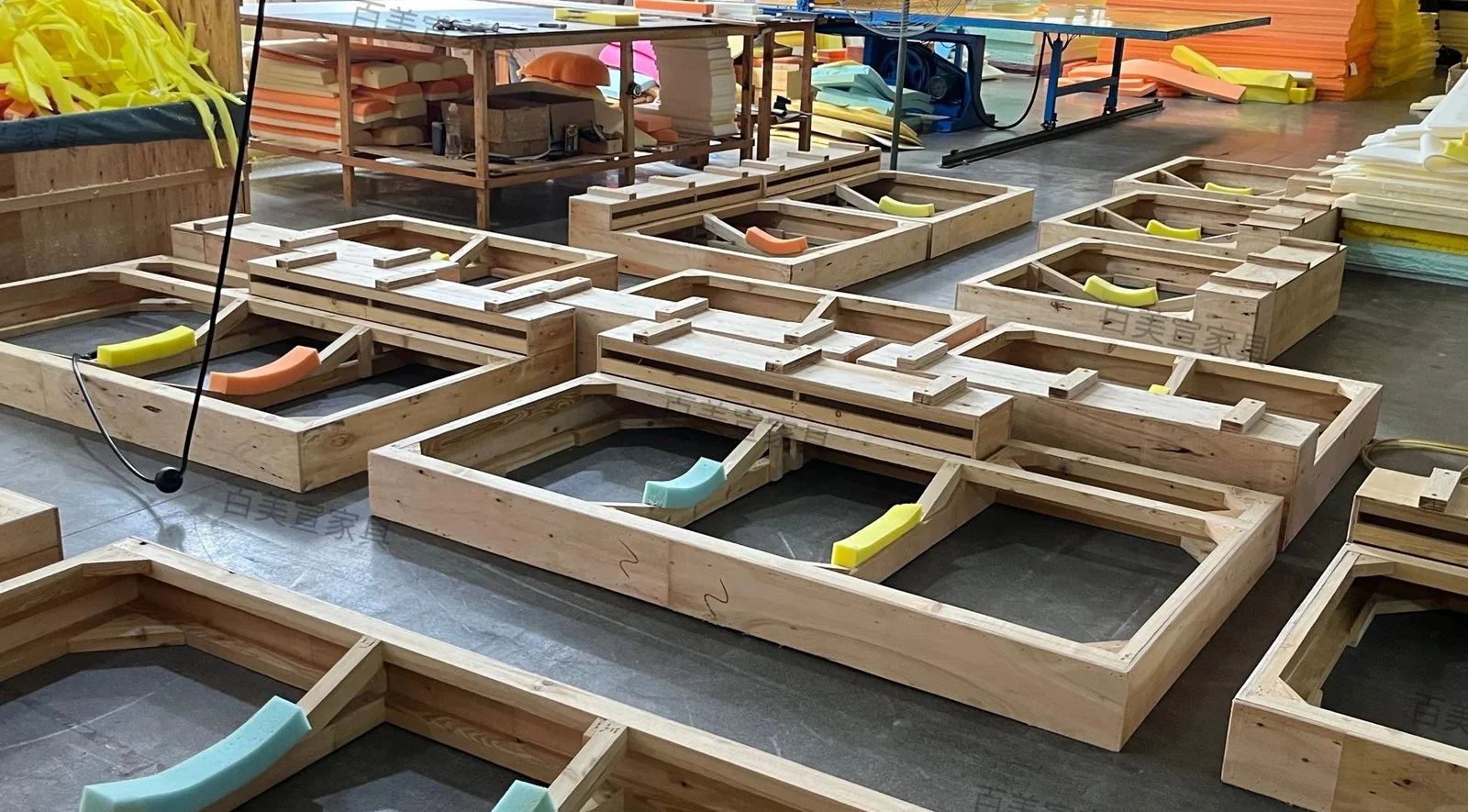
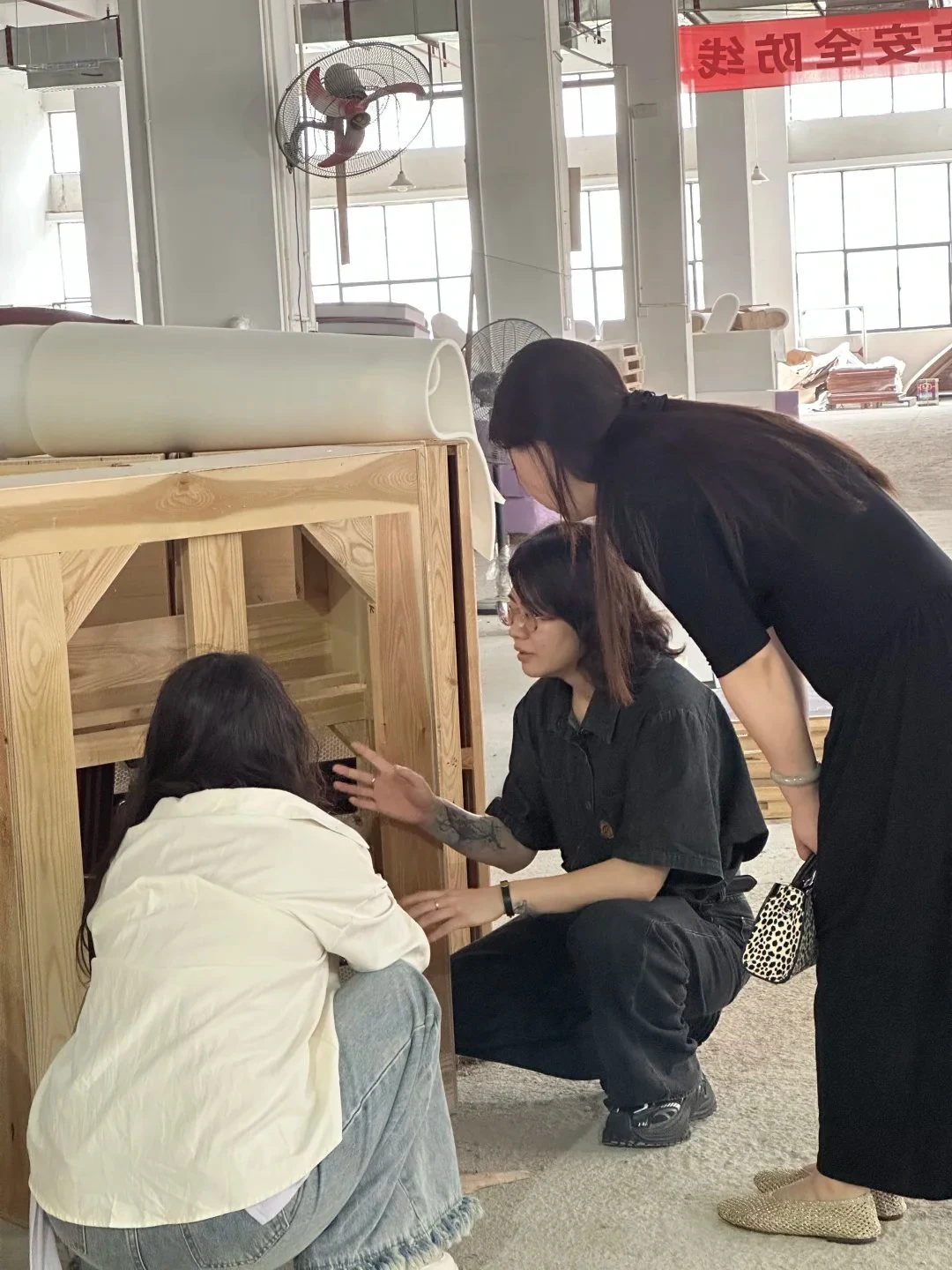
Sofa manufacturing combines machine accuracy with skilled handwork. Equipment varies by factory and design, but typical production can involve panel saws or CNC routers, cross-cut saws, drills, sanders, pneumatic staplers, webbing stretchers, foam cutters, sewing machines and dedicated assembly jigs.
The important point is not whether a factory owns the most expensive machine. It is whether templates, jigs and process controls make repeatable geometry possible, while craftspeople still have enough time to fit, sand, upholster and inspect complex areas.
11. Quality control before shipment
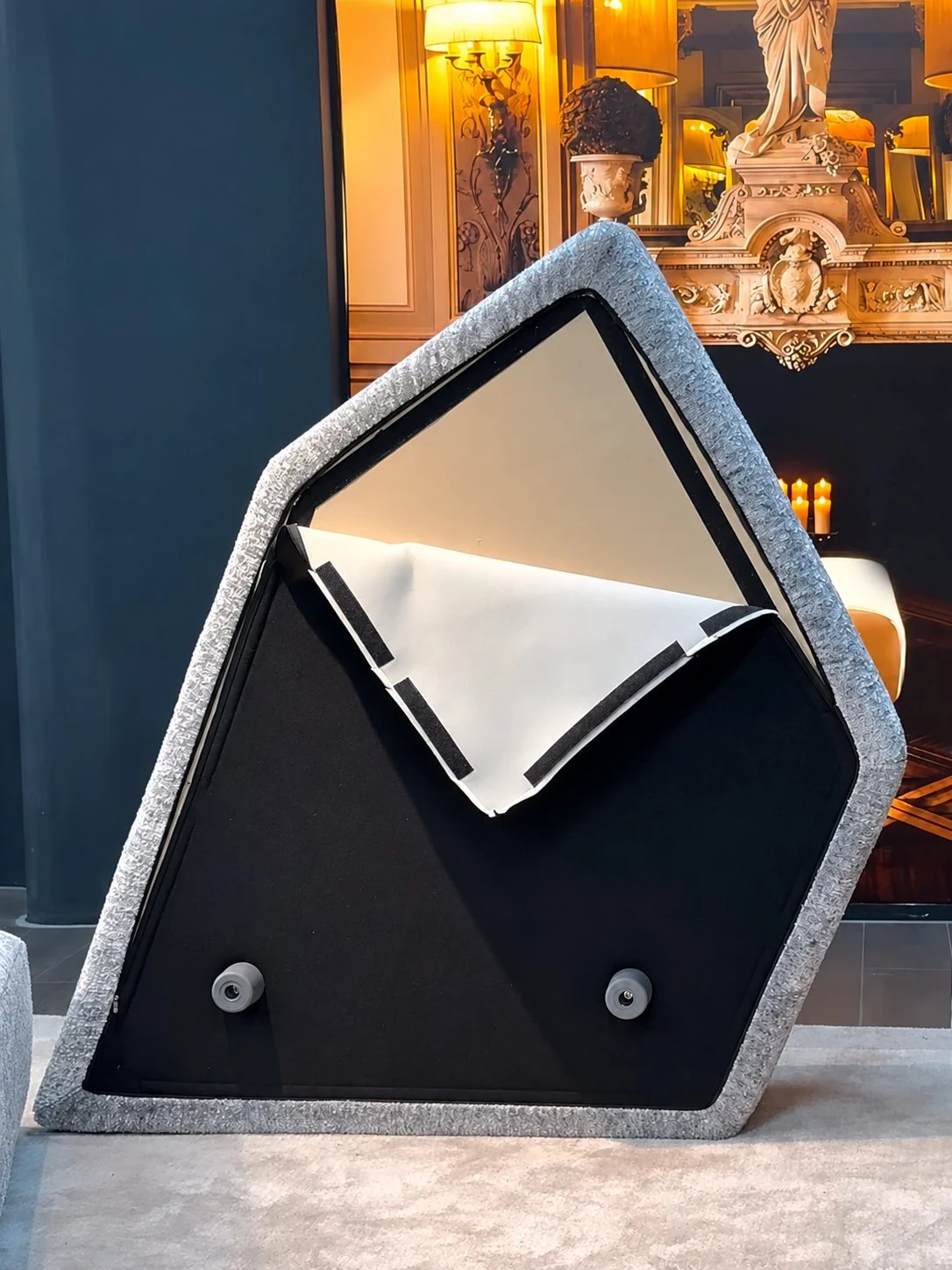
Final inspection should be more than a visual check. A useful sofa QC process compares the finished product with the approved drawing and material specification, then tests the functions that can fail in real use.
- Overall width, depth and height
- Seat height and seat depth
- Module alignment and connector fit
- Frame stability and rocking
- Noise from springs, joints or mechanisms
- Cushion symmetry and recovery
- Seam straightness and piping alignment
- Fabric/leather color consistency
- Leg and base alignment
- Loose threads, scratches and stains
- Removable cover fit
- Packaging and corner protection
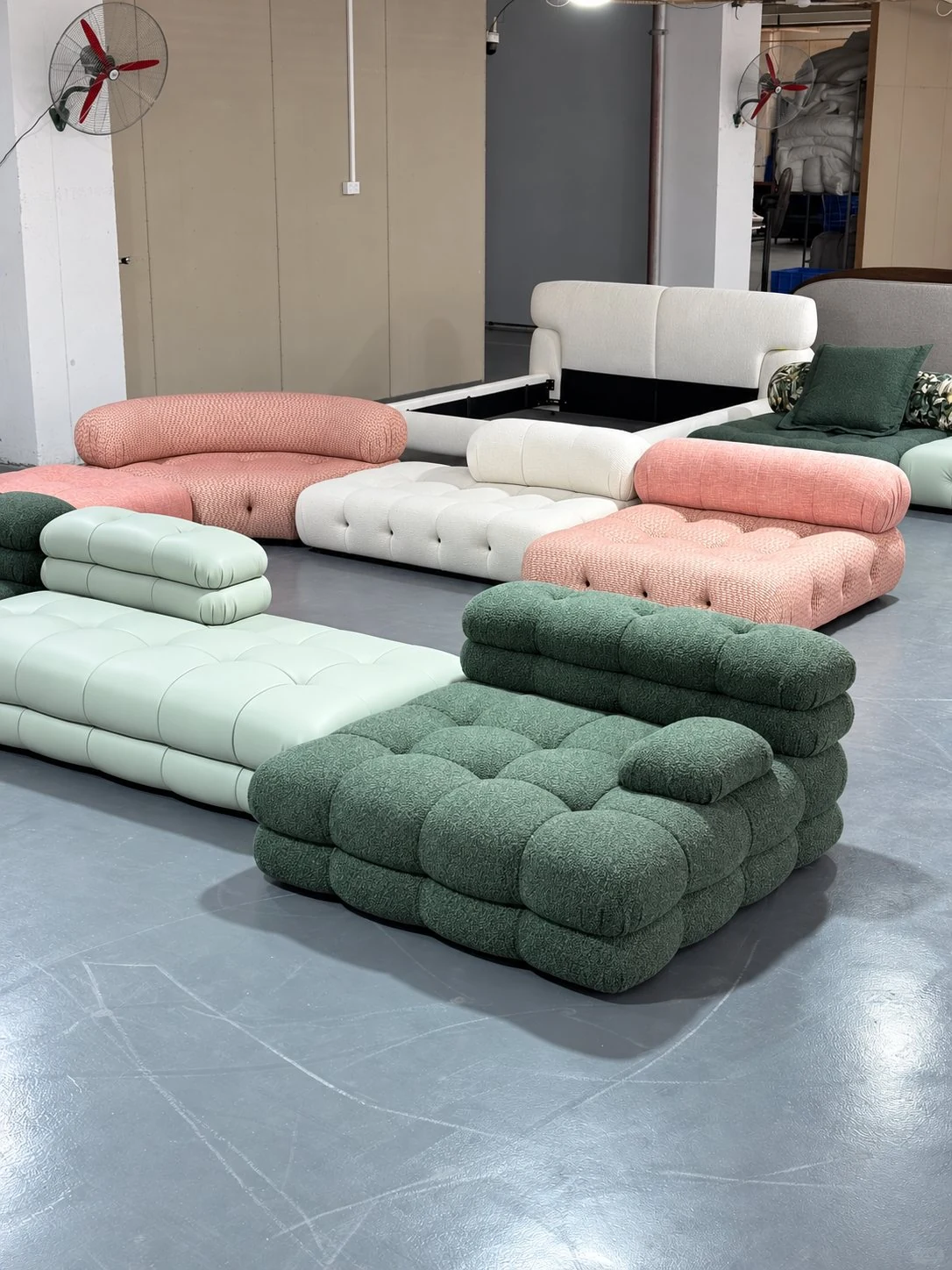
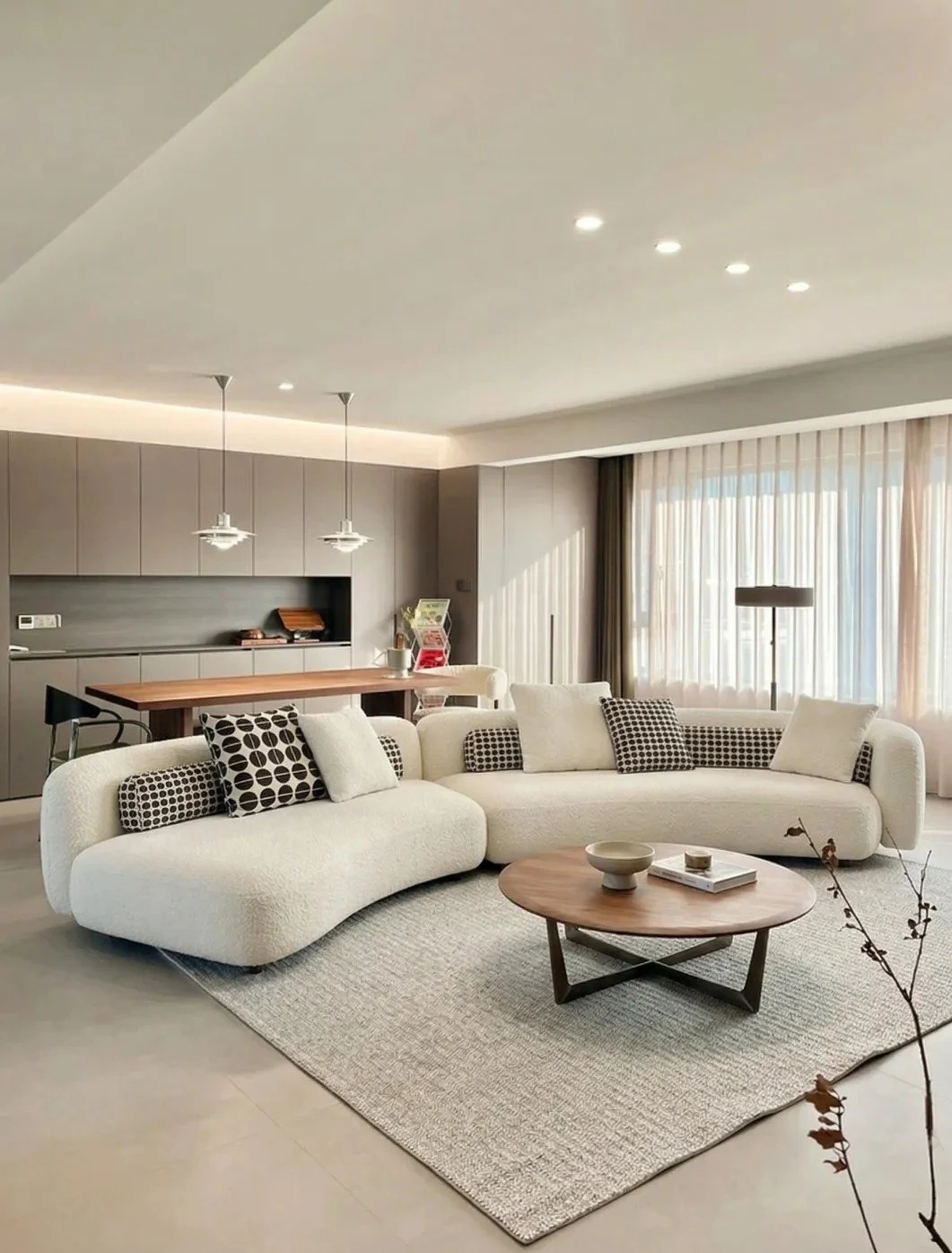
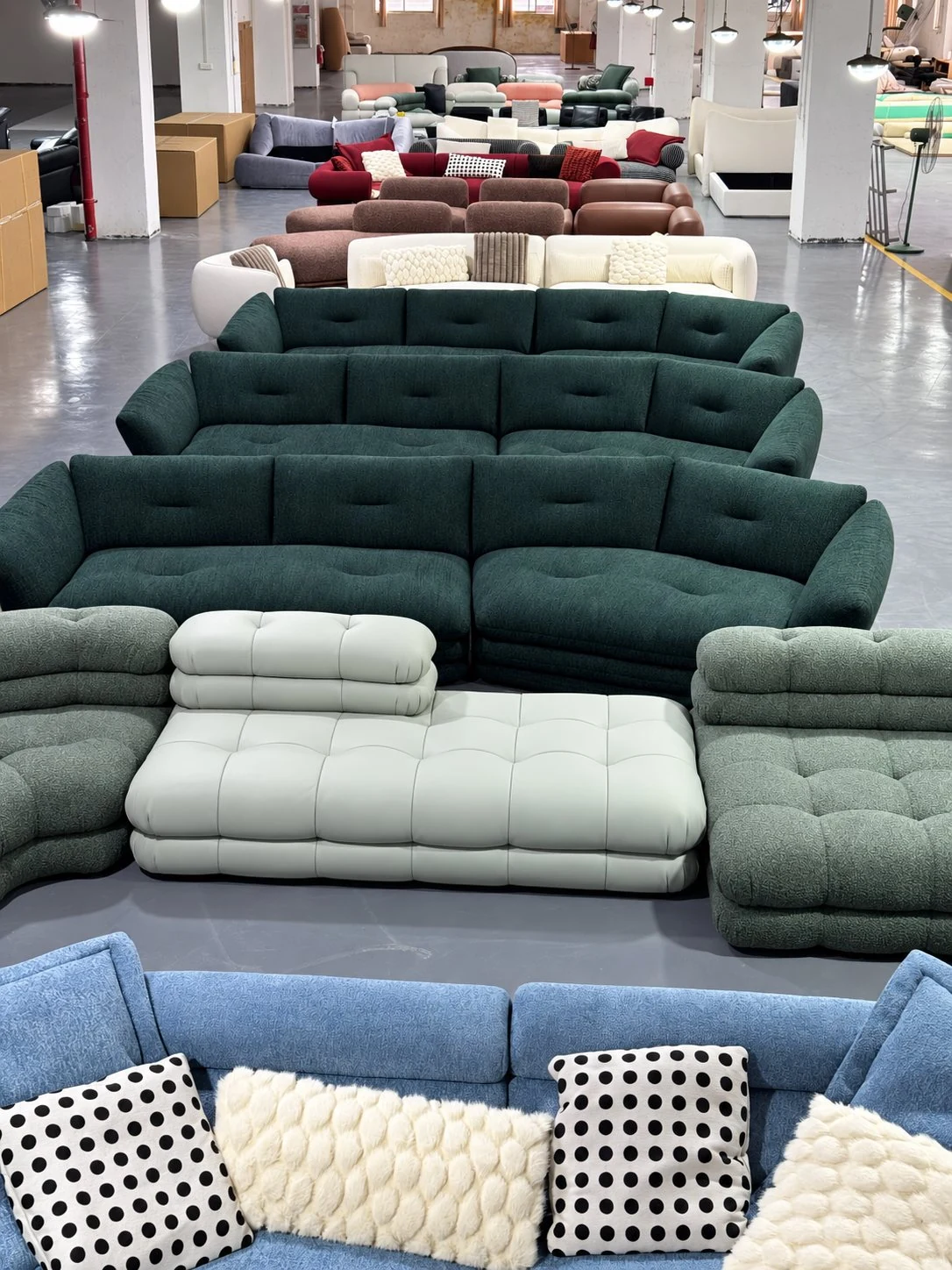
Ratahome’s quality control system follows the same principle: material inspection, production monitoring, final assembly review and pre-shipment documentation form one continuous chain.
12. How to judge sofa quality before you buy
When comparing sofas, ask questions that reveal the hidden specification. “Is it solid wood?” is not enough. A better discussion covers the whole build.
| Ask about | Better question |
|---|---|
| Frame | What materials, section sizes and joint methods are used in the load-bearing areas? |
| Suspension | Is it webbing, sinuous spring, coil spring or platform—and what spacing/tension is specified? |
| Foam | What is the seat-core construction, density, firmness and wrap? |
| Upholstery | How are patterns matched, seams reinforced and high-wear areas finished? |
| Custom dimensions | Which dimensions can change without altering comfort or structural stability? |
| QC | Will you receive frame-stage, production and pre-shipment photos? |
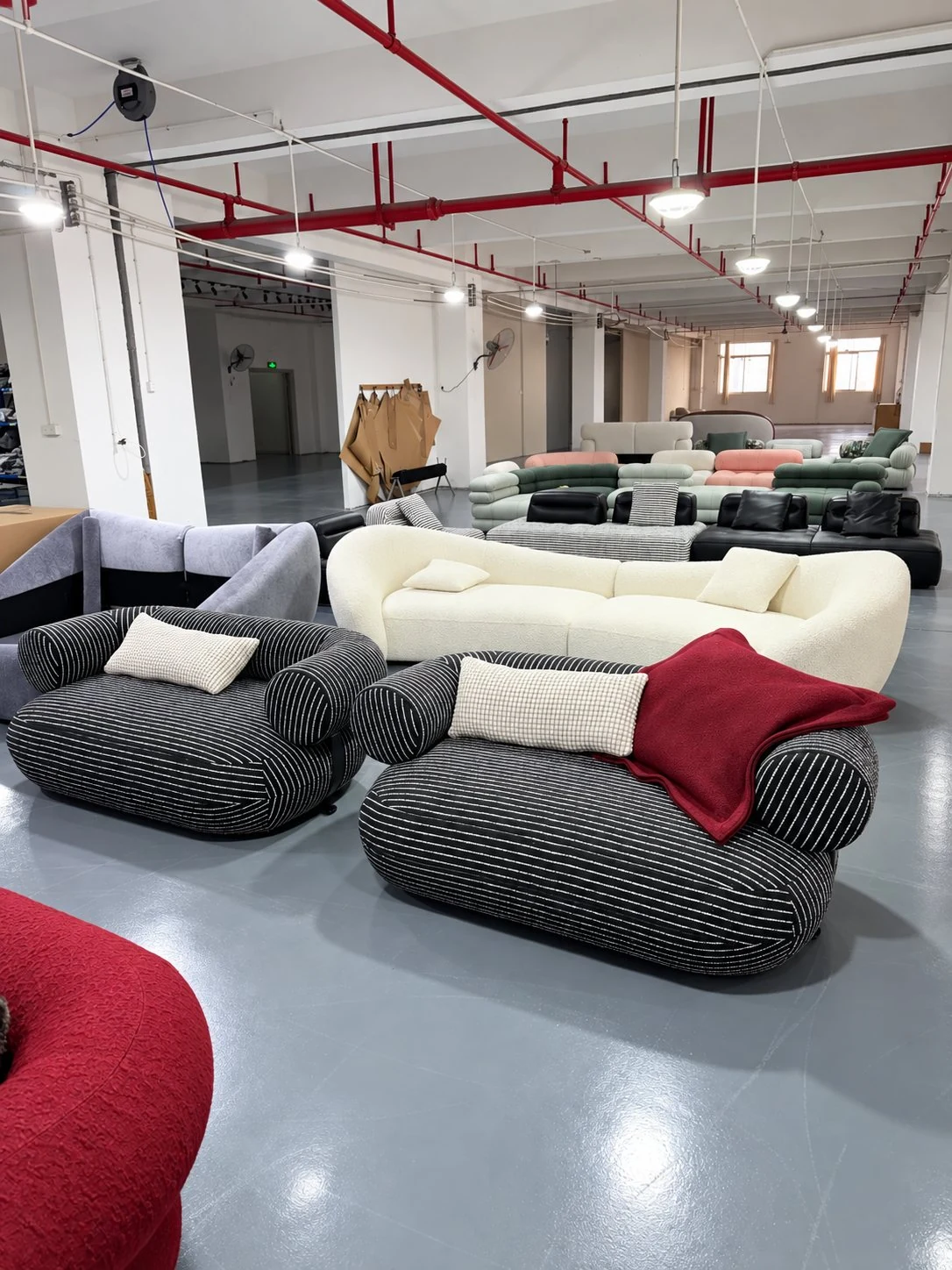
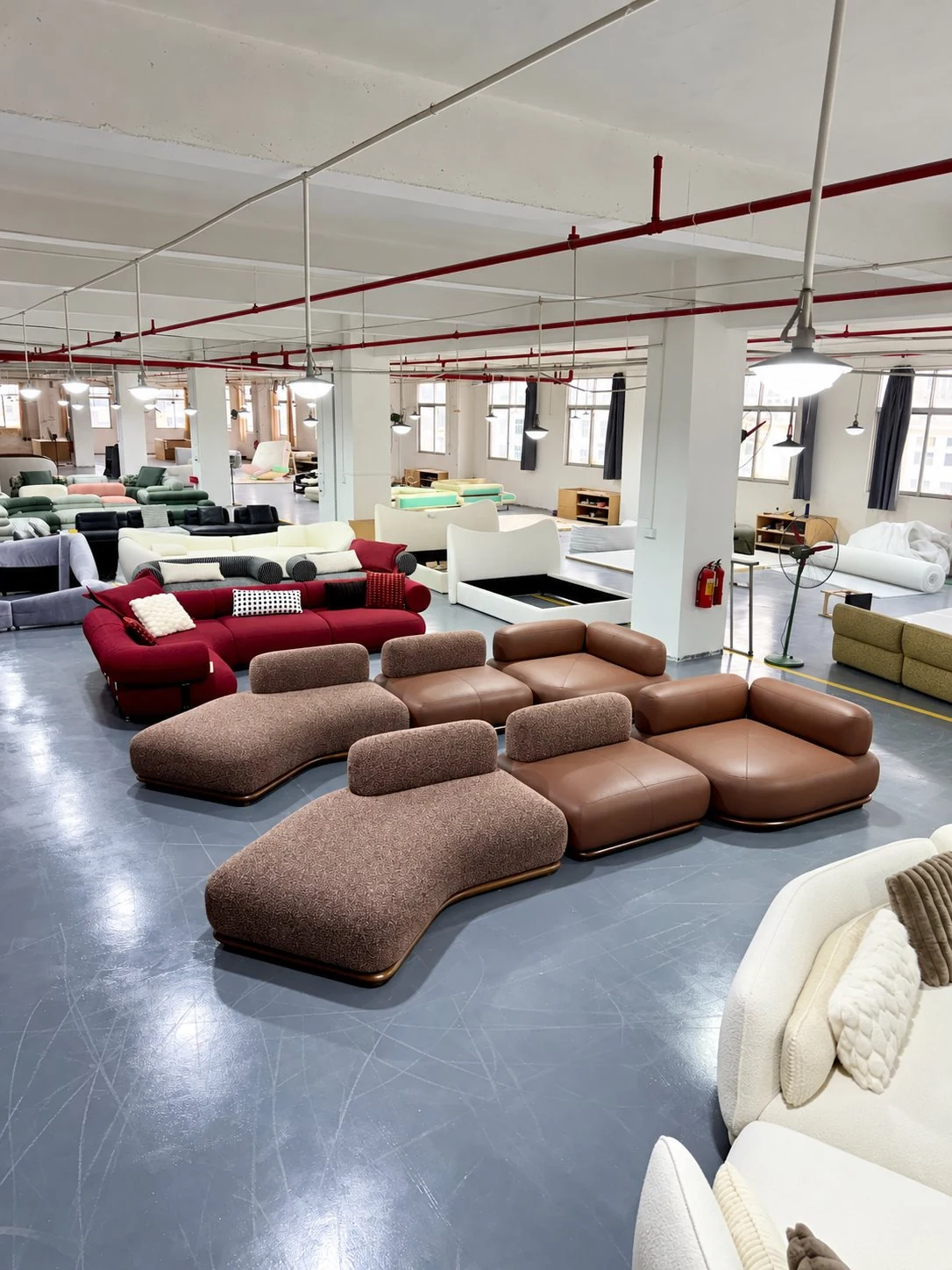
If you are sourcing in Foshan, Ratahome’s Foshan furniture market guide also explains why internal construction and specifications matter more than showroom appearance alone.
13. Quick FAQ
What is the best sofa frame material?
There is no single best material for every sofa. Kiln-dried hardwood, quality plywood and engineered combinations can all perform well when the section sizes, joint design and reinforcement are appropriate for the sofa geometry.
Are springs always better than webbing?
No. High-quality elastic webbing can perform very well in modern sofas. The grade, spacing, tension and anchoring are more important than the category name alone.
How can I tell if a sofa is well made without opening it?
Check stability, symmetry, seam alignment, cushion recovery, seat consistency, module fit and any noises under load. For custom orders, request frame-stage and production photos before the sofa is closed.
What should be documented for a custom sofa?
At minimum: overall dimensions, seat height/depth, frame specification, suspension, foam build, upholstery material, leg/base finish, module connectors, approved sample and QC requirements.
Planning a custom sofa or whole-home furniture project?
Send your floor plan, room dimensions and inspiration. Ratahome can help translate the look you want into a buildable sofa specification, then coordinate manufacturing and pre-shipment QC in Foshan.
Start Your ProjectExplore Sofas