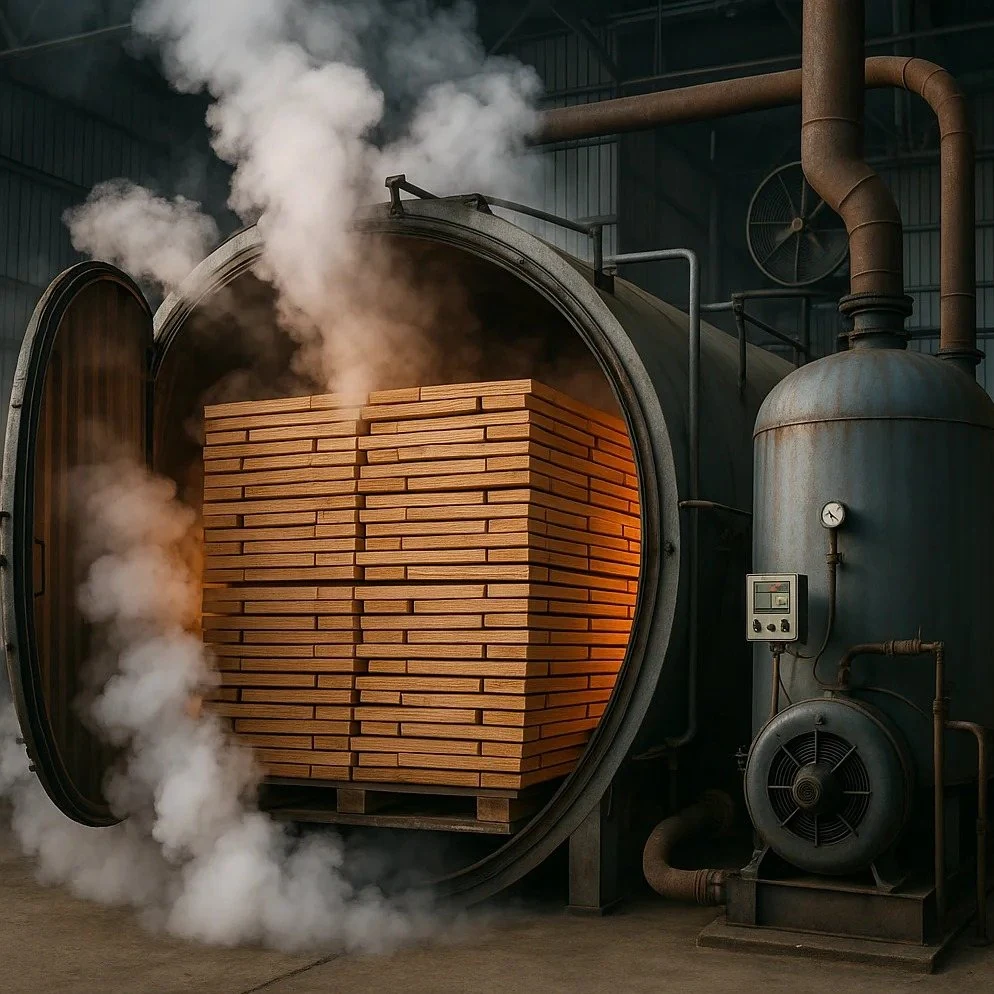
1. Why wood moisture content matters in furniture
Moisture content is one of the least visible specifications in solid-wood furniture—and one of the most important. A beautiful finish cannot compensate for timber that is still moving excessively after assembly.
Wood is hygroscopic: it exchanges moisture with surrounding air. As it loses moisture, it tends to shrink; as it gains moisture, it tends to swell. That movement is normal. The quality problem begins when furniture is manufactured from wood whose moisture level is far from the conditions it will experience in use.
This is why moisture checking belongs upstream in the manufacturing process, alongside species selection, grading, joinery and finishing. Ratahome’s wood furniture guide explains how species changes strength, grain and movement; moisture control is the next layer of that same specification.
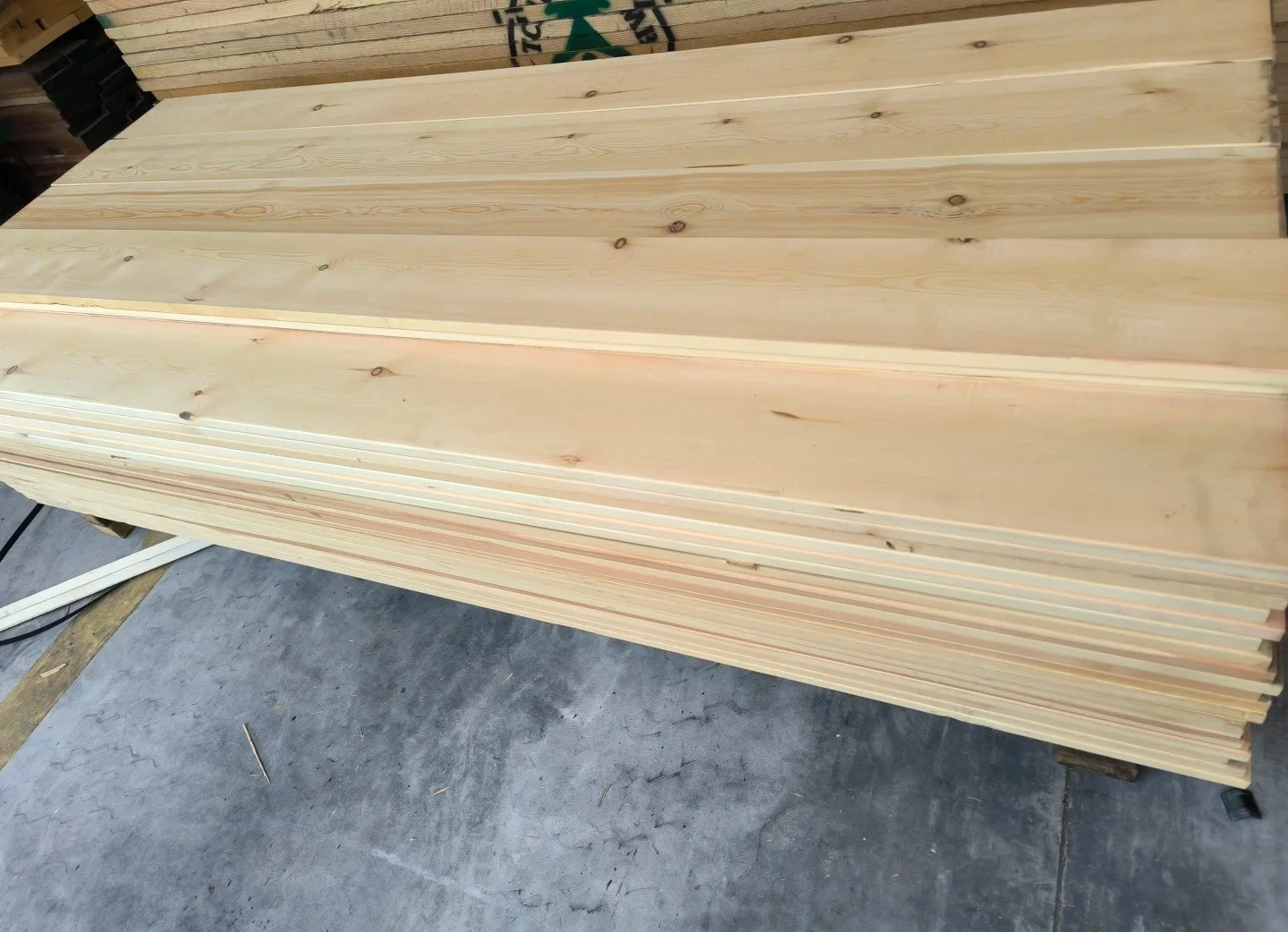
2. What “moisture content” actually means
Wood moisture content (MC) describes how much water is present in the wood relative to its oven-dry mass. For a furniture buyer, the formula matters less than the implication: the number indicates how far the material has progressed from green lumber toward a stable condition for its intended environment.
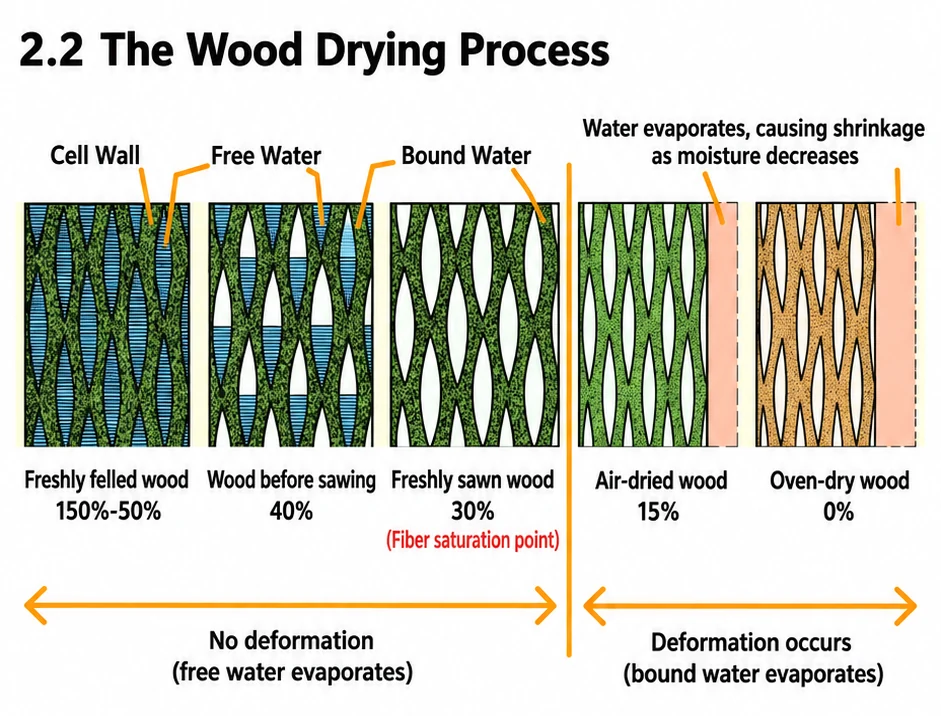
Free water vs bound water
Fresh wood contains water in cell cavities and water held within cell walls. Early drying removes much of the free water with relatively limited dimensional change. Once the wood moves below the fiber-saturation region, removal of bound water causes the cell walls to contract—and that is when shrinkage and distortion become much more important.
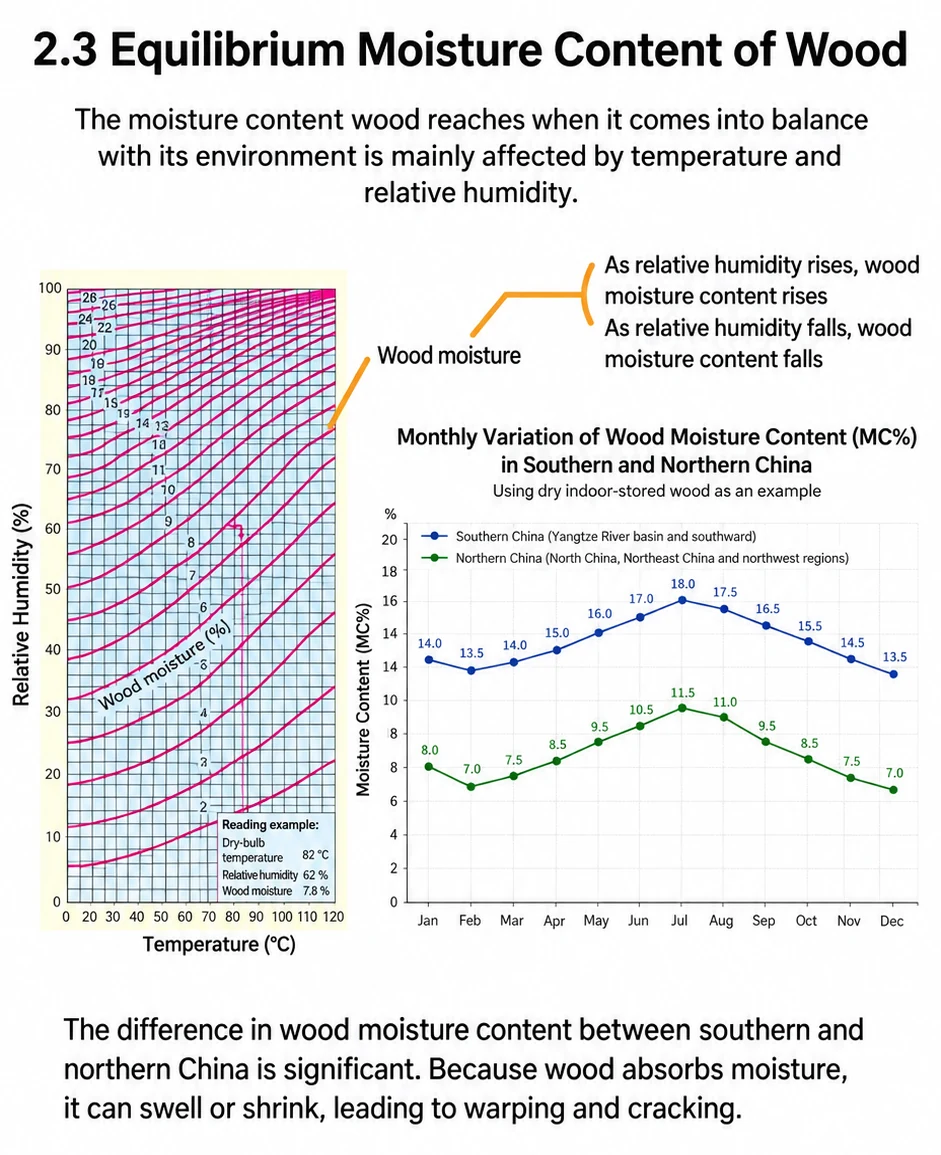
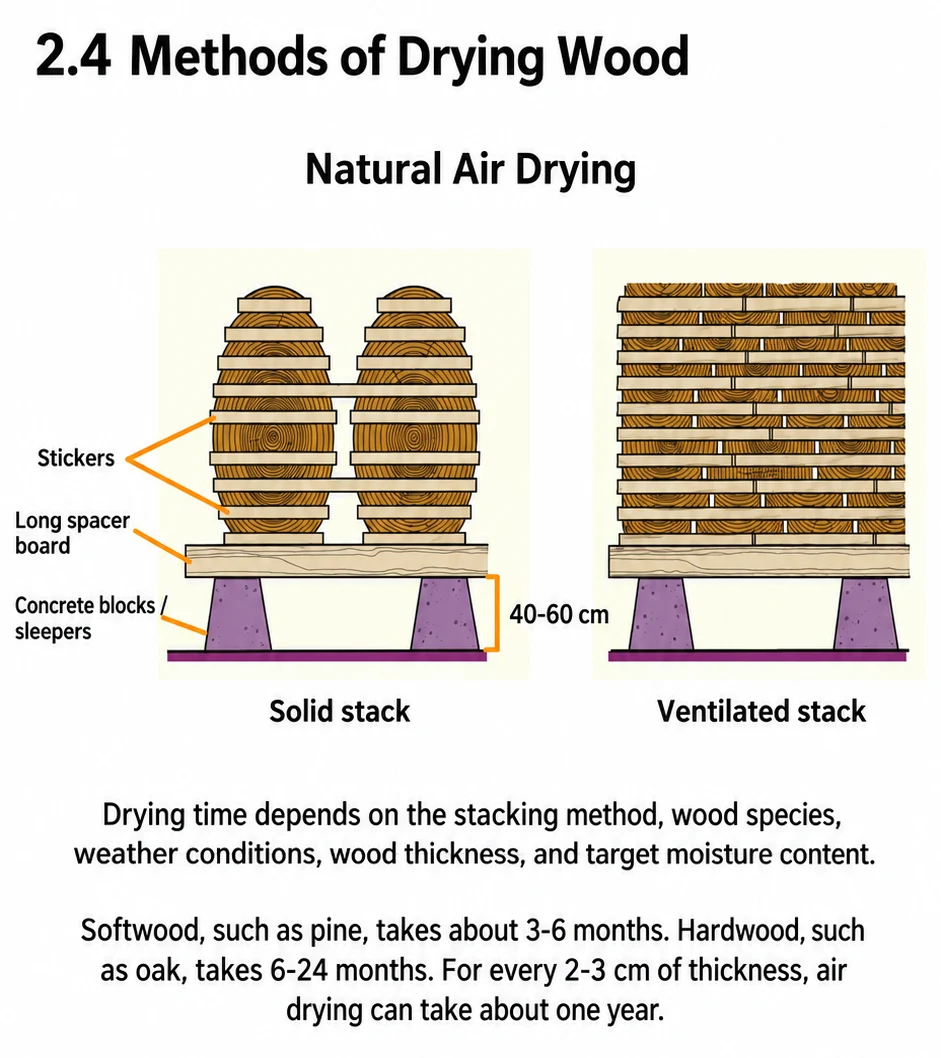
A connected moisture-learning sequence: 2.1 to 2.4
These four visuals are intentionally kept together so the reader moves from measurement, to the drying mechanism, to equilibrium moisture content, and finally to drying methods without breaking the learning flow.

3. What happens when furniture wood is too wet—or too dry?
Moisture problems usually appear after the furniture has already been machined, assembled or shipped. That delay is why they are expensive: a panel can leave the factory looking flat, then shrink across its width after entering an air-conditioned home.
If wood is too wet at production
- Wide tops and cabinet doors may shrink, cup or expose gaps.
- Mortise-and-tenon, dowel or frame joints can loosen as parts lose moisture.
- Glue lines may be stressed by uneven shrinkage between components.
- Cracks can open around end grain, knots or fasteners.
- Finishes may show witness lines where previously aligned parts move.
If wood is overdried or dried too aggressively
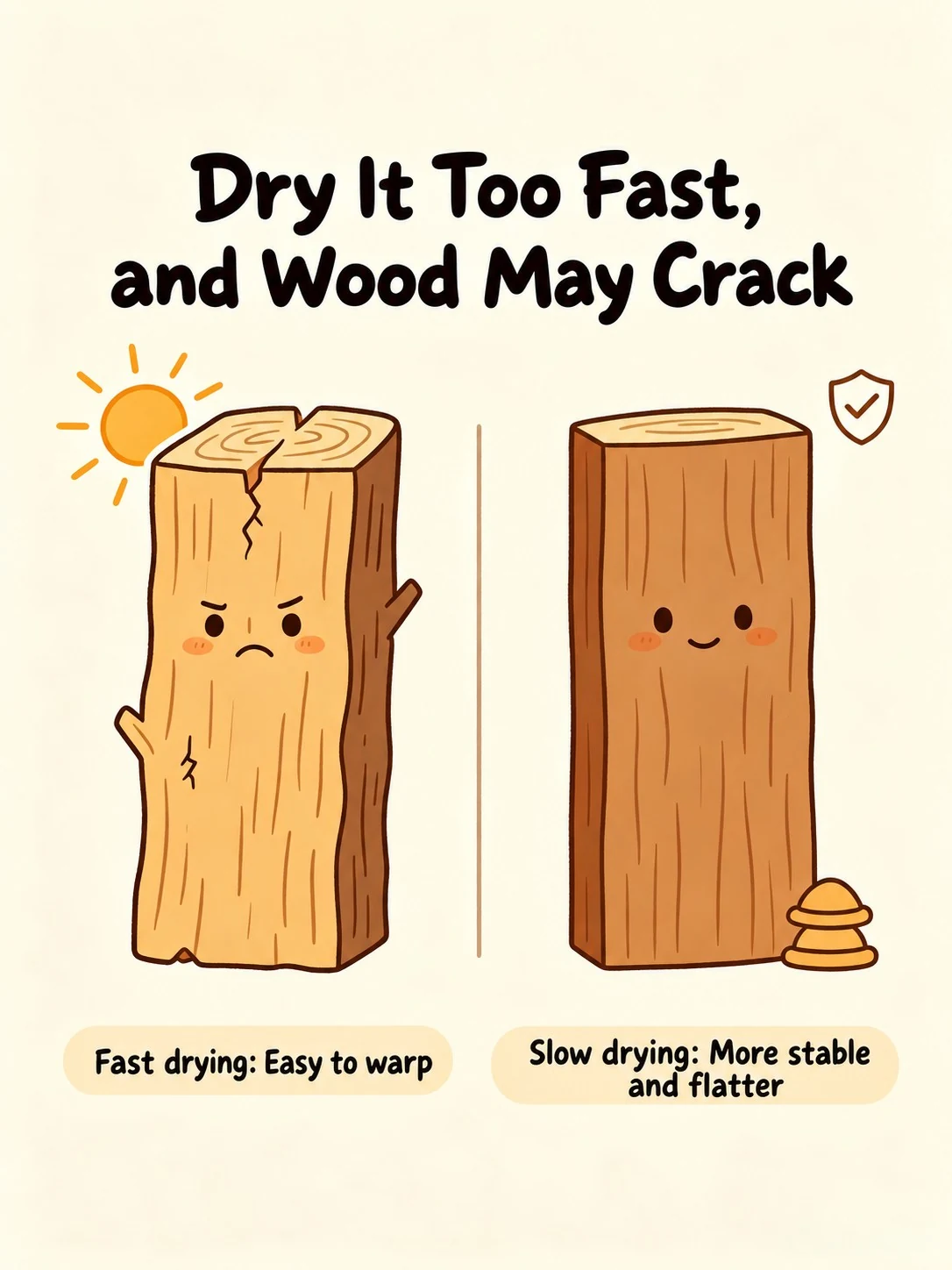
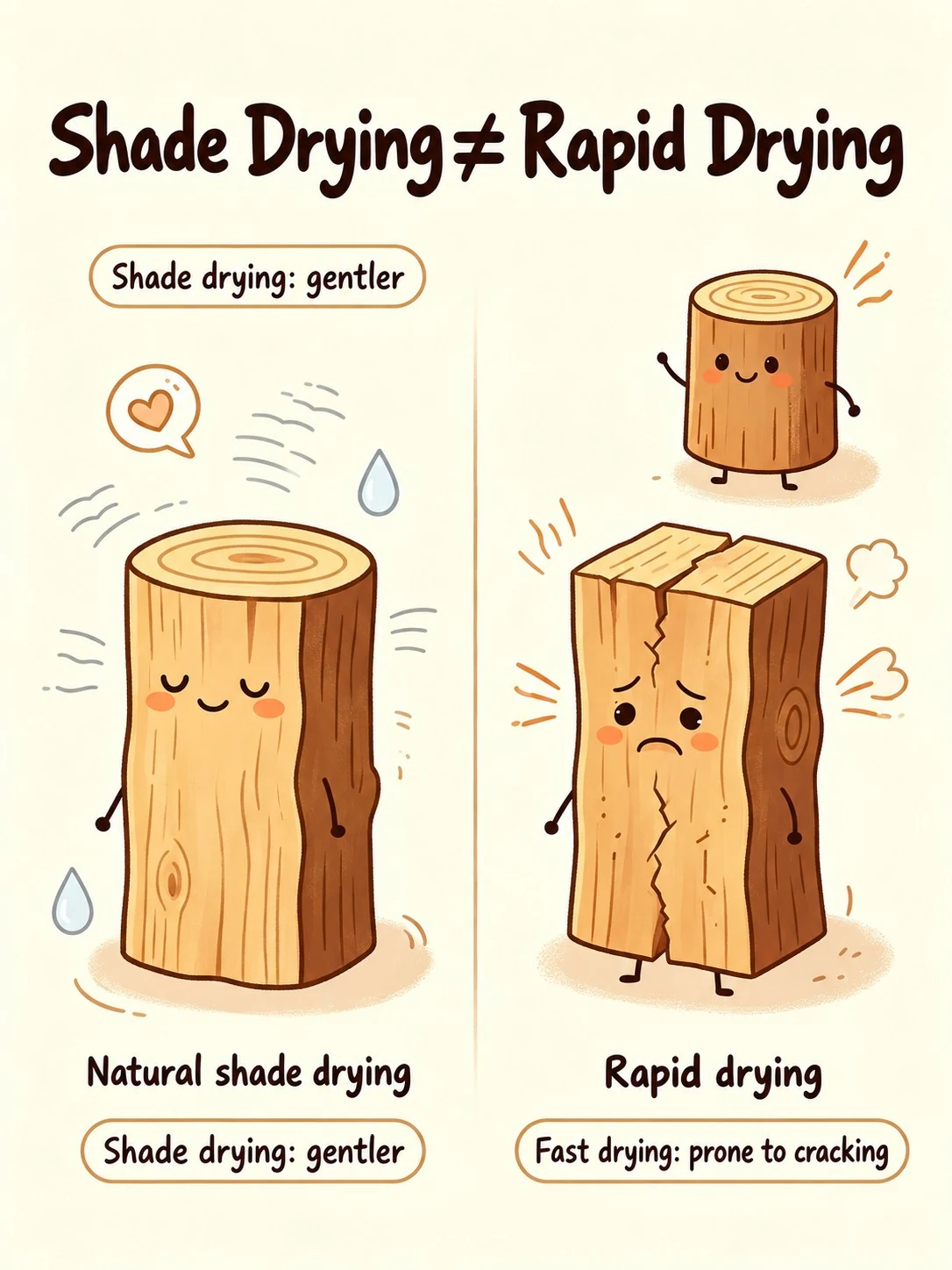
Faster is not automatically better. Severe drying gradients can create surface checks, internal stress, honeycombing or end splitting. Extremely dry furniture can also gain moisture rapidly after entering a more humid environment, creating swelling and compression stress.

4. Equilibrium moisture content: furniture keeps reacting to its climate
Dry wood does not stop interacting with humidity. Given enough time, it moves toward equilibrium moisture content (EMC)—the moisture level at which the wood is in balance with the surrounding temperature and relative humidity.
This is why the same piece can behave differently in Phoenix, Miami, London or Singapore. A factory can hit a technically acceptable number, but if that number is poorly matched to the destination environment, the furniture may still undergo a large moisture swing after delivery.
Think in terms of change, not only a single number
For climate-controlled indoor furniture, high-single-digit moisture levels are common targets, while some production programs work within a broader low-teens range. The correct acceptance window depends on species, section thickness, construction method and expected service environment. The goal is to reduce the moisture change the finished piece must experience after installation.
5. Why quality furniture uses kiln-dried wood
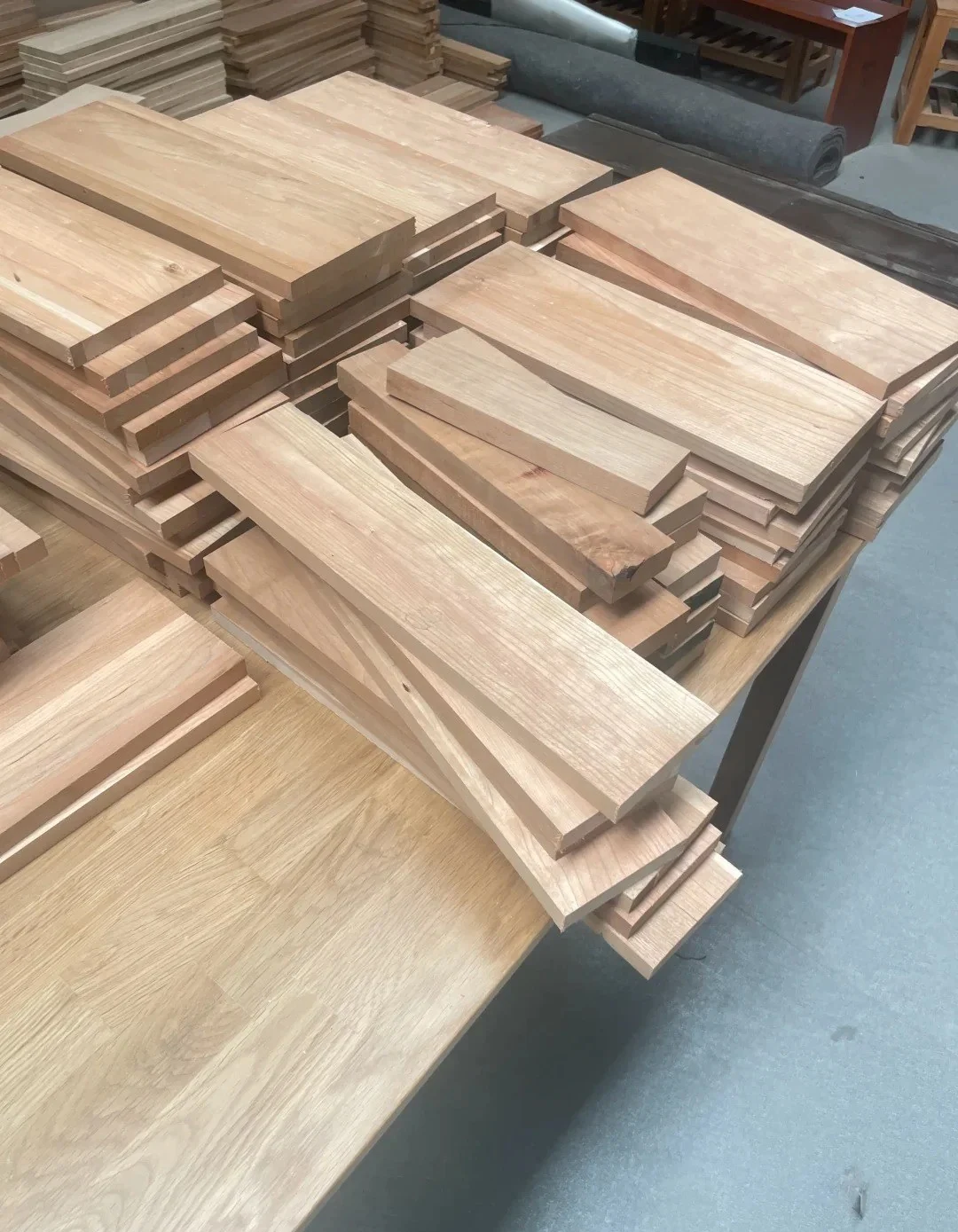
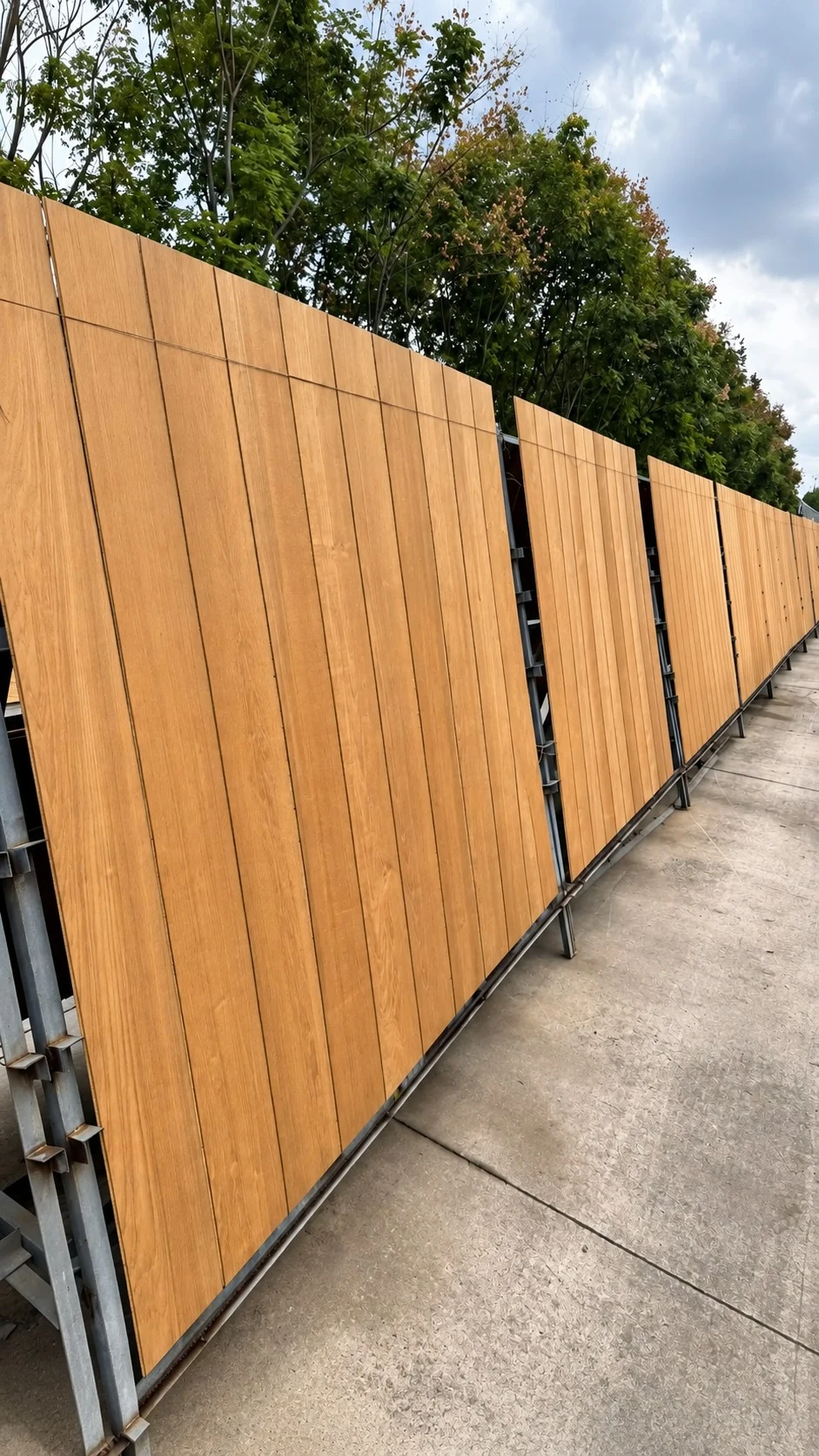
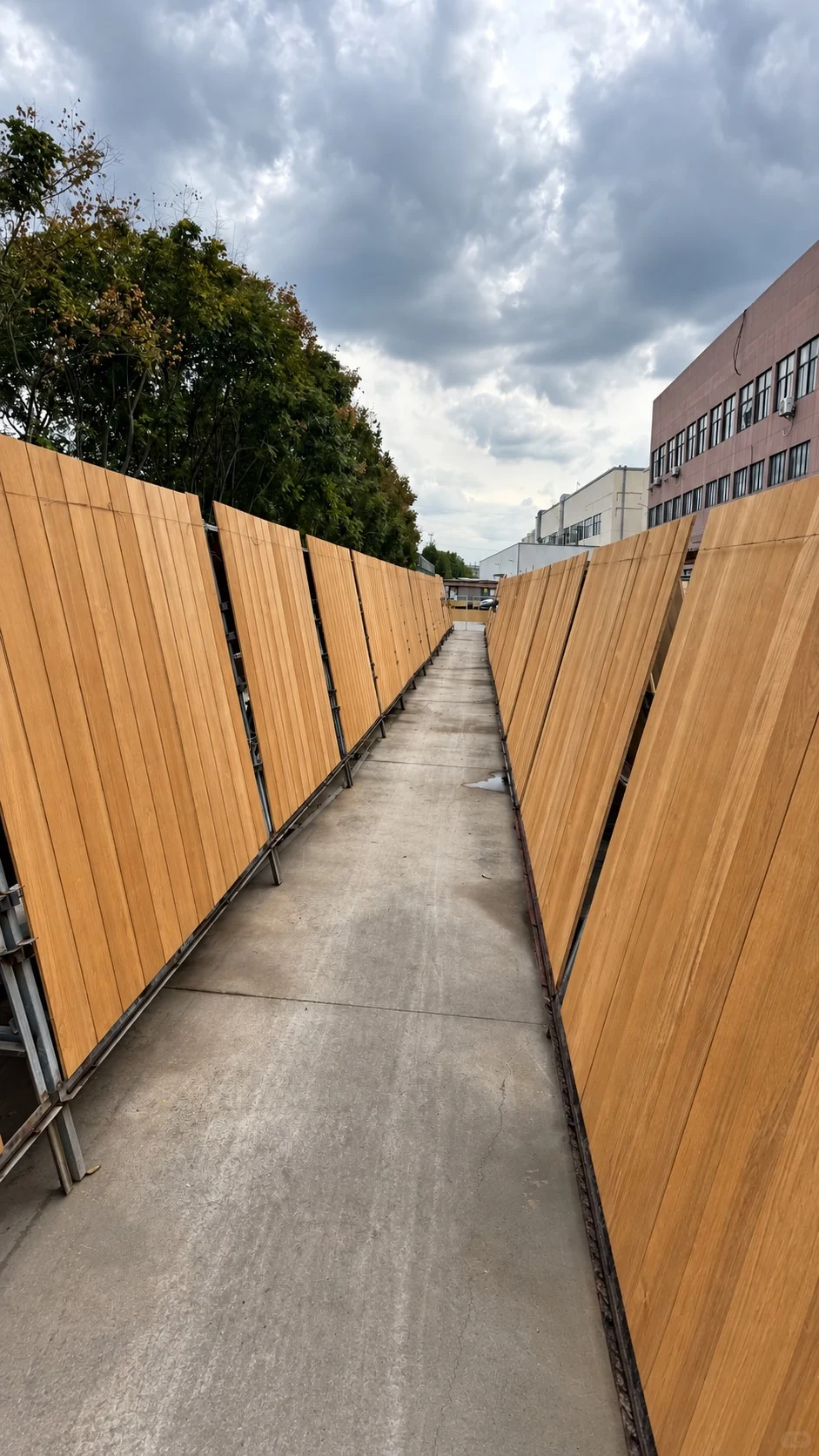
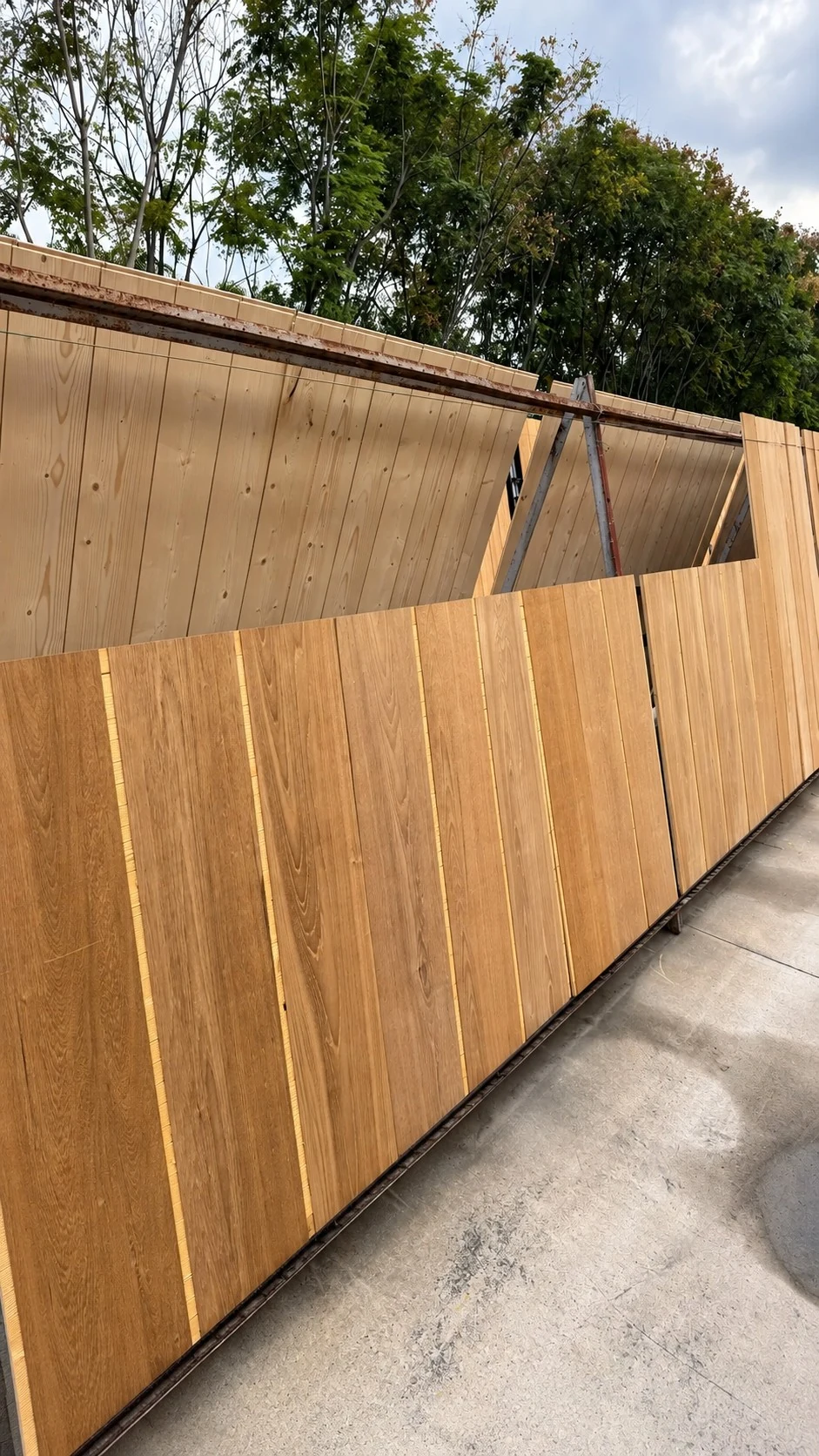
Kiln drying gives a factory controlled conditions that natural air drying cannot reliably provide: regulated temperature, forced airflow, humidity management and a defined schedule. It allows moisture to be removed more predictably across a batch and makes the final result easier to measure.
That does not mean every kiln-dried board is automatically good. A poor schedule can damage valuable timber, and thick sections may still contain a wetter core even when the surface reads dry. Quality comes from the combination of the drying schedule, stacking method, species knowledge, conditioning and final verification.
For custom furniture projects, this logic connects directly to manufacturing and quality control: moisture needs to be verified before dimensions and joinery are locked into the finished product.
A simple visual story: from wet wood to a stable furniture specification
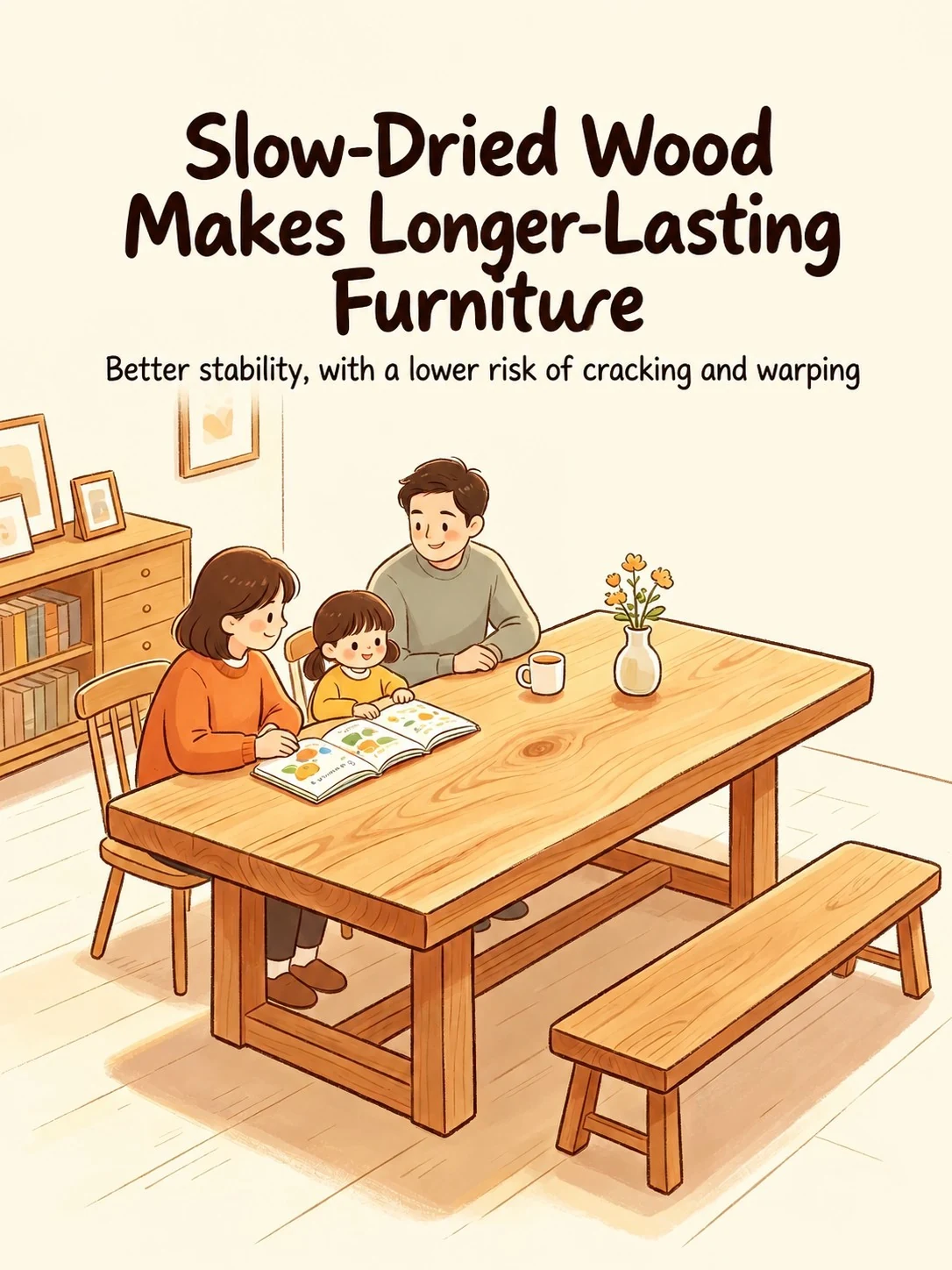
This eight-image sequence is kept as one visual lesson. It starts with wet freshly cut wood, explains slow ventilation and the danger of rapid drying, then ends with the practical questions a buyer should ask before accepting solid wood.




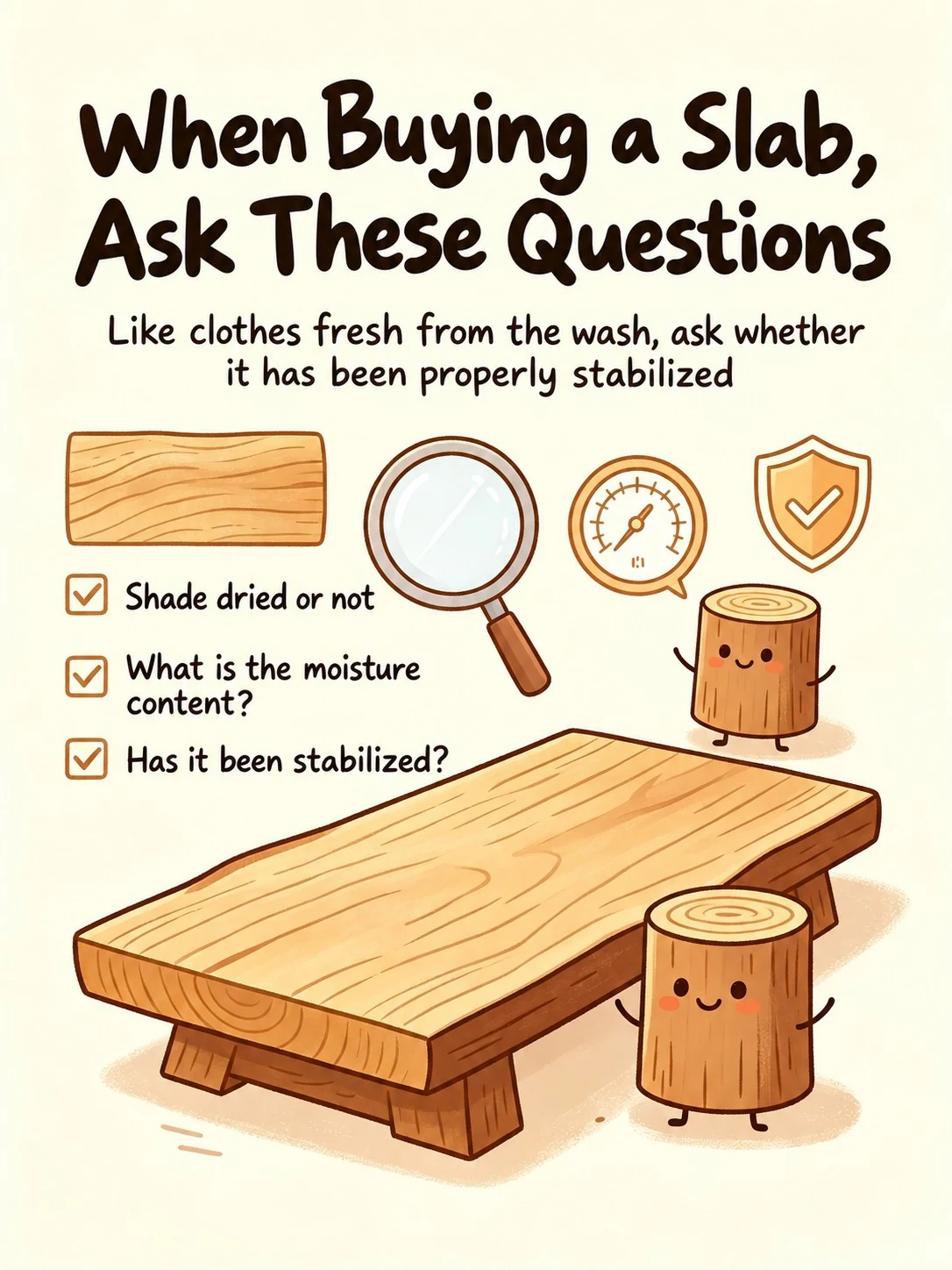
6. The kiln-drying process, step by step
A professional drying cycle is not simply “put timber in a hot room.” The factory is trying to move water from the center of the board to the surface, then from the surface into the air, without creating damaging stress.
Separate by species, thickness and initial condition; record representative moisture readings.
Use aligned spacers and stable supports so air can move around each course of lumber.
Arrange the stack so airflow is balanced rather than short-circuiting around the lumber.
Raise temperature and manage humidity according to species, thickness and current moisture.
Reduce moisture variation and relieve drying stress before machining.
Cool, sample multiple boards and confirm the batch before production begins.
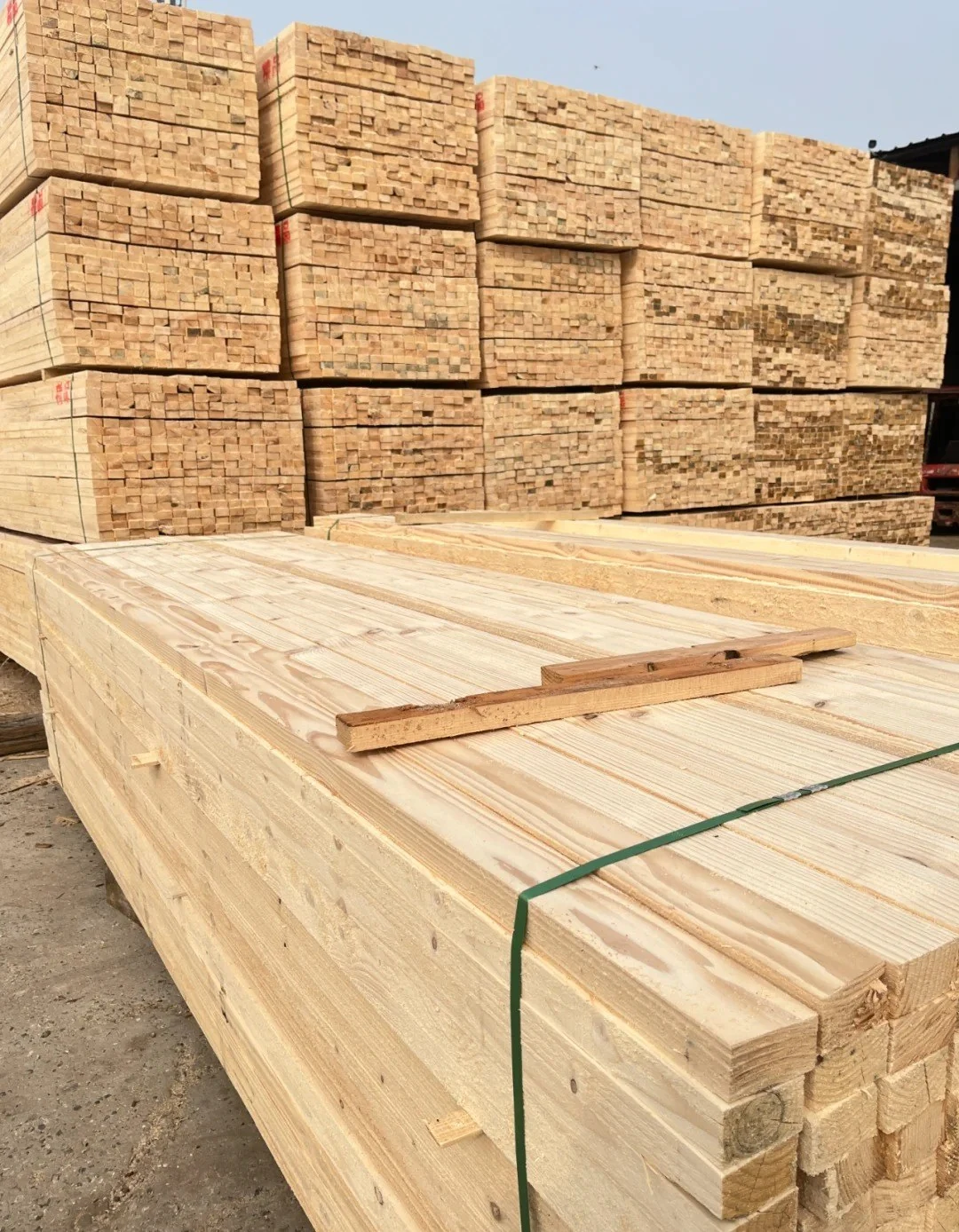
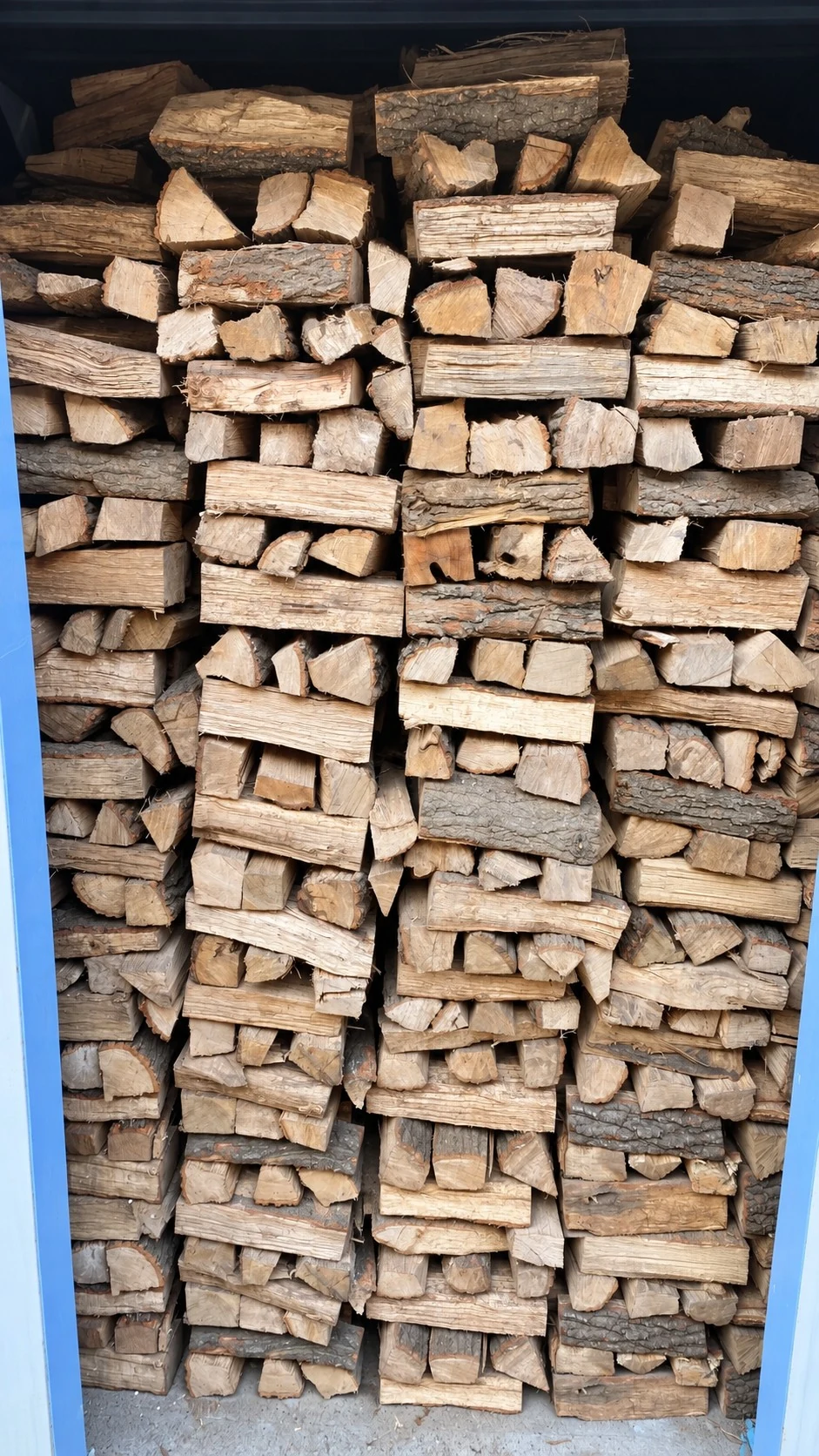
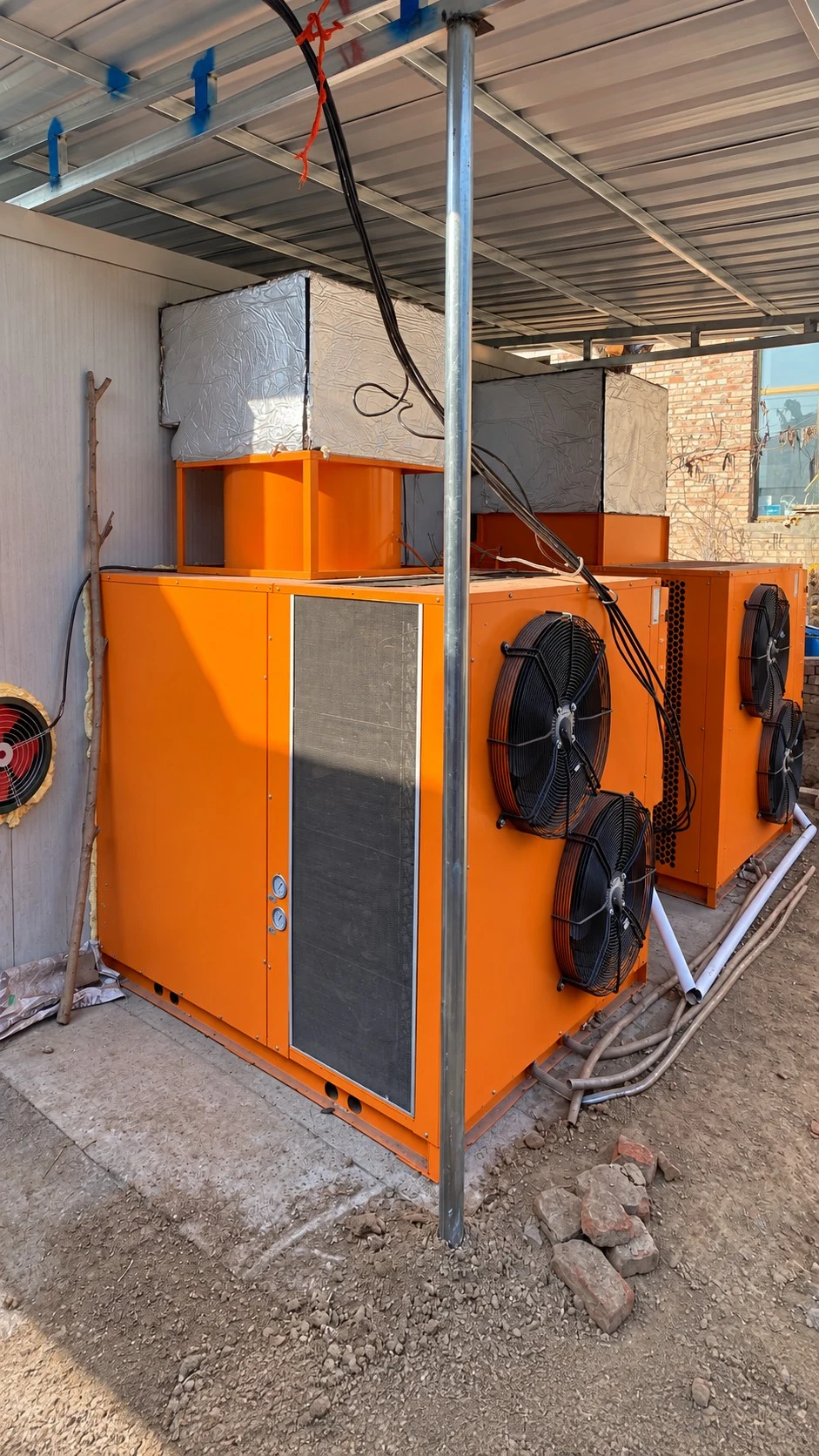
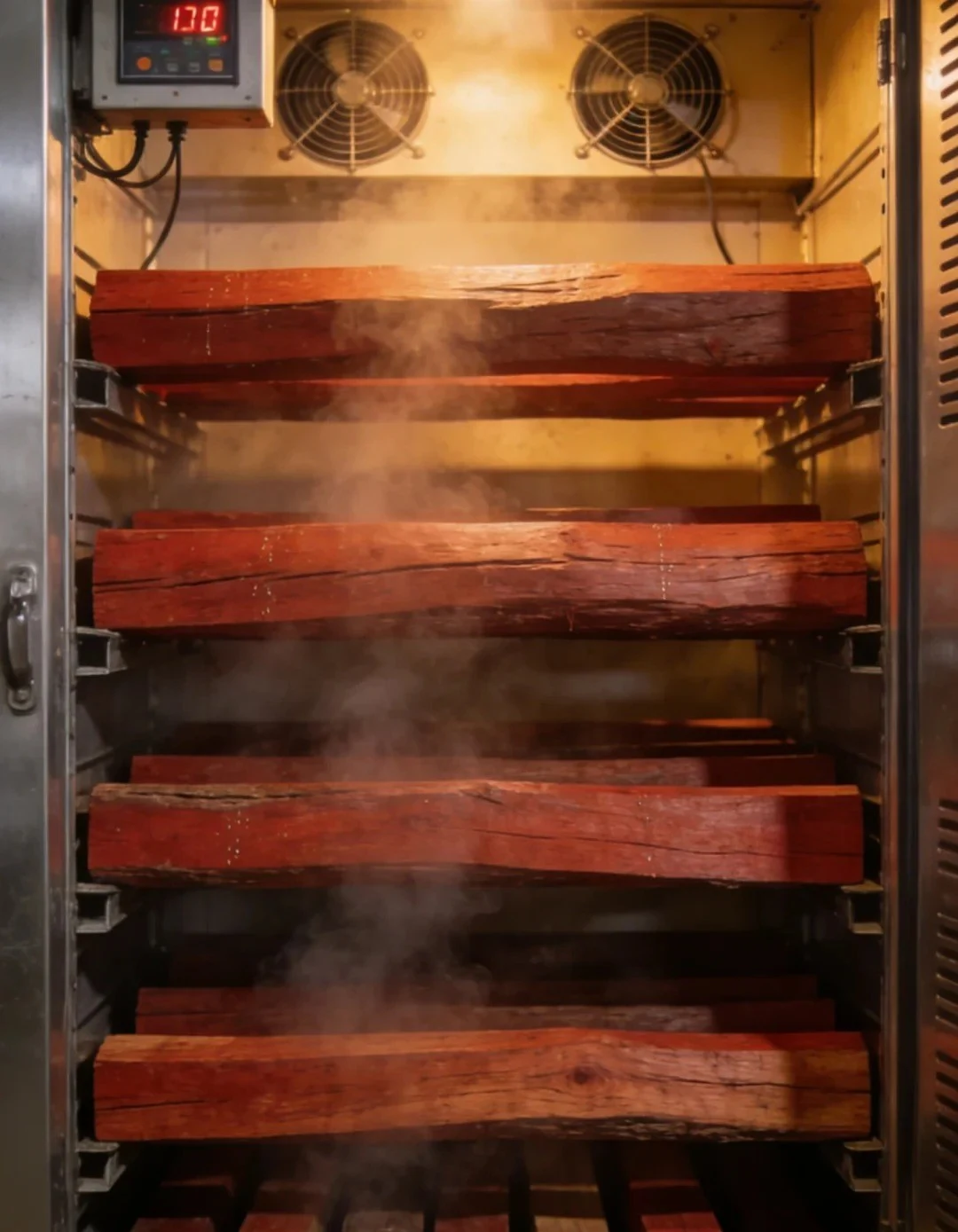
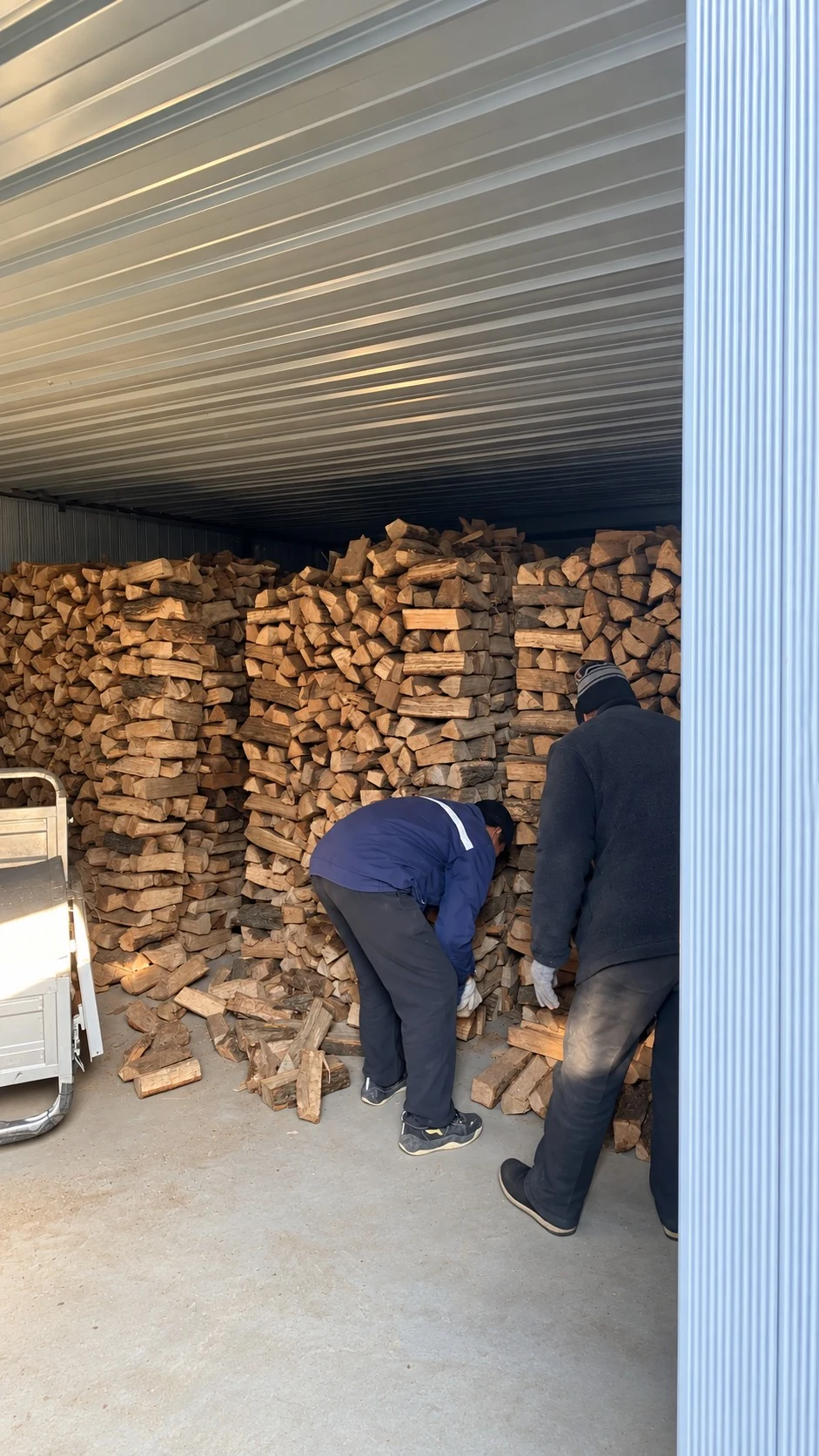
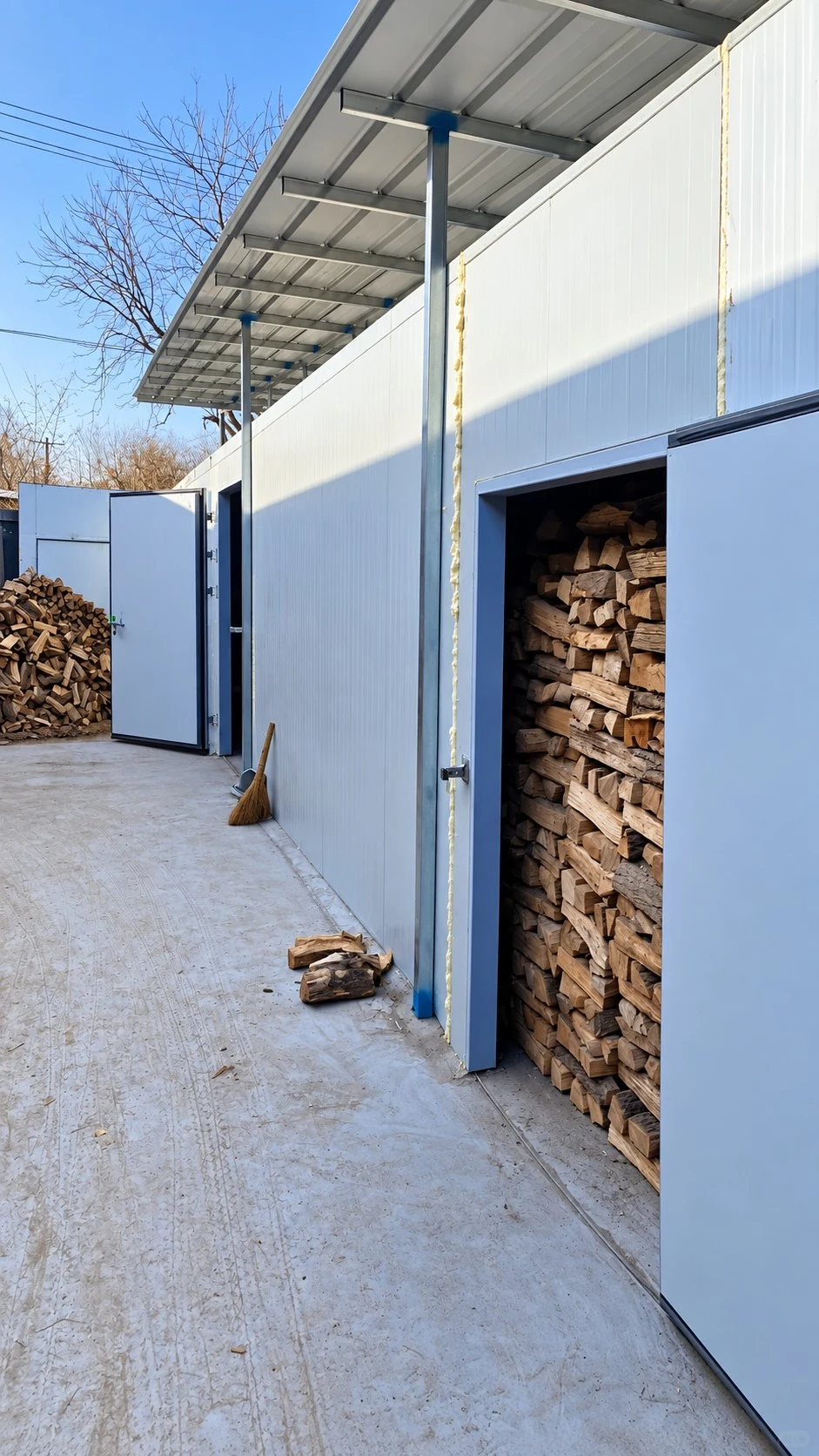
7. Kiln drying, air drying, vacuum drying and high-frequency drying
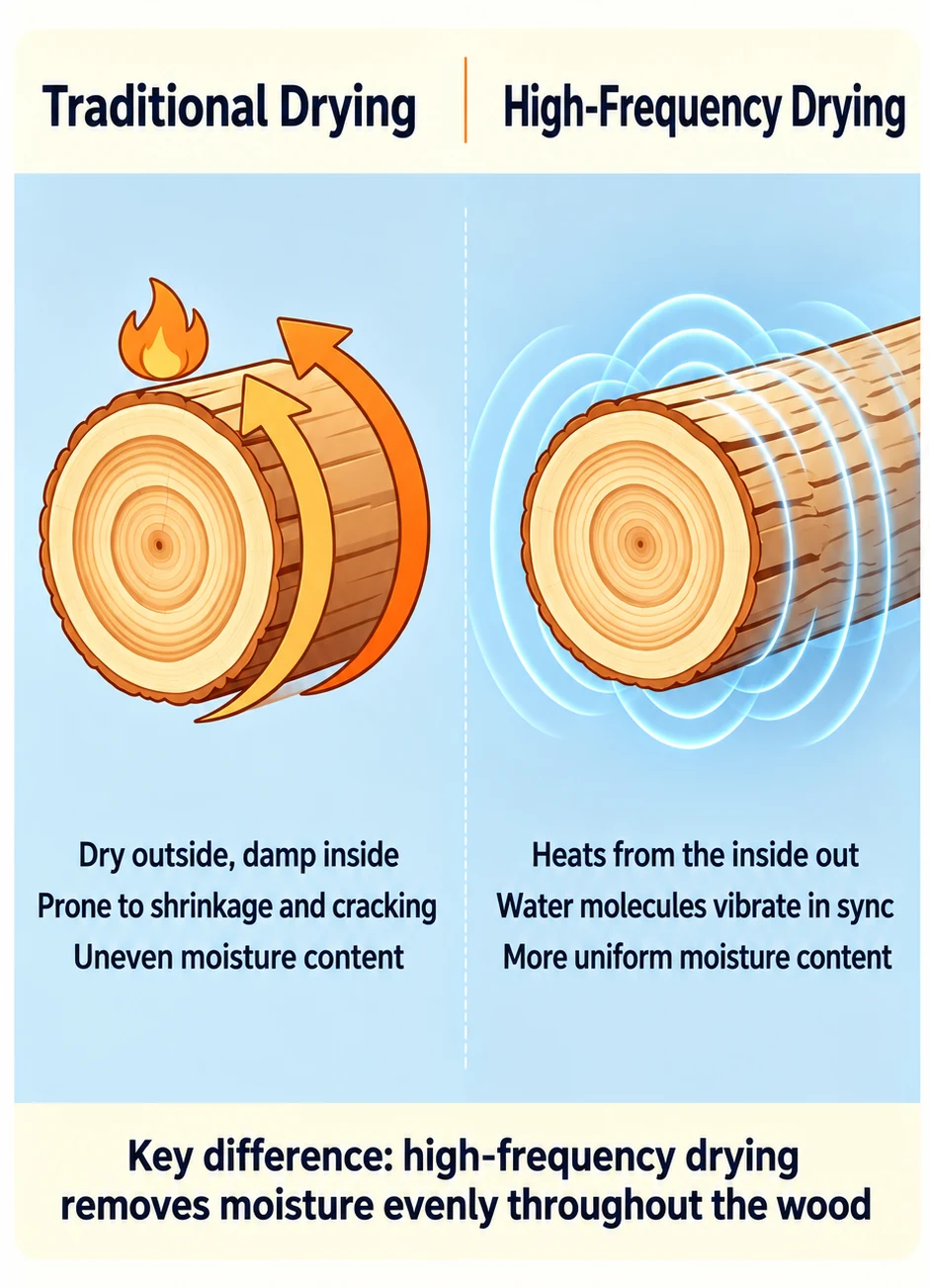
Different drying systems solve different production problems. Conventional kilns remain common because they are practical for batches of standard lumber. Heat-pump systems can recover energy and operate at gentler temperatures. Vacuum and high-frequency systems can shorten drying cycles or help with thick slabs, but they require different equipment and process control.
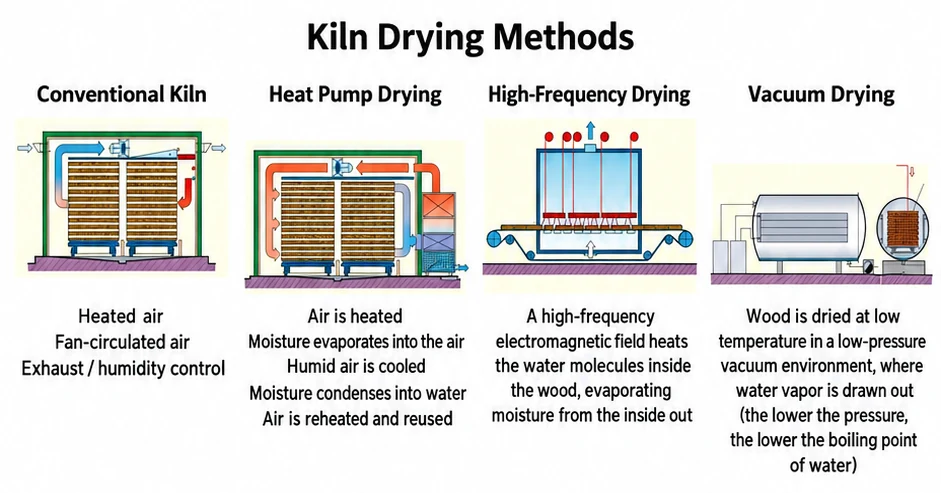


8. How furniture factories measure wood moisture content
A moisture meter turns an invisible variable into a measurable production specification. The most common approaches are pin meters, which measure electrical resistance between probes, and pinless meters, which use an electromagnetic field to estimate moisture below the surface.
One reading is not enough
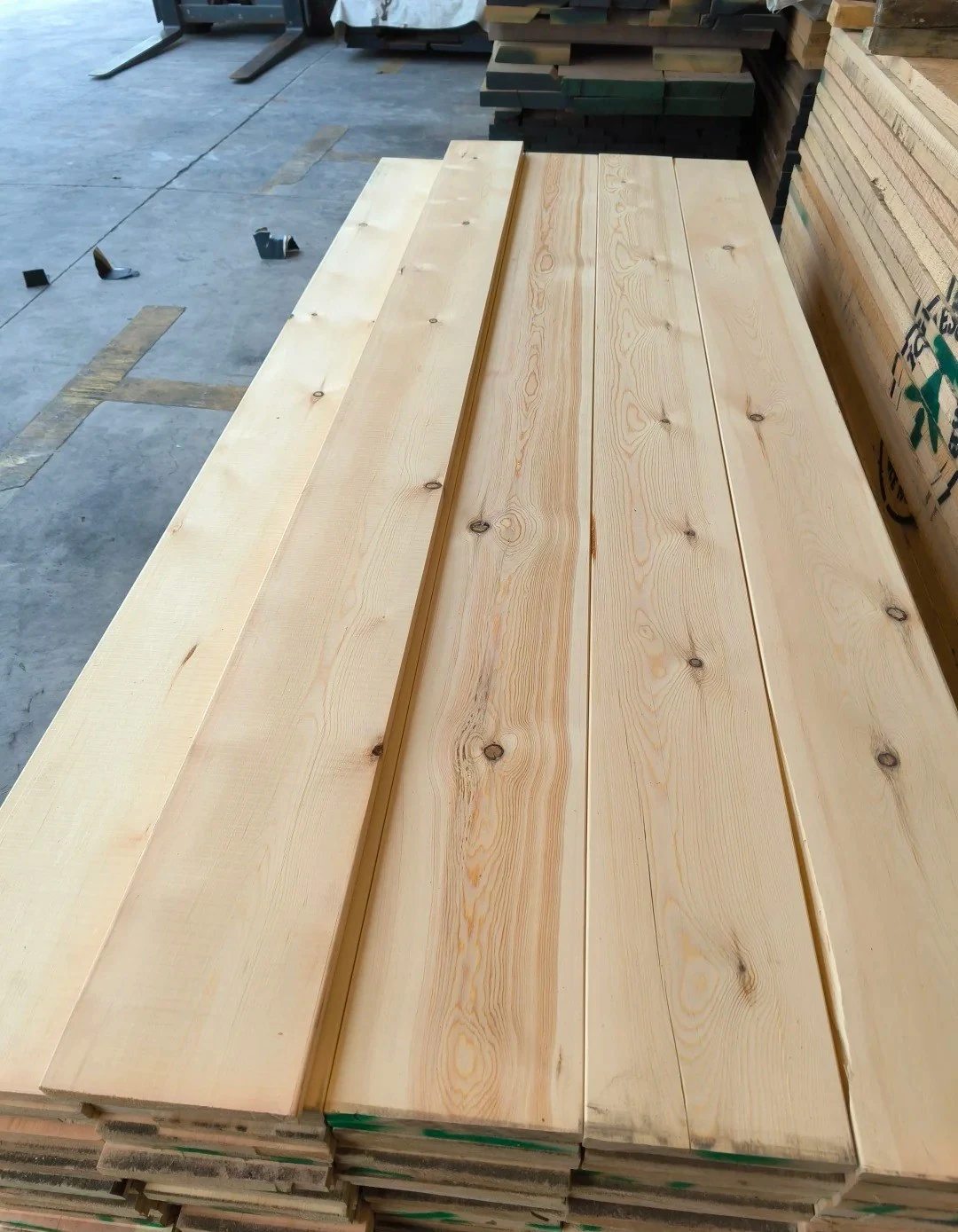
A meaningful factory check samples multiple boards, multiple positions and—when practical—different depths. Thick slabs are especially important because the shell can dry faster than the core. A “good” reading from one exposed surface may not represent the entire board.

9. Moisture-related defects buyers should recognize
Some defects are visible before finishing; others appear after the first seasonal humidity cycle. Knowing the patterns helps buyers distinguish natural variation from preventable process problems.
| Defect | What you see | Common moisture connection | What to check |
|---|---|---|---|
| Checking | Small cracks along the face or ends | Surface dries much faster than the core | Drying rate, end sealing, board thickness |
| Cupping | Board curves across its width | Uneven shrinkage across growth-ring orientation or surfaces | Grain orientation, stacking, moisture gradient |
| Warp/twist | Board will not lie flat or square | Uneven drying plus internal growth stress | Sticker alignment, restraint, grading |
| Open joints | Visible gaps at rails, miters or panel joints | Parts shrink after assembly | MC at machining and assembly |
| Finish lines | Unfinished shadow lines emerge around joints | Components move after finishing | Acclimation and pre-finish stability |
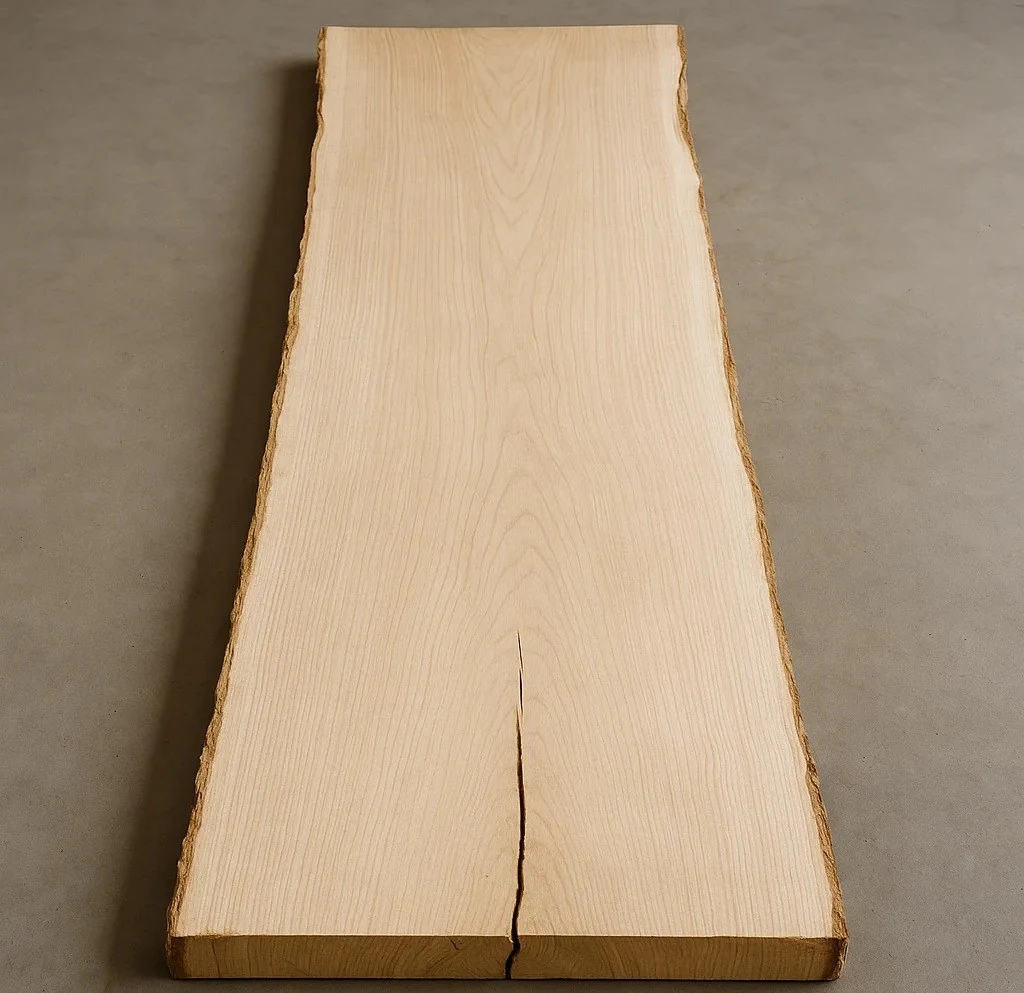
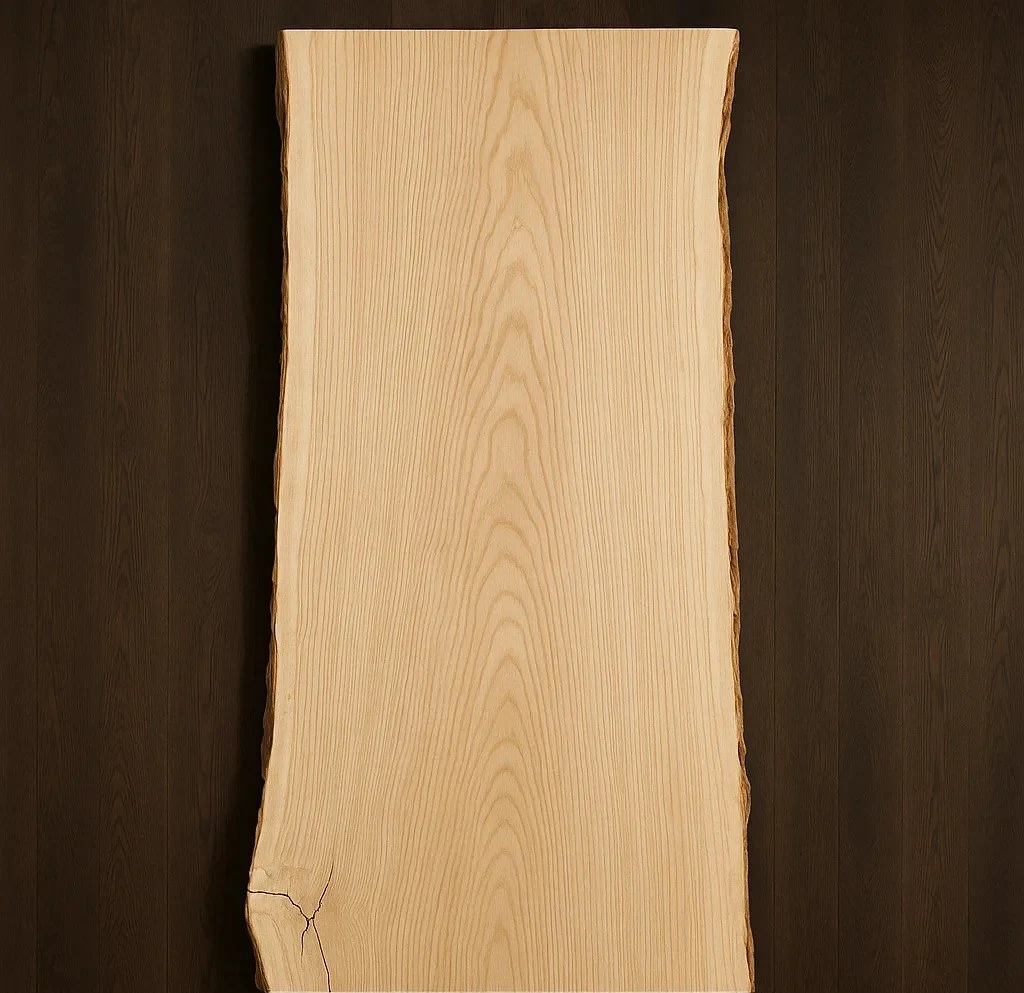
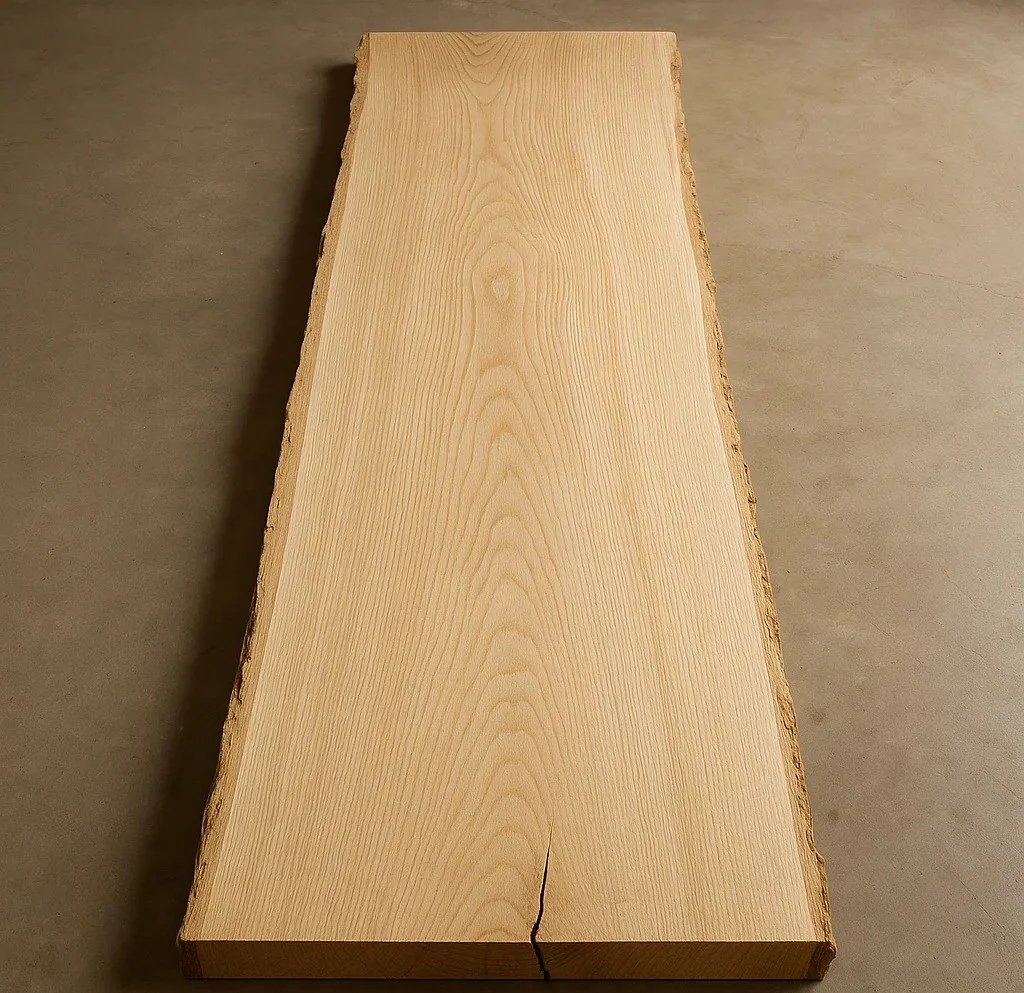
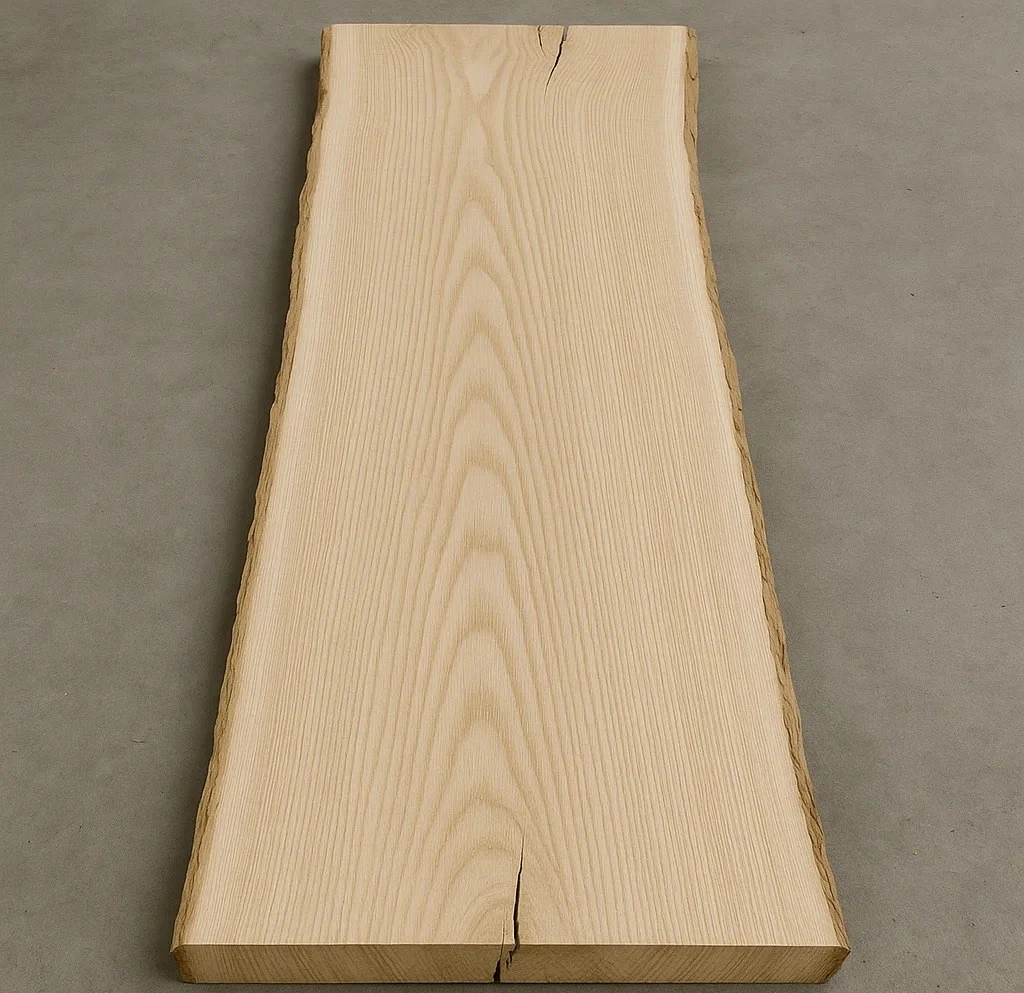
A real visual progression of moisture-related cracking
The following slab photos are kept together as a single defect set so the reader can compare how checks and splits appear in real wood rather than treating each image as an unrelated example.
10. From dry lumber to stable furniture
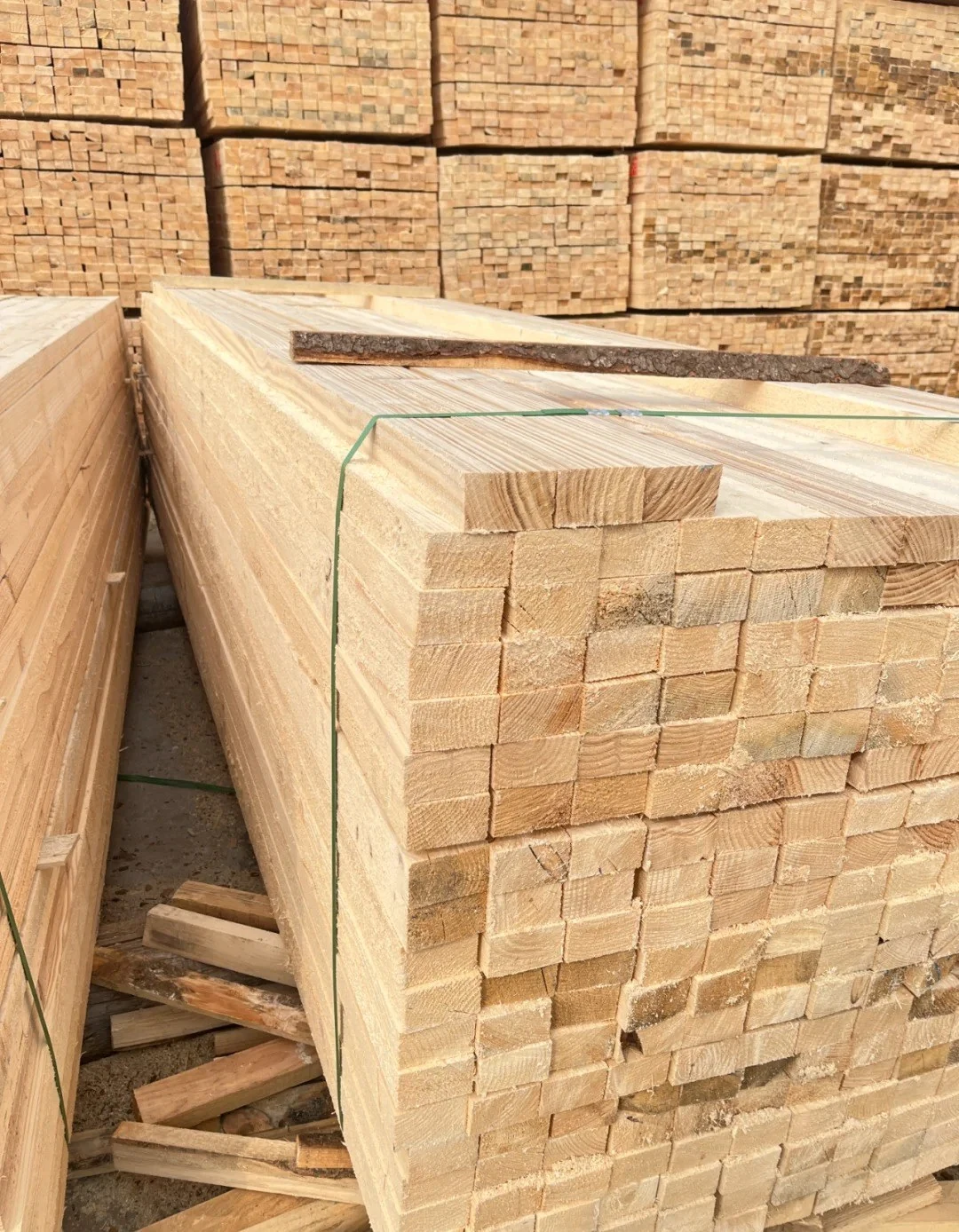
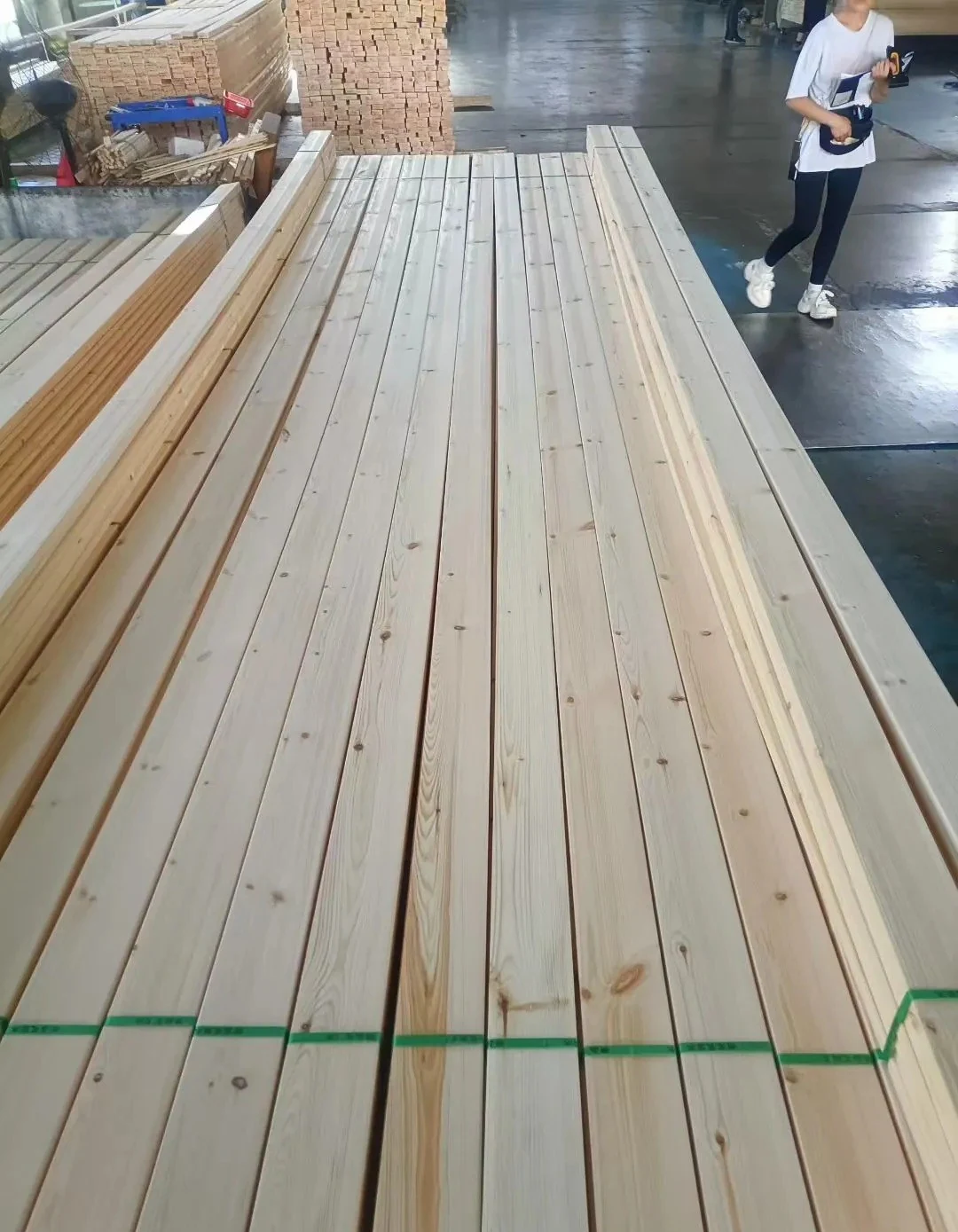
Kiln drying is only one checkpoint. Once timber leaves the kiln, storage, machining, gluing, assembly and finishing can all change the moisture balance. A humid workshop can allow dry stock to regain moisture; machining can expose a wetter core; a wide tabletop can behave differently from a narrow chair rail.
Moisture control should follow the manufacturing sequence
- Incoming material: check batch moisture before accepting the lumber.
- Before machining: confirm acclimation if stock has been stored for a long period.
- Before gluing and assembly: avoid joining parts with large moisture differences.
- Before finishing: confirm panels are flat and stable; finishing should not be used to hide active movement.
- Before packing: inspect critical solid-wood parts again when the project is destined for a very different climate.
This is consistent with Ratahome’s quality-control system, where wood and veneer are checked as material inputs and production is monitored before defects are hidden by later operations.
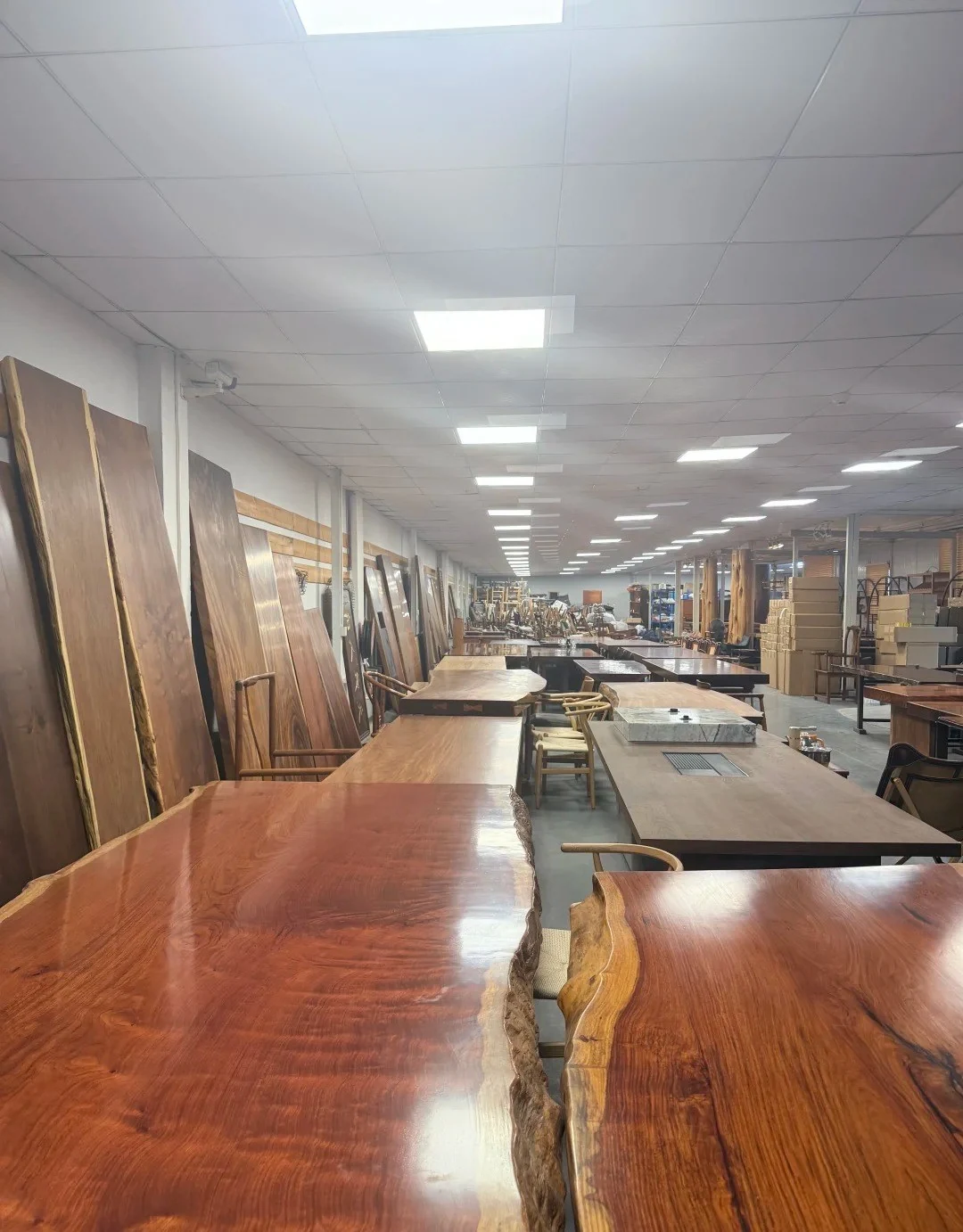
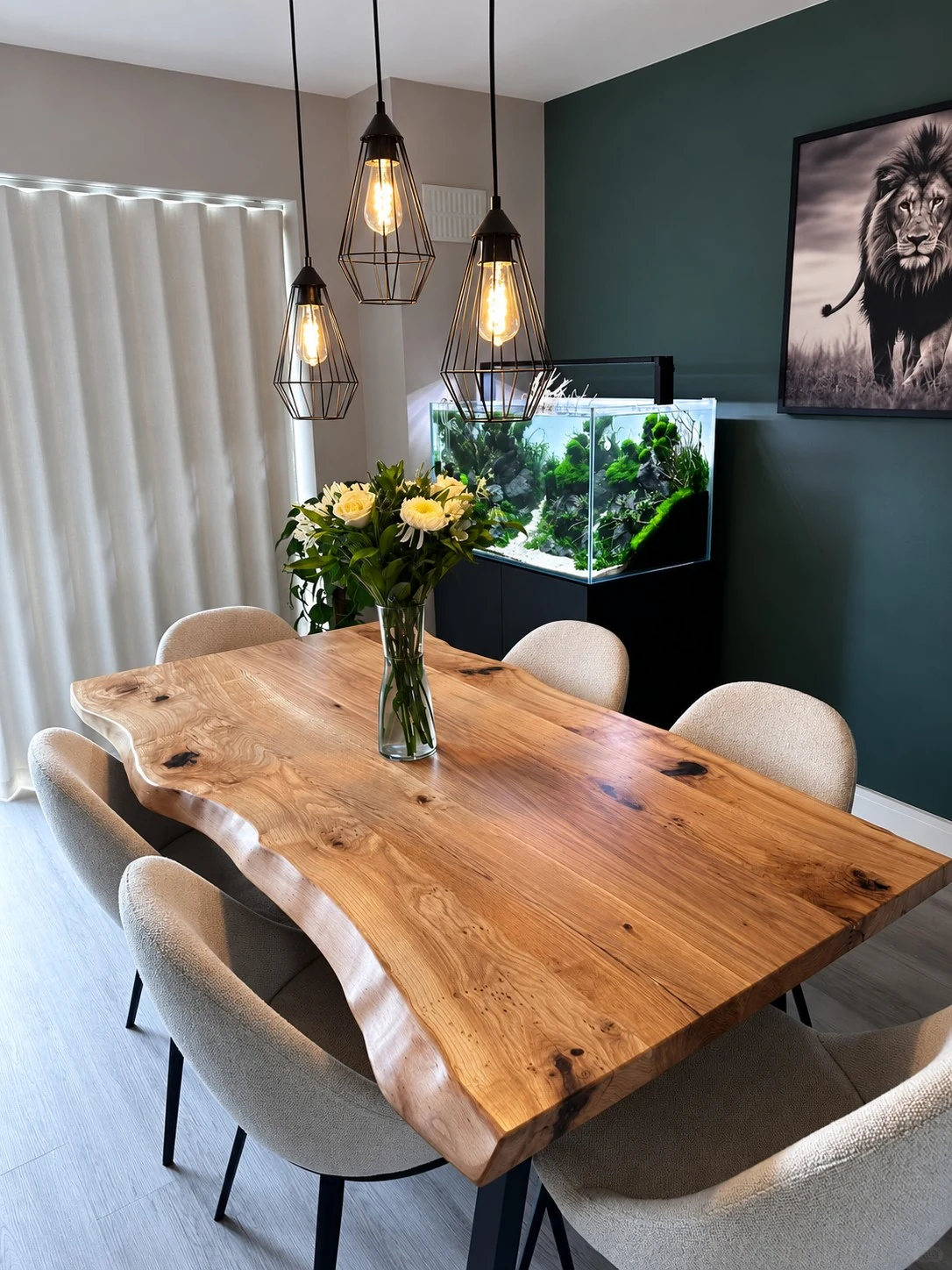
11. How to specify kiln-dried wood in a furniture order
“Use kiln-dried wood” is too vague for a serious custom order. A better specification identifies the material, the expected moisture condition and the construction details that allow normal seasonal movement.
If you are selecting wood species at the same time, use the Ratahome wood species guide. If the wood is being integrated into built-in cabinetry, see custom kitchen cabinetry and manufacturing quality for how materials become approved components.

12. Factory QC checklist for kiln-dried furniture wood
For buyers, the goal is not to run the kiln. It is to make sure the factory can prove that the wood entering production is suitable for the job.
- Exact wood species confirmed
- Board thickness and section size recorded
- Drying method identified
- Target MC range stated
- Meter calibrated/appropriate for species
- Multiple readings across the batch
- Thick stock checked beyond surface only
- Warp, cup, checking and splits inspected
- Stock acclimated before machining
- Wide panels designed for movement
- Final color/finish sample approved
- Pre-shipment inspection documented
Ratahome’s manufacturing capability and quality-control pages show how material inspection fits into the wider chain from drawings to production, final inspection and export packing.
13. Quick FAQ about kiln-dried wood
Is kiln-dried wood always better than air-dried wood?
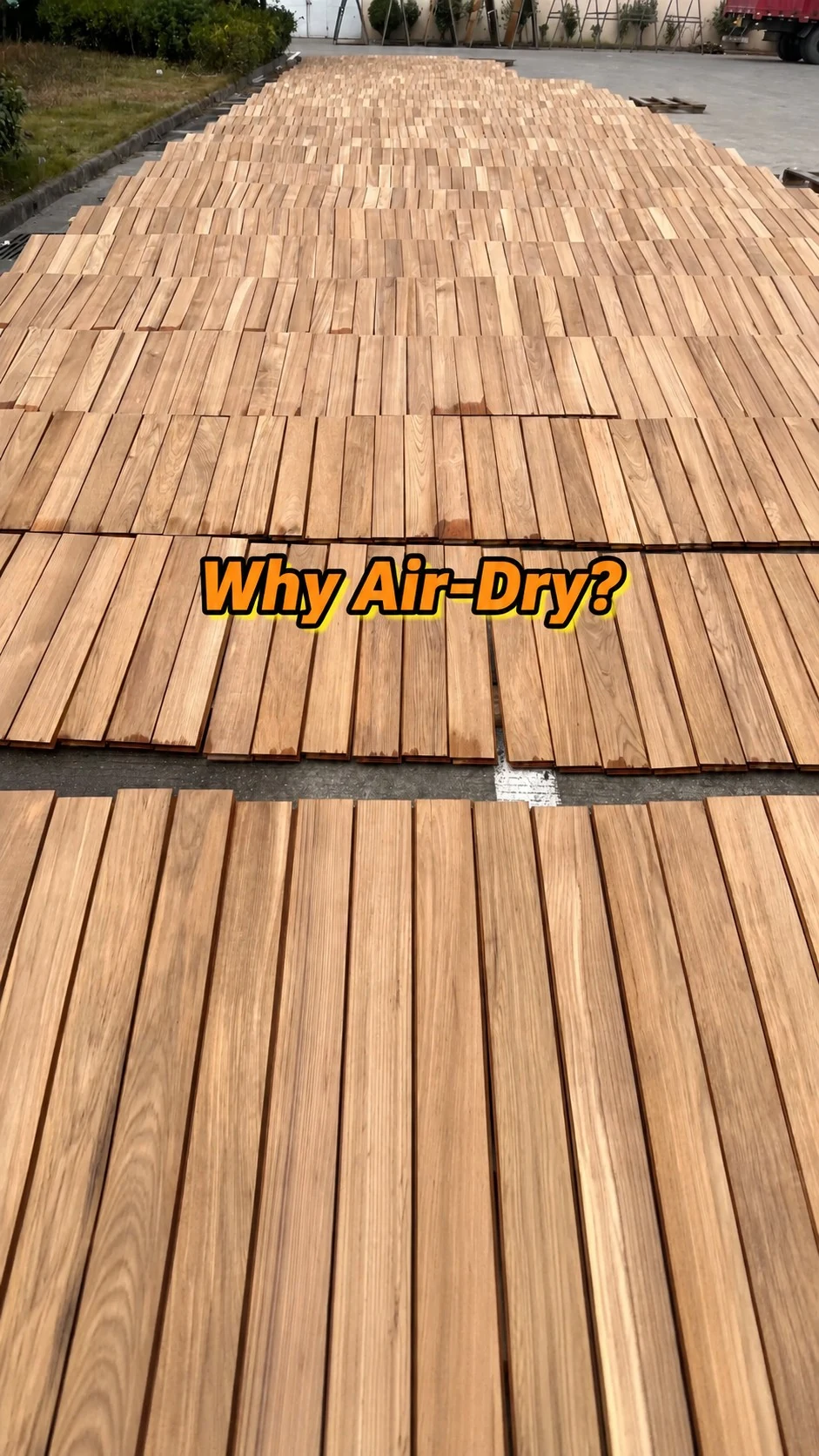
Not automatically. Kiln drying is valuable because it is controllable and measurable, but air-dried wood can also be excellent when properly stacked, protected and allowed enough time. For furniture production, kiln drying is often preferred because the factory can bring stock closer to a defined target on a predictable schedule.
What moisture content is best for indoor furniture?
There is no single global number. Many furniture programs work in the high-single digits to low-teens, but the correct acceptance range should reflect species, component thickness, construction and the humidity of the destination environment.
Can kiln-dried furniture still crack?
Yes. Wood remains hygroscopic after drying. Cracks can still occur if the wood is dried too aggressively, if internal stress remains, if construction traps normal movement, or if the delivered furniture experiences a large humidity change.
Why does a tabletop crack after moving to a new home?
A large change in indoor humidity can make the top shrink or swell. Problems become more likely when the top entered production too wet, when grain direction is poorly managed, or when the base prevents seasonal movement.
Should buyers ask for moisture-meter photos?
For high-value custom furniture, large solid-wood slabs, doors, beds or repeated project quantities, documented readings can be useful. The most important point is that readings represent the batch rather than one convenient board.
Planning solid-wood furniture for a whole-home project?
Share your floor plan, furniture list, preferred wood species and destination city. Ratahome can coordinate material selection, manufacturing, moisture checks, quality control and export-ready delivery as one project.
Start Your ProjectRead the Wood Guide