In brief: a successful coastal home is not about filling rooms with obvious seaside objects. It begins with light, breathable planning and a restrained palette of white, sand, driftwood and layered blues. Then it adds natural textures, easy furniture shapes and just enough detail to feel warm rather than empty.
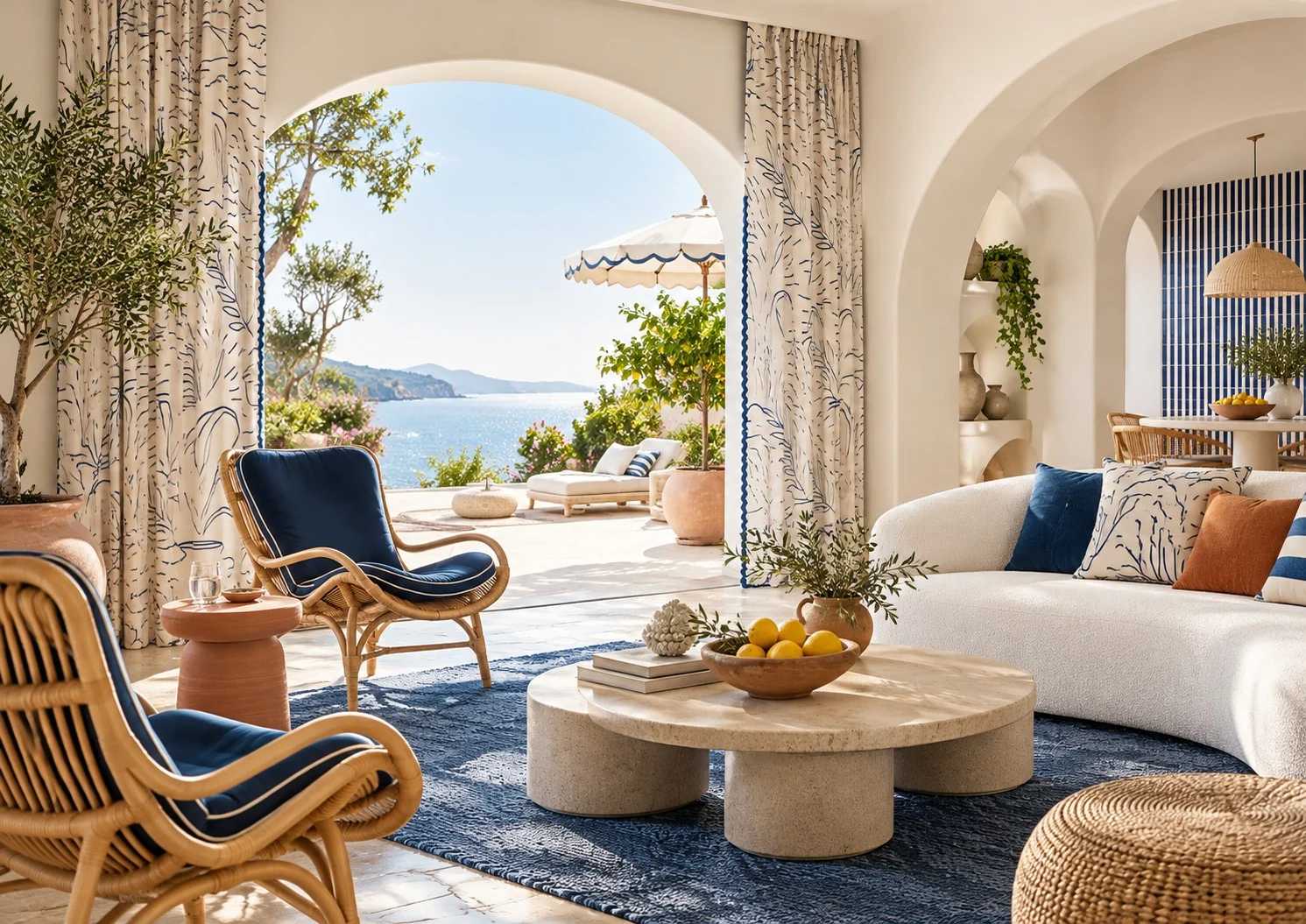
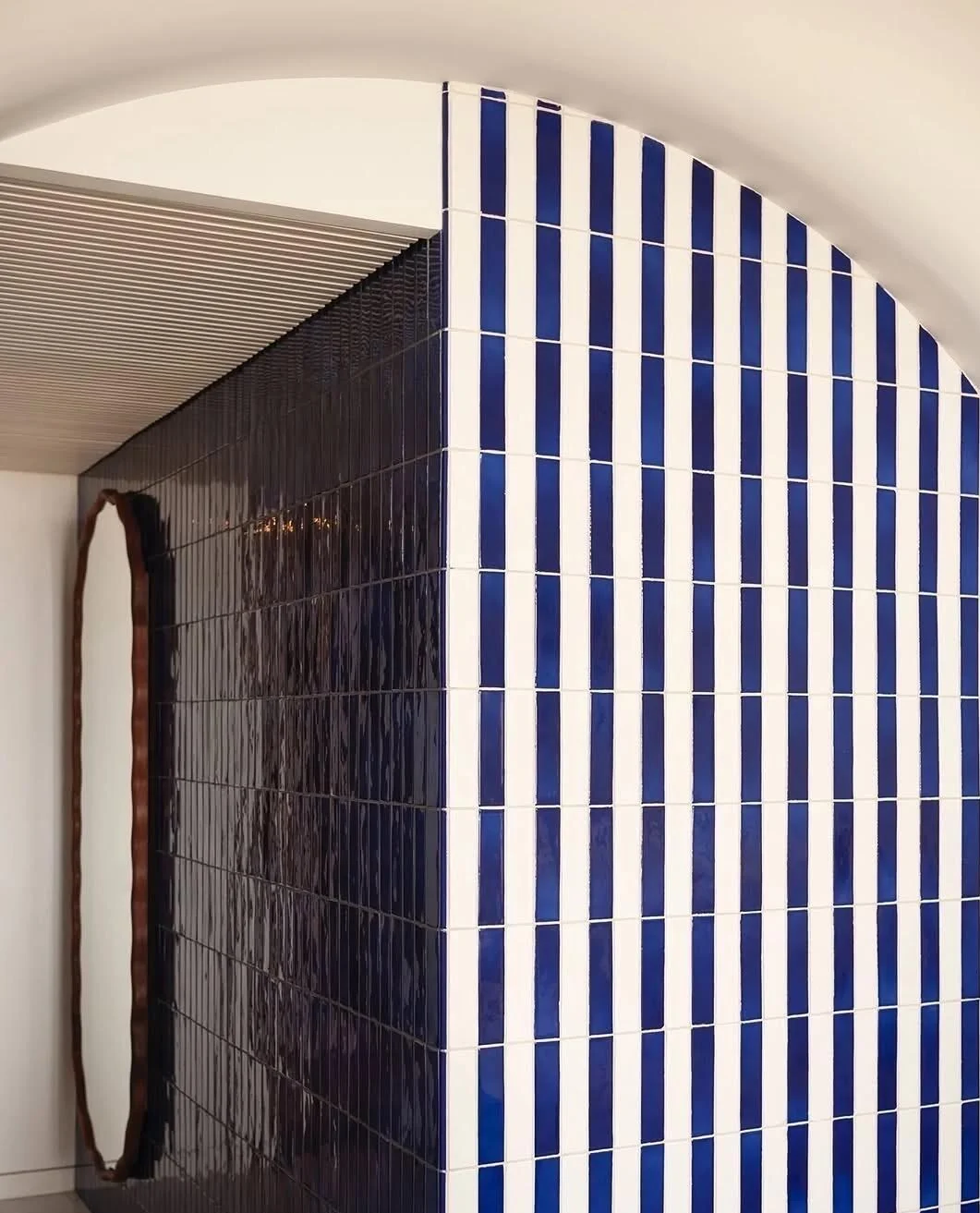
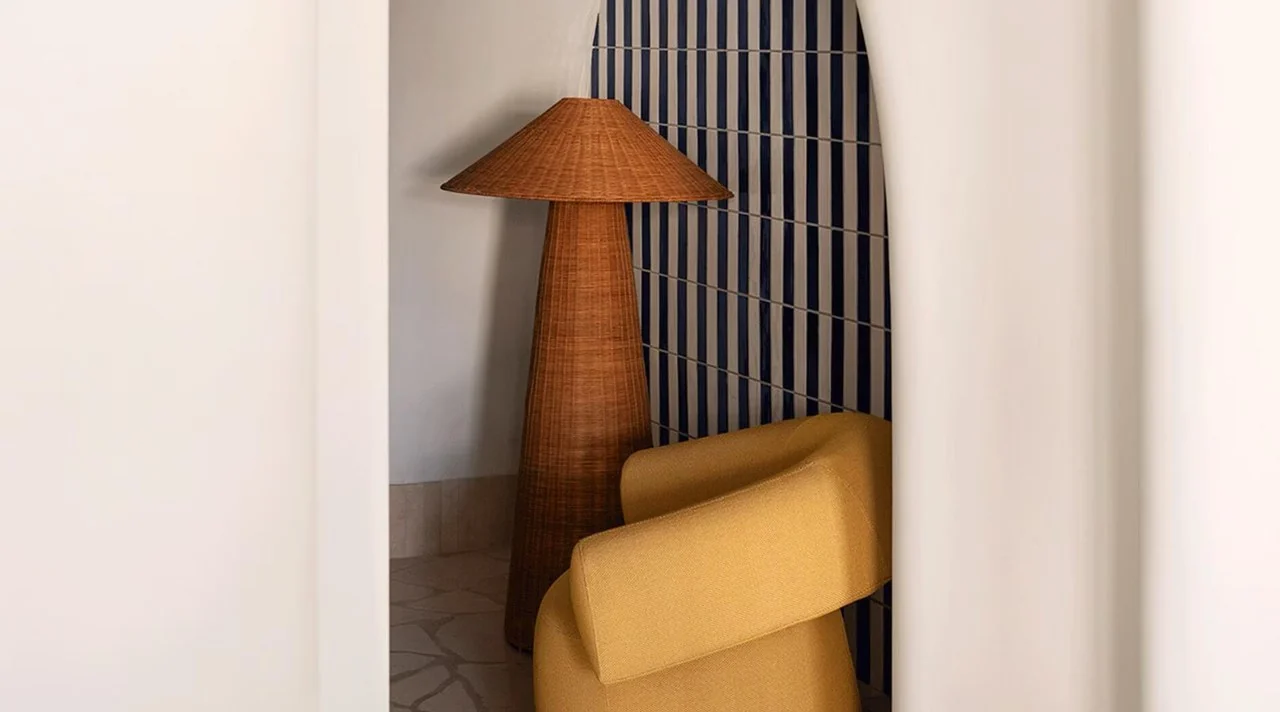
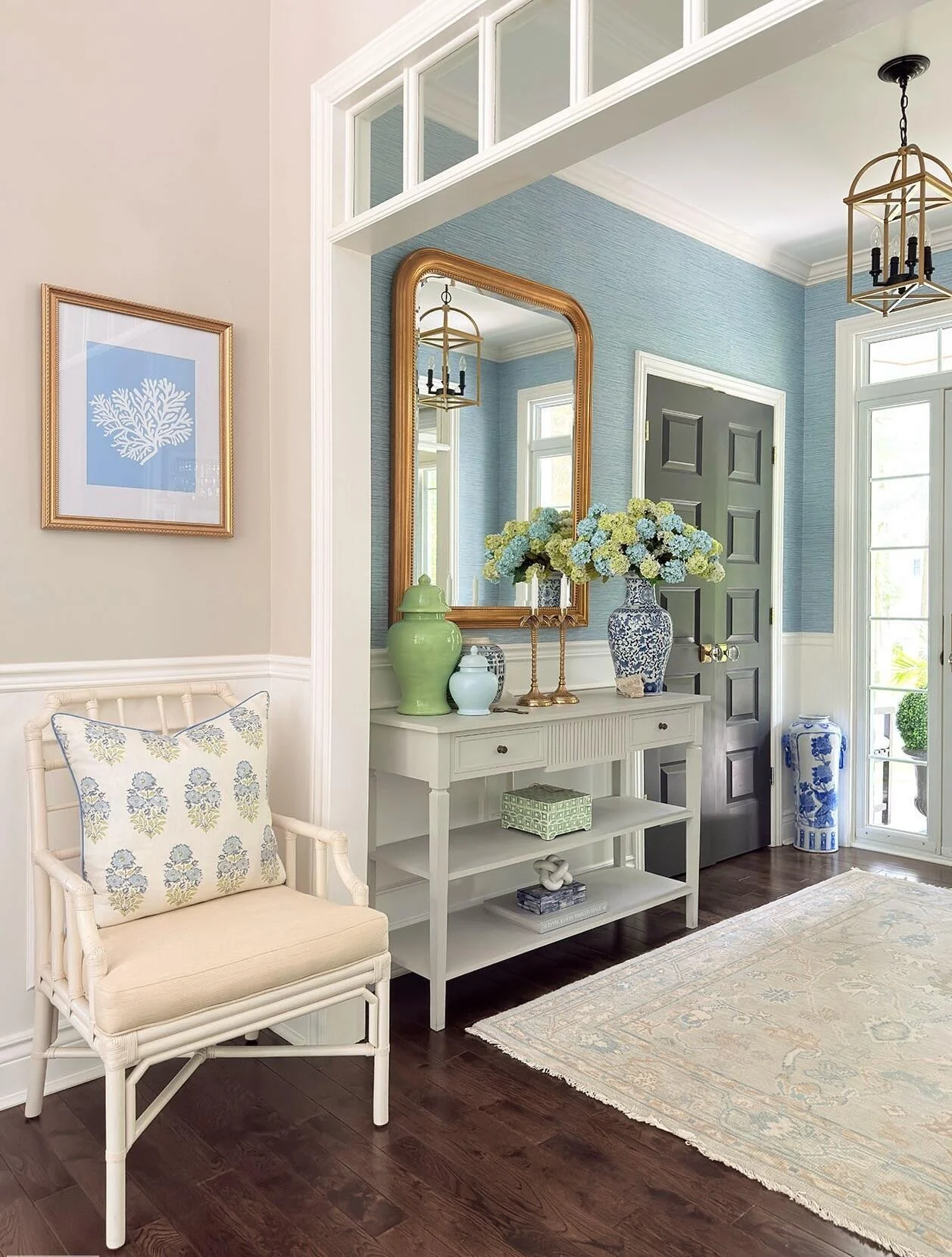
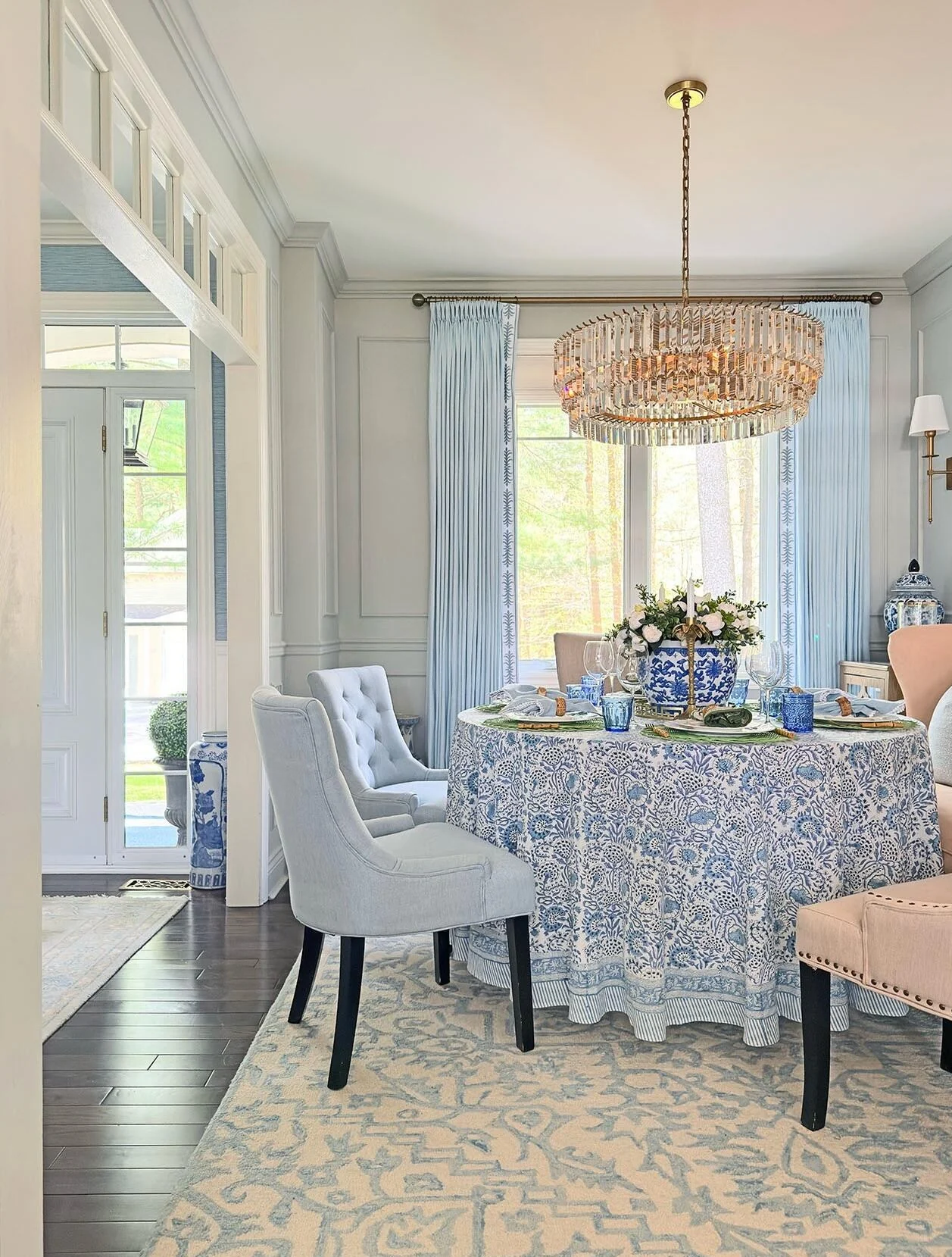
Coastal design can move in different directions. Some homes feel classic and polished with blue-and-white upholstery, painted millwork and light timber floors. Others lean Mediterranean, with plaster arches, woven seating, patterned drapery and a stronger indoor-outdoor relationship. The common thread is not a single product style—it is a mood: open, relaxed, bright and connected to nature.
Looking for furniture that matches your room dimensions and finish palette? Explore Ratahome furniture collections or send your floor plan for coordinated sourcing and specification.
What defines coastal interior design?
At its best, coastal style translates the emotional experience of a shoreline into a livable interior. Instead of copying boats, ropes or novelty beach graphics, it uses architectural clarity, softened daylight, tactile natural materials and colors that feel sun-washed rather than loud. Rooms should feel lighter when you enter them—visually and mentally.
A coastal room usually has three clear qualities: a bright foundation, a breathable furniture layout and a palette that references nature without becoming theatrical. That is why the style works well in both full homes and individual rooms such as living areas, bedrooms or vacation-property lounges.
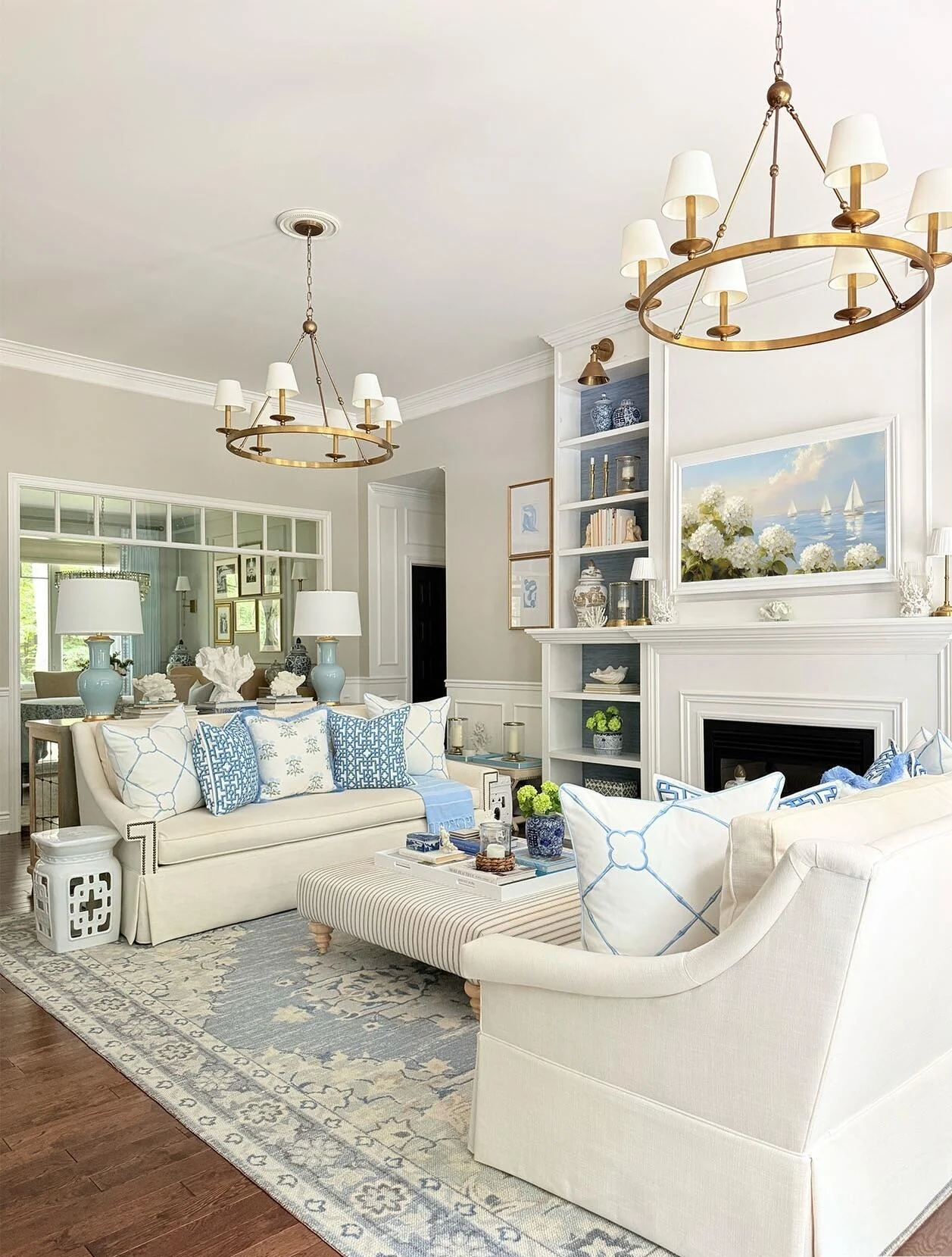
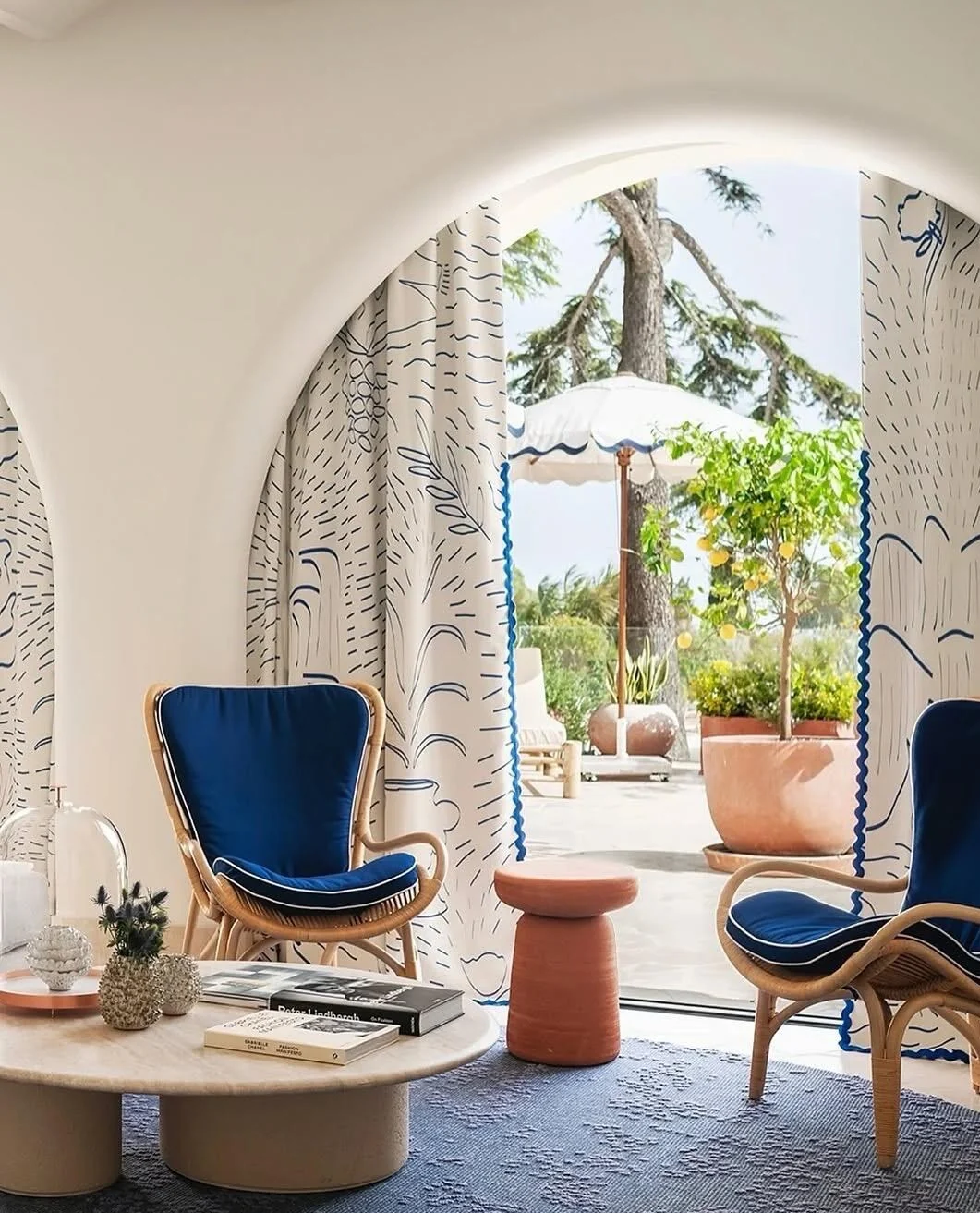
The coastal color system: calm first, contrast second
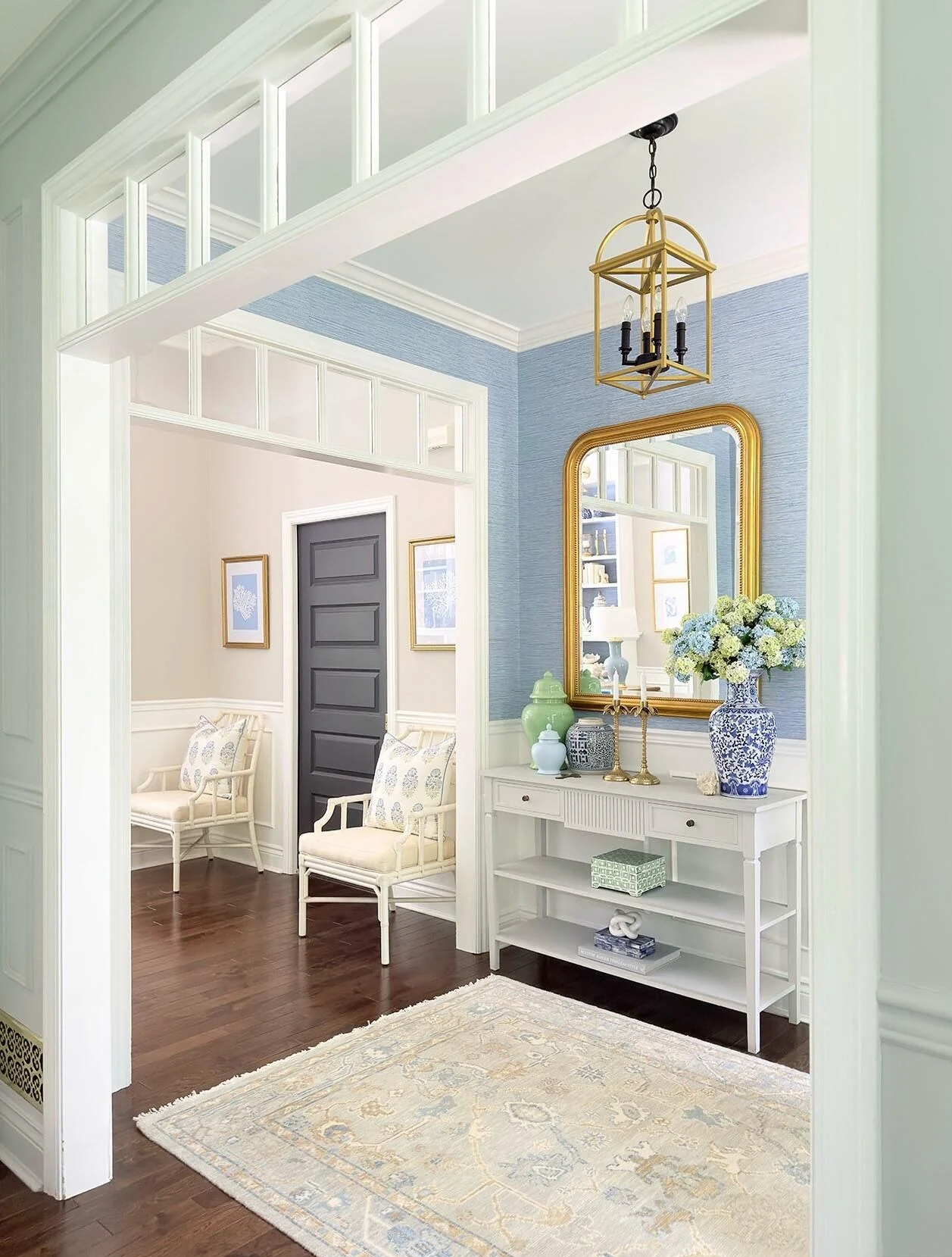
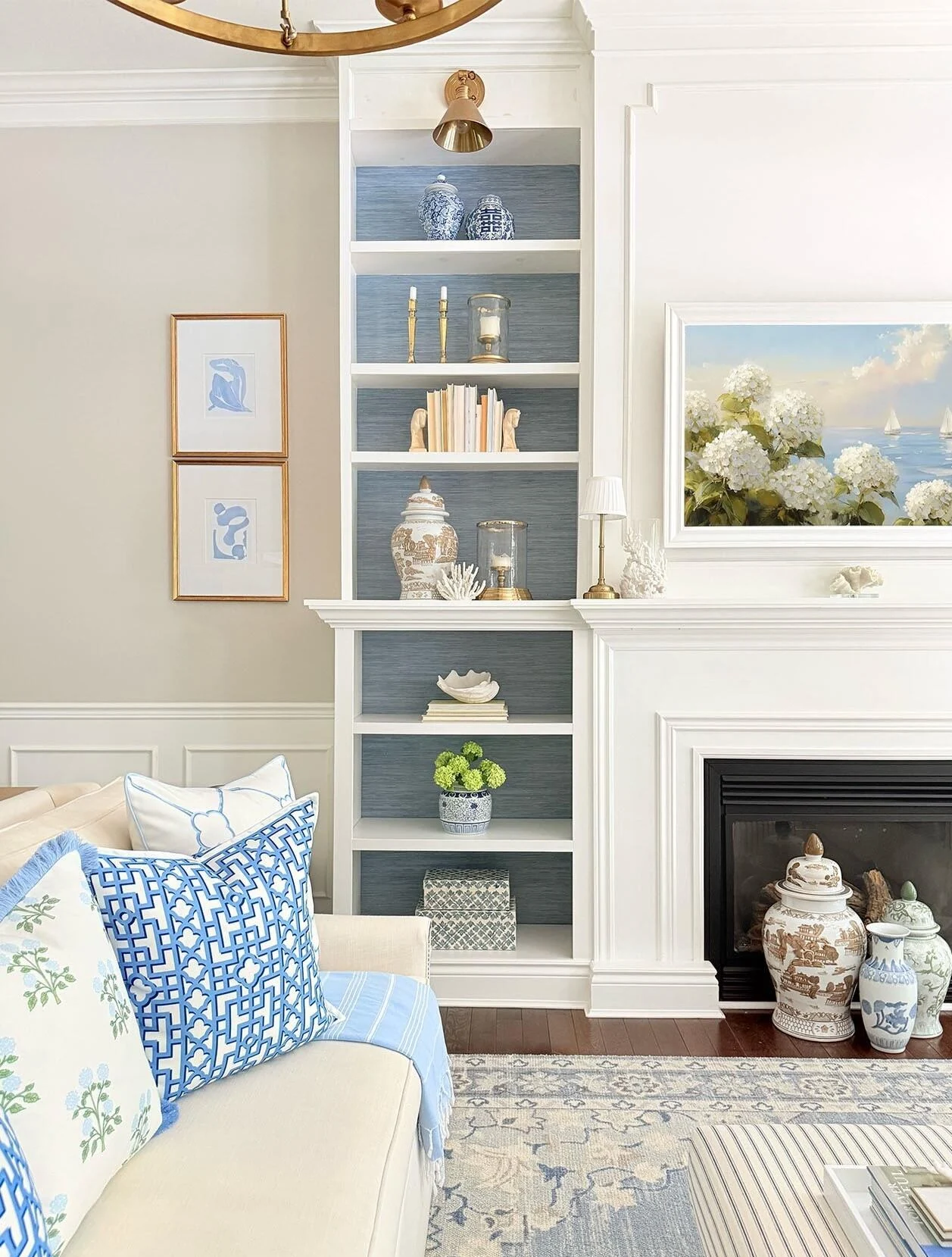
Color restraint is one of the easiest ways to make coastal interiors look timeless. A useful starting structure is 60% quiet base, 30% transition tones and 10% accents. For the base, think white, ivory, shell, pale sand or soft beige. These colors reflect daylight and make layered textures more visible. For the middle layer, use light oak, driftwood gray, stone, powder blue or muted sea-glass green. The accent layer can then introduce navy, cobalt, charcoal, terracotta or a deeper botanical green.
The purpose of the palette is balance. If every textile is bright blue, the room becomes repetitive. If every surface is white, the room can become flat. A better result comes from letting neutrals dominate, allowing wood and natural fibers to warm the middle range, and using stronger blue only where it provides rhythm and focus.
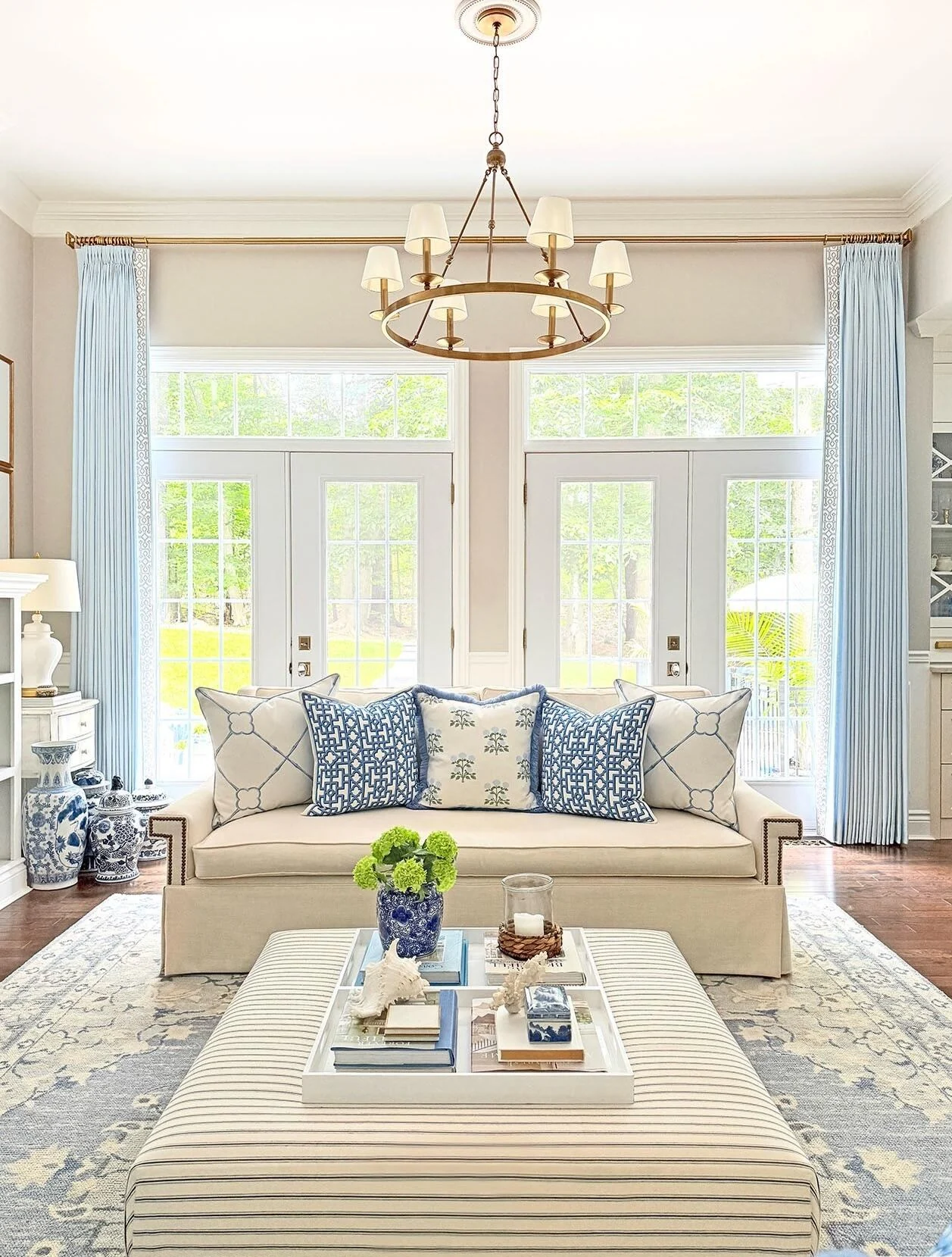
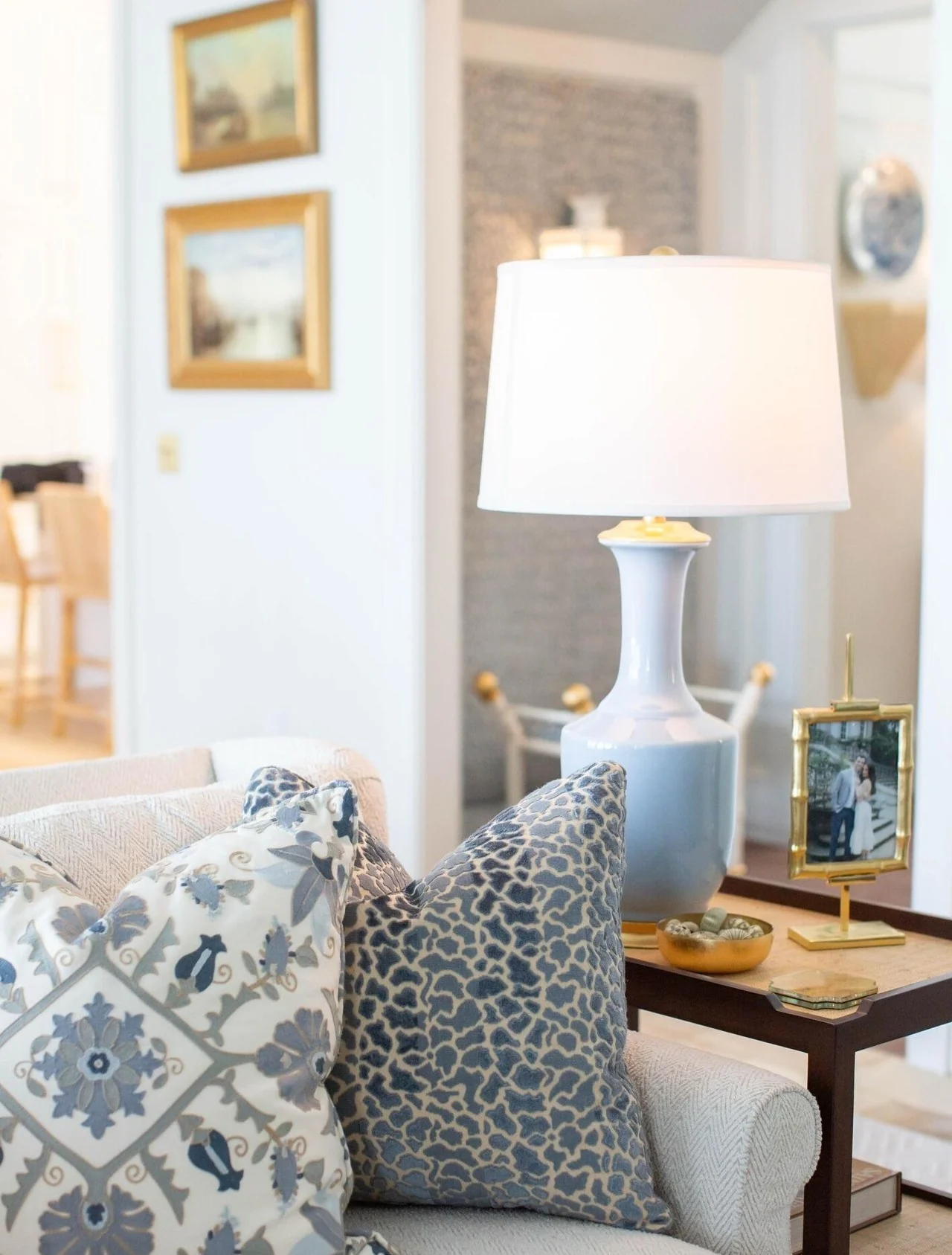
Coastal decorating principles: less theme, more atmosphere
Coastal decorating should feel collected and breathable. Instead of filling every shelf, select a few categories of accents and repeat them thoughtfully: framed botanical or marine-inspired artwork, ceramic vases, handwoven baskets, striped textiles, coral-like sculptural forms or soft organic table objects. Keep accessories grouped, not scattered. The goal is visual rhythm, not constant stimulation.
Furniture selection follows the same principle. Choose pieces with easy silhouettes, visible comfort and a relaxed relationship to the body. Rounded sofas, rattan or wood-framed lounge chairs, light coffee tables and simple side tables work because they support the mood without demanding too much attention. If you want a deeper understanding of upholstery quality before specifying a living room, Ratahome’s sofa construction guide is a helpful next step.
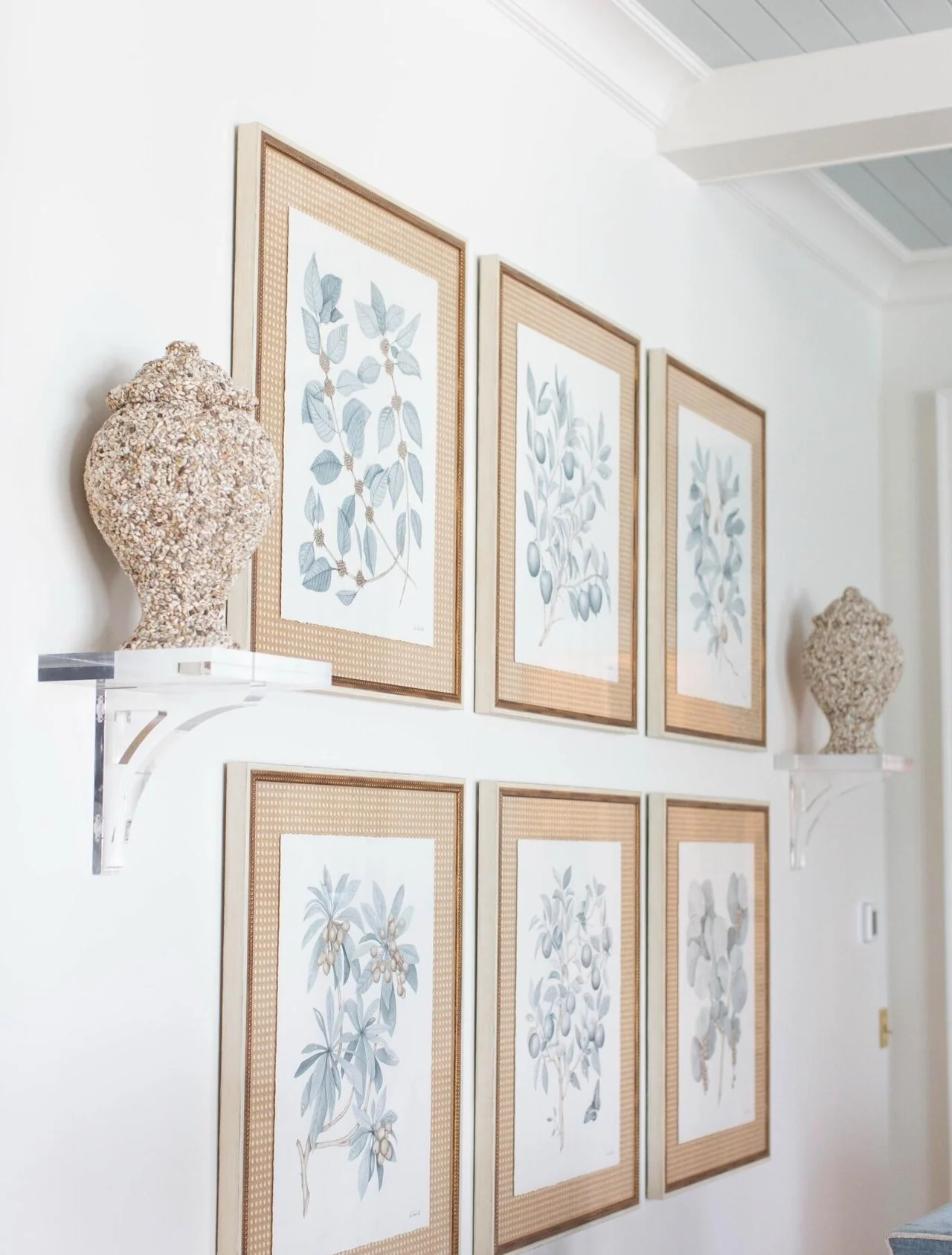
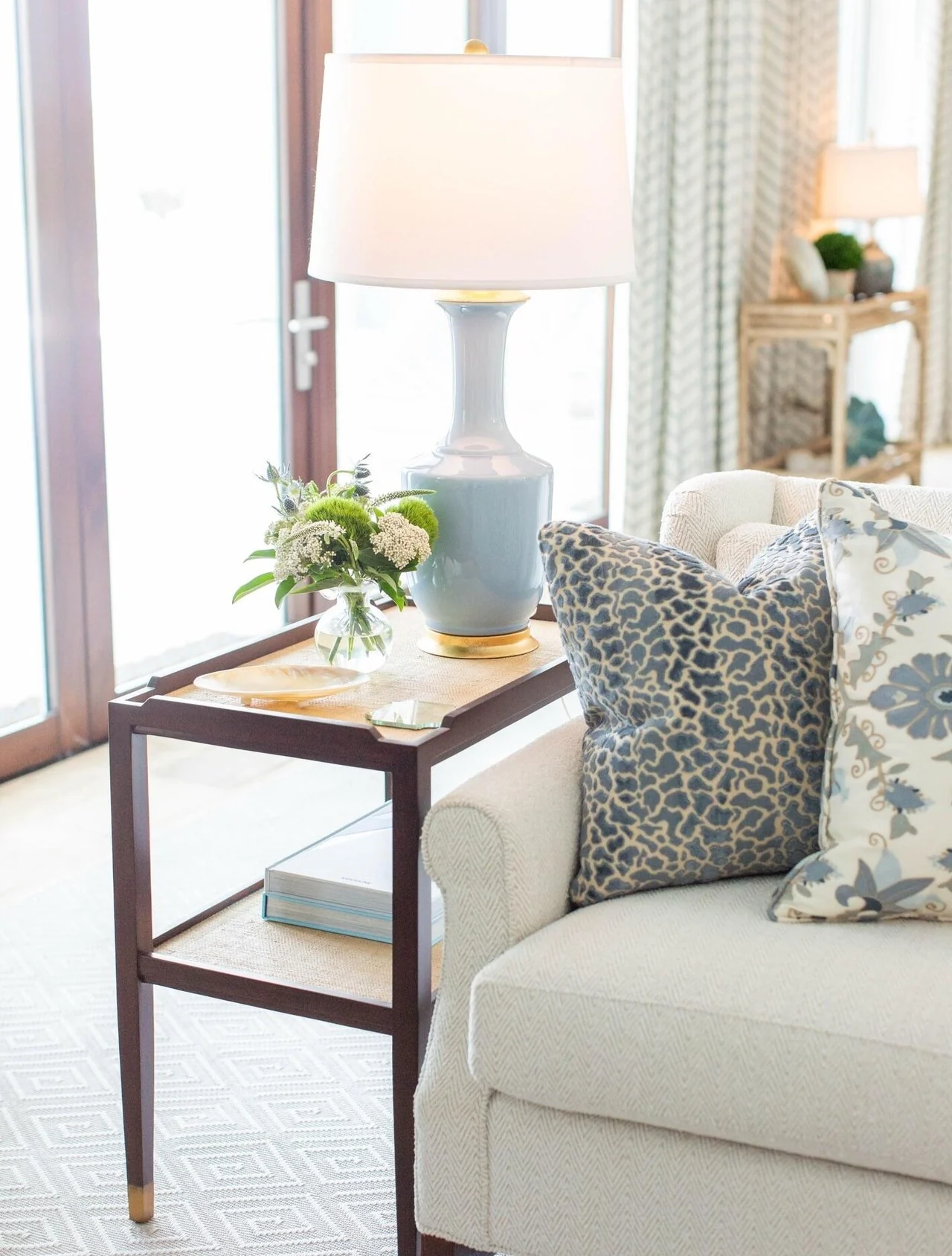
- Edit hard: keep only the pieces that contribute to comfort, scale or atmosphere.
- Repeat materials: echo rattan, linen, wood or ceramic across more than one zone.
- Use pattern strategically: one floral, one stripe or one hand-drawn motif is often enough.
- Prefer texture over novelty: tactile fabrics age better than overtly themed décor.
Space atmosphere: why natural light matters so much
Natural light is the emotional engine of coastal style. It reveals undertones in off-whites, makes woven materials feel warmer and gives rooms the airy softness that defines the look. Window treatments should support that effect rather than block it. Use sheers, light-lined curtains or patterned drapery with enough movement to feel relaxed. Heavy, opaque treatments can quickly pull the room away from the coastal mood unless the architecture truly requires them.
After sunset, coastal interiors still need layered light. A balanced scheme usually includes ceiling lighting for function, warm table lamps for local comfort and softer accent lighting for texture. Avoid overly cool bulbs; they can make sand tones appear gray and reduce the inviting quality of natural materials.
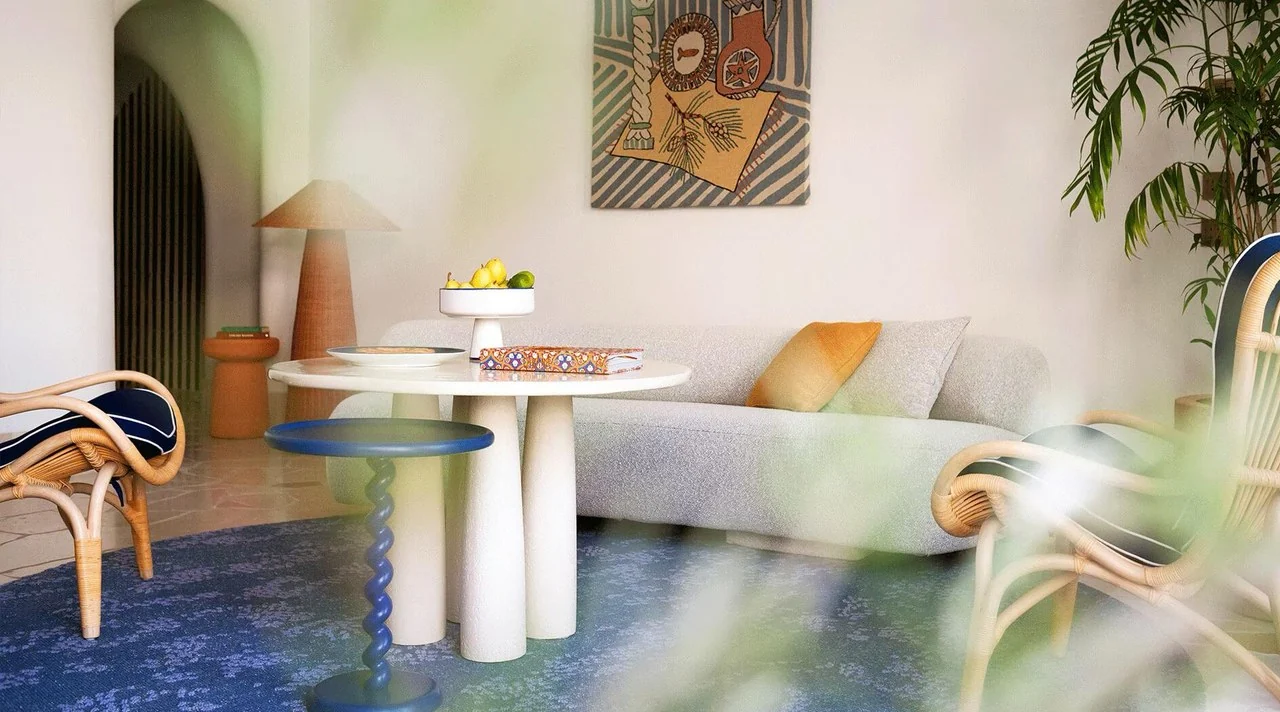
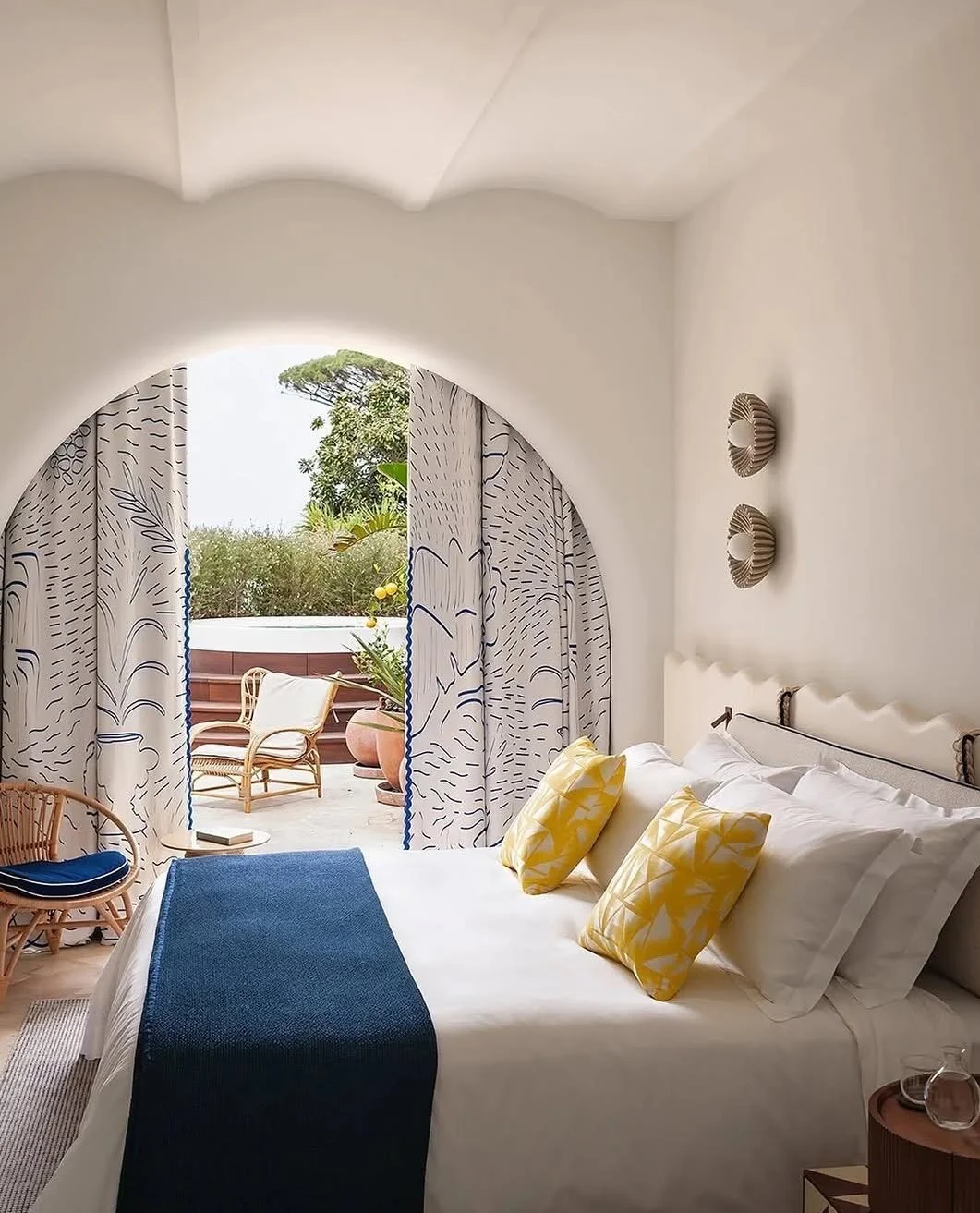
Materials and textures that make coastal rooms feel real
Texture is what stops a light coastal palette from feeling thin. Linen, cotton, rattan, oak, ash, limewashed wood, bouclé, jute, stone and glazed ceramic all work well because they add physical depth without visual heaviness. This is also where coastal interiors become more durable and practical. The correct material choice depends on the room’s function, sunlight exposure and how the furniture will be used day to day.
| Material | Best use in coastal interiors | What to check |
|---|---|---|
| Linen & cotton blends | Sofas, drapery, bedding and cushions | Wrinkling, cleanability and how the color reads in daylight |
| Oak, ash or light walnut | Dining tables, bedside tables, cabinetry accents and chair frames | Grain consistency, finish durability and tone compatibility |
| Rattan, cane & woven fibers | Lounge chairs, pendant lighting, storage baskets and decorative layers | Weave tension, structural support and humidity performance |
| Stone, terrazzo & ceramic | Coffee tables, side tables, bathroom details and backsplash surfaces | Porosity, sealing and edge finishing |
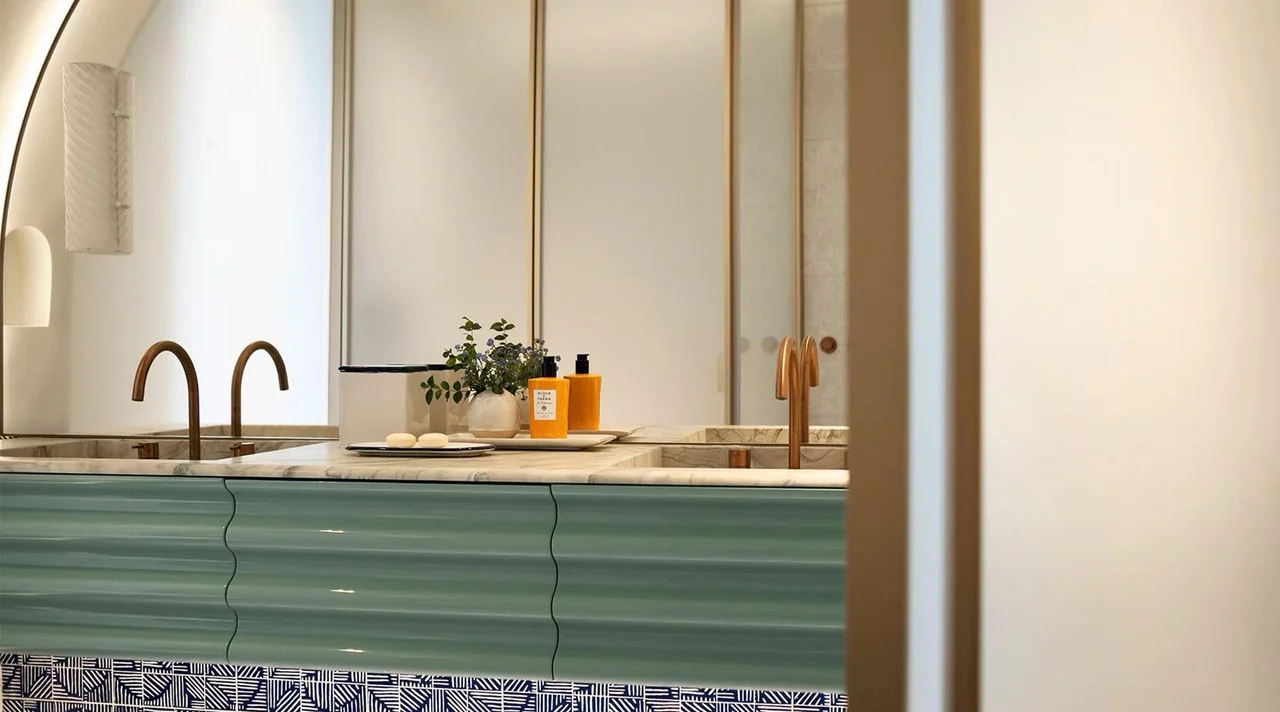
| Painted or tiled accents | Niches, feature walls, vanities and kitchen moments | Scale of pattern, grout color and cleaning requirements |
For larger pieces such as case goods or built-ins, appearance and construction should be considered together. If you are comparing wood options for a whole-home project, see how to choose wood for custom furniture for a more detailed material overview.
Coastal living, dining and kitchen ideas
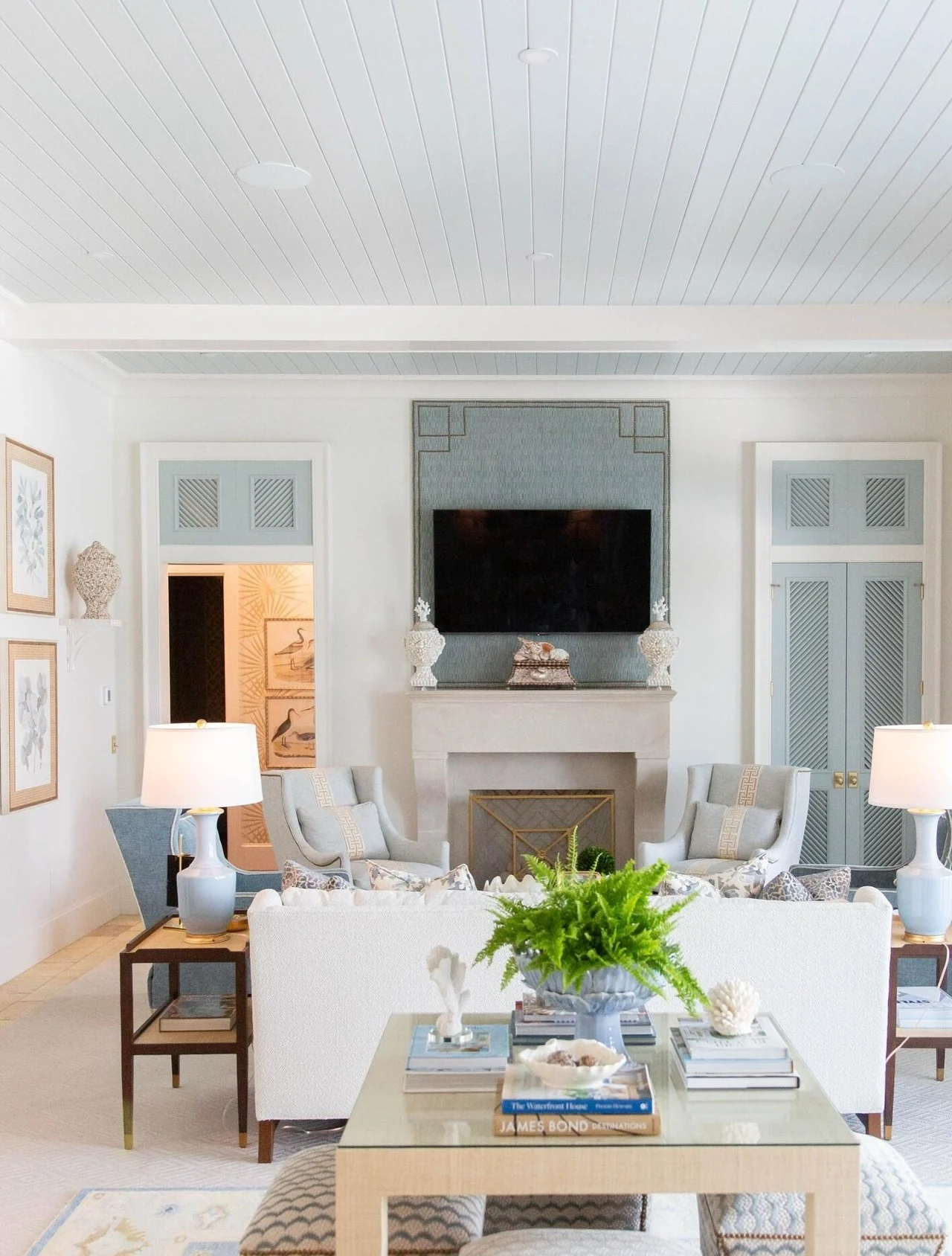
A coastal living room should feel easy to circulate through. Start with the seating plan, not the accessories. One properly scaled sofa, one or two comfortable accent chairs, a grounded rug and a coffee table with useful surface area will usually do more for the room than multiple decorative pieces. If the room is large, use symmetry carefully; if it is compact, focus on airiness and leave negative space around major items.
In dining spaces, keep the visual center low and approachable. Upholstered or painted chairs, light timber tables, woven pendants and simple floral or greenery arrangements work well. For kitchens, coastal style can be expressed through pale cabinetry, warm metal hardware, soft stone counters, blue accents or a single island with deeper contrast. The key is clarity: keep the surfaces calm and let the materials speak.
Need help connecting room style with actual product selection? Browse furniture collections, review real projects, or submit your room list and floor plan.
Coastal bedrooms and retreat spaces
Bedrooms translate coastal style into rest. Keep the bed visually soft, the bedding layered and the color accents limited. A white or ivory base works beautifully when paired with one stripe, one patterned textile or one stronger blanket in sea-blue or indigo. Nightstands should feel light and practical rather than bulky, and bedside lighting should support winding down, not harsh task brightness.
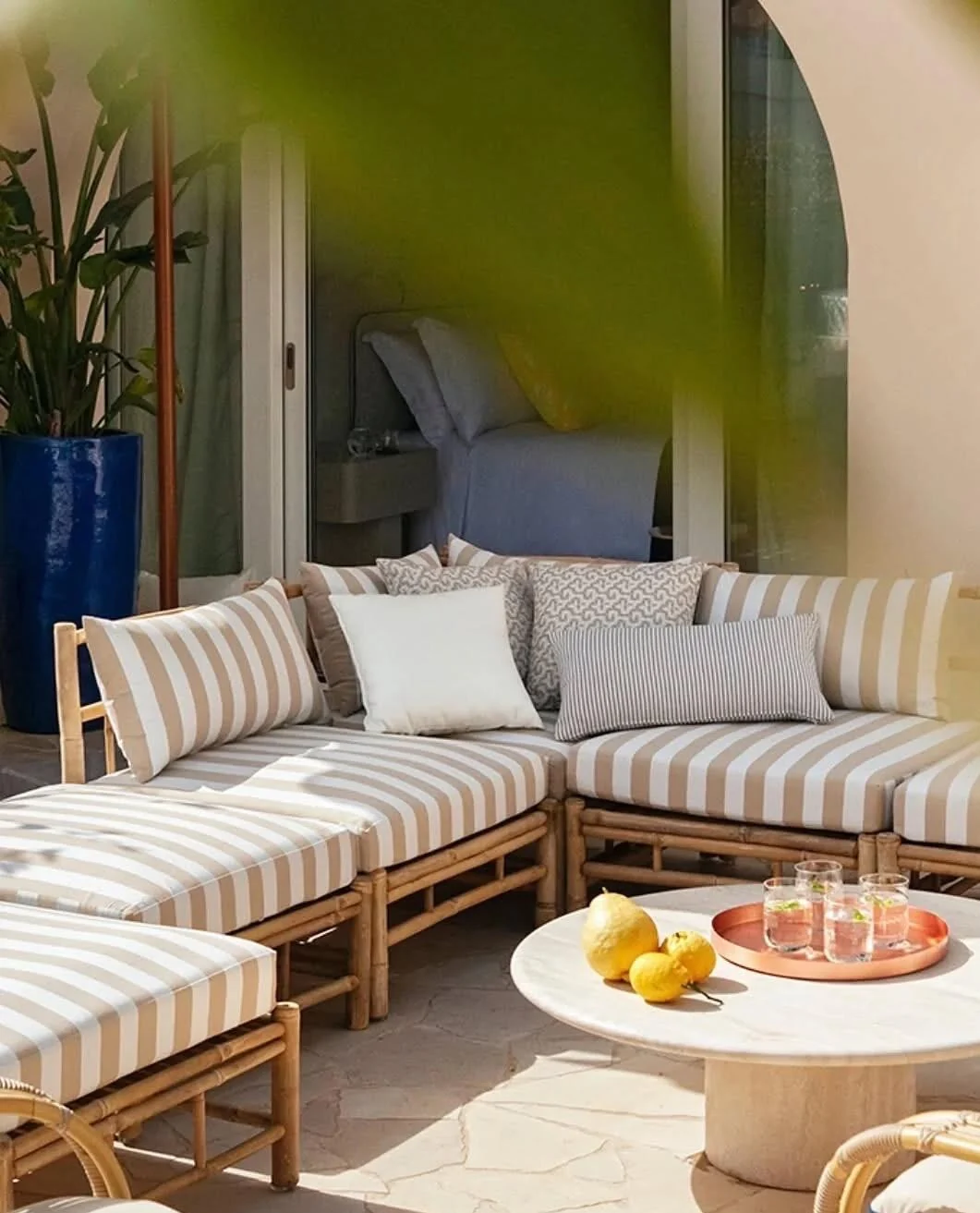
If your home has an outdoor lounge, reading corner or poolside zone, treat it as part of the same style system. Repeat the palette, weave in similar textures and maintain the same relaxed discipline you used indoors. That continuity is what makes a full coastal home feel intentional instead of room-by-room disconnected.
How to plan your coastal home with more confidence
The most successful coastal interiors are planned as a system. That means your lighting, furniture scale, material palette and storage decisions all support the same atmosphere. Before ordering products, gather room measurements, define the functional needs of each space and create a shortlist of two or three dominant finishes. Once those choices are stable, selecting the right sofa, dining table, bed or cabinetry finish becomes much easier.
- Start with measurements: collect room dimensions, ceiling heights, openings and circulation routes.
- Define the palette: decide on your base whites, wood tone and main blue family first.
- Choose function before styling: seat count, storage, durability and lighting requirements come before accessories.
- Review real samples: always compare textiles, timber and stone in daylight and evening light.
- Coordinate whole-home decisions: let living, dining, bedroom and outdoor zones feel related, not repetitive.

Frequently asked questions
What colors define coastal interior design?
White, ivory, shell, sand and pale beige usually form the foundation. Blue appears in softer and deeper layers, while wood, stone and occasional terracotta or green help keep the room warm and natural.
How do I make coastal style look sophisticated rather than themed?
Prioritize light, layout, texture and proportion. Use only a few carefully chosen accents, and let the space feel open. Texture and natural materials are more important than obvious seaside décor.
Can coastal interiors work in a city apartment?
Yes. Even without an ocean view, coastal style can work through a bright palette, breathable furniture planning, natural materials and softer blue accents.
What materials work best for coastal furniture?
Linen and cotton blends, oak or ash, rattan, cane, stone, ceramic and other tactile natural materials are strong options. The exact choice should depend on use, maintenance and climate.
What should I prepare before sourcing a coastal whole-home package?
Gather a floor plan, room measurements, reference images, an item list, your destination and approximate budget. This makes it easier to coordinate dimensions, finishes and shipping expectations.
Bring your coastal home to life
Planning a whole-home furniture package, a living room refresh or coastal-style custom pieces? Share your floor plan, inspiration and product list with Ratahome to start with the right sizes, materials and finishes.
Send Your Floor Plan →Explore more: Sofa construction · Wood selection · Furniture collections