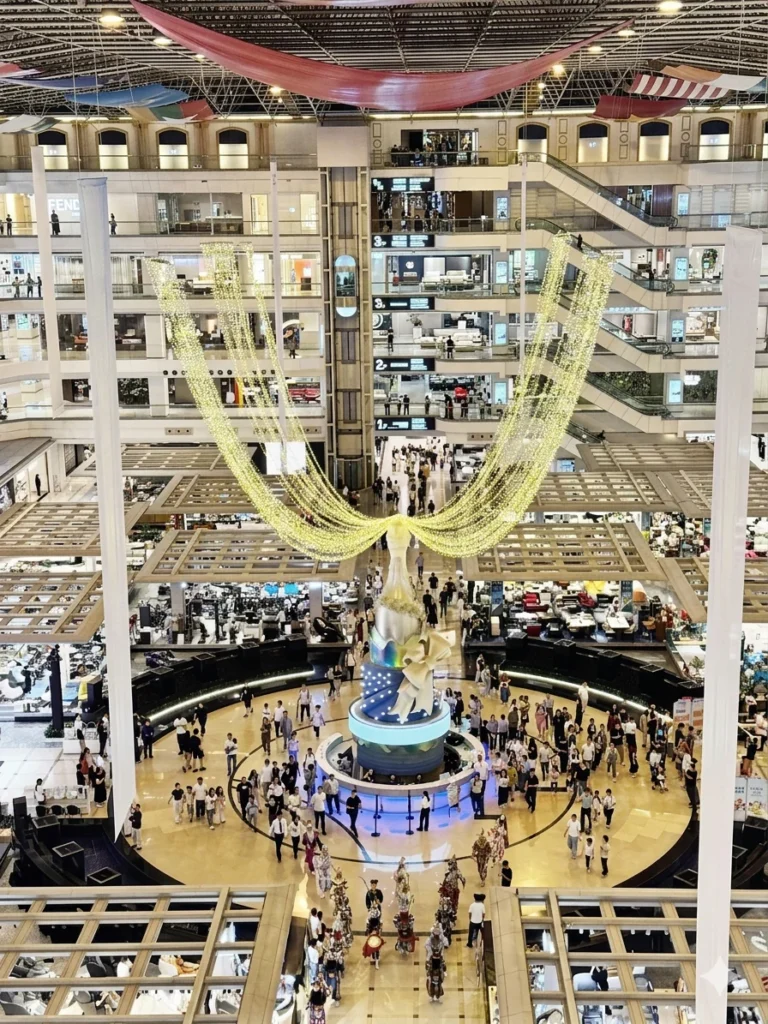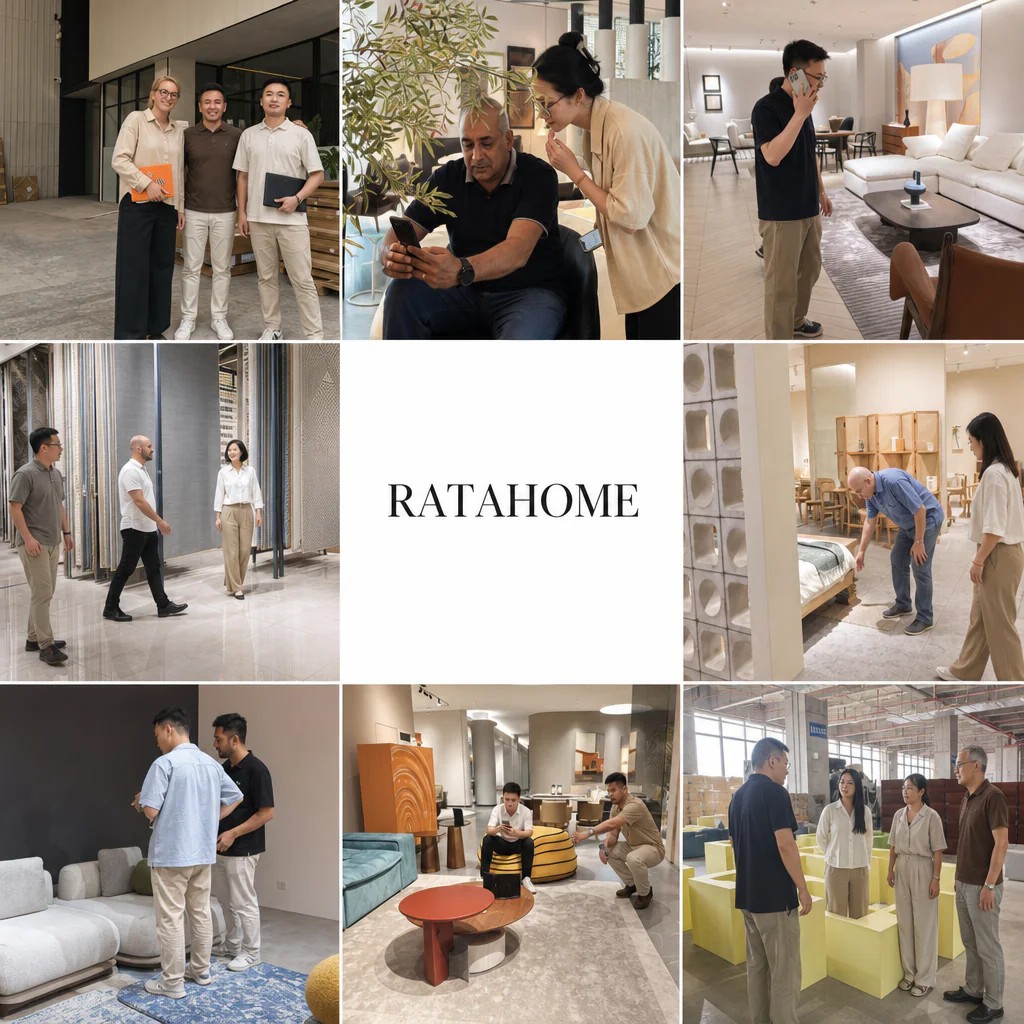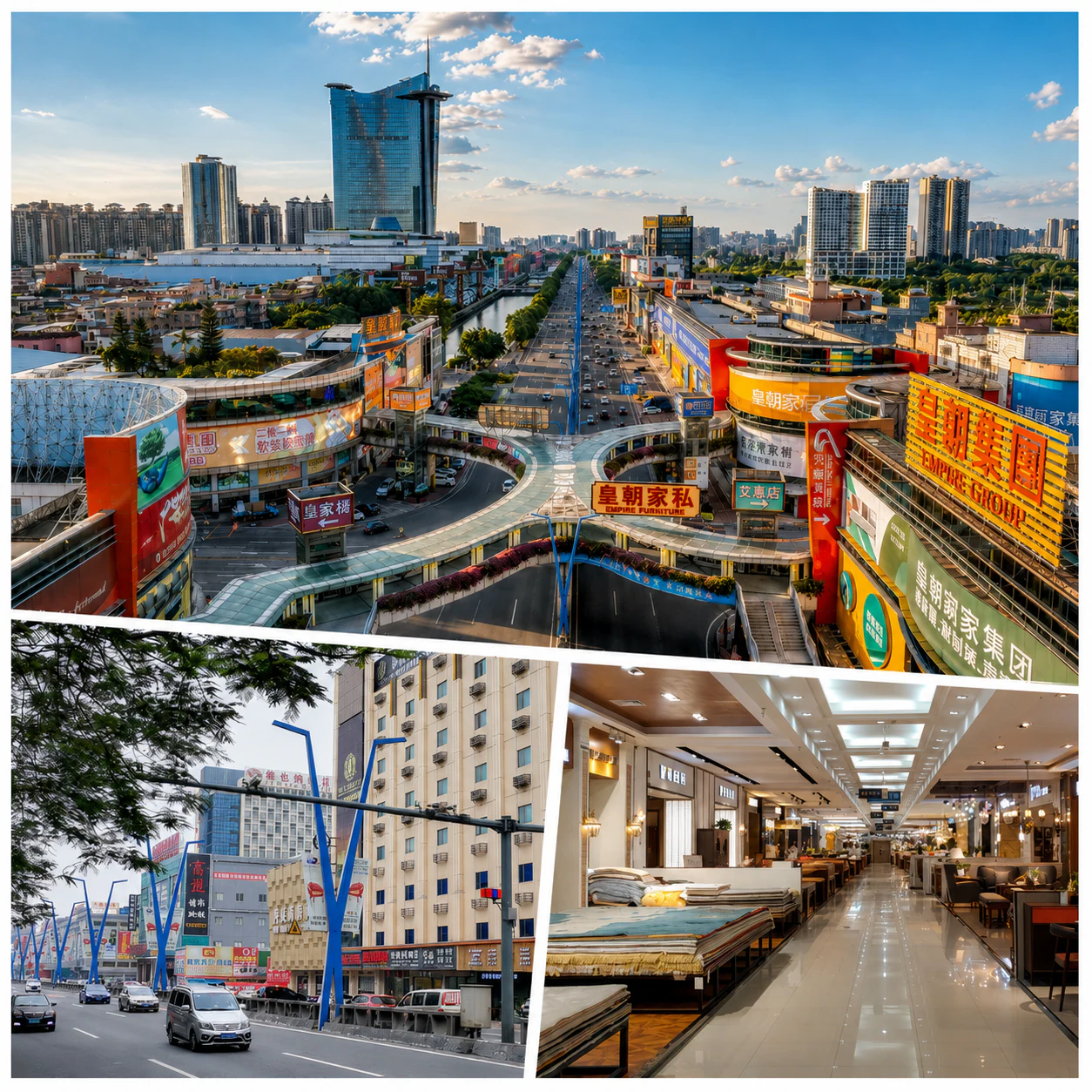
The first mistake most visitors make is treating Foshan like a single shopping mall. The furniture trade here is spread across a corridor of major markets in Lecong and a wider network of workshops and factories across Shunde and surrounding districts.
According to the Lecong Furniture City Chamber of Commerce, the district contains more than 180 furniture market buildings with over 4 million square meters of operating area. That scale is the opportunity — and also the problem. You cannot browse it all.
What the Foshan market really is
First visit at a glance
Plan your first visit around decisions, not distance.
- Market scale: 180+ furniture centers across the Lecong trading district
- Best first-trip goal: establish your quality benchmark, price band and supplier shortlist
- Recommended time: two focused days for a first overview; longer for whole-home custom sourcing
- Bring: floor plan, room list, dimensions, inspiration images and a working budget
Do not try to “finish the market.” Use the market to narrow your decisions.

Planning the route
Where should a first-time buyer start?
No single building is “the best” for every buyer. The right route depends on whether you are looking for premium furniture, value comparison, wholesale options or true custom manufacturing.
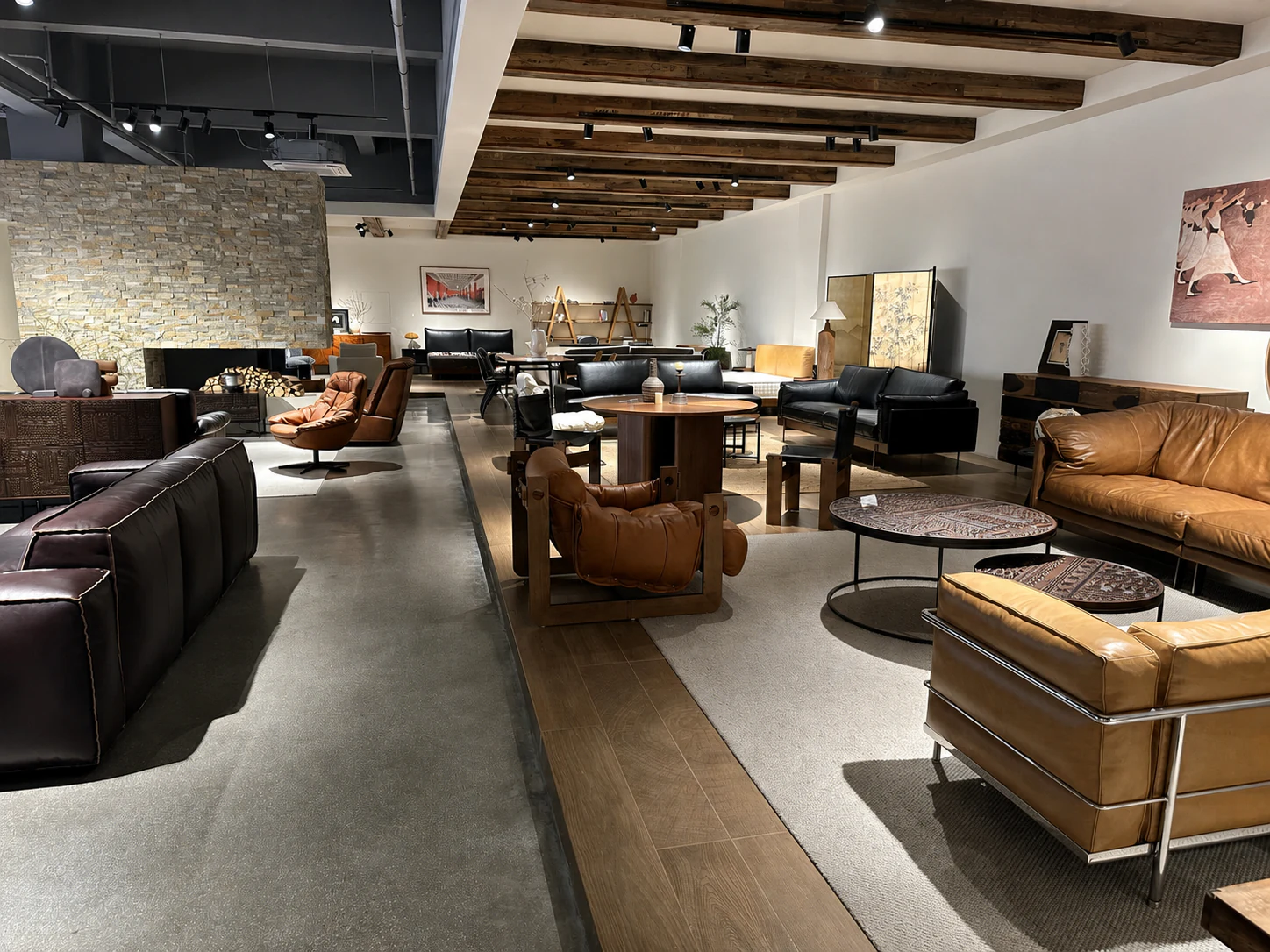
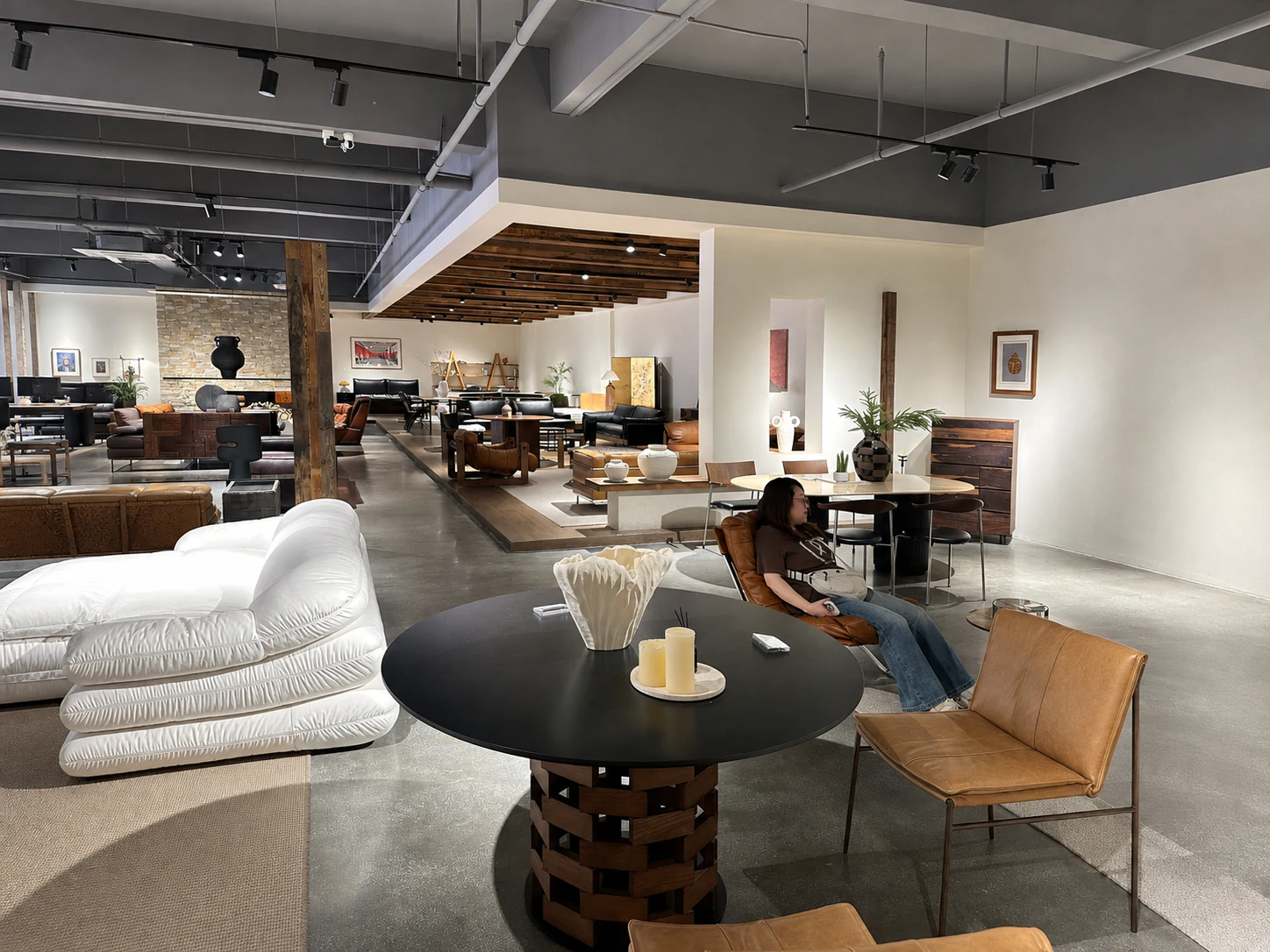
Best for: design calibration, premium materials and finished room displays. Start here to understand what higher-level upholstery, woodwork, finishes and imported brands look like in person.
Best for: comparing a wider price range and more mainstream residential categories after you know your style.
Best for: broader wholesale-style selection, accessories and price-sensitive sourcing. The value comes from comparison — not from assuming every lower quote is the same product.
Best for: custom sizes, construction questions, finish development and production capability. Visit with a specification rather than as a random first stop.
Before the trip
What to prepare before you arrive
Walking into Foshan without a brief creates decision fatigue very quickly. A first-time buyer should arrive with enough information to compare suppliers on the same basis.
Room sizes, wall lengths, door clearances and any critical furniture dimensions.
Sofa, lounge chairs, dining table, beds, nightstands, storage, lighting and accessories.
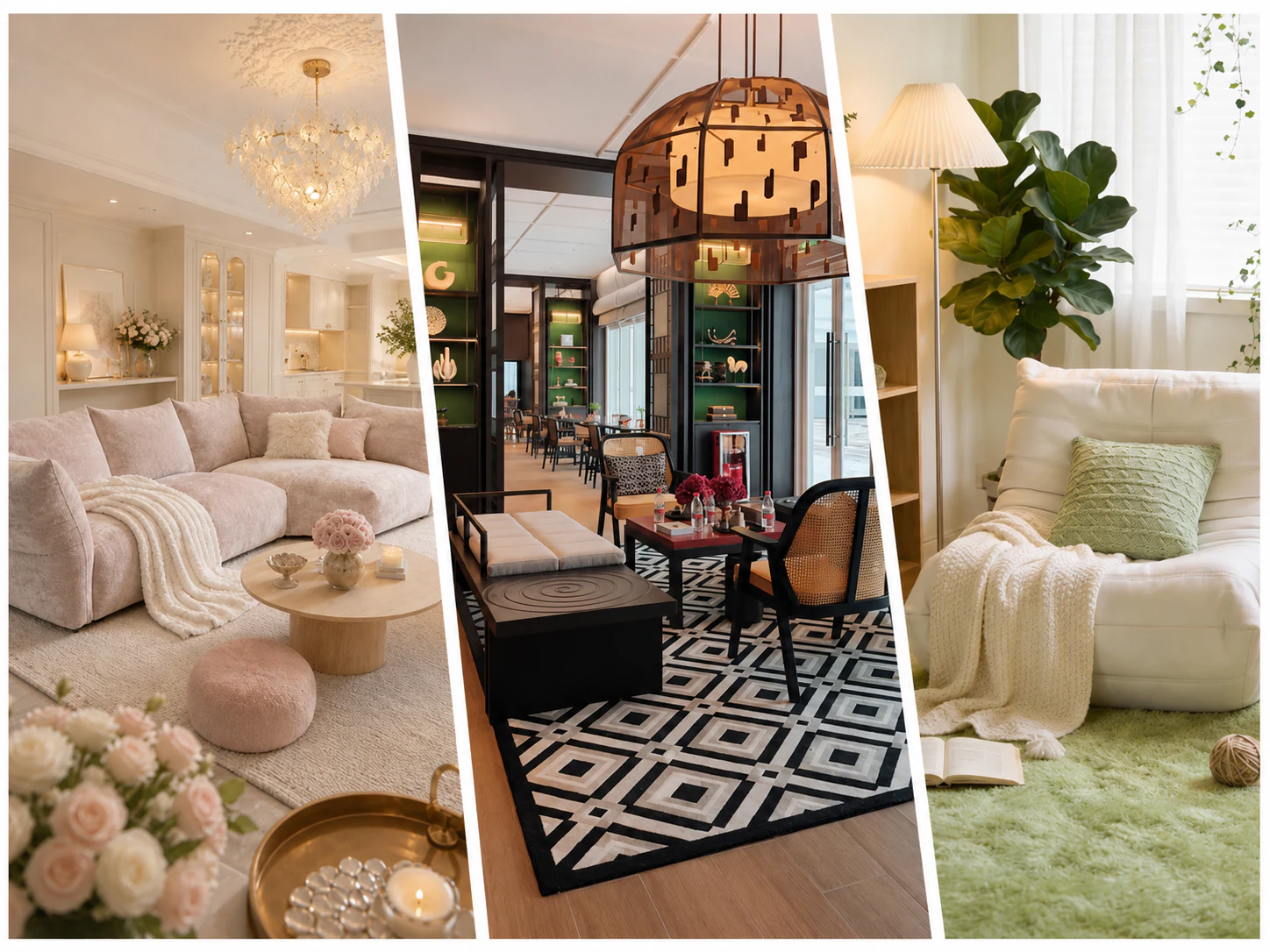
Save 10–20 images that show shape, finish, fabric tone and the overall visual direction.
Separate the furniture budget from freight, tax, delivery and installation.
Define where solid wood, veneer, leather, stone or specific hardware really matter.
Country, city and final delivery conditions affect packing, freight and what should be ordered.
For every serious candidate, record the supplier name, showroom location, product code, dimensions, material specification, finish, quoted price and lead time. A photo without a supplier record becomes almost useless after a day of visiting dozens of displays.
Quality comparison
How to compare furniture quality — not just appearance
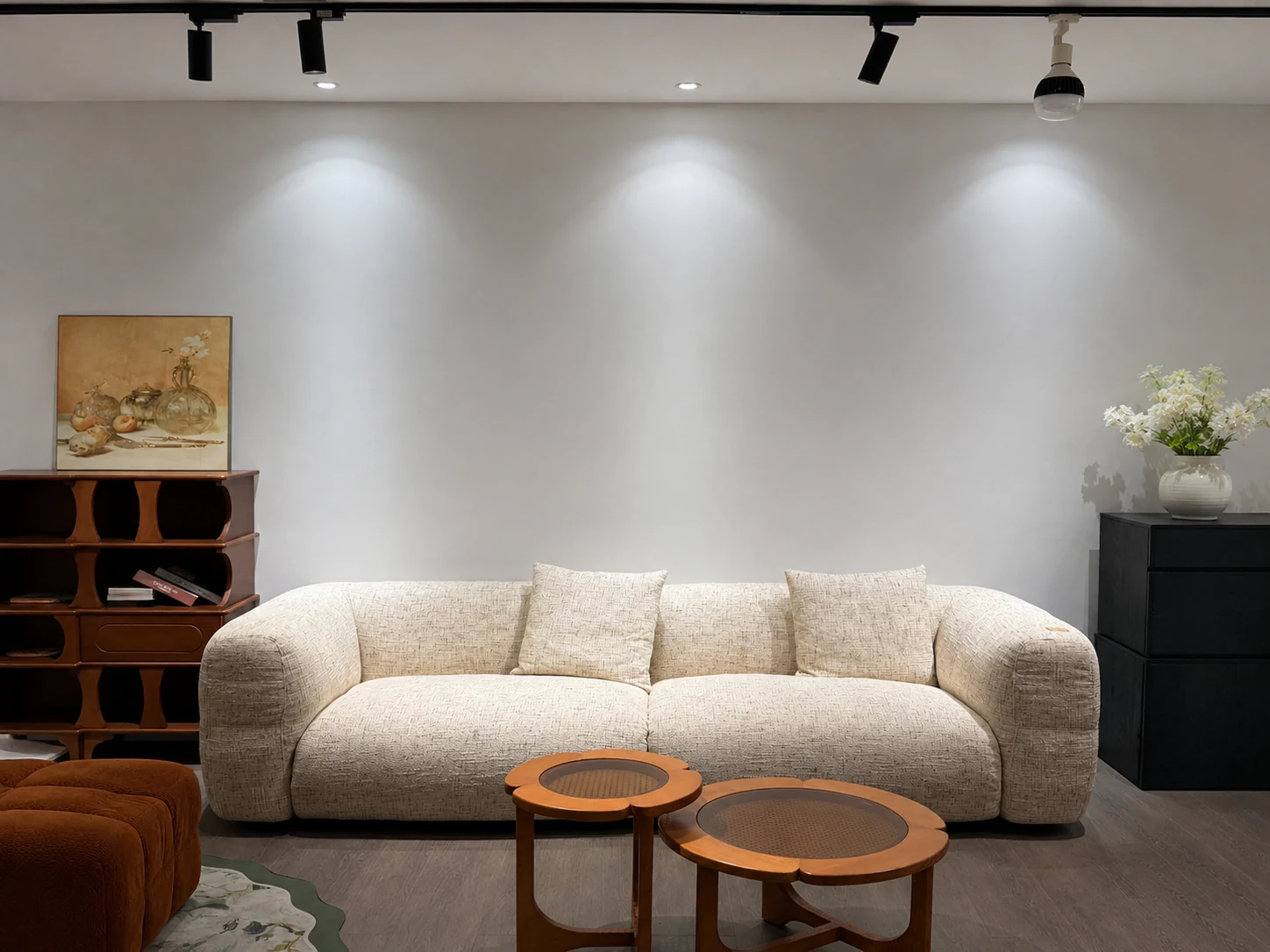
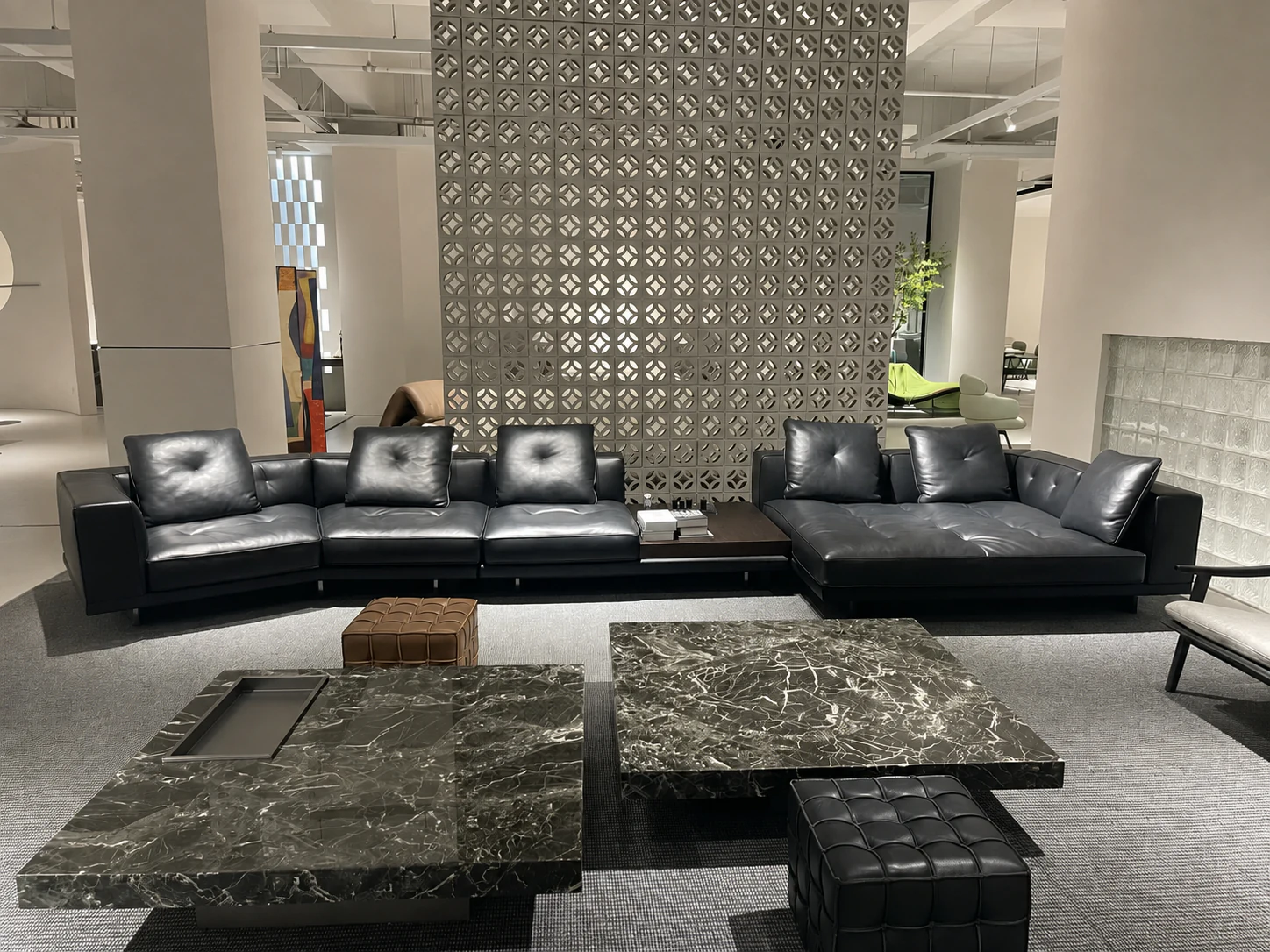
Many pieces look similar from three meters away. The differences that matter are often inside the product or in the finishing details. When two sofas have a very different price, ask what changed before deciding that one is overpriced.
Frame construction, suspension, foam specification, fabric or leather grade, stitching and removable parts.
Solid wood vs. veneer, substrate, joinery, veneer matching, edge treatment and finish consistency.
Stone type, slab thickness, reinforcement, edge profile, base structure and packing method.
Material, weld quality, plating or powder coating, drawer systems, hinges and spare hardware.
First-time buyer rule
Never approve a custom order from a showroom photo alone. Confirm dimensions, materials, finish samples and shop drawings before production.
Understanding cost
The showroom quote is not the landed cost
A supplier’s furniture price is only one part of an overseas purchase. For international buyers, the complete project cost typically includes several layers.
- FurnitureProduct and customization.
- Export packingCartons, crates and protection.
- ConsolidationMultiple suppliers combined in one shipment.
- Freight & customsSea freight, clearance and duties.
- Final deliveryLast-mile delivery and installation if needed.
This is why the lowest showroom quote is not always the lowest final cost. Fragile packing, multiple pickups, rework, inconsistent finishes or an incomplete shipping plan can erase the original savings.
Two-day itinerary
A practical two-day route for a first visit
This route is designed for a buyer who wants to understand the market quickly, not spend a week wandering through every building.
Build the brief
Prepare the floor plan, furniture list, style references, target sizes and budget. Pre-select the categories that matter most.
Set the benchmark at Louvre
Study proportions, materials, upholstery, finishes and room presentation. Do not rush to buy. Establish the standard you will use for comparison.
Compare the Lecong market
Move into Sunlink, Empire or other targeted market buildings. Compare similar pieces across 3–5 suppliers and record the actual specification behind each quote.
Revisit the shortlist
Return only to the strongest suppliers. Review dimensions, materials, finish options, MOQ, lead time and export packing in detail.
Verify custom & production capability
For serious custom or whole-home orders, visit the relevant factory or production showroom and review how the piece will actually be made.
Project coordination
Do you need a Foshan sourcing partner?
Not every purchase needs one. If you are buying a few standard pieces for local use, direct showroom purchasing may be perfectly workable.
A sourcing or project team becomes more useful when the project involves multiple suppliers, custom sizes, finish matching, overseas shipping or quality control before dispatch. The challenge is no longer finding furniture — it is keeping every supplier aligned to one project.
For a whole-home project, the value is coordination: one specification, one quality-control standard and one delivery plan across many factories.
Common questions
Foshan Furniture Market FAQ
Is Lecong the same as the Foshan Furniture Market?
Lecong is the best-known furniture trading district within Foshan and is usually what international buyers mean when they talk about the “Foshan furniture market.” The wider Foshan ecosystem also includes manufacturing clusters and factory showrooms in areas such as Longjiang.
Where should first-time buyers start?
Start with a strong visual and quality benchmark, then compare broader market options. For many buyers, Louvre followed by targeted Lecong market buildings is more efficient than starting in the lowest-price wholesale areas.
How many days do I need?
Two focused days can give a good first overview and supplier shortlist. A whole-home or highly customized project may need more time for factory visits, materials, sampling and final specifications.
Can Foshan suppliers ship furniture overseas?
Many suppliers have export experience, but packing, consolidation, quality inspection, sea freight, customs and final delivery still need to be planned as part of the project.
Can I buy custom furniture in Foshan?
Yes. Custom dimensions, fabrics, finishes and configurations are common, but the order should be controlled with a written specification, approved sample or finish reference, and shop drawings before production.