1. Why veneering and woodworking belong together
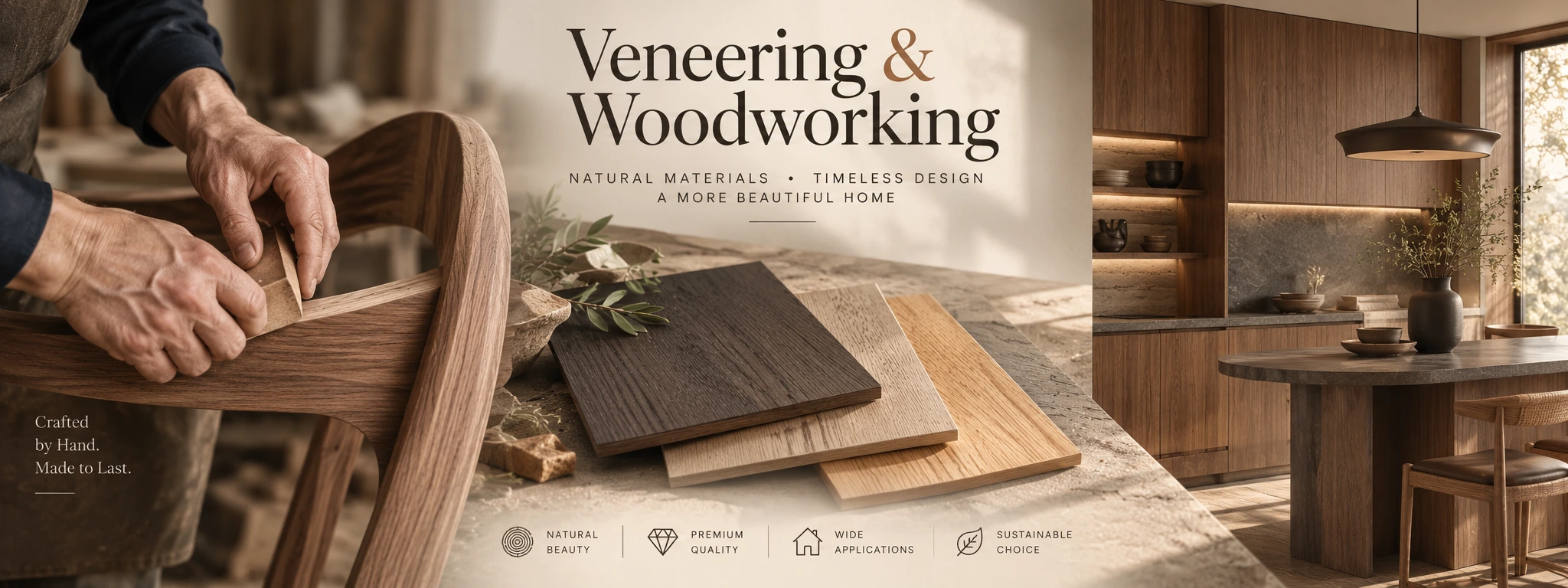
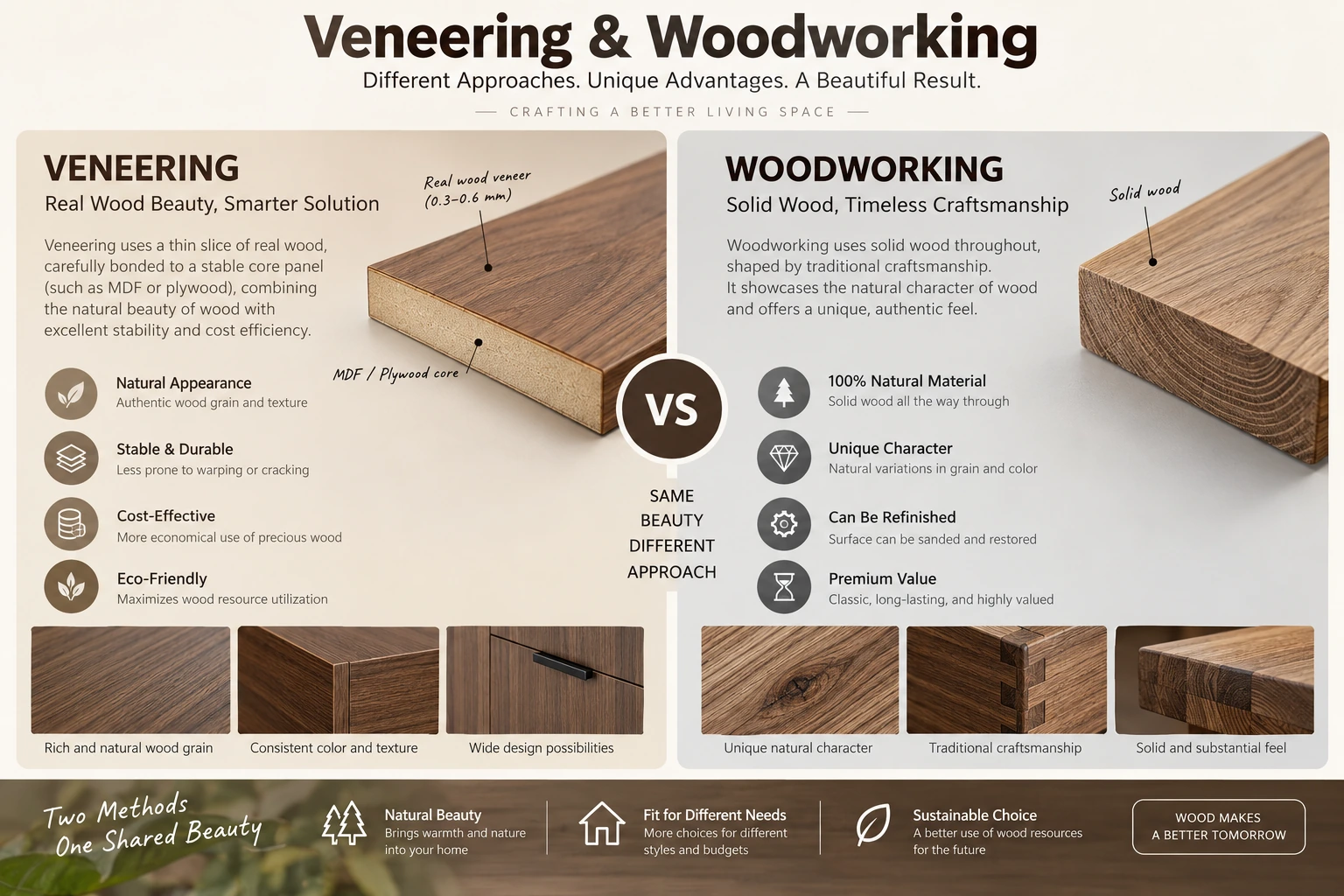
Veneering is the craft of applying a thin layer of real or engineered wood to a stable surface. Woodworking is the larger discipline that shapes the structure beneath it: cutting, jointing, machining, edge building, assembly, sanding and finishing. In quality furniture, the two are not separate systems—they depend on each other.
A flawless veneer cannot rescue a warped panel, an out-of-square cabinet or a poorly machined edge. Likewise, excellent joinery can still look ordinary if the grain sequence, veneer layout and finish are inconsistent. The best results come when the surface design is planned at the same time as the substrate, joints, edges and final assembly.
2. What is wood veneer?
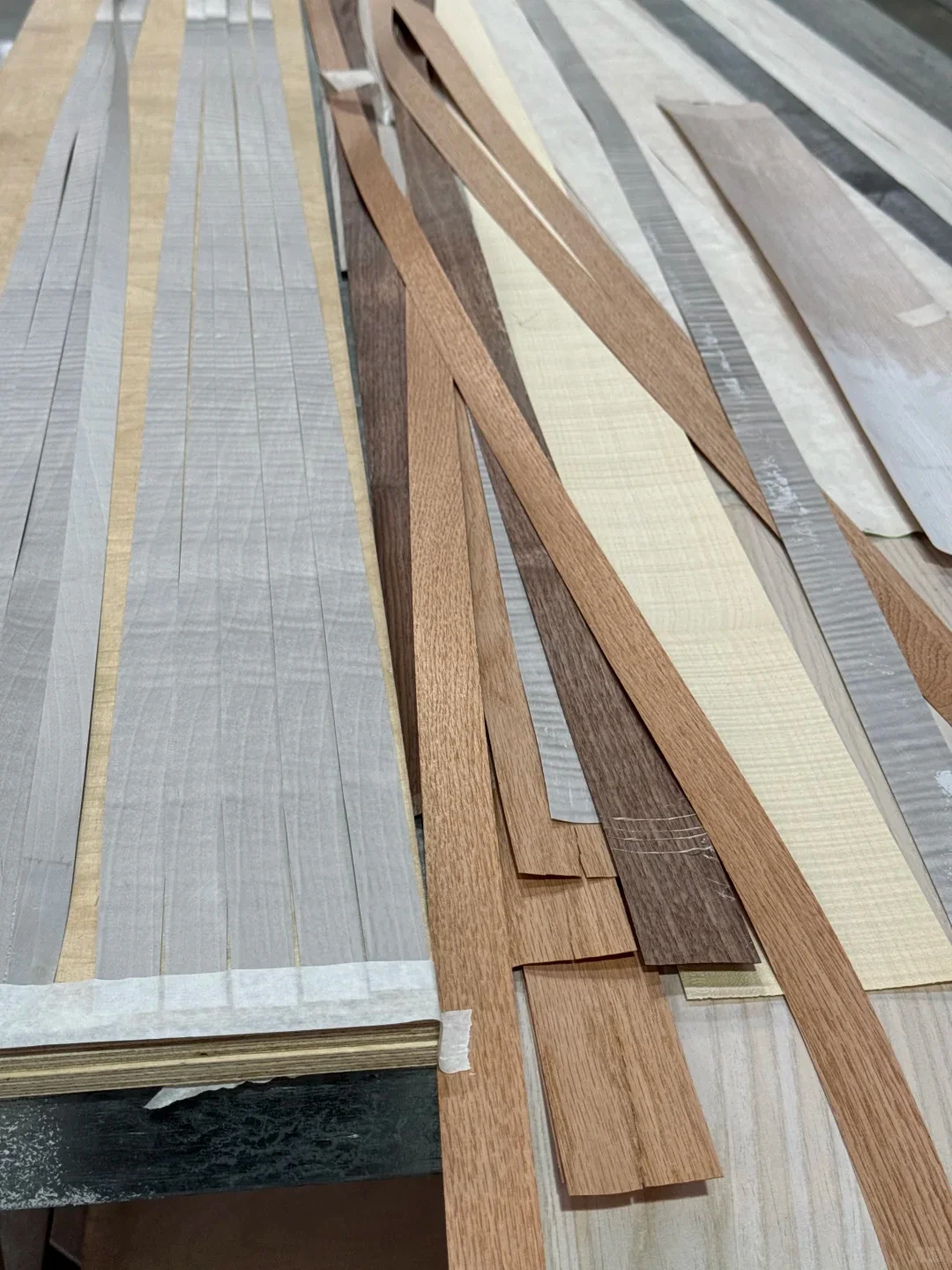
Wood veneer is a thin sheet of wood cut from a log, flitch or reconstituted block and bonded to a substrate. Because the face layer is thin, a single log can produce many square meters of visually consistent surface. This is why veneer is common on cabinetry, tables, casegoods, wall panels, curved furniture and large doors where using thick solid wood would add unnecessary movement, weight or cost.
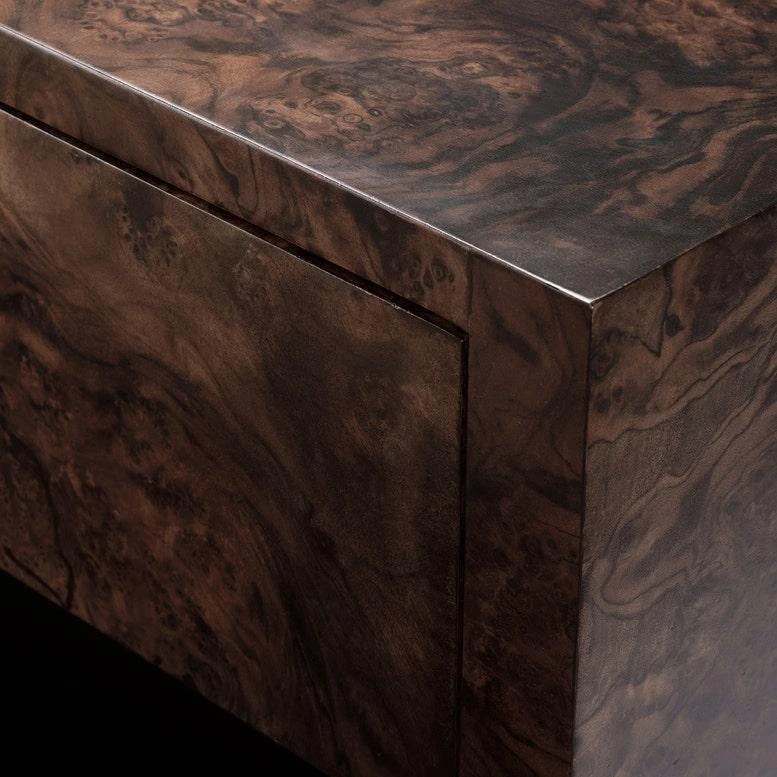
Real-wood veneer keeps the grain, pores and figure of timber. What changes is the construction: instead of asking one thick piece of wood to provide both appearance and structure, veneered furniture separates those jobs. The veneer provides the visual character; the substrate provides flatness and dimensional stability.
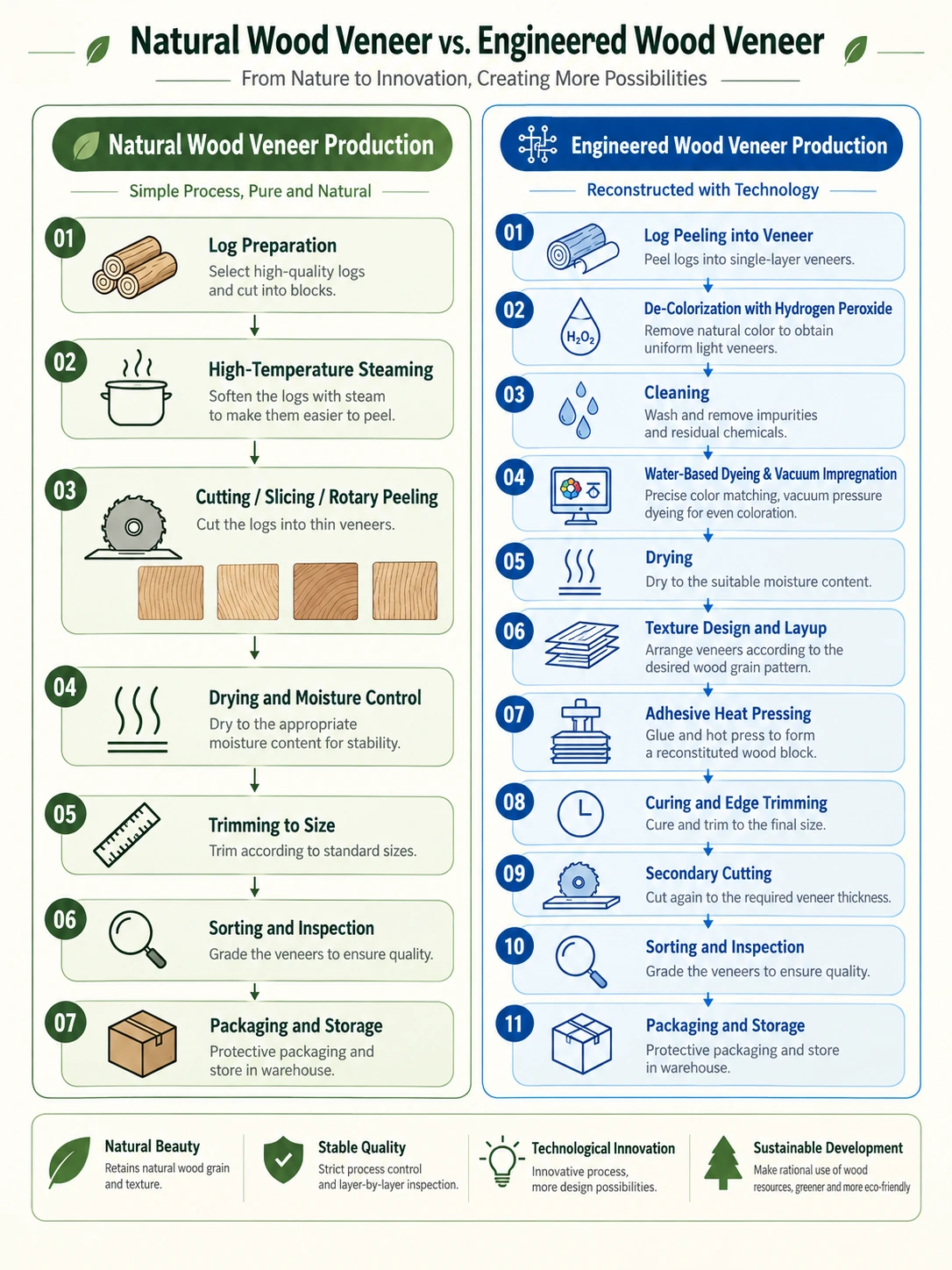
3. Natural veneer vs. engineered veneer
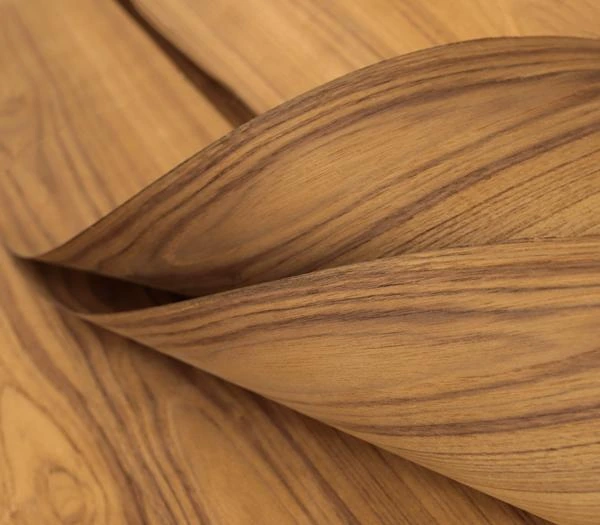
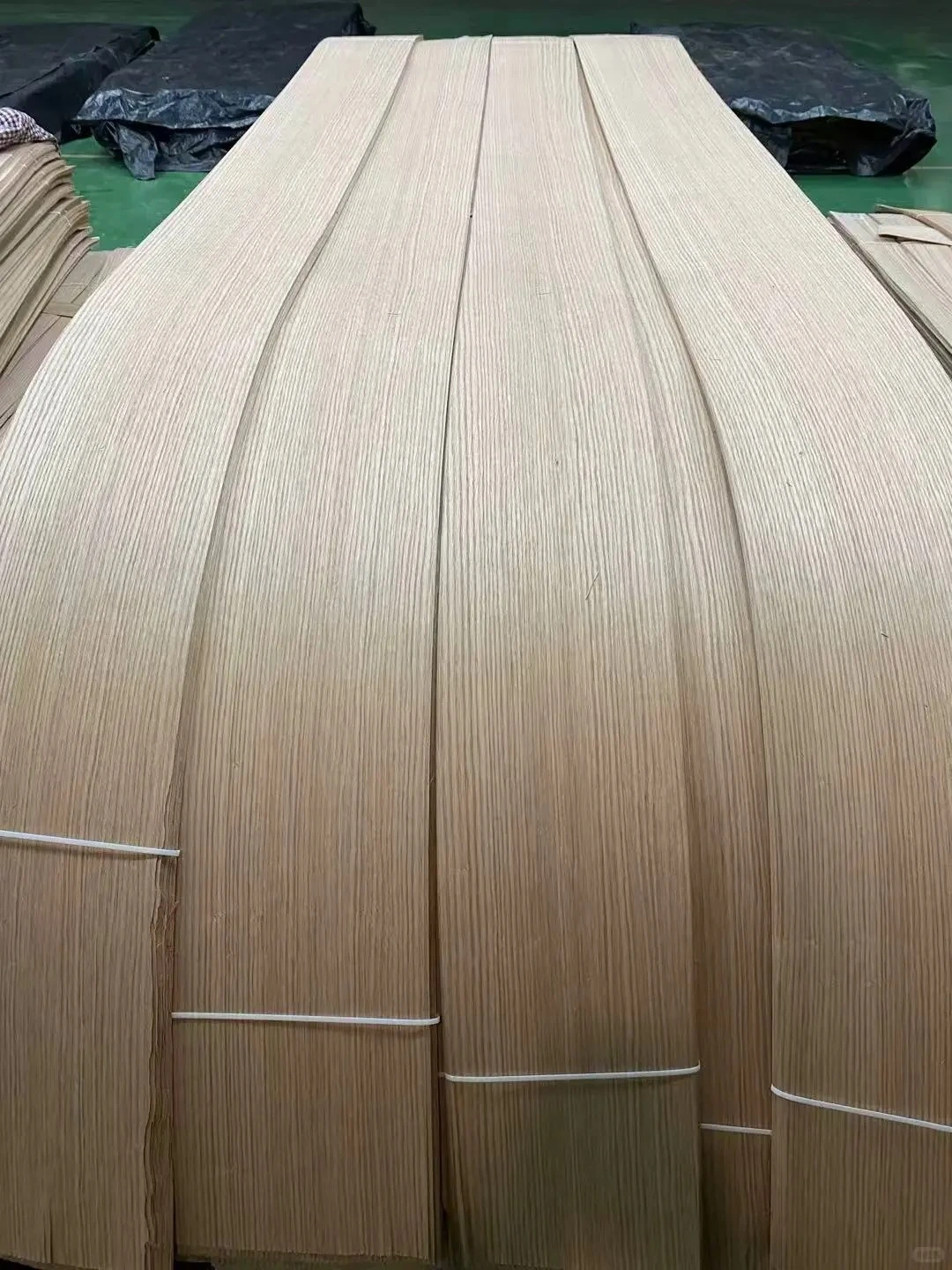
Natural veneer is sliced or peeled directly from real timber, so every leaf is unique. Engineered or reconstituted veneer begins with wood fibers or plantation-grown veneer that is dyed, laminated and re-sliced to create a more repeatable pattern. Neither category is automatically “better.” The right choice depends on the visual goal, project scale, matching requirements and budget.
| Material | Best for | Watch for |
|---|---|---|
| Natural veneer | Authentic grain, figured woods, premium one-of-a-kind surfaces | Color variation, sequence planning, yield and matching |
| Engineered veneer | Repeatable color and grain over many doors or rooms | Printed-looking repetition, surface damage and edge execution |
| Solid wood | Edges, legs, rails, carved details and areas that need thickness | Wood movement, moisture content and grain direction |
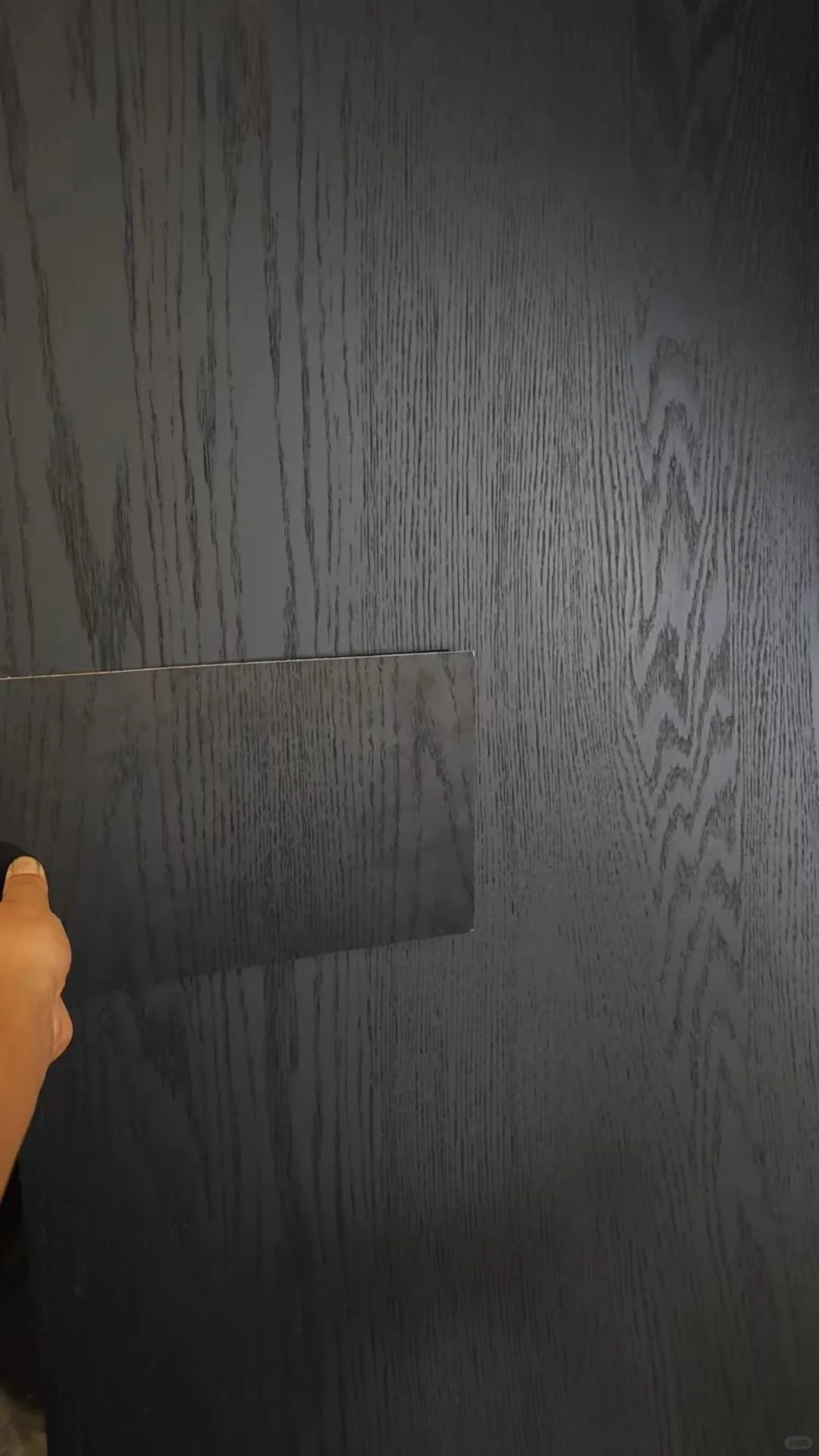
4. How veneer is cut—and why the cut changes the look
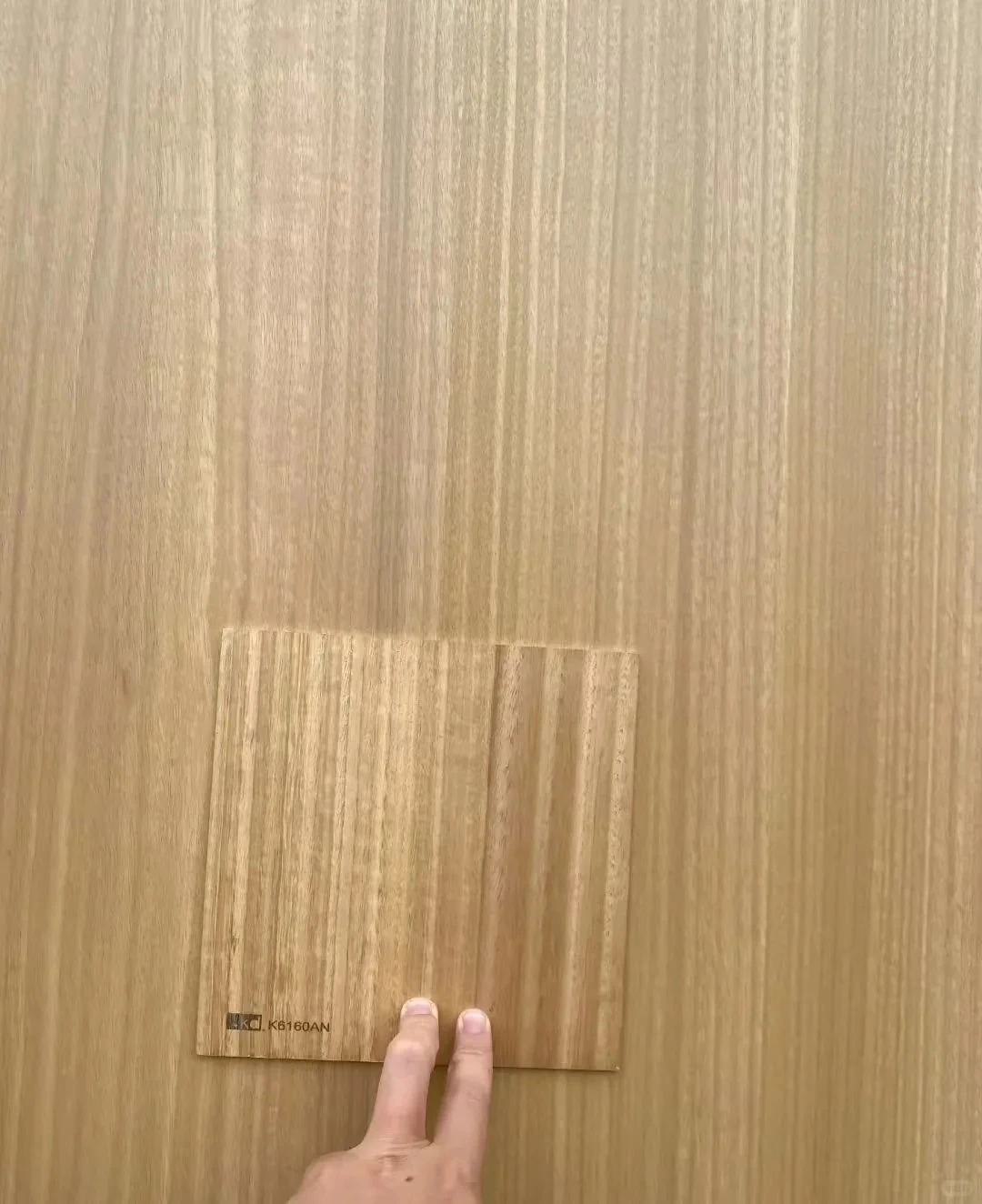
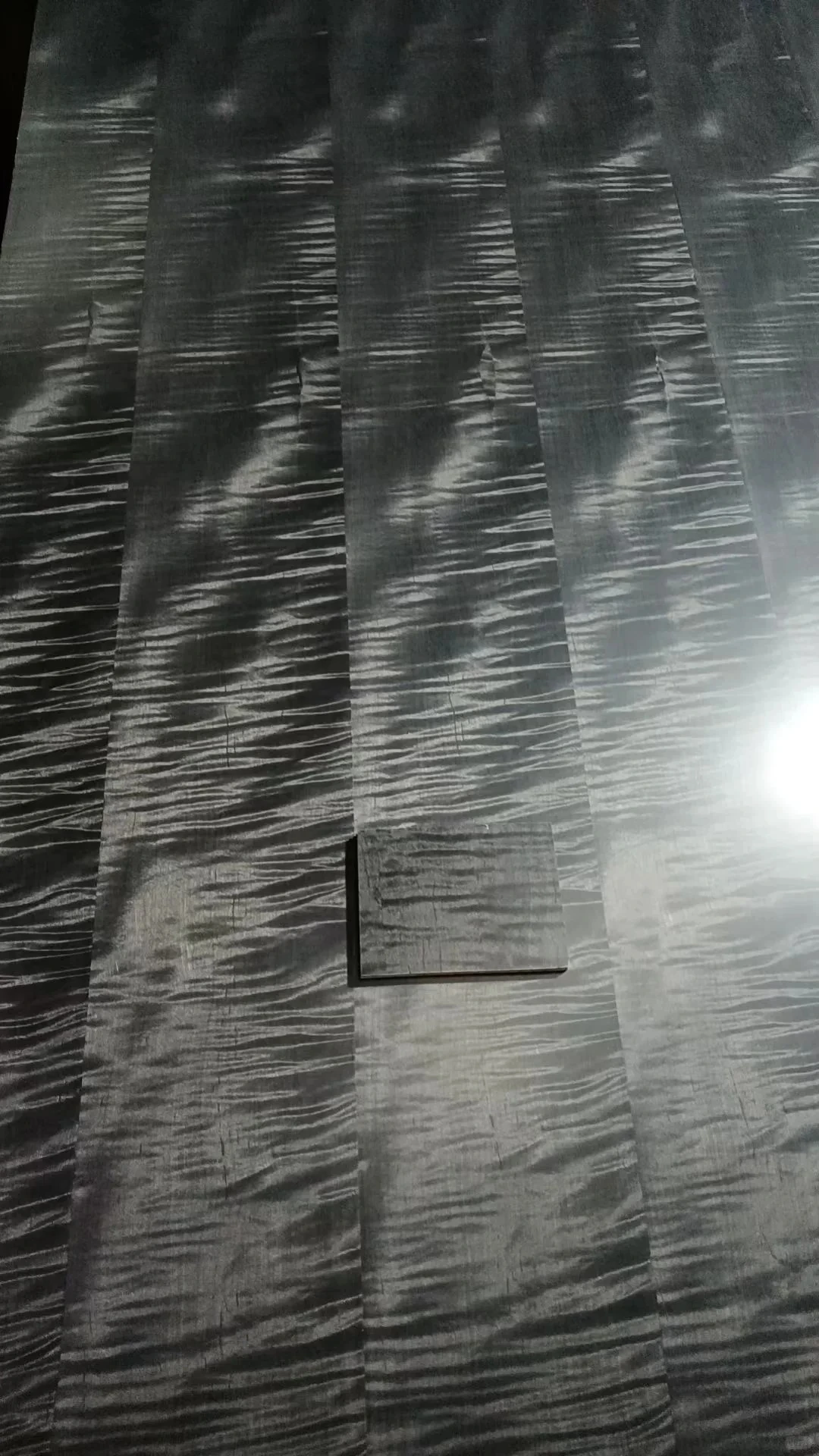
The way a log is opened determines the grain pattern. Rotary peeling produces wide continuous sheets with broad figure. Plain slicing tends to create cathedral grain. Quarter slicing produces straighter grain with a more linear rhythm. Rift cutting emphasizes especially straight, narrow grain in species such as oak.
For furniture buyers, the practical point is simple: species alone does not define appearance. “Oak veneer” can look completely different depending on the cut, the part of the log, the sequence of leaves and the final stain.
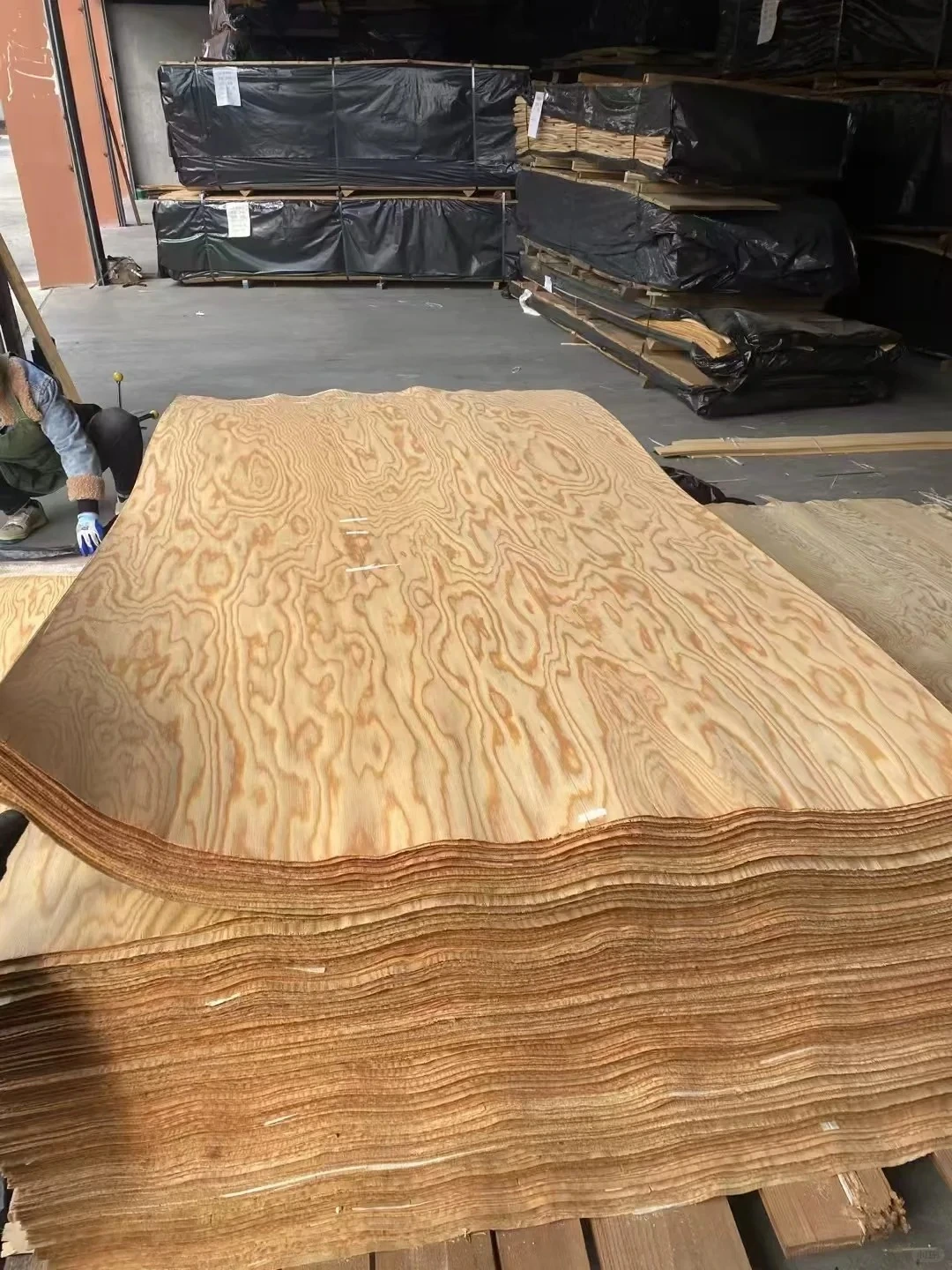
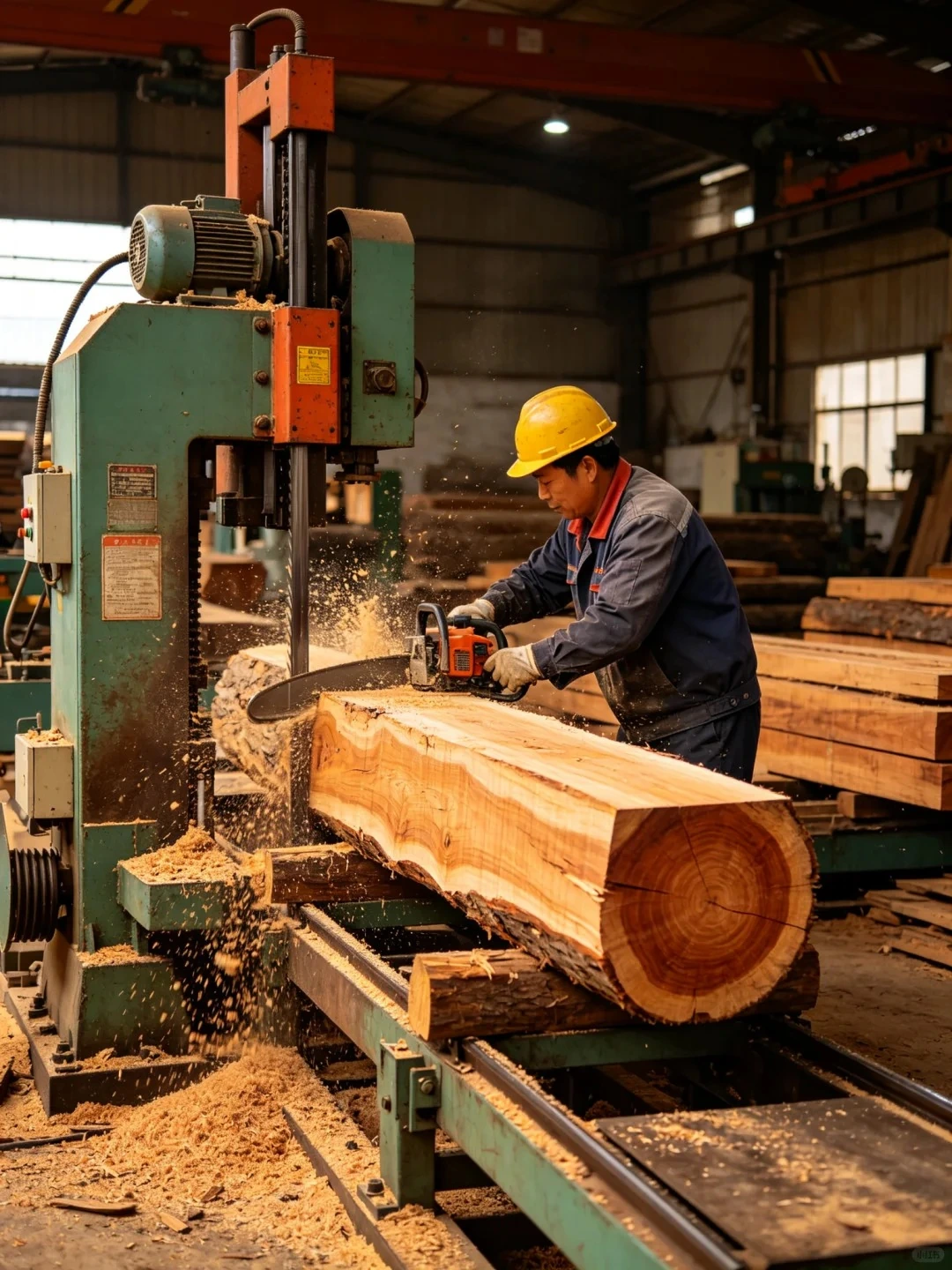
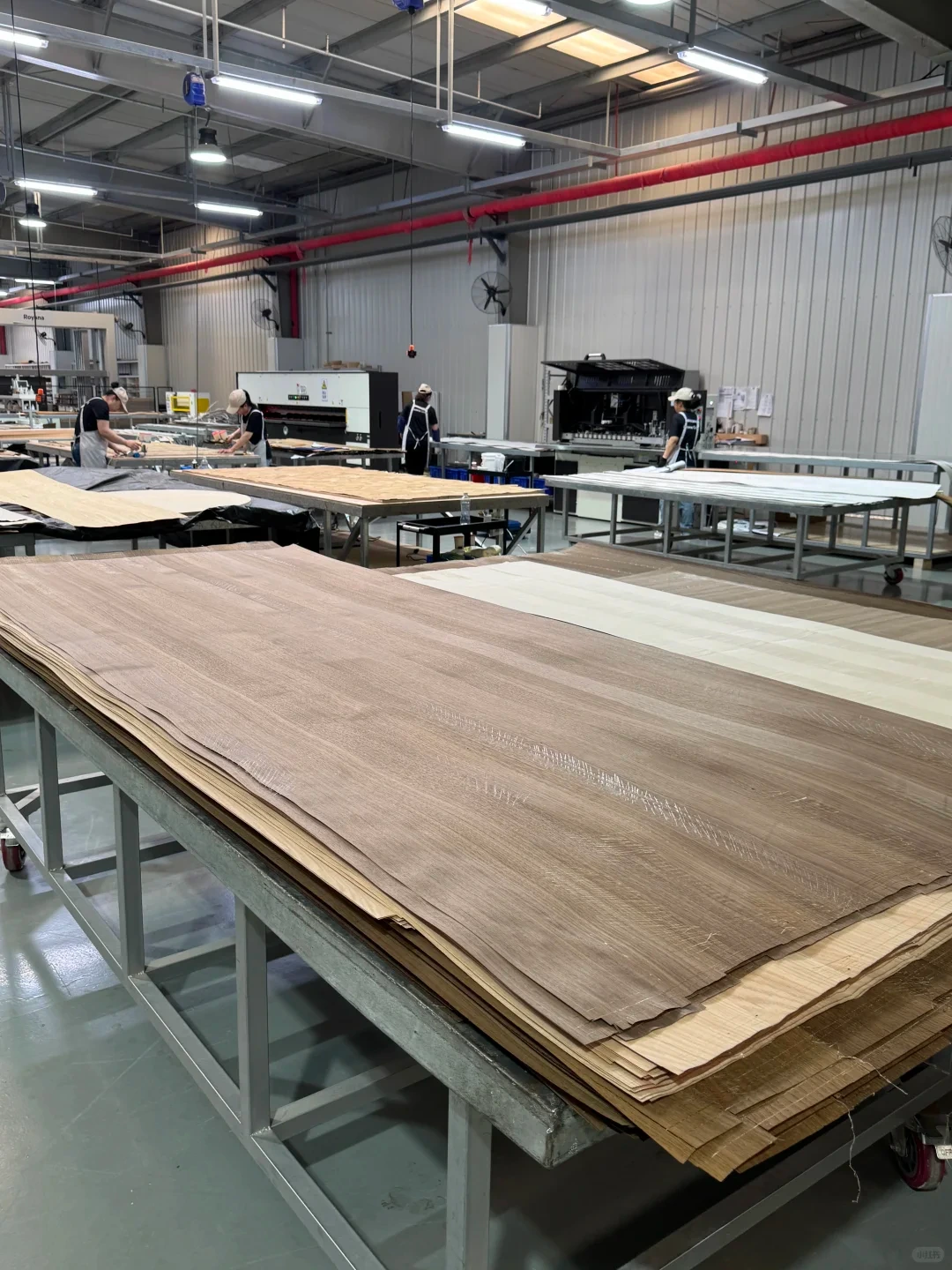
5. Grain matching: book match, slip match and panel sequencing
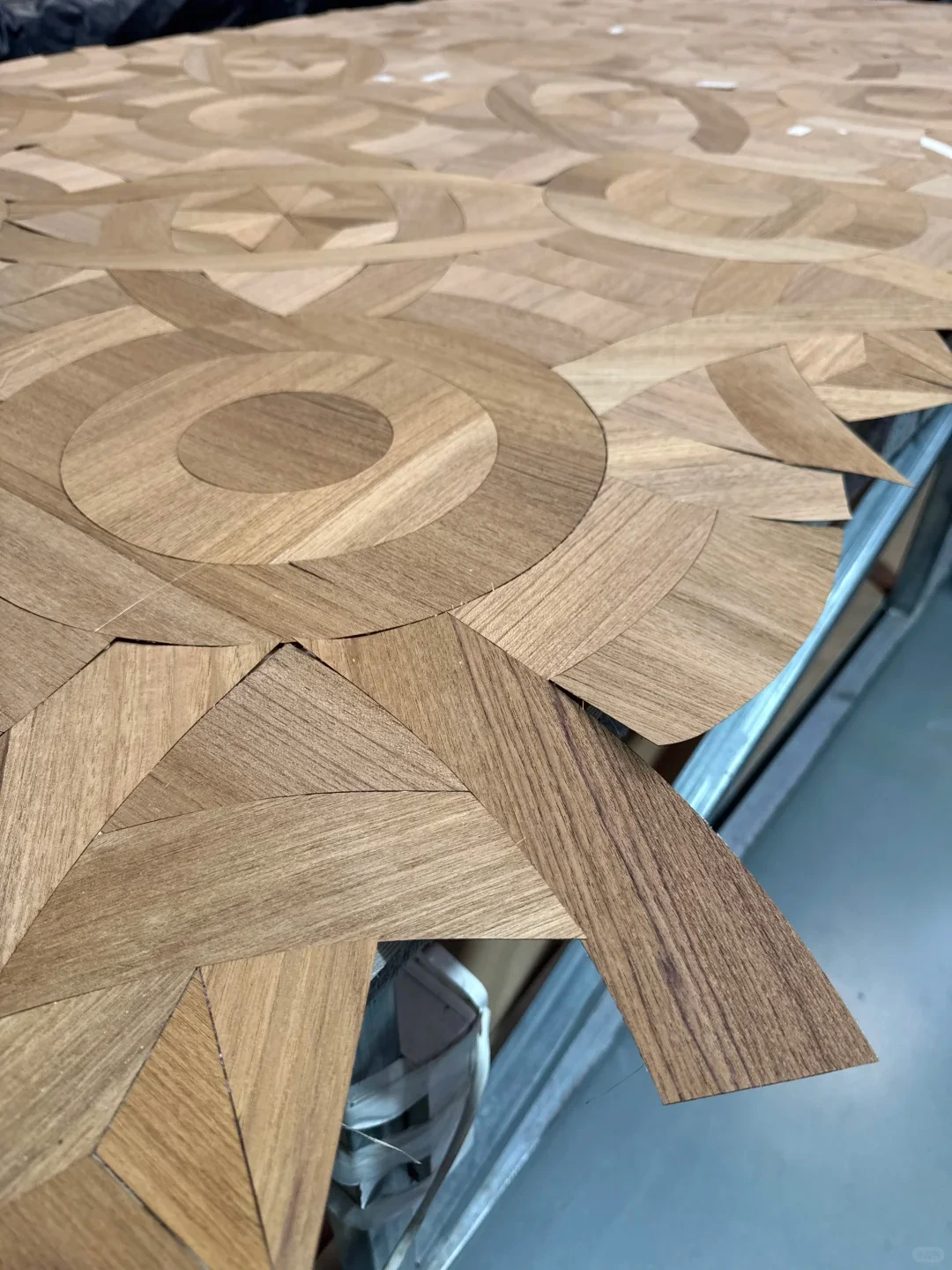
Veneer leaves are rarely applied at random on premium furniture. They are sequenced so the grain reads as a deliberate composition. In a book match, alternating leaves are opened like pages, creating a mirrored pattern. In a slip match, leaves are laid in the same direction, creating a more repetitive rhythm. Large projects may also use end matching, random matching or intentionally mixed figure.
Why sequencing matters on cabinetry
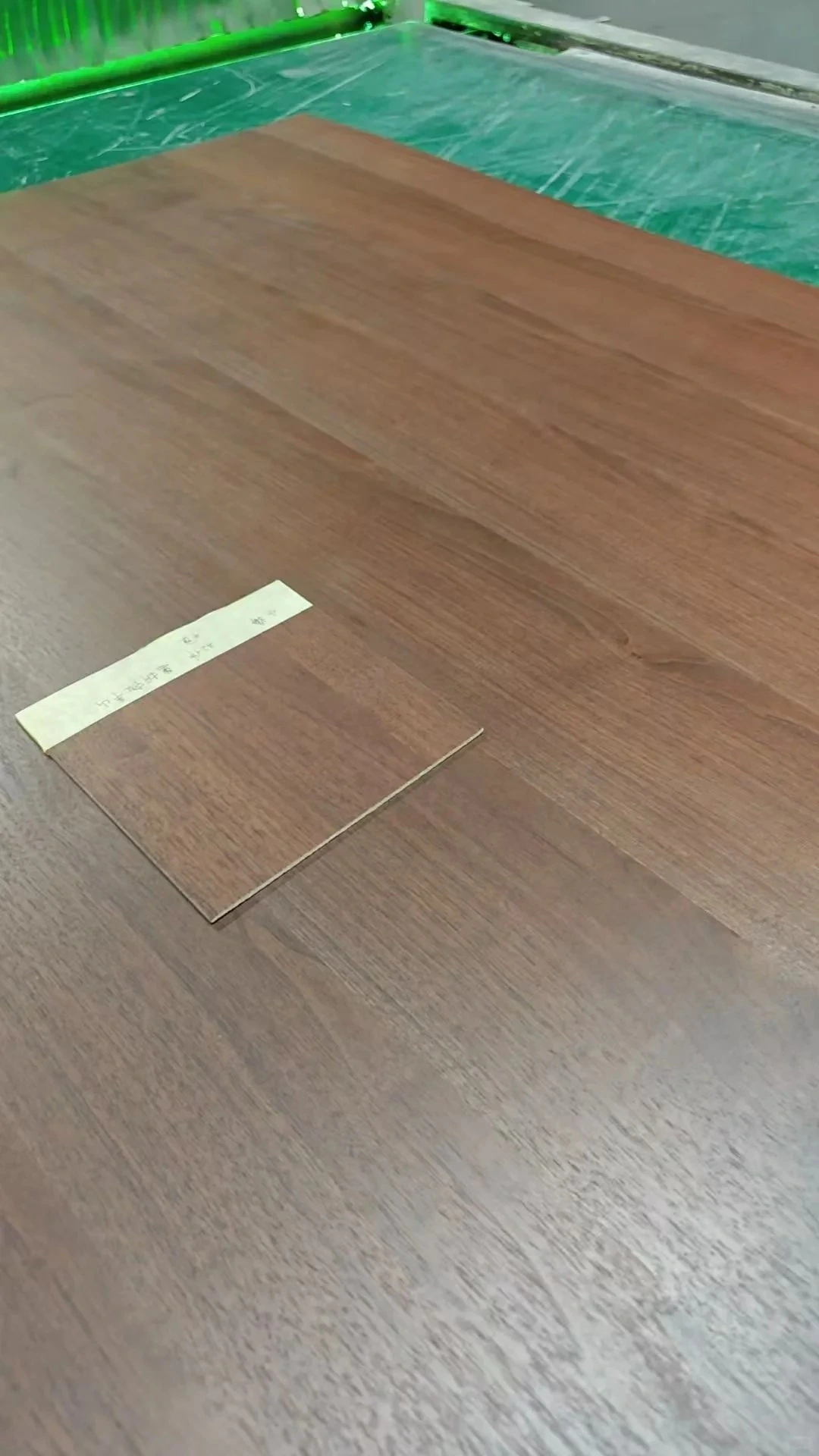
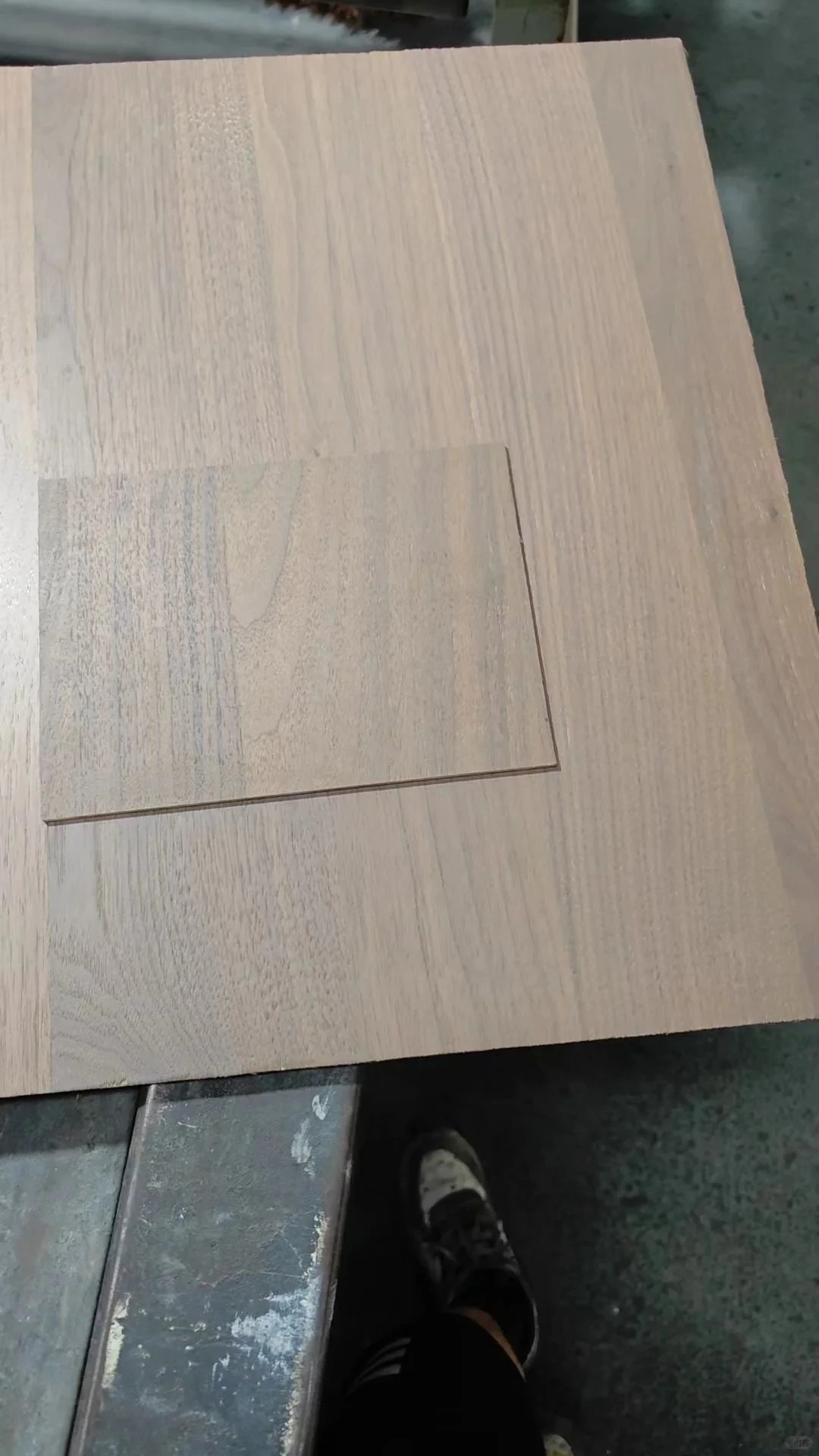
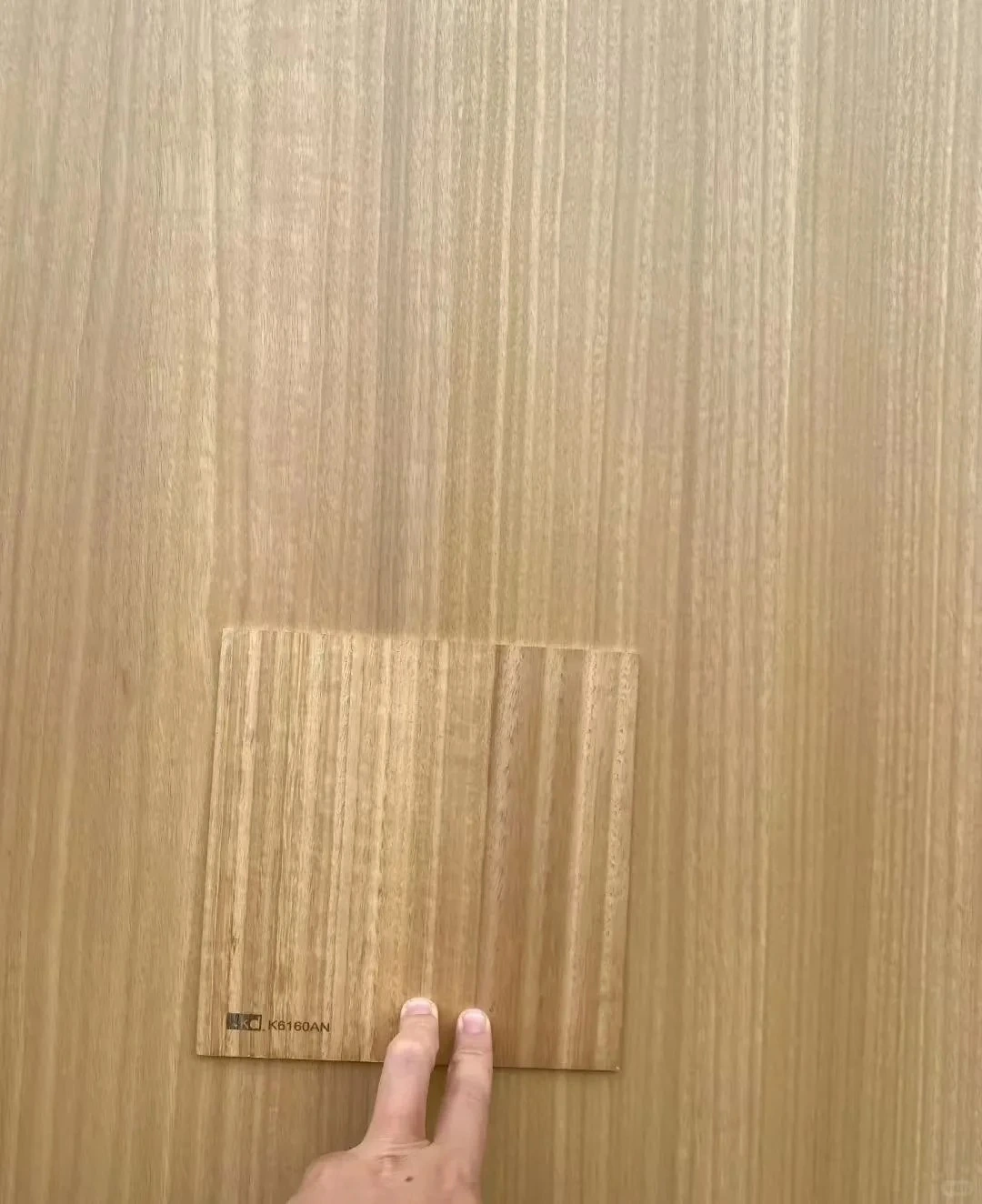
On adjacent cabinet doors and drawer fronts, a break in grain direction can be more noticeable than a small color difference. For whole-home furniture projects, approve the layout at full panel scale—not only from a small hand sample.
6. The substrate underneath the veneer matters
Veneer is only the visible face. The substrate controls flatness, screw holding, edge quality, weight and long-term stability. Common cores include plywood, MDF and engineered panels. Plywood is useful where strength and screw holding are important. MDF offers an extremely flat face for painted or veneered doors. Other engineered panels can work when density, edge sealing and hardware positions are specified correctly.
The most common failures are not caused by veneer species itself. They come from unstable cores, poor adhesive coverage, trapped moisture, weak edge protection, inconsistent pressing or machining that cuts through the face layer.
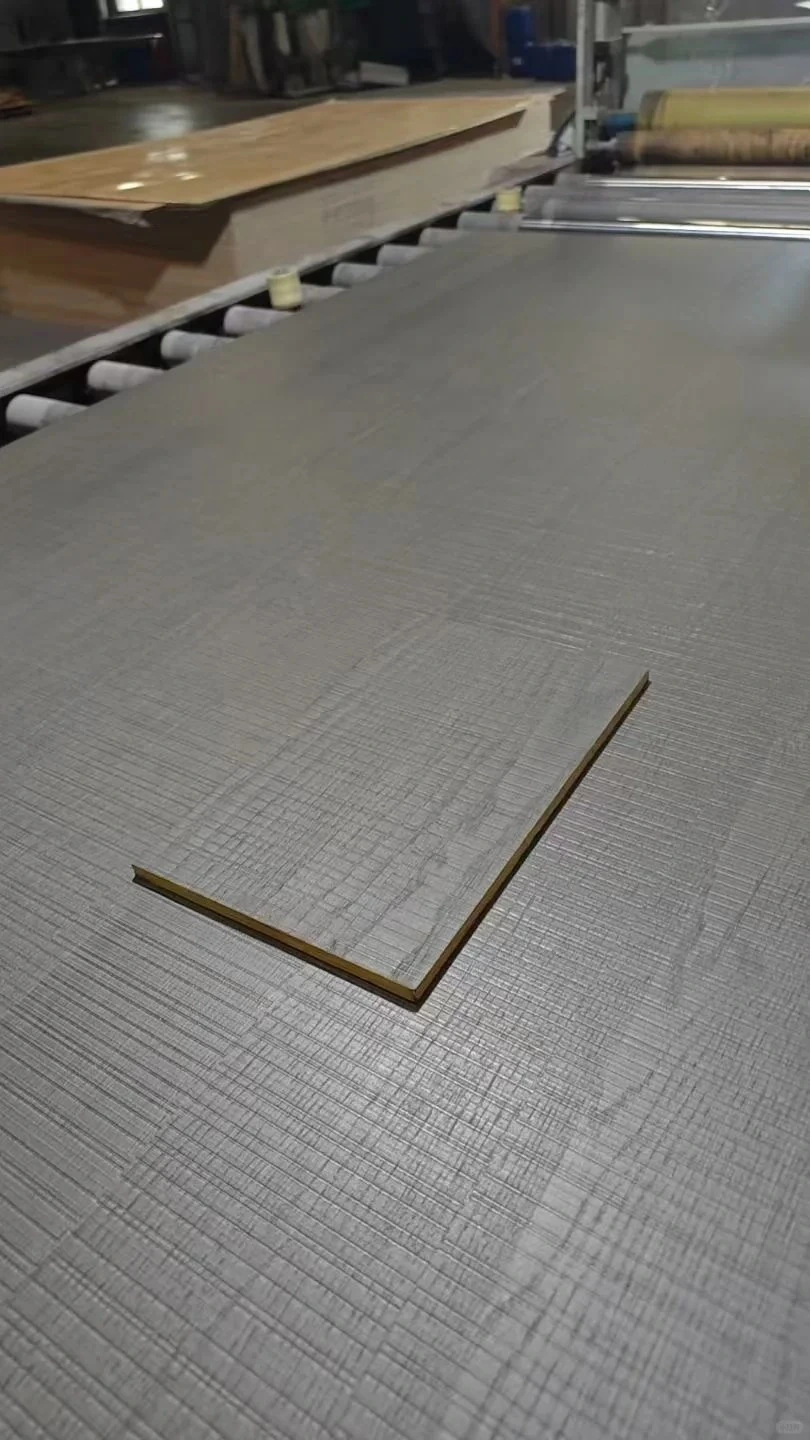
7. How veneering is made: the factory workflow
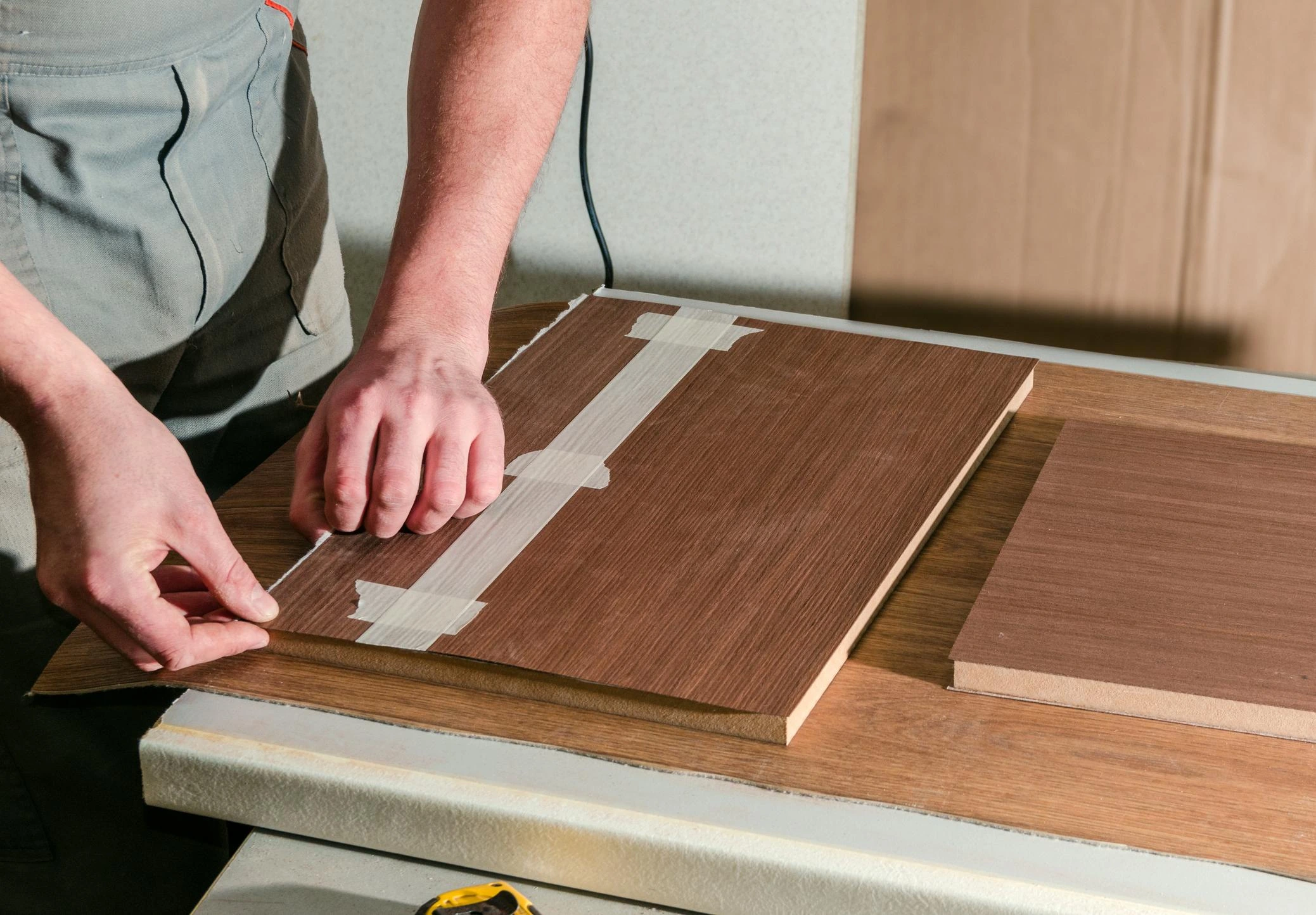
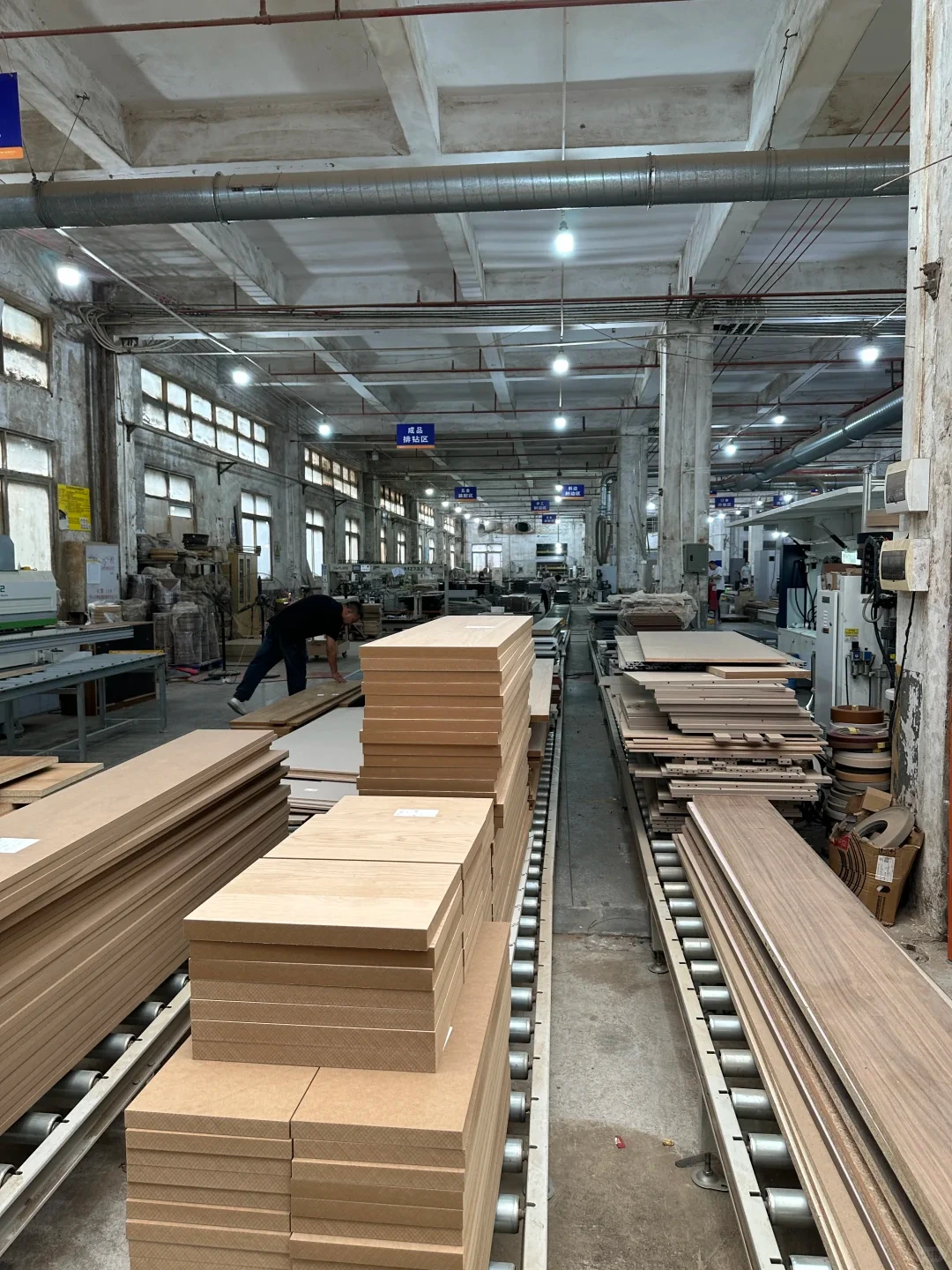
A typical veneering workflow moves from log or flitch preparation to slicing, drying, sorting, grain layout, jointing the leaves, applying adhesive, pressing onto the substrate, curing, trimming, sanding and finishing. Each step changes the final surface quality.
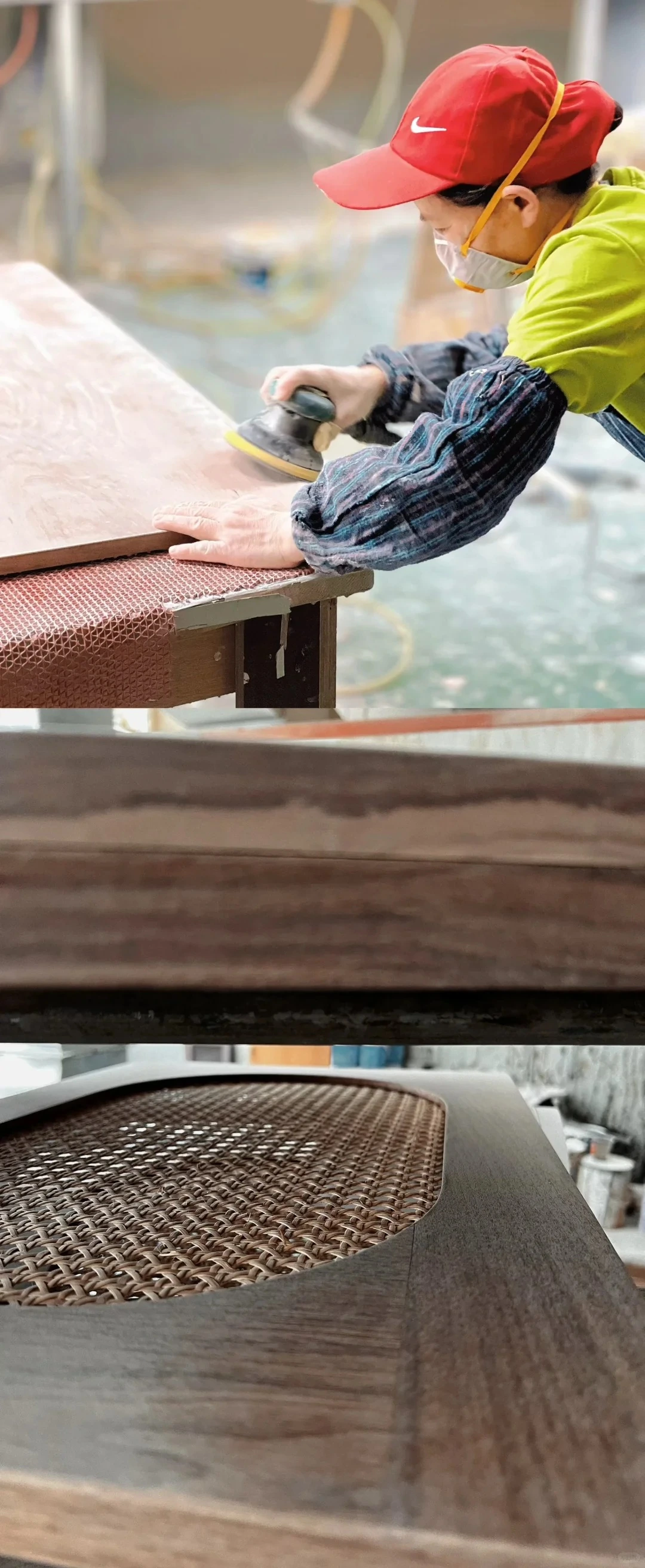
For custom furniture, the critical checkpoints are moisture control before pressing, full adhesive coverage, even pressure, correct cure time, and trimming or machining that does not damage the thin face.
8. Curved veneering and laminated forms
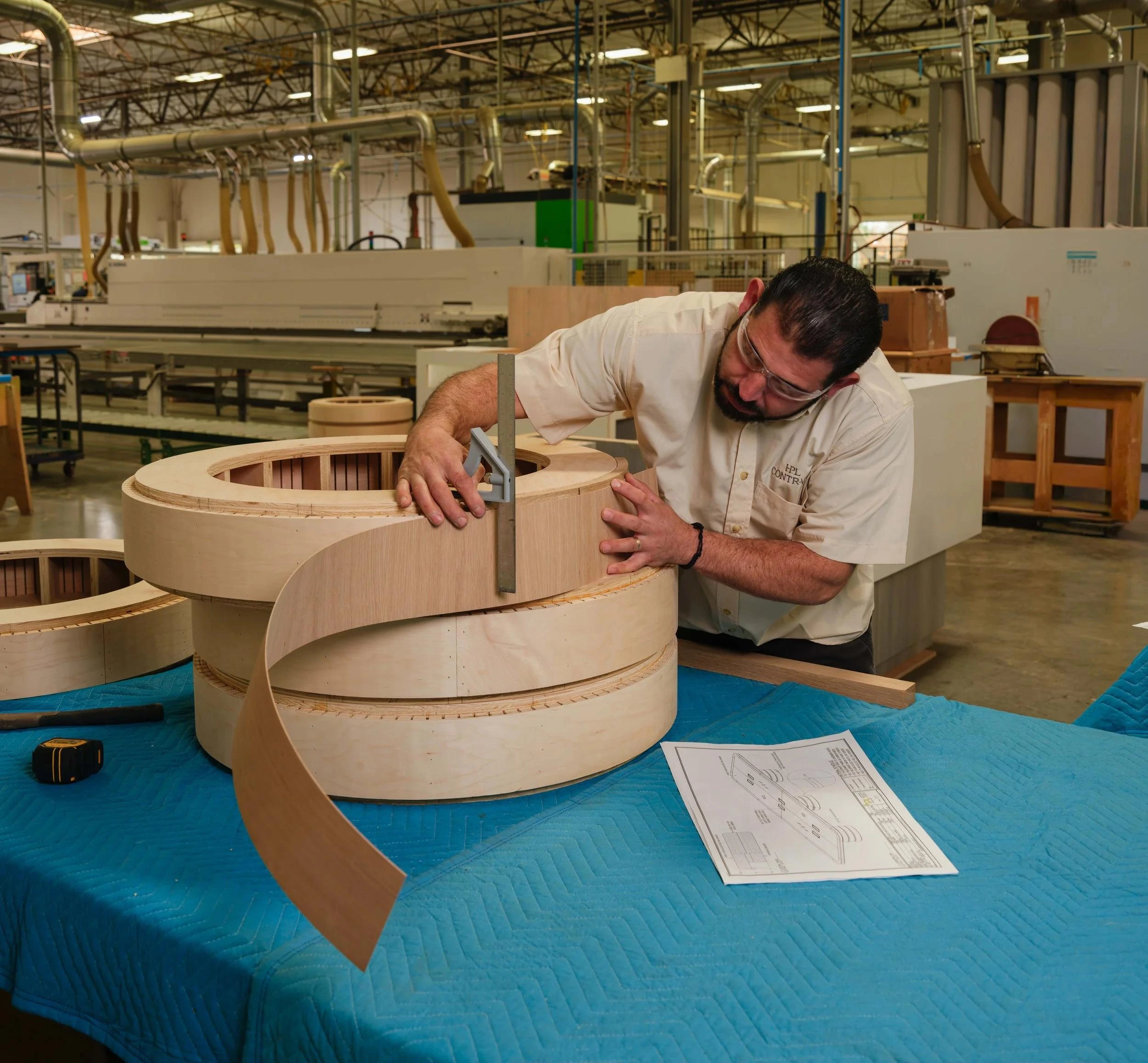
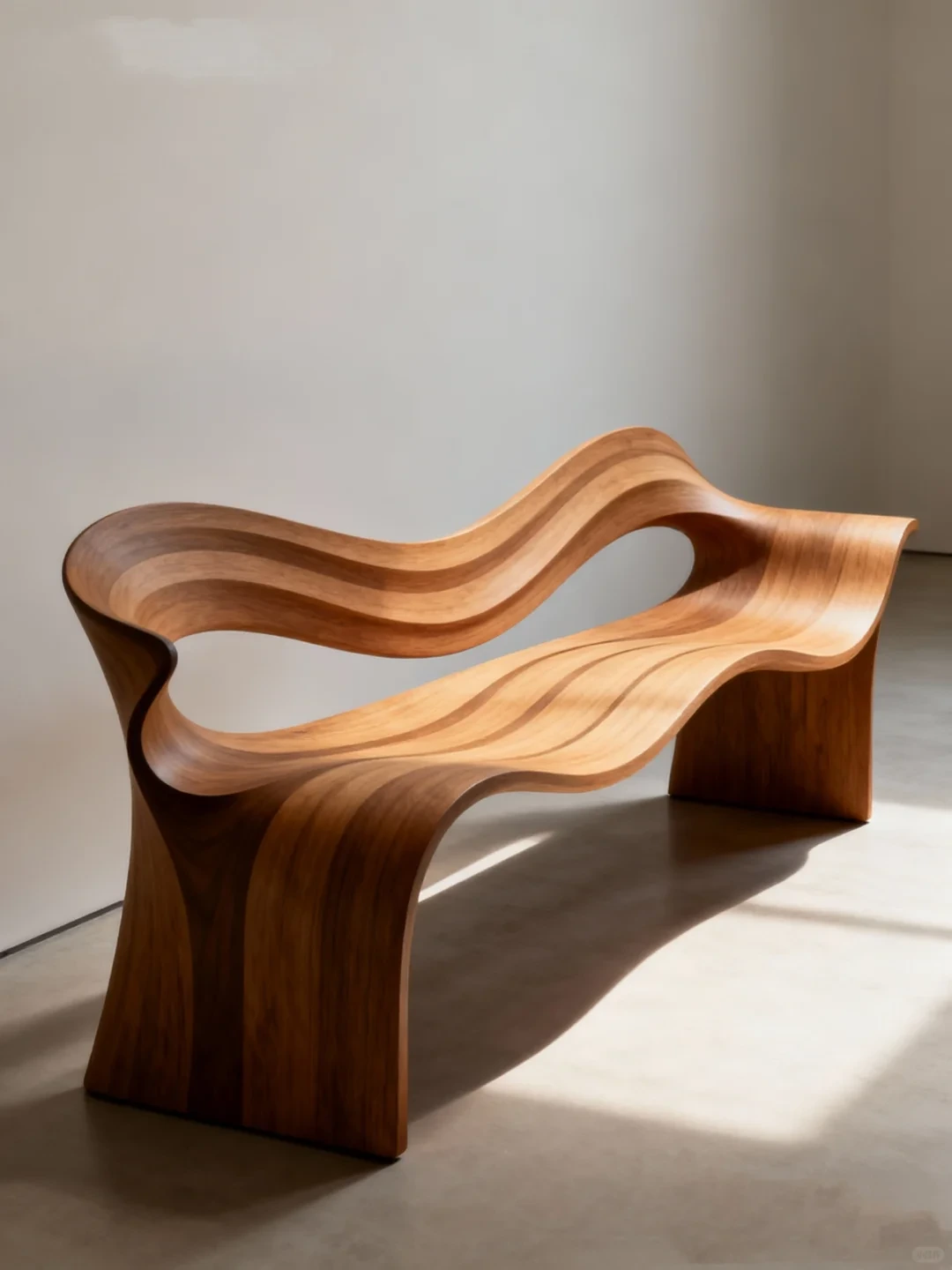
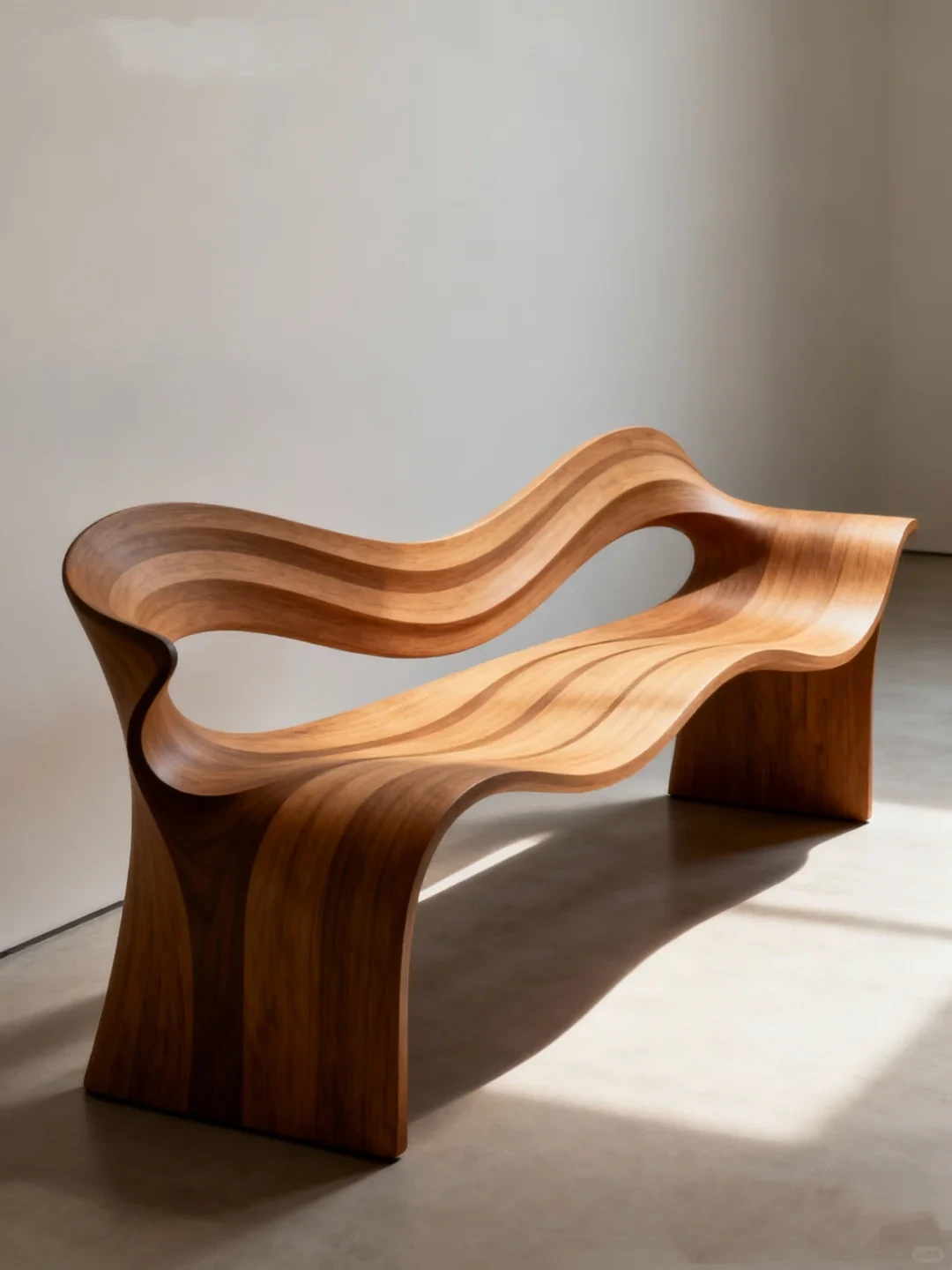
One of veneer’s greatest advantages is that it can follow shapes that would be inefficient or unstable to carve from a single solid block. Curved furniture is often built from layered plywood, bent laminations, shaped cores or ribbed structures. The decorative veneer is then applied over the stable form.
On tight curves, the maker must control veneer thickness, fiber direction, adhesive open time and clamping pressure. Curves also demand careful sanding because the face can be cut through faster on high spots.
9. Veneering still depends on good woodworking
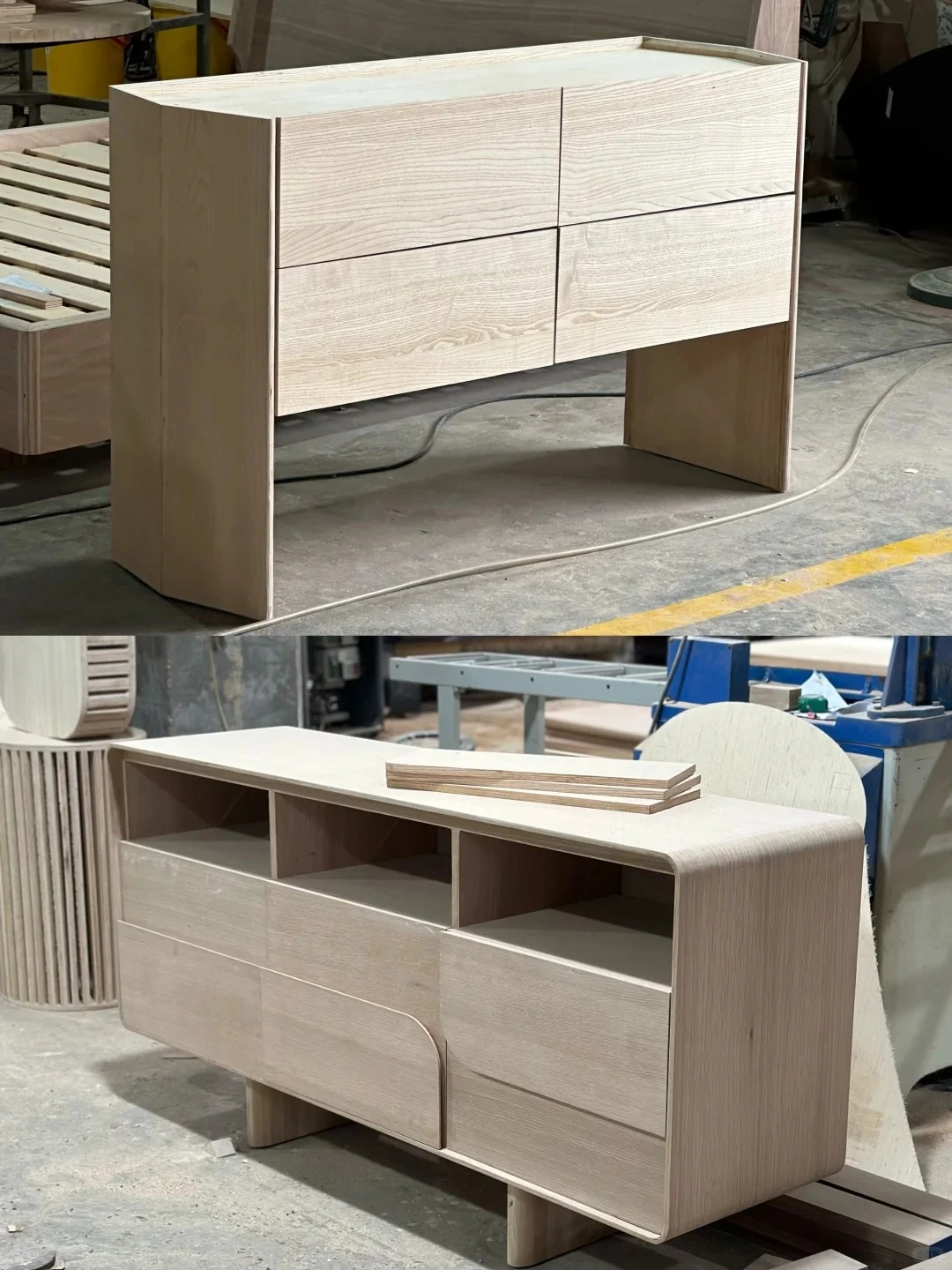
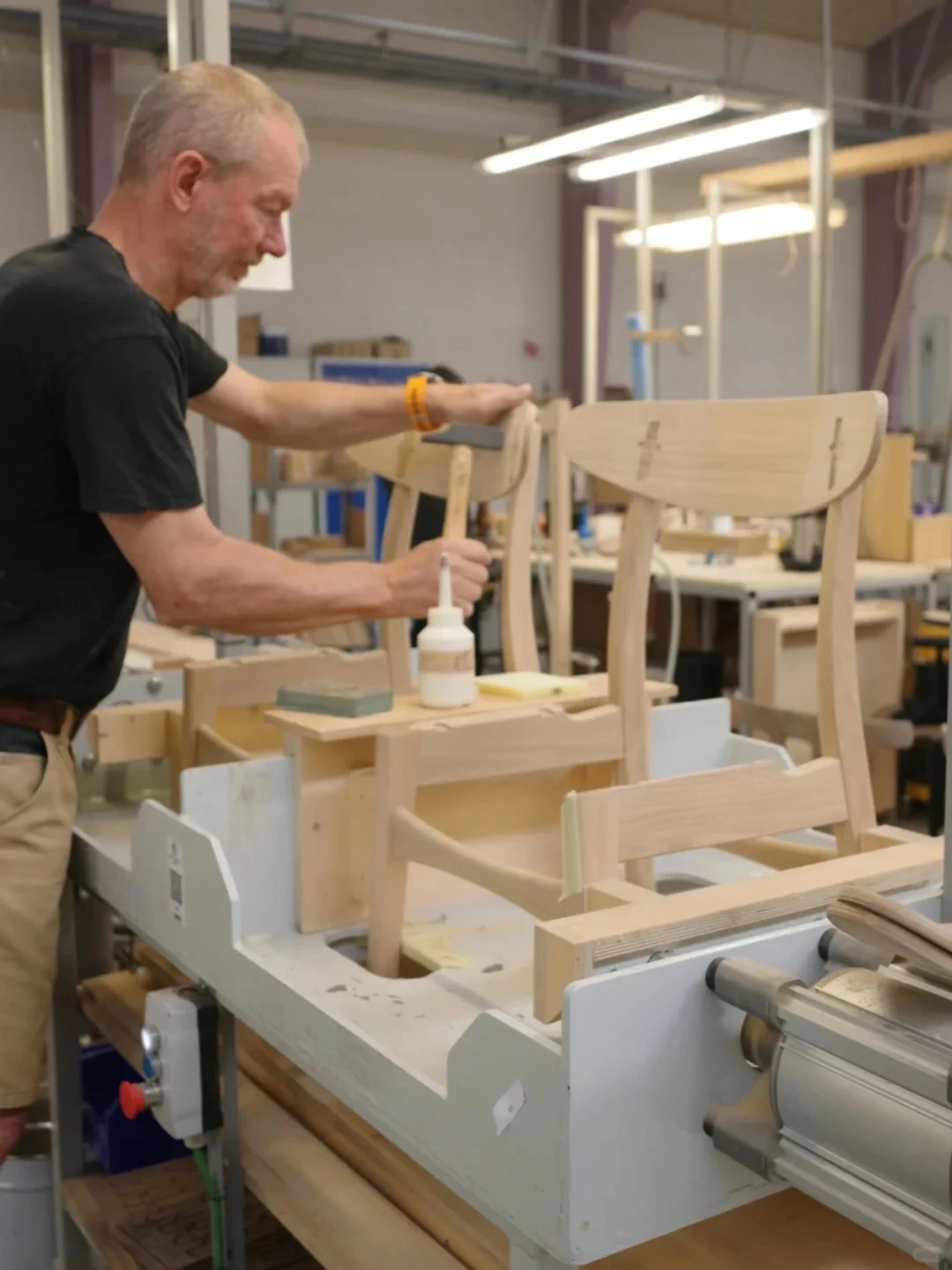
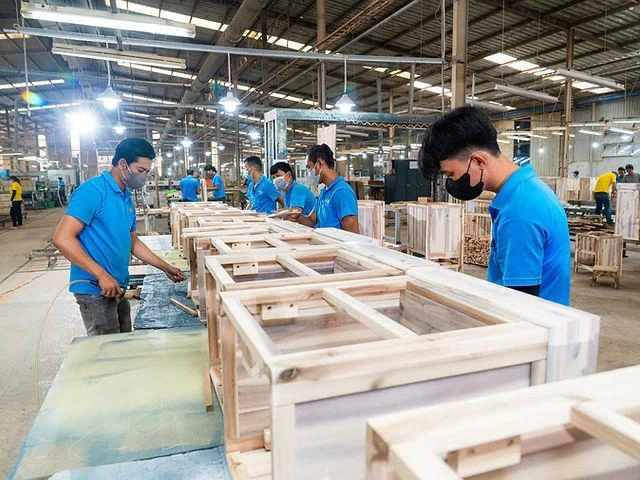
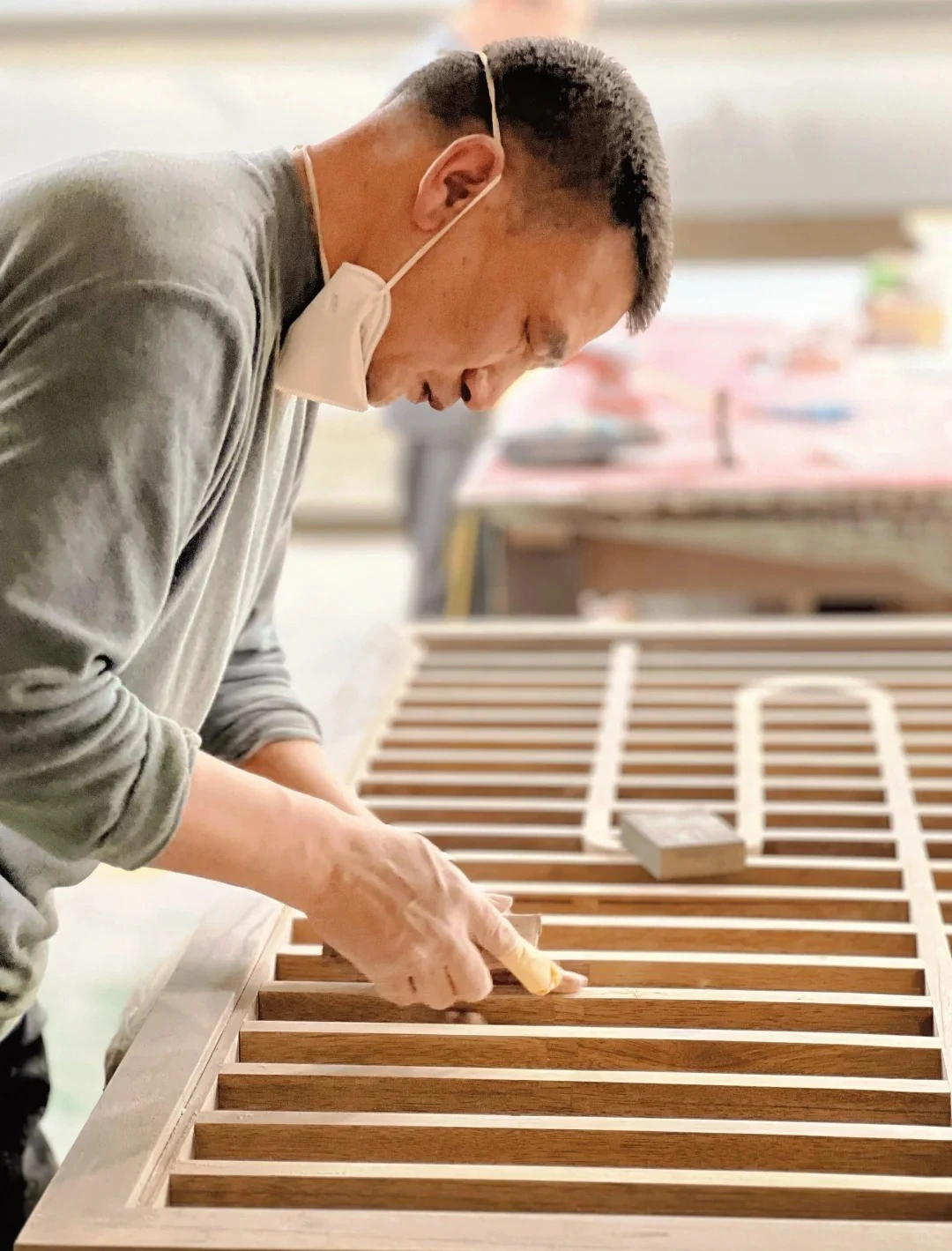
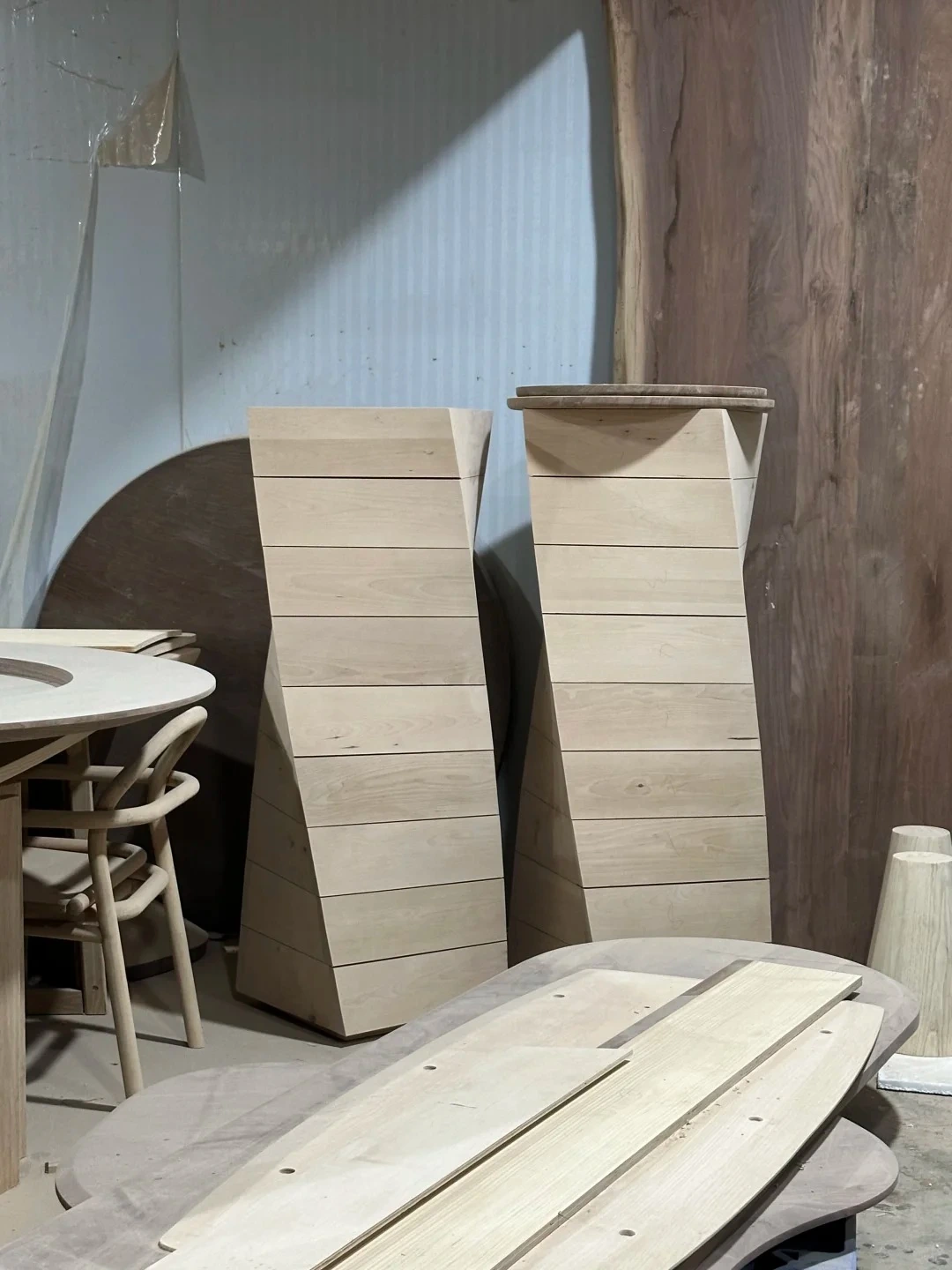
This is the part many veneer guides miss. Fine woodworking determines whether veneered furniture feels precise after the surface is applied. Reference faces must be square. Door gaps must be consistent. Joints must close cleanly. Hardware locations must be repeatable. Solid edges must meet veneered faces without a visible step.
In other words, furniture joinery and veneering are linked. A veneered cabinet still needs accurate carcass construction; a veneered table still needs a stable frame; a curved panel still needs correctly built ribs or laminations.
10. Edges, corners and transitions reveal the real quality
Premium veneered furniture is often judged at the places where two materials meet. Look at corners, drawer fronts, integrated pulls, waterfall edges, solid-wood lippings and the transition from face veneer to side veneer. These areas reveal whether the maker planned the construction or simply wrapped a decorative sheet around a panel.
On high-touch edges, solid wood lipping may be a better choice than an exposed veneer edge. On a continuous cabinet wall, however, a carefully matched veneer edge may preserve the visual rhythm better. The decision should follow function and design, not a fixed rule.
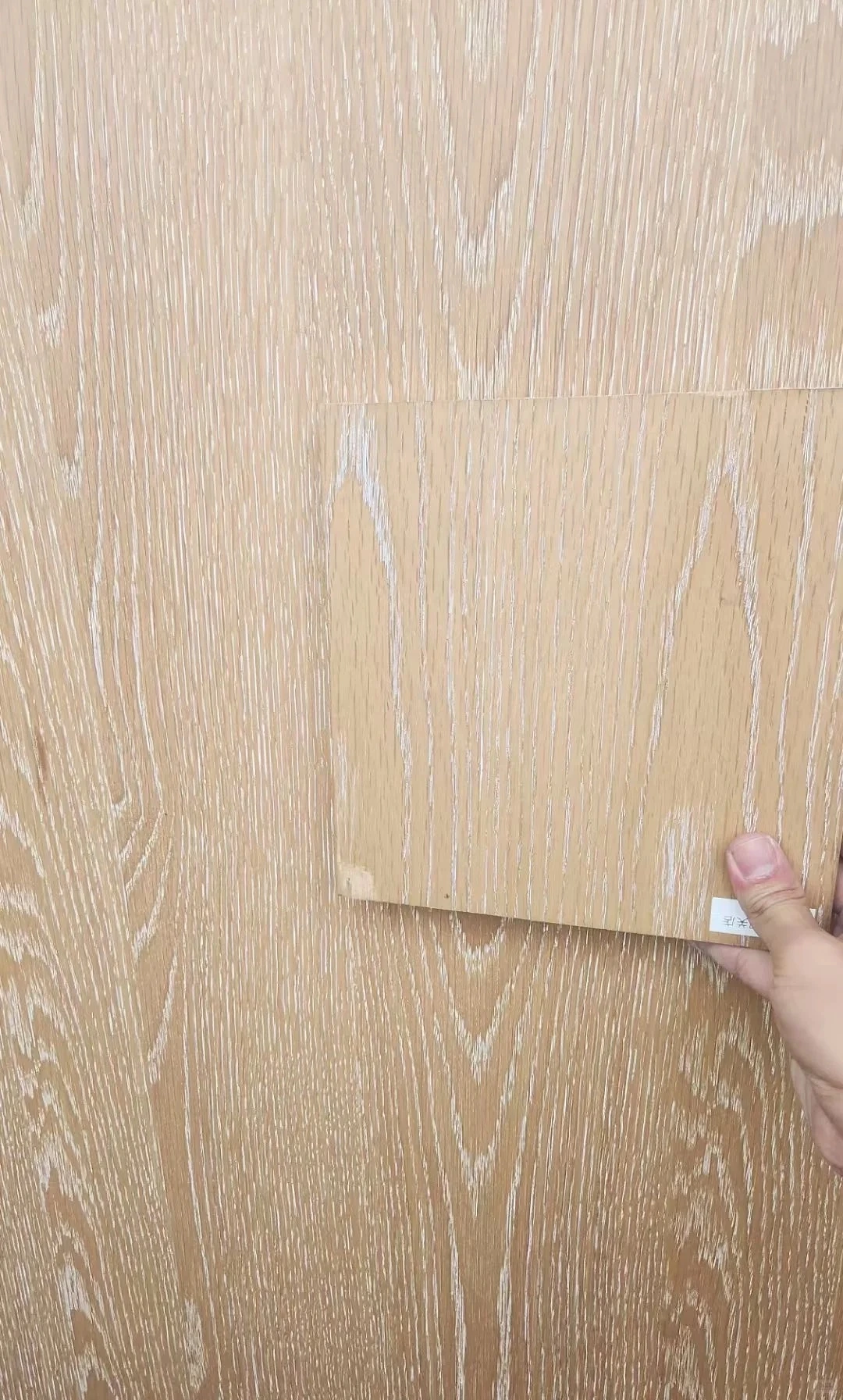
11. Sanding, staining and finishing veneer
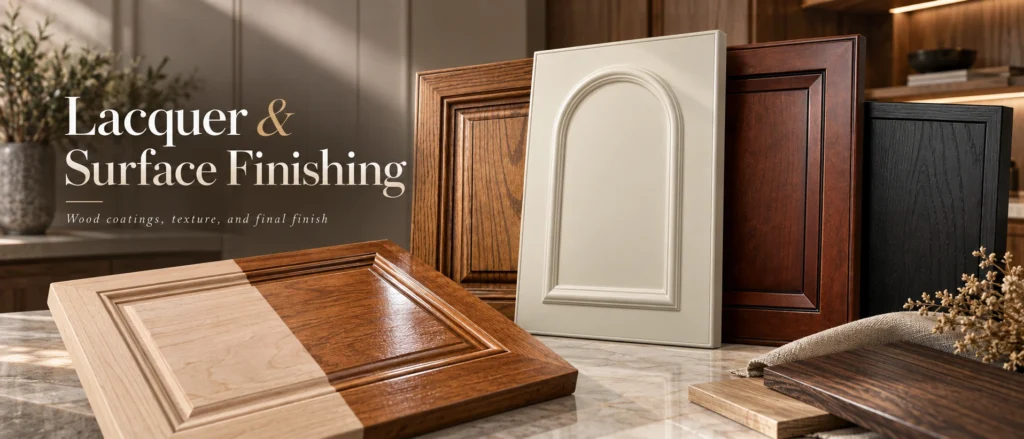
Veneer requires controlled sanding because the decorative layer is thin. Excessive sanding can cut through the face or create pale patches. Uneven sanding can also make stain absorb differently from one area to another. This is why finish samples should be approved on the same species, cut and veneer batch intended for production.
Color is only one variable. Sheen changes how grain reads under light: matte finishes soften contrast, while satin and semi-gloss finishes can emphasize pores, figure and surface preparation.
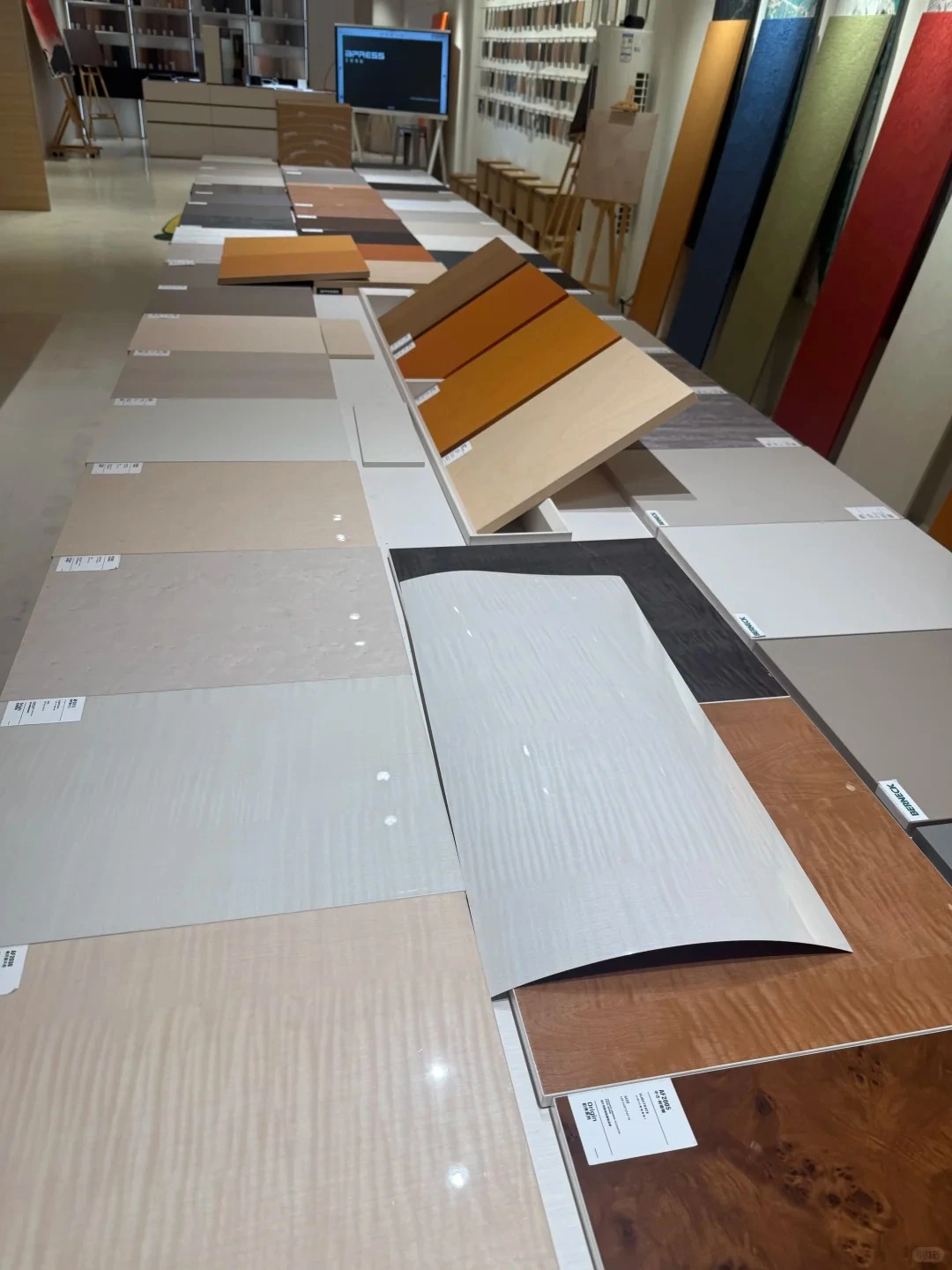
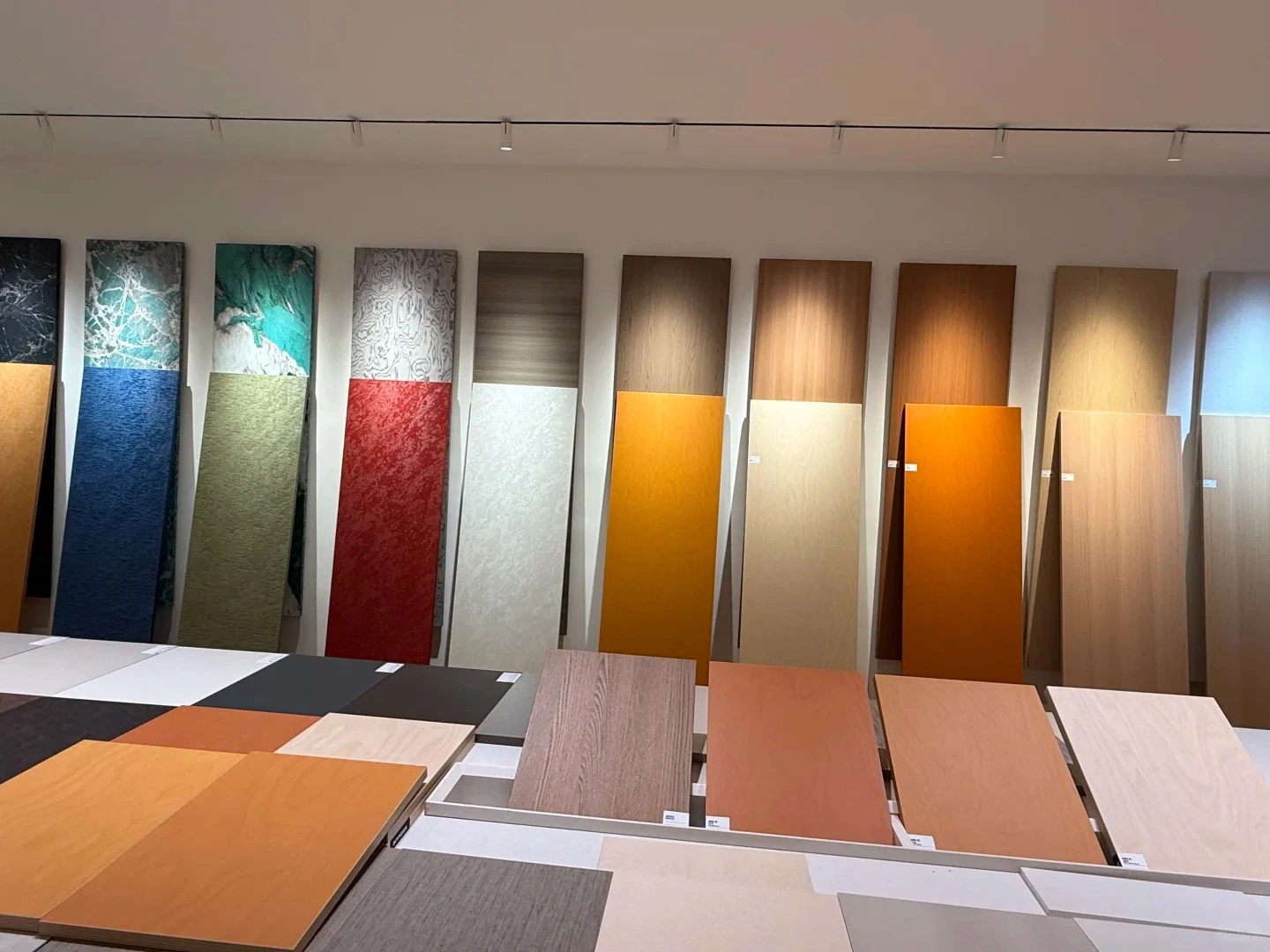
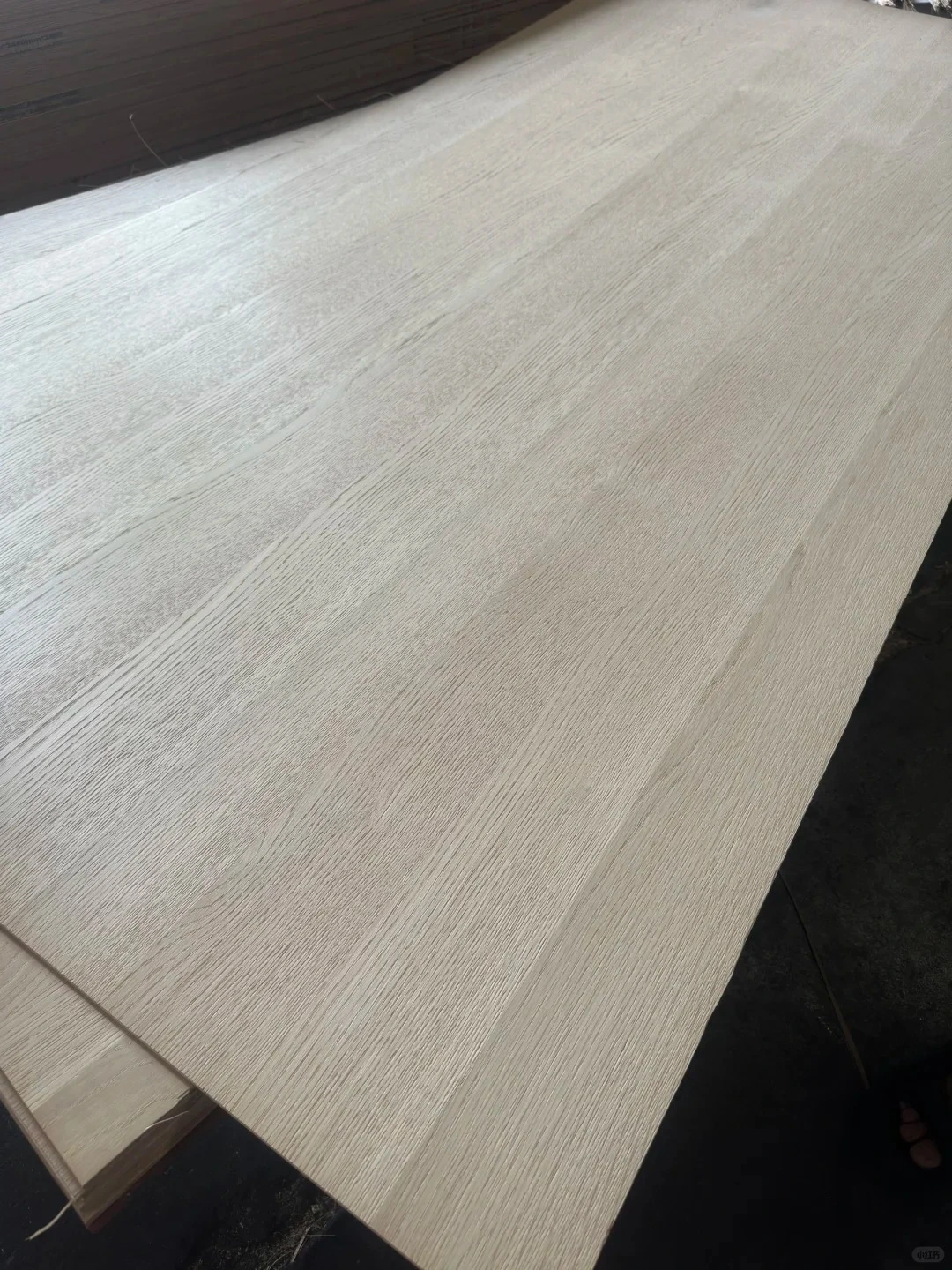
12. What buyers should inspect before shipment
Veneer quality control should go beyond “does the color look right?” The inspection should connect surface quality with woodworking accuracy and hardware function.
- Grain direction follows the approved layout
- Adjacent doors and drawers are sequenced correctly
- No bubbles, blisters or hollow-sounding areas
- No glue bleed, open seams or chipped veneer
- Edges are sealed and protected
- Solid lippings meet the face without a step
- Door gaps remain consistent after assembly
- Hardware holes do not split or crush the substrate
- Curved surfaces are smooth without telegraphing
- Finish sheen and color match the approved sample
13. Where veneer makes sense—and where solid wood may be better
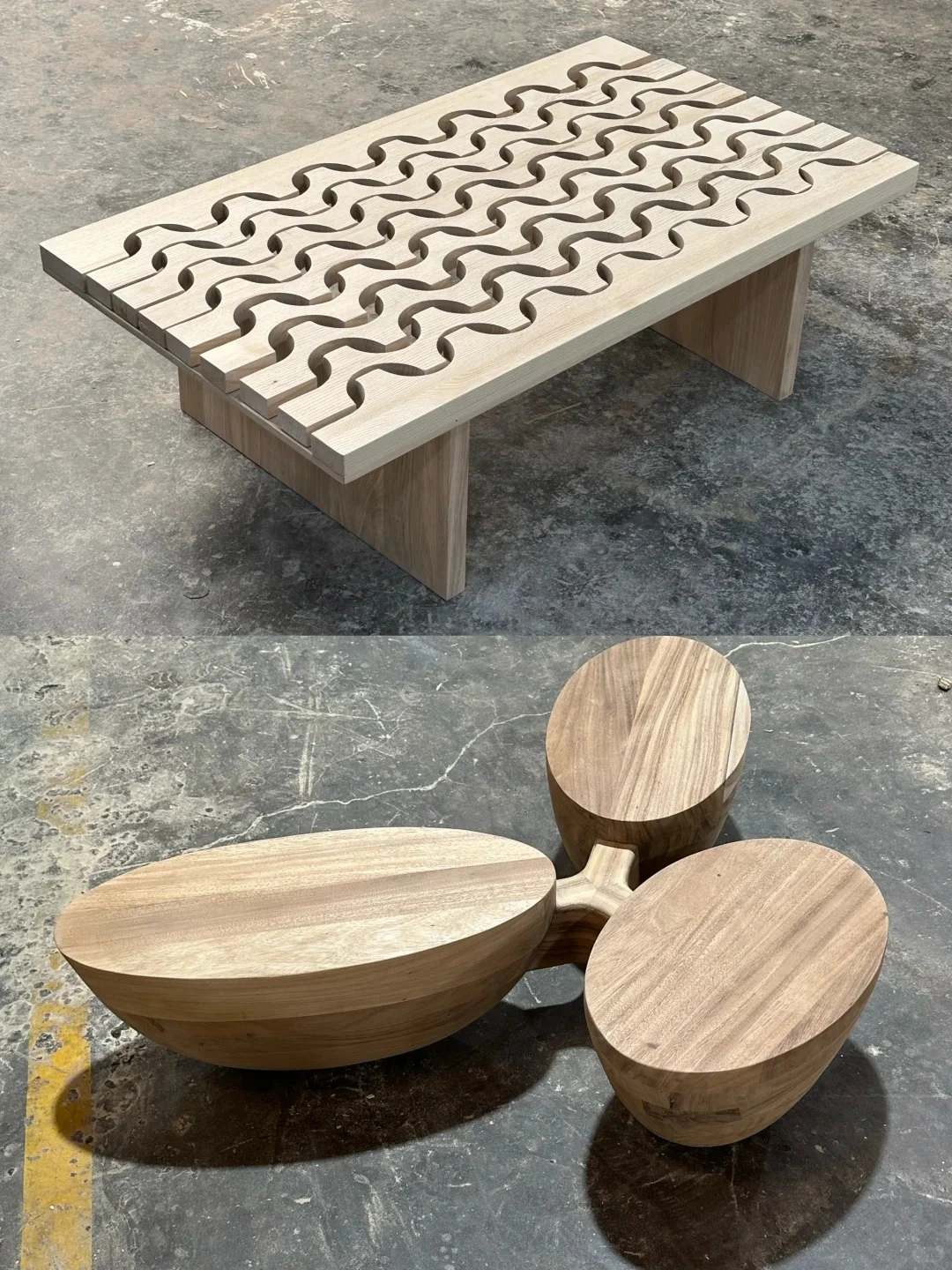
Veneer is especially useful for large flat doors, broad table surfaces, wall panels, highly figured woods, matched cabinet fronts and curved forms. It helps designers use beautiful grain efficiently and can improve dimensional stability when paired with the right core.
Solid wood is often better for legs, rails, carved details, exposed edges, areas that may be re-shaped during fitting, or places where repeated refinishing is expected. Many premium pieces combine both: veneered panels for visual continuity and solid wood for structure and edges.
14. How to specify veneer for a custom furniture project
Instead of specifying only “walnut veneer” or “oak veneer,” define the surface in enough detail that the factory can reproduce the intended look.
Veneer specification checklist
- Species or engineered pattern
- Cut: rotary, plain, quarter or rift
- Matching method: book, slip, random, etc.
- Approved color range and sample
- Panel sequence for visible fronts
- Substrate and thickness
- Solid edge or veneered edge detail
- Finish color, texture and sheen
- Grain direction by component
- Mock-up or sample approval before production
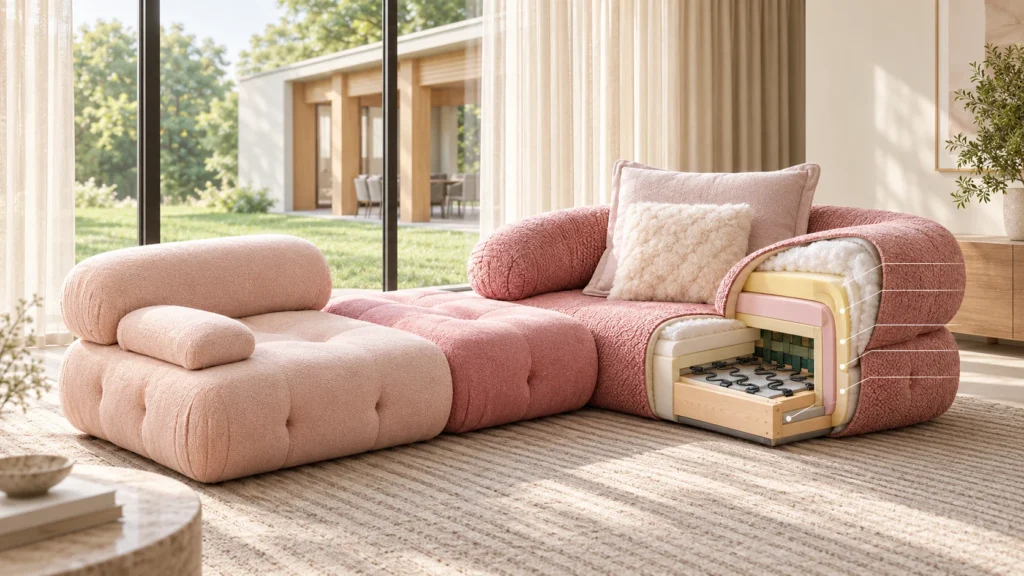
For a broader material decision, see Ratahome’s wood furniture guide. For construction details such as mortise-and-tenon, dowels and frame assembly, see the furniture joinery guide. If your project also includes upholstery, the sofa construction guide explains how frames, suspension, foam and upholstery work as one system.
15. Quick FAQ: veneer and woodworking
Is wood veneer real wood?
Yes. Natural veneer is a thin slice of real timber. Engineered veneer also uses wood material, but it is processed and reconstituted to create a more repeatable pattern.
Does veneer mean lower quality furniture?
No. Quality depends on the complete system: veneer grade, grain matching, substrate, adhesive, pressing, edge treatment, woodworking accuracy and finishing. Premium furniture often uses veneer intentionally for stability and visual continuity.
Why is woodworking important if the furniture is veneered?
Because the veneer follows the surface beneath it. If the panel is out of square, an edge is poorly machined or a joint moves, the problem will eventually appear in gaps, corners, seams or finish quality.
What should I ask a furniture factory?
Ask what veneer is being used, how it is cut and matched, what substrate is underneath it, how edges are built, how panels are pressed, and whether you can approve a full-size sample or mock-up before production.
Specify the surface and the structure together.
For custom furniture, send your floor plan, reference images and preferred wood tone. Ratahome can help align veneer selection, woodworking details, finishes and production requirements before manufacturing begins.
Start Your Project