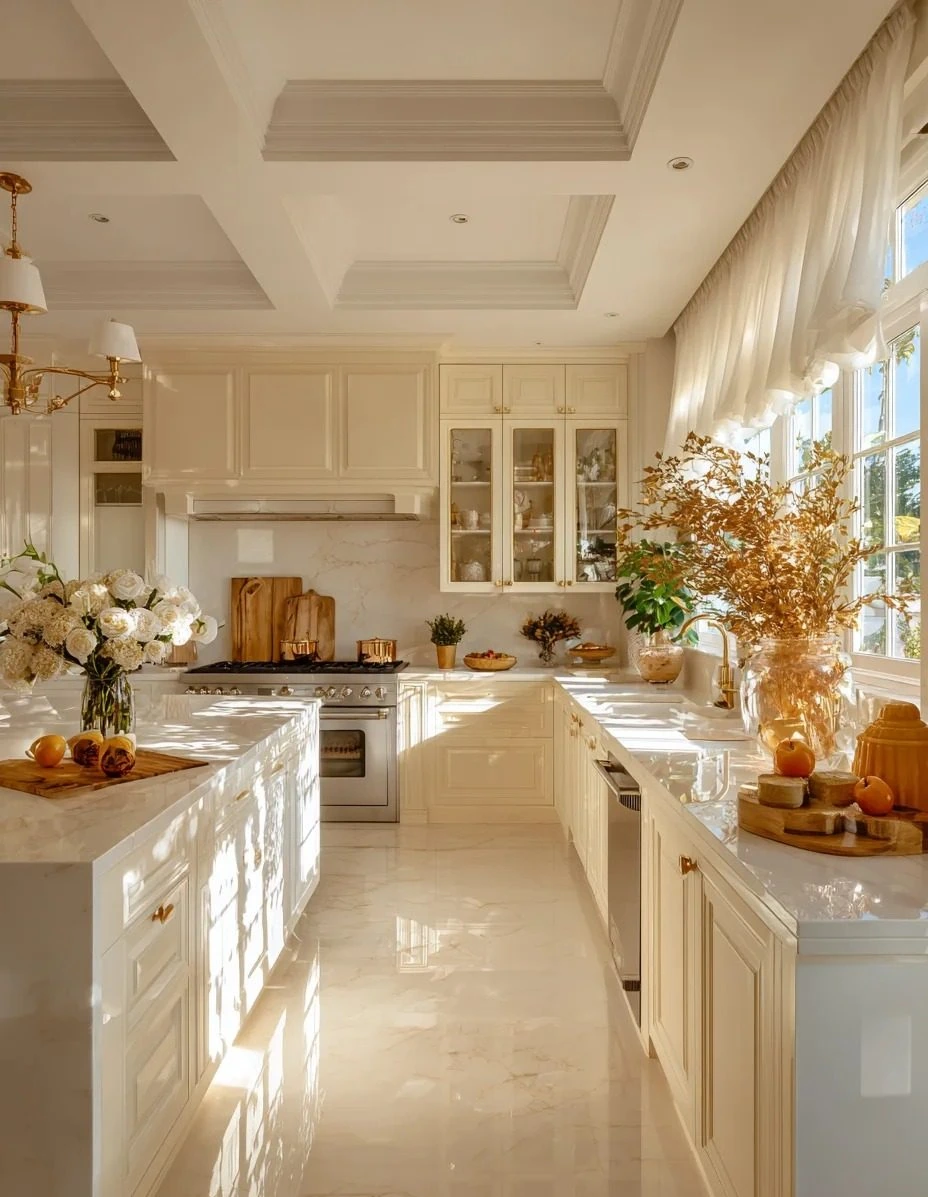
1. Why cabinet manufacturing matters
A cabinet is not just a box with a decorative door. It is a system of panels, joints, edge details, finishes, hinges, drawer runners, fillers and installation tolerances that must work together over many years.
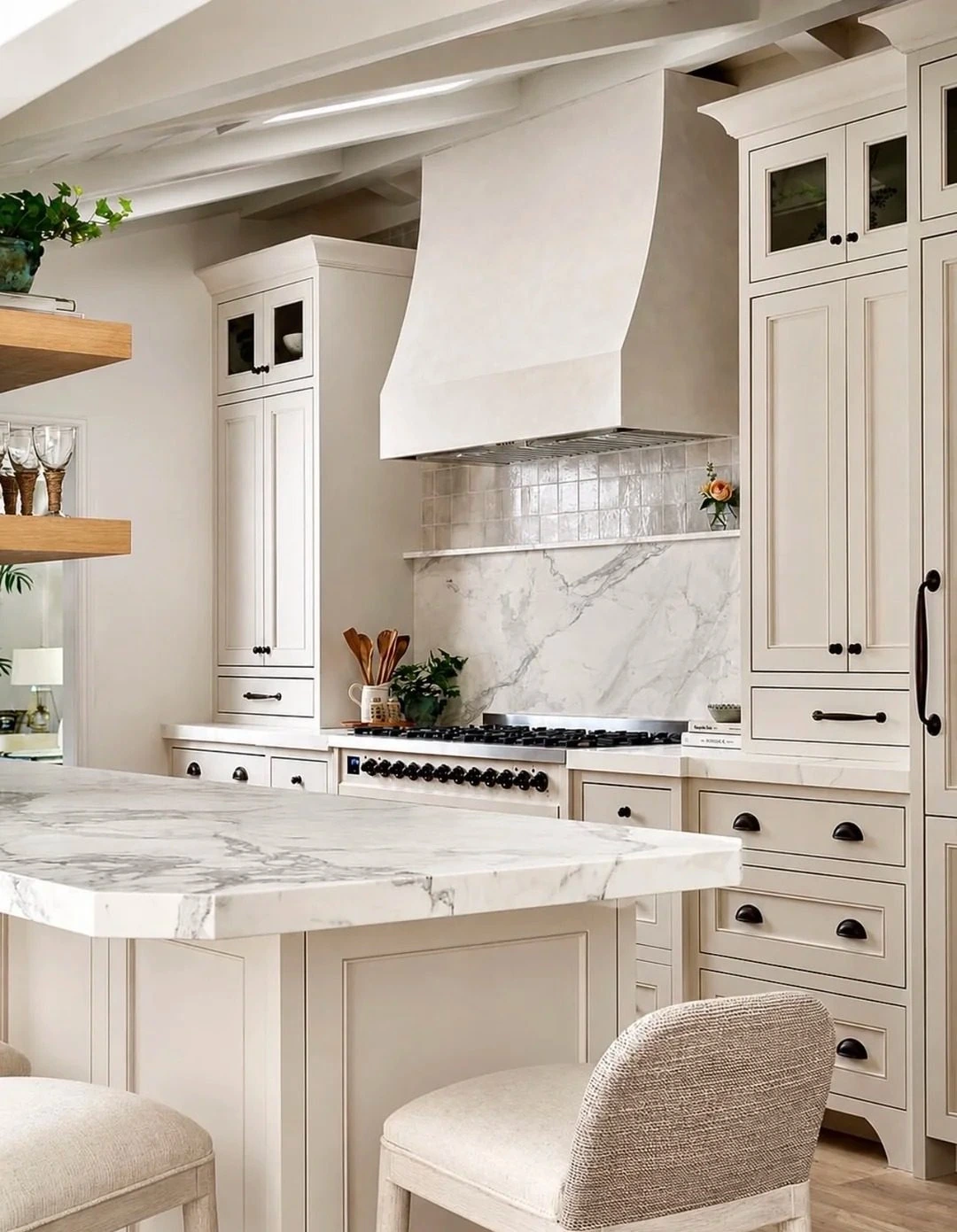
Two kitchens can look similar in a photograph yet perform very differently. The difference often comes from what is hidden: substrate choice, panel thickness, moisture stability, machining accuracy, edge sealing, joinery, hardware fixing, finish build and the discipline of trial assembly. The best way to buy cabinetry is to treat appearance and construction as one specification rather than separate decisions.
For broader context, Ratahome’s wood furniture guide explains solid wood behavior, while the furniture joinery guide covers how joints transfer load. Cabinet manufacturing applies the same principles to large, repeatable casework systems.
2. Choosing cabinet materials: core first, finish second
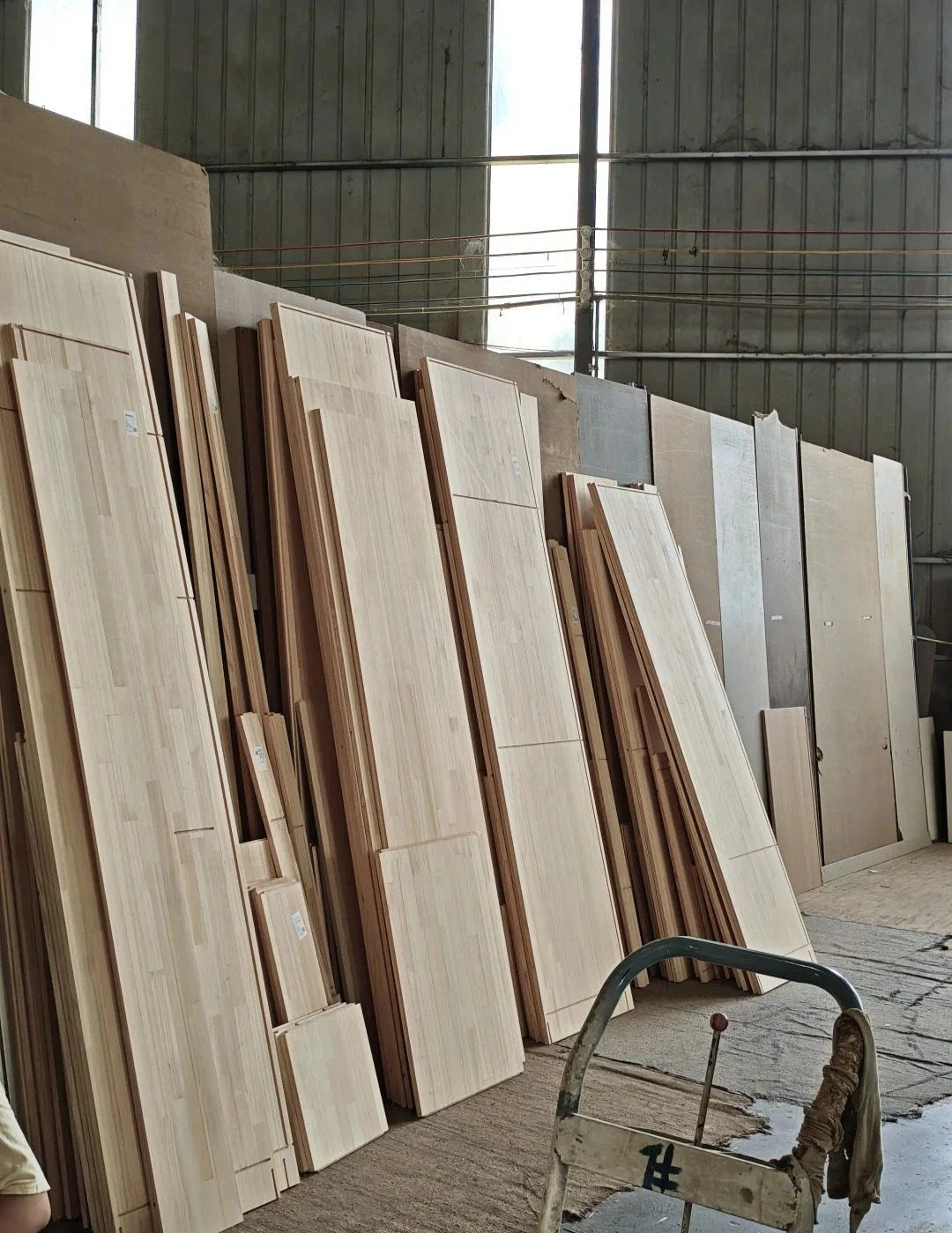
Cabinet material selection should begin with the job each component needs to do. Carcasses need dimensional stability and reliable screw holding. Doors need flatness, a clean machined edge and a surface suited to the chosen finish. Drawers need impact resistance and stable joinery. Decorative panels may prioritize grain continuity or a premium veneer face.
| Material | Best use in cabinetry | Watch for |
|---|---|---|
| Plywood | Carcasses, shelves, sink cabinets, structural panels | Core voids, face grade, edge exposure, veneer thickness |
| MDF | Painted doors, routed profiles, smooth decorative panels | Moisture exposure, edge sealing, density and screw placement |
| Particle board | Value-focused melamine cabinets and modular interiors | Edge sealing, hardware fixing and moisture protection |
| Solid wood | Face frames, door rails/stiles, trims, premium details | Moisture content, grain movement and color variation |
| Veneer | Large visible panels, matching grain, premium casework | Substrate quality, veneer matching and finish consistency |
3. Engineering the cabinet box
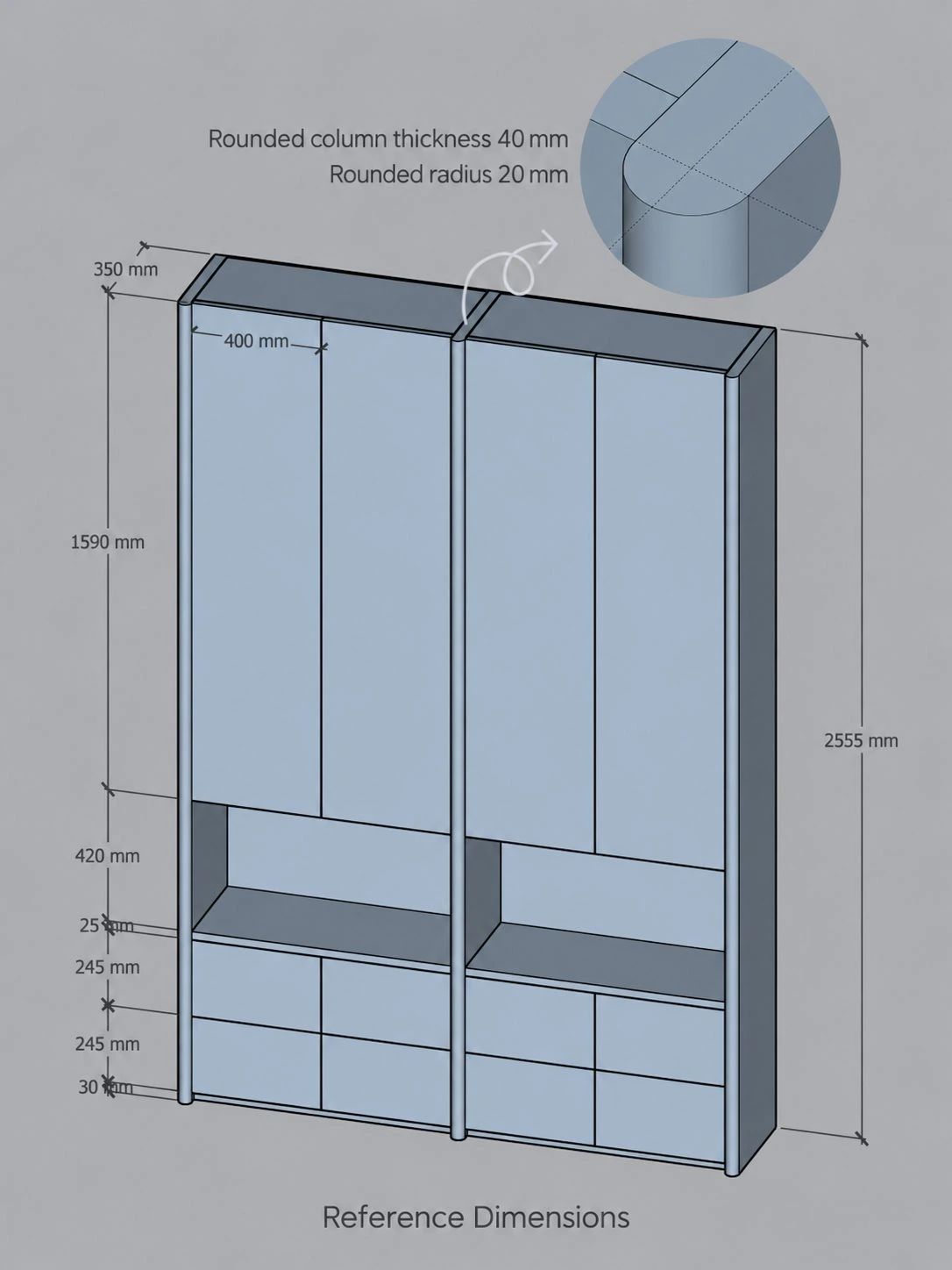
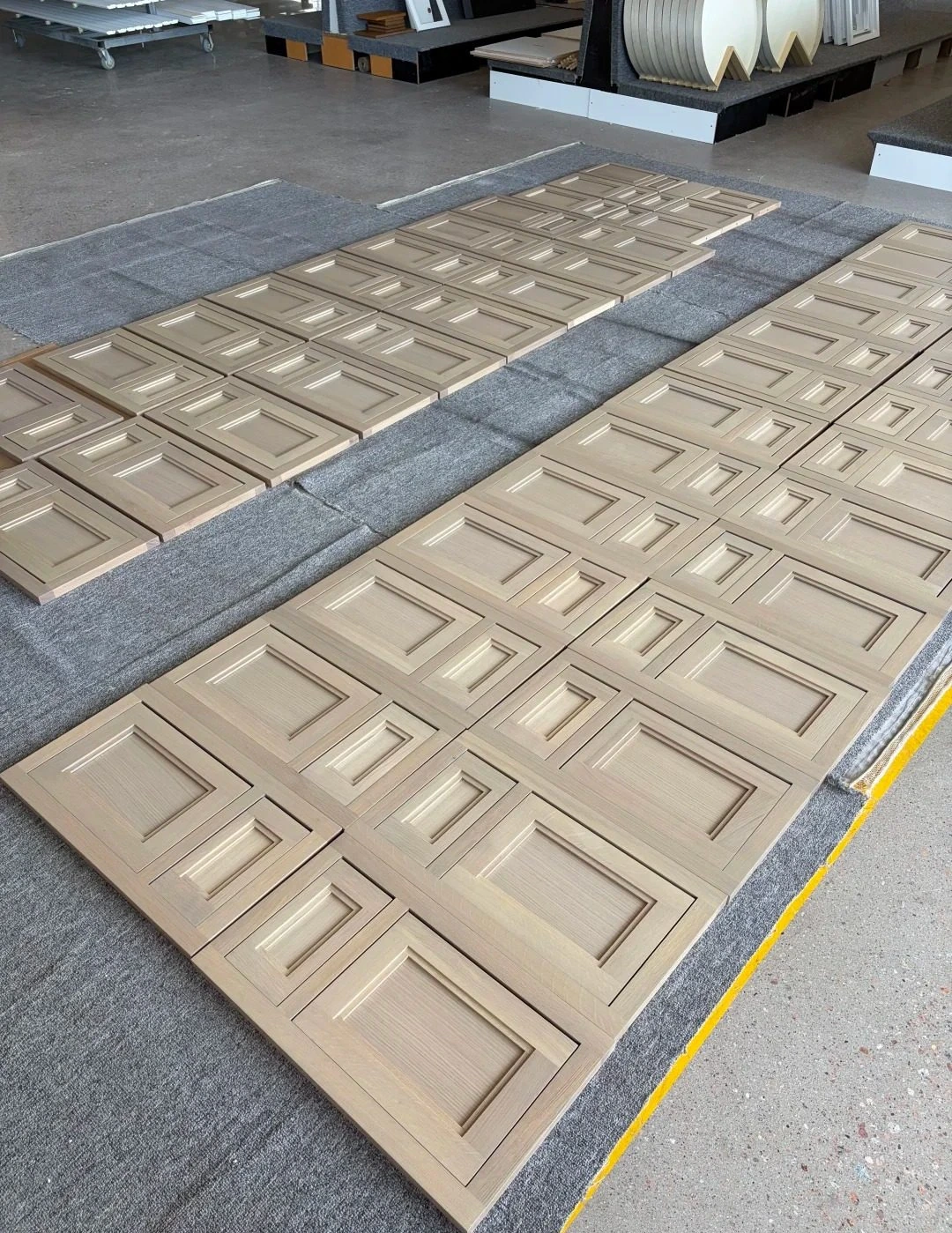
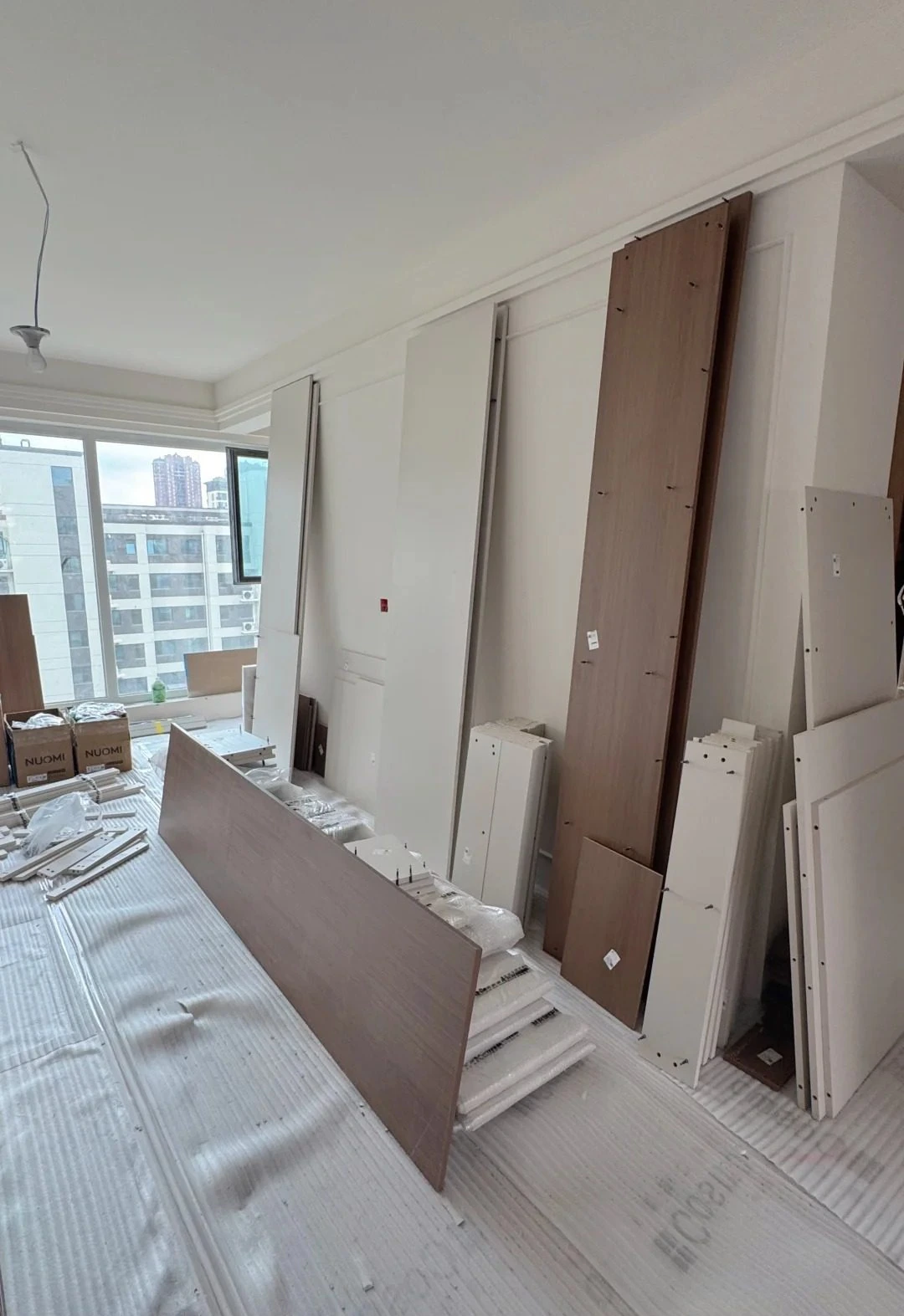
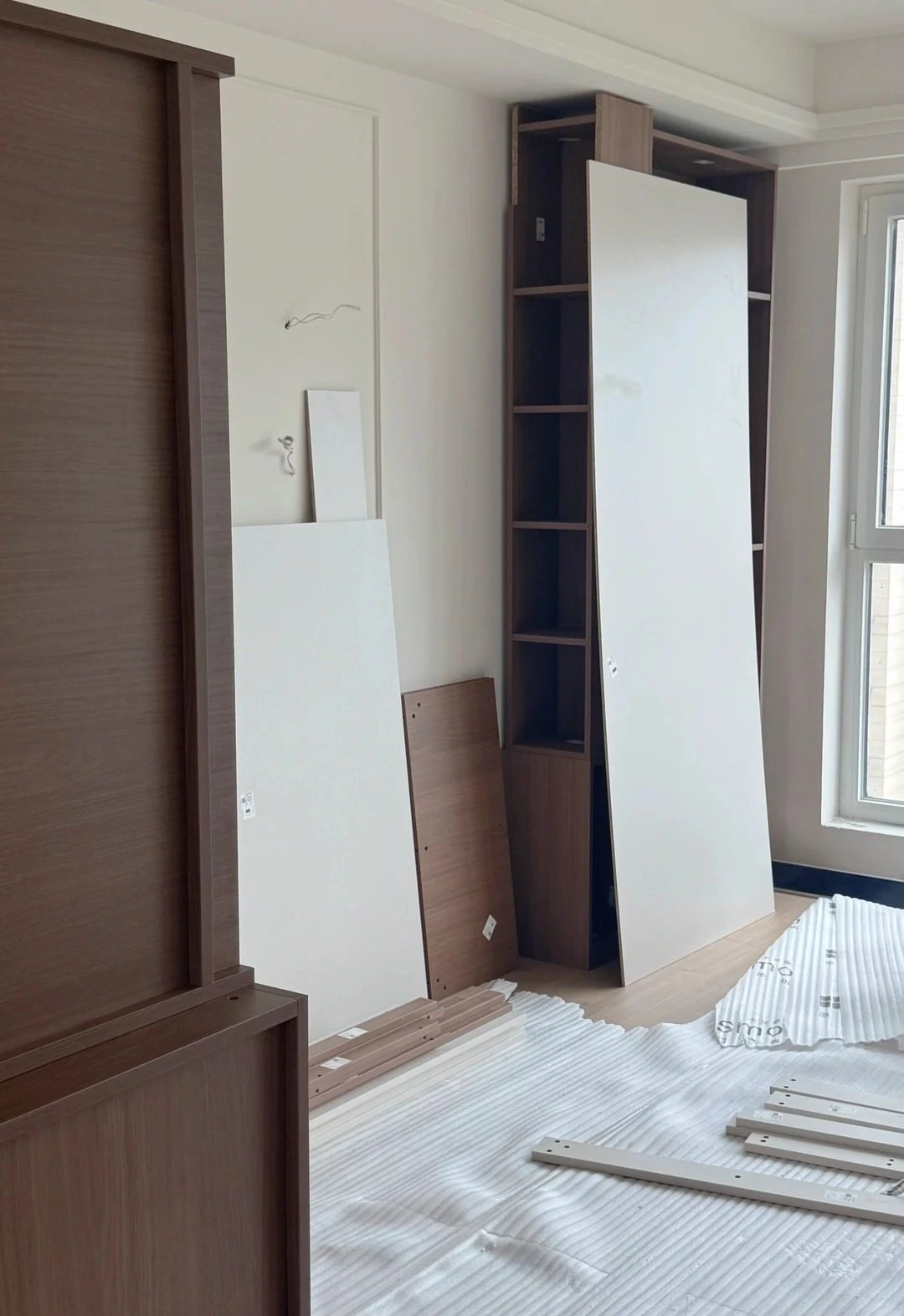
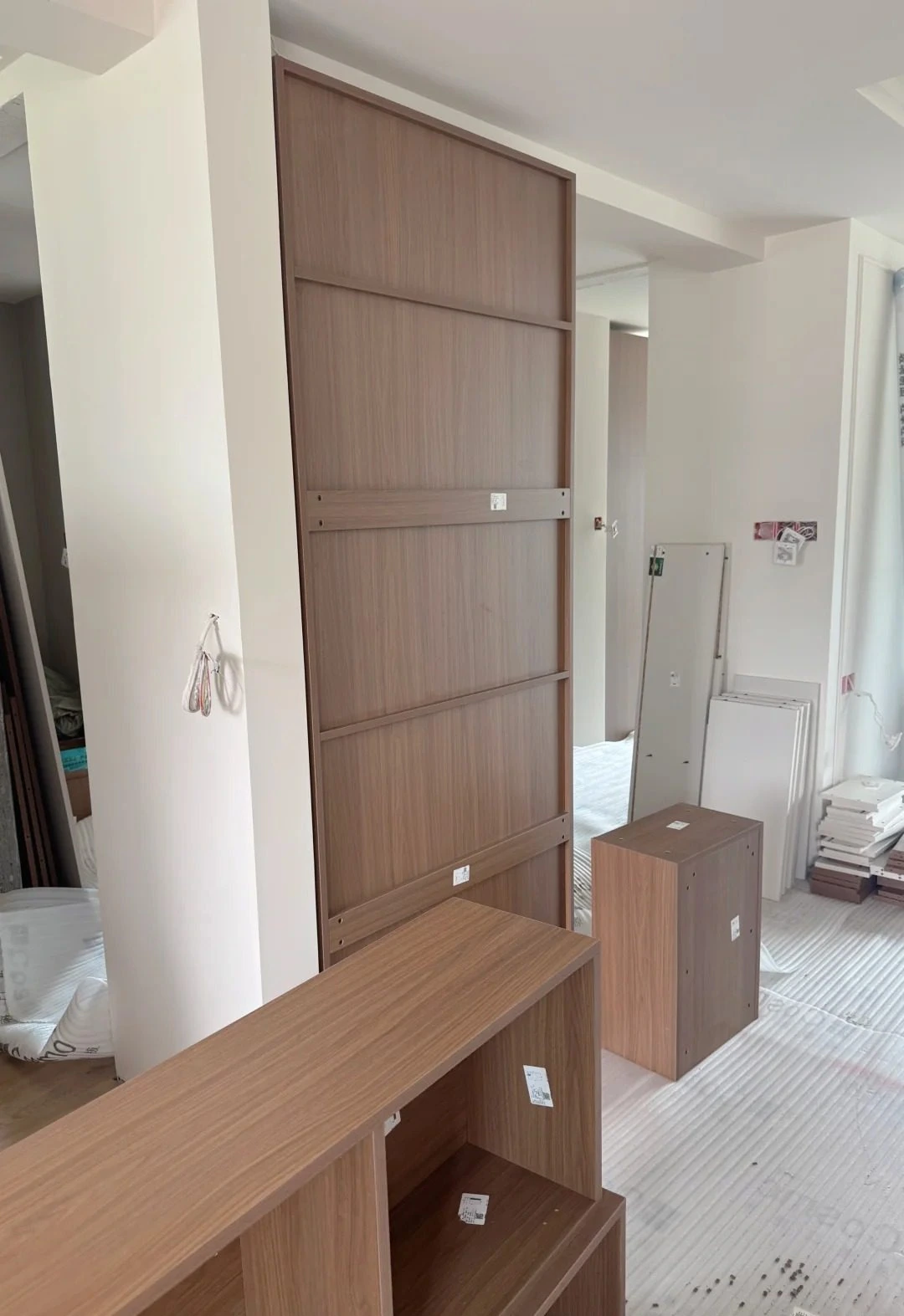
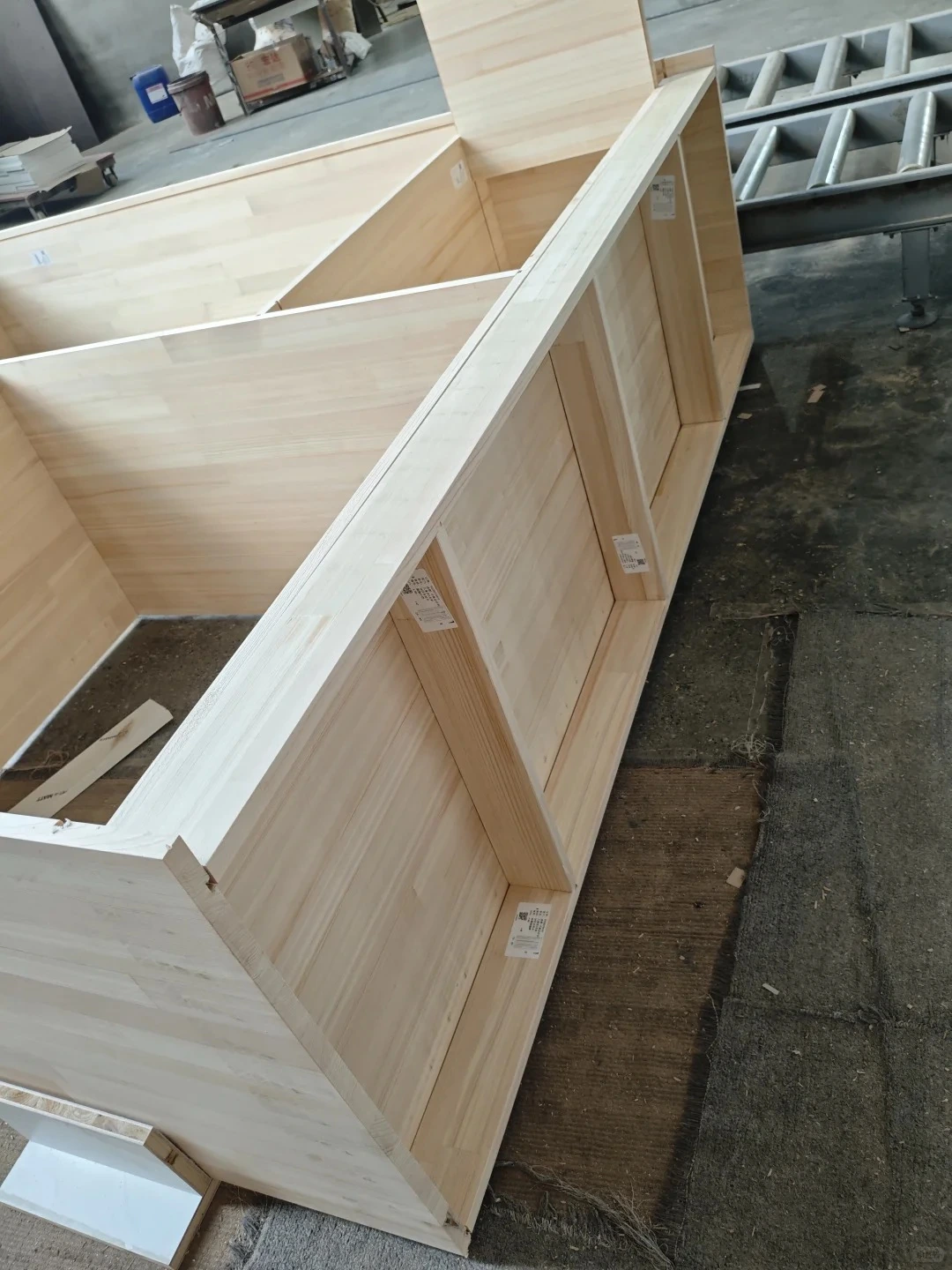
Once materials are approved, the cabinet is converted into modules: side panels, bottoms, backs, stretchers, shelves, toe-kicks, fillers and appliance housings. Manufacturing drawings should define panel thicknesses, drilling coordinates, hardware locations and installation clearances.
Good cabinet engineering anticipates real installation conditions. Walls are rarely perfectly straight, floors may slope, appliances need ventilation, doors need swing clearance and adjacent drawers must not collide. A few millimeters of unplanned error can become highly visible across a full kitchen wall.
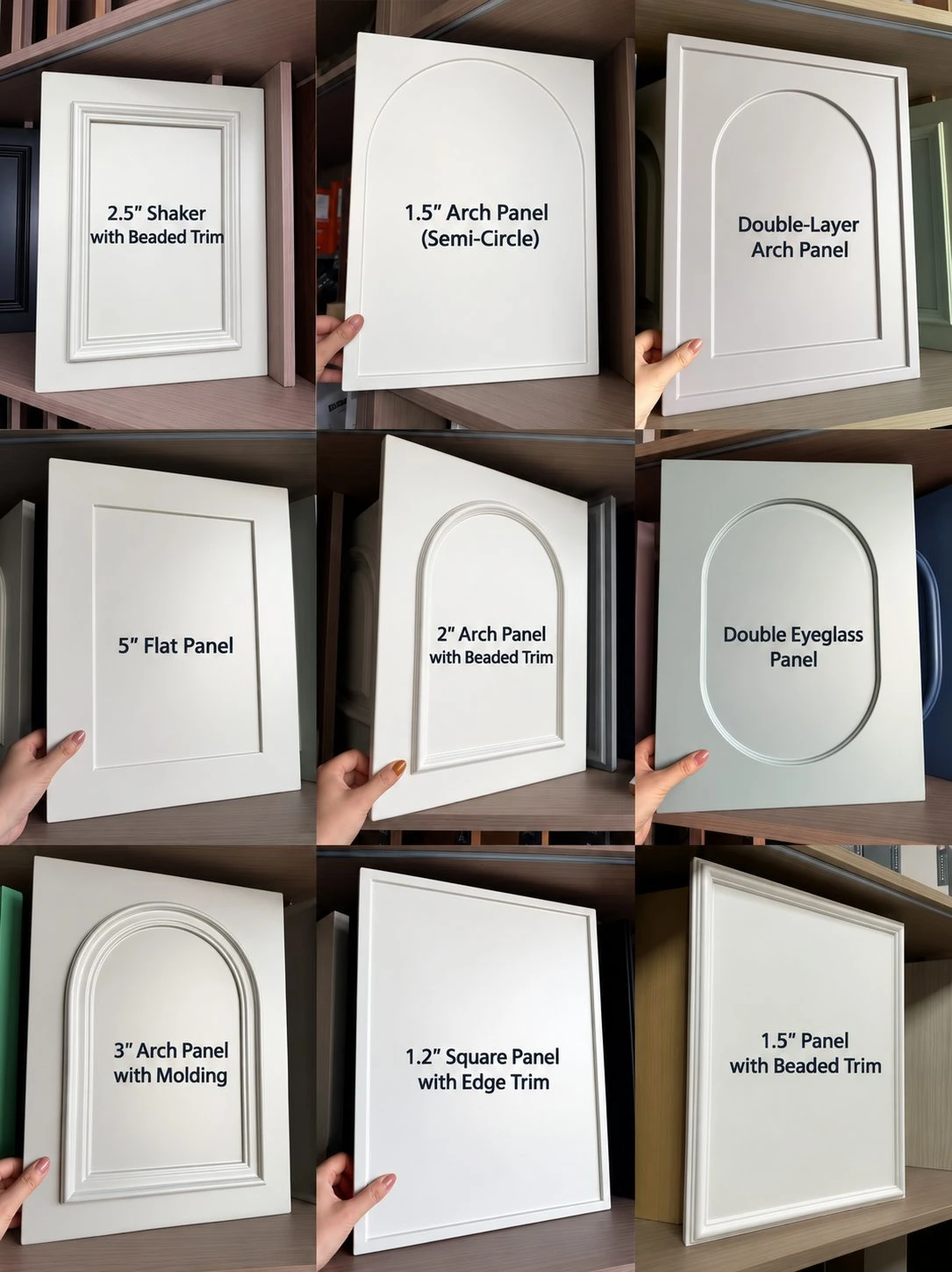
4. Door and panel design: Shaker, inset, flat and arched profiles
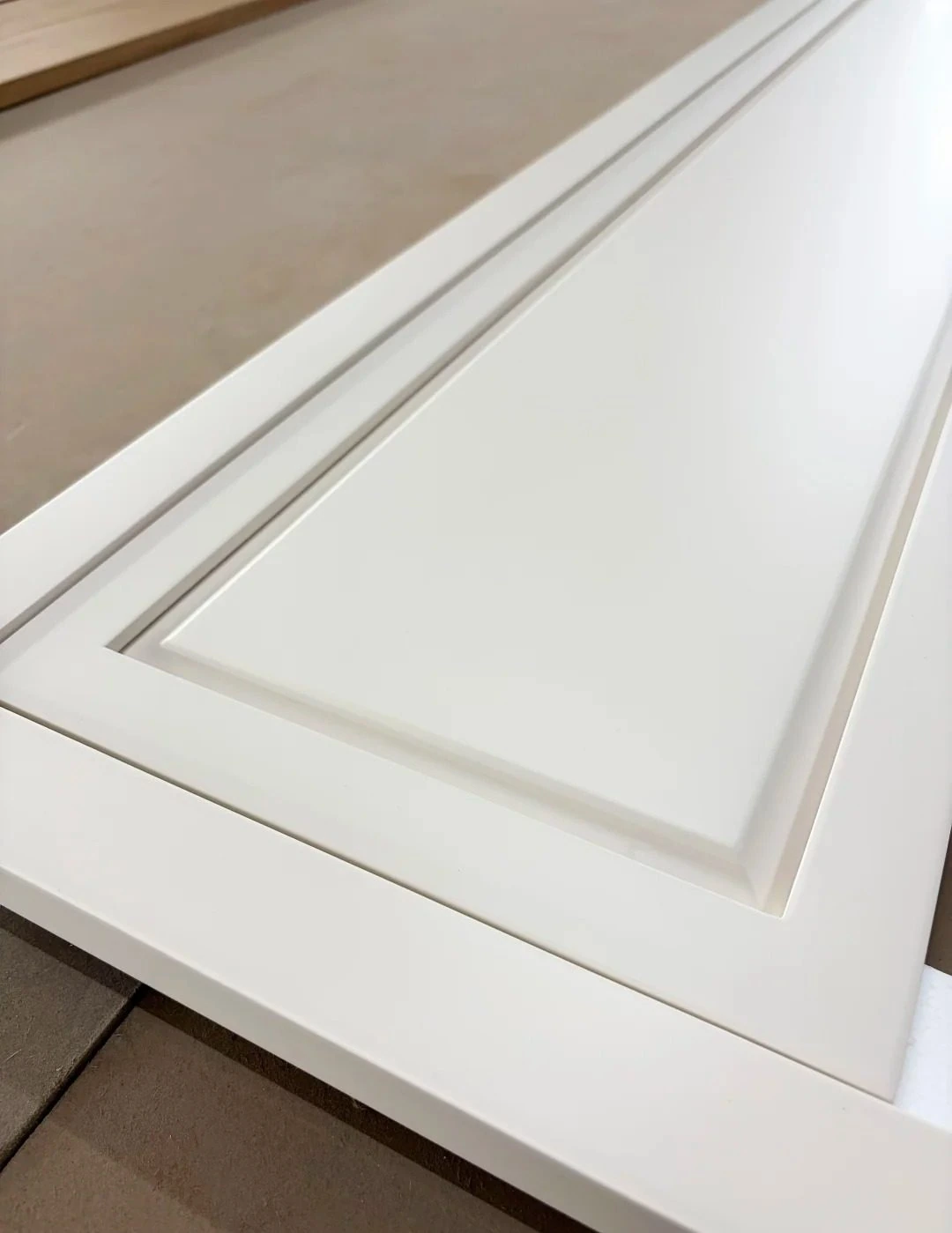
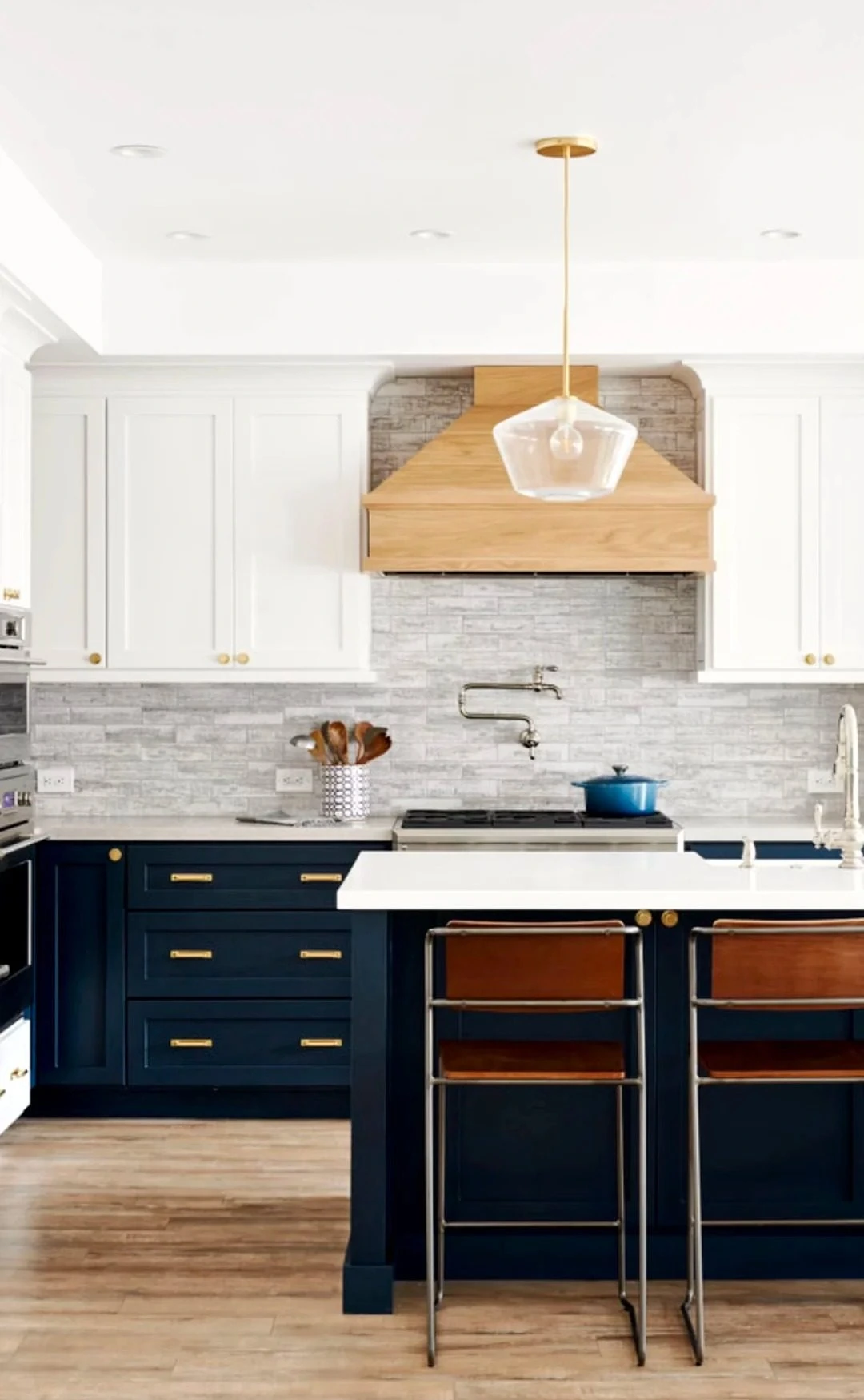
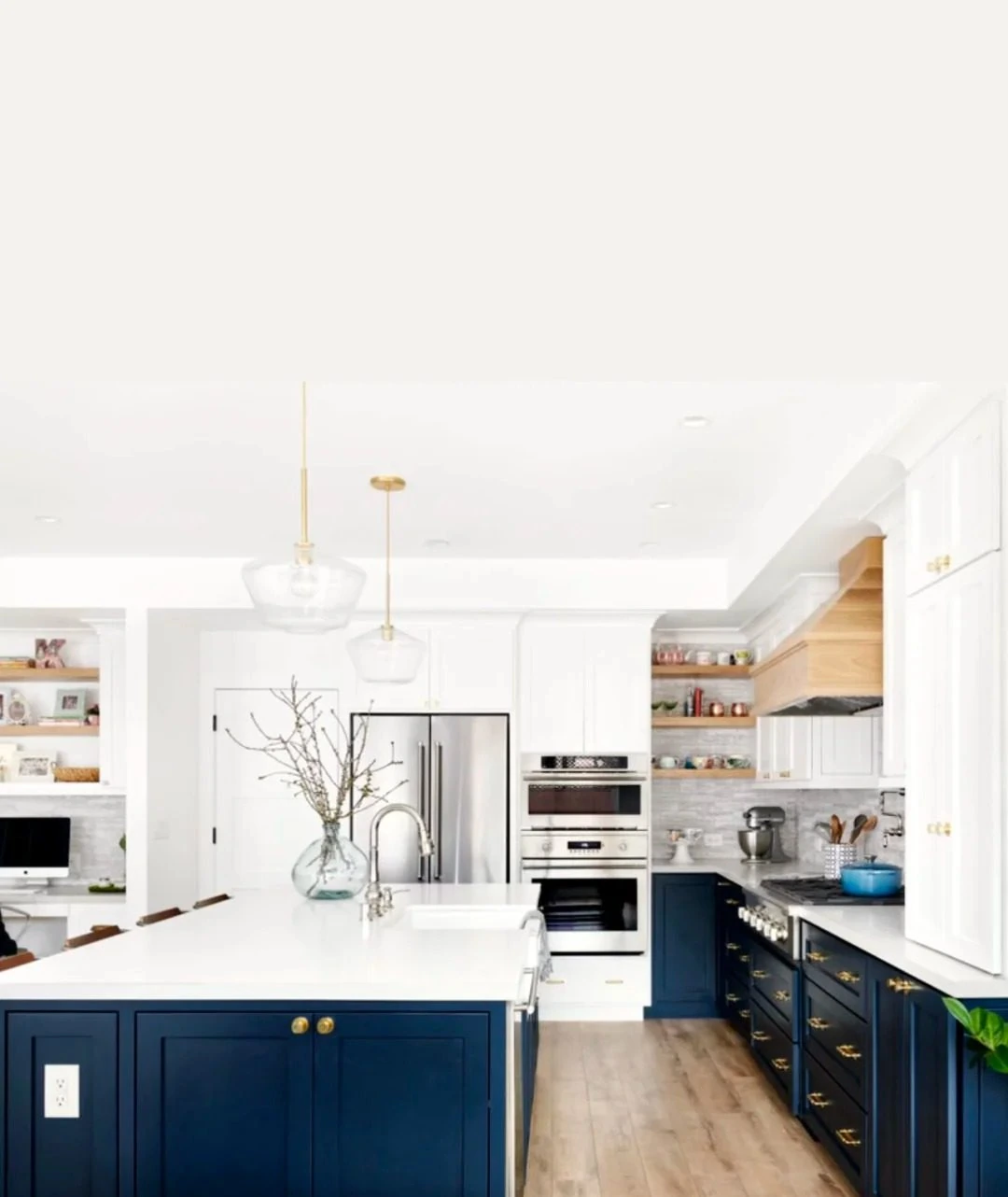
Doors control the visual language of cabinetry, but their construction also affects manufacturing. Flat slab doors demand excellent panel flatness and edge finishing. Shaker and frame-and-panel doors add rails, stiles and joint geometry. Arched or molded profiles require repeatable CNC or template machining and more careful sanding before finish.
Inset cabinetry is particularly sensitive because the door sits inside the face-frame opening. Small changes in humidity, hinge position or finish thickness can change the reveal. Consistent gaps are a manufacturing problem as much as a design problem.
5. Joinery and structural connections
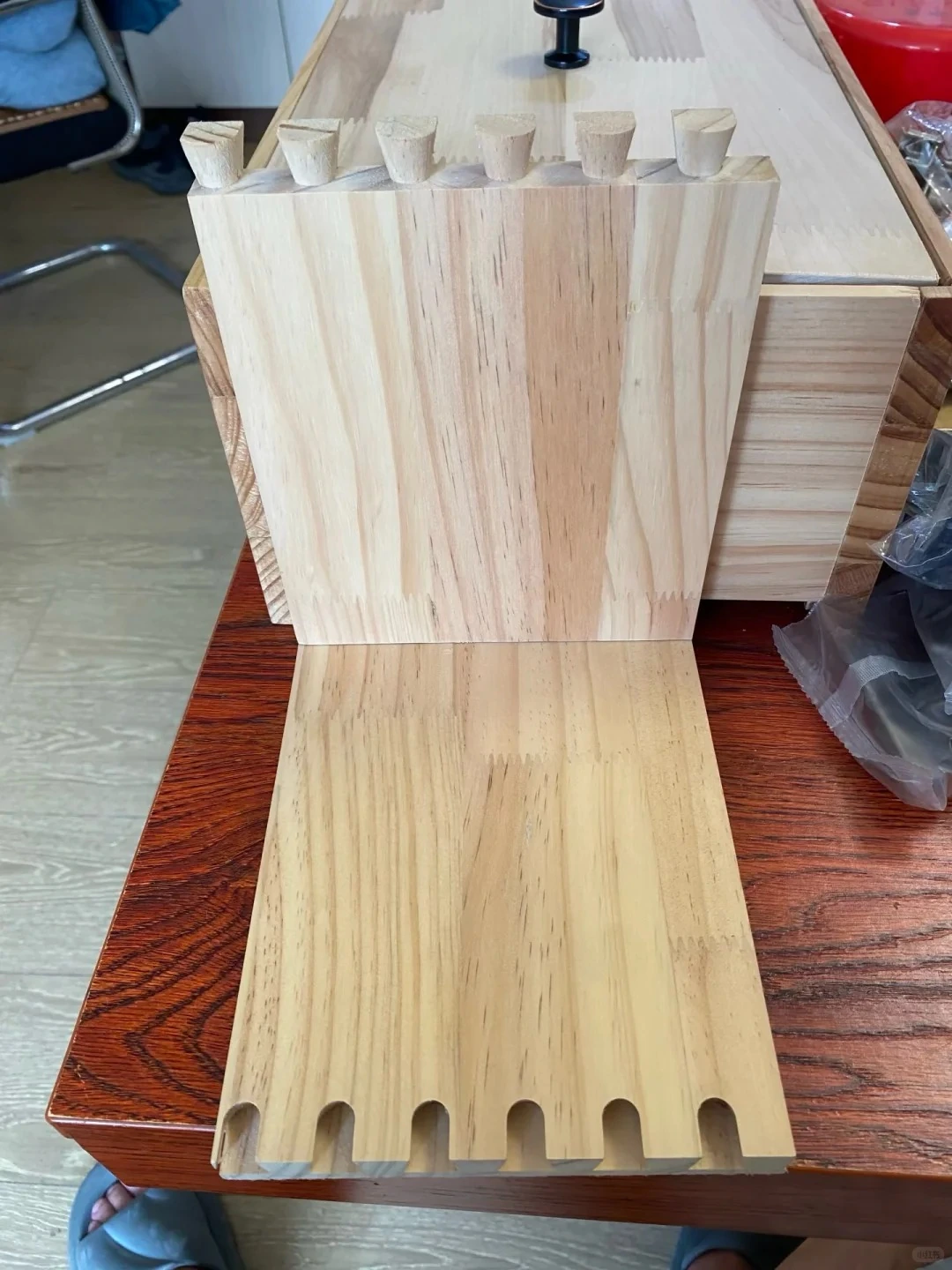
Cabinet joinery is chosen according to load, production method and the visibility of the connection. Dados, dowels, loose tenons, mortise-and-tenon joints and dovetails can all be appropriate when they are engineered correctly. The goal is not to use the most traditional joint everywhere; it is to use the right joint where it adds strength, alignment or long-term serviceability.
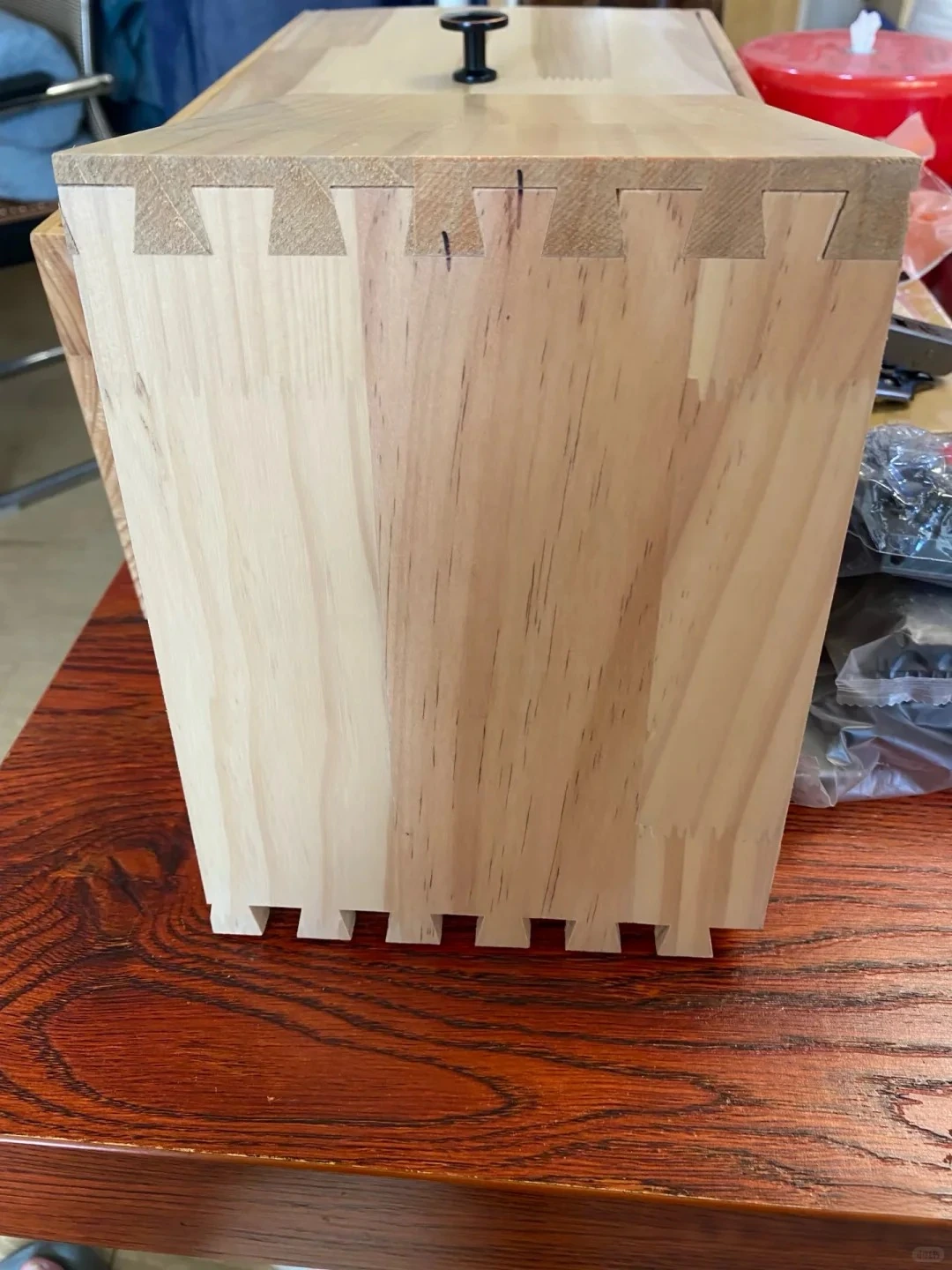
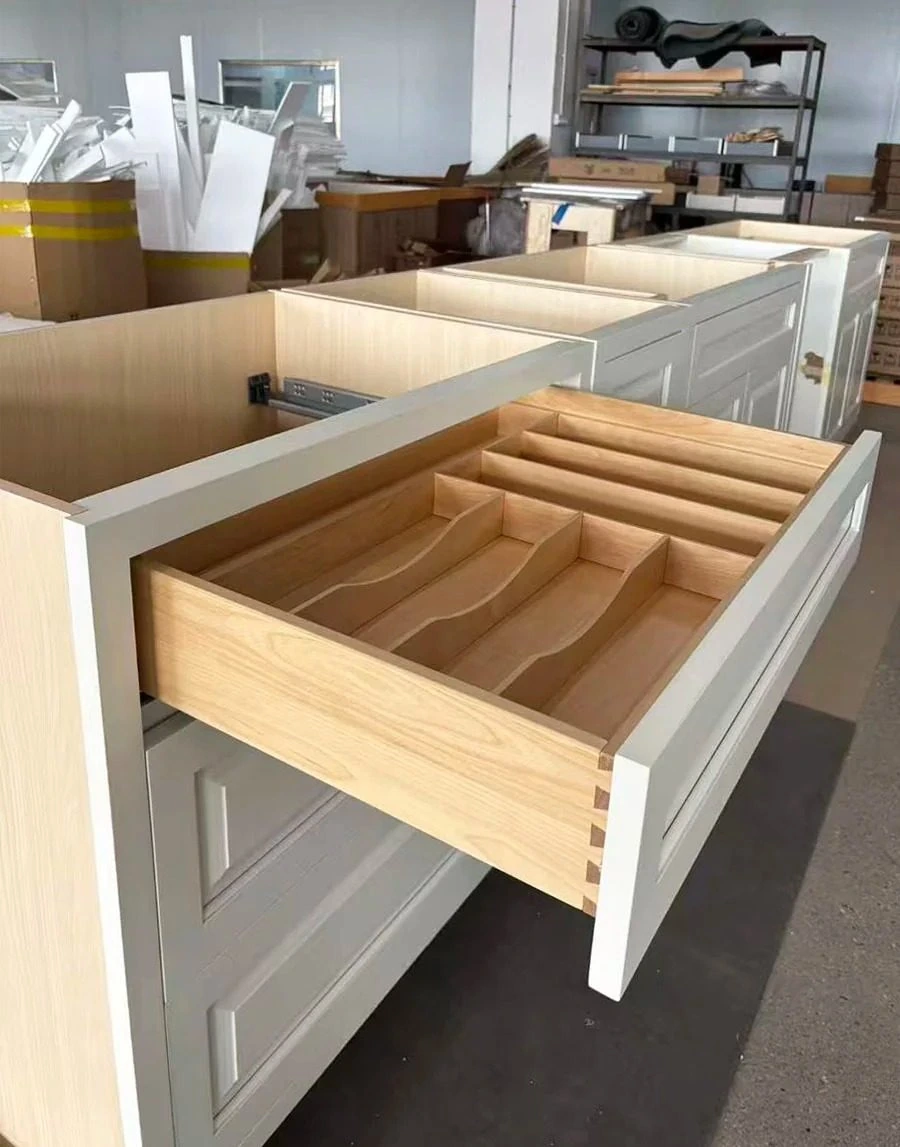
Drawer boxes are a good example. Dovetails provide strong mechanical interlock and make workmanship easy to inspect, while high-quality doweled or mechanically joined drawers can also perform well when material thickness, machining and hardware are correct.
6. Drawers, interiors and storage geometry
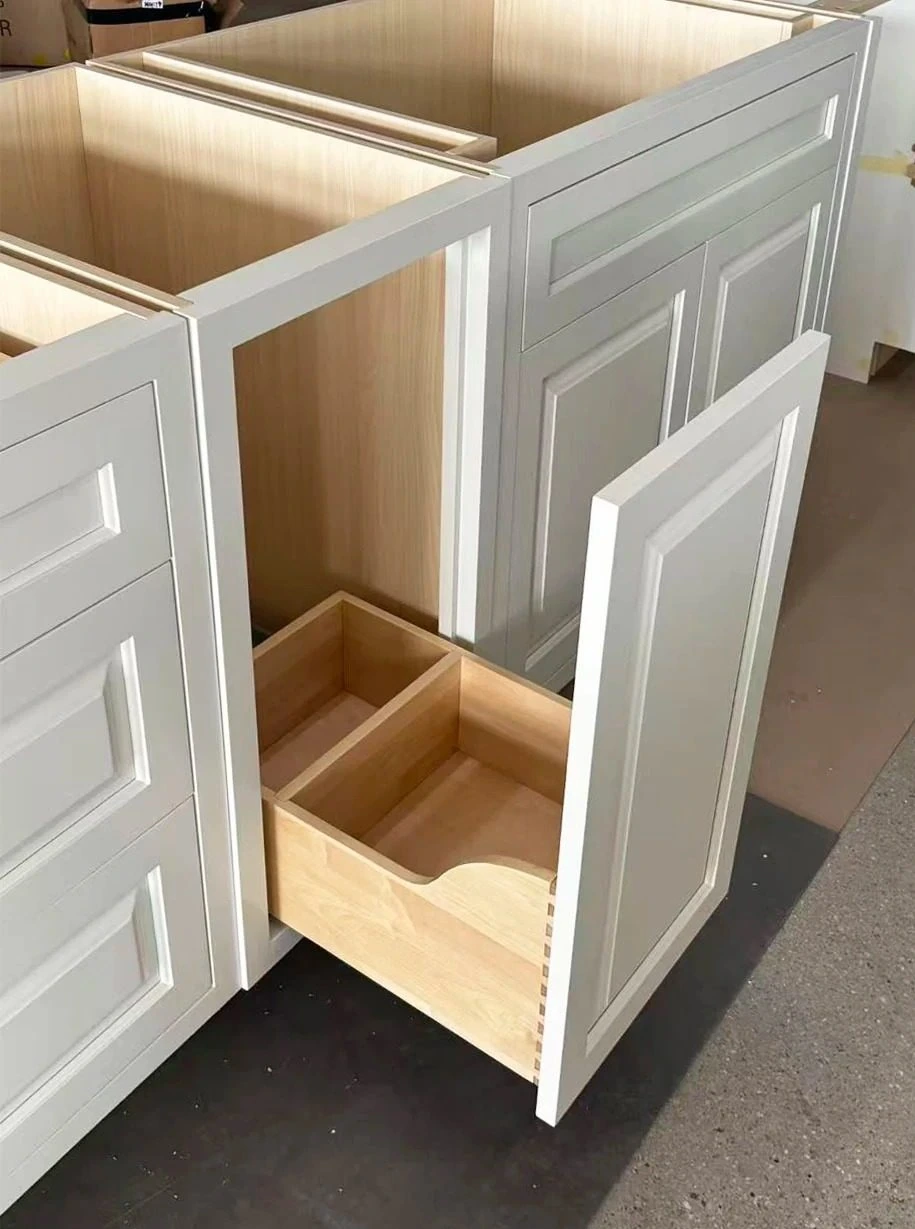
Cabinet interiors are where usability becomes measurable. Drawer depth, runner clearance, internal dividers, hinge intrusion and shelf spacing all need to be resolved before production. A beautiful exterior cannot compensate for a drawer that collides with a handle or a shelf that blocks plumbing.
For wide drawers, the bottom thickness and runner rating matter. For tall pantry cabinets, shelf support and door alignment become more important. For wardrobes, hanging height, drawer access and lighting integration should be coordinated before drilling begins.
7. Paint, lacquer, stain and veneer finishing
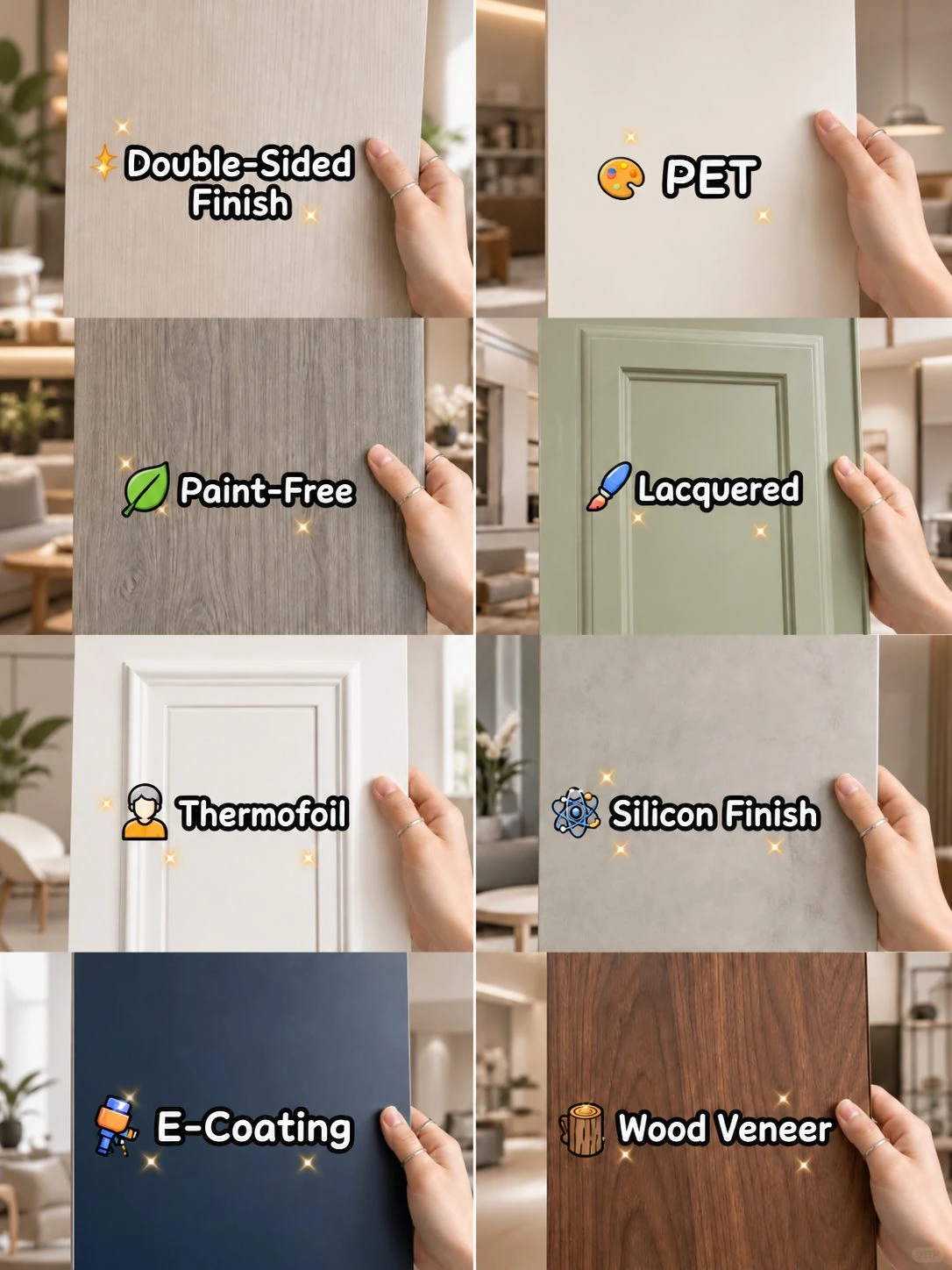
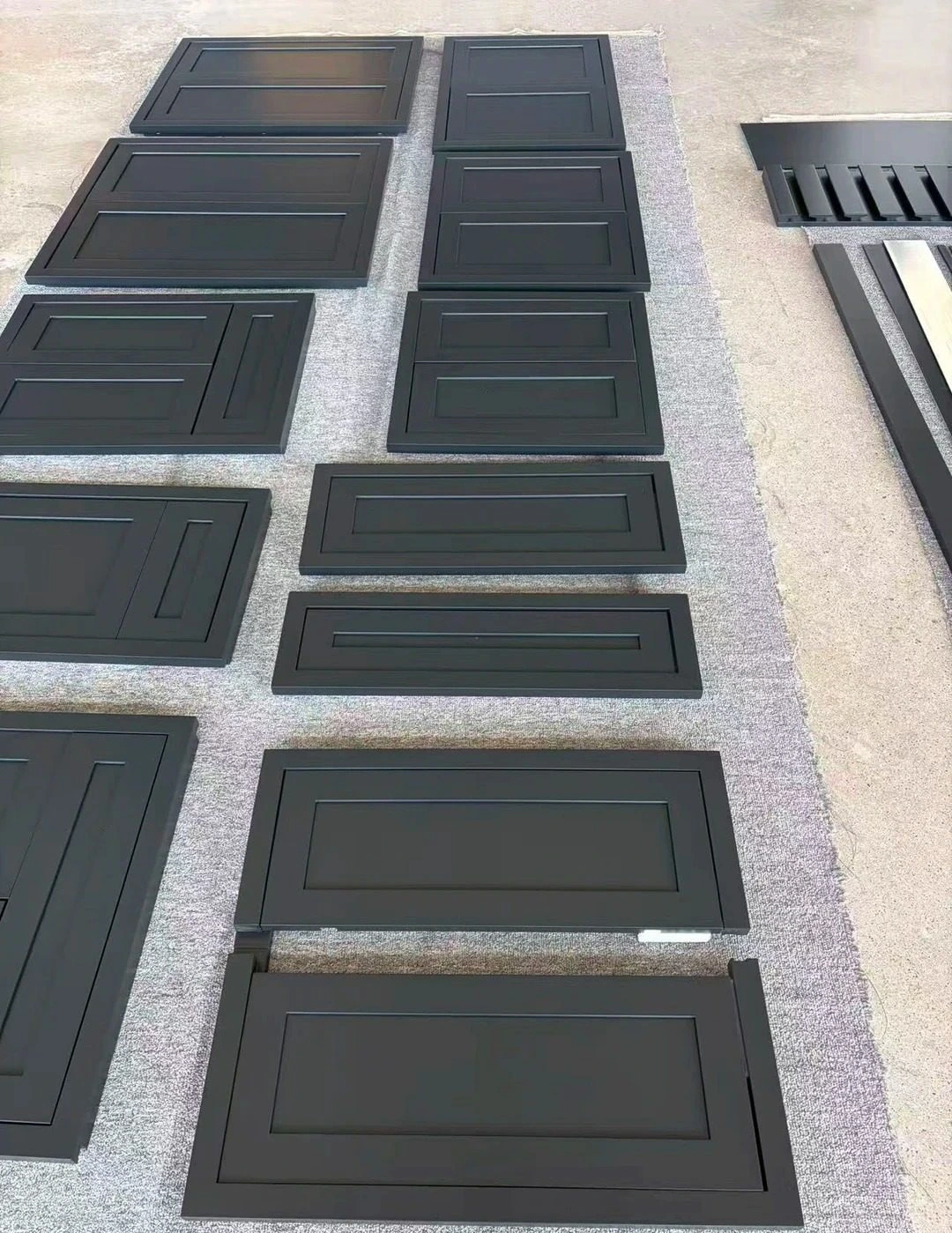
Finishing is where a well-built cabinet can still fail. Paint and lacquer need a stable substrate, smooth sanding and controlled film thickness. Veneer and stained solid wood need color matching, grain direction and consistent topcoat. Sharp profile corners, end grain and routed details may absorb finish differently, so the sample approval should include the same geometry used in production.
Water-based paint and lacquer
For painted doors, primer coverage, intermediate sanding and curing time all influence edge smoothness and long-term crack resistance. Thick paint is not automatically better; excessive build can soften profile details or reduce inset clearances.
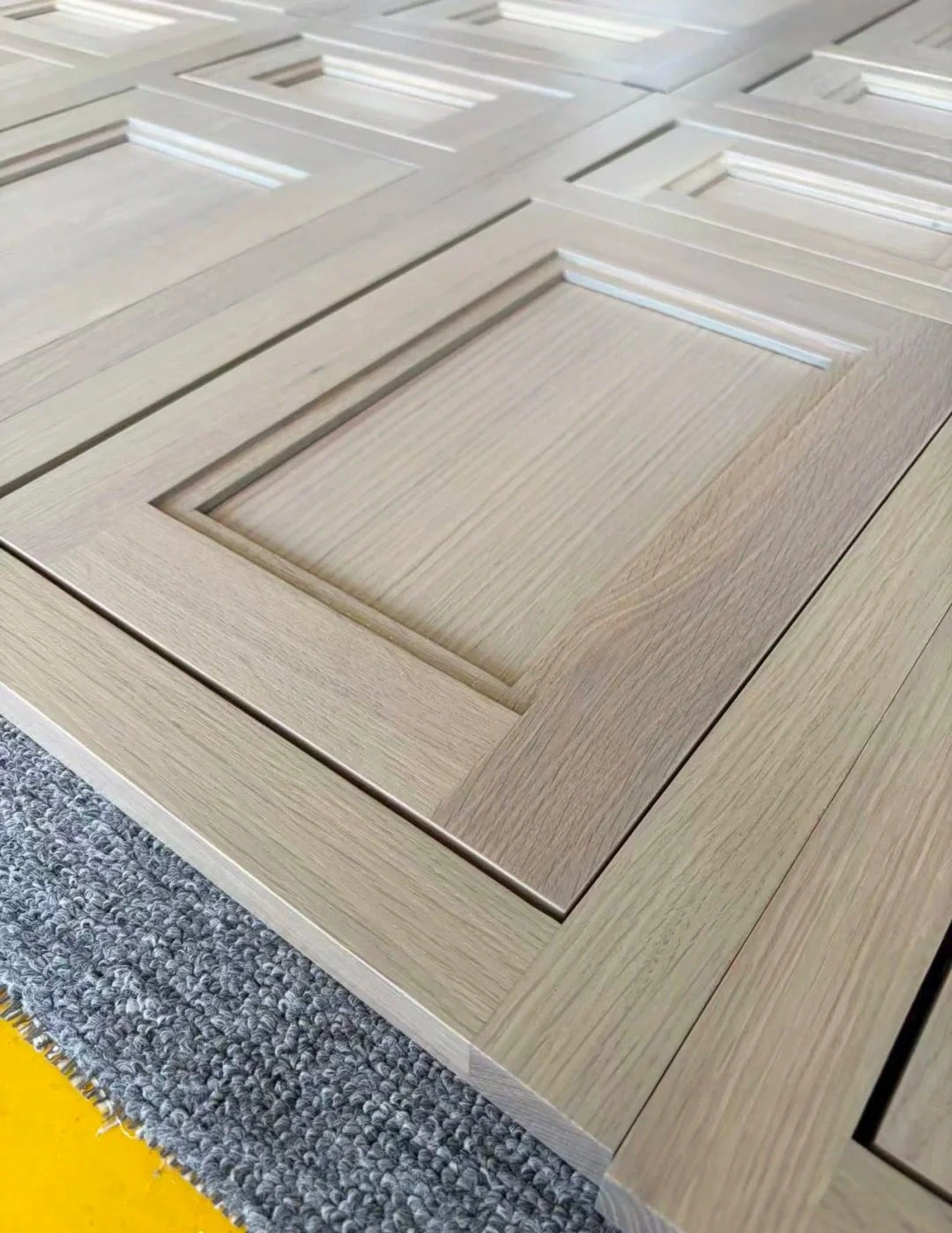
Veneer and semi-transparent wood finishes
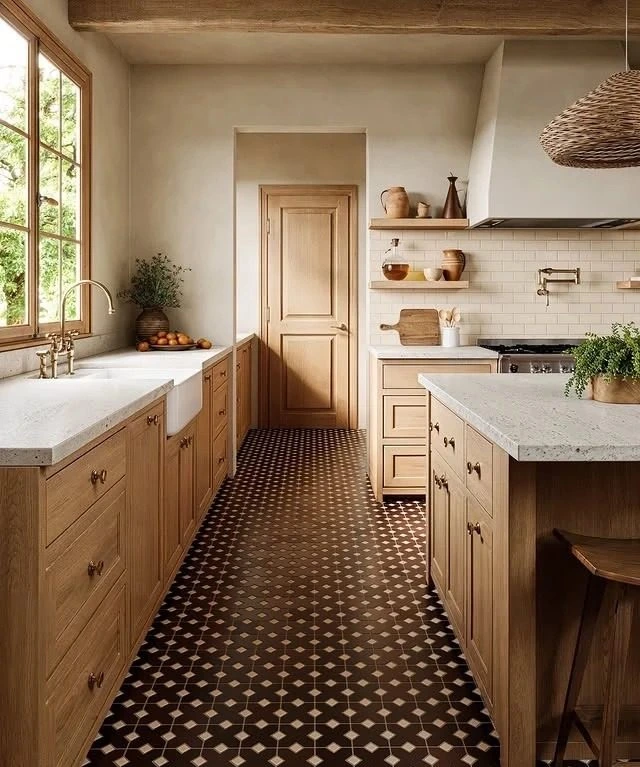
With natural wood surfaces, the goal is usually controlled variation rather than perfect uniformity. Boards should be laid out together so tone and grain transitions feel intentional across adjacent doors.
8. Trial assembly and alignment before packing
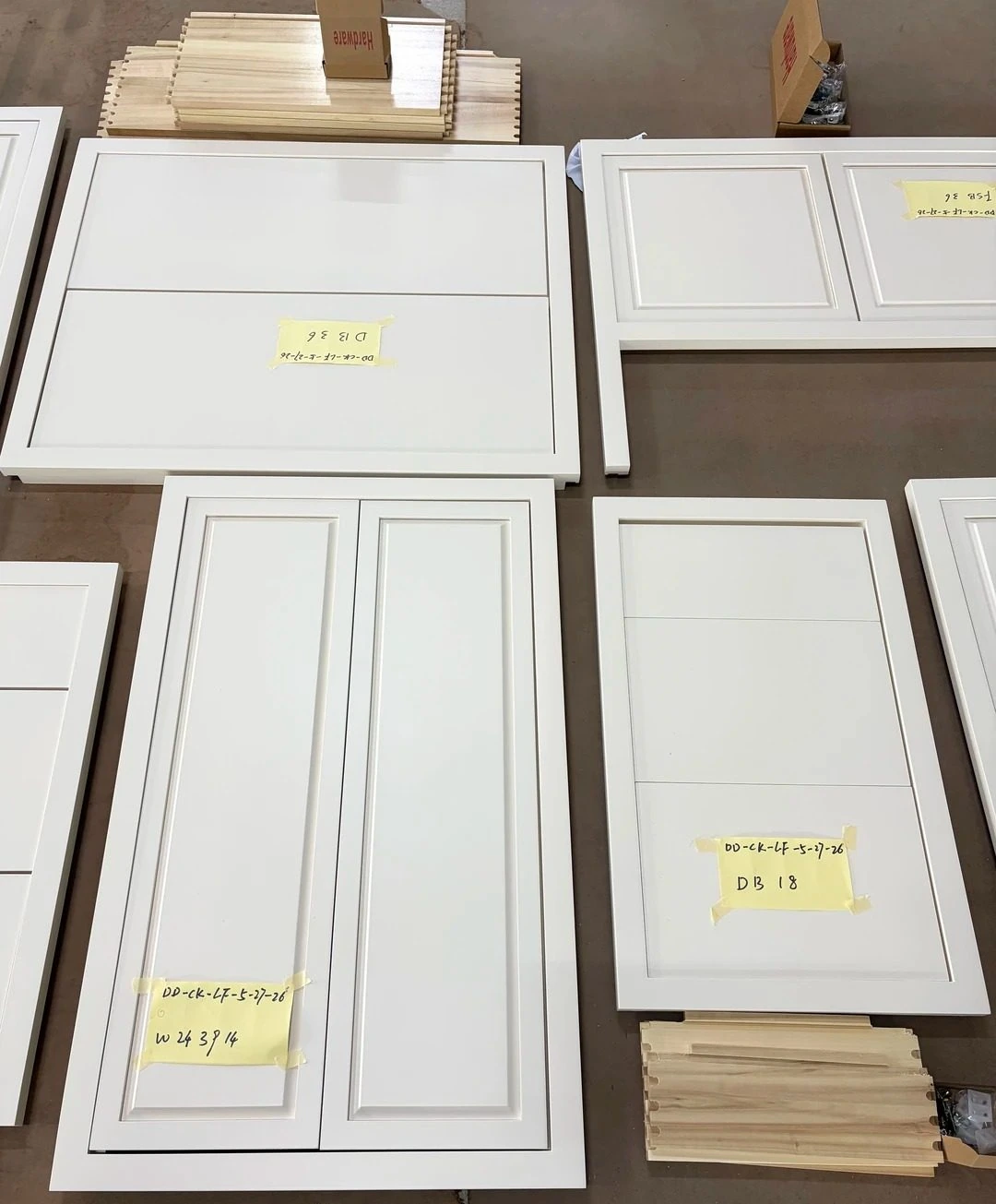
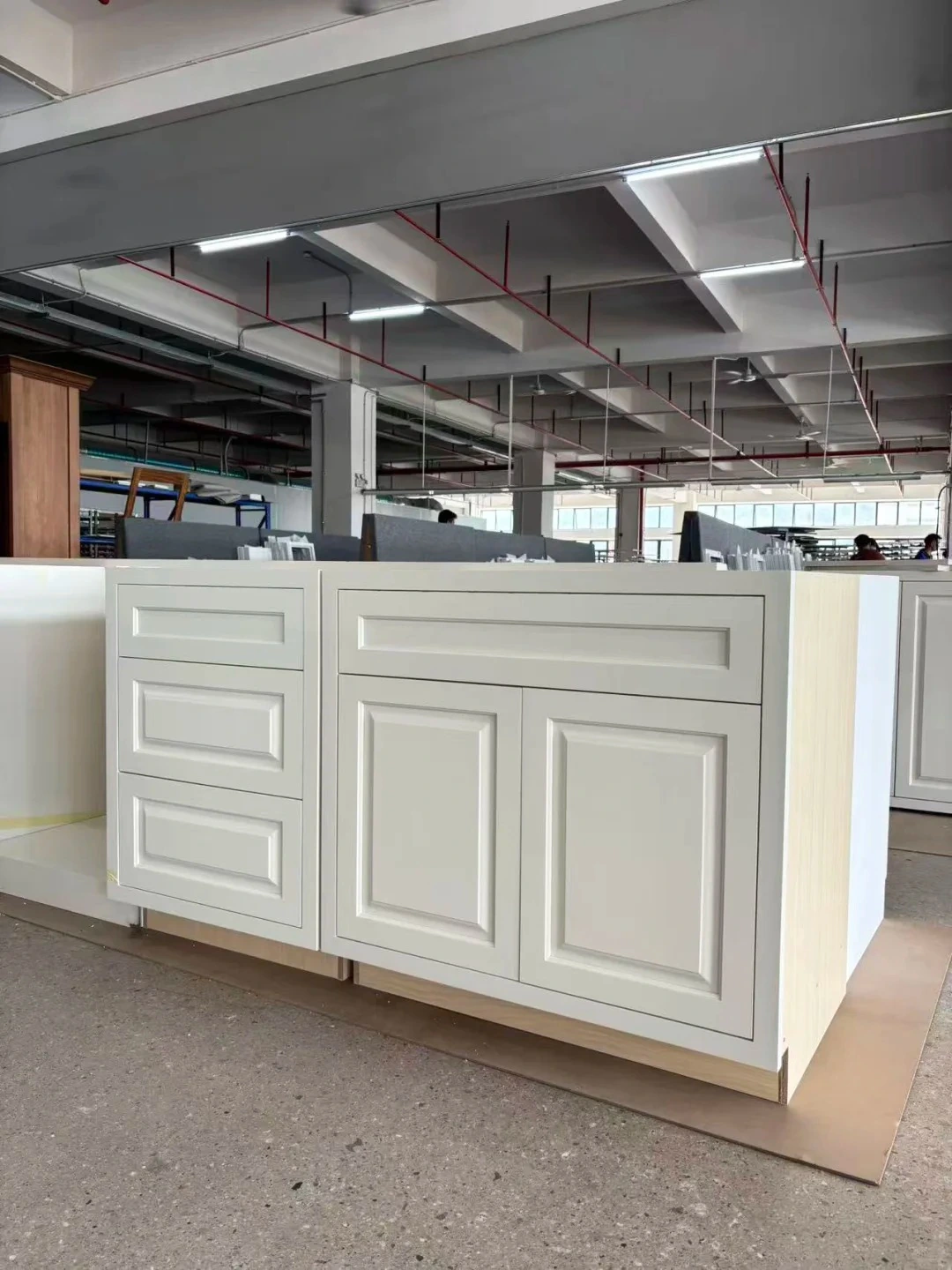
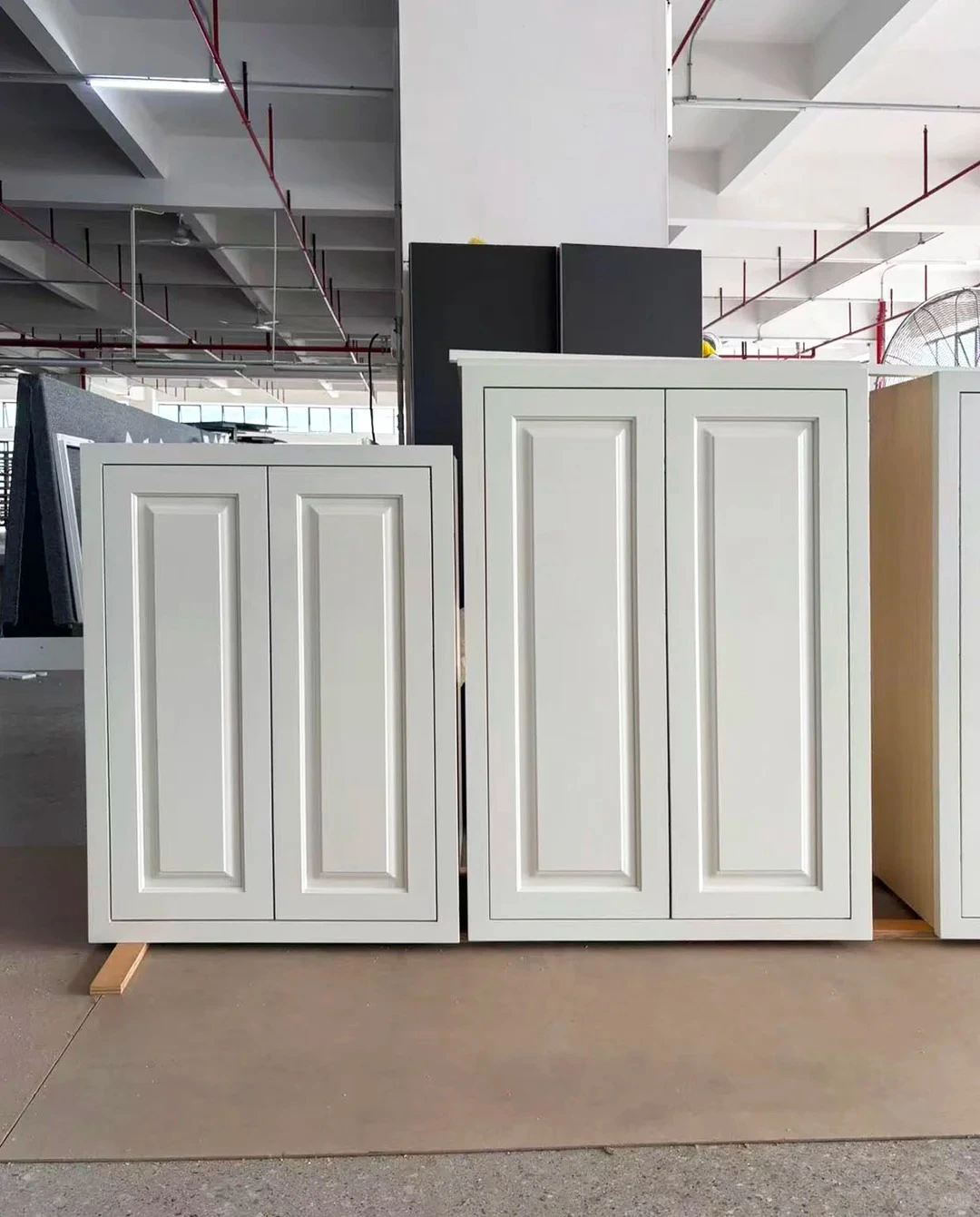
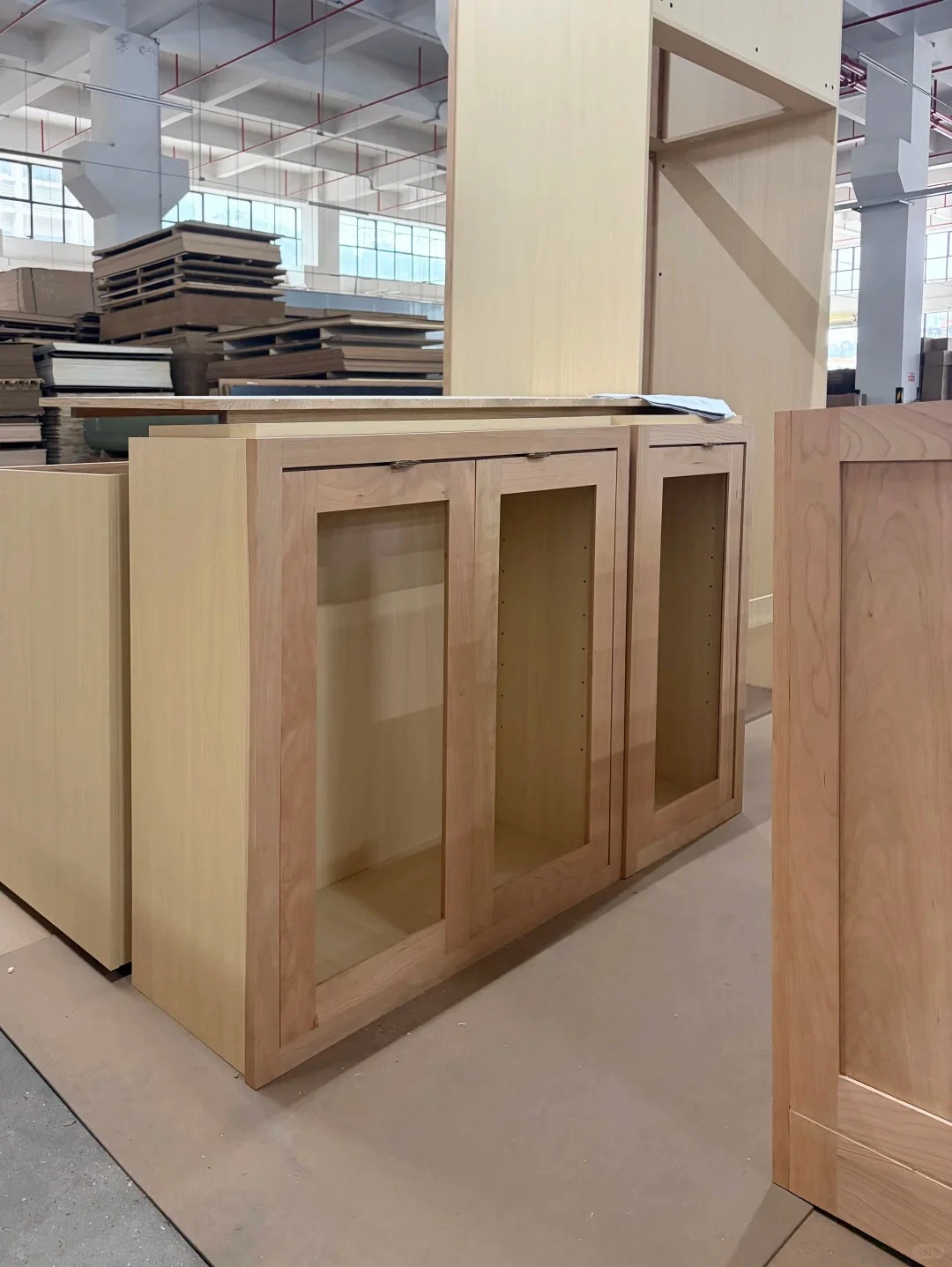
Premium cabinetry should be trial-assembled at the factory whenever practical. This is the moment to check squareness, door gaps, drawer travel, appliance openings, filler widths and the relationship between separate modules.
Trial assembly is especially valuable for inset doors, continuous veneer panels and tall cabinet walls because small dimensional errors become obvious when modules are placed side by side.
9. Hardware, hinges and reveal control
Hardware quality is not only about brand. Hinges must be mounted in the correct material and at the correct distance from the edge. Drawer runners need level installation and adequate structural support. Pulls and integrated handles must align across neighboring doors.
On inset cabinetry, installers should have enough hinge adjustment to fine-tune reveals without using the hardware to compensate for a cabinet box that is already out of square.
10. Quality control before shipment
Final cabinet QC should be systematic. Inspect the carcass first, then doors and drawers, then hardware, then finish and finally the complete assembled appearance. The order matters because cosmetic corrections should not hide structural problems.
11. What buyers should specify before ordering custom cabinets
Instead of asking for “high quality cabinets,” define the specification in measurable terms. Start with material and finish, then add door construction, hardware, internal configuration, dimensions, appliance requirements and the quality-control evidence required before shipment.
| Specify | Example |
|---|---|
| Carcass material | 18 mm plywood or moisture-resistant panel, finished inside and out |
| Door construction | Painted MDF shaker, solid-wood frame-and-panel, or veneered slab |
| Finish | Approved color sample, sheen level and edge/profile treatment |
| Hardware | Soft-close hinges and runners with model numbers and load rating |
| Trial assembly | Factory photos showing aligned doors, drawers and adjacent modules |
| QC evidence | Photos/video of unfinished structure, finish, hardware and final packing |
For larger whole-home projects, combine this cabinet brief with the material rules in Ratahome’s wood guide, the structural checks in the joinery guide, and Ratahome’s China furniture sourcing guide.
12. Cabinet manufacturing: quick FAQ
Is plywood always better than MDF for cabinets?
No. Plywood is often preferred for carcasses and structural panels, while MDF can be excellent for painted routed doors because of its smooth, uniform surface. The correct choice depends on the component and environment.
What is the advantage of inset cabinet doors?
Inset doors create a refined framed appearance, but they demand tighter manufacturing and installation tolerances because the door must fit evenly inside the opening.
Should premium cabinets use traditional joinery everywhere?
No. Traditional joints are useful where they improve strength or alignment. Modern dowels, connectors and hardware can also be highly reliable when engineered correctly.
Why is trial assembly important?
It catches alignment, fit and hardware problems before shipping, when corrections are much easier and less expensive.
What should I ask a cabinet factory to show me?
Ask for material samples, unfinished carcasses, door profiles, drawer construction, hinge and runner fixing, trial assembly, finish samples and final packing.
Turn your floor plan into a cabinet manufacturing specification.
Share your floor plan, dimensions, cabinet references and target finish. Ratahome can help coordinate material selection, door design, production drawings, manufacturing, factory checks and delivery as one project.