
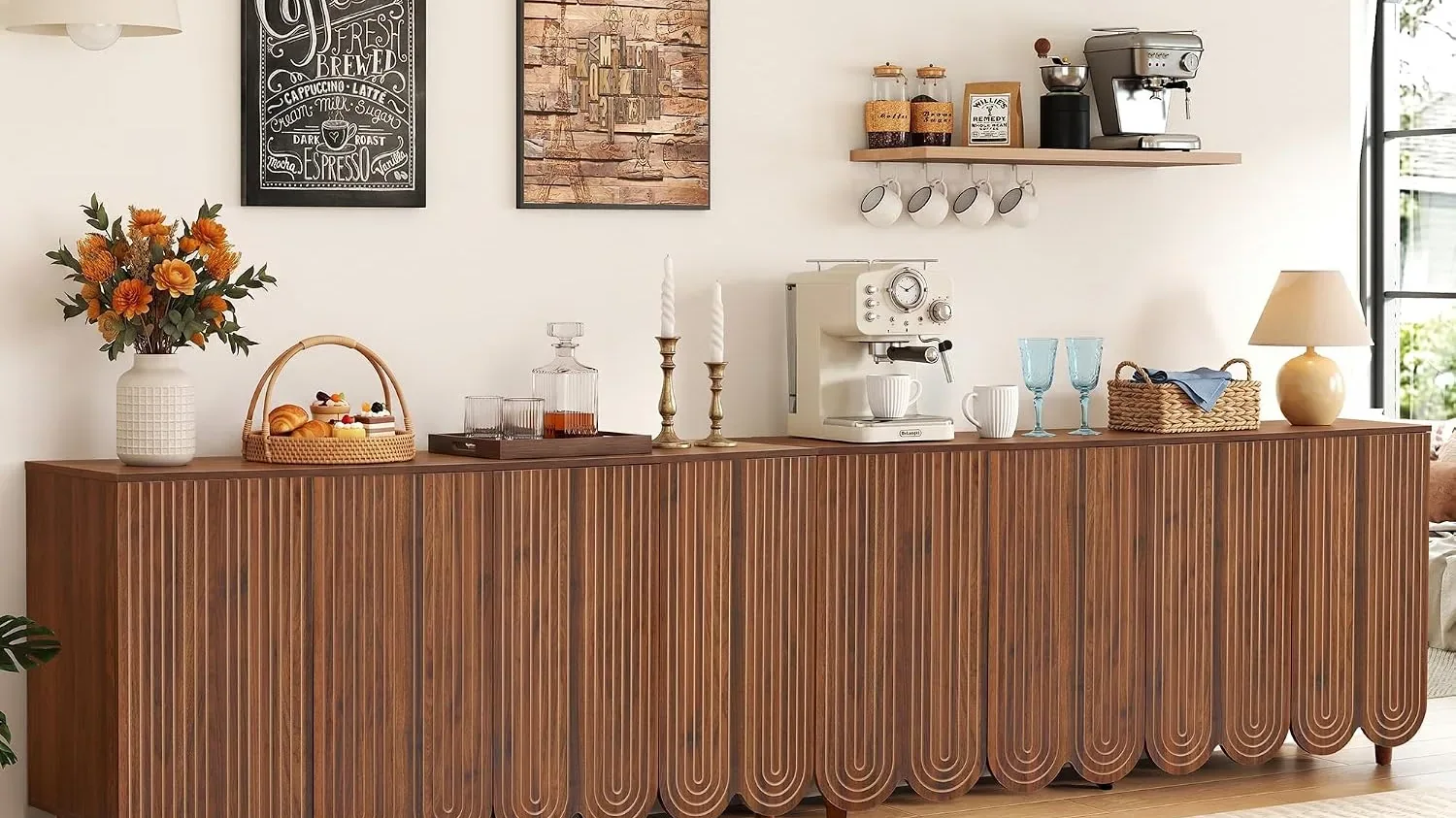
What to Look for Before You Buy
Start with the room rather than the product. A sideboard in a dining room may need deep cabinet storage for tableware; an entry console often needs a much shallower footprint; a living-room piece may need cable management, drawers, or visual weight strong enough to anchor a large wall. Once the function is clear, you can compare materials, door construction, hardware, finish consistency, and the factory's ability to reproduce the approved design.
1. Materials: Choose for Look, Stability, and Use
The material affects appearance, weight, maintenance, price, and long-term stability. For many sideboards, the best construction is not necessarily “all solid wood.” A stable engineered core with quality natural veneer can be an excellent choice for large flat panels, while solid wood is often valuable for frames, legs, edge details, and high-wear components.
| Material | Best for | What to check |
|---|---|---|
| Solid wood | Premium frames, legs, sculpted edges, natural grain | Moisture control, grain matching, movement allowance |
| Natural veneer + engineered core | Large doors and carcasses with consistent surfaces | Veneer thickness, substrate density, edge sealing |
| Rattan / cane | Organic, coastal, transitional, relaxed interiors | Tension, weave consistency, frame support, sealing |
| Metal accents | Handles, legs, decorative trims | Plating quality, coating uniformity, corrosion resistance |
| Stone or sintered stone top | Buffets and display surfaces needing higher heat/scratch resistance | Edge treatment, support structure, crate protection |
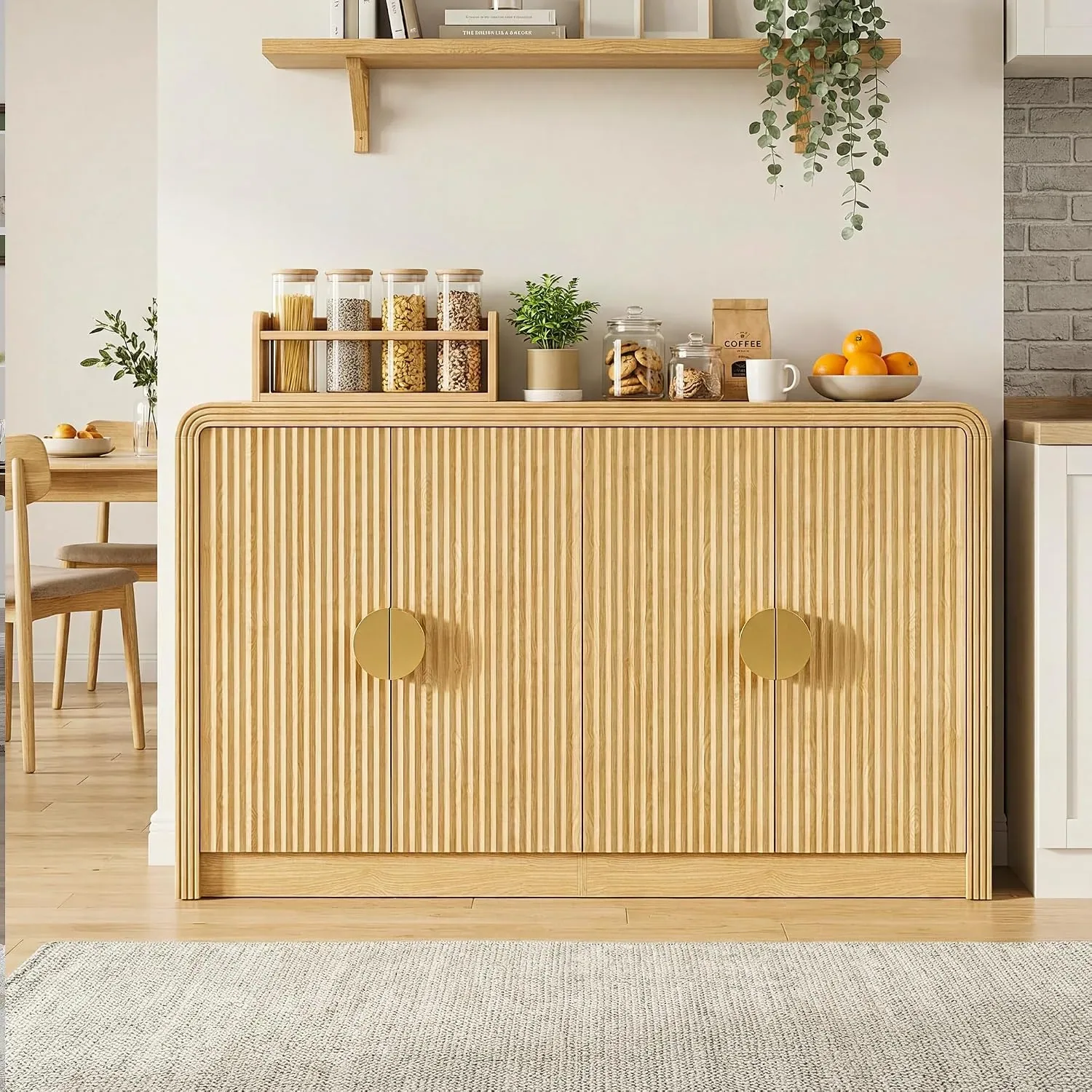
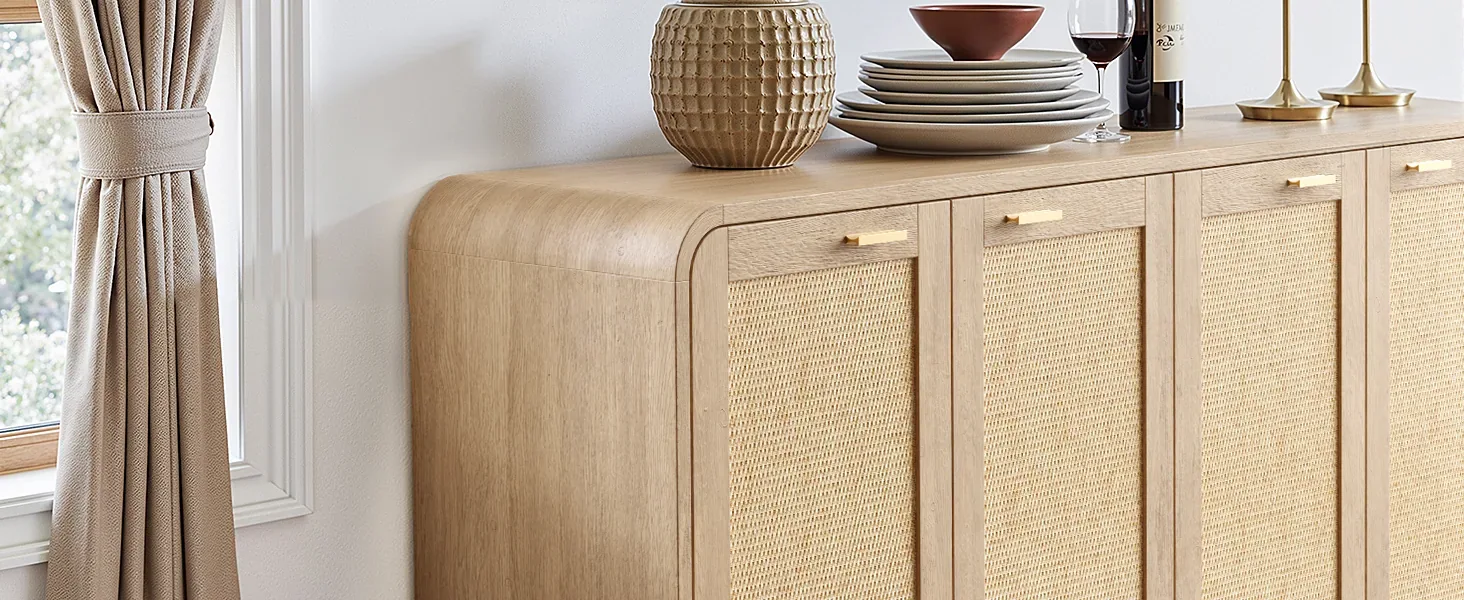

For a coordinated whole-home project, compare sideboard finishes with dining tables, dining chairs, wall finishes, and flooring. You can browse Ratahome's furniture collections and use the same finish language across the room instead of choosing each item in isolation.
2. Construction: Look Beyond the Front
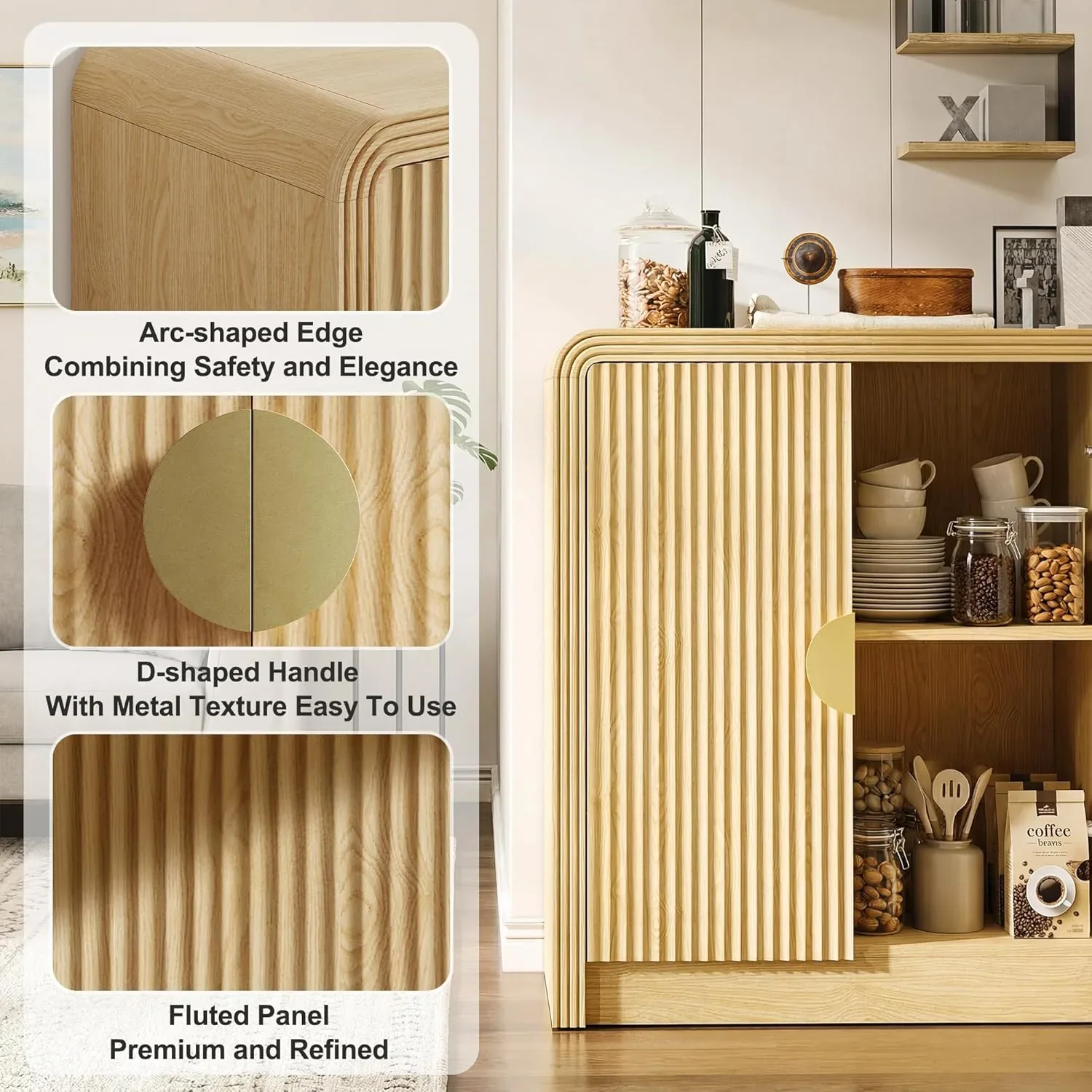
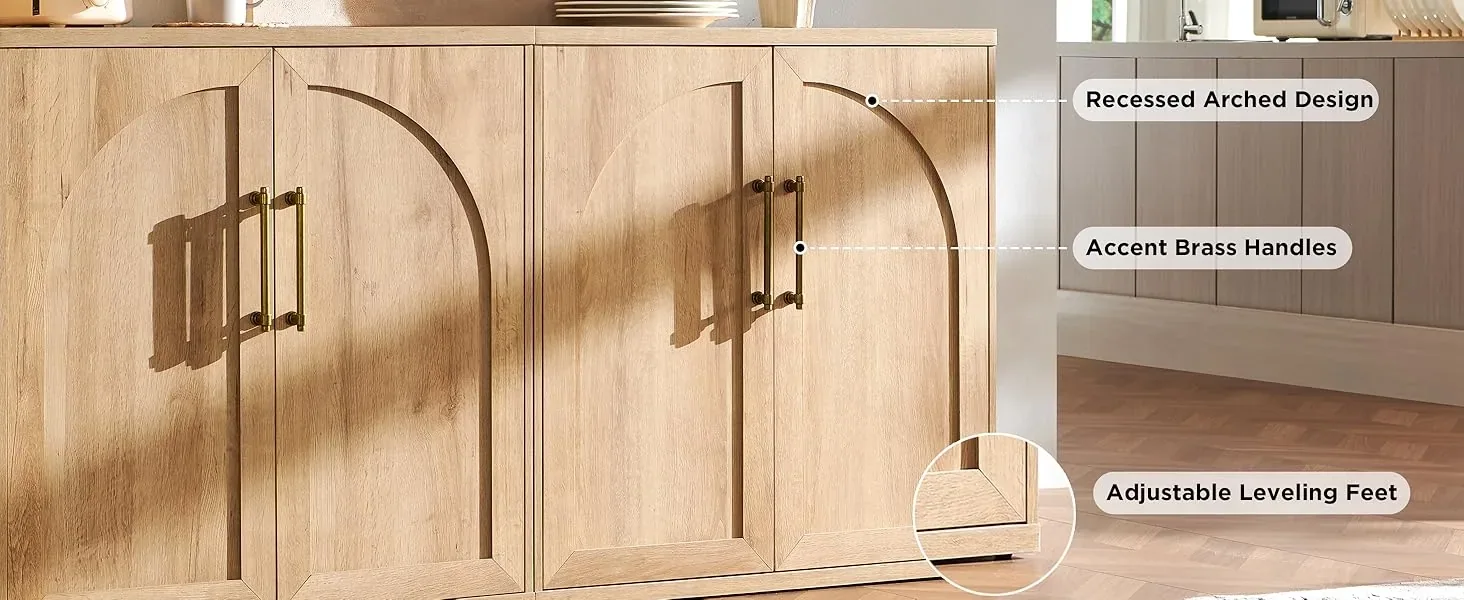
Doors, drawers, hinges, legs, and the internal carcass tell you more about quality than the front elevation alone. Good construction should feel aligned, stable, quiet, and repeatable from one unit to the next.
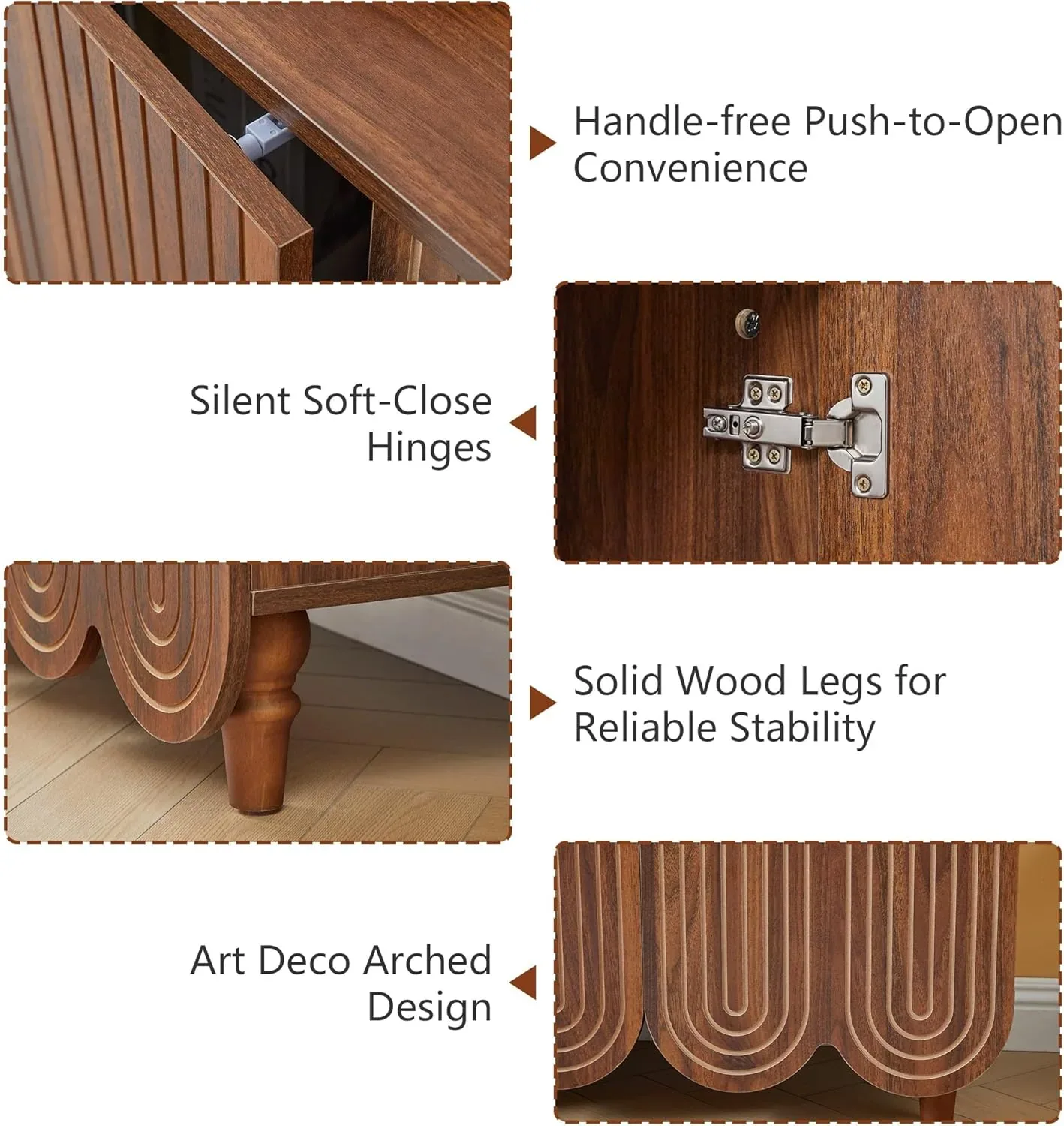
- Carcass: panels should be square, well-supported, and properly connected to resist racking.
- Doors: gaps should be even, surfaces should align, and hinges should allow adjustment after installation.
- Drawers: slides should run smoothly under realistic load, not just when empty.
- Legs and bases: the structure must carry the loaded cabinet without wobble or visible deflection.
- Curved and fluted details: check routing quality, sanding, edge consistency, and finish build-up in grooves.
3. Style: Match the Architecture, Not Just the Trend
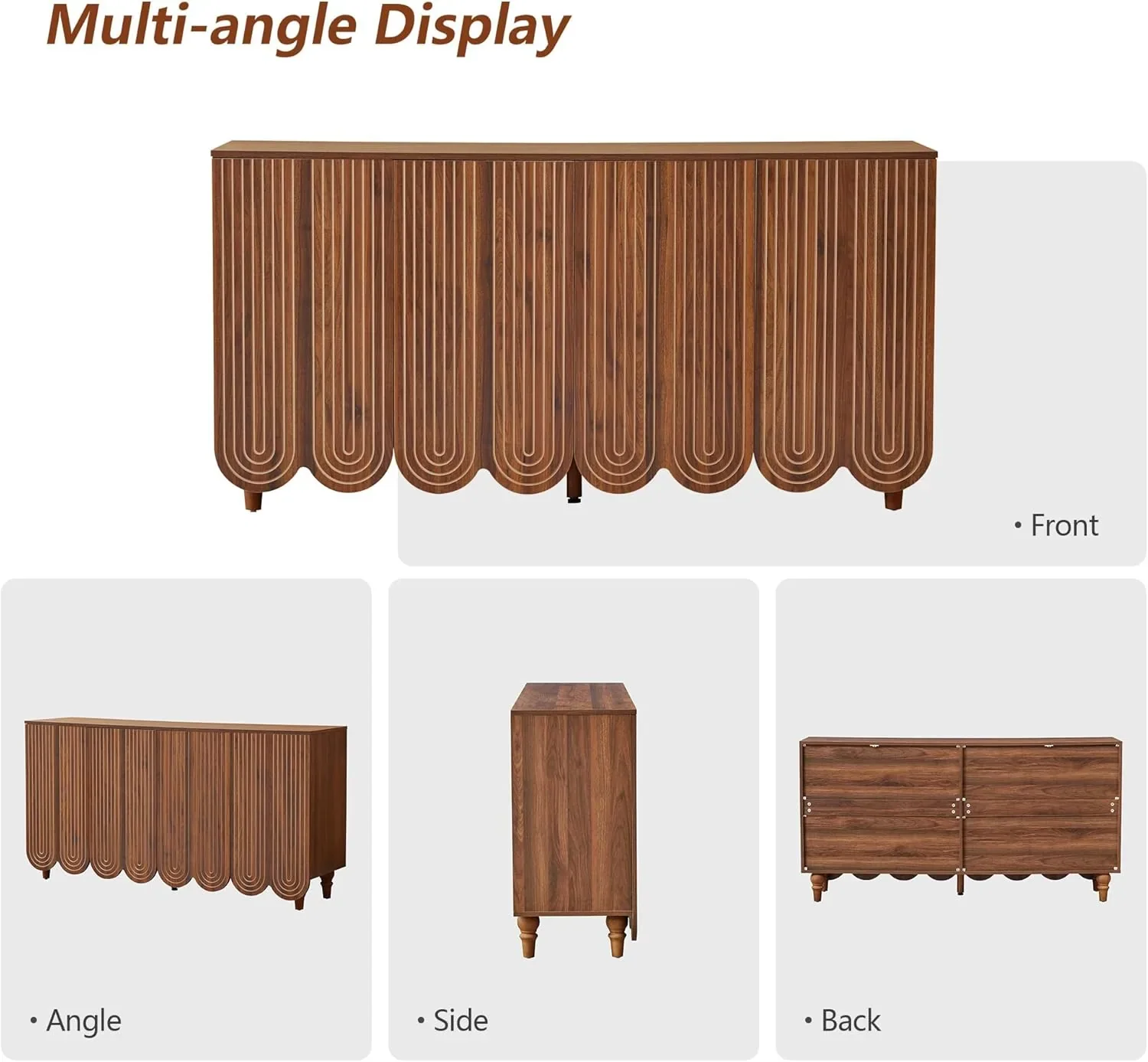
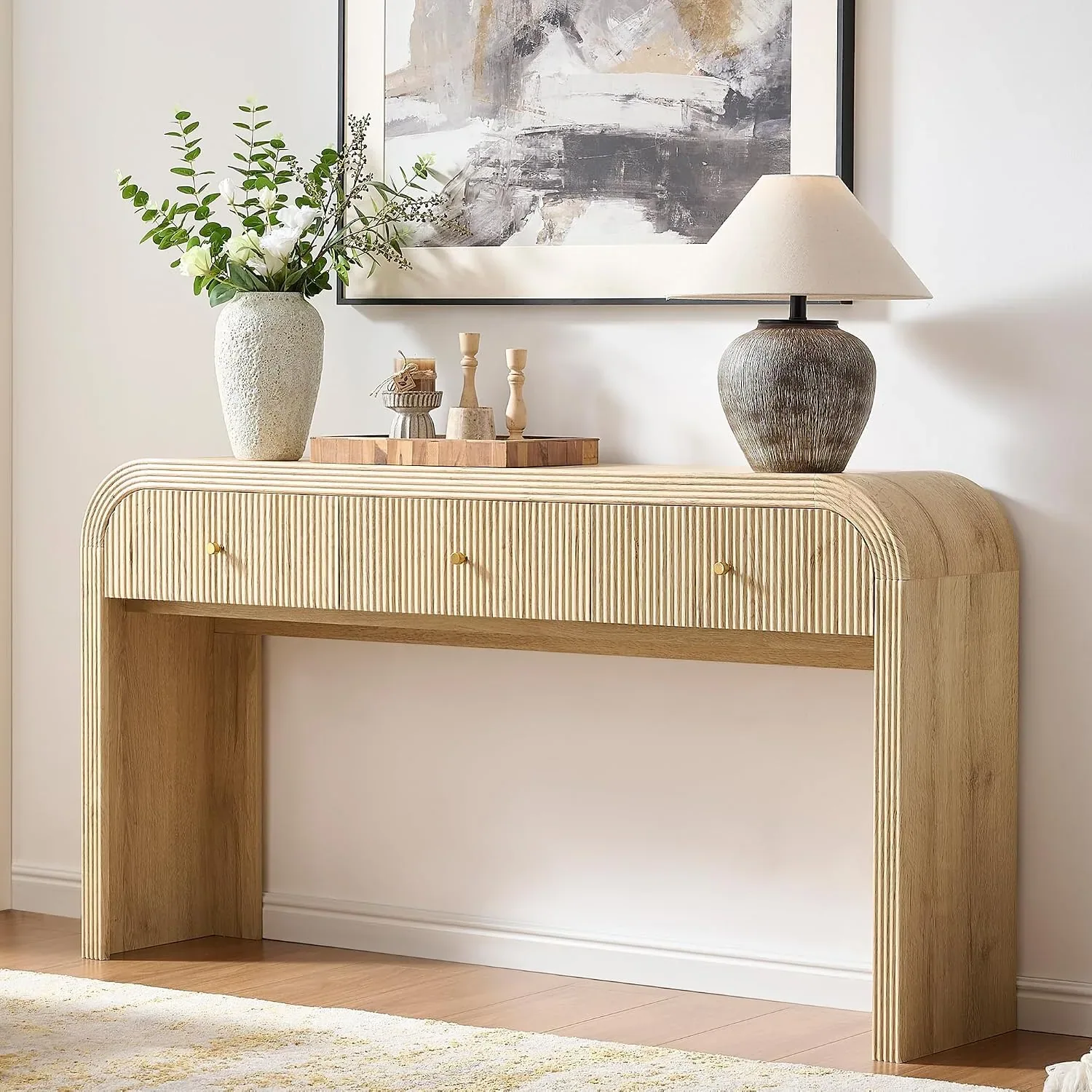
Sideboards occupy a large visual area, so their silhouette can strongly influence the room. Fluted fronts and rounded corners feel softer and more contemporary. Rattan adds texture and warmth. Dark walnut with repeated arches can lean Art Deco. Sculptural consoles work best when they are allowed to read as an object rather than being crowded by storage needs.
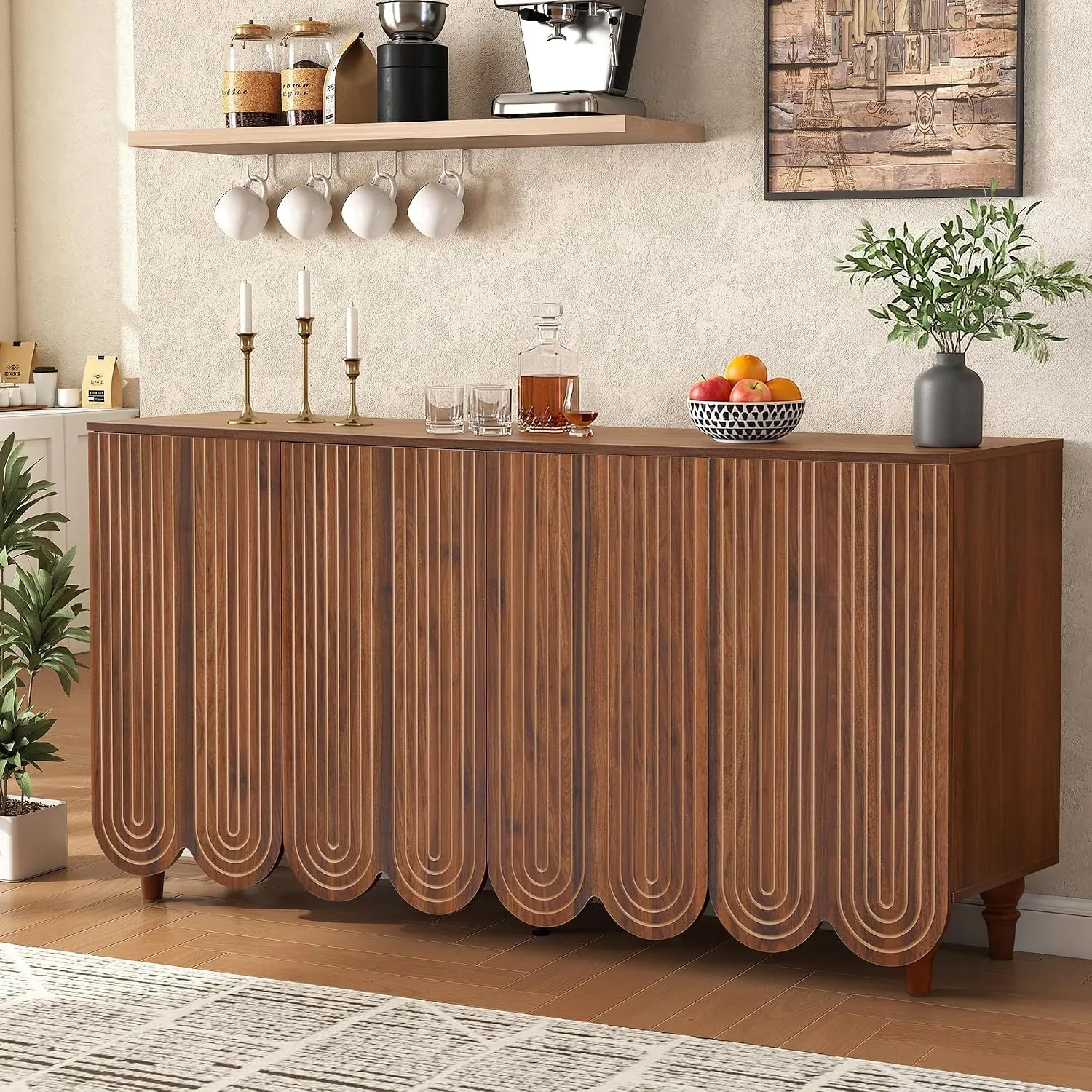
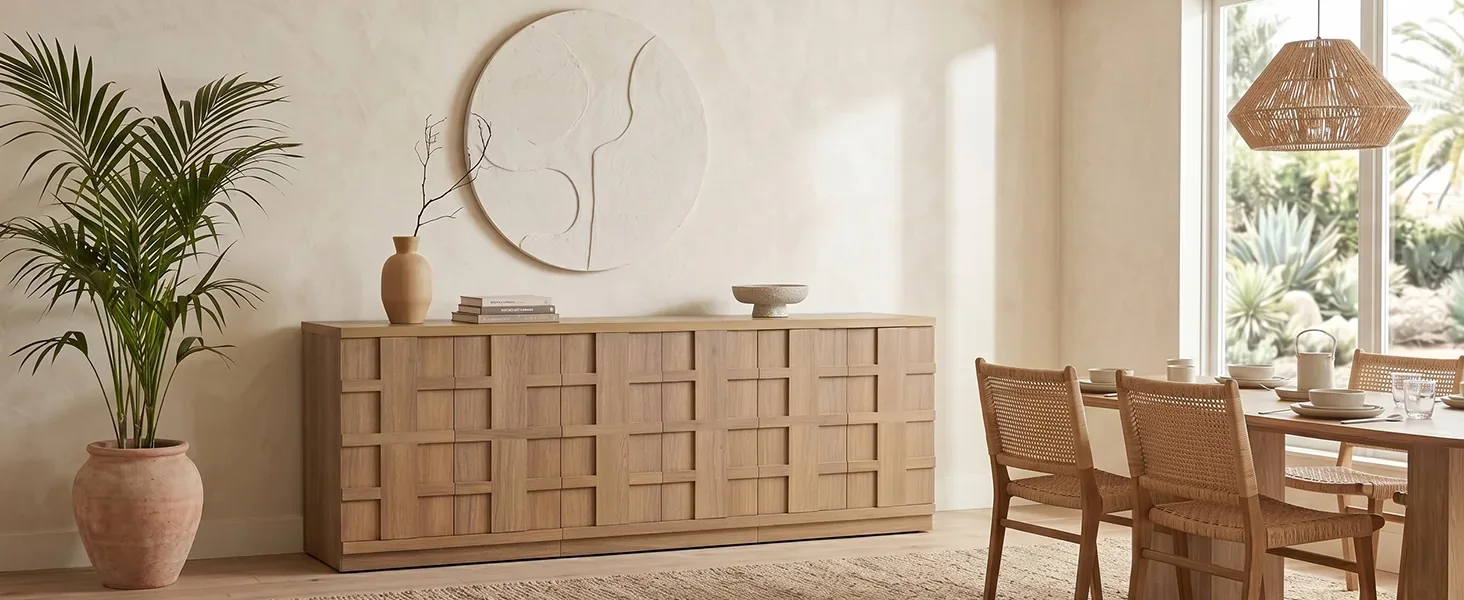
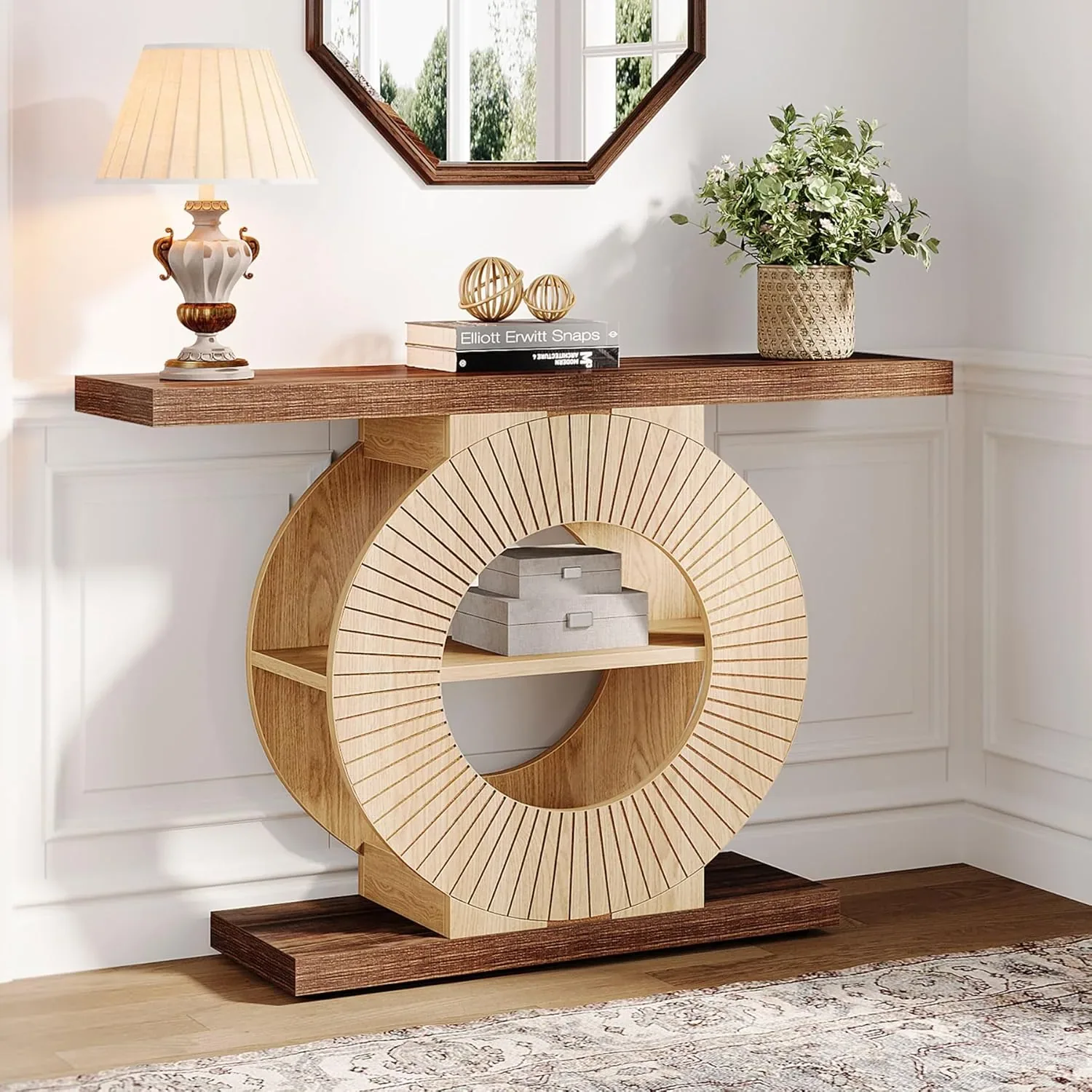
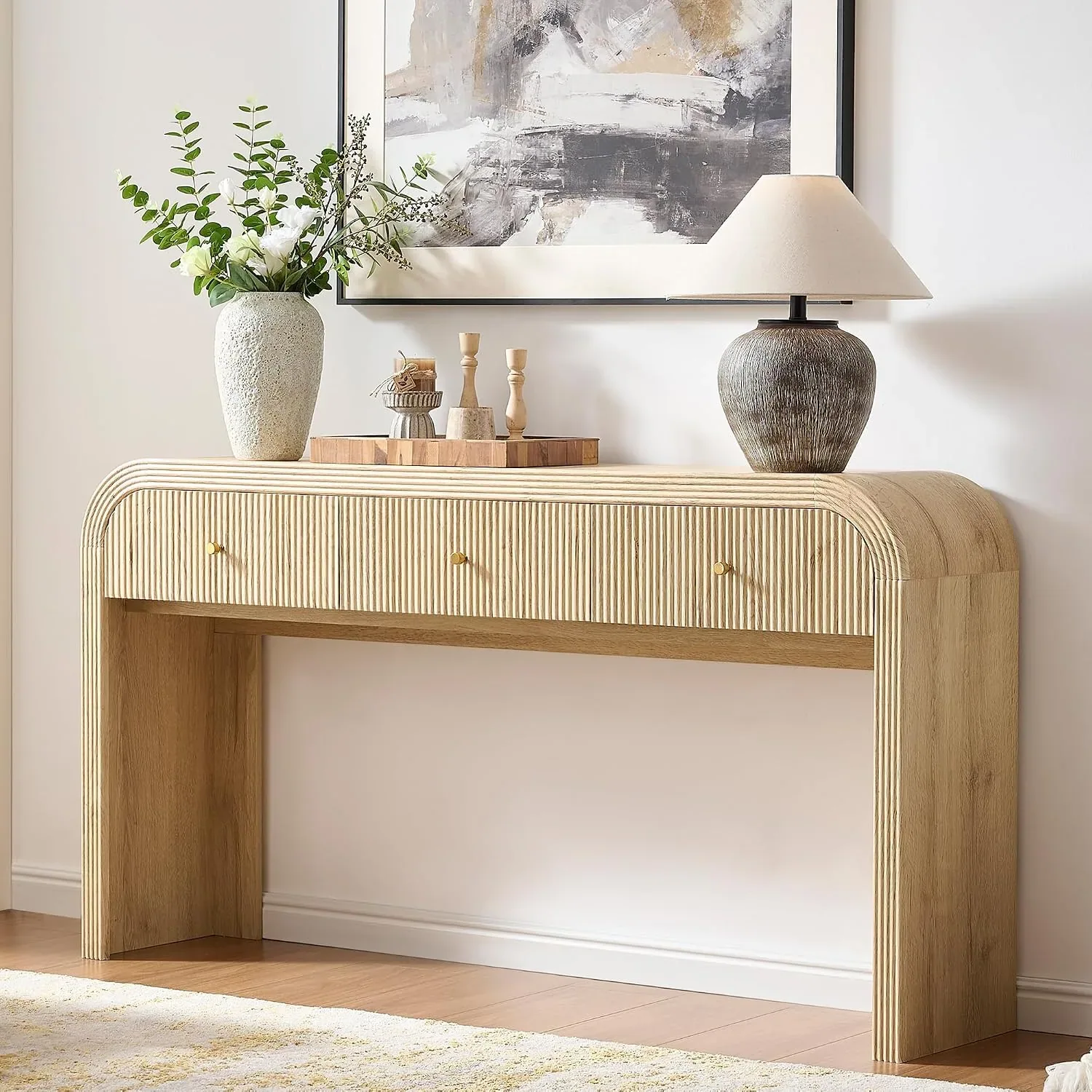
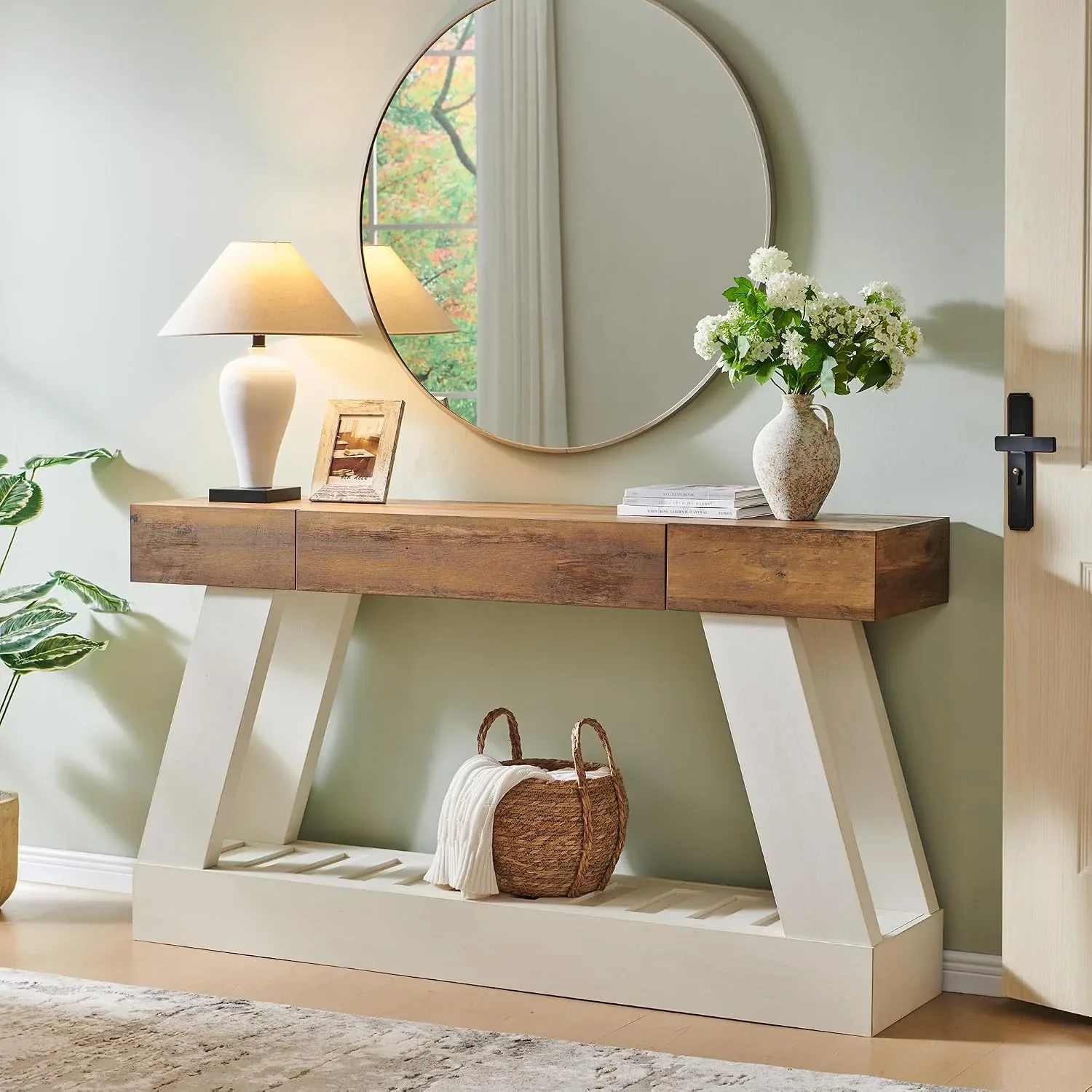
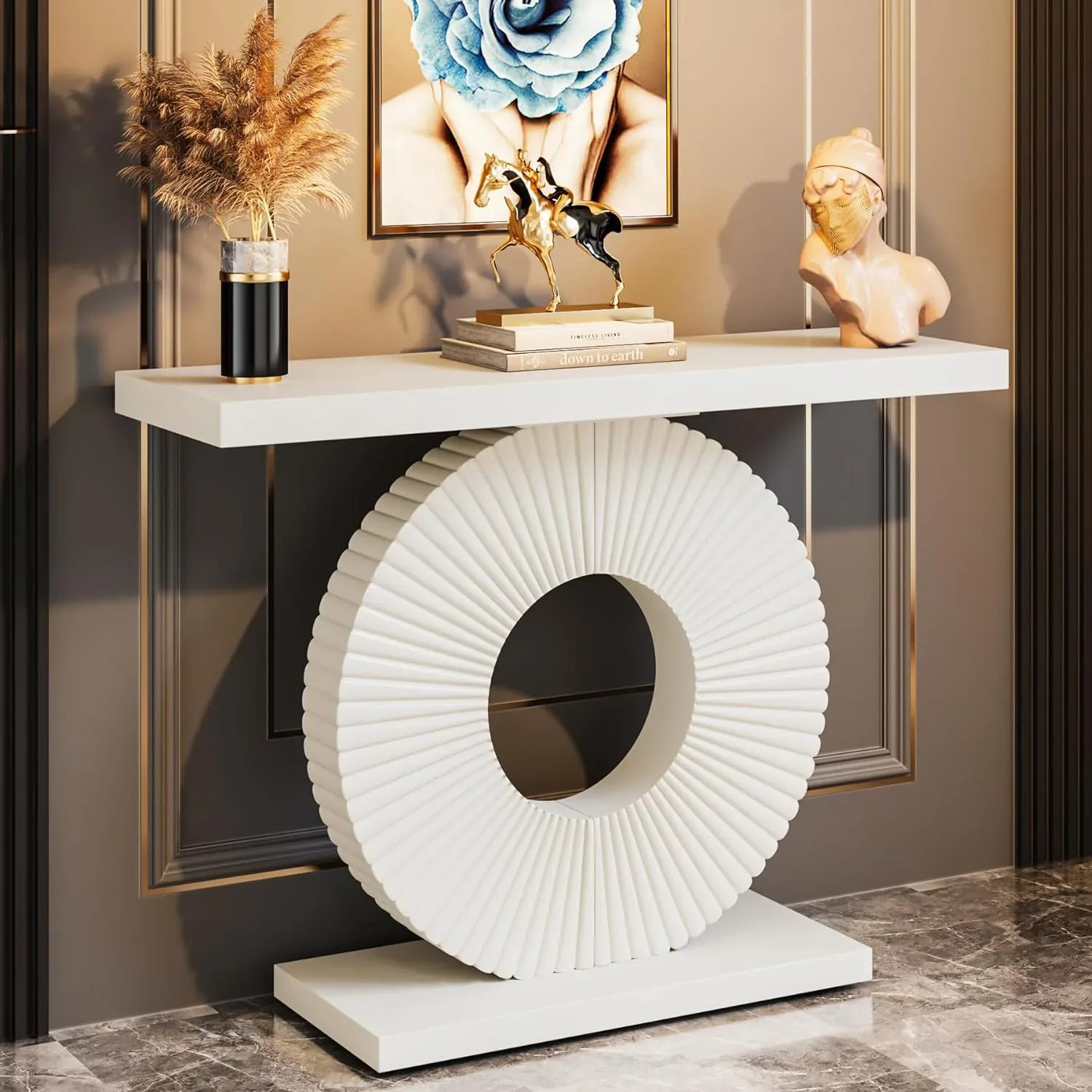
When in doubt, match the cabinet's main finish to one or two dominant materials already present in the room, then use hardware or decorative accessories for contrast.
4. Dimensions & Proportion: Measure the Wall and the Walkway
Dimensions should be checked against both the wall and the circulation zone in front of the piece. A sideboard that looks appropriately scaled in a product photo can feel oversized in a real room if the aisle between the cabinet and dining chairs becomes too tight.

Height: about 30–36 in
Depth: about 16–20 in
Width: often 48–84+ in depending on wall and storage needs
Height: about 28–34 in
Depth: about 12–16 in
Width: sized to the wall, sofa, mirror, or artwork above it
Use these as planning ranges, not fixed rules. The correct proportions depend on the room, the objects above the furniture, door swings, dining-chair clearance, and the visual scale of nearby pieces. For custom projects, sending a floor plan is the fastest way to verify the right size before production.
5. Quality: Inspect Finish, Hardware, Alignment, and Stability
Quality should be visible from a distance and verifiable up close. On wood furniture, compare grain direction and color from door to door. On fluted fronts, the grooves should line up cleanly and remain crisp after finishing. Hardware should operate smoothly without doors rubbing, drawers sagging, or handles shifting.
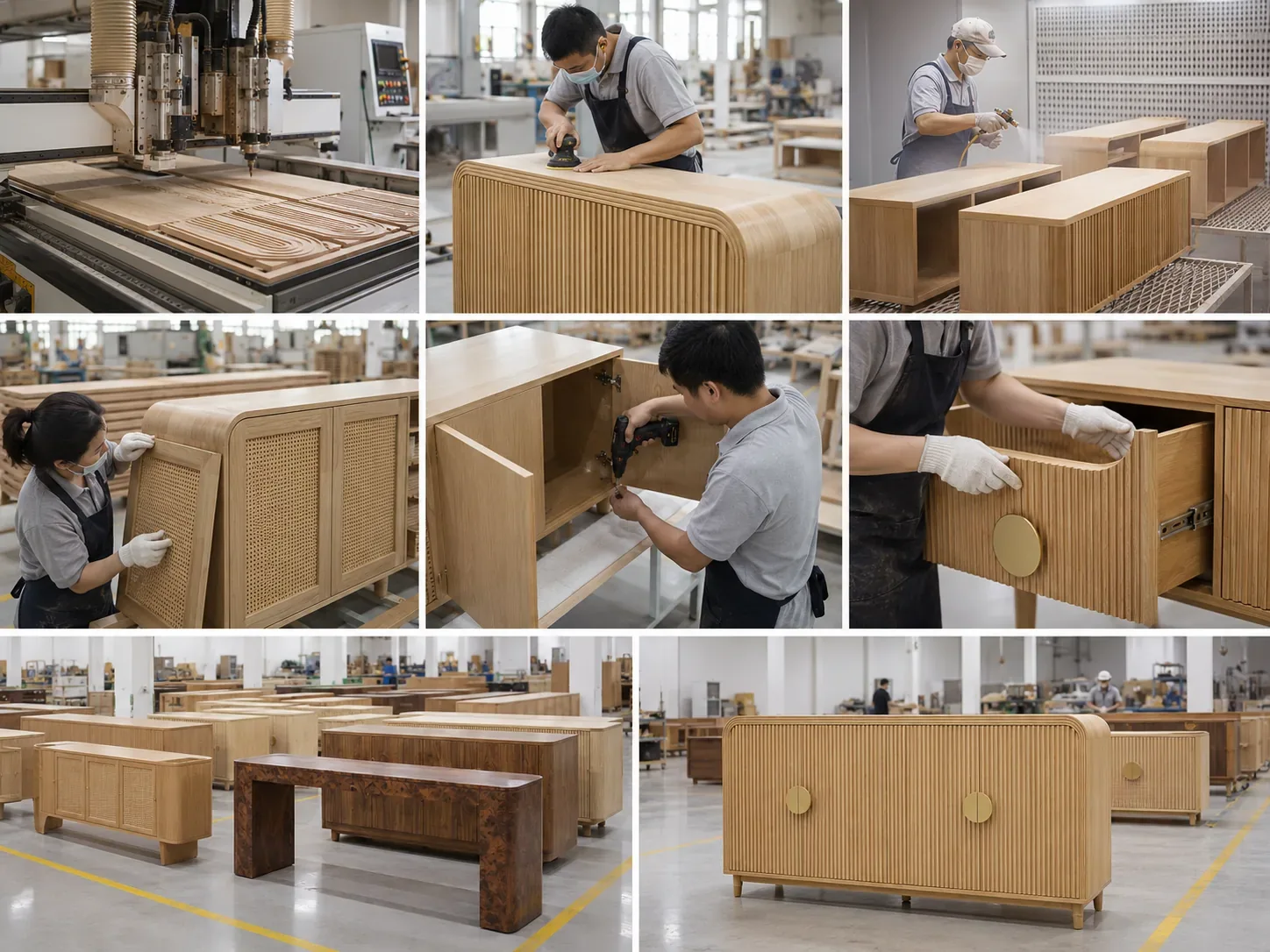
For overseas orders, build inspection into the process rather than treating it as a final surprise. Ratahome's quality control process outlines the checkpoints used before furniture is approved for shipment.
6. Customization: Specify What Can Change
Sideboards and consoles are well suited to customization because the dimensions, front pattern, finish, hardware, and interior storage can be adjusted without changing the basic furniture category. The key is to document each change clearly before production.


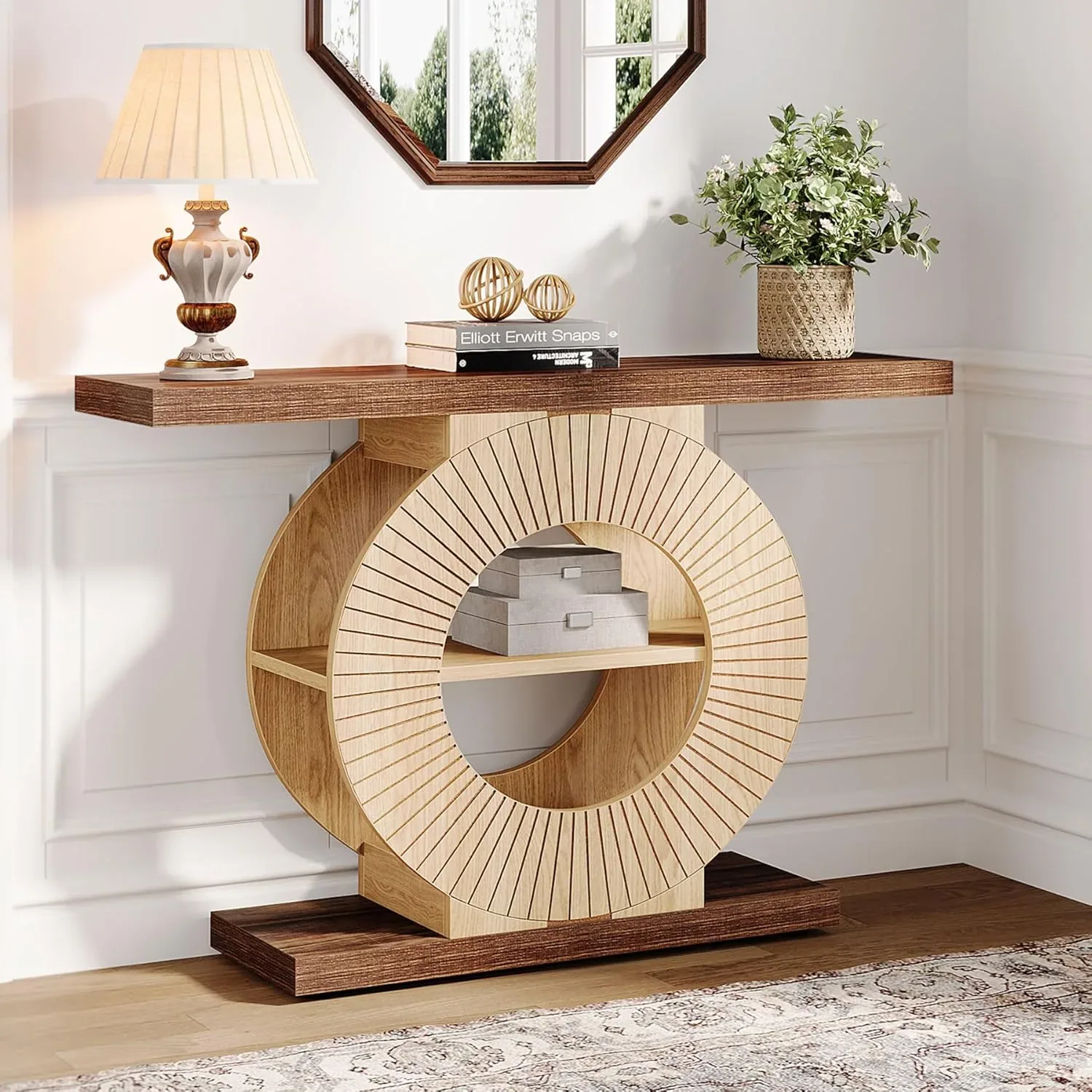
- Size: overall width, height, depth, plinth or leg height.
- Material: wood species, veneer, painted finish, rattan, stone top, metal trim.
- Front design: fluting, grooves, woven panels, arched recesses, smooth slab doors.
- Hardware: visible pulls, concealed touch-latch, hinge brand/grade, drawer slides.
- Interior: adjustable shelves, cutlery drawers, cable openings, bottle storage, removable dividers.
Before approval, ask for finish samples, drawings with dimensions, and a clear description of the hardware and interior configuration. If you are sourcing from Foshan, Ratahome's China Furniture Guide is a useful companion for understanding the overall sourcing process.
7. Factory Selection: Choose Process Control, Not Just a Low Quote
A capable supplier should be able to explain how the furniture is engineered, how finishes are matched, what is produced in-house, what is outsourced, how tolerances are checked, and how defects are handled before packing. For repeated or project-level orders, consistency between units matters as much as the sample itself.
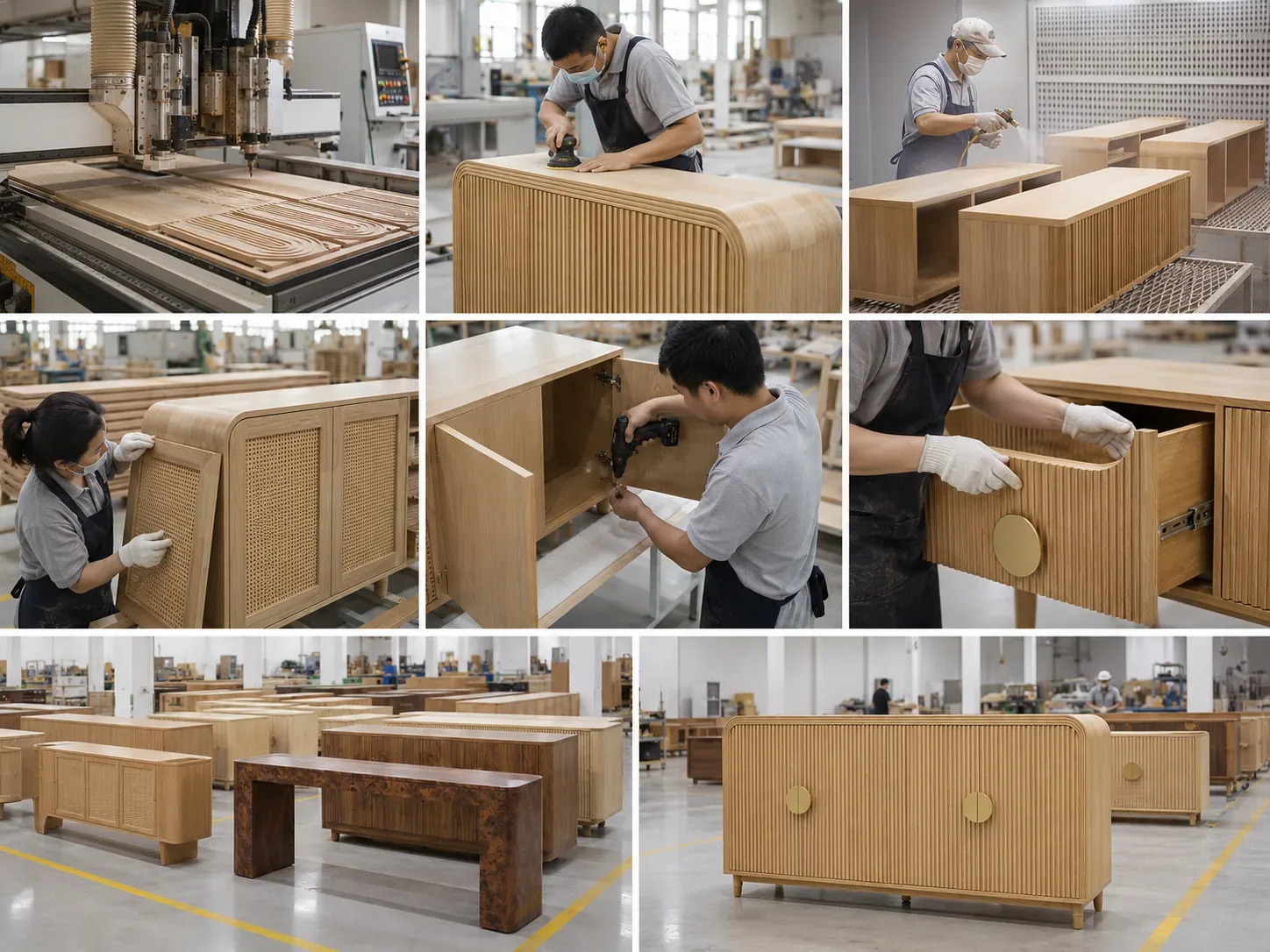
Ask the factory for evidence of similar work, material and finish samples, production lead time, inspection photos, packaging specification, and a clear process for design revisions. You can review Ratahome's manufacturing capability to see the type of documentation and production stages that should be discussed before an order is released.
8. Packing & Shipping: Protect the Corners, Doors, Finish, and Hardware
Sideboards are vulnerable during long-distance transport because they combine large flat surfaces, protruding corners, doors, glass or stone options, and sometimes delicate legs. Export packaging should prevent abrasion, moisture, compression, and impact—not simply cover the furniture.

- Protect finished surfaces with soft wrapping before adding harder outer layers.
- Use corner and edge protectors around vulnerable profiles and routed details.
- Secure doors and drawers so they cannot open inside the carton.
- Remove or separately protect fragile legs, handles, stone tops, or glass when appropriate.
- Use reinforced cartons or wooden crates when the weight, finish, route, or handling risk requires it.
- Photograph the packed unit and loading position before the container is sealed.
For a broader overview, see Ratahome's step-by-step furniture delivery guide.
9. Sideboard vs. Console: Which One Fits the Room?

Choose a sideboard when…
You need enclosed storage, a deeper serving surface, visual weight, or a functional anchor for a dining room, living room, or large hallway.
Choose a console when…
You need a shallower footprint for an entry, corridor, behind a sofa, or under a mirror or artwork where storage is secondary.
10. Final Sideboard & Console Buying Checklist
If the piece is part of a larger home package, evaluate it together with adjacent furniture instead of as a standalone item. Ratahome's whole-home packages show how furniture selections can be coordinated room by room.
11. Frequently Asked Questions
What is the difference between a sideboard and a console table?
A sideboard is usually deeper, taller, and storage-focused, while a console is typically slimmer and designed for entryways, hallways, behind a sofa, or as a decorative surface.
What depth is best for a sideboard?
Most sideboards work well at roughly 16–20 inches deep. In narrow circulation zones, a slimmer console around 12–16 inches may be more comfortable.
Which materials are best for a long-lasting sideboard?
Solid wood, quality veneer over stable engineered panels, well-sealed rattan or cane, and durable hardware can all perform well when the construction and finish are properly specified.
What should I check before ordering a custom sideboard from a factory?
Confirm approved dimensions, materials, veneer direction, finish sample, hardware, interior layout, door and drawer action, tolerances, packaging method, and pre-shipment inspection requirements.
Planning a Sideboard, Console, or Whole-Home Furniture Project?
Share your floor plan, room dimensions, reference images, or preferred finish direction. The Ratahome team can help review proportion, material options, customization, manufacturing, quality control, and export delivery as one coordinated project.