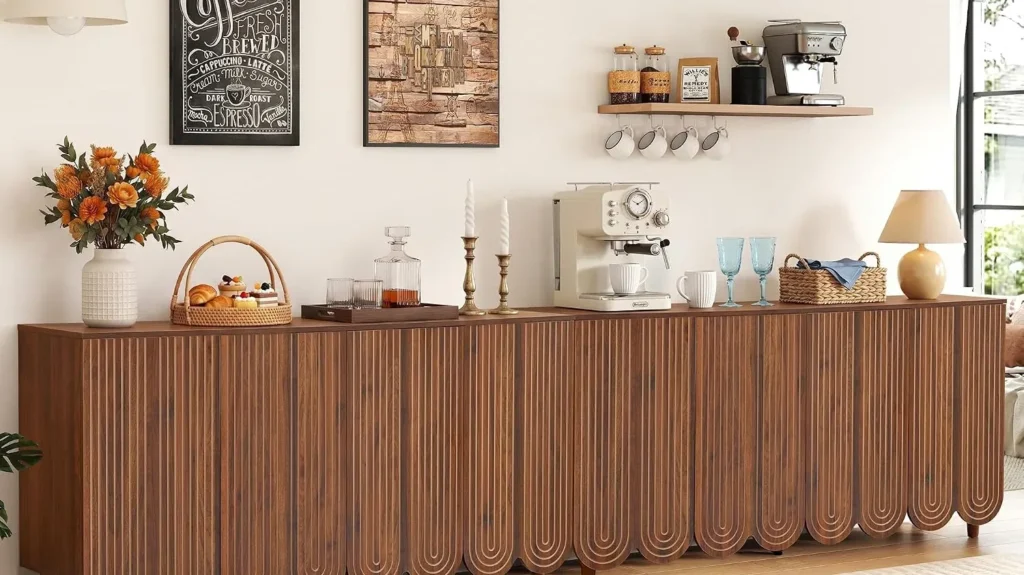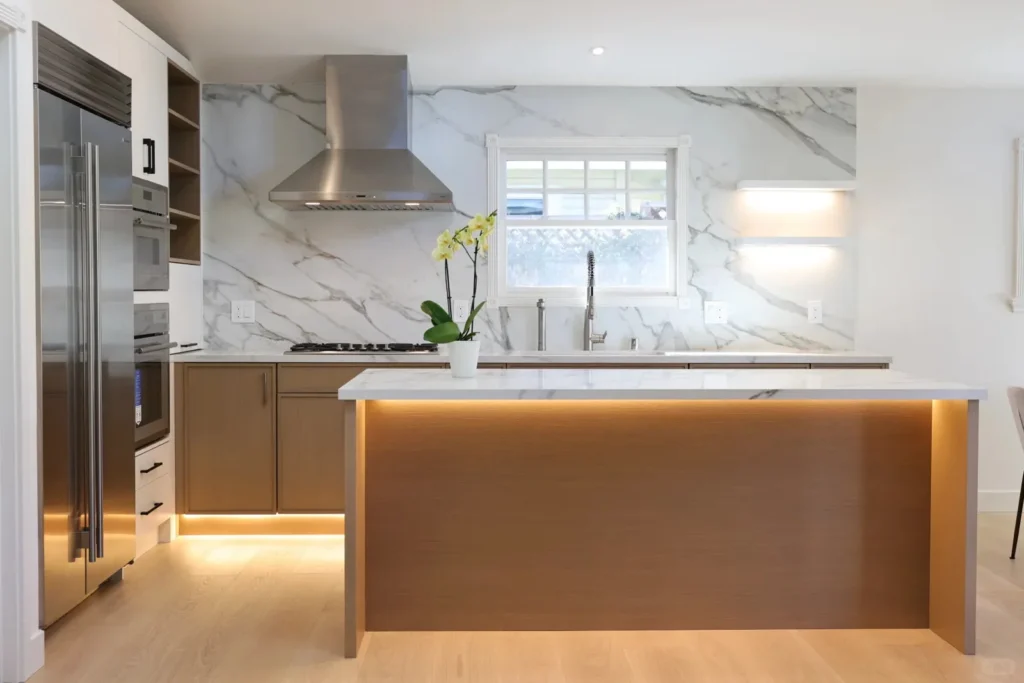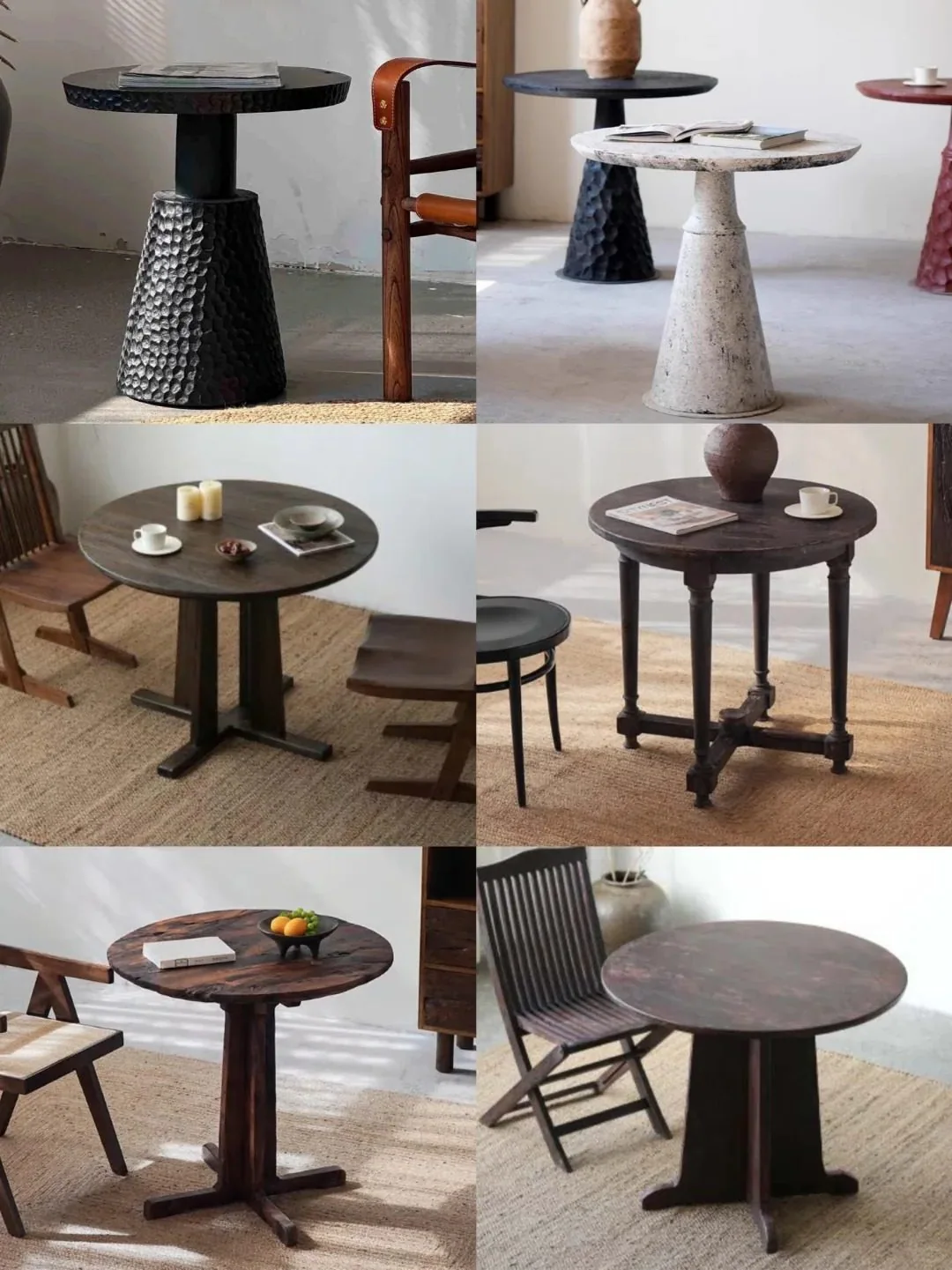
Coffee tables and side tables are smaller pieces, but they do a lot of visual and practical work. They hold everyday essentials, soften seating layouts, and often become the final layer that makes a living room feel complete. The best choice is usually the one that balances style with how the room is actually used.
Start with the role of the table
A coffee table is usually the anchor of the seating area. It sits lower, covers more surface area, and helps organize the center of the room. A side table works closer to a chair or sofa arm, making it easier to place a drink, a lamp, or the small essentials you reach for every day.
In many living rooms, you do not need to choose one or the other. The strongest layouts often use both: a coffee table to define the center and one or two side tables to complete the seating arrangement. Once you decide the role, the rest of the selection process becomes much easier.
Ask one practical question first: will the table mainly display objects, support everyday living, or solve a storage need? Function should guide shape, material, and size.
Choose the right shape for circulation and balance
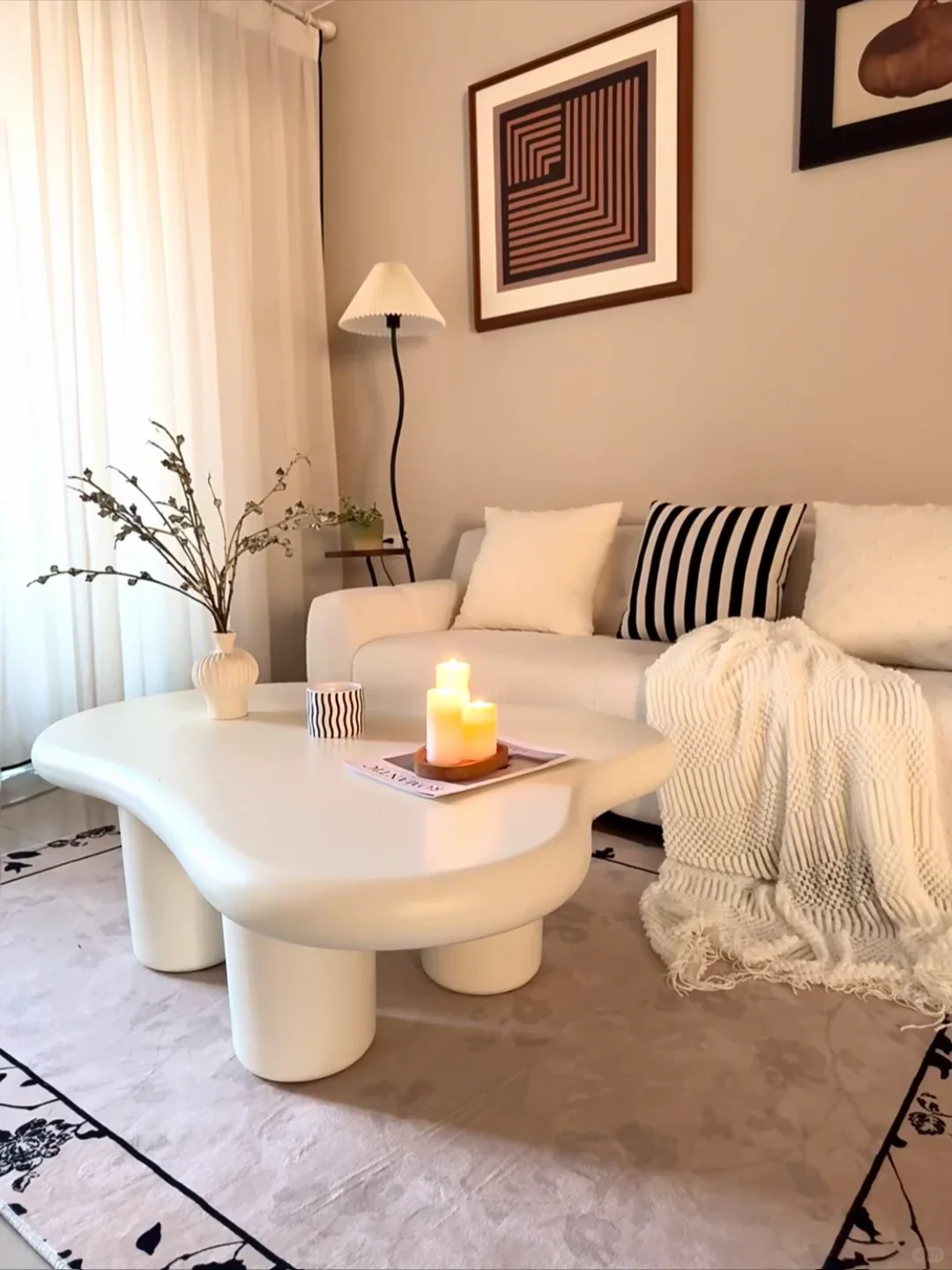
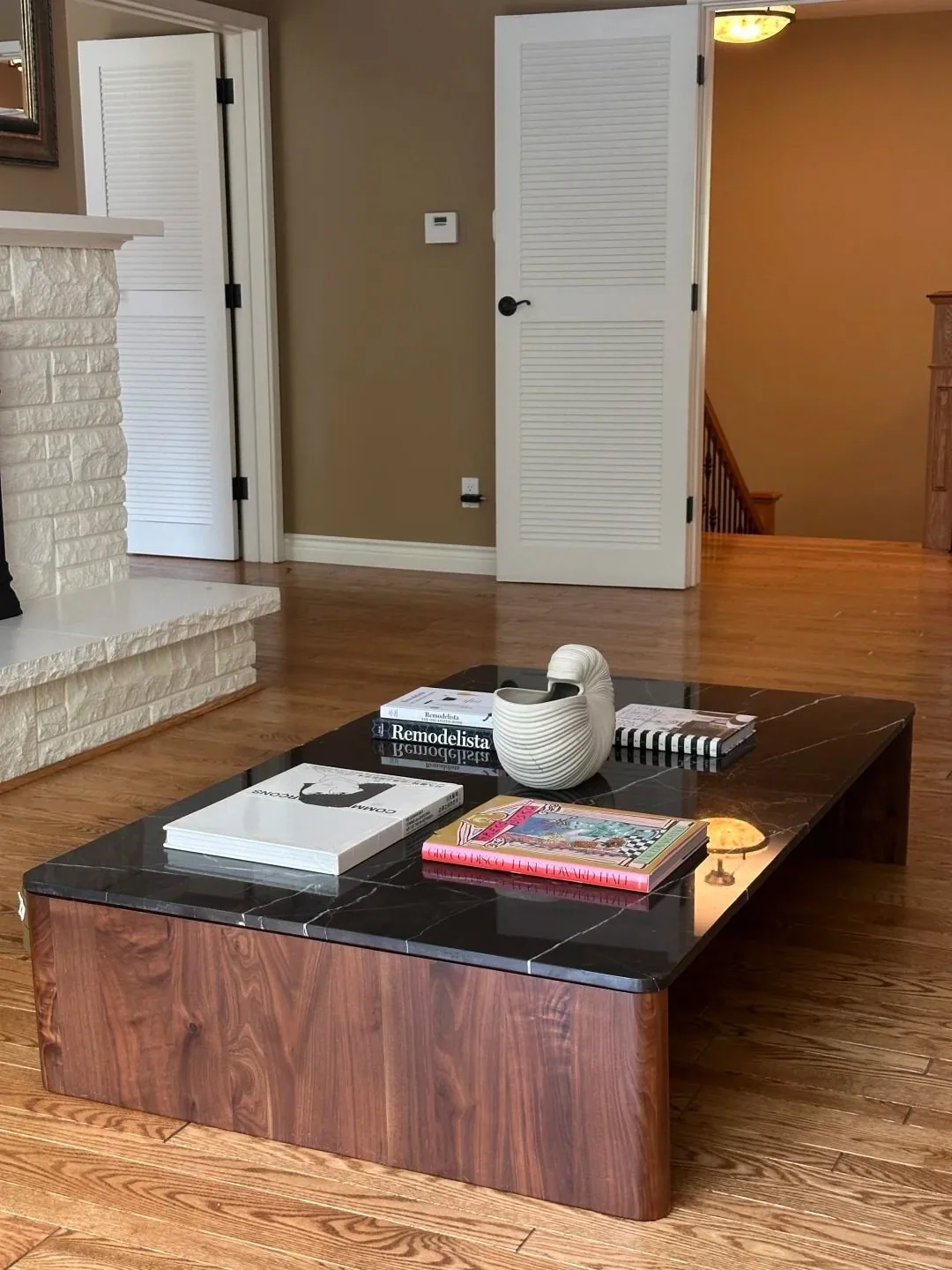
Shape changes how a room moves. Round and oval tables feel softer and are easier to live with in compact spaces. Rectangular tables usually suit longer sofas and more generous floor plans. Low, broad tables feel more architectural and can make a room look calmer and more grounded.
In smaller rooms, organic silhouettes can also soften the layout and reduce the visual weight that a sharper rectangular table might introduce.
See more shapes and project-ready options: Explore the Coffee Tables collection →
Read the material story, not just the color
For a deeper material reference: Furniture Guide: materials, sizes and care →
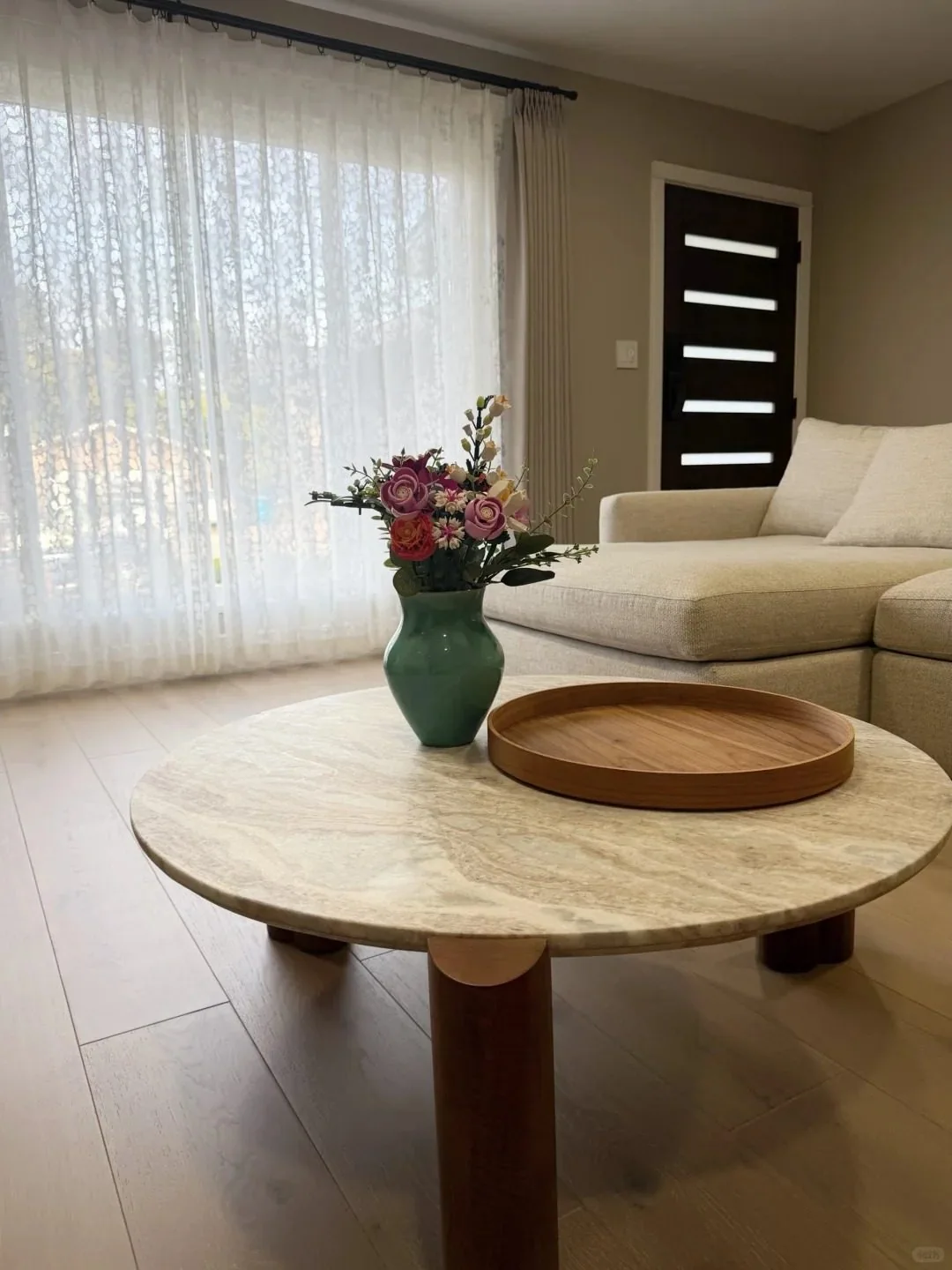
Material has a major influence on how a table feels in a room. Wood brings warmth and works across many interiors, from transitional to organic modern. Stone and stone-look tops feel quieter, cooler, and often more luxurious. Mixed materials add contrast and help a room feel more layered.
When you are choosing more than one table for the same space, think in terms of a material story rather than isolated pieces. The room will usually feel stronger when the tables relate to the same overall mood, even if the surfaces are not identical.
A useful rule: if your seating looks visually heavy, a lighter or cleaner table material can create balance. If the upholstery is quiet, richer table materials can carry more of the personality.
The base design affects comfort, stability, and character
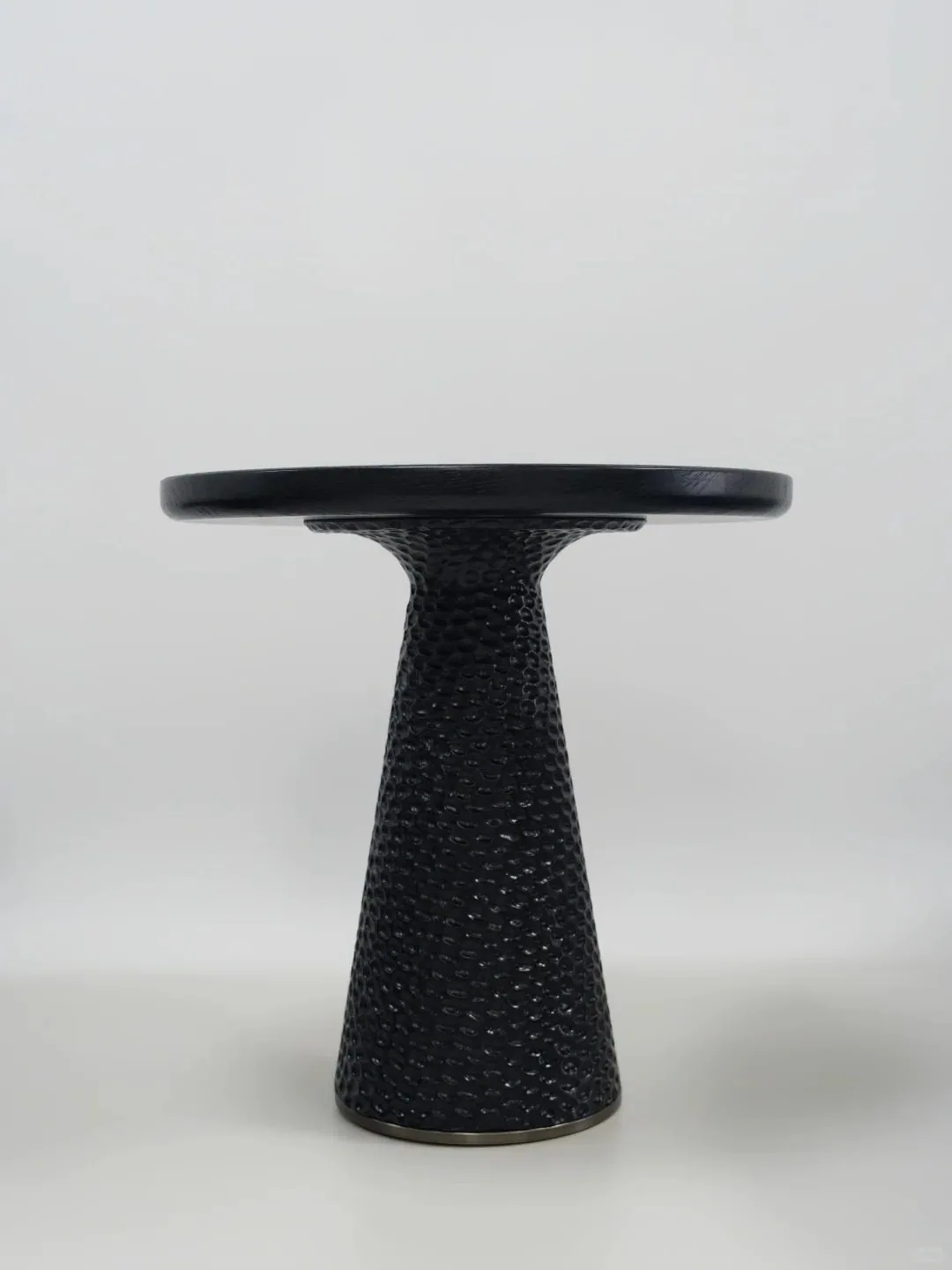
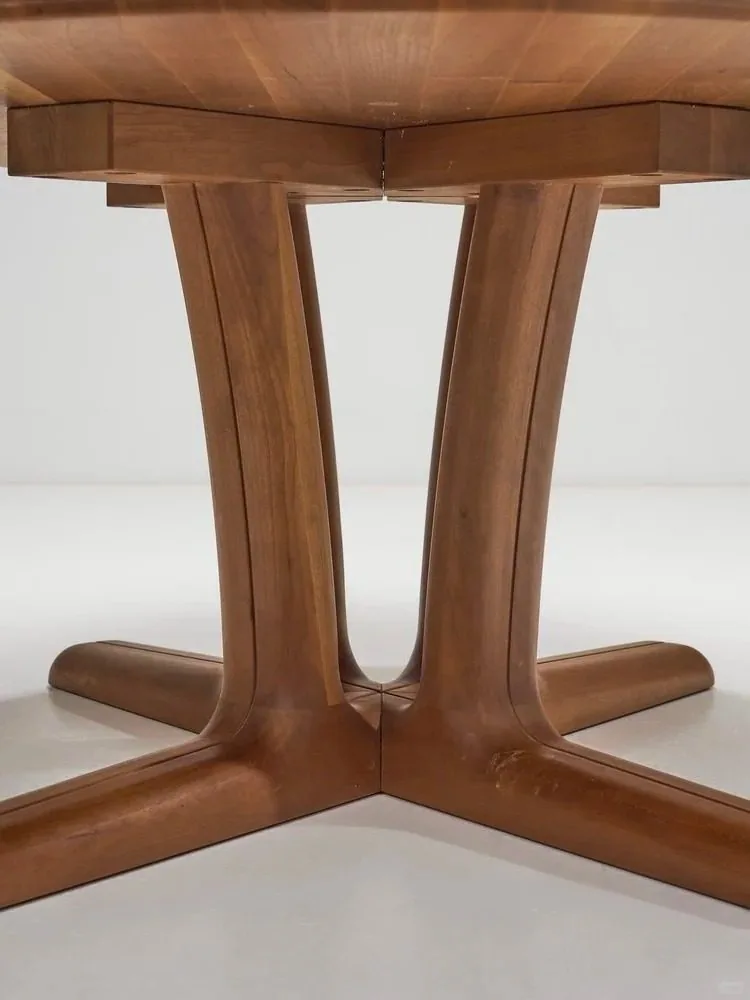
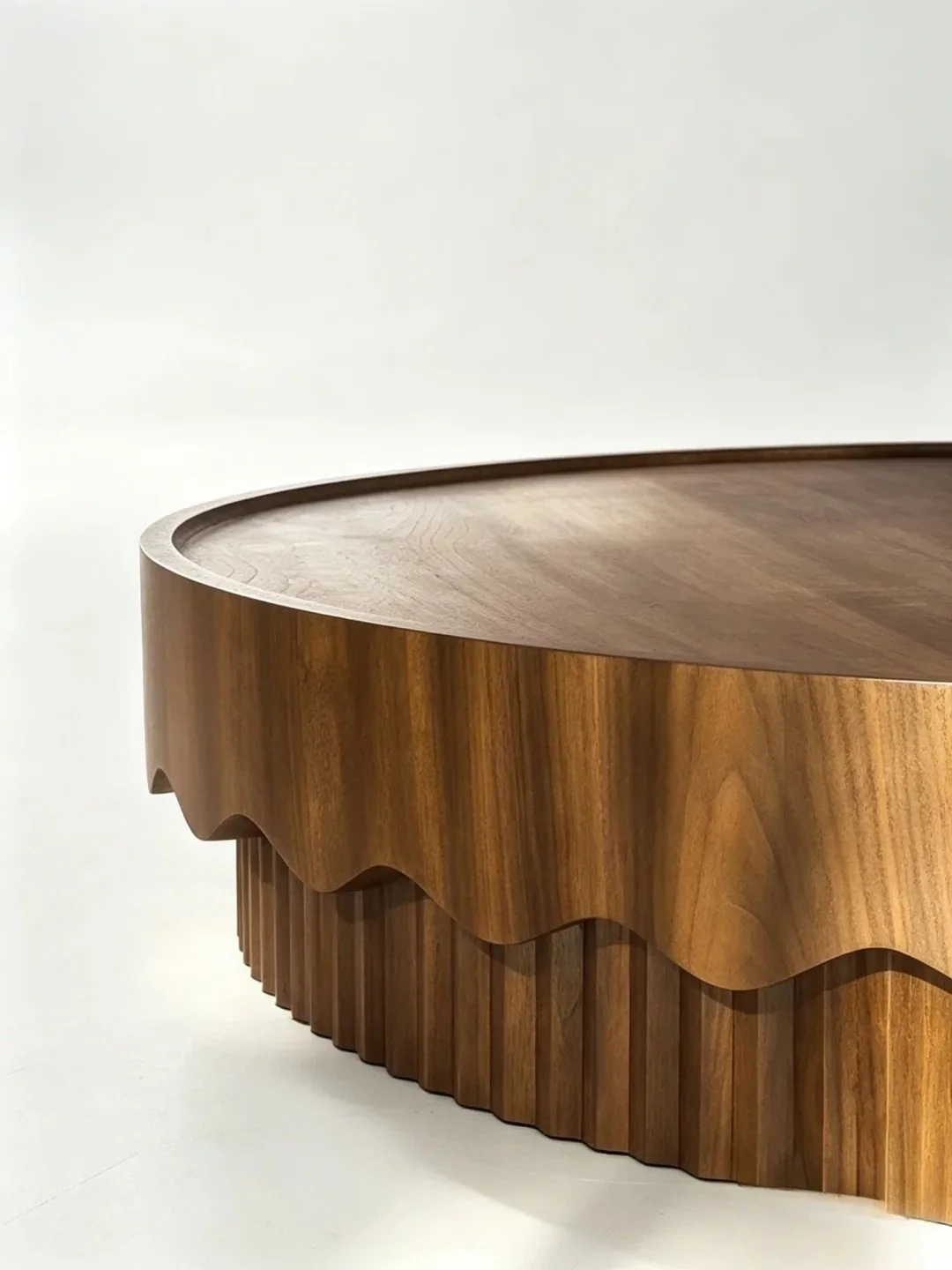
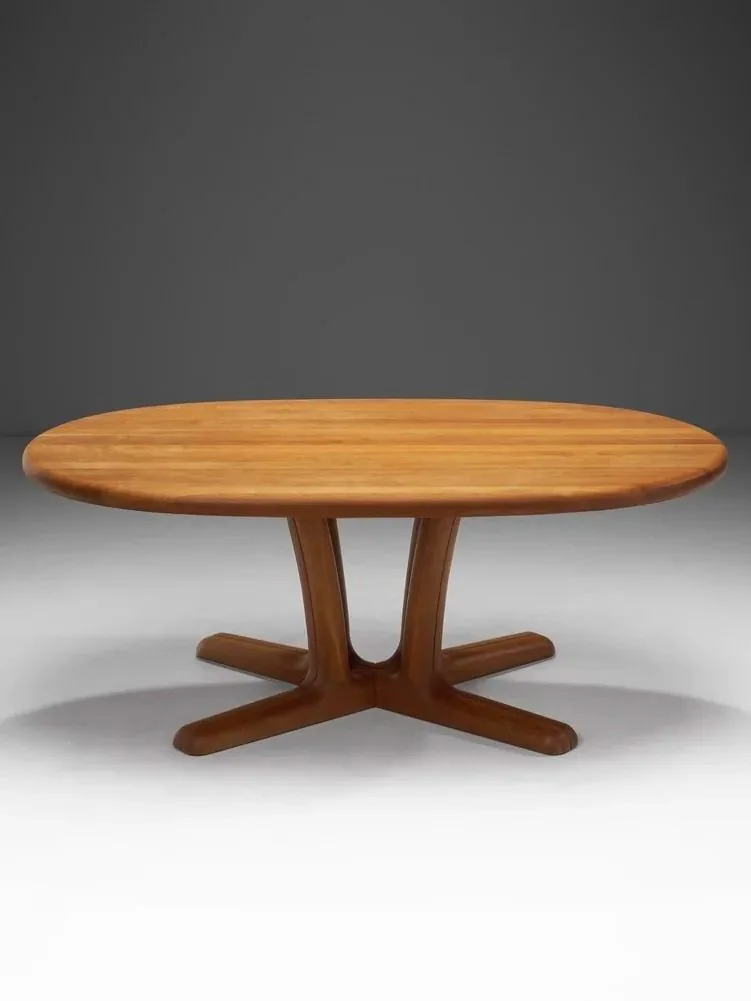
People often focus on the tabletop and overlook the base. In practice, the base determines much of the piece’s usability and personality. Pedestal shapes feel compact and sculptural. Broader structural bases feel grounded and stable. Decorative edge and base details can also help a simple table feel more considered.
See how construction and custom development are handled: Ratahome Manufacturing Capability →
Get the scale right before you think about styling
Compare real project dimensions and customizable sizes: Coffee Tables collection with project sizing →
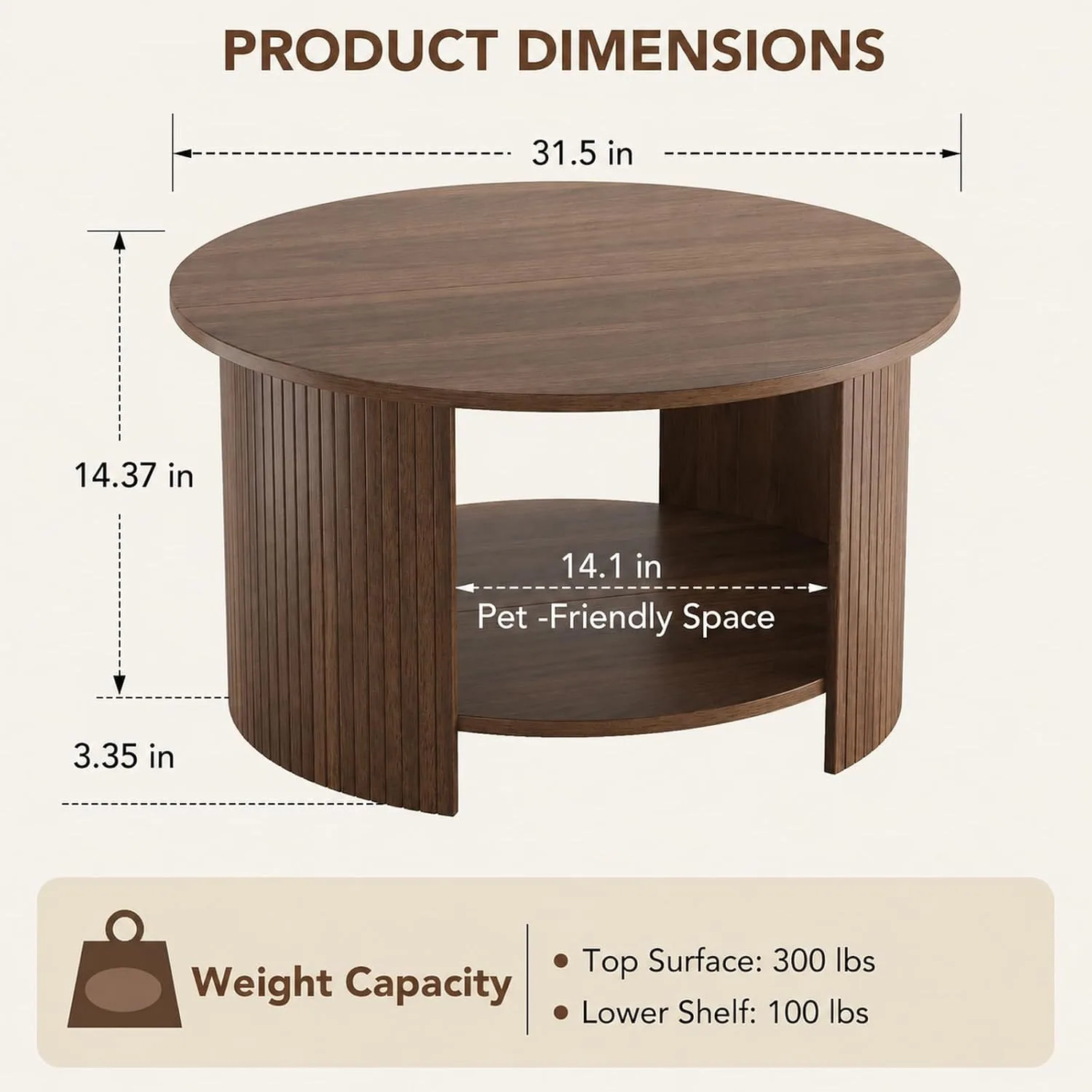
Scale is where many attractive tables fail in real rooms. A table that is too small looks lost. A table that is too tall becomes inconvenient. As a useful starting point, a coffee table should be about two-thirds the length of the sofa, and it should sit at the same height as the seat cushion or slightly lower.
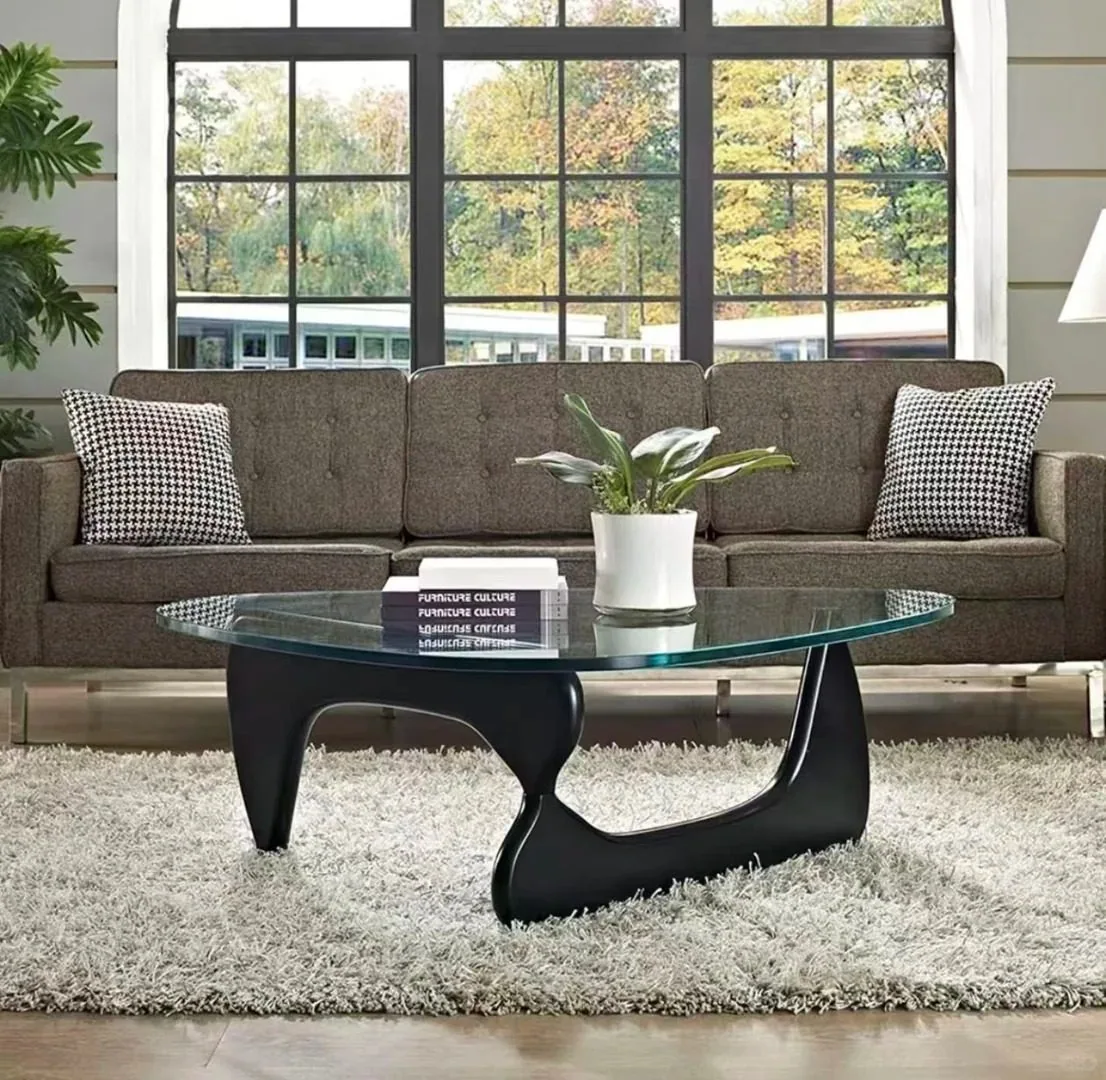
Try to keep about 14 to 18 inches between the coffee table and the sofa. Side tables should land close to sofa-arm height so that they are genuinely easy to use. Looking at lifestyle images can help you judge proportion much better than product dimensions alone.
Match features to the way you actually live
Different rooms need different kinds of tables. Some spaces only need a clean surface for styling and daily essentials. Others benefit from integrated storage, sliding tops, or drawers that keep clutter under control. The best features are the ones that make everyday living simpler rather than the ones that only sound impressive on paper.
If you are coordinating the full living room: Whole-home furniture packages →
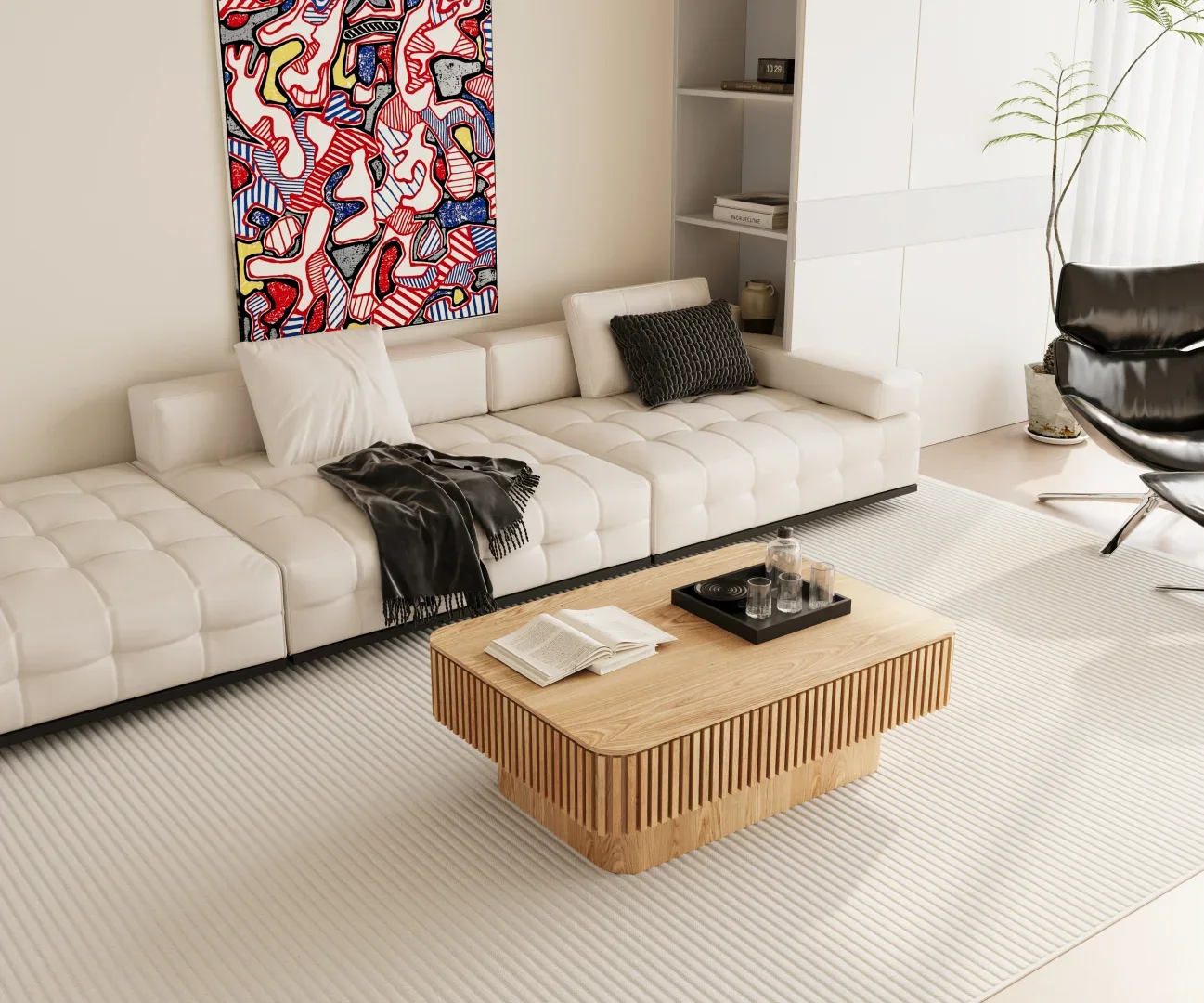
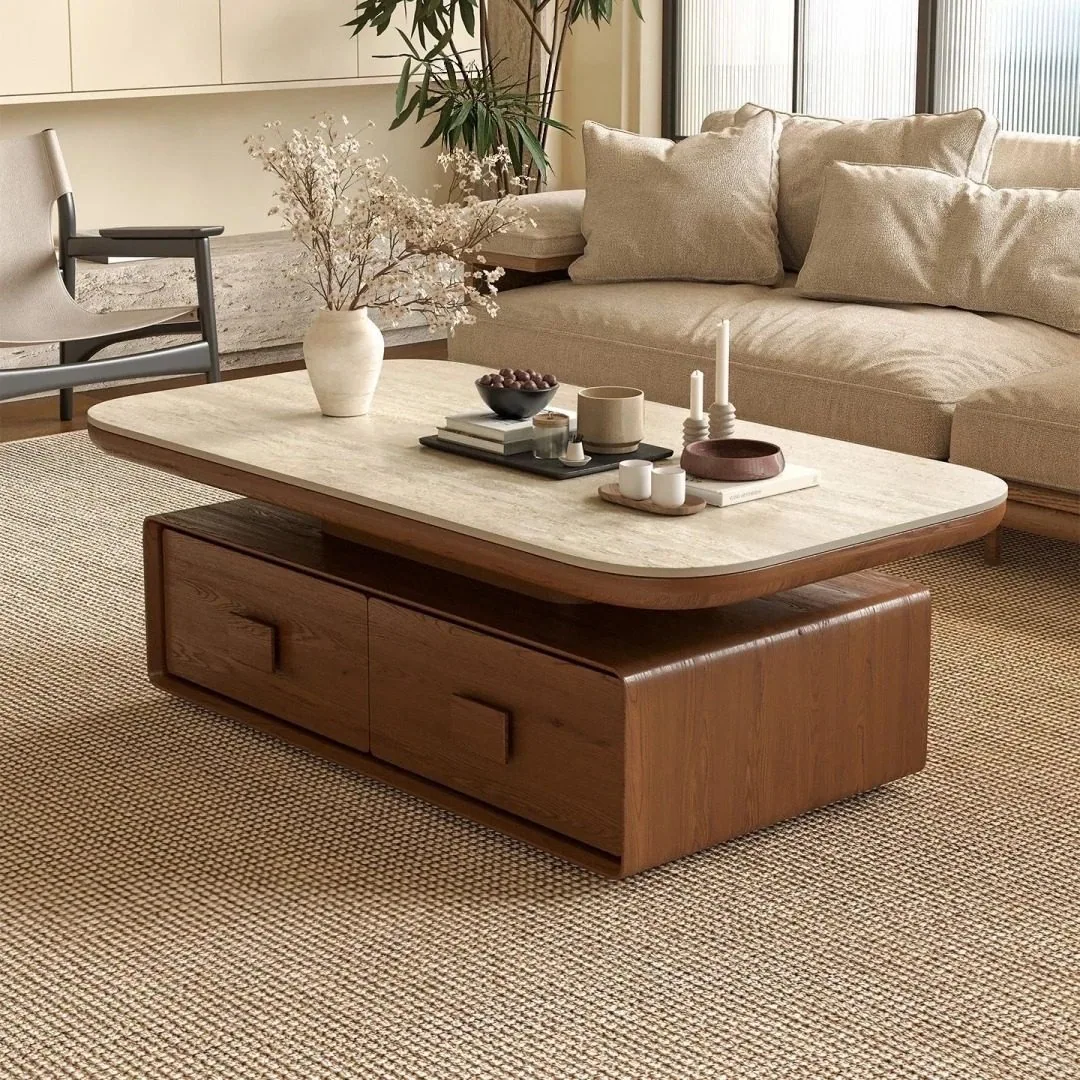
Styled room shots are valuable because they show whether a table truly supports daily use while still keeping the composition calm and well balanced.
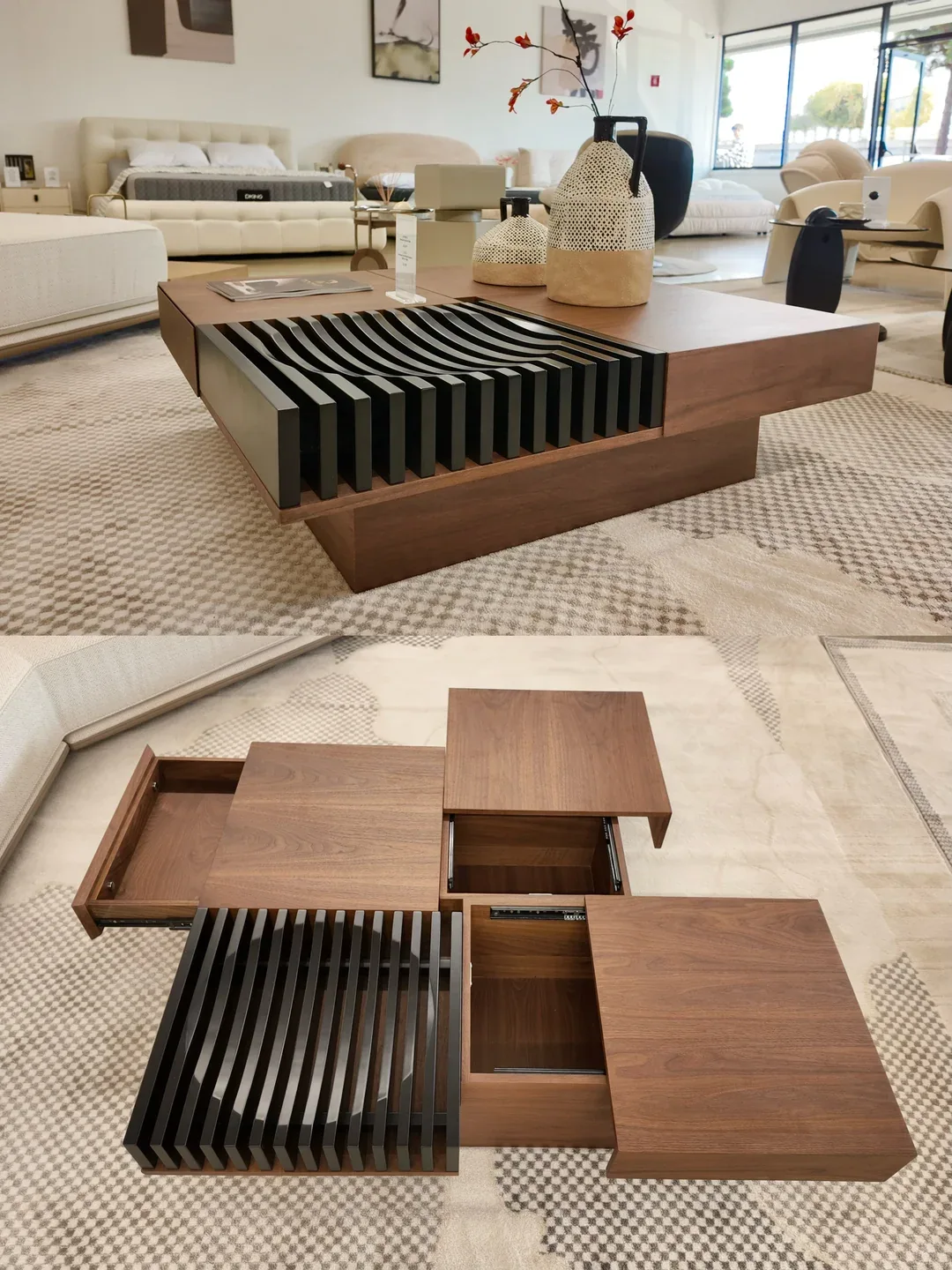
Open-storage and moving-part designs should reveal practical access, clean joinery, and a construction quality that feels resolved from every angle.
When a table needs to do more than just fill the center of the room, visible lifestyle use and clearly shown storage details become especially valuable.
Check the details that separate a good table from a disappointing one
For the inspection process behind materials, joinery and finishes: Ratahome Quality Control System →
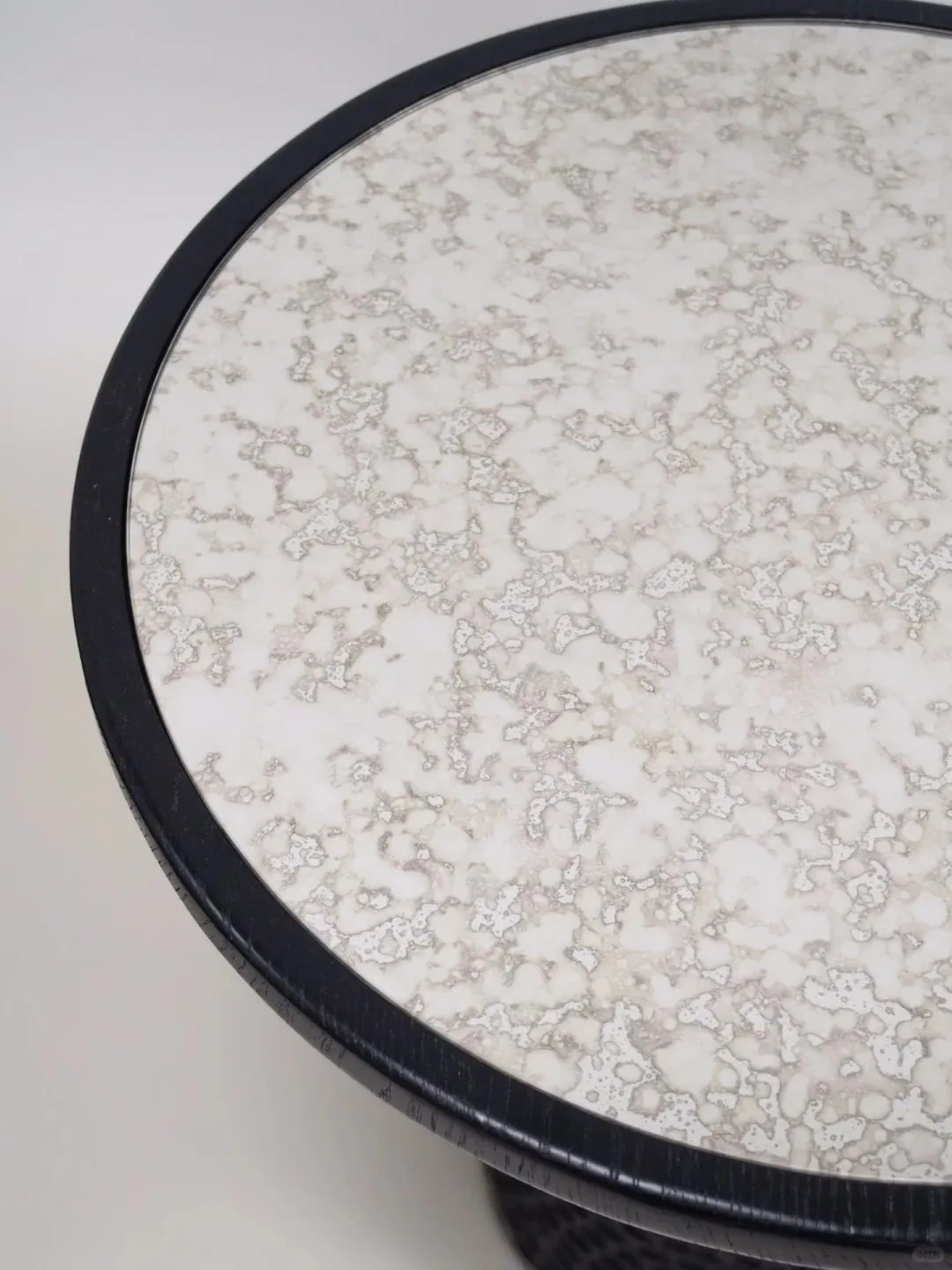
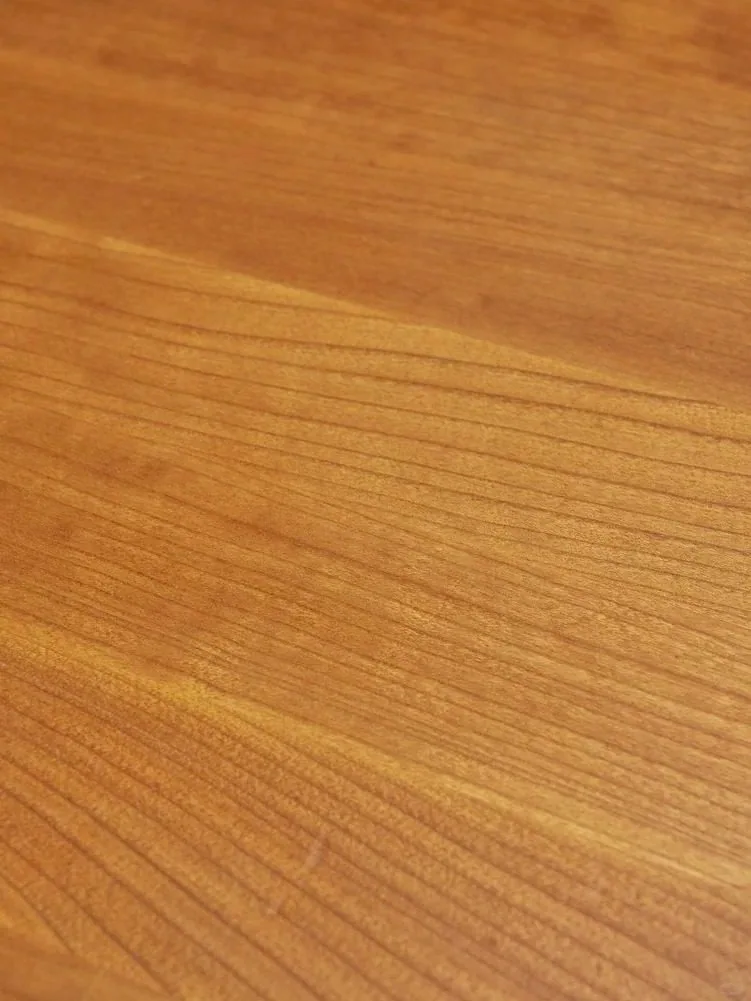
Many tables look good in a single photo. Far fewer feel convincing in daily use. Before buying, look closely at the finish depth, edge treatment, joinery or panel alignment, drawer glide quality, and the way the table meets the floor. Close-up images are often more valuable than hero images because they reveal whether the finish has depth and whether the construction feels intentional.
For wood tables, the grain and tone should feel natural. For mixed-material designs, the transitions should feel clean and resolved. If a table includes storage or moving parts, those details should look as considered as the outer silhouette.
The best-performing tables are usually the ones that combine a strong shape with convincing close-up details.
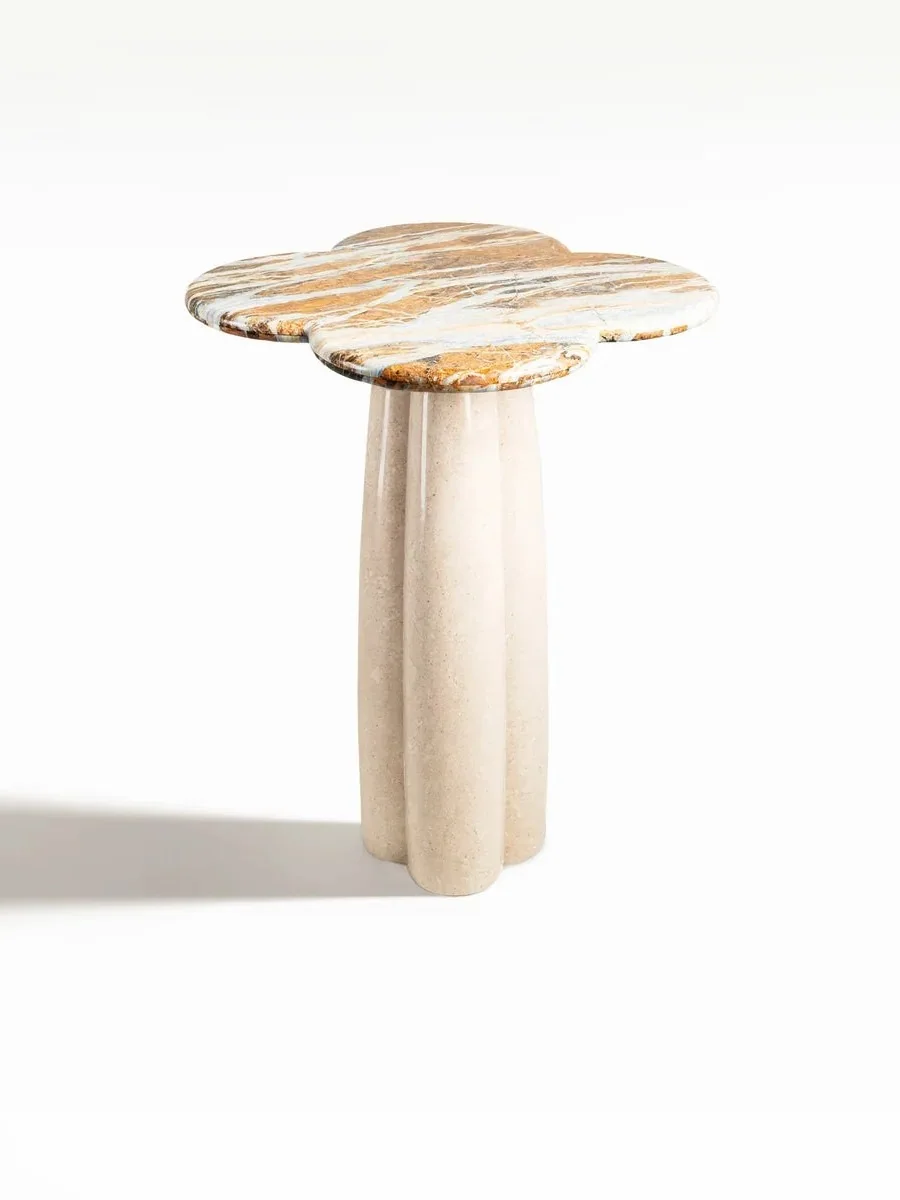
A full product view confirms the silhouette, top shape, and base proportions.
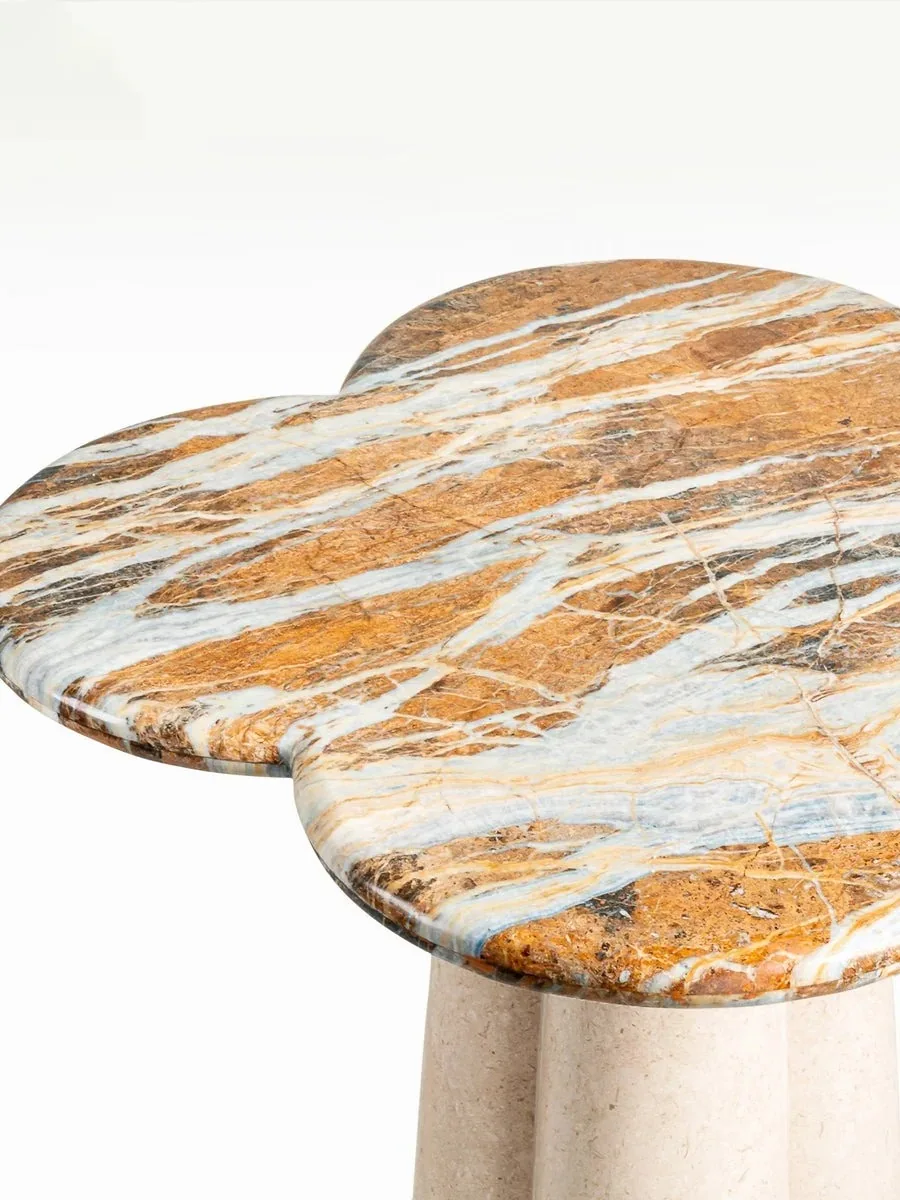
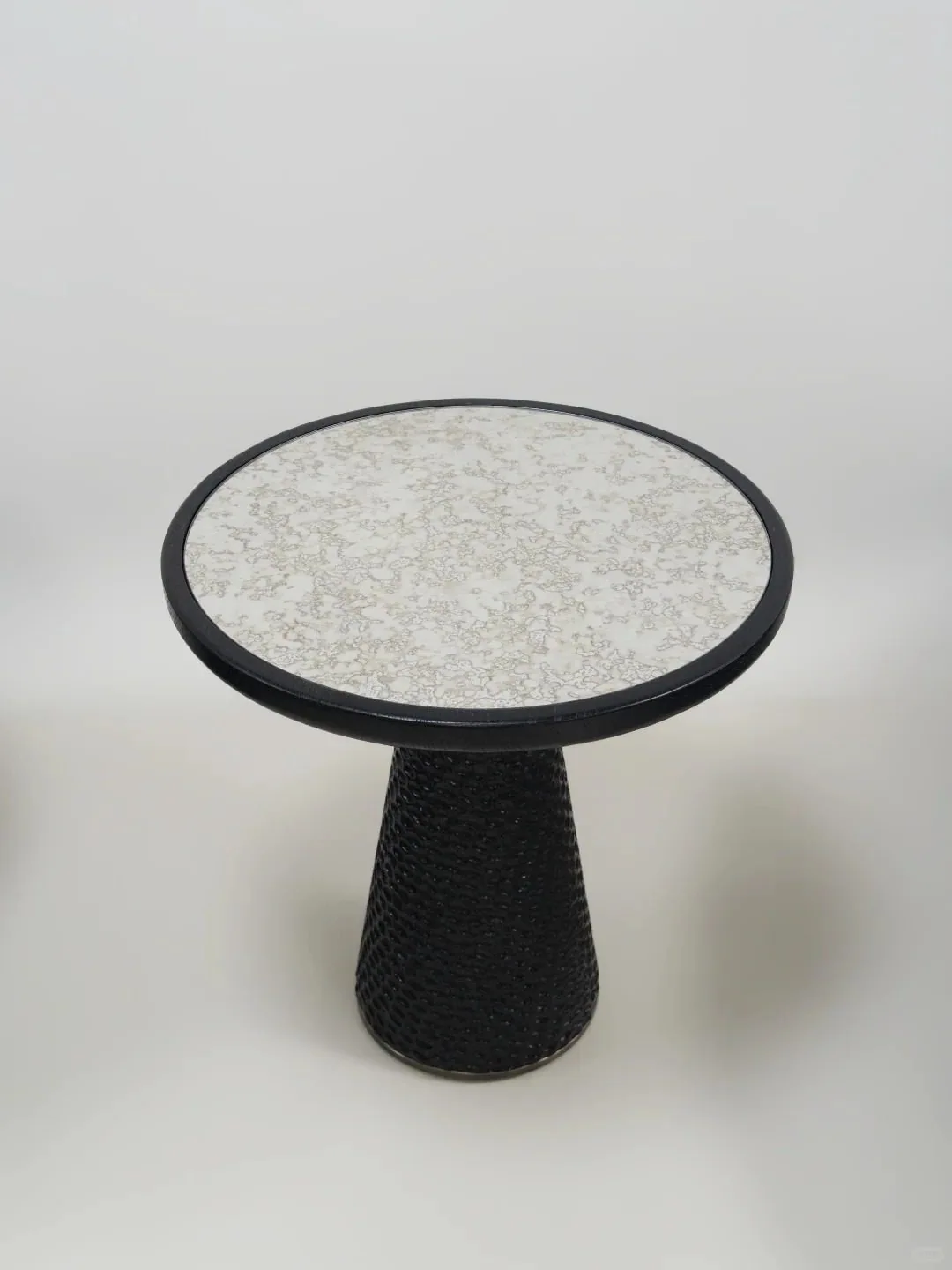
Top-angle details show how the material character and overall form work together.
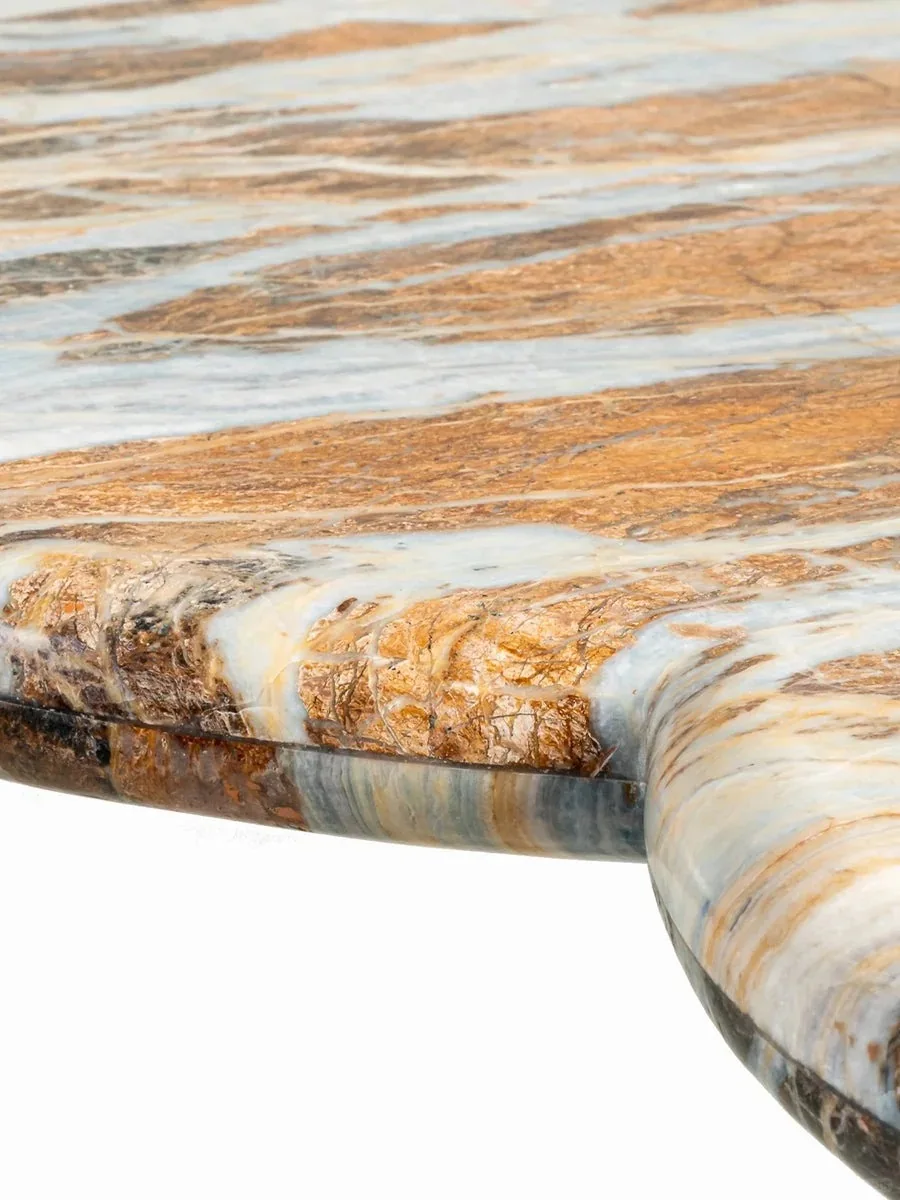
Edge close-ups help evaluate thickness, polish, and finishing quality.

Surface close-ups reveal veining depth, pattern consistency, and tonal richness.
Do not ignore packaging, access, and delivery planning
For packing, container loading and delivery planning: Furniture delivery from China: step-by-step guide →
The best table is still a poor purchase if it arrives chipped, scratched, or impossible to move into place. Low tables with stone tops, thick edges, or sculptural bases deserve careful packaging and clear delivery planning. Ask how the piece is protected, whether the top and base ship together or separately, and what access conditions need to be confirmed in advance.
For larger sourcing projects, logistics should be treated as part of the buying decision. Packaging quality, loading methods, and final-mile handling all affect whether the table reaches the room in the condition you expected.

Quick FAQ
What size coffee table should I choose?
Start with a table that is about two-thirds the length of your sofa and about the same height as the seat cushion or slightly lower. Then confirm the clearances in your actual room.
Are round coffee tables better for small living rooms?
Often, yes. Round tables improve circulation, reduce sharp corners, and feel easier to place in tighter layouts.
Can I mix materials between my coffee table and side tables?
Yes. Mixing materials often creates a more layered and designer-led result, as long as the tables still share a consistent tone or visual language.
- Confirm whether the table needs to anchor the room, support one seat, or add storage.
- Choose shape based on circulation and sofa layout, not only style preference.
- Match the material to the room’s mood and maintenance needs.
- Check the base for both stability and comfort.
- Measure width, height, and clearance against your actual furniture plan.
- Review close-up images before ordering.
- Ask about packaging and delivery for heavier or more delicate pieces.
Planning a larger order from Foshan? Read the China Furniture Guide →