1. Why furniture joinery matters
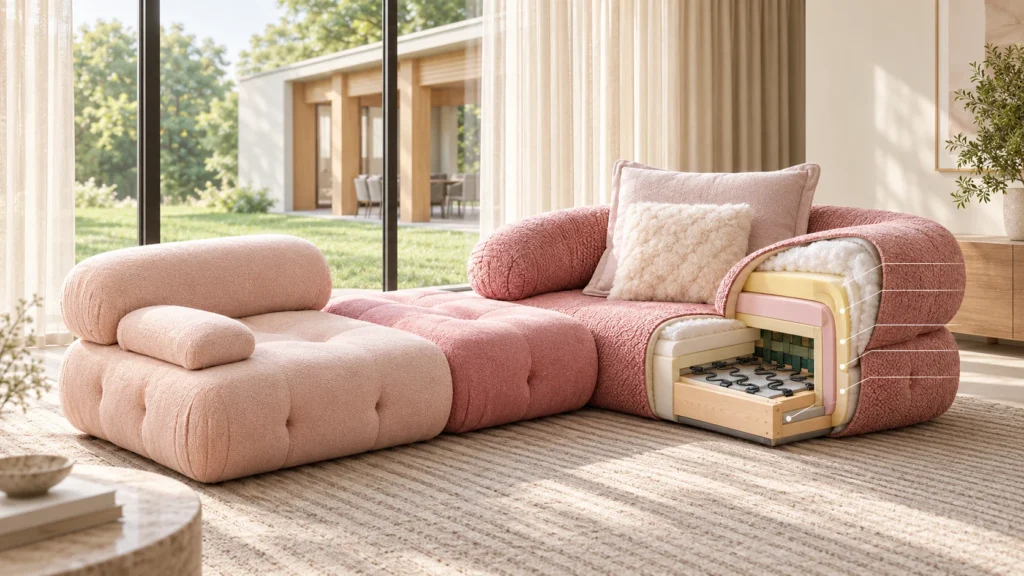
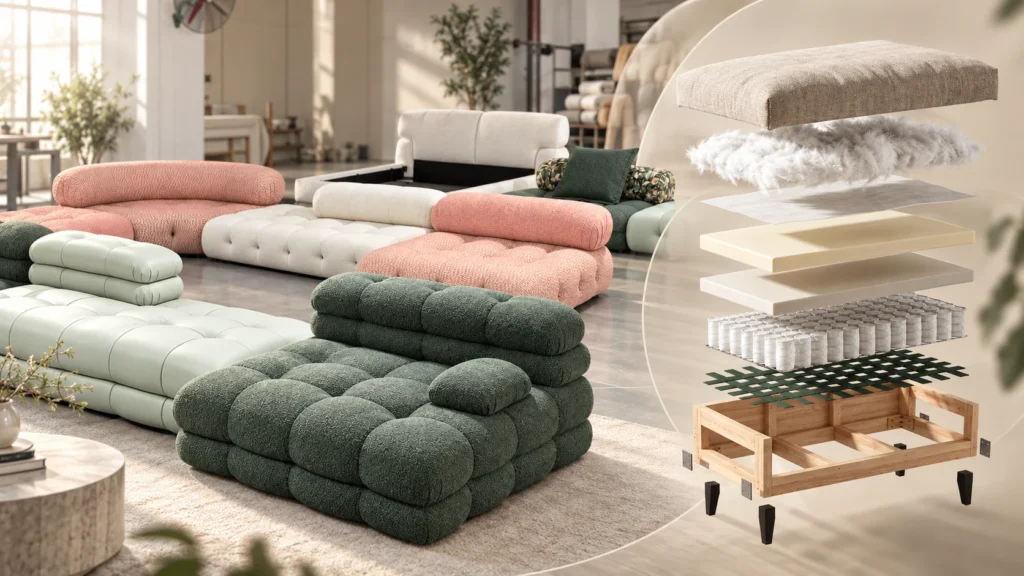
Furniture can look refined on the outside and still fail because of what is hidden inside the frame. A joint carries load from one component into another. Its geometry controls how the piece resists pulling, racking, twisting and repeated movement over years of use.
For buyers, the practical lesson is simple: do not evaluate construction only from surface finish. Ask how rails meet legs, how drawer boxes are connected, how cabinet corners are reinforced and how the factory confirms fit before finishing hides the structure. The same function-first thinking applies when choosing wood species for custom furniture.
2. What actually makes a furniture joint strong?
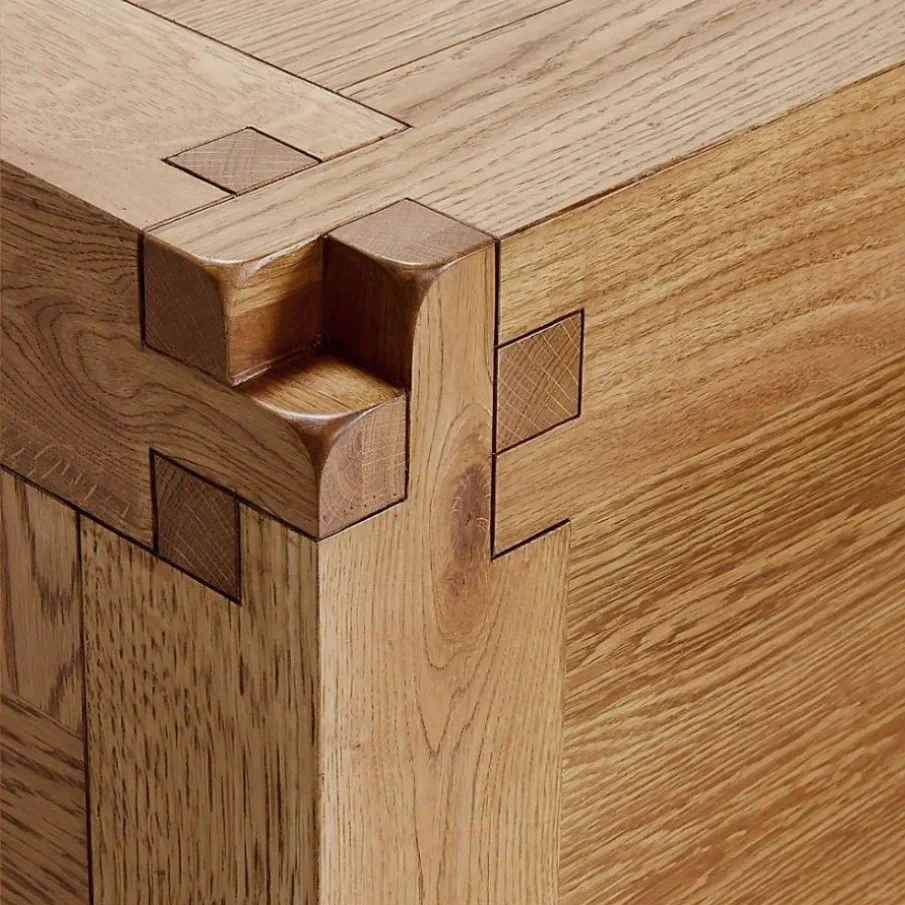
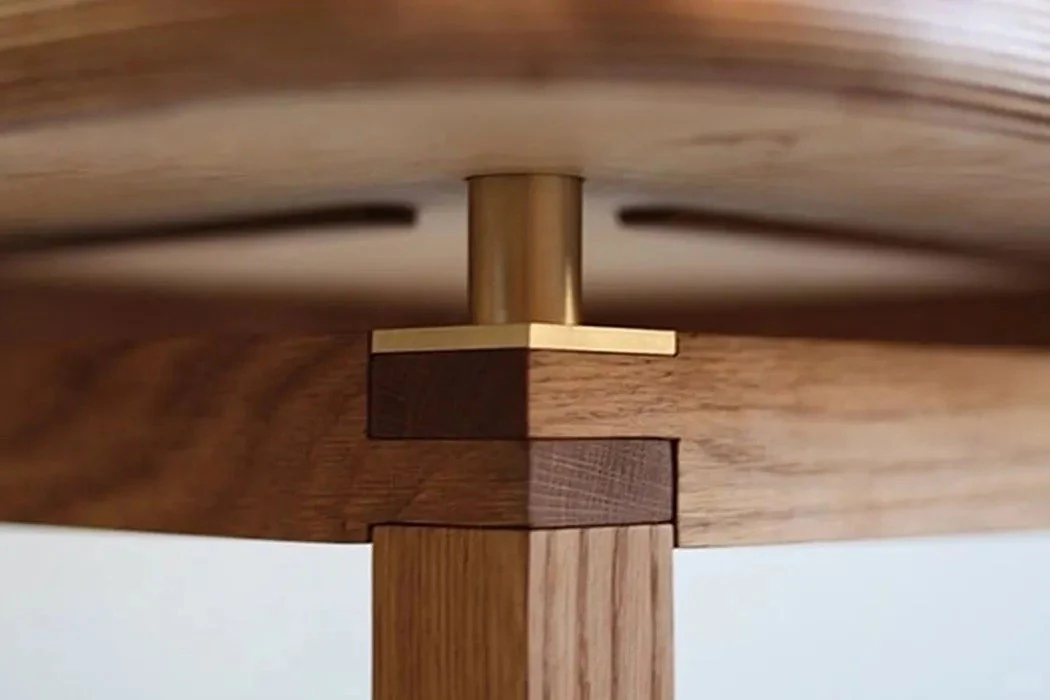
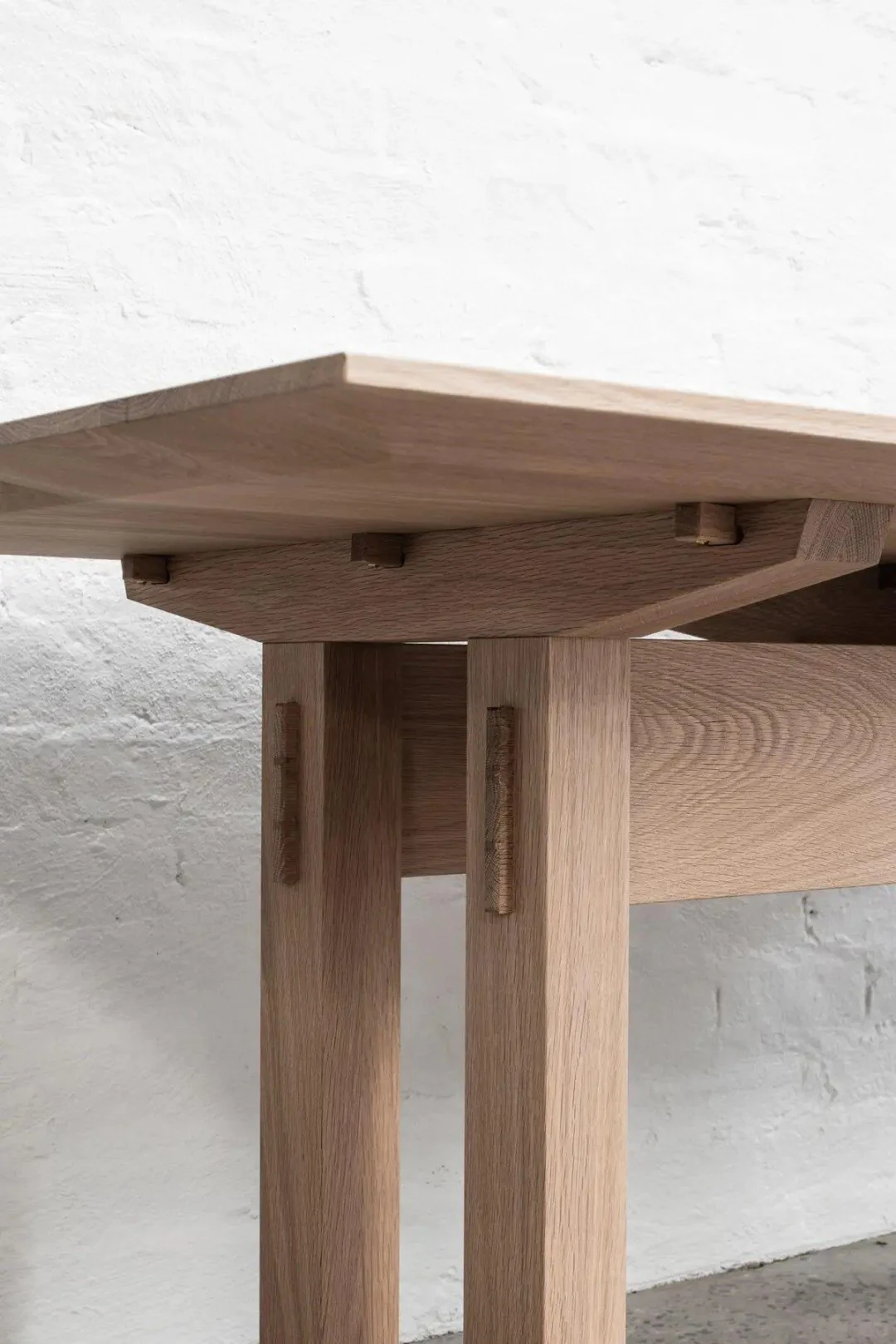
Strength does not come from the joint name alone. A strong connection combines enough wood section around the joint, accurate machining, good grain direction, close contact between mating surfaces, suitable adhesive where required, and consistent clamping or assembly pressure.
| Factor | Why it matters | What buyers can verify |
|---|---|---|
| Geometry | The joint should resist the actual direction of load. | Ask for unfinished frame photos or drawings. |
| Fit | Large gaps reduce glue contact and allow movement. | Inspect shoulders, corners and alignment before finishing. |
| Wood section | Oversized tenons can weaken the member surrounding them. | Compare joint dimensions with rail and leg thickness. |
| Moisture | Wood movement can loosen a perfect joint if material enters production too wet. | Specify a moisture target and factory moisture checks. |
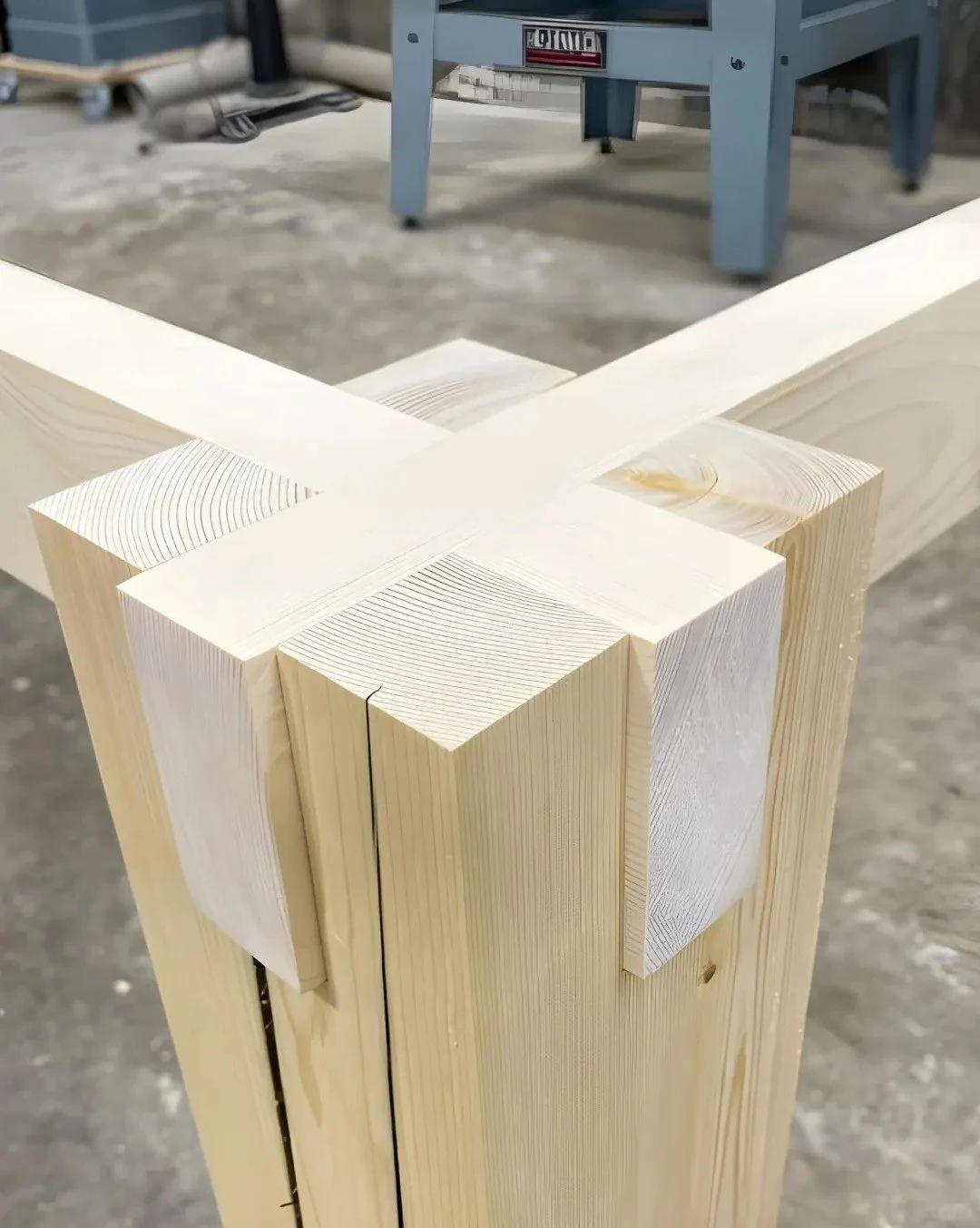
3. Common furniture joinery families
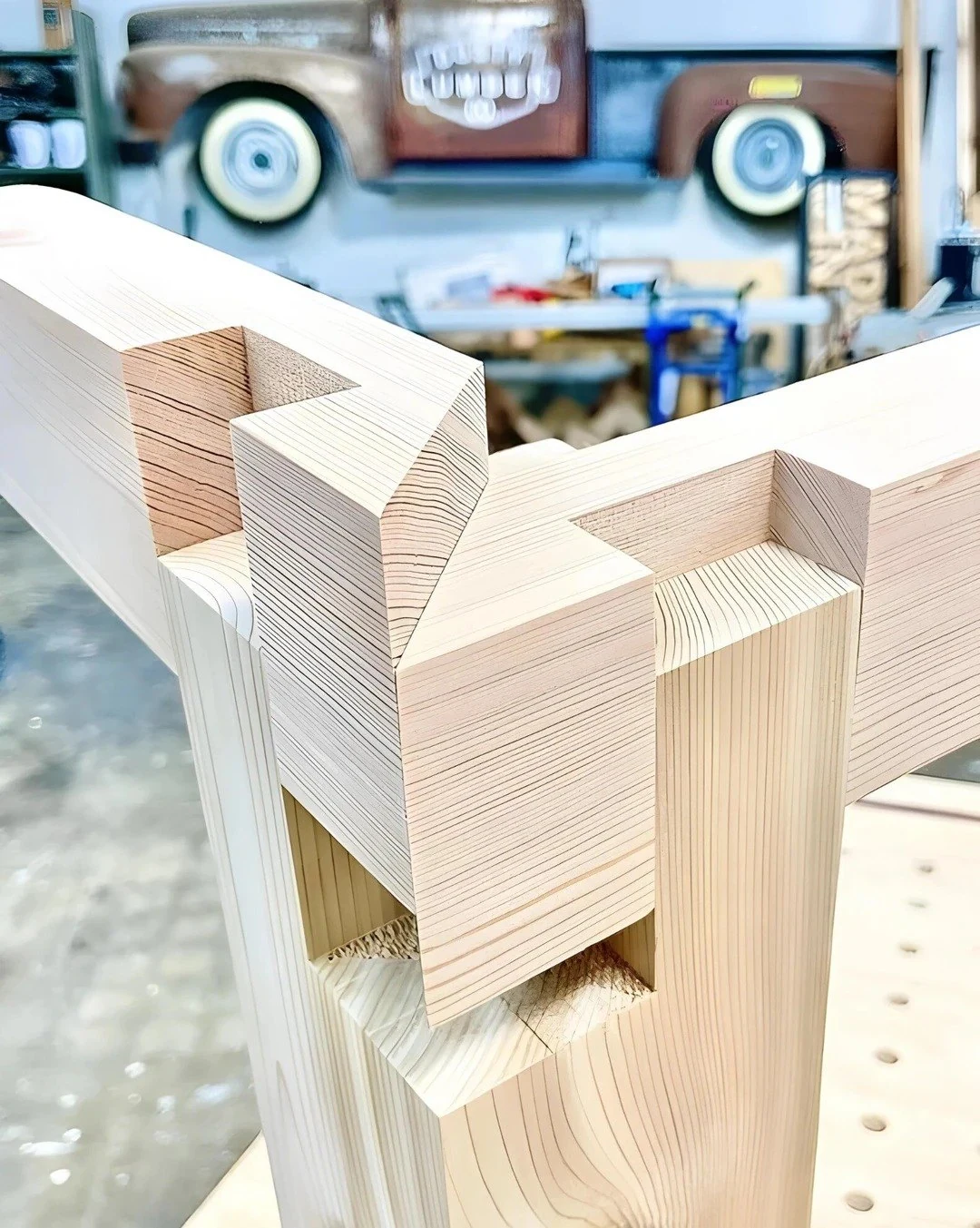
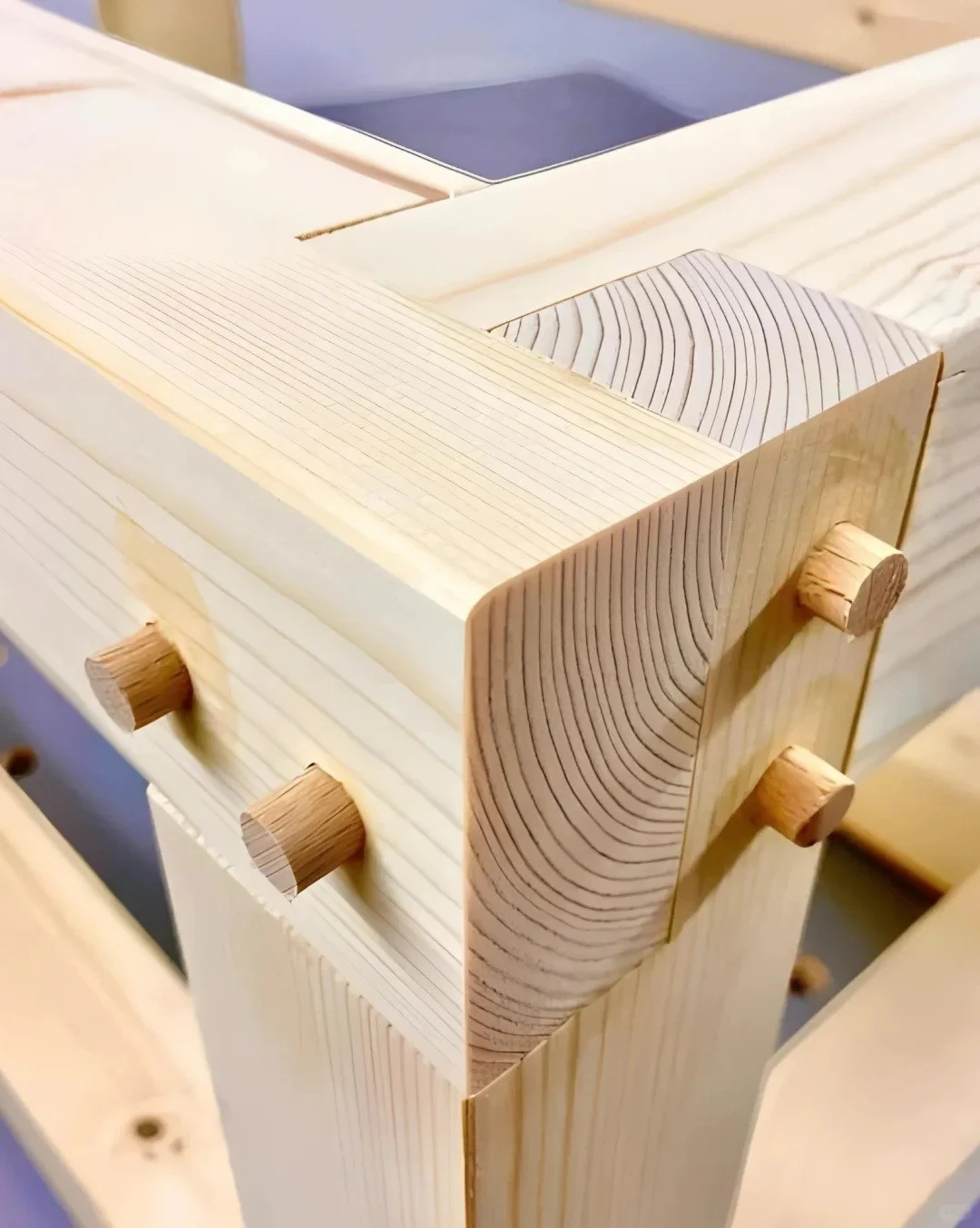
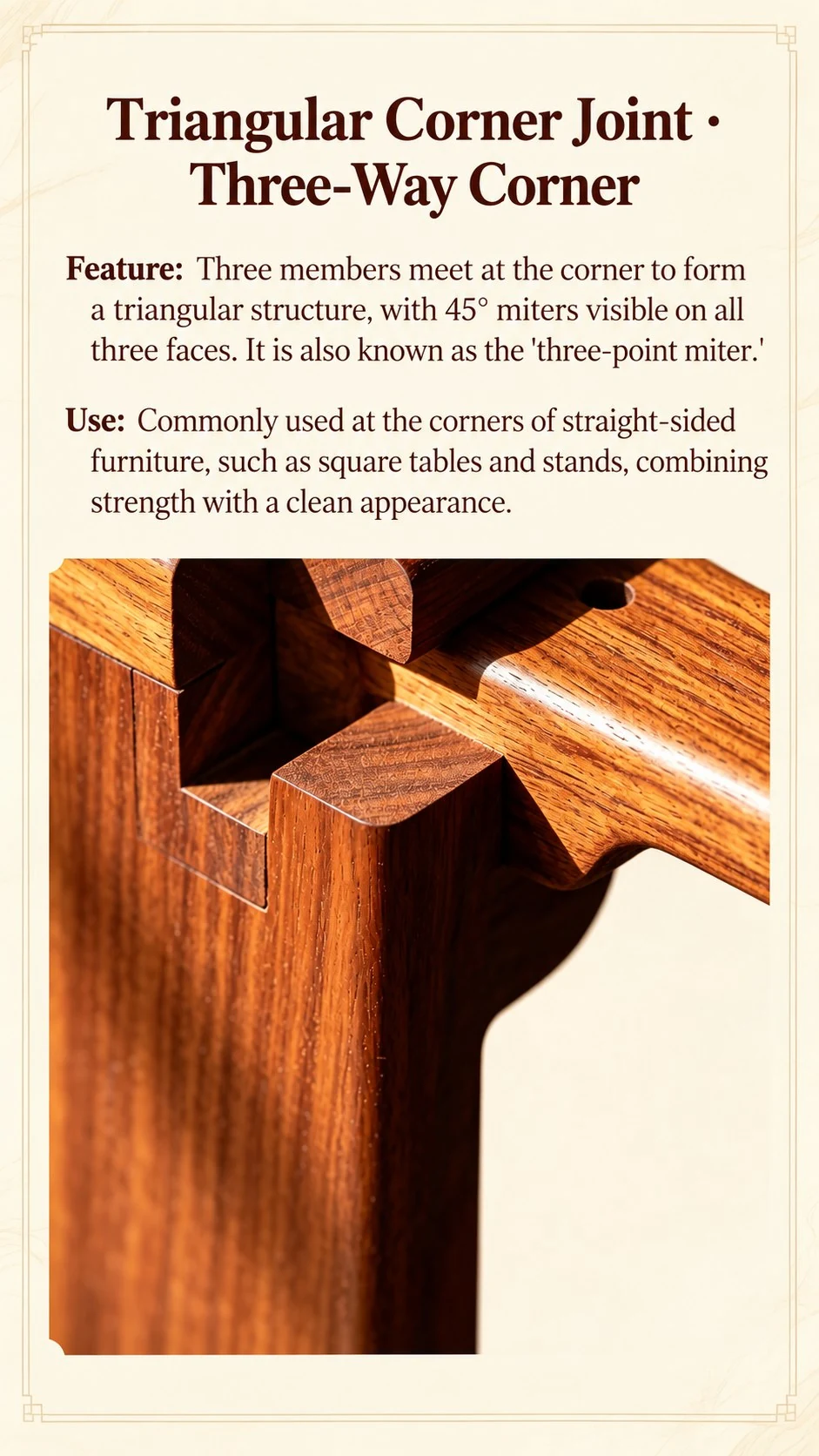
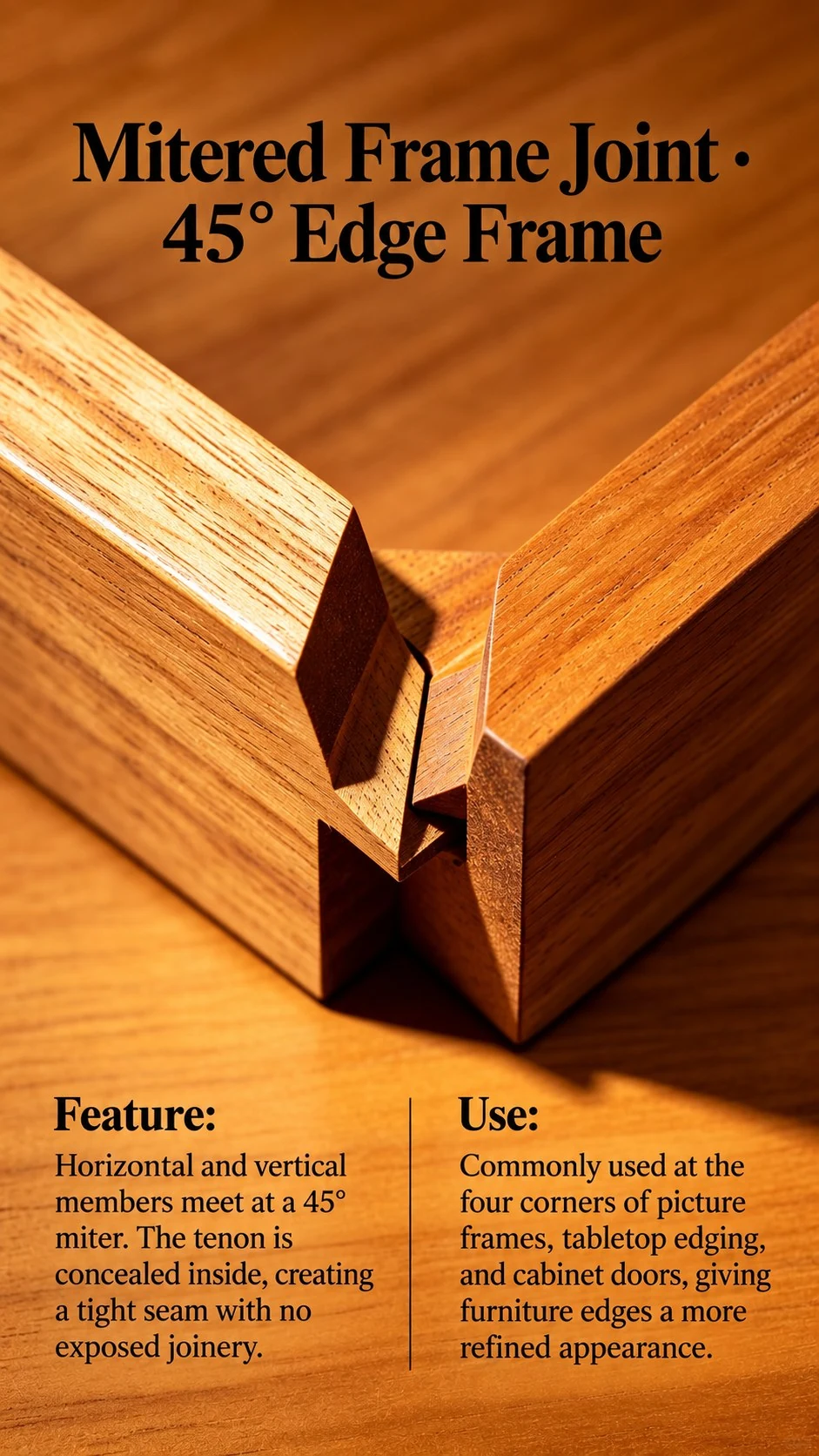
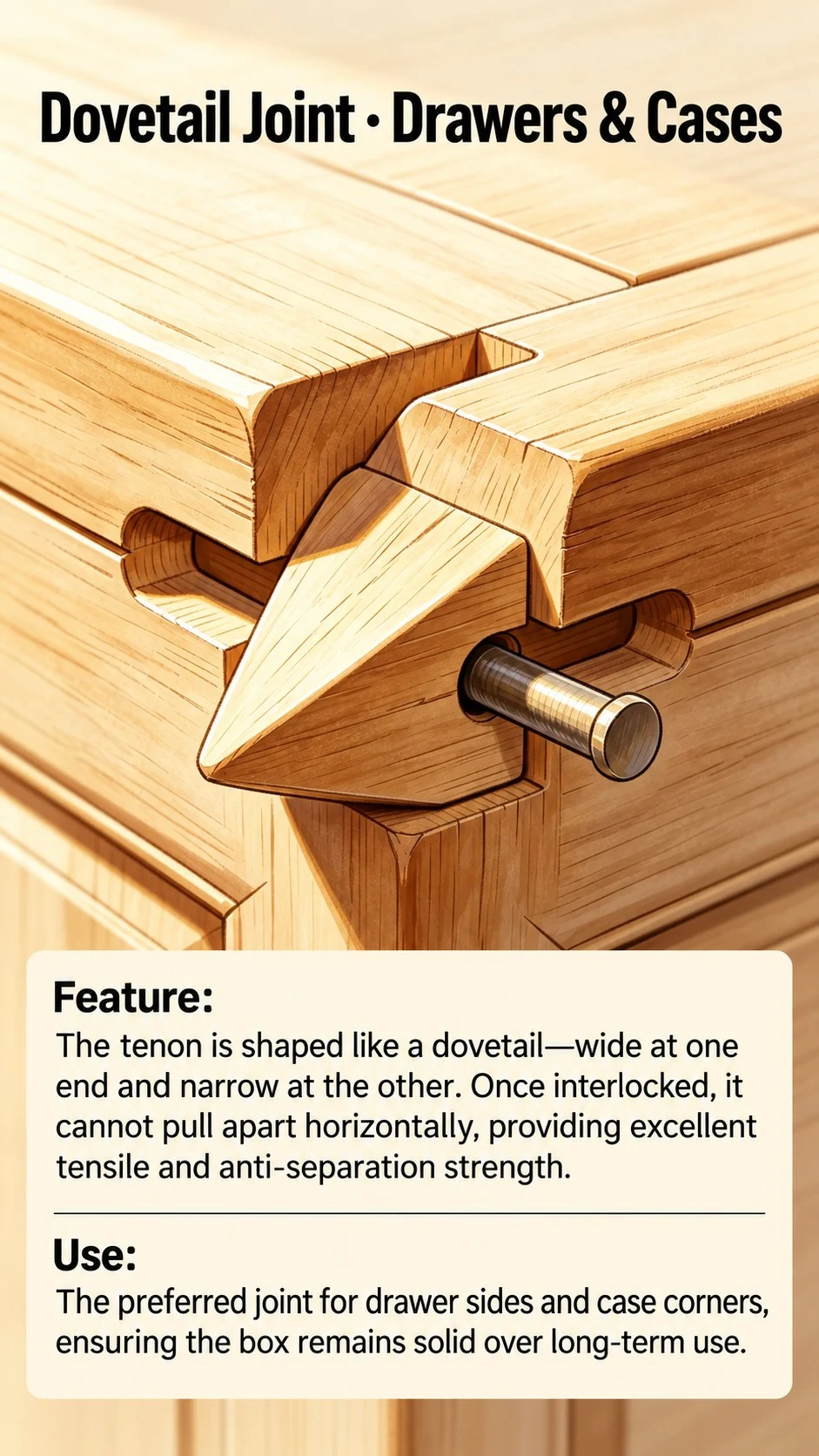
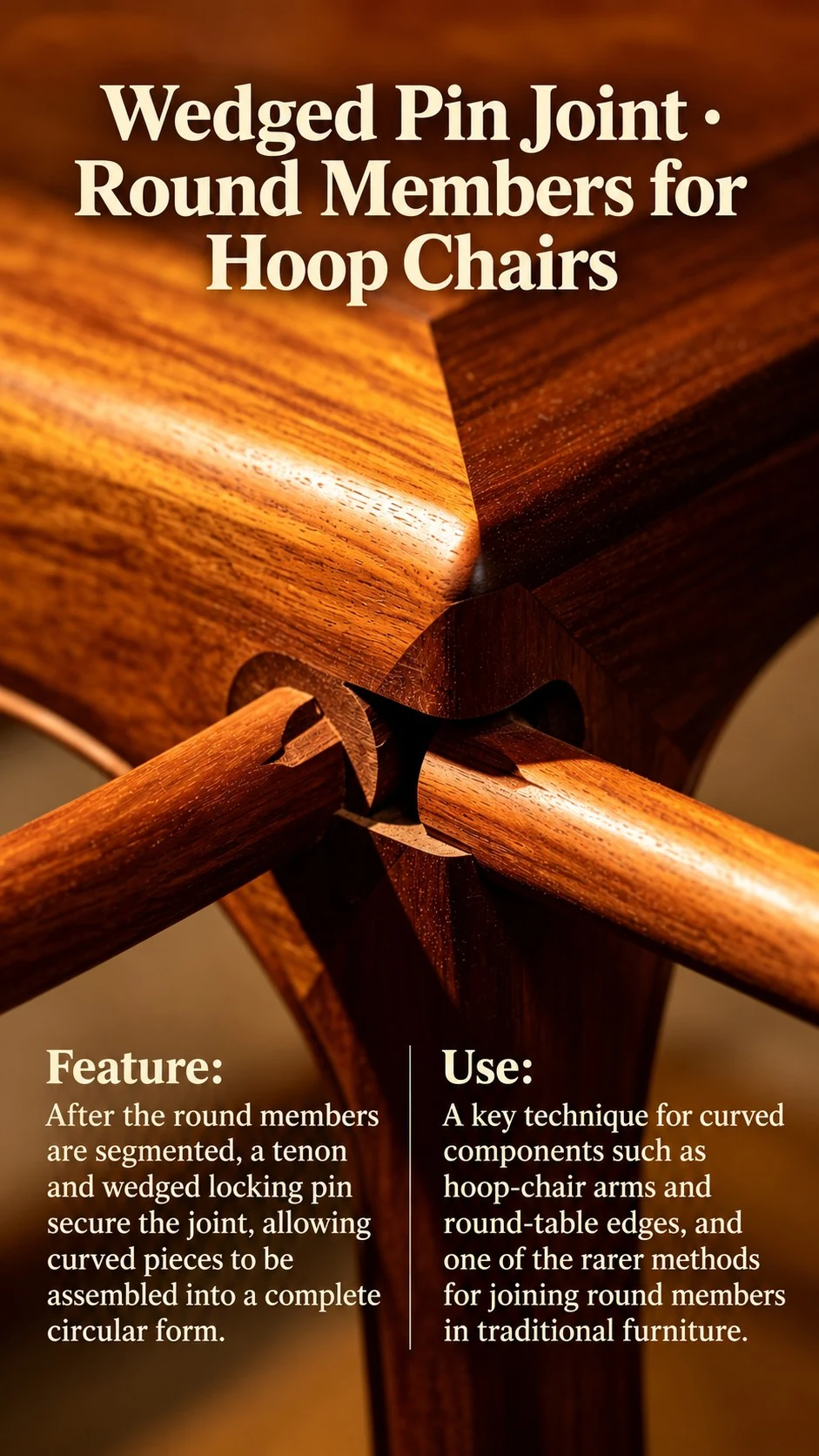
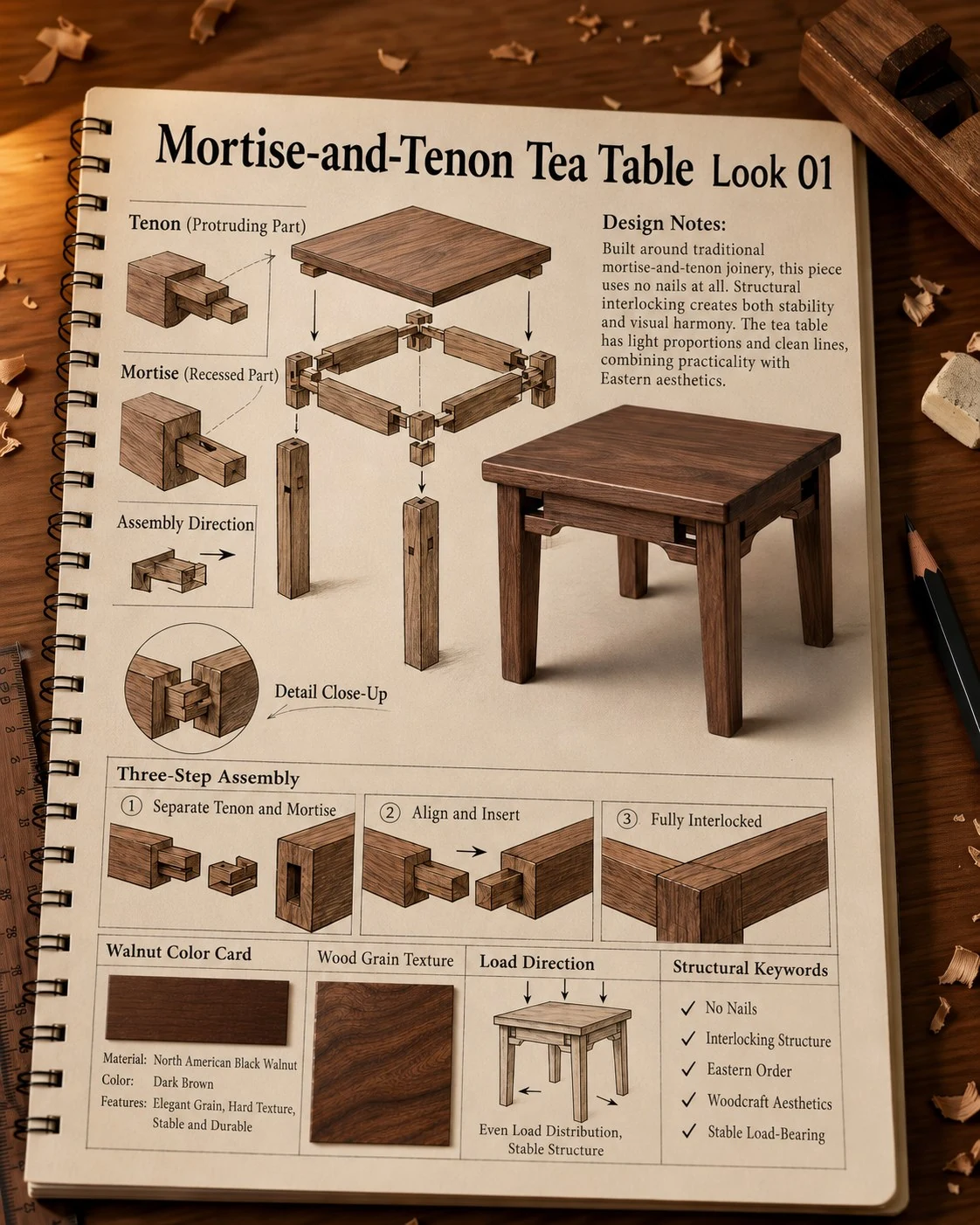
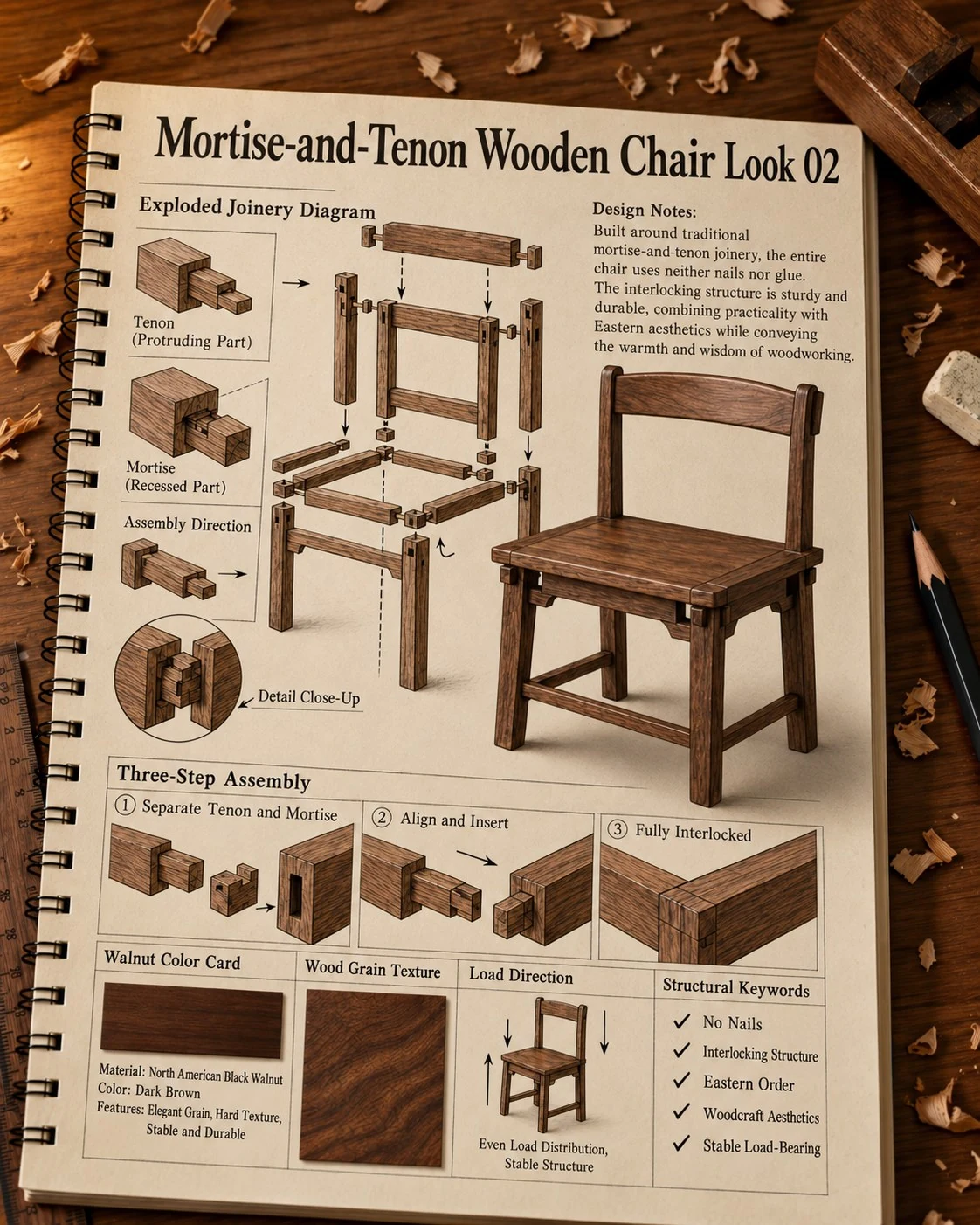
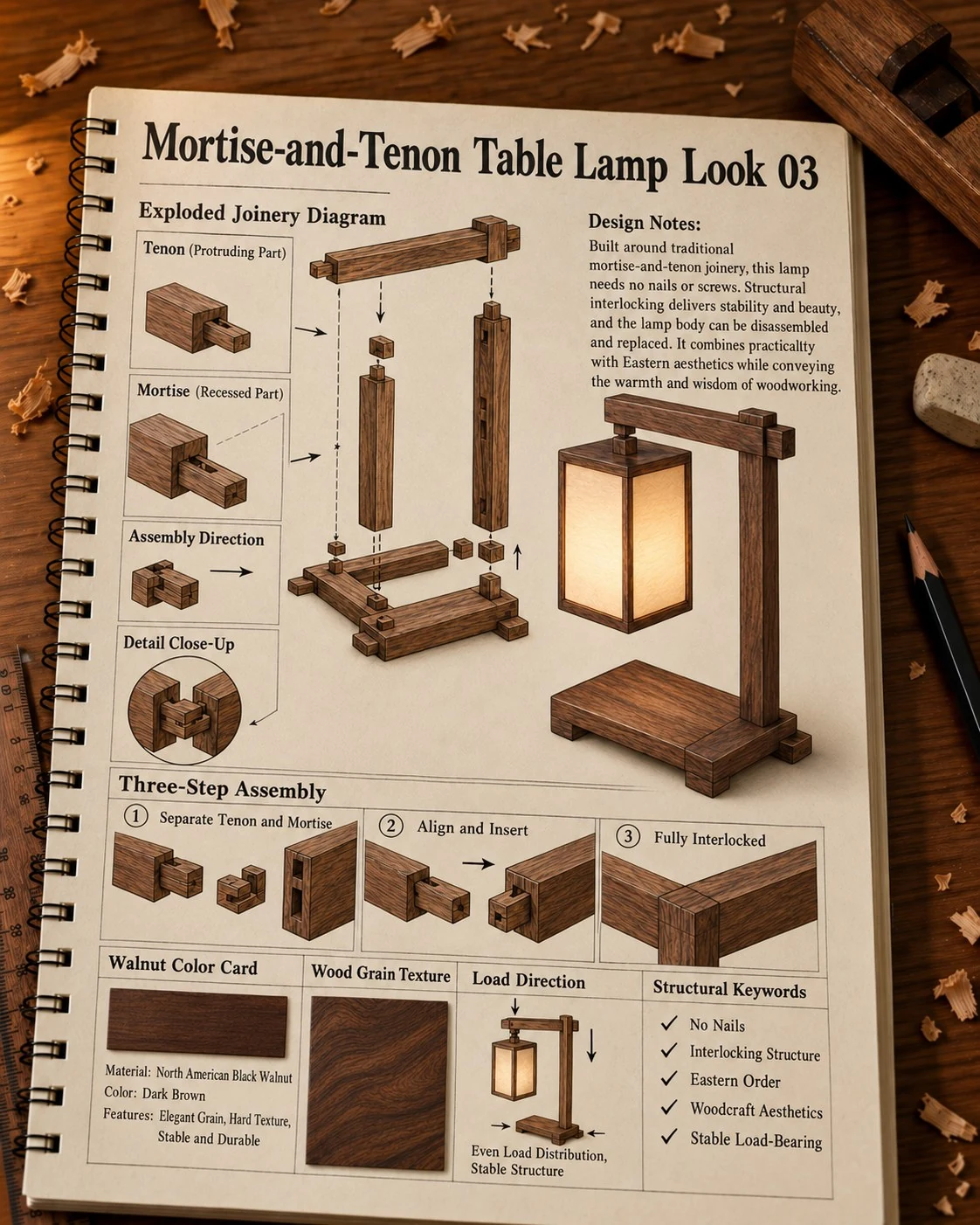
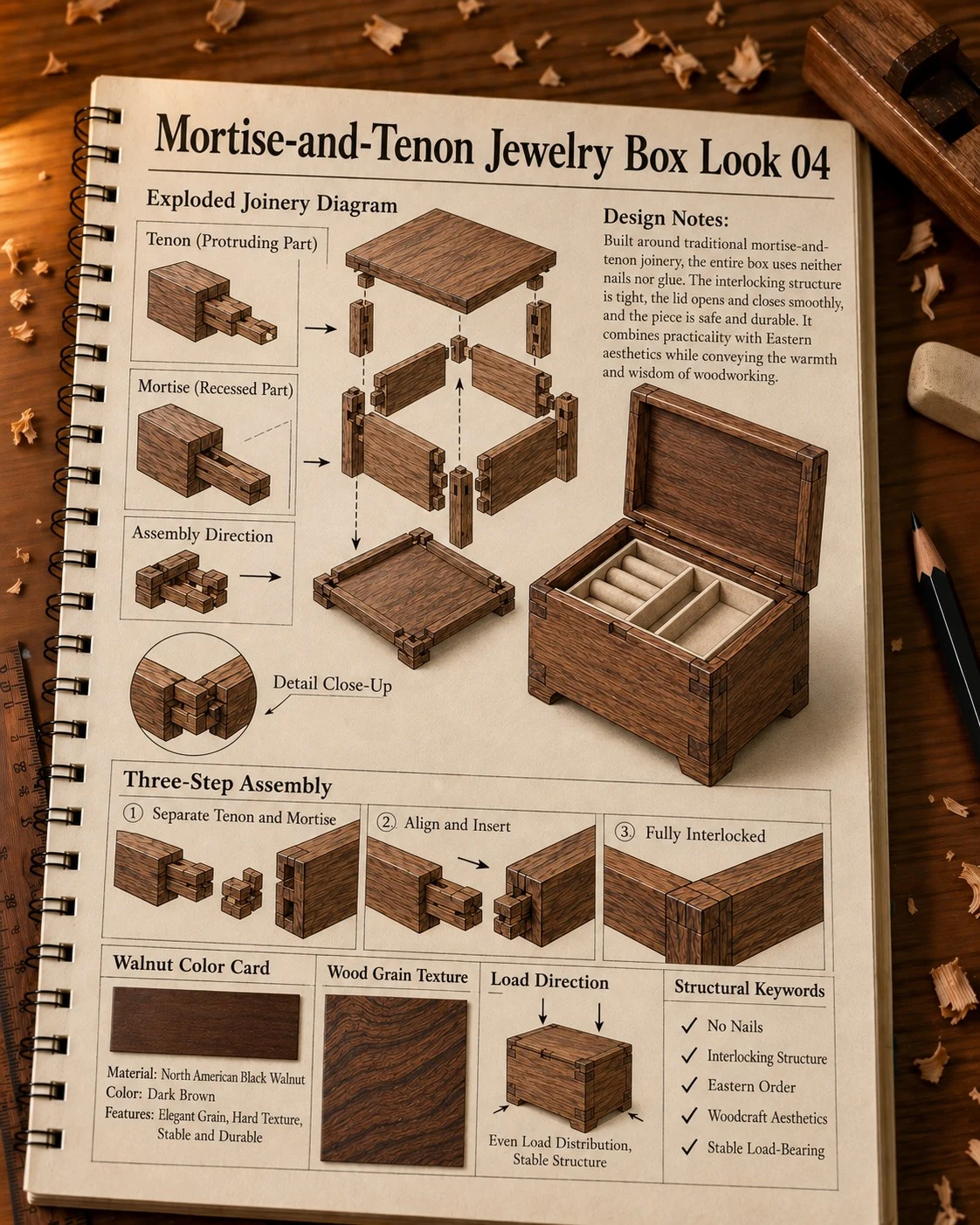
Before looking at individual applications, it helps to group the main joint families by what they are trying to do. The image set below is kept together intentionally because it uses one visual language and compares structural ideas without mixing unrelated photography styles.
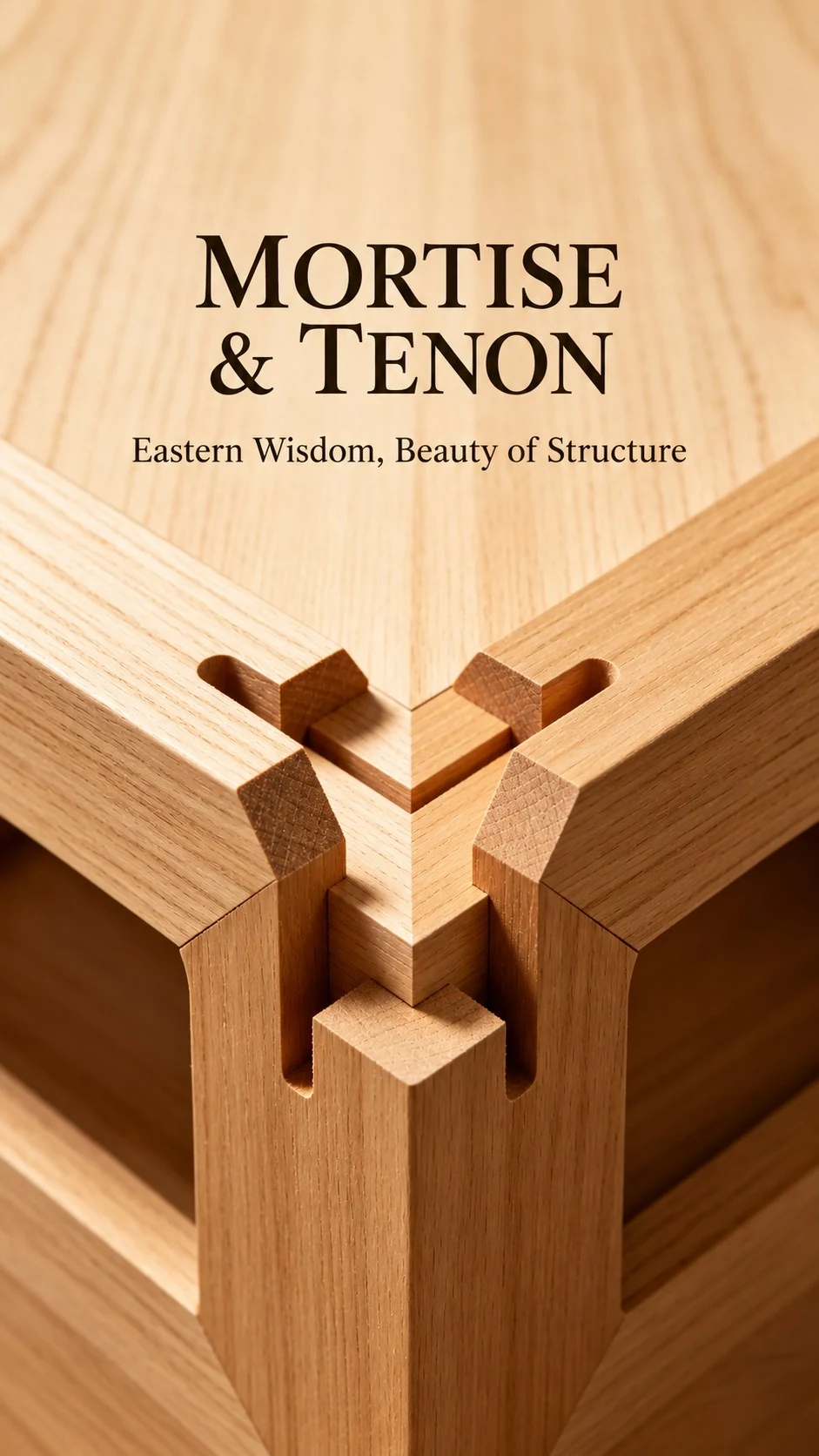
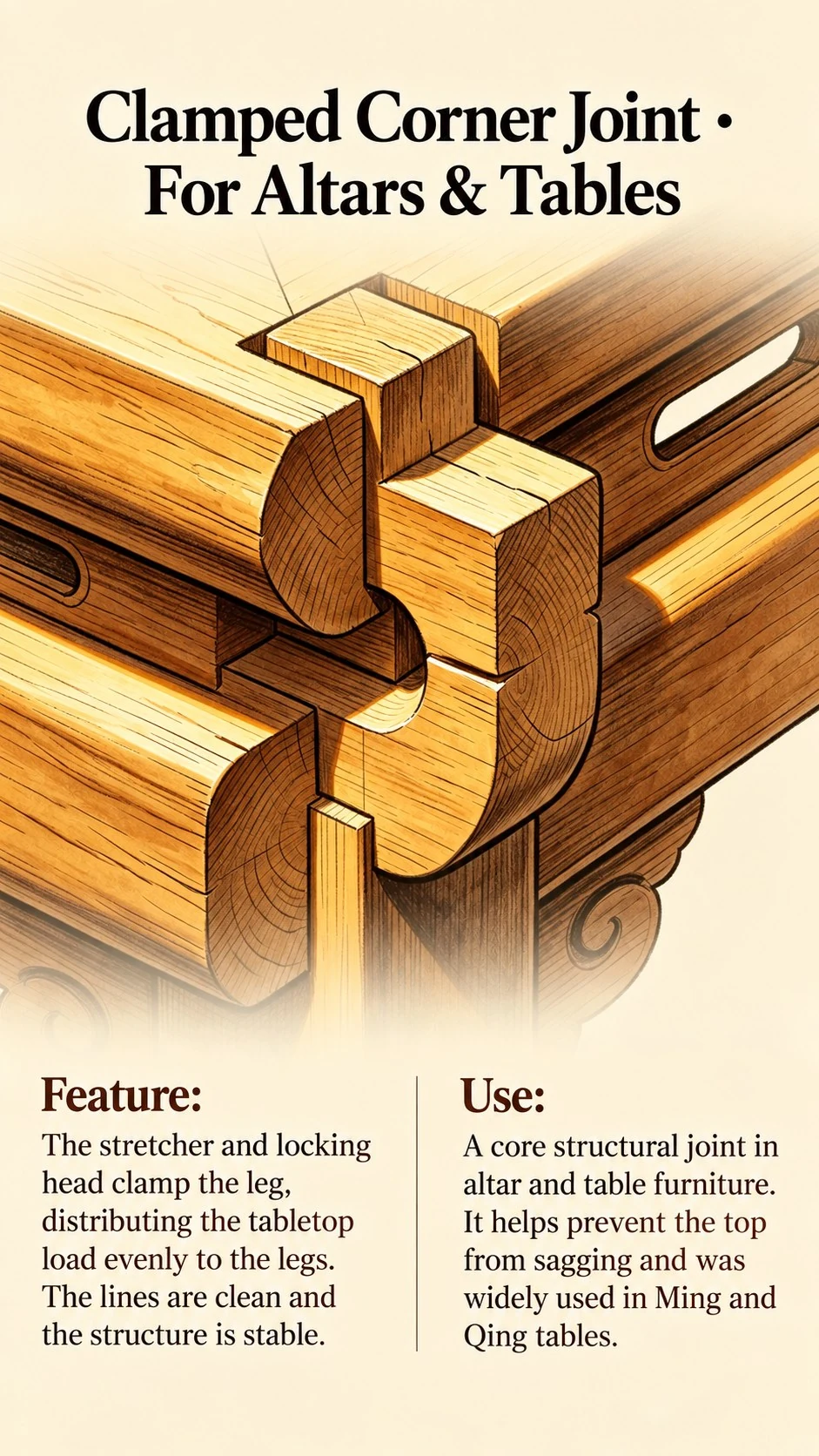
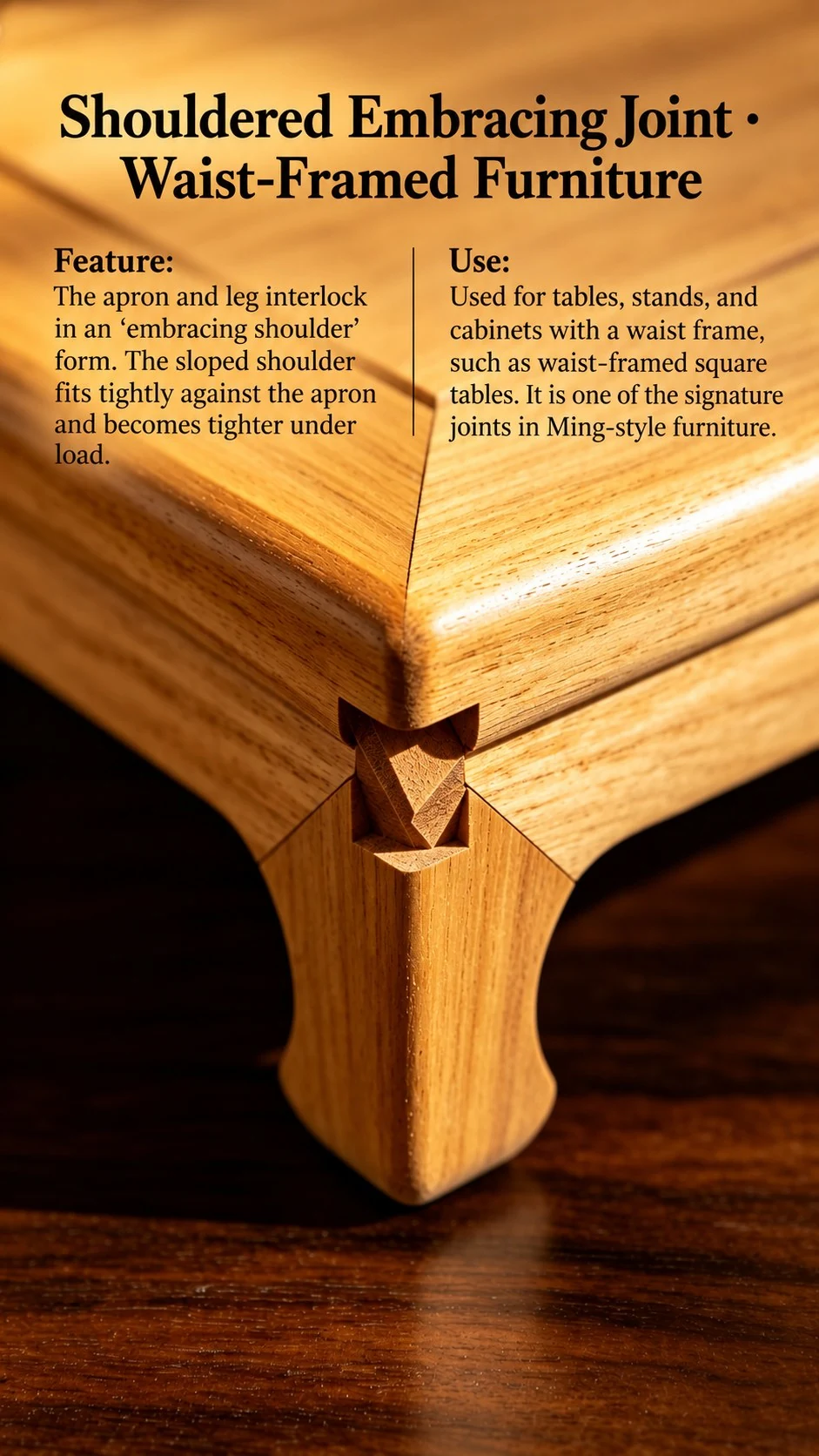
4. Mortise-and-tenon: the workhorse of frame furniture
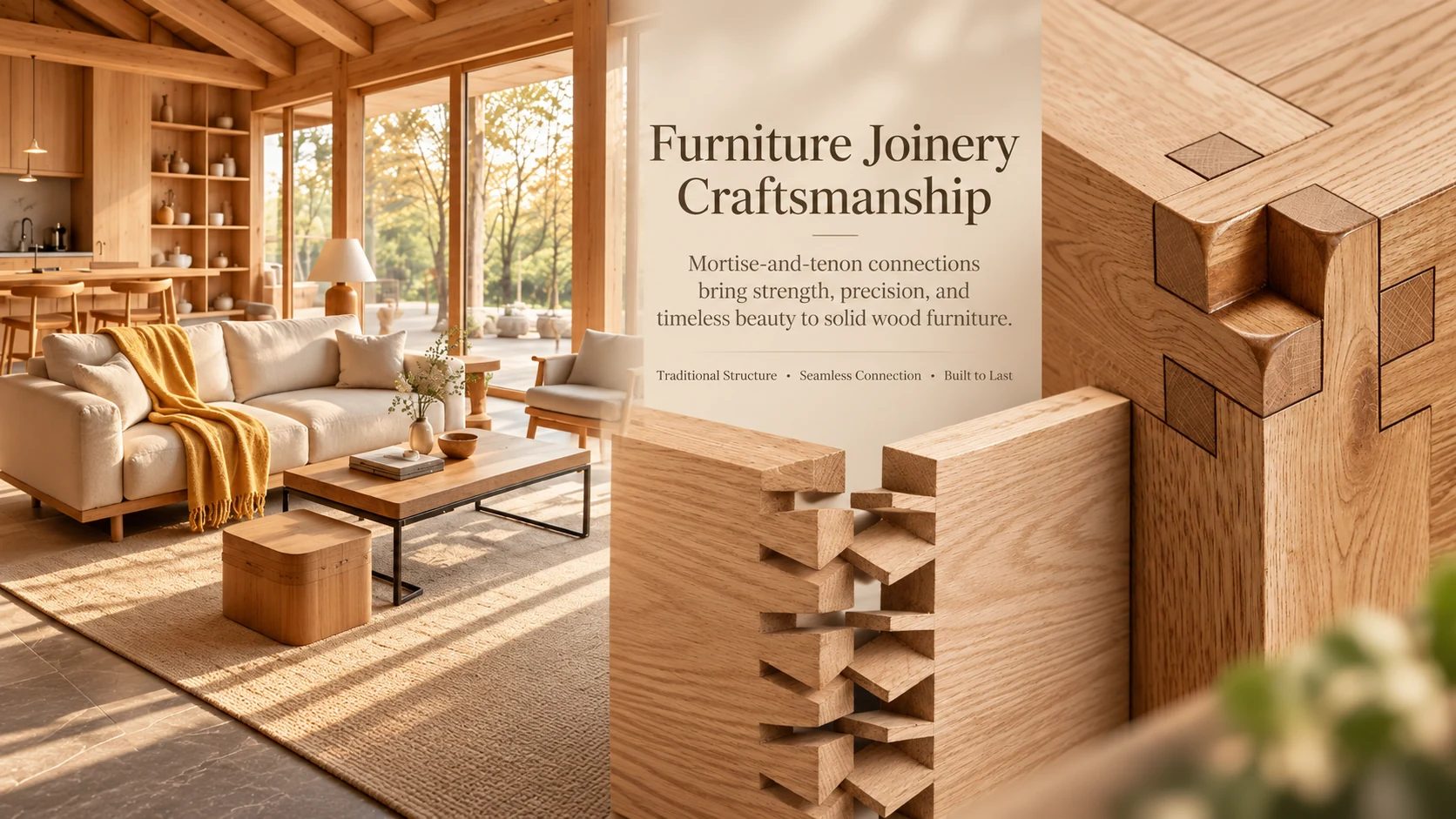
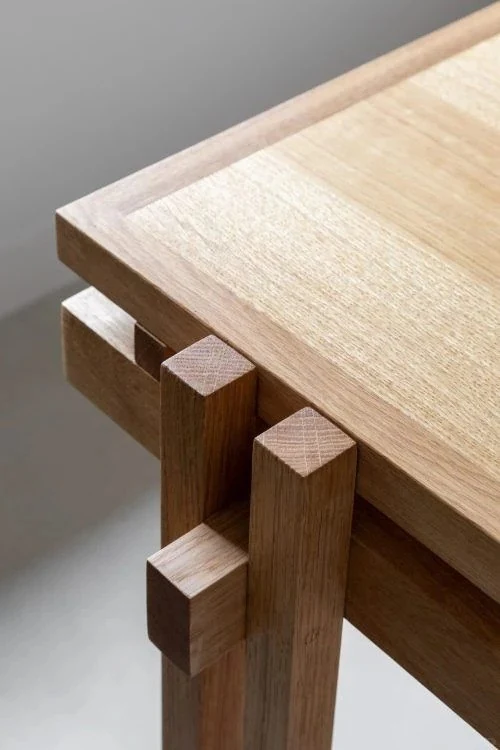
Mortise-and-tenon construction is especially effective where rails meet legs: dining tables, chairs, benches and many cabinet frames. The tenon creates long-grain glue surface and the shoulder helps control squareness. Variations can be pinned, wedged, haunched or produced as loose tenons depending on the geometry and factory process.
For custom furniture, the key specification is not “use mortise-and-tenon everywhere.” It is to use it where the load path benefits from a housed rail-to-leg connection, then size the tenon so the surrounding wood remains strong.
5. Dovetails: designed for drawers and casework
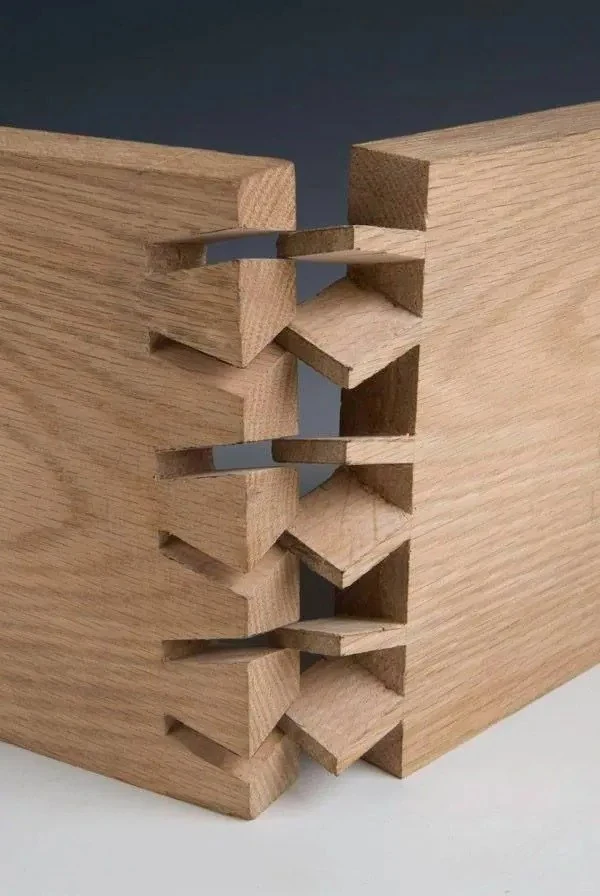
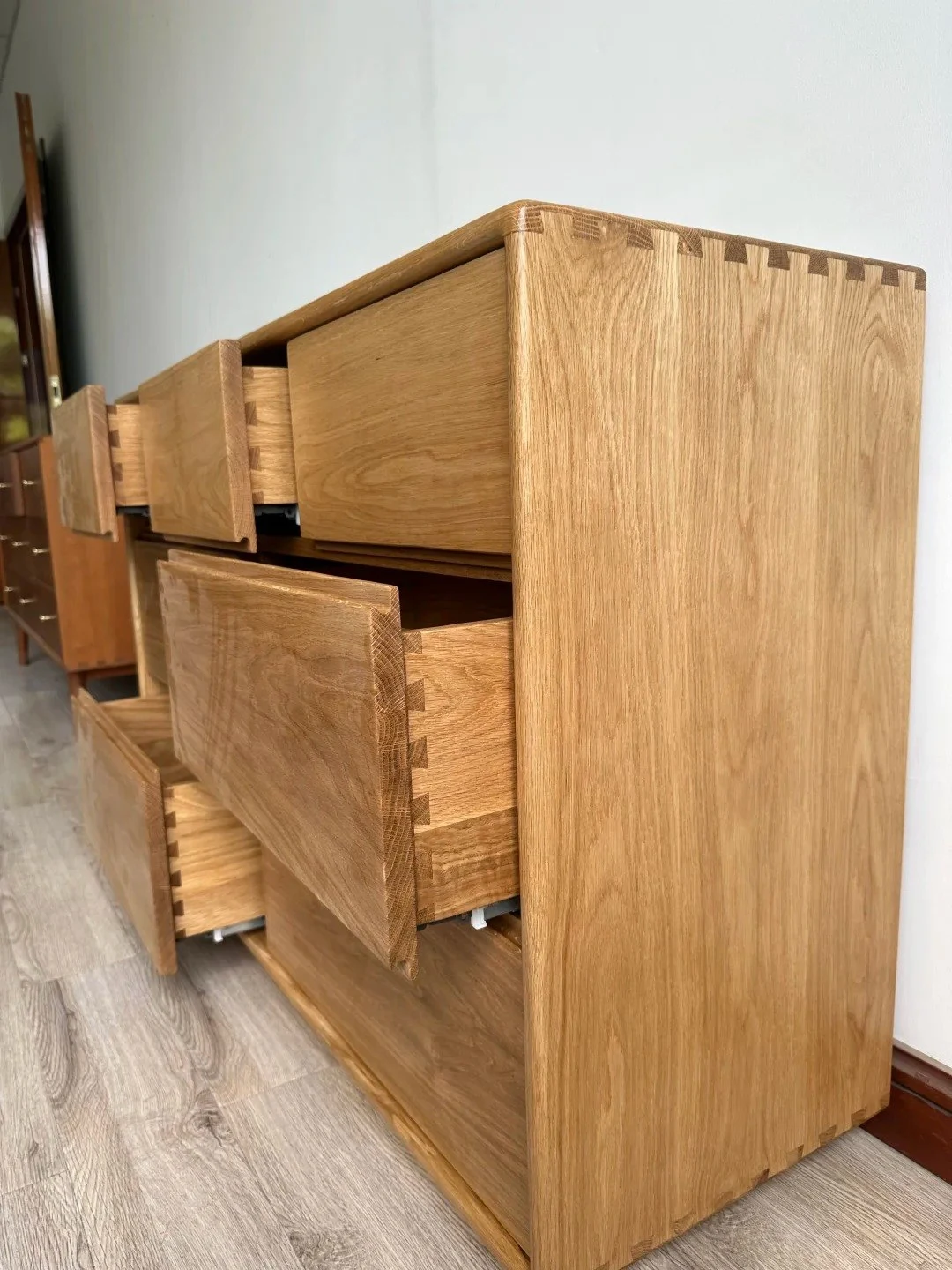
Dovetails are most useful where a box joint must resist being pulled apart—especially drawer fronts and drawer boxes. Their angled tails create mechanical resistance in the same direction that a drawer is repeatedly opened. A visible dovetail can also signal careful construction, but appearance alone does not guarantee quality.
Check the thickness of drawer sides, the fit of the pins and tails, the squareness of the box and the relationship between the drawer construction and the slide hardware. A well-cut dovetail in an unstable or poorly aligned drawer still produces a poor result.
6. Mitered and concealed details: clean casework still needs structure
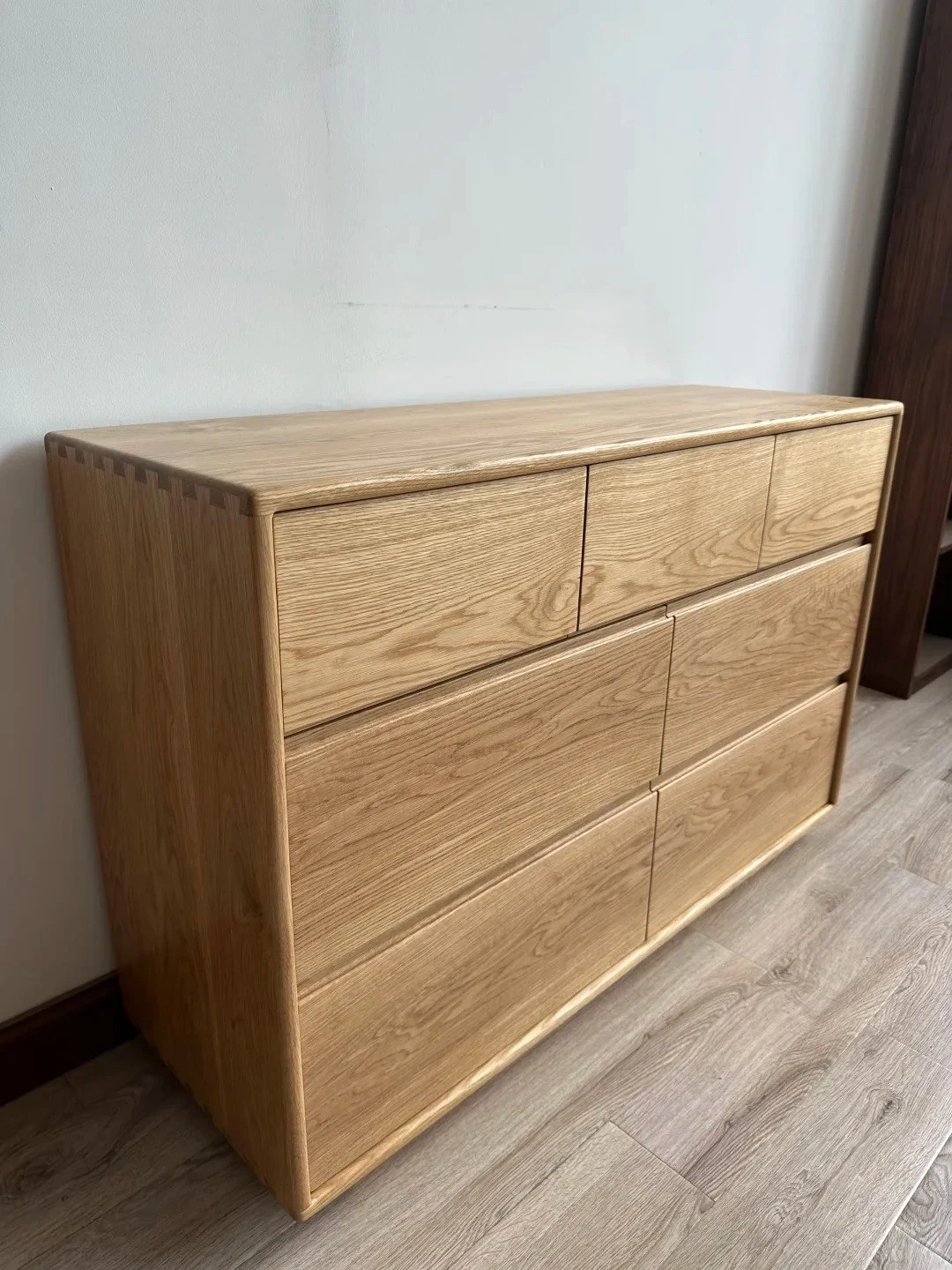
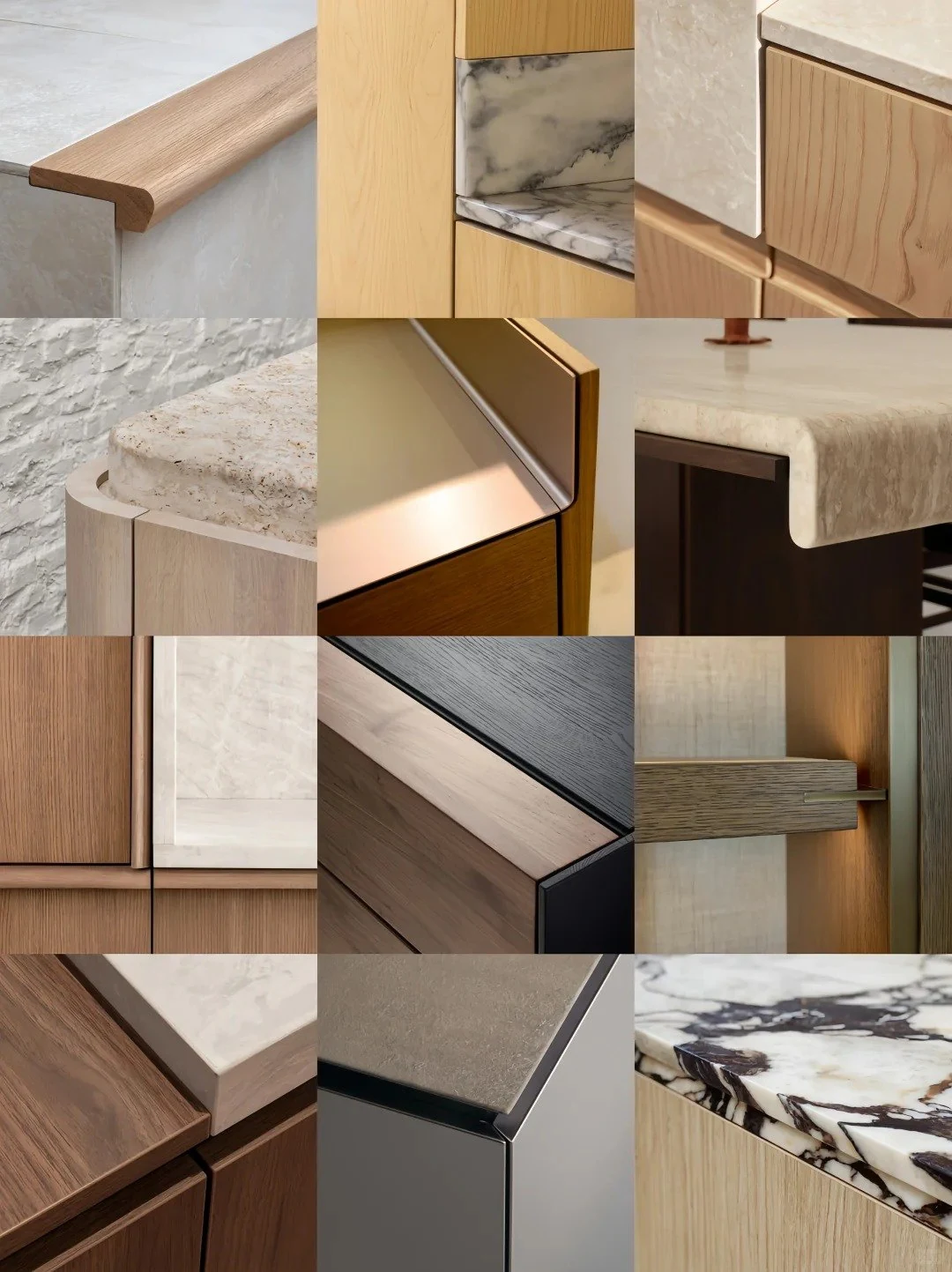
Cabinetry and panel furniture use different joinery logic from chairs and tables. The goal may be a visually continuous corner, a concealed fixing point, a routed pull or a thin profile. These details should be treated as one design system: edge geometry, panel thickness, substrate, adhesive, hardware and finishing all interact.
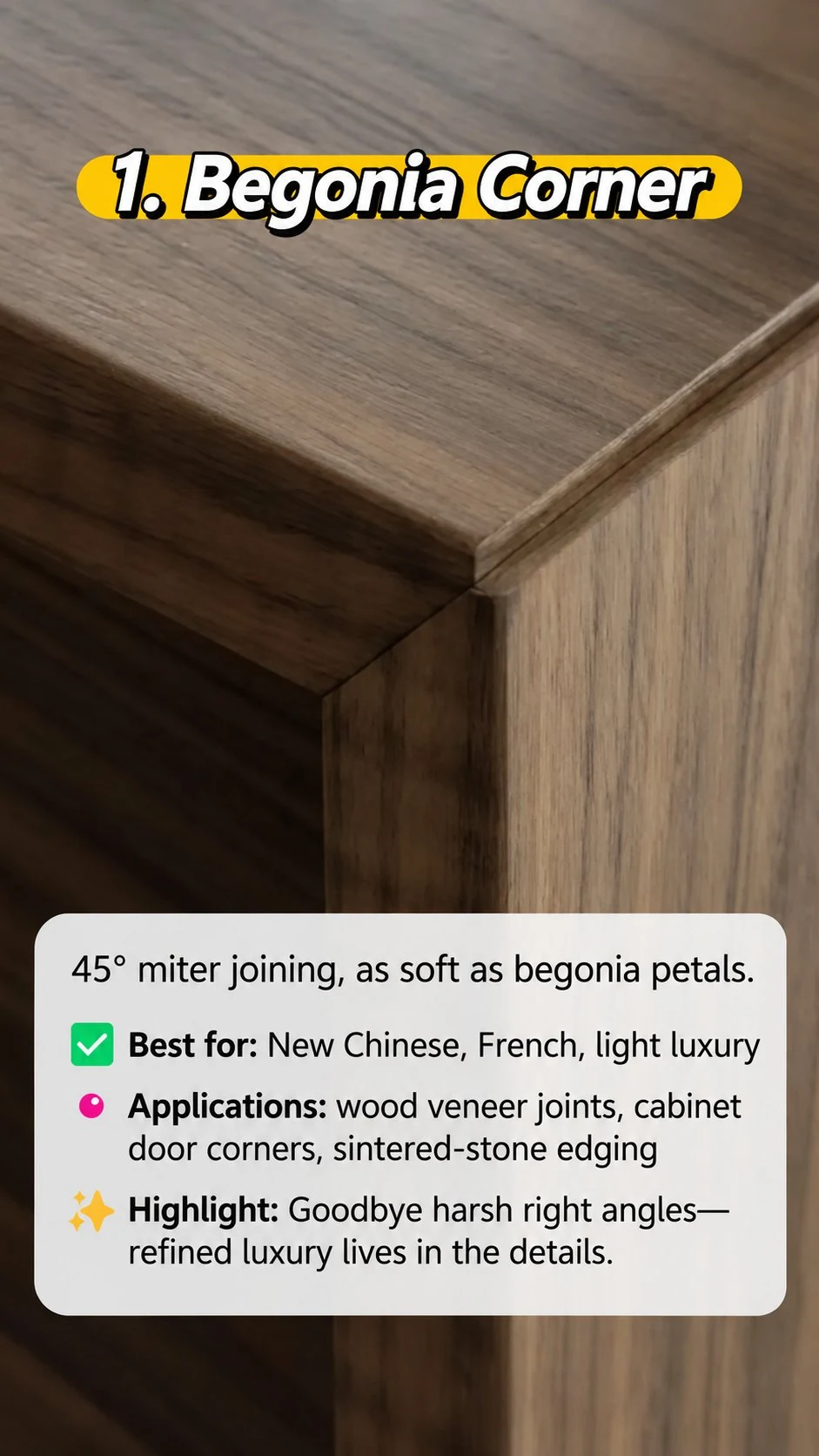
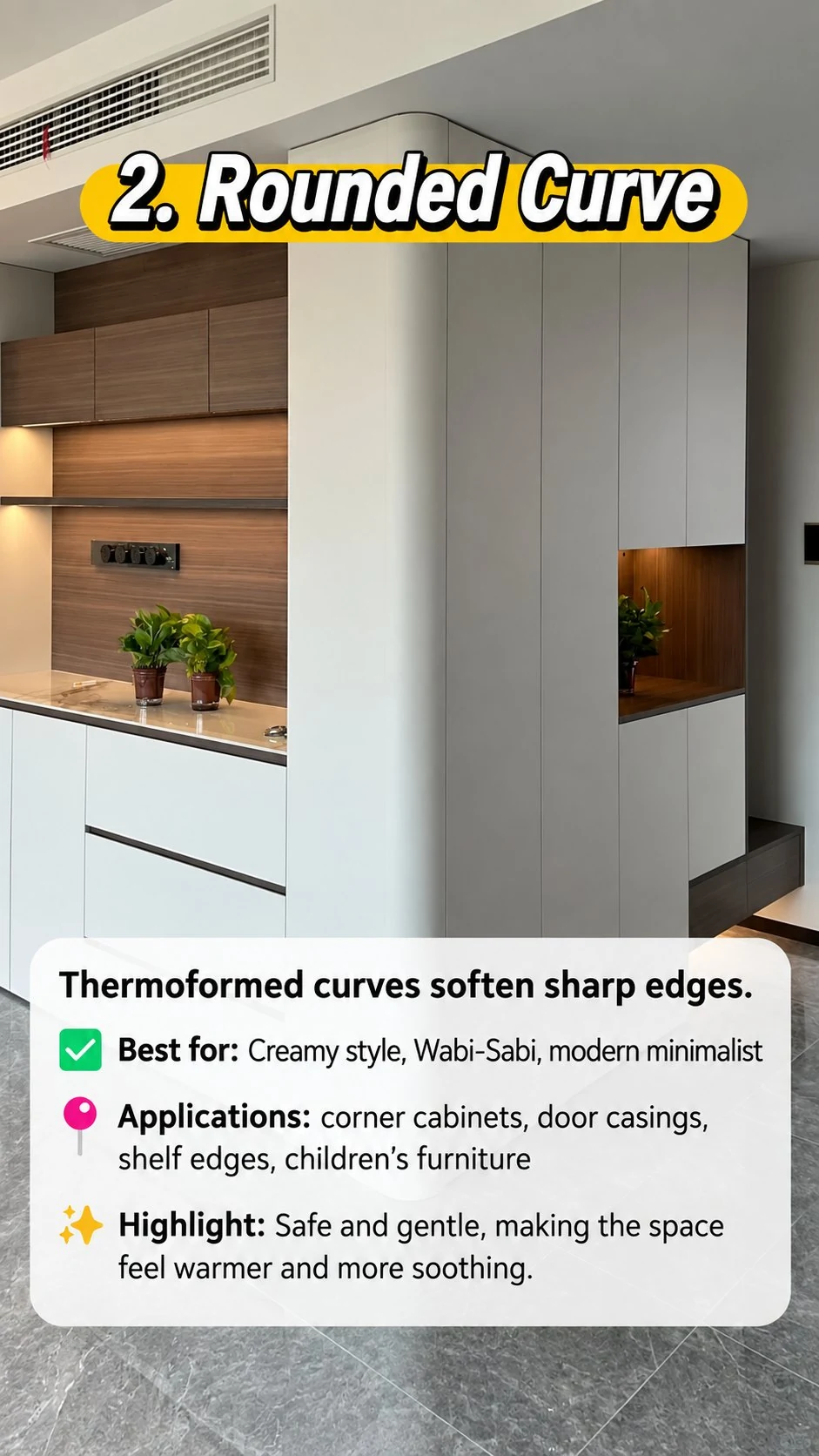
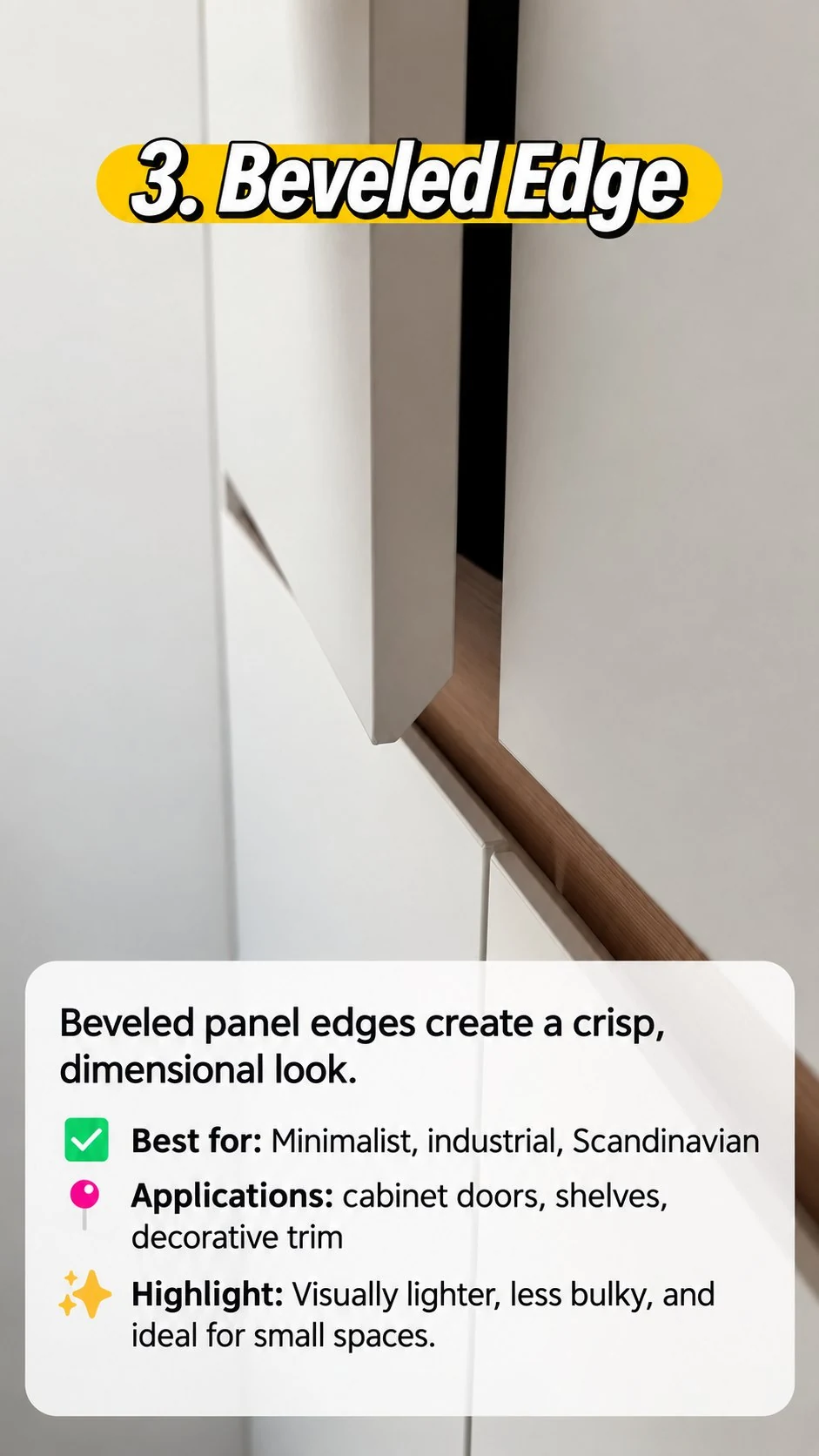
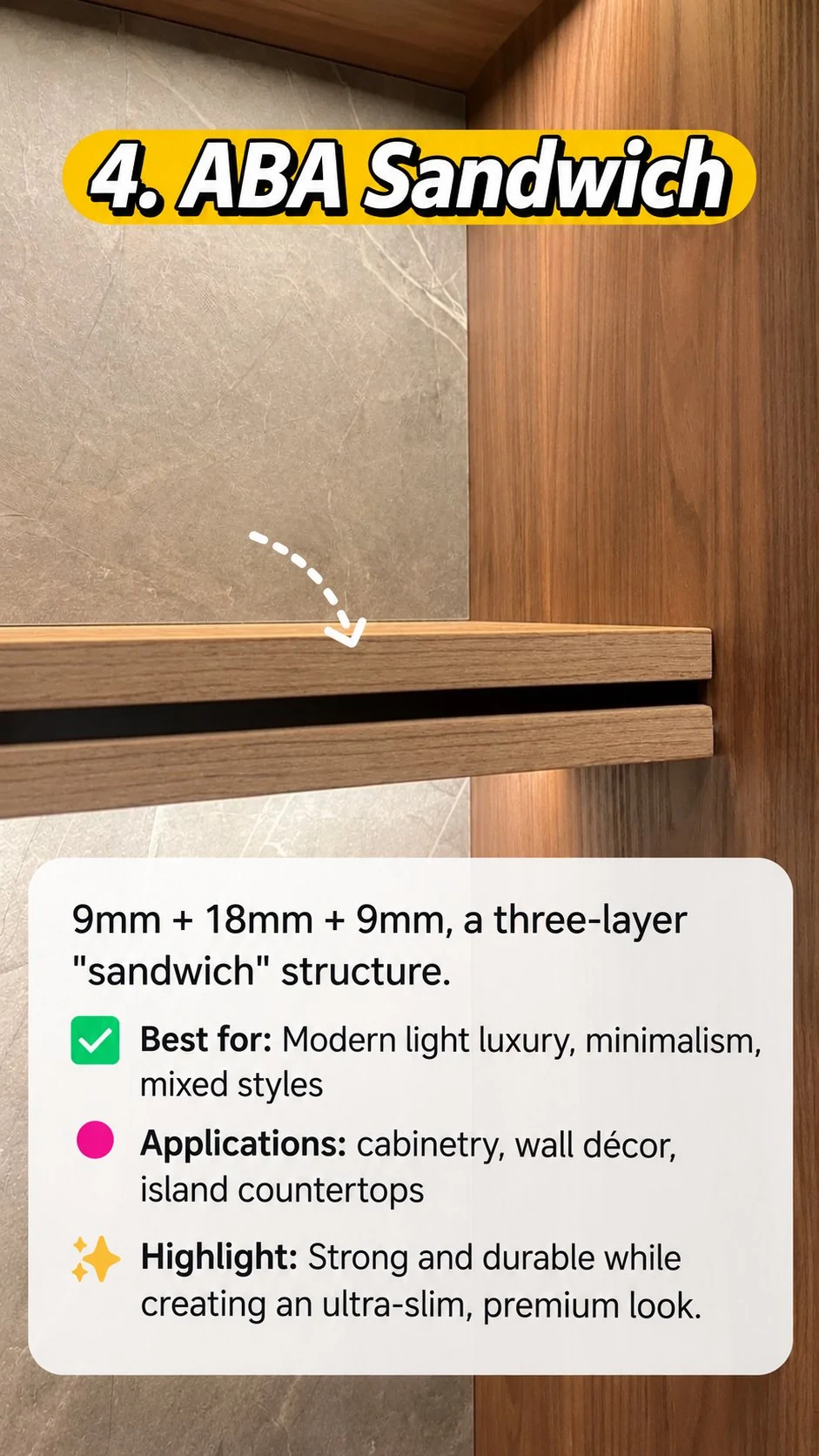
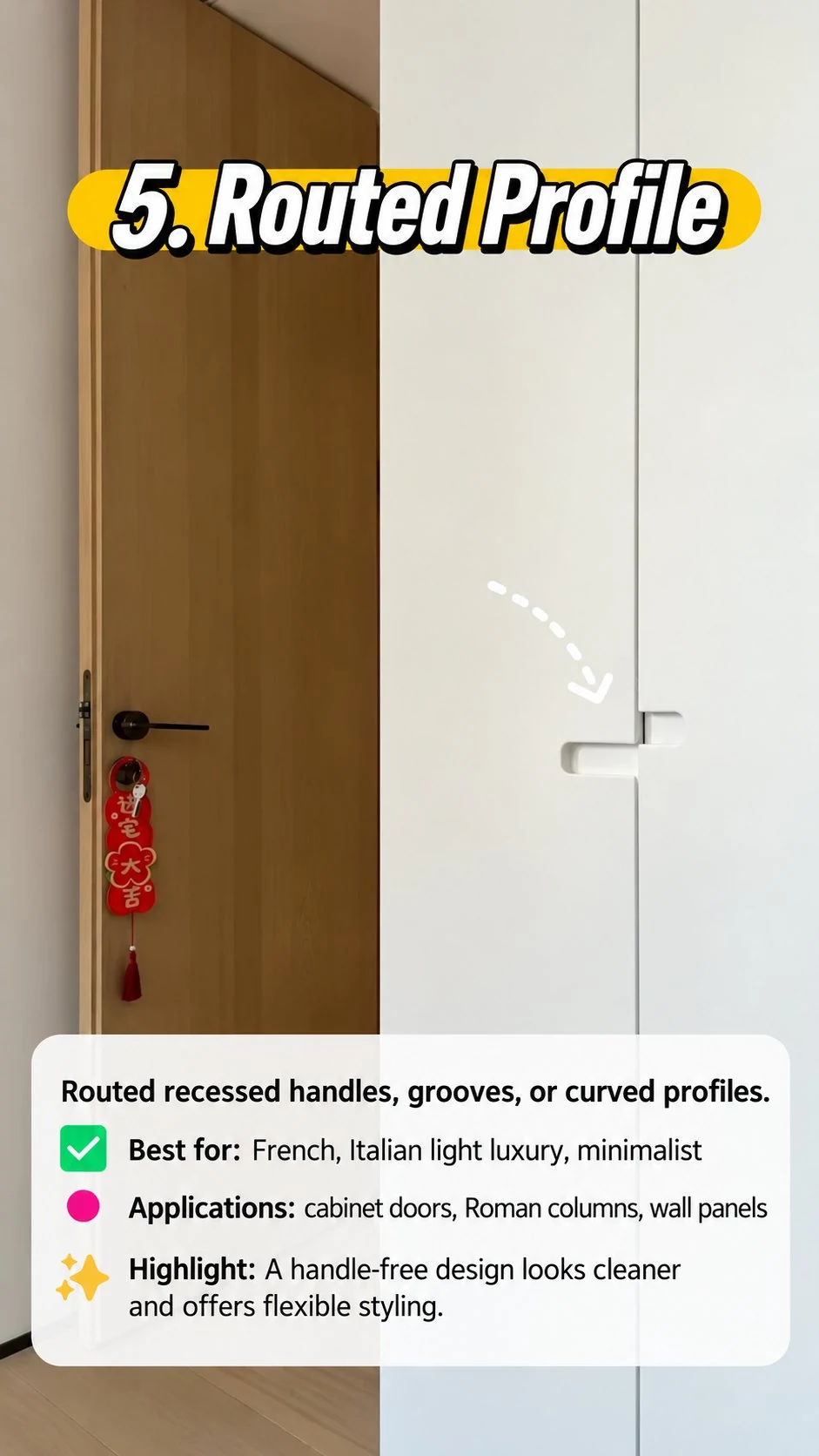
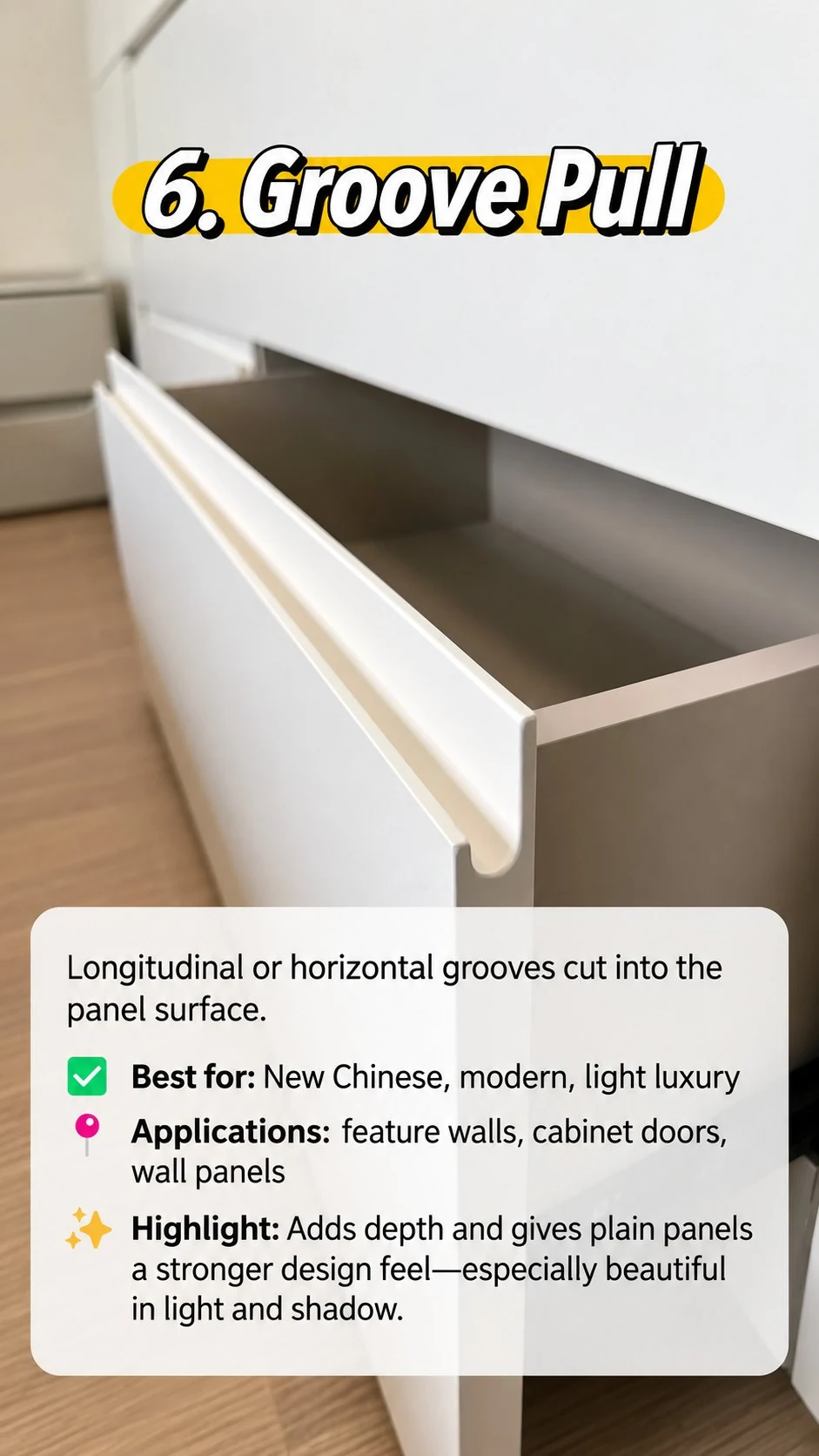
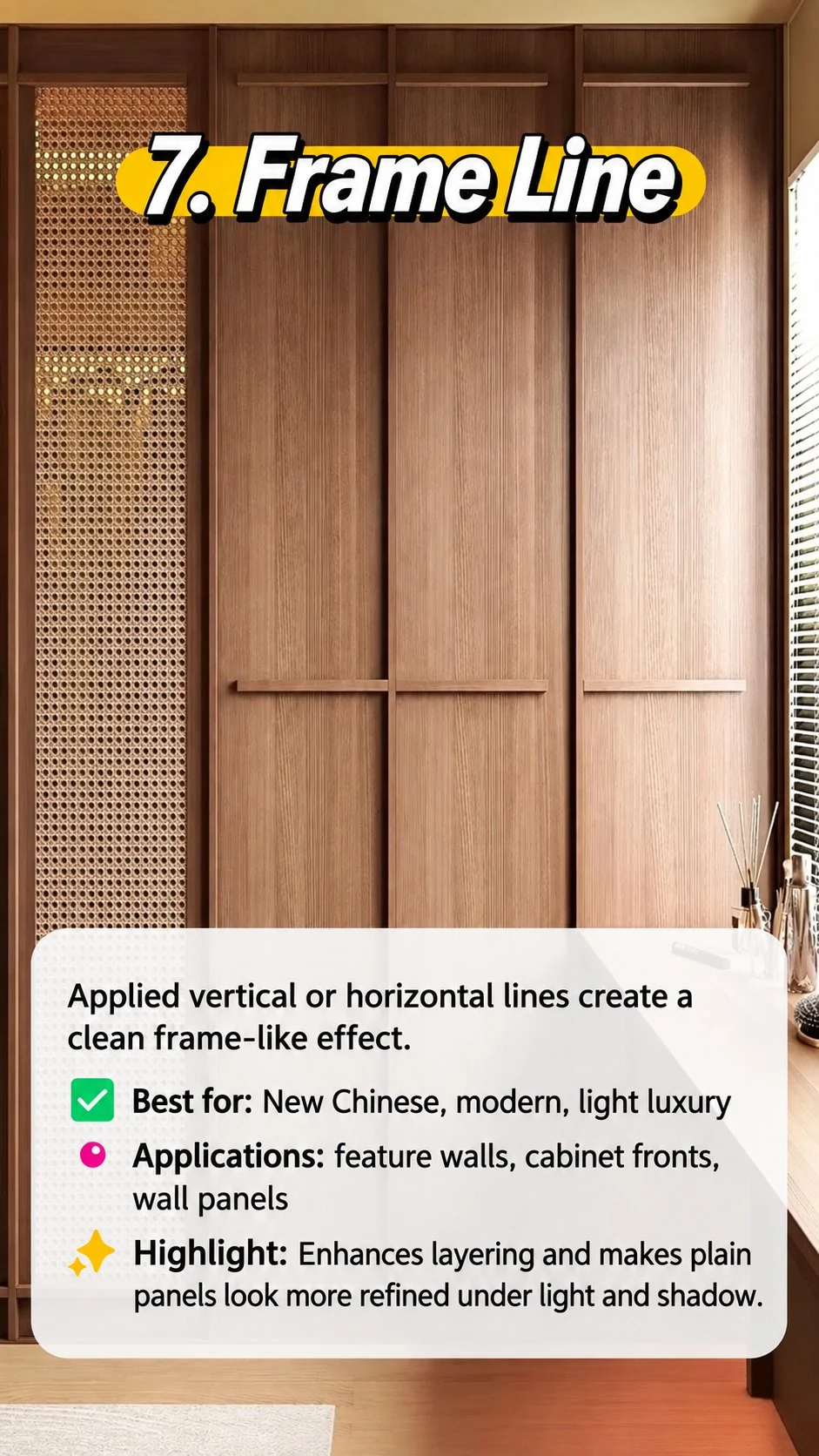
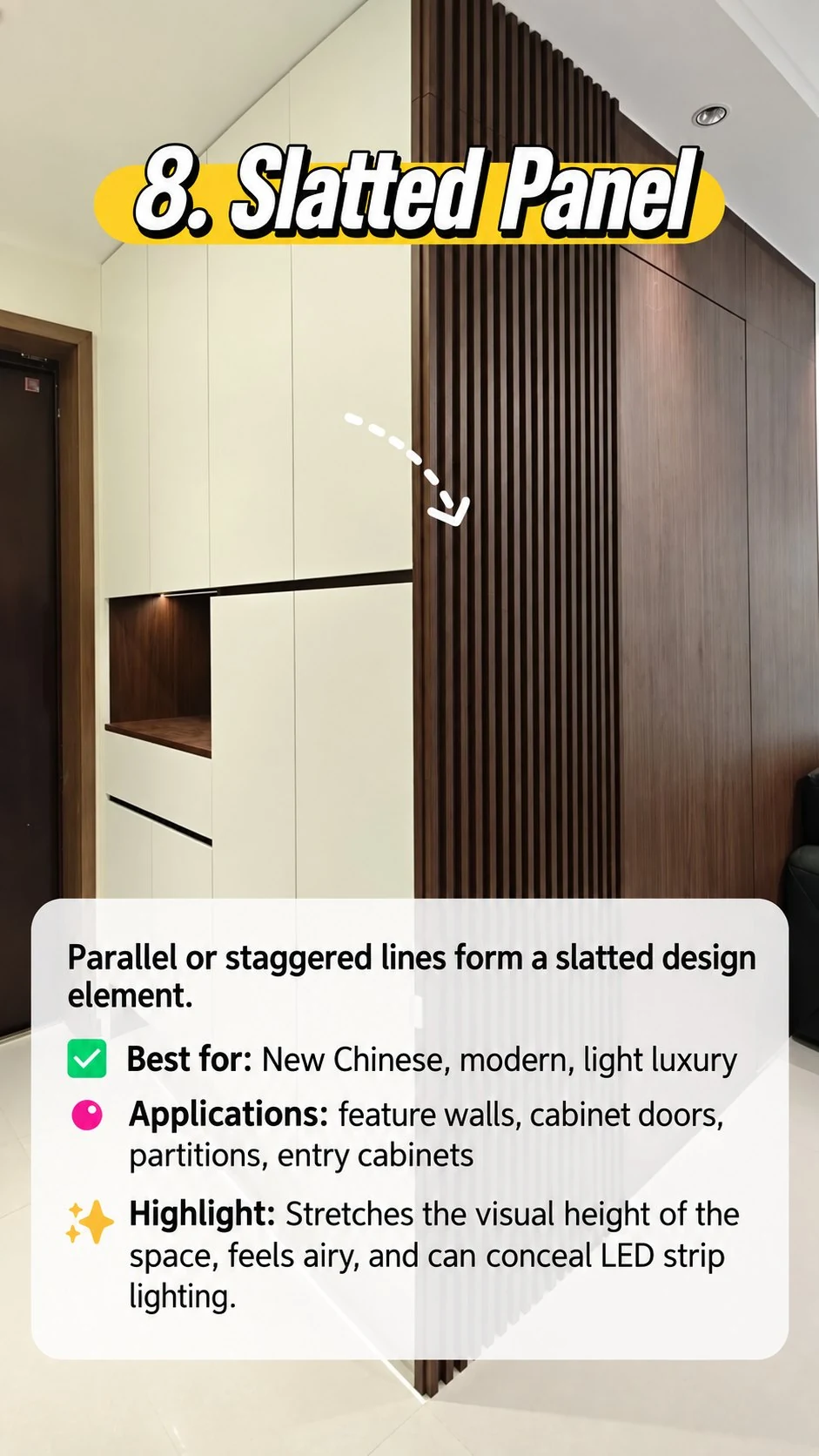
For large whole-home packages, consistency across many cabinets matters as much as one beautiful sample. Ratahome’s broader China furniture sourcing guide explains why production coordination and quality control become especially important when several factories or categories are involved.
7. Chair and curved-frame joinery: small joints, high stress
Chair joints work hard because the components are relatively slender while users apply repeated dynamic loads. Curved backs, arms and stretchers also make grain direction and machining accuracy more critical. Here, the best joint is usually one that follows the geometry of the frame and leaves enough wood around the connection.
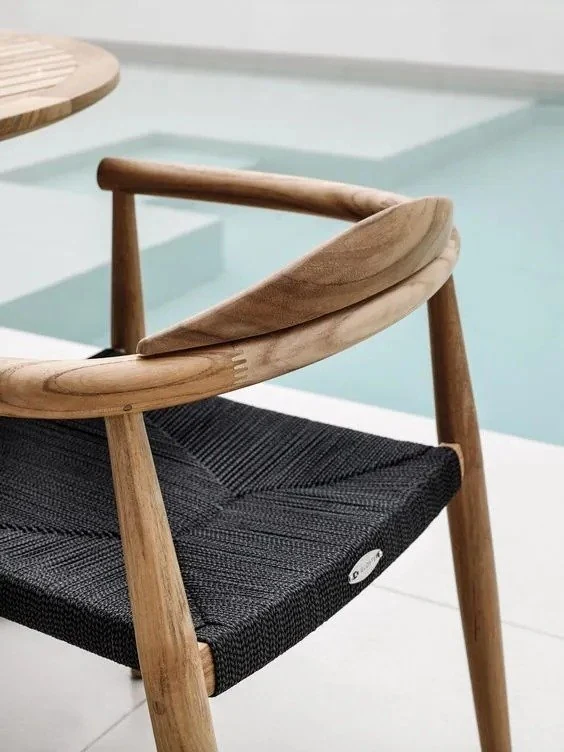
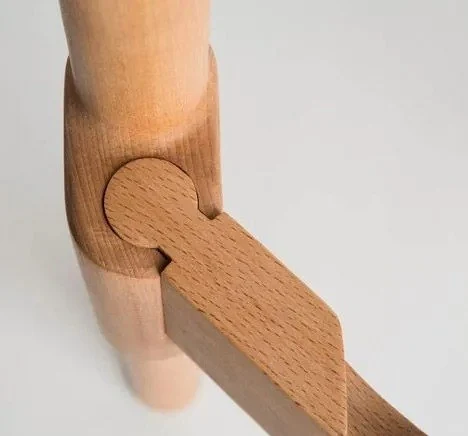
When sourcing seating, compare the internal construction with the finished piece rather than judging only the upholstery or silhouette. You can also browse Ratahome’s lounge chair collection to see how structure and form come together in finished seating.
8. Traditional joinery and modern CNC precision can work together
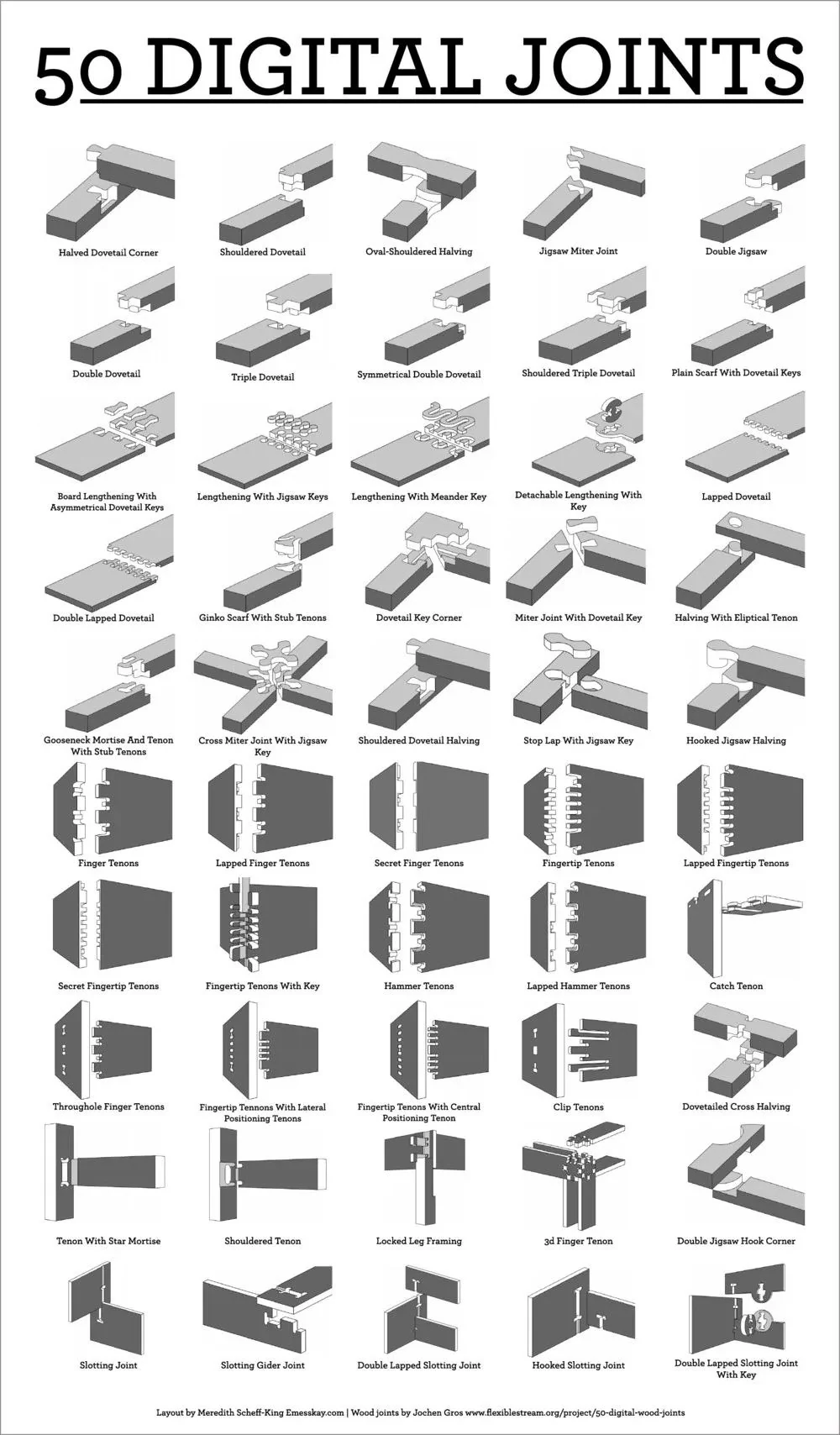
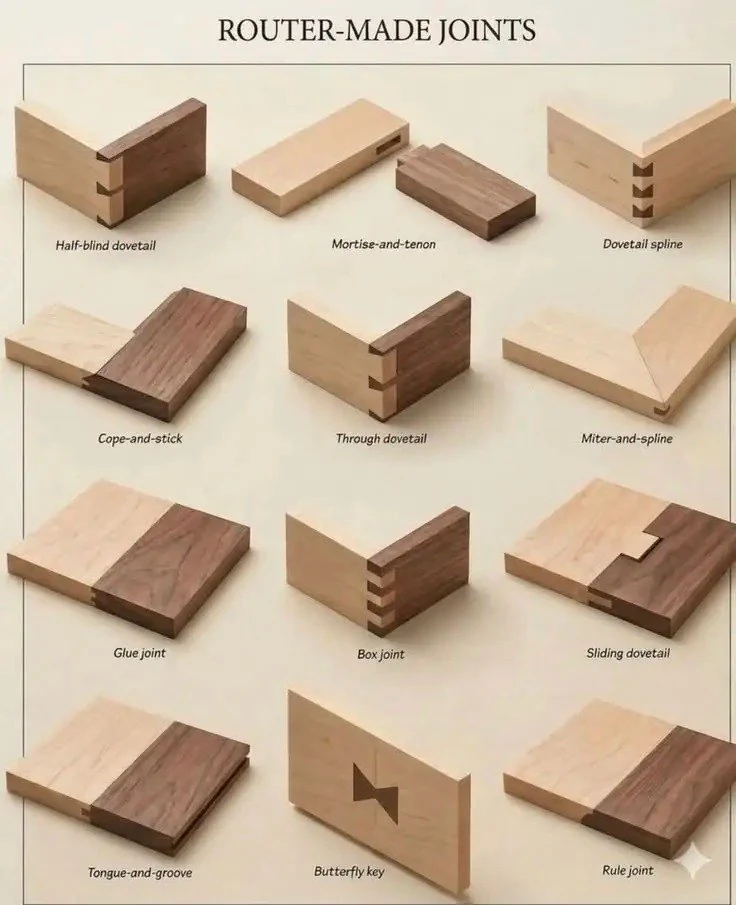
Traditional joinery is valuable because it solves structural problems through geometry. Modern CNC and routing are valuable because they can repeat that geometry accurately across a production batch. The two are not opposites. A well-engineered factory process often combines traditional joint logic with digital machining, templates and jigs.
Design references, machined joint options and executed production details
9. Glue, dowels, screws and hardware: joinery is a system
Adhesive
Glue increases the effective contact area of a joint, but it cannot compensate for poor fit, contaminated surfaces or unstable wood. Factories should control open time, spread, clamping pressure and cure time.
Dowels and loose tenons
Dowels and loose tenons are practical for repeat production because drilling or routing can be standardized with jigs and CNC equipment. Their performance depends on diameter, depth, spacing, wood thickness and adhesive coverage.
Screws and connectors
Screws are appropriate for removable components, hardware and reinforcement. They become a problem when they substitute for a structural joint in weak material or are placed too close to an edge. In premium furniture, the question is not whether screws exist—it is whether each connector has a clear structural role.
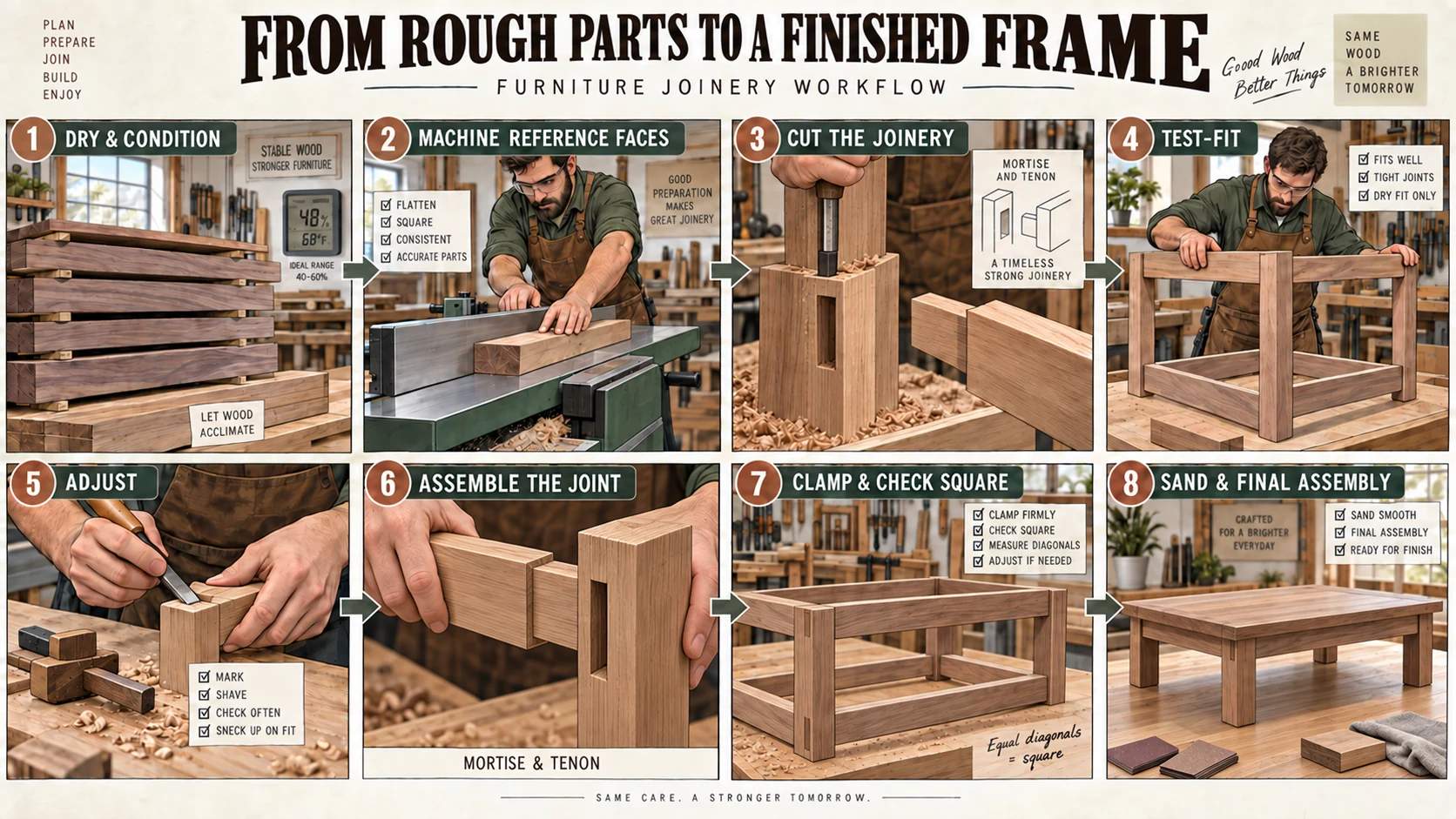
10. From rough parts to a finished frame: the joinery workflow
A repeatable factory workflow usually follows the same logic: dry and condition the material, machine reference faces, cut joinery, test-fit, adjust, glue or mechanically lock the connection, clamp, verify squareness, sand and only then proceed to finishing and final assembly.
11. How to inspect furniture joinery before shipment
Joinery QC should happen before the finish makes defects harder to diagnose. Photos of unfinished frames, test assemblies and drawer corners can be more useful than beauty shots of completed furniture.
12. How buyers should specify joinery for custom furniture
Instead of writing a vague request such as “premium joinery,” tie the requirement to the product. For a dining table, specify how aprons connect to legs and how the top allows seasonal movement. For a dresser, specify drawer-box construction and case alignment. For seating, specify frame joints at the arms, back and stretchers.
A useful brief should include the furniture type, material, expected use, critical dimensions, visible joint preferences, hardware requirements and the quality-control evidence required before shipment. For broader material planning, start with Ratahome’s wood guide and browse the furniture collections to connect construction choices with actual furniture categories.
13. Furniture joinery: quick FAQ
Is mortise-and-tenon always better than dowels?
No. A well-designed dowel or loose-tenon system can be excellent in repeat production. The result depends on load, section size, machining accuracy, adhesive and quality control.
Are dovetail drawers automatically high quality?
Dovetails are strong, but overall quality still depends on drawer material, thickness, squareness, slide alignment and finish.
Should premium furniture avoid screws?
No. Screws and engineered connectors are appropriate for removable parts, reinforcement and hardware when they have a clear structural role.
Can CNC-made joinery still count as craftsmanship?
Yes. CNC improves repeatability; craftsmanship remains in joint design, material selection, tooling, fit, assembly, sanding and inspection.
What photos should I request from a factory?
Ask for unfinished frames, drawer-box corners, rail-to-leg joints, cabinet carcass assembly, hardware fixing points and trial assembly before finishing.
Turn your furniture idea into a buildable specification.
Share your floor plan, furniture references and target quality level. Ratahome can help coordinate materials, structure, joinery, production drawings, factory checks and delivery as one project.