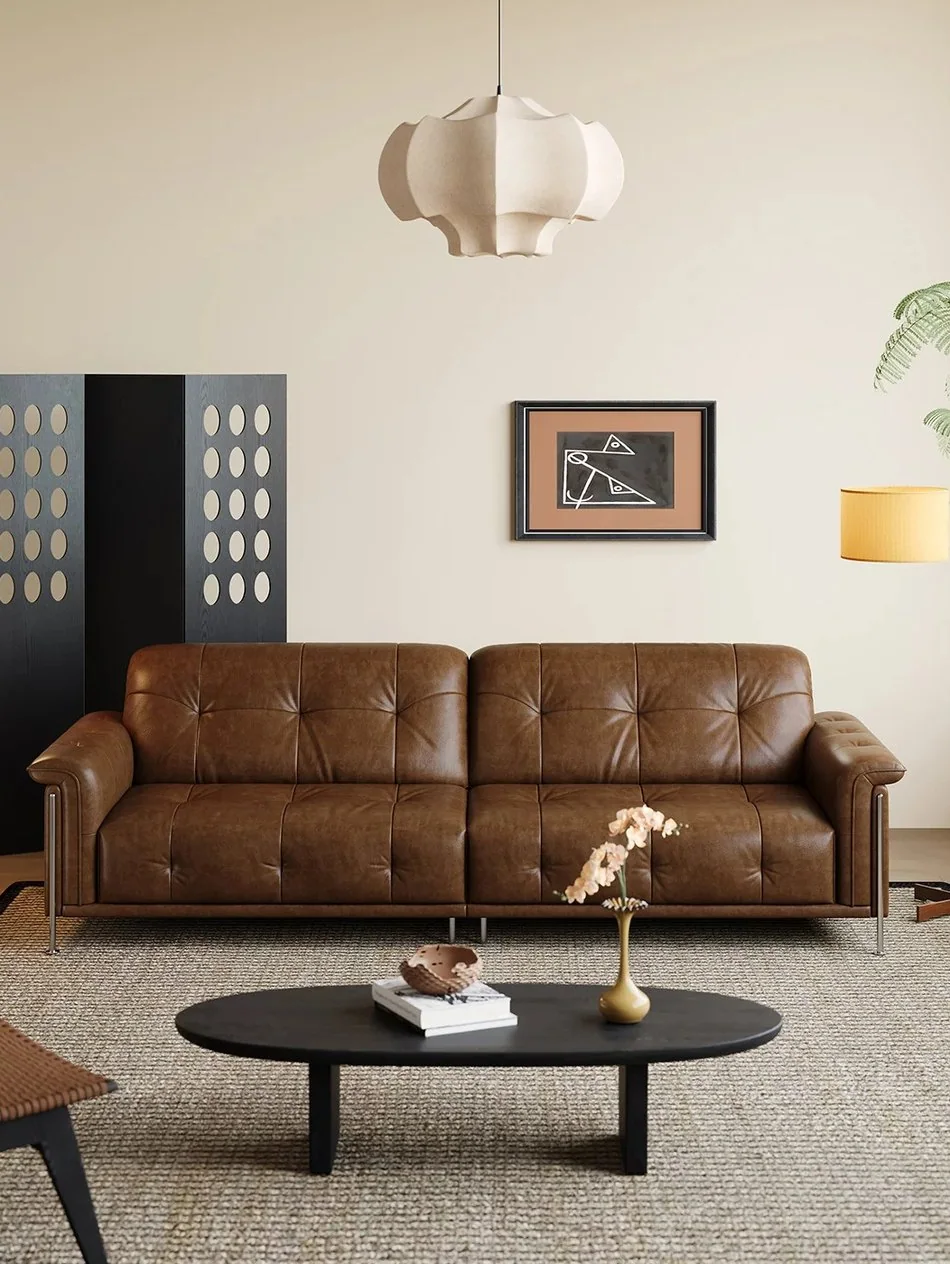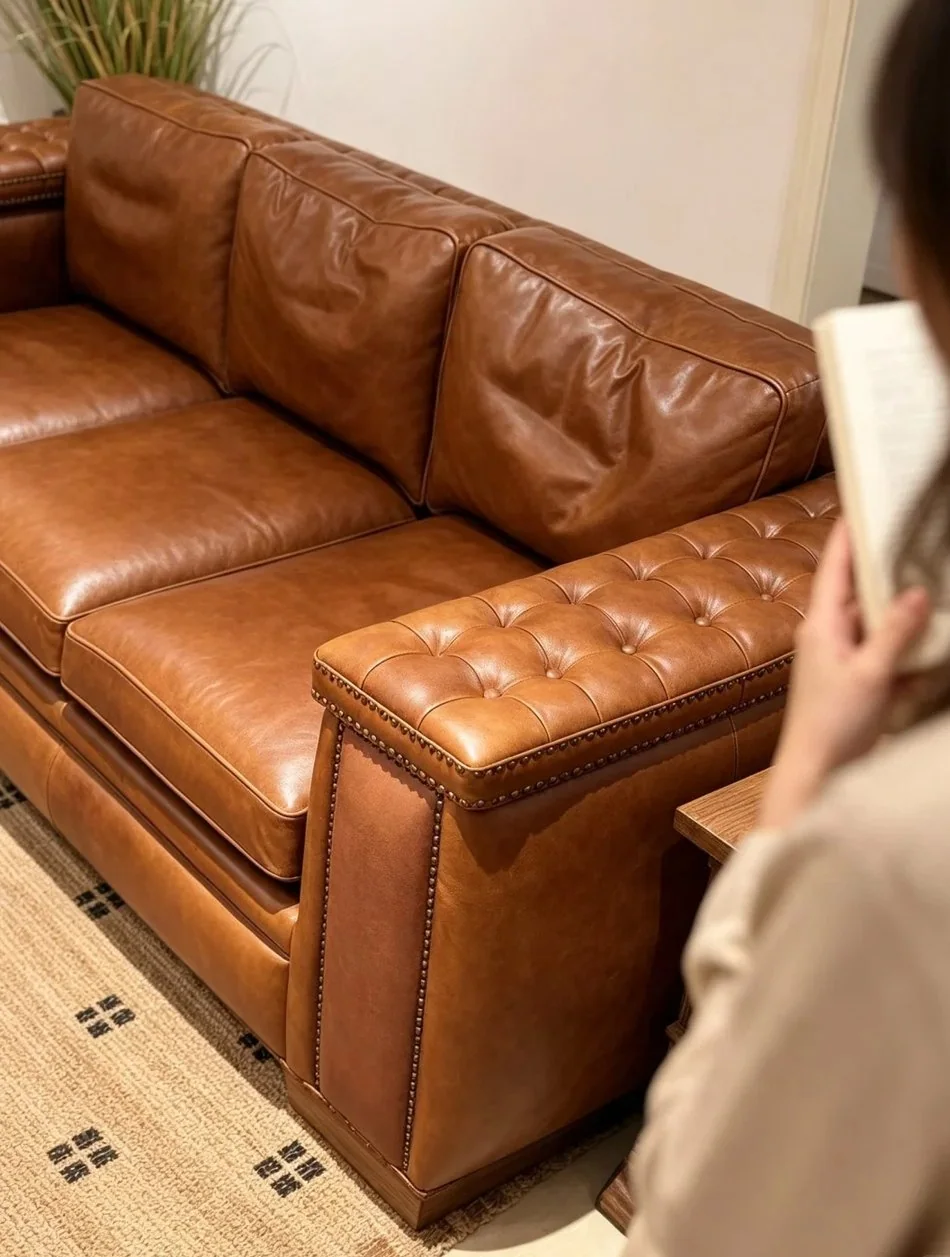
For daily living room sofas
Choose top-grain leather if you want premium feel and longevity, or microfiber if you want easier performance with kids, guests and frequent use.

If you are comparing leather sofas, lounge chairs, or accent seating, the material description can be confusing fast. “Genuine leather” is not a single quality level, and microfiber is not leather at all — yet it can still be an excellent upholstery choice. This guide breaks everything down in plain English so buyers can understand what they are paying for, what to expect in daily use, and which option best fits their project.
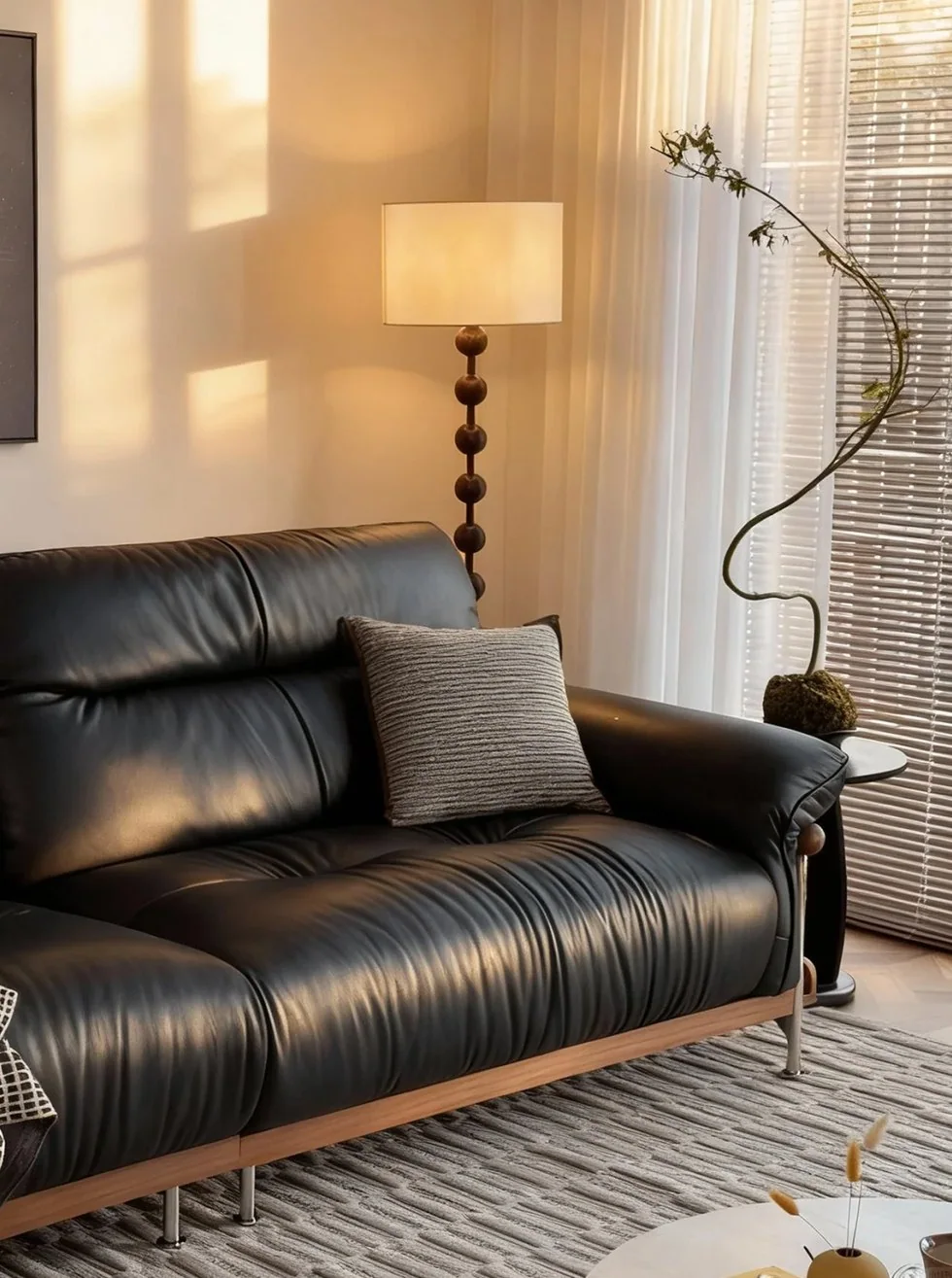
Leather affects far more than appearance. It changes how a sofa feels when you sit down, how it ages, how easy it is to clean, and how well it holds up in a busy household.
When people say they want a “real leather sofa,” they may actually be choosing among several very different materials: full-grain leather, top-grain leather, split leather, and coated or synthetic alternatives such as PU and microfiber. Each material has a different structure, different maintenance needs, and a different price point.
For many projects, the best answer is not automatically the most expensive one. A family room sofa may benefit from a protected top-grain leather or a high-quality microfiber, while a statement lounge chair may justify full-grain character and patina. If you are also evaluating frames, joinery and finish choices, Ratahome’s wood guide and quality control approach are useful companion reads.
Best natural character, premium look, develops patina, highest price.
Best balance of comfort, consistency, durability and easy everyday use.
Real leather from the lower layer of the hide, usually more coated and less breathable.
Synthetic surface, uniform look, easy to wipe, good for lower budgets and light use.
High-performing synthetic alternative with a soft feel and strong wear resistance.
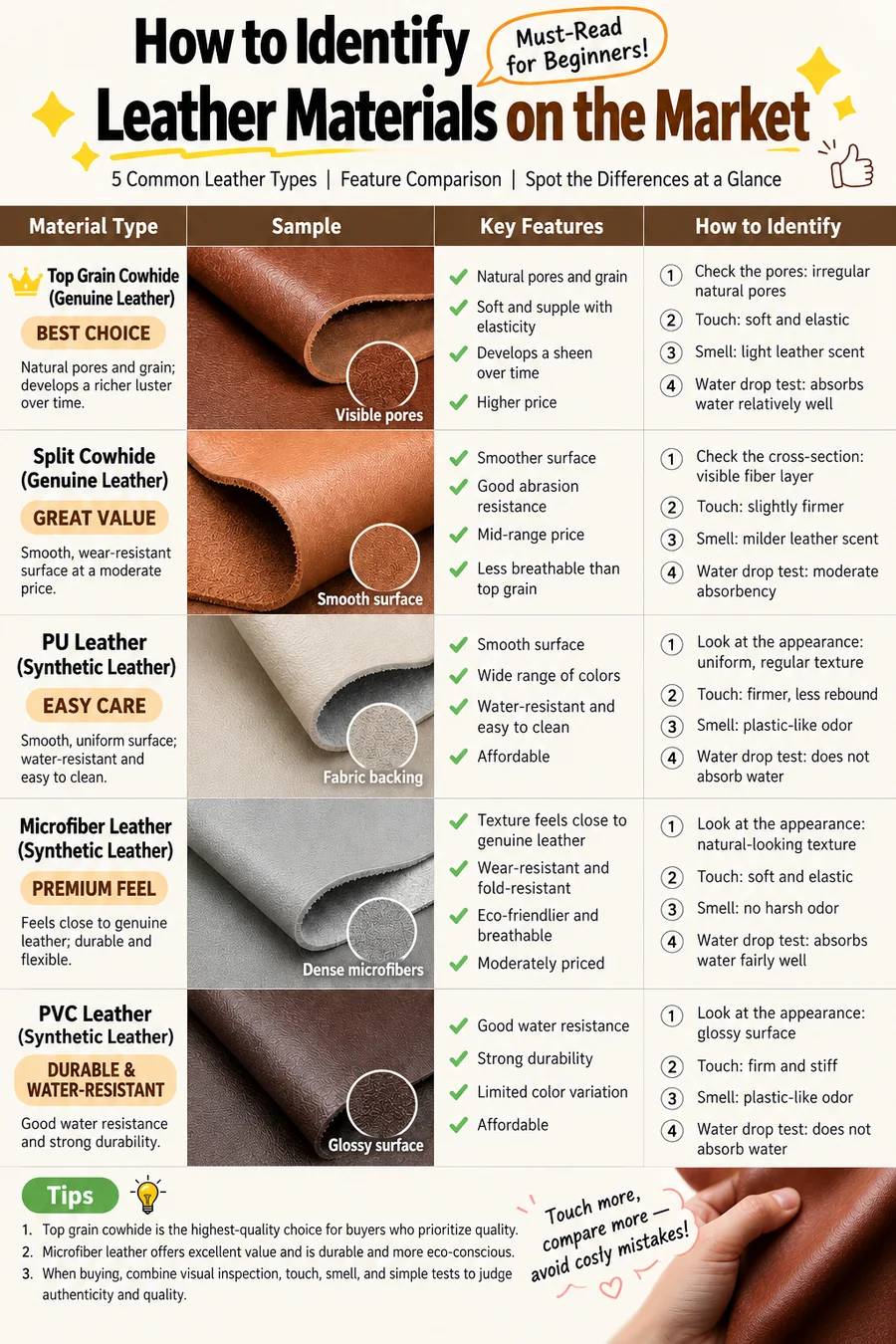
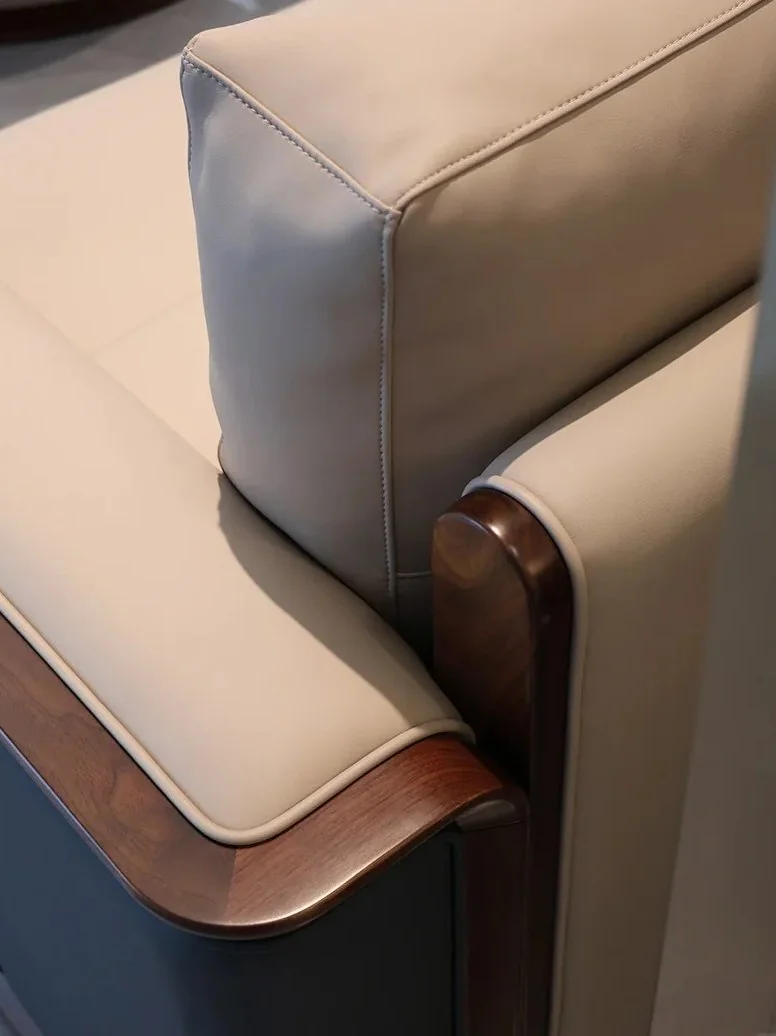
Full-grain leather keeps the outermost layer of the hide intact. That means the original grain structure remains, along with subtle natural markings, pore variation and character. It is widely considered the most authentic and most premium leather option.
In furniture, full-grain leather is often chosen for buyers who want depth, softness, and a material that looks better as it ages. Over time it can develop a rich patina instead of looking “factory perfect.” That is part of the appeal.
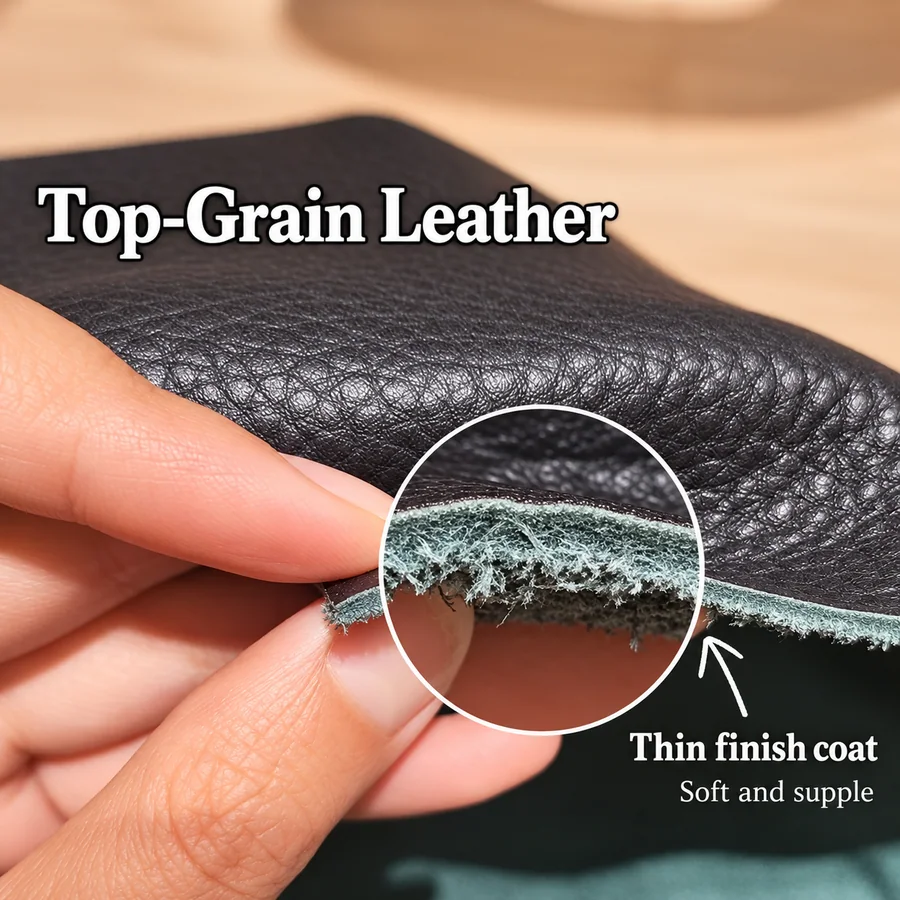
Top-grain leather is also real leather, but it has been lightly sanded, buffed, or finished to make the surface more even. In high-quality furniture, this is often the sweet spot between luxury and practicality.
Why is top-grain so common in sofas? Because it offers a cleaner, more consistent appearance while still giving you the softness, smell, and flexibility buyers associate with genuine leather. It is easier to match across cushions and panels, which matters in larger pieces like sofas and sectionals.
For many homeowners, designers, and developers, top-grain is the safest “yes” because it performs well, looks polished, and appeals to a wide range of interiors.
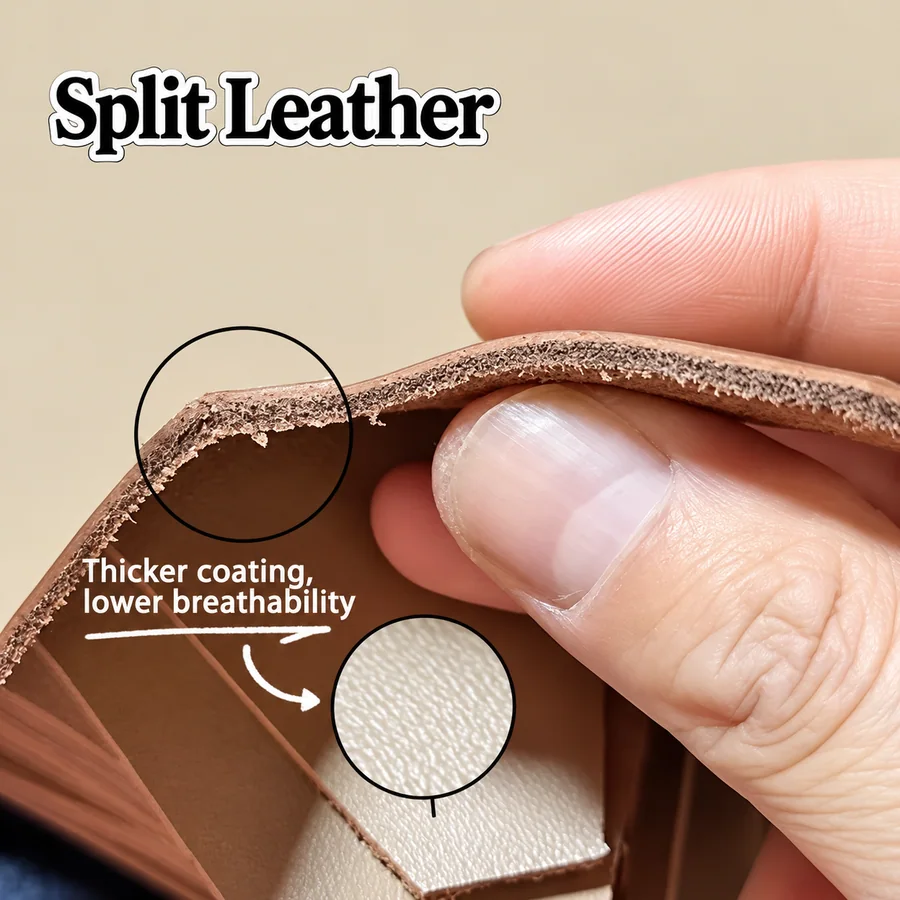
Split leather is genuine leather cut from the lower layer of the hide after the top layer has been separated. Because it does not retain the strongest natural grain surface, manufacturers often coat or emboss it to create a more finished look.
This makes split leather more affordable than full-grain or top-grain, but also changes the experience. It generally feels firmer, looks less natural up close, and is not as breathable. In budget-driven projects, it can still serve a purpose — especially when buyers want real leather content without premium pricing.
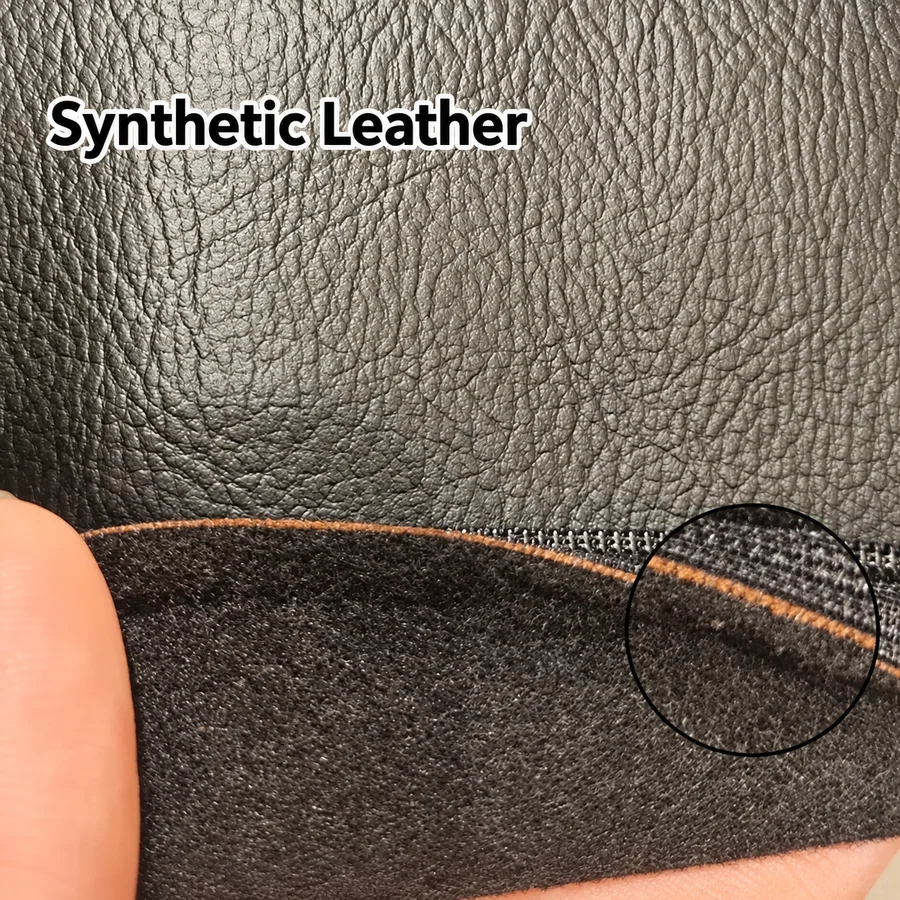
PU leather is not real leather. It is a synthetic upholstery material designed to imitate the look of leather. The biggest advantages are price consistency, color flexibility and low-maintenance cleaning.
For short-cycle spaces, light-use pieces, rental projects, or situations where easy wipe-down care is a top priority, PU can be practical. However, it does not breathe like real leather, and lower-quality versions may age faster, especially in hot or high-friction environments.
Microfiber is another leather alternative, not genuine leather. But unlike low-end synthetics, high-quality microfiber can be surprisingly sophisticated. It is engineered with dense, fine fibers that create a soft hand-feel, a leather-like drape, and strong wear resistance.
Because it performs well in everyday settings, microfiber is increasingly popular for family-friendly homes, hospitality seating, and buyers who want a balance of softness, durability and easier upkeep. It can also be a smart choice for lounge chairs or office chairs where touch comfort matters.
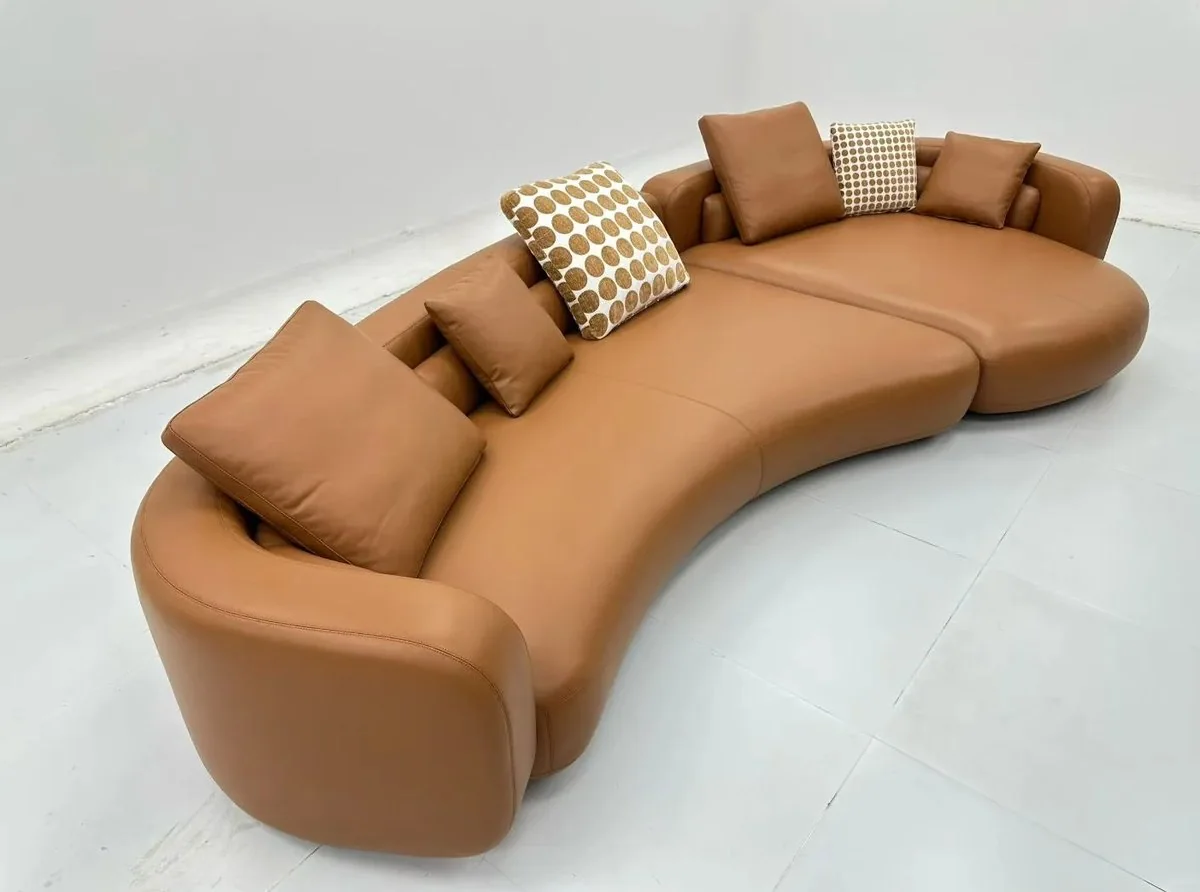
Use this table when you want the shortest path to a decision. It simplifies how the five materials compare in daily use rather than only in technical terms.
| Material | What it is | Feel & appearance | Durability | Care level | Best for |
|---|---|---|---|---|---|
| Full-grain leather | Top intact layer of the hide | Most natural, character-rich, develops patina | Excellent when well maintained | Moderate | Luxury homes, statement pieces, material-forward projects |
| Top-grain leather | Real leather with refined finish | Soft, upscale, more consistent than full-grain | Very good for everyday residential use | Moderate | Main sofas, sectionals, premium family spaces |
| Split leather | Lower layer of hide, usually coated | Firmer, smoother, less breathable | Moderate | Moderate | Budget-conscious genuine leather projects |
| PU leather | Synthetic leather look-alike | Uniform, easy to color-control | Varies by quality, usually mid to lower | Easy | Light-use furniture, staging, short-cycle projects |
| Microfiber | High-performance synthetic upholstery | Soft, refined, leather-like alternative | Very good | Easy | Family homes, hospitality, pet-friendly spaces |
Top-grain leather is usually the strongest all-round answer. It is premium without being overly delicate, and it fits the expectations most buyers have when they imagine a quality leather sofa.
Microfiber often wins for busy households, projects with kids or pets, or clients who want a soft touch and strong wear resistance without paying for genuine leather.
Marketing descriptions can be vague. The safest way to evaluate upholstery is to look at the surface, the cut edge or backing, and the way the material behaves under light pressure.
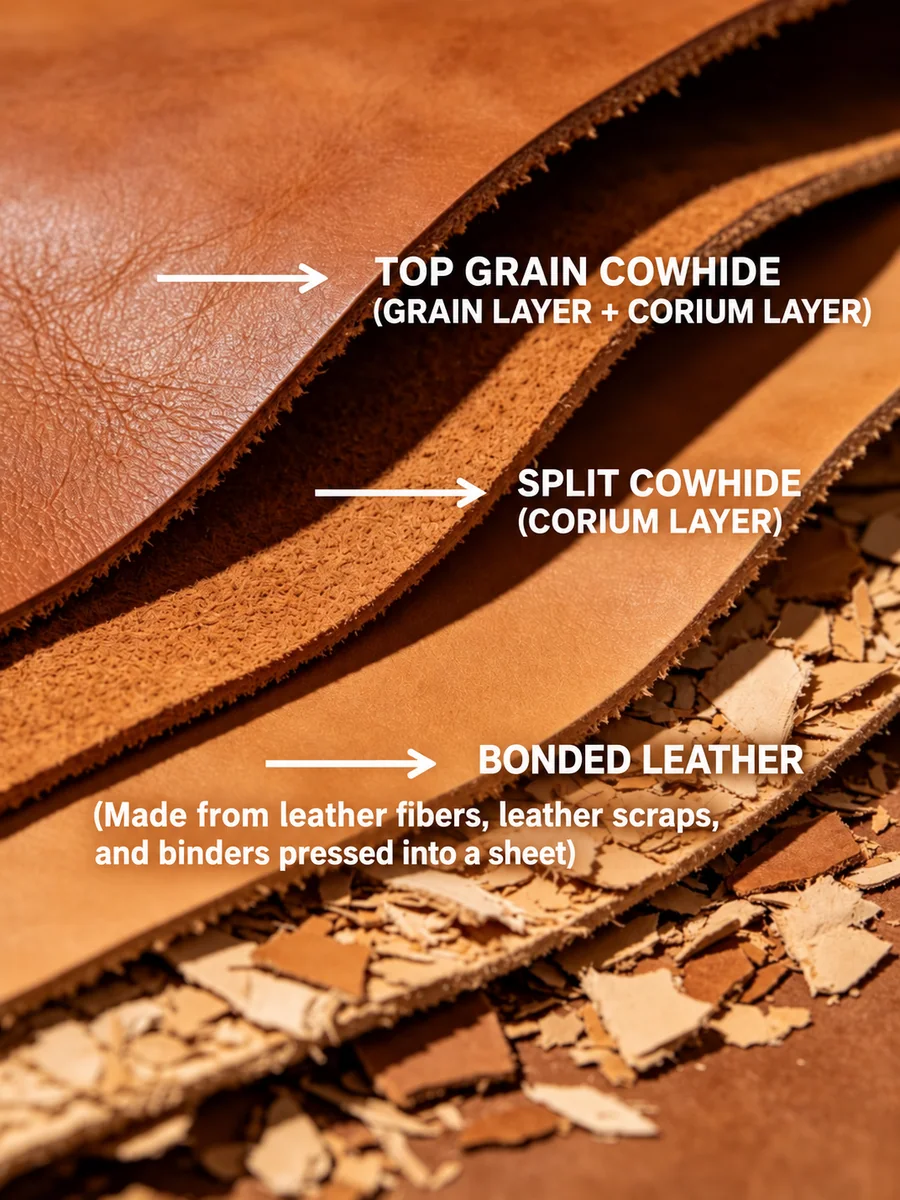
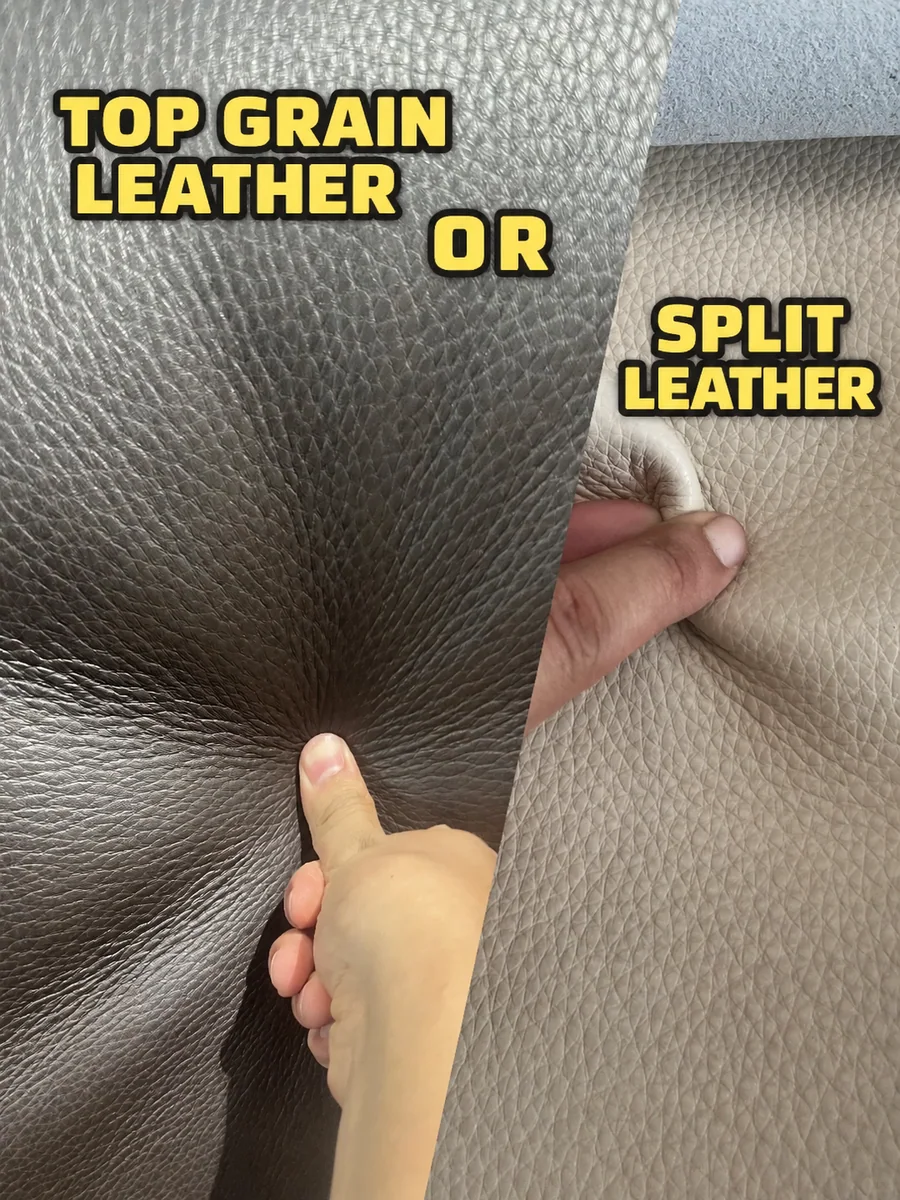
The best upholstery depends on who will use the furniture, how often, and what kind of visual character you want in the room.
Choose top-grain leather if you want premium feel and longevity, or microfiber if you want easier performance with kids, guests and frequent use.
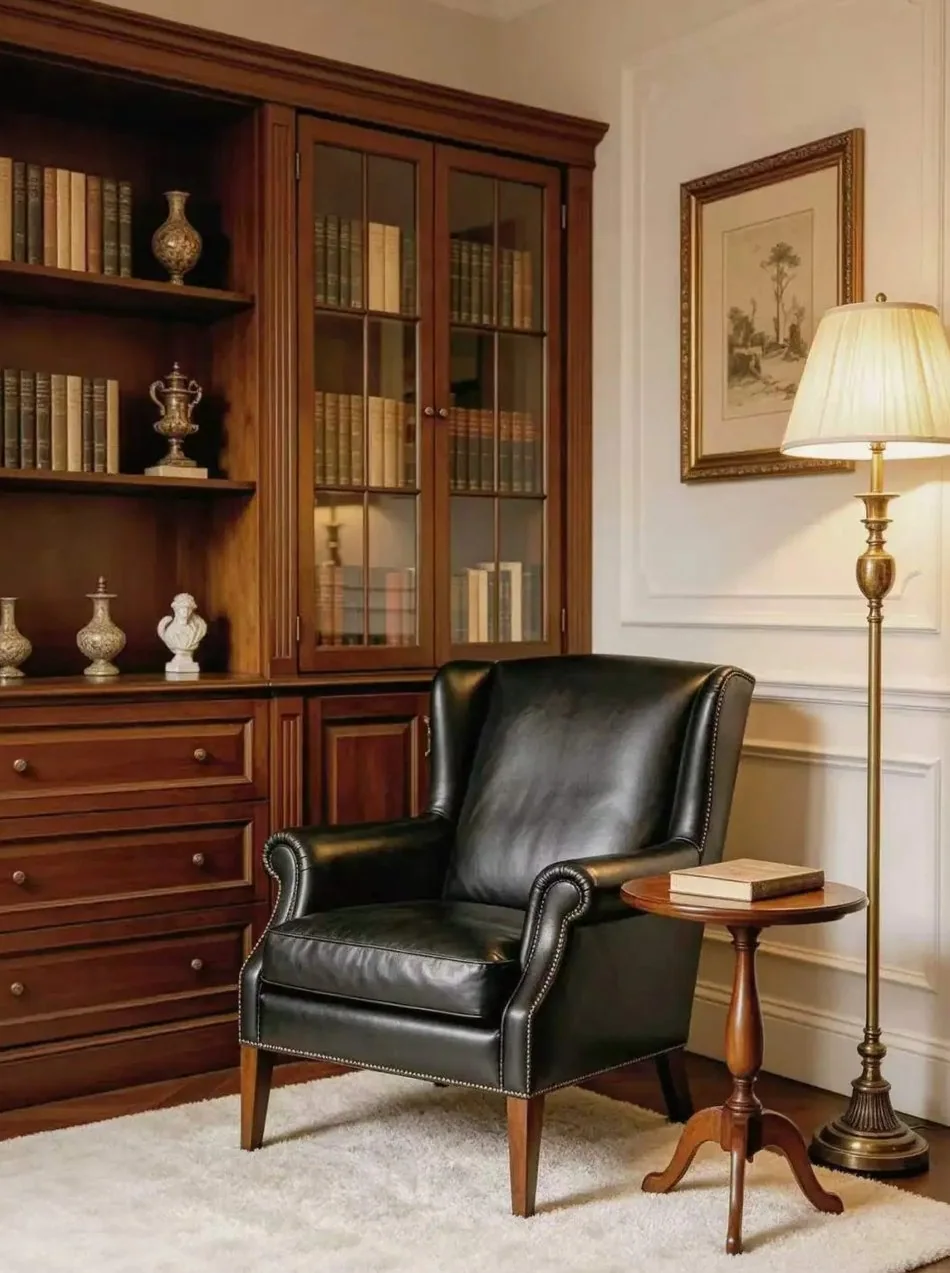
Full-grain or refined top-grain works well when the furniture needs personality, richness and long-term visual depth.
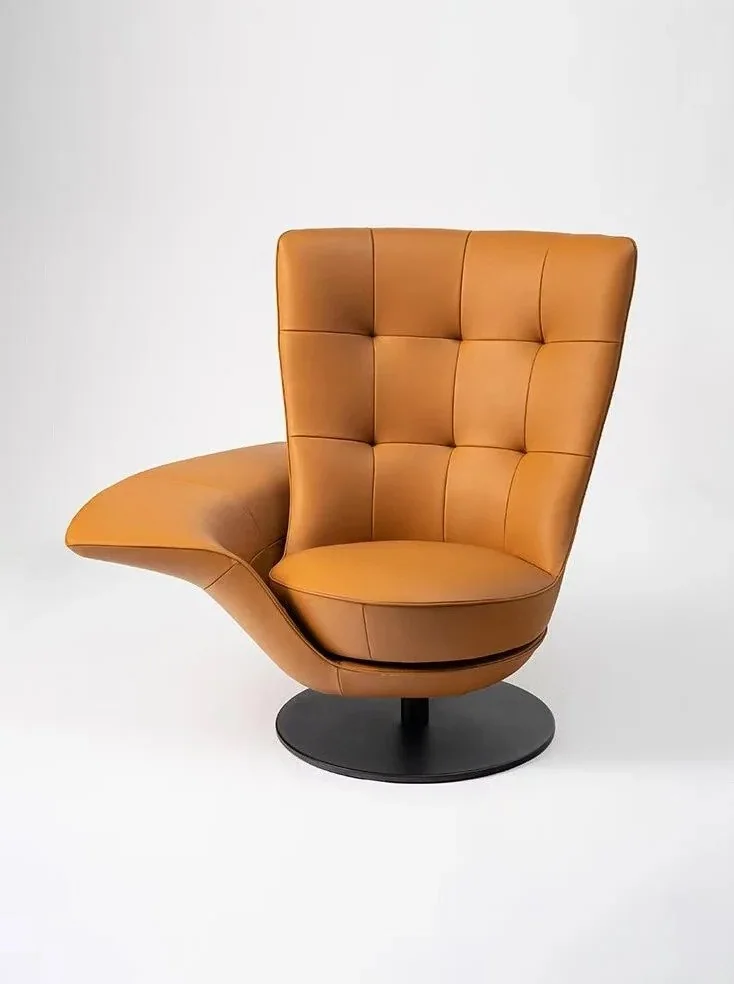
Microfiber, PU, or protected top-grain can all work, depending on whether you prioritize shape, touch, easy care or budget.
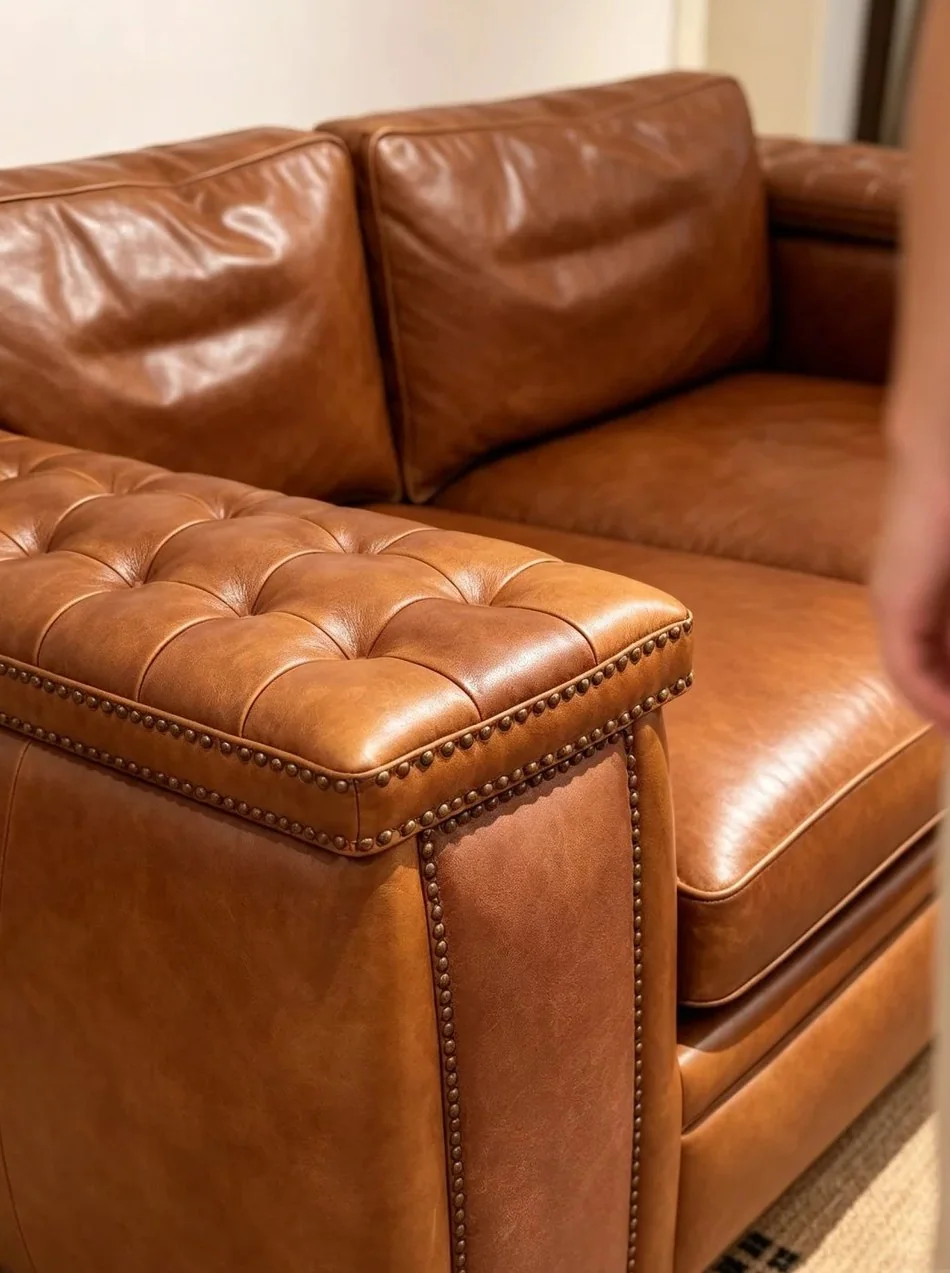
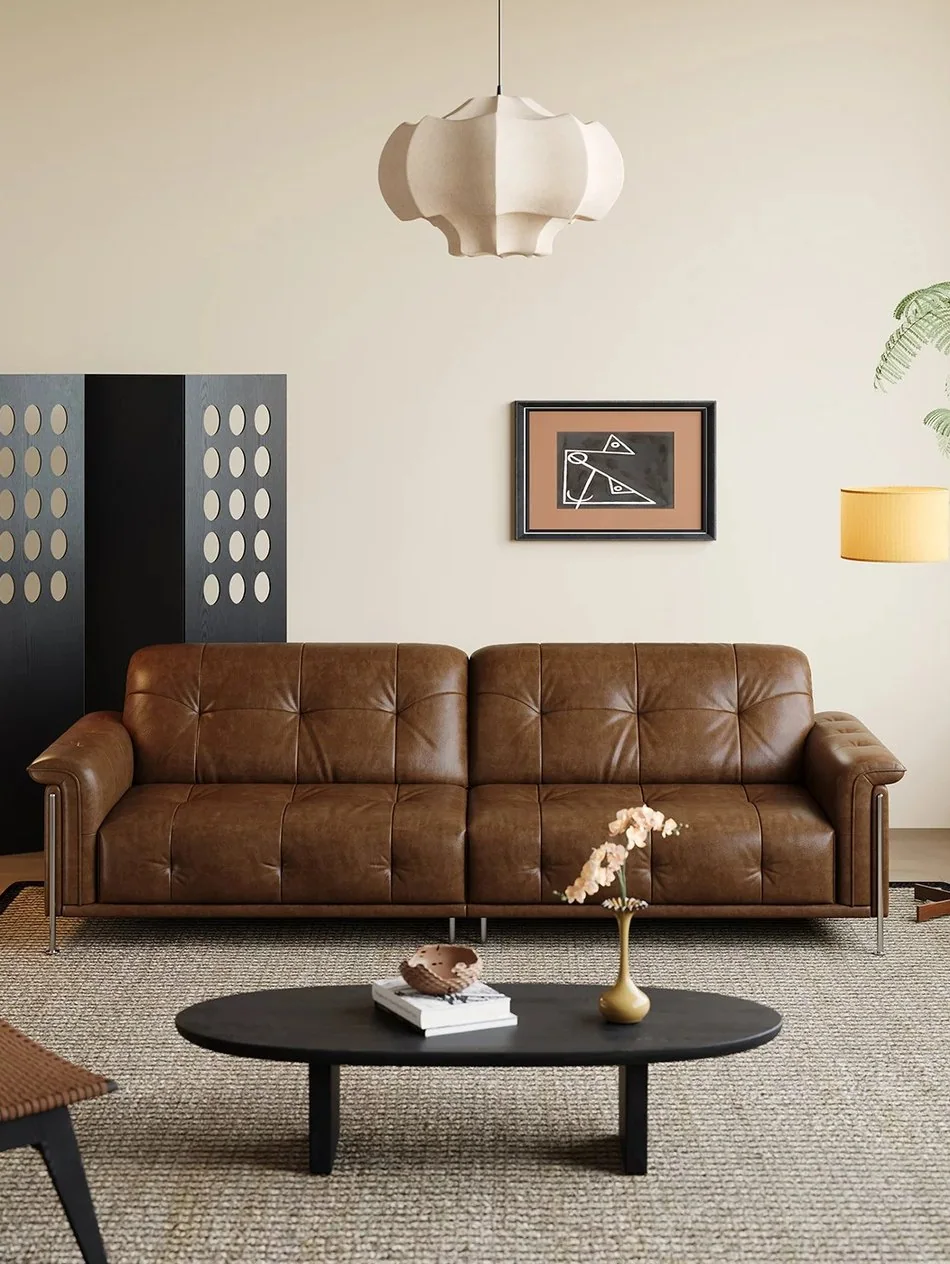
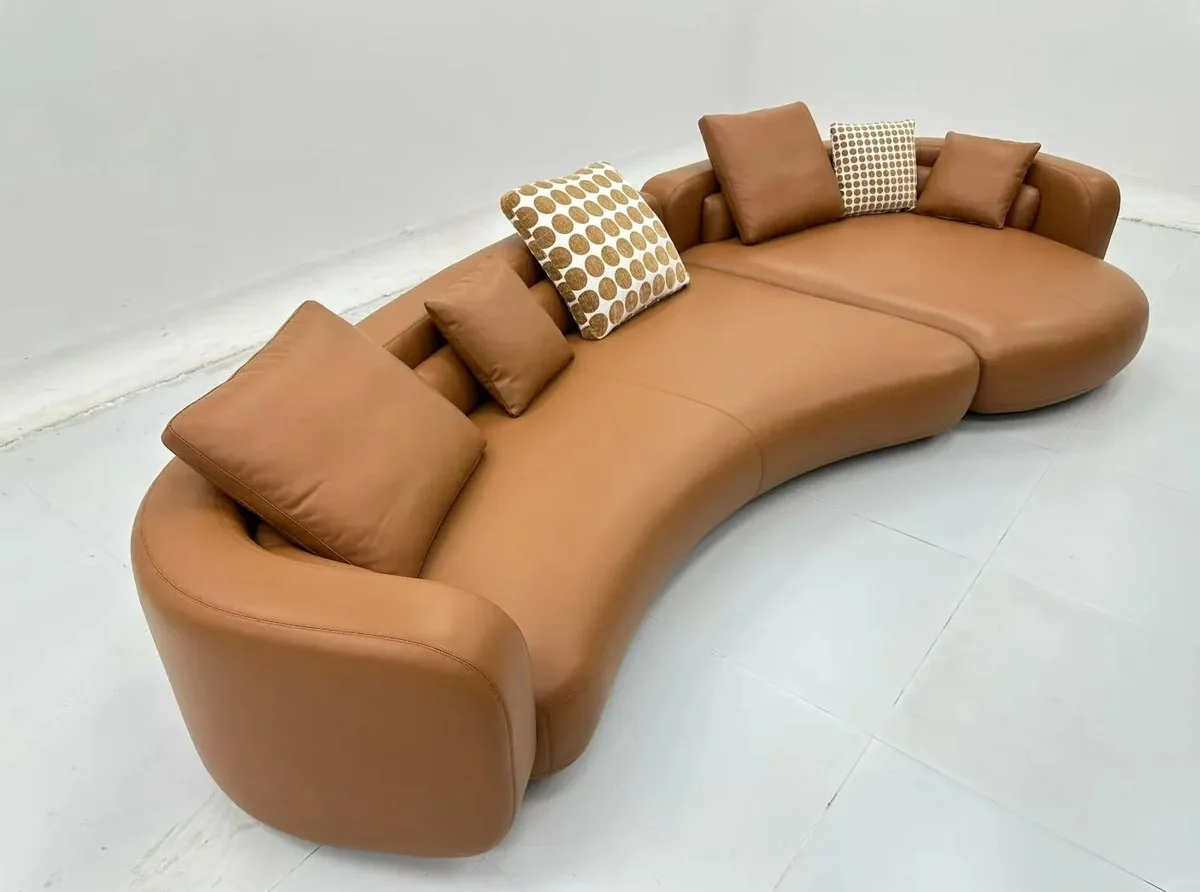
At the project level, material choice should be considered together with frame quality, cushion construction, and finish coordination. That is especially important when selecting whole-room packages or matching pieces across multiple rooms.
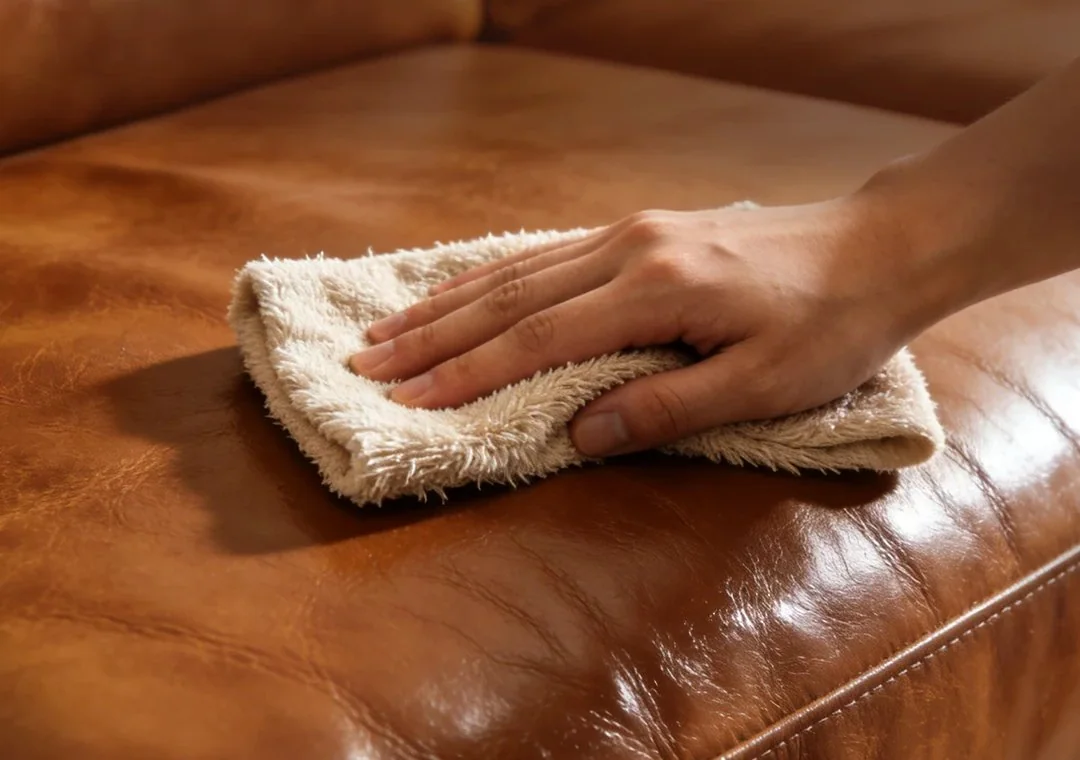
Even the best material will disappoint if it is used in the wrong setting or maintained poorly. The rules are simple, but they matter.
Not always. Full-grain is more natural and often more premium, but top-grain may be the better fit if you want a more uniform look and dependable everyday practicality.
Yes, but it is from the lower layer of the hide and usually has more coating. It does not behave like top-grain or full-grain upholstery.
Top-grain leather and high-quality microfiber are usually the best choices because they balance comfort, cleanability and wear resistance.
No. It is a synthetic upholstery material, but it can be an excellent leather alternative and often outperforms low-end PU in feel and durability.
If you remember only one thing, remember this: material names are not interchangeable. Full-grain, top-grain, split, PU and microfiber all serve different purposes. A better buying decision comes from matching the material to the room, usage level, and expected lifespan — not from assuming every “leather” label means the same thing.
At Ratahome, we treat upholstery selection as part of the full furniture system. That means looking beyond the cover material to the frame, suspension, foam, tailoring, quality control and how the piece fits the rest of your home. If you are planning a larger furnishing project, we can help you compare options and build a material mix that makes sense for your rooms and budget.