How to Create a Scandinavian Home: Furniture, Materials & Room-by-Room Guide
A practical guide to warm minimalism, light woods, well-proportioned furniture and the details that make an airy home comfortable to live in.
· Published
How do you create a Scandinavian-style home? Start with a functional layout, choose a restrained palette of warm whites and light wood, add comfortable furniture with clean silhouettes, then layer textiles and diffuse lighting. The result should feel calm and lived-in—not empty, clinical or dependent on expensive designer pieces.
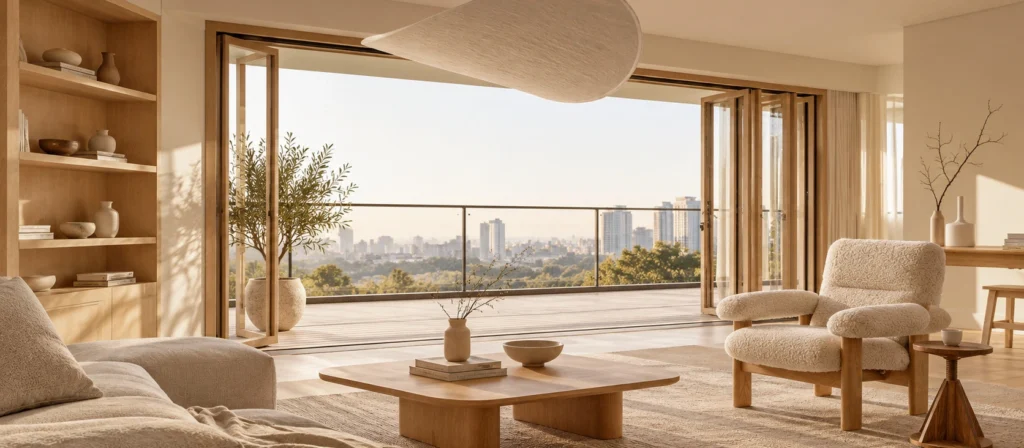
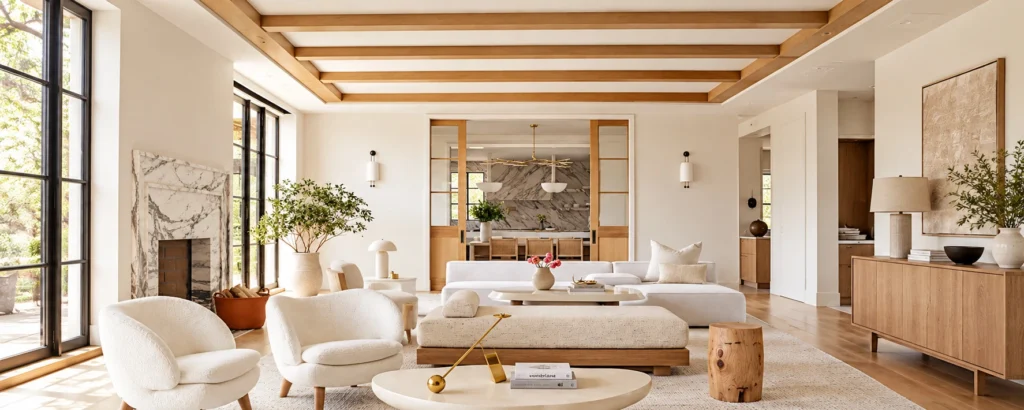
This guide follows that process room by room, from the sofa and dining table to cabinetry, bedroom furniture and the manufacturing details worth checking before an order is placed. The accompanying interiors show one contemporary, cream-toned interpretation of Scandinavian design; the principles work with more colorful Nordic homes, too.
Keep circulation open and let each piece earn its place.
Use visible wood grain, tactile upholstery and layered light.
Check comfort, structure, finishes and dimensions—not just the photograph.
1. What Is Scandinavian Interior Design?
Scandinavian design grew from the region's modern design traditions, where useful everyday objects, craftsmanship, comfort and visual simplicity are closely connected. In interiors, that usually means furniture that is easy to use, daylight-friendly rooms, honest-looking materials and enough breathing space around the objects you own.
It is not a rule that everything must be white. Warm timber, muted blue, forest green, earthy red and patterned textiles can all belong in a Scandinavian room. The pale oak-and-cream look shown here is one particularly soft, contemporary direction.
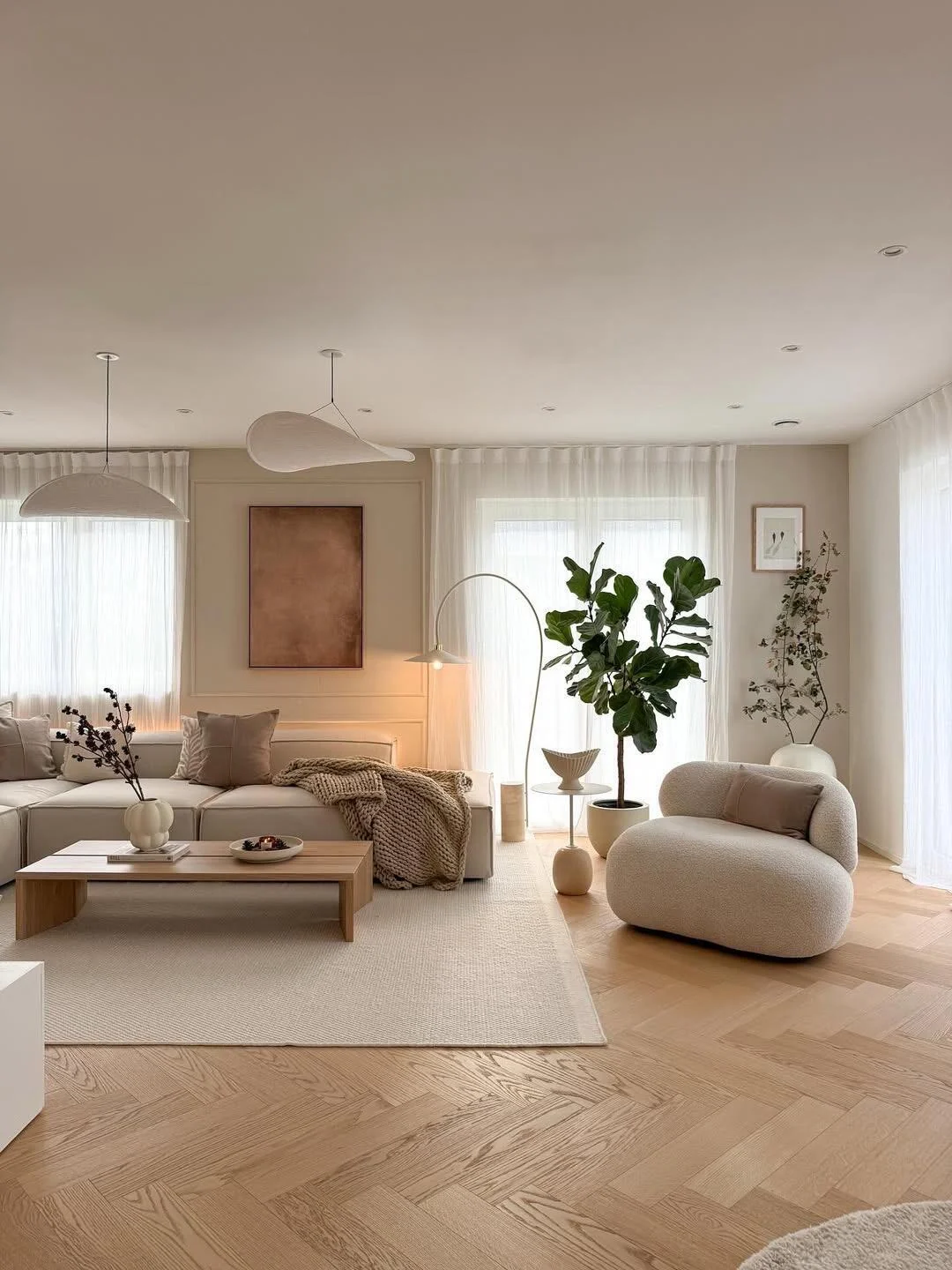
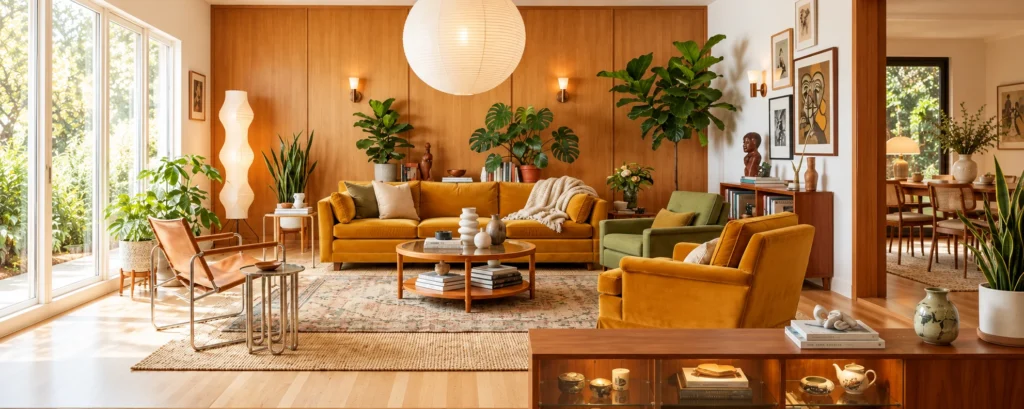
Scandinavian interiors prioritize functional comfort, natural materials and light. Japandi often combines those ideas with Japanese-inspired restraint and craft. Mid-Century Modern more visibly celebrates the furniture forms and design history of the mid-20th century. They overlap, but they are not interchangeable labels.
2. Six Characteristics of Scandinavian Furniture and Interiors
The best way to recognize the style is to look beyond the color scheme. These six principles work together: a pale room without comfort, useful storage or natural texture may be minimalist, but it will not necessarily feel Scandinavian.
Function-led shapes
Choose seating, tables and storage for how they support daily routines.
Natural light
Use open sightlines, sheer window treatments and reflective surfaces sparingly.
Light or warm timber
Oak, ash and carefully selected veneers add grain without visual heaviness.
Soft, useful textiles
Linen blends, wool, woven rugs and bouclé can soften simple forms.
Calm color relationships
Build around a few related tones, then introduce one controlled accent.
Intentional storage
Conceal daily clutter while leaving room for meaningful objects.
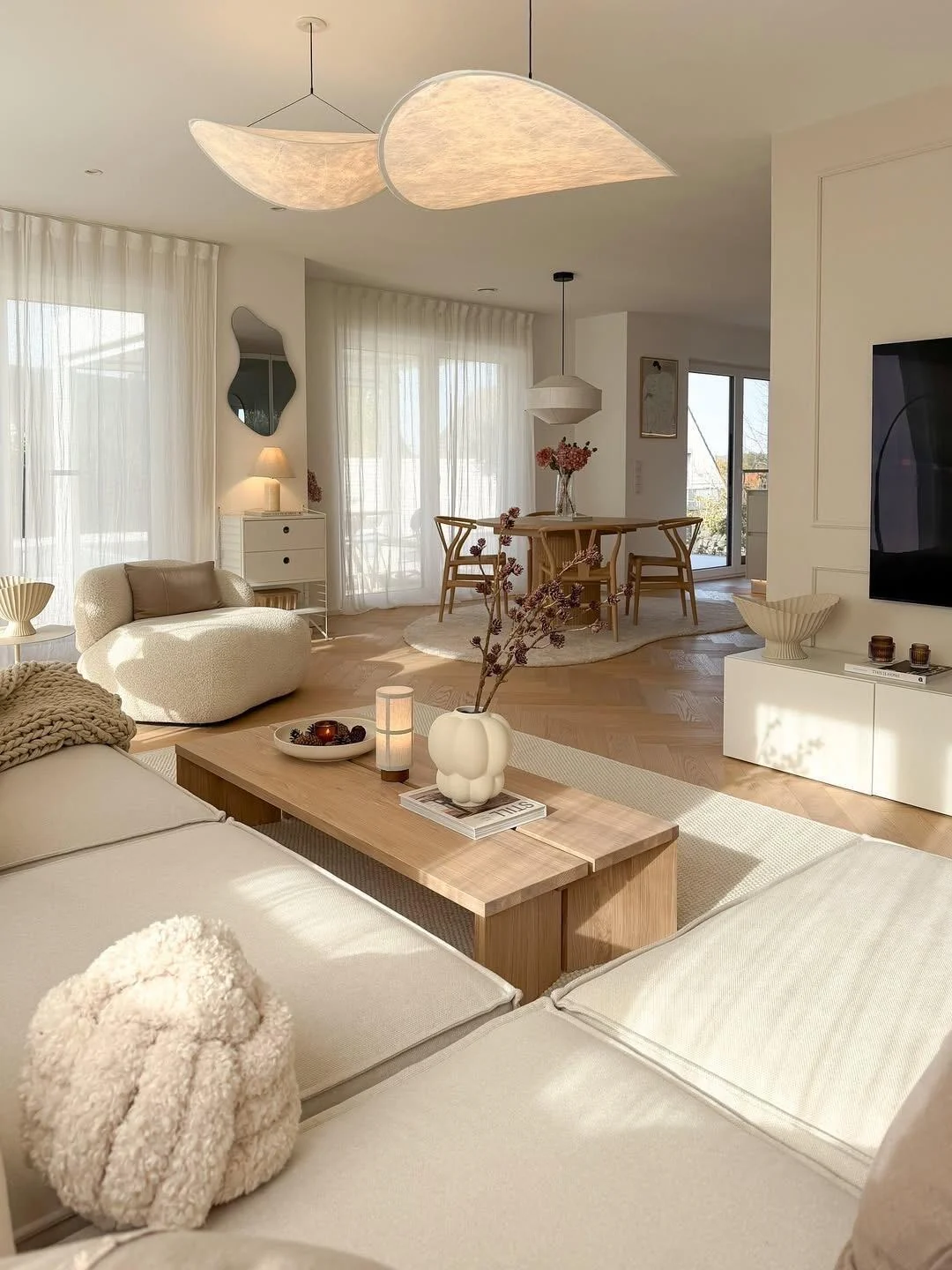
3. Choose a Warm Scandinavian Color Palette and Natural Materials
Start with the surfaces that cover the most area: walls, flooring and large upholstery. A useful foundation is warm white or soft oatmeal, light oak or ash, and a small amount of mid-tone wood for contrast. Repeat the same wood undertone in two or three places rather than trying to match every surface perfectly.
What materials work best?
Oak and ash are practical starting points for light-toned tables, chairs and storage; both show visible grain, but they differ in character and performance. Natural veneer can give large cabinet fronts a consistent appearance when the substrate and edge construction are properly specified. For upholstery, prioritize hand-feel, cleaning requirements and the quality of the underlying frame—not just a fabric name.
For a material-by-material comparison, see Ratahome's wood selection guide and engineered wood and veneer guide.
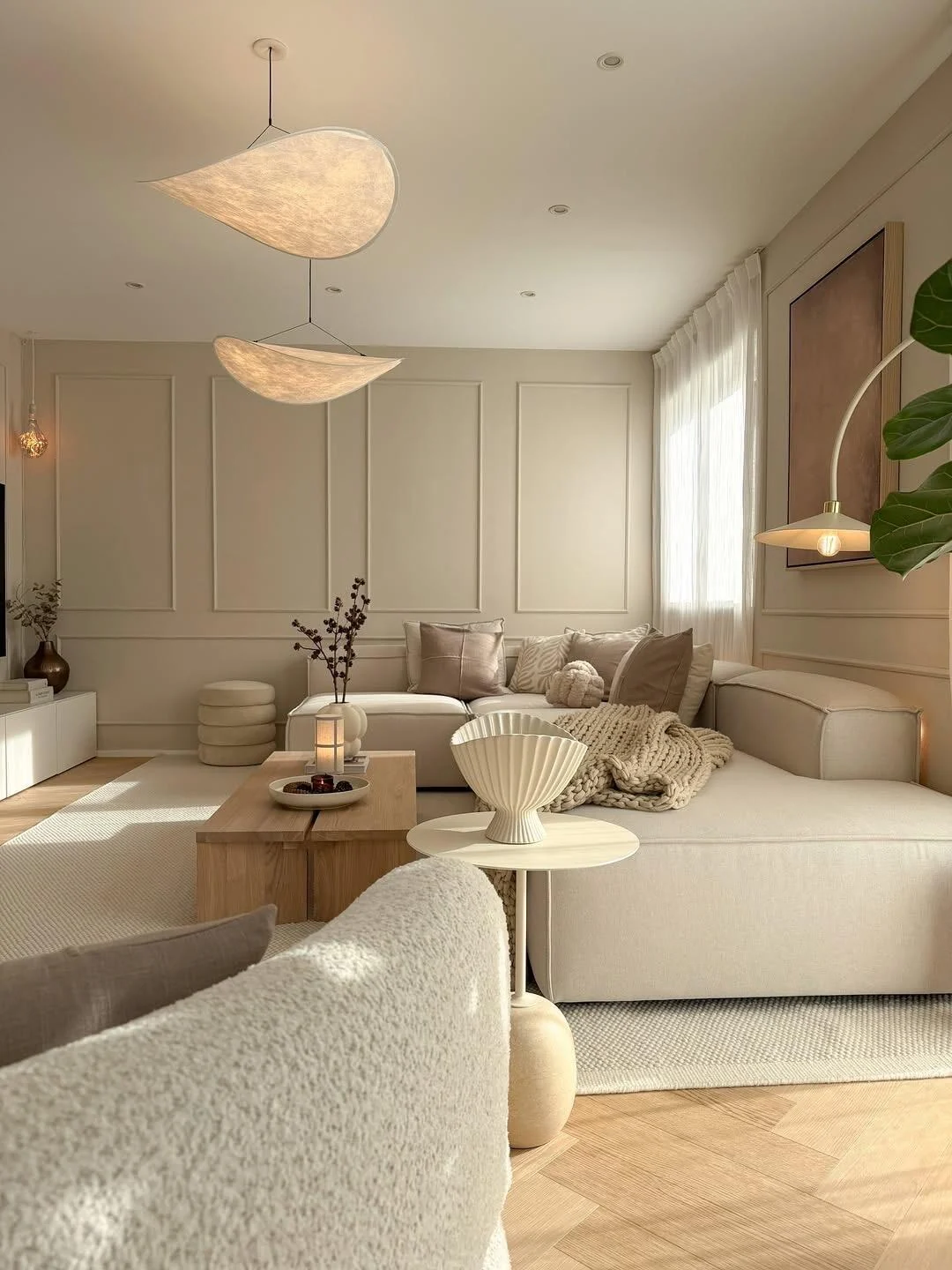
Keep the base palette quiet, but vary texture. A wool rug, matte timber, a nubby chair and a smooth ceramic vessel do more work than adding five unrelated accent colors.
4. How to Design a Scandinavian Living Room
A Scandinavian living room starts with the seating plan. Place the sofa where conversation and movement both feel natural. Add a coffee table that can be reached comfortably, one chair with a different silhouette, and lighting at more than one height. Keep enough floor visible around the grouping so the room feels generous.
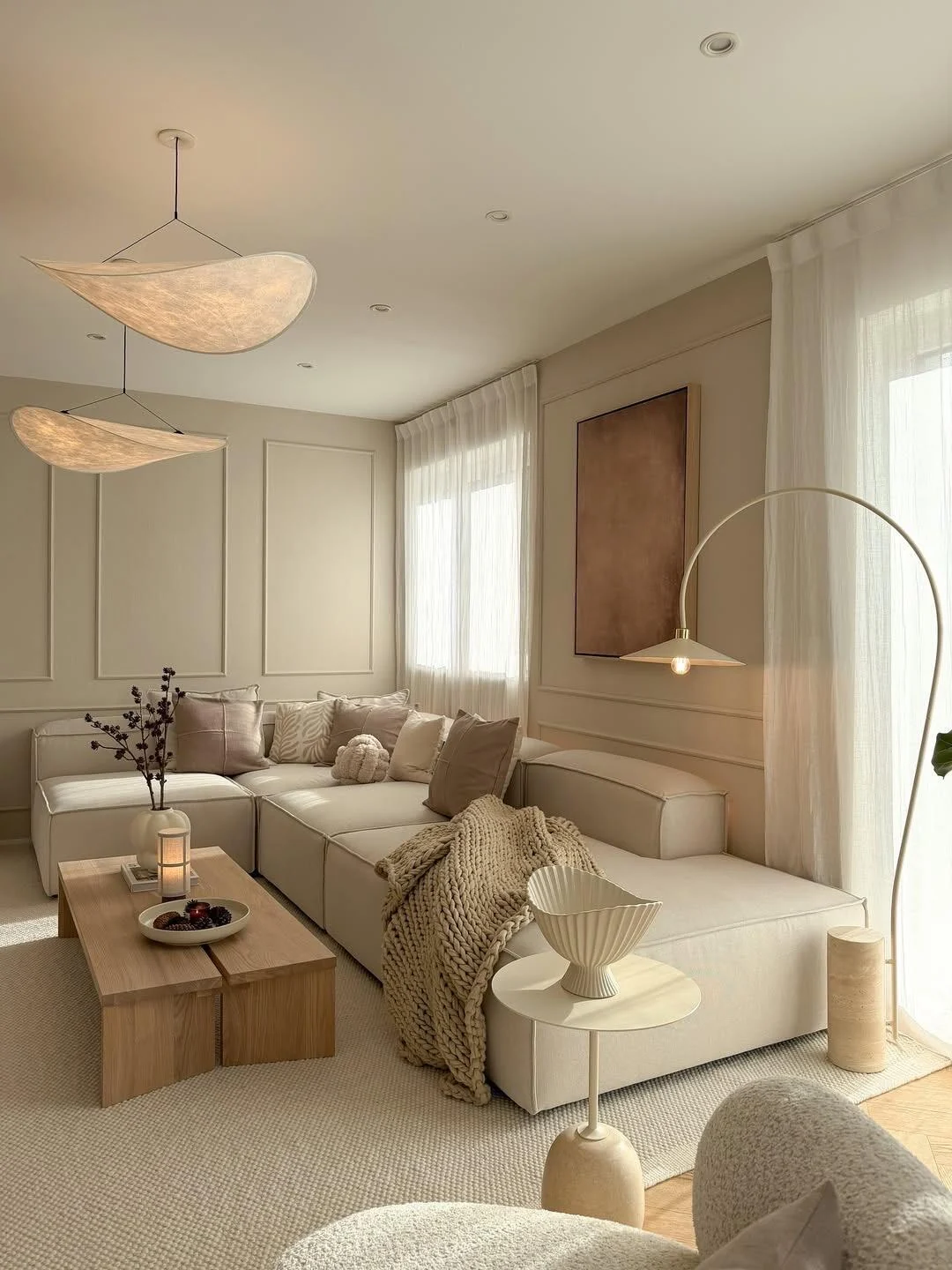
Choose the sofa before the accessories
Look for a sofa depth that suits the people using it, supportive cushions, a frame that resists racking and upholstery that matches the household's cleaning needs. Soft shapes work well in Scandinavian spaces, but softness should not mean a weak structure. Ratahome's sofa construction guide explains what to check beneath the upholstery.
Then layer a low-pile or textured rug, a restrained side table and a few objects with different heights. If the room looks unfinished, try adjusting lighting and textile weight before buying more decor.
5. How to Choose Scandinavian Dining Furniture
The dining area should look simple and feel easy to use. A round table helps conversation and circulation in compact rooms; a rectangular table can make better use of a long space. Pale timber, woven chair seats and soft pendant lighting create warmth without heavy ornament.
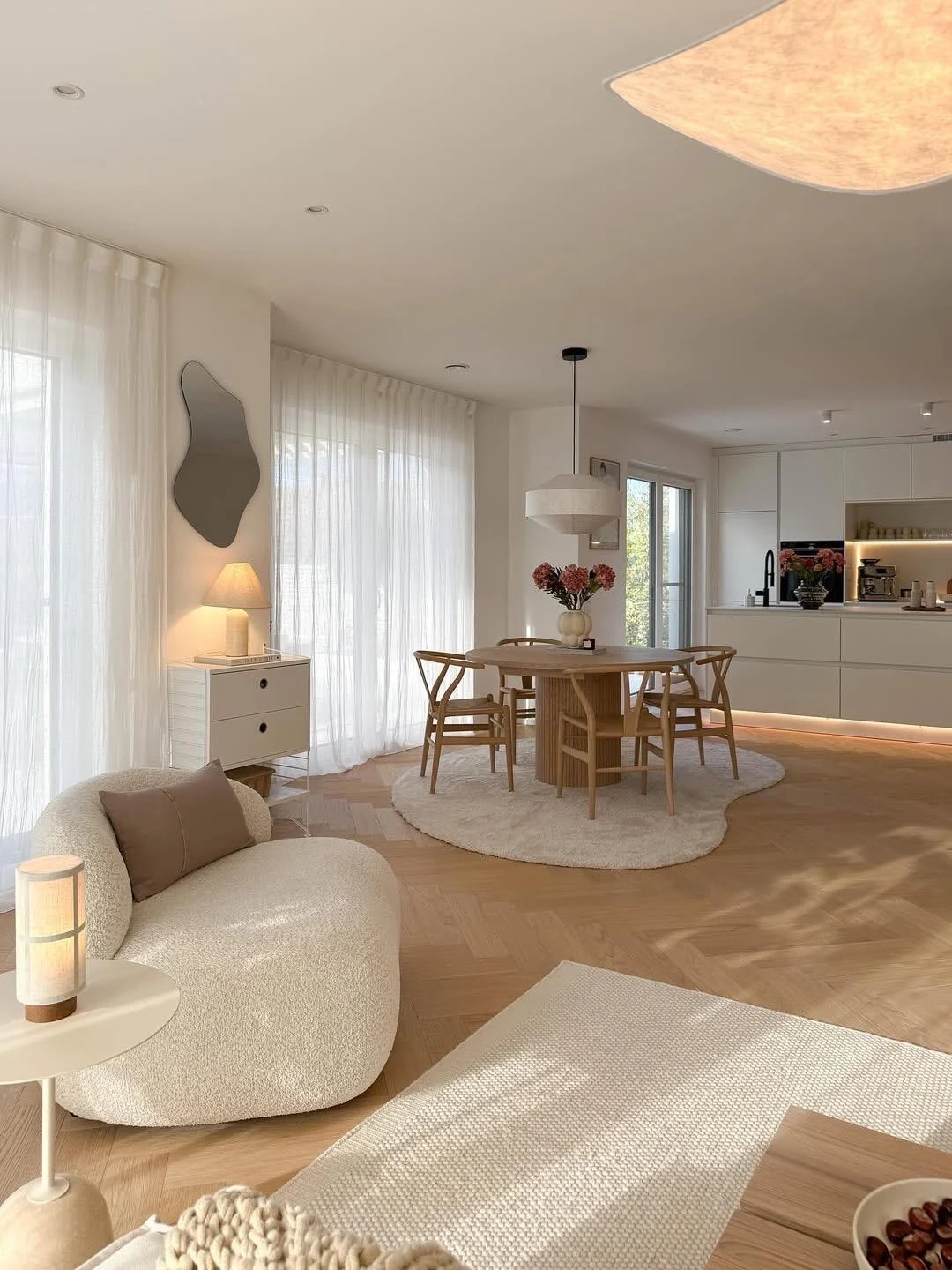
| Decision | What to check |
|---|---|
| Table dimensions | Allow practical chair pull-out and a clear route around the table; verify with your actual floor plan. |
| Chair comfort | Test seat height, back angle, edge radius and stability—not only the silhouette. |
| Wood finish | Request a sample and ask how the surface handles everyday spills and cleaning. |
| Pendant height | Confirm light spread, sightlines and head clearance before finalizing the drop. |
6. Scandinavian Kitchens: Keep Storage Quiet and Surfaces Practical
A Scandinavian kitchen is not simply a white kitchen. Its calm appearance comes from planning: storage follows daily routines, handles and reveals are consistent, and visible materials are kept to a manageable number. Flat or subtly framed cabinet fronts work well with light wood accents and restrained hardware.
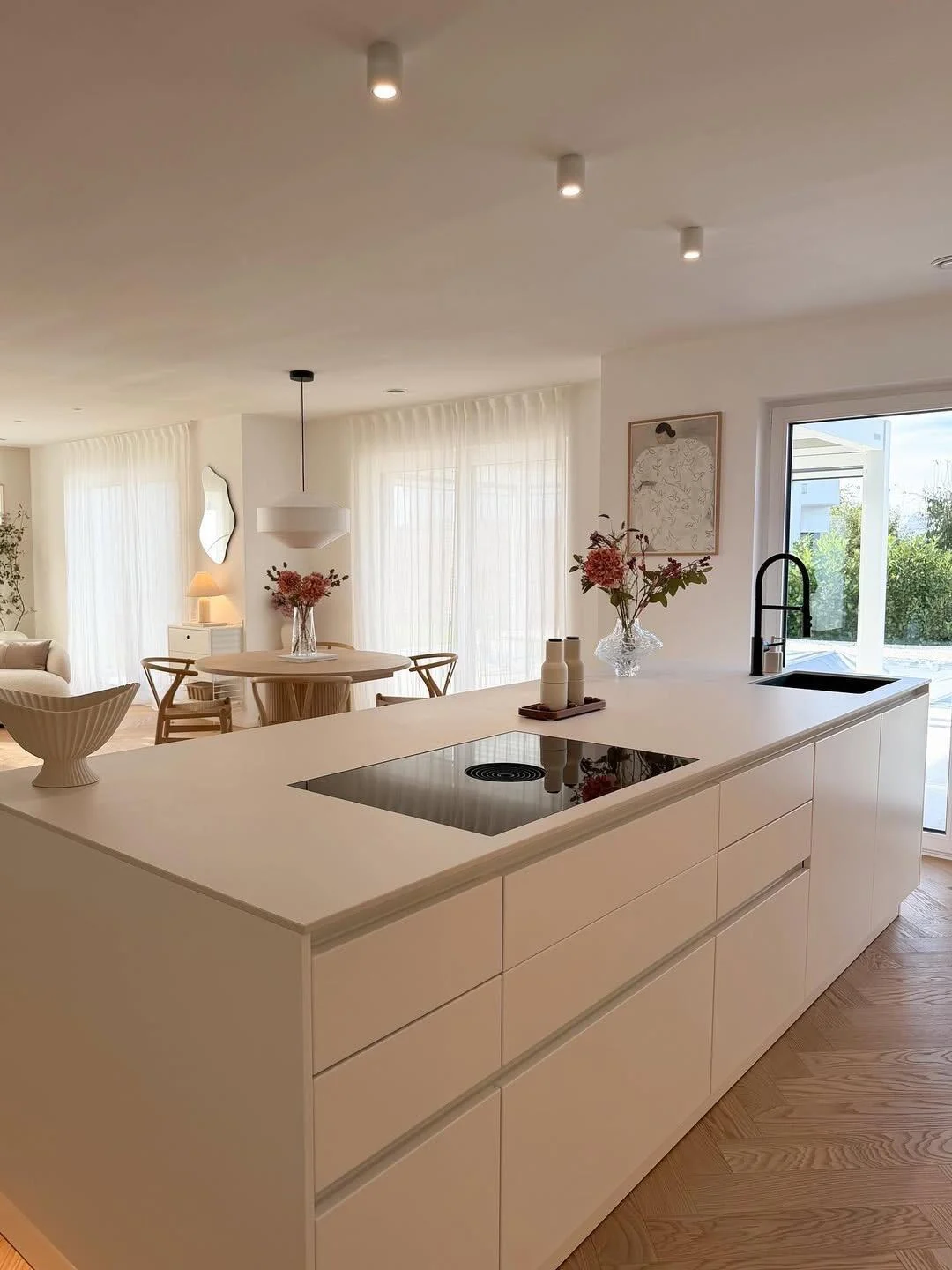
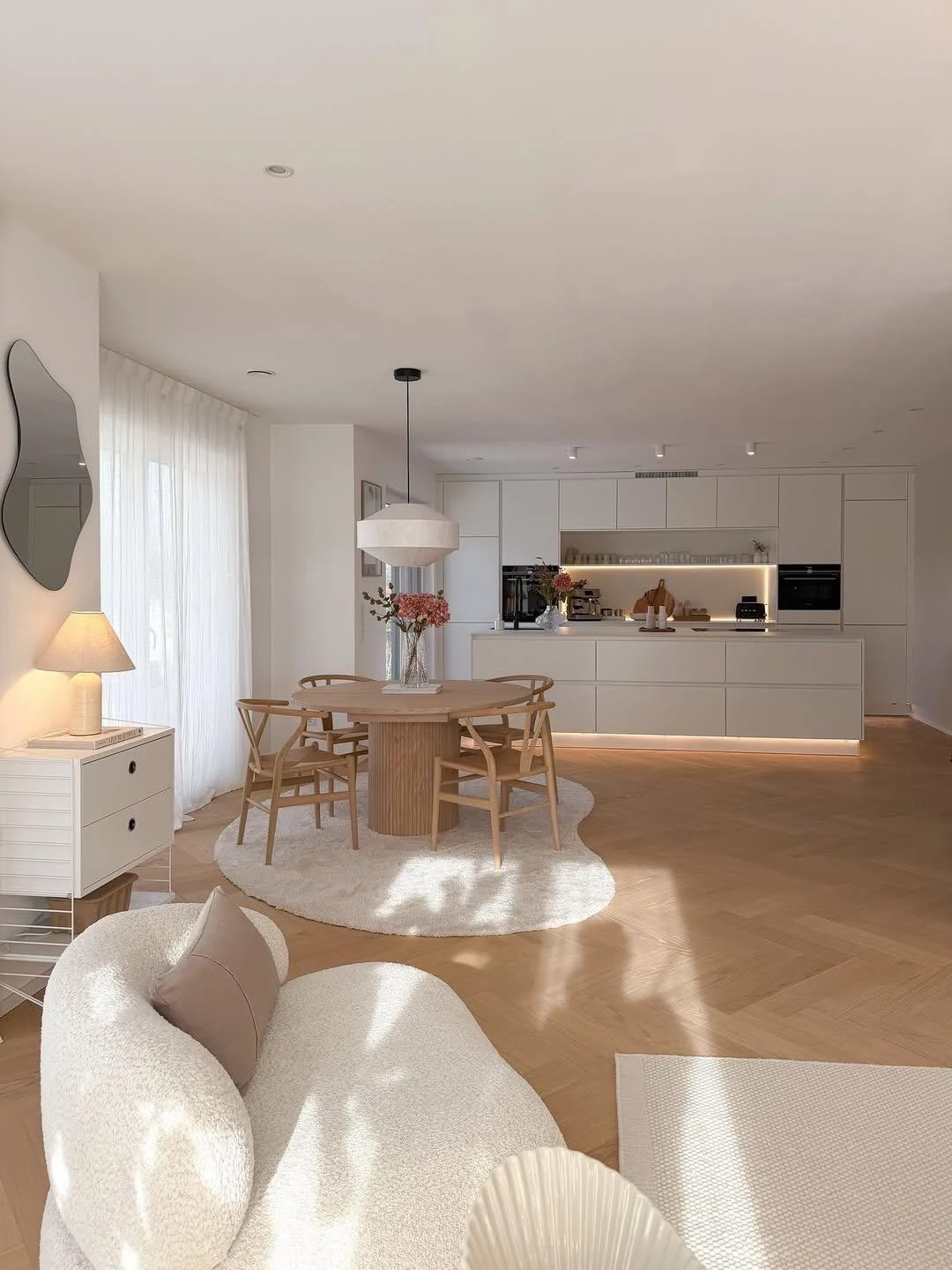
Specify the parts you cannot see in a rendering
For custom cabinetry, ask about carcass material, moisture resistance where relevant, drawer runners, hinge quality, edge protection and the finish system. Good cabinet proportions are important, but long-term satisfaction also depends on alignment, hardware and repeatable factory quality. Read how cabinets are made before approving a kitchen package.
7. How to Create a Calm Scandinavian Bedroom
Bedrooms benefit from fewer, better-coordinated pieces. Choose a bed with a supportive structure and a comfortable headboard, then keep bedside storage proportionate to the mattress and the available circulation space. Layer bedding in nearby neutral tones so texture—not busy pattern—provides the interest.
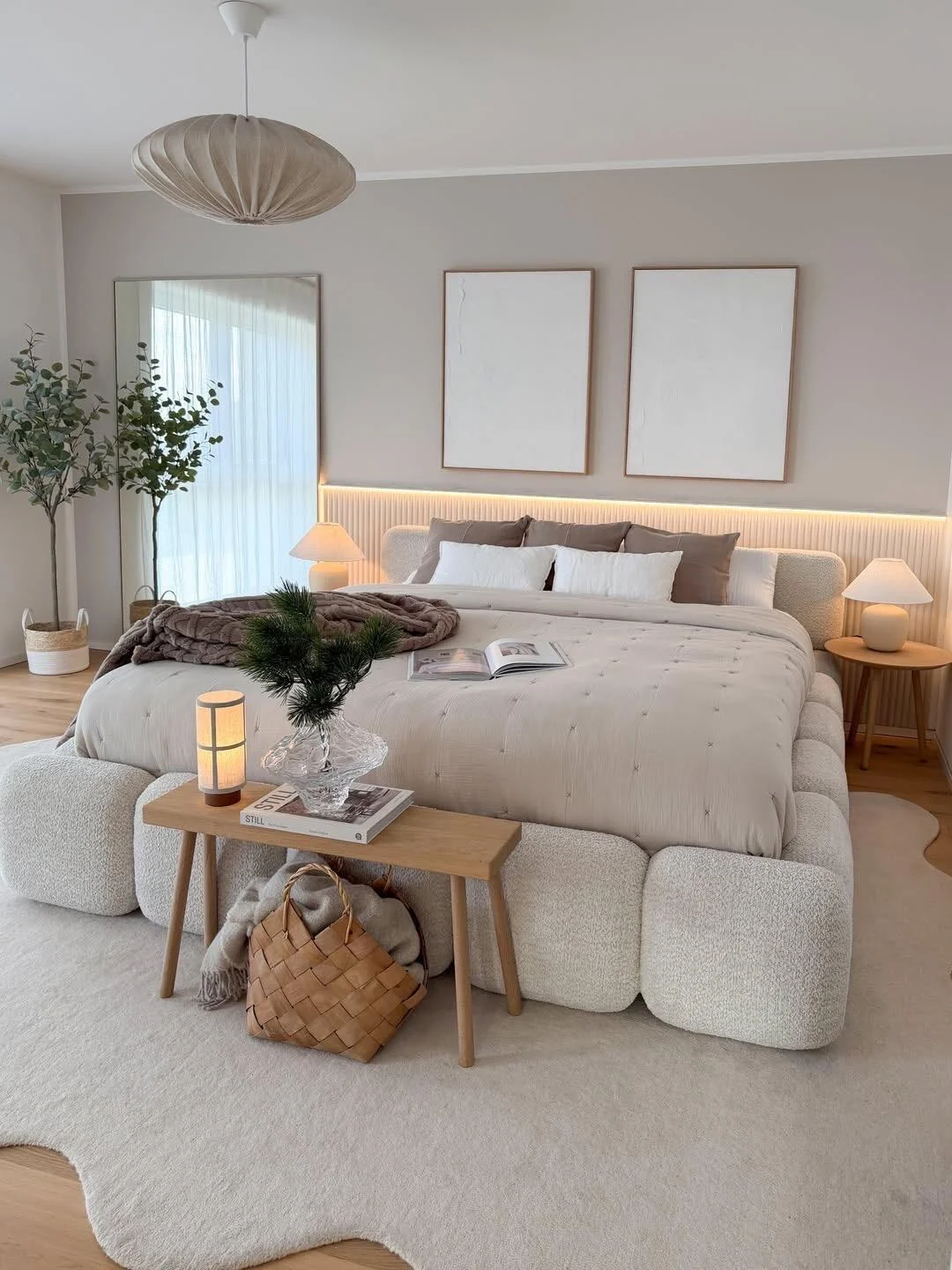
Use bedside lamps or wall lights for reading, a dimmable ambient source for evening use, and a rug large enough to feel intentional. If storage is limited, built-in wardrobes with a quiet finish can preserve the room's calm better than several freestanding units.
8. Layer Scandinavian Lighting and Tactile Details
Lighting is one of the fastest ways to make a minimalist room feel hospitable. Instead of relying on a single bright ceiling fixture, combine ambient light for overall visibility, task light for reading or cooking, and accent light to give the room depth after dark.
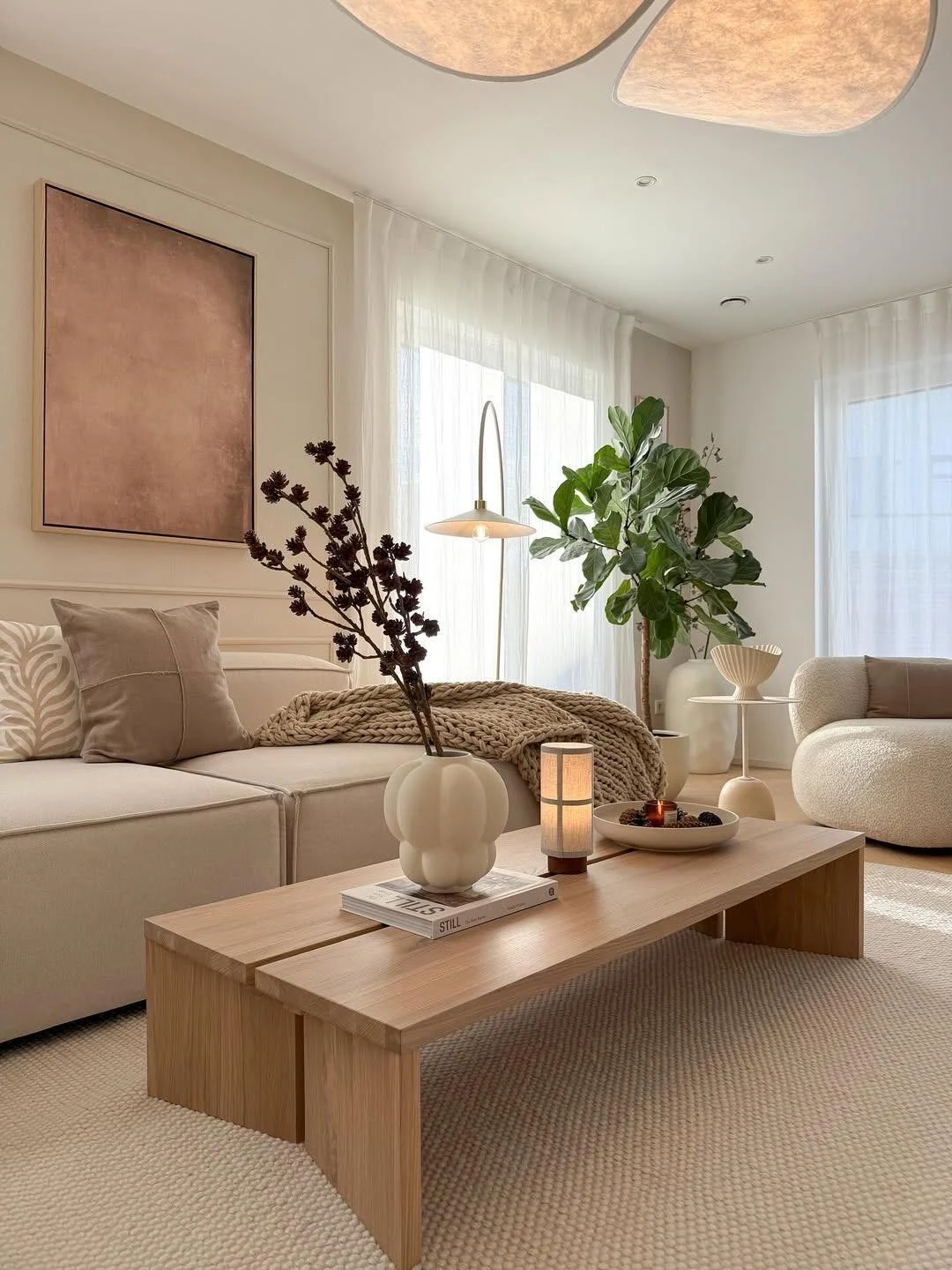
Why paper shades, curved lamps and sheer curtains work
Translucent shades spread light across a larger surface, curved lamps introduce an organic line, and sheer curtains soften daylight without removing it. Match bulb color temperature across neighboring fixtures to avoid a room that feels visually inconsistent. Finish with tactile accessories—ceramics, throws, natural baskets or books—but leave enough empty surface for everyday use.
9. How to Check Scandinavian Furniture Quality Before Ordering
Minimal furniture reveals defects quickly. A clean table edge, narrow chair rail or flush cabinet door gives the eye fewer distractions, so proportion and workmanship matter. Before buying or commissioning a full-room package, evaluate the construction behind the style.
Check frame stiffness, rail-to-leg joints, drawer-box connections and assembly accuracy.
Confirm species or substrate, grain matching, edge treatment and moisture expectations.
Review a physical sample for color, sheen, touch and resistance appropriate to the room.
Test seat support, drawer travel, soft-close behavior, door gaps and handle feel.
Verify room clearances, doorway access, installation tolerances and final measurements.
Request detail photos, trial-assembly records and a pre-shipment inspection plan.
For a deeper construction checklist, explore Ratahome's furniture joinery guide. For a whole-home project, coordinate furniture, lighting and cabinetry as one specification rather than selecting each category in isolation.
10. Scandinavian Seasonal Styling Without Adding Clutter
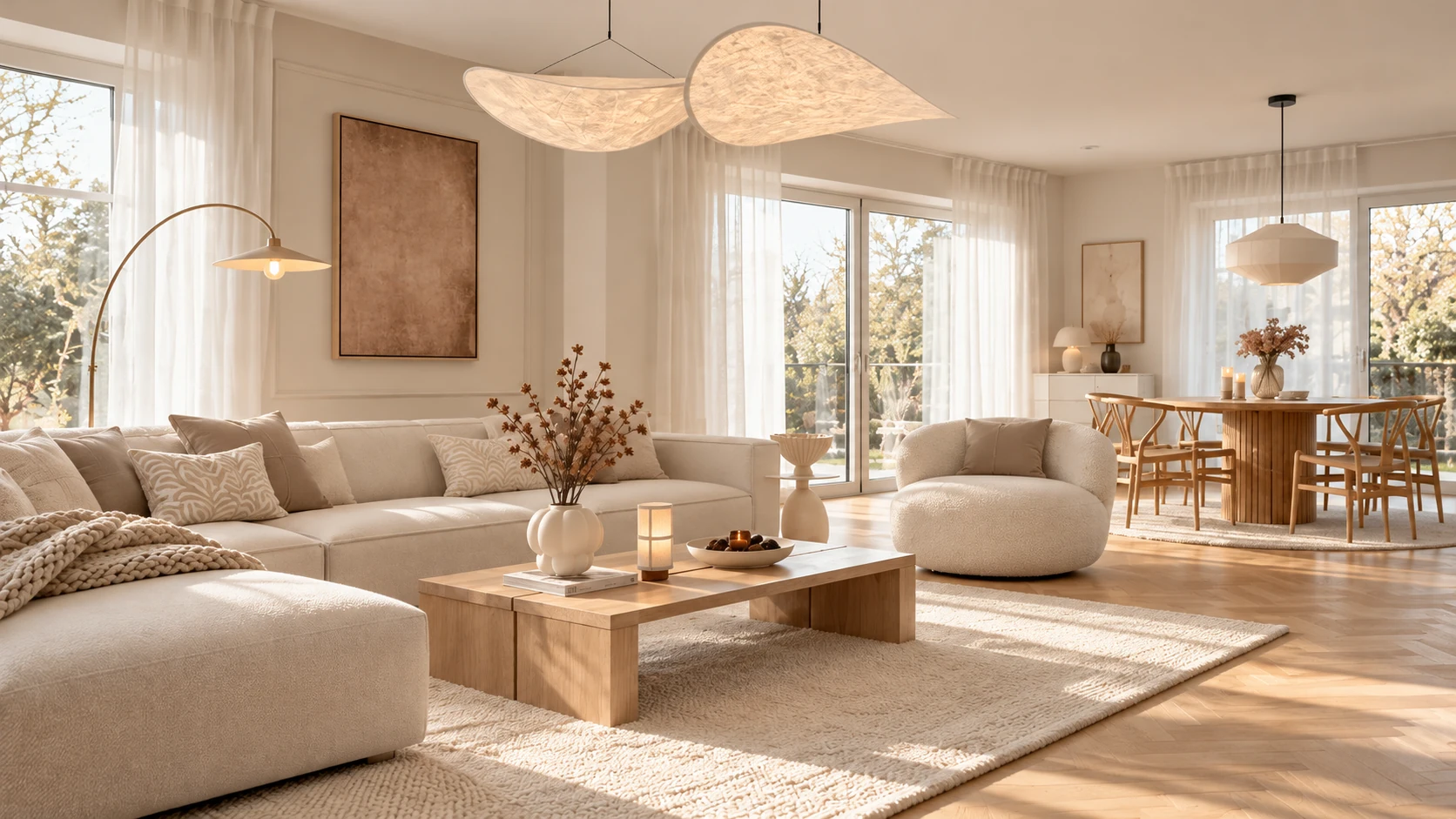
One strength of a quiet Scandinavian base is its flexibility. The same sofa, dining table and floor can support different seasons through a small number of changes: a centerpiece, branches, a different throw or warmer evening lighting. Avoid replacing the core furniture each time the room's mood changes.
The seasonal living-and-dining arrangement combines a wide room view, a dining setting and a closer table view.
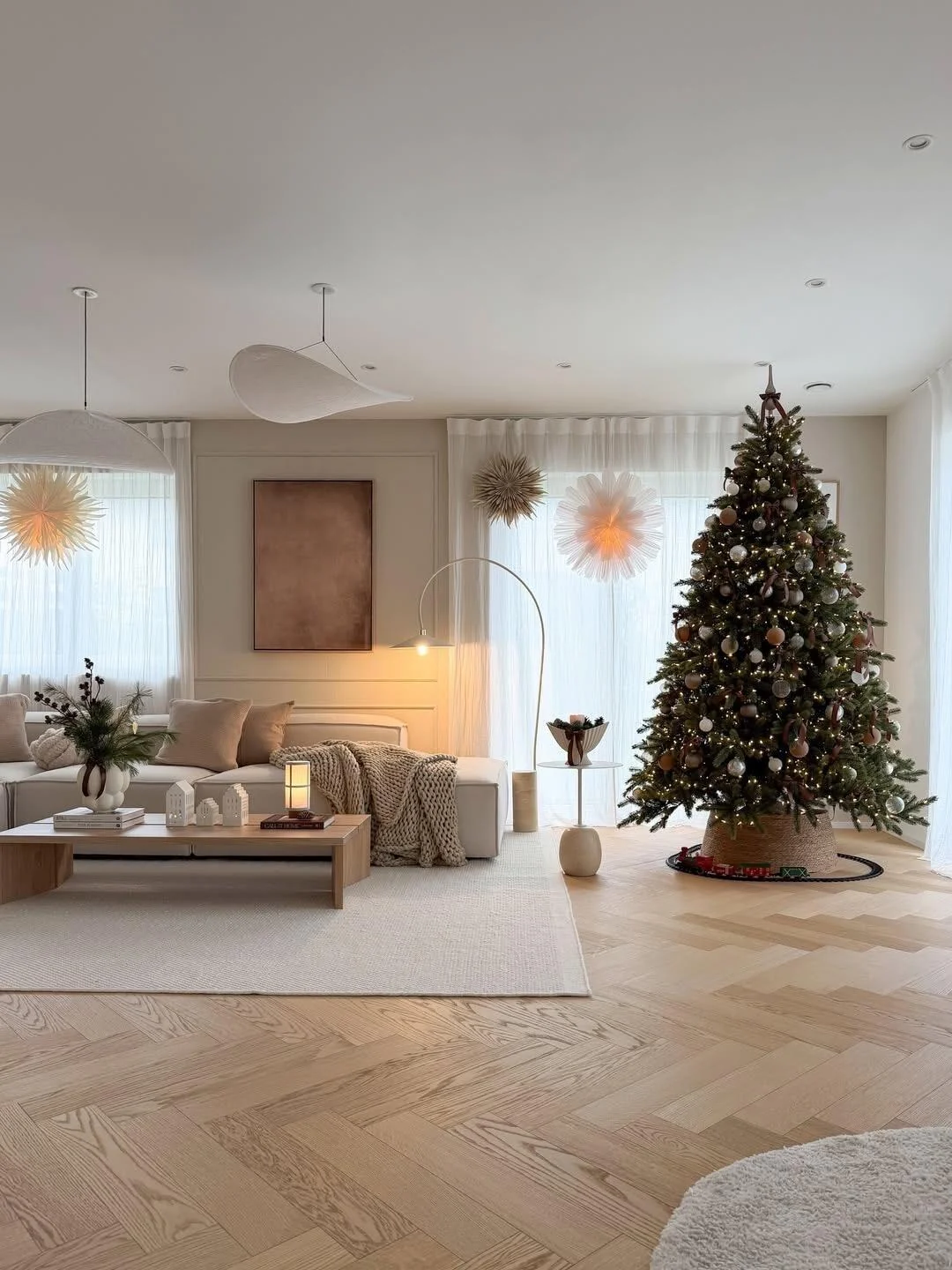
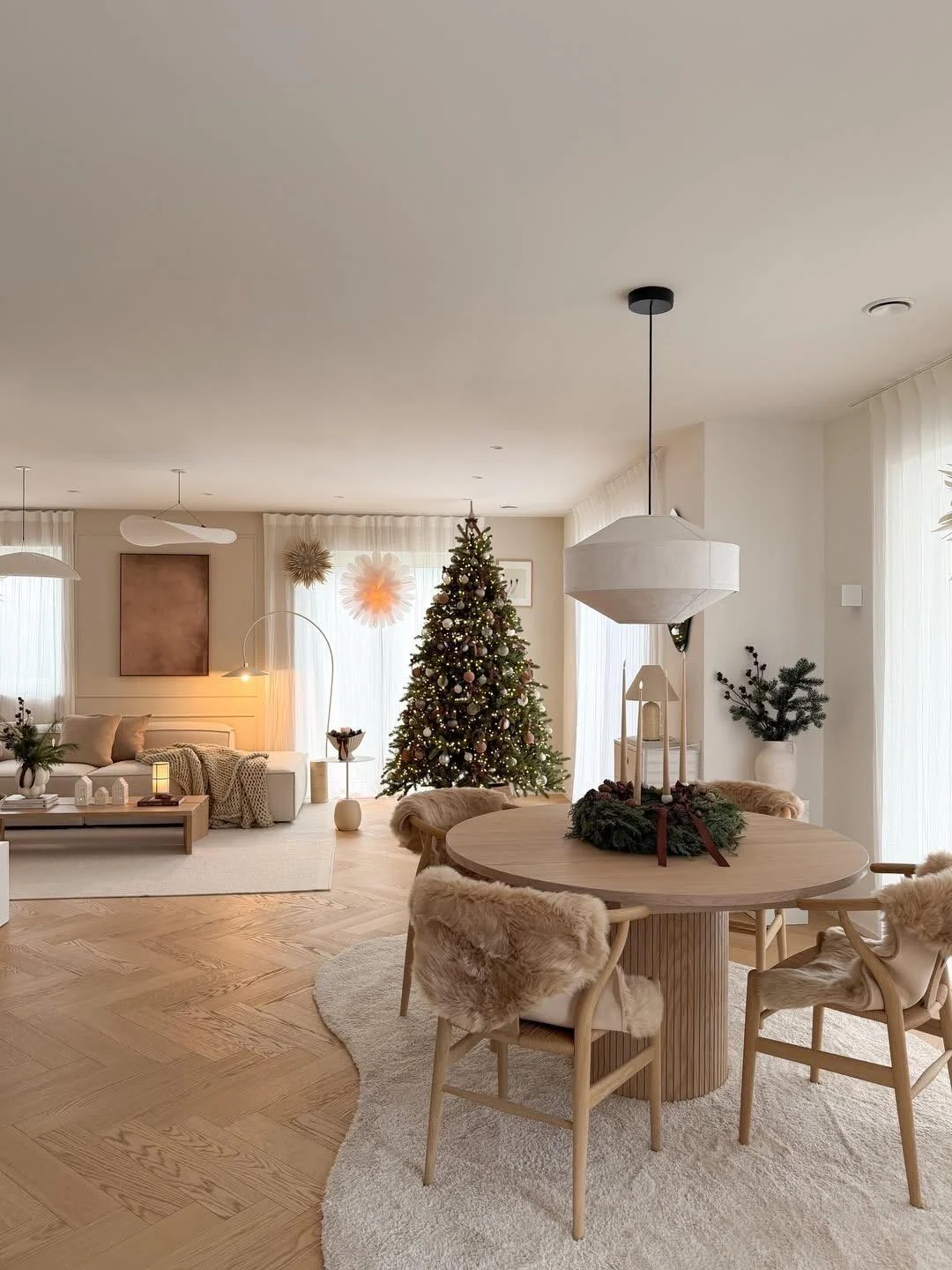
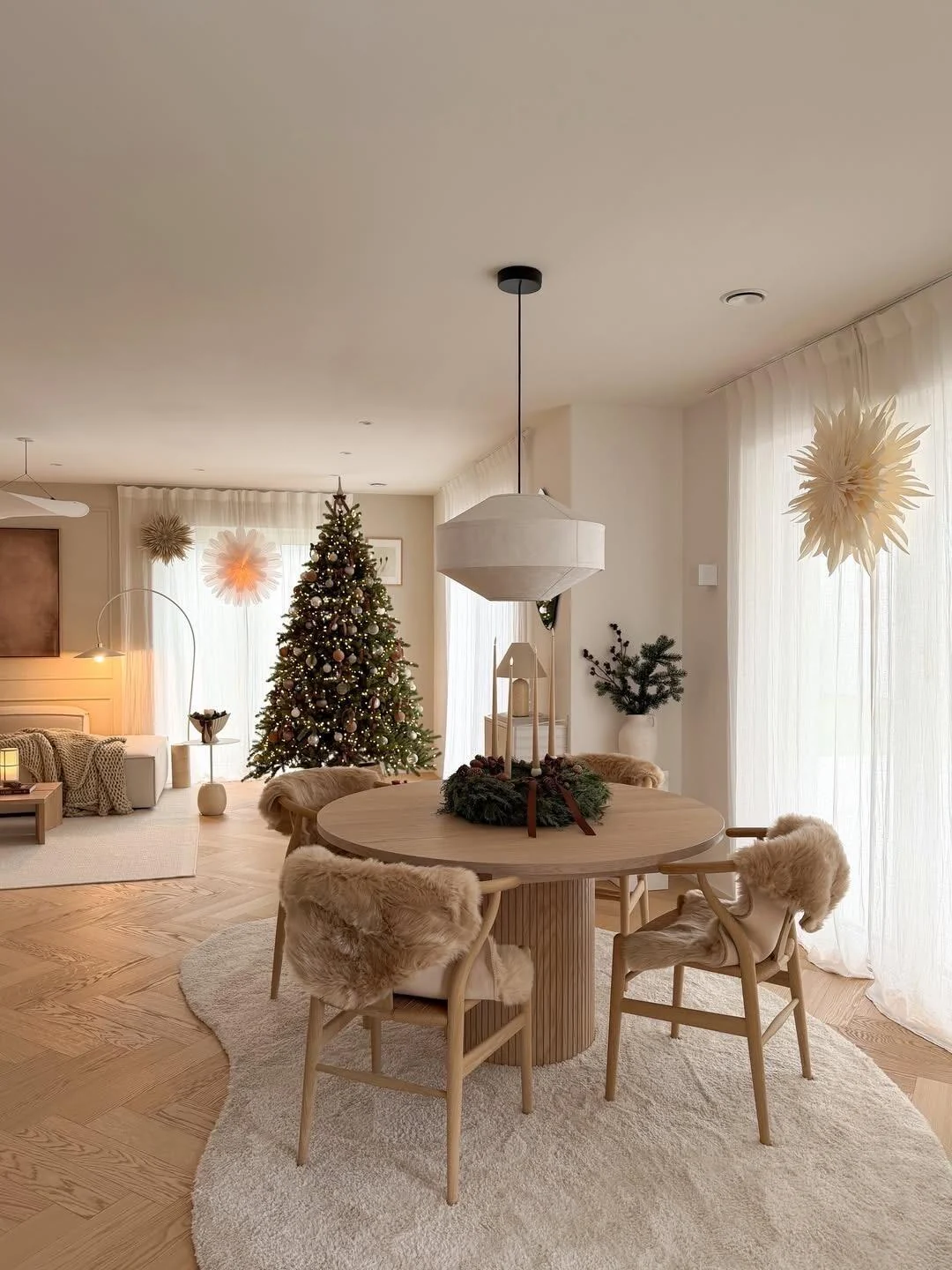
Invest in furniture with good proportions and construction; change smaller accents over time. That approach is more adaptable than designing around a single photograph or social-media palette.
11. Scandinavian Interior Design: Frequently Asked Questions
What are the main characteristics of Scandinavian interior design?
Functional furniture, natural light, clean lines, wood, tactile textiles, controlled color and practical storage. Comfort is as important as visual simplicity.
Which wood is best for Scandinavian furniture?
Light oak and ash are common choices for their pale appearance and visible grain. The best species still depends on the furniture part, required strength, budget and finishing method.
Can a Scandinavian home use dark furniture?
Yes. A dark walnut cabinet or charcoal chair can create useful contrast when the overall room remains balanced and the darker element is repeated thoughtfully.
Is Scandinavian style the same as minimalism?
No. They share a preference for clarity, but Scandinavian interiors typically put more emphasis on everyday comfort, warmth, natural materials and lived-in practicality.
How can I make a small room feel Scandinavian?
Prioritize clear circulation, furniture scaled to the room, flexible storage, daylight and a few coherent materials. A smaller room benefits more from the right dimensions than from buying more decor.
What should I send a factory for custom Scandinavian furniture?
Share a floor plan, reference images, target dimensions, preferred wood and upholstery, functional needs, budget range and destination. Request material samples and construction details before production.
Make the Scandinavian Look Work for Your Floor Plan.
Ratahome helps coordinate furniture, cabinetry, materials and sourcing around your space—not just a mood board. Share your floor plan, style references and priorities to begin a practical project conversation.
SHARE YOUR FLOOR PLAN