A strong buying decision usually comes from structured comparison, not from appearance alone. Before shortlisting a dining table, you should understand the room use, the material behavior, the target finish level, and the supplier’s ability to build consistently.
For project-led sourcing, the best workflow is simple: define the room and seating requirement, narrow the material family, review construction logic, compare factories with evidence, and only then confirm pricing and shipping details.
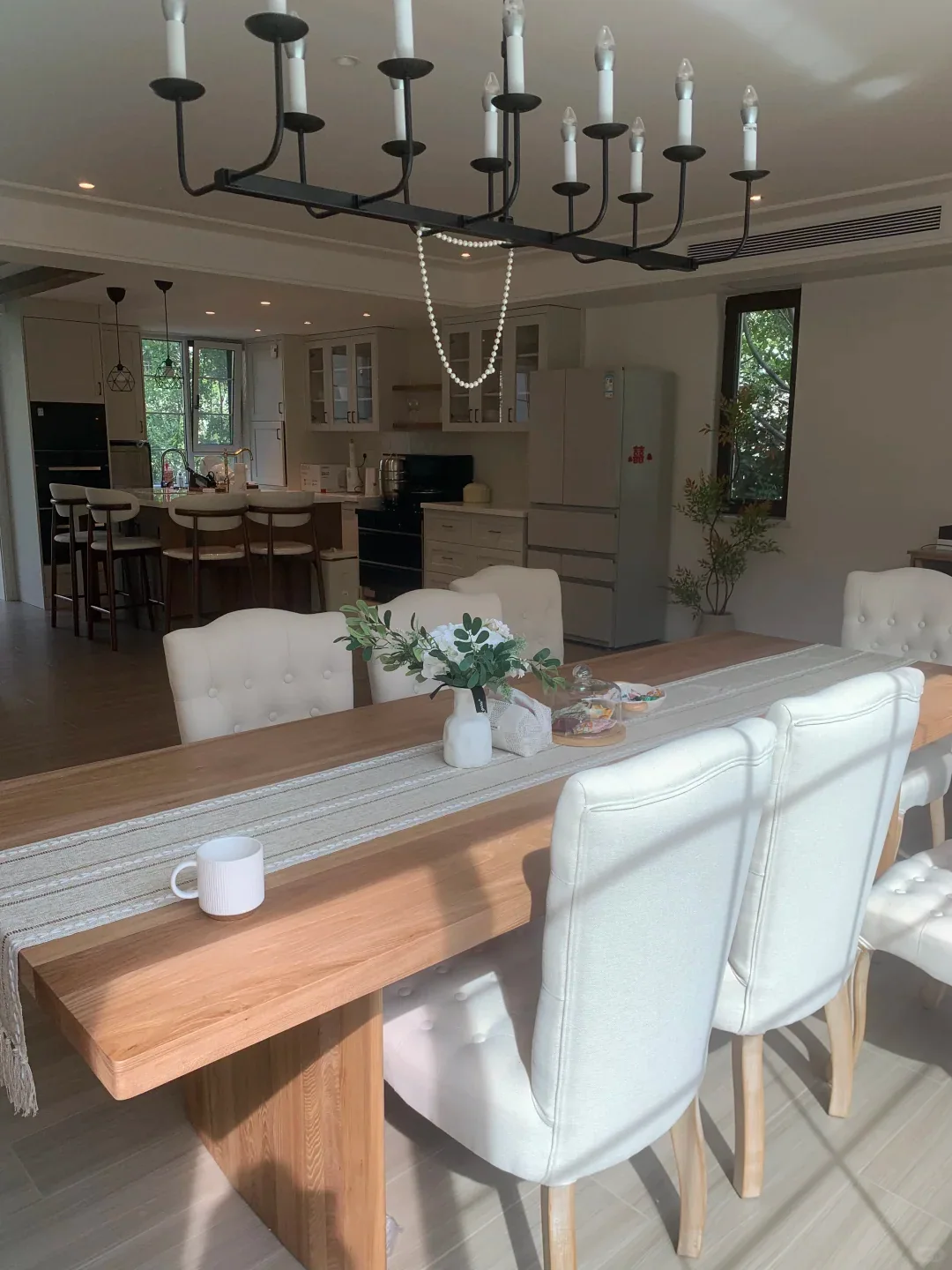
Added visual reference: a long solid-wood dining table in a lived-in family setting. This helps the opening section feel grounded and removes the empty area in the previous version.
Project at a glance
- Best for: residential projects, designer procurement, hospitality dining spaces, and whole-home packages
- Key checkpoints: material, structure, dimensions, finish quality, factory evidence, and shipping plan
- Most common mistake: approving a table by photo only, without checking construction and packaging details
- Best next step: collect floor plan, seat count, preferred style, finish direction, and delivery country before requesting quotations
Start with material logic, not just appearance
Why material comes first
Stone, ceramic, solid wood, and veneer each require a different construction strategy. Material affects weight, edge detailing, support structure, shipping risk, and the overall feeling of the piece in the room.
- Stone & ceramic: strong visual presence, but stricter demands on support, edges, and packaging.
- Wood & veneer: warmer residential feel, but grain direction, edge finishing, and color consistency matter more.
- Mixed-material tables: attractive in projects, but transitions between top, base, and trim must be engineered carefully.
To browse usable references before narrowing your shortlist, visit the dining tables & chairs collection.
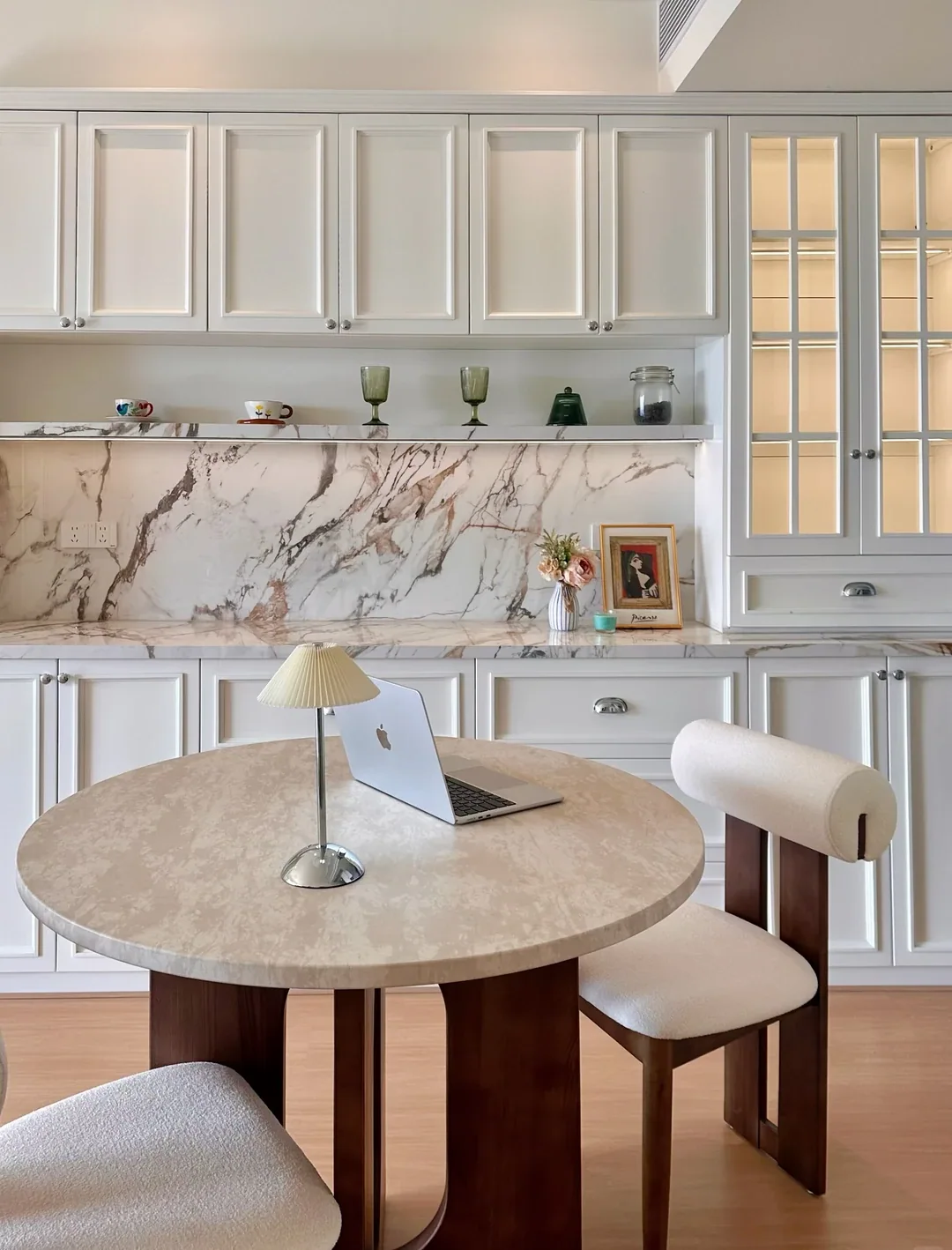
Round dining formats are useful where circulation happens on multiple sides or where a softer, more intimate conversation layout is preferred.
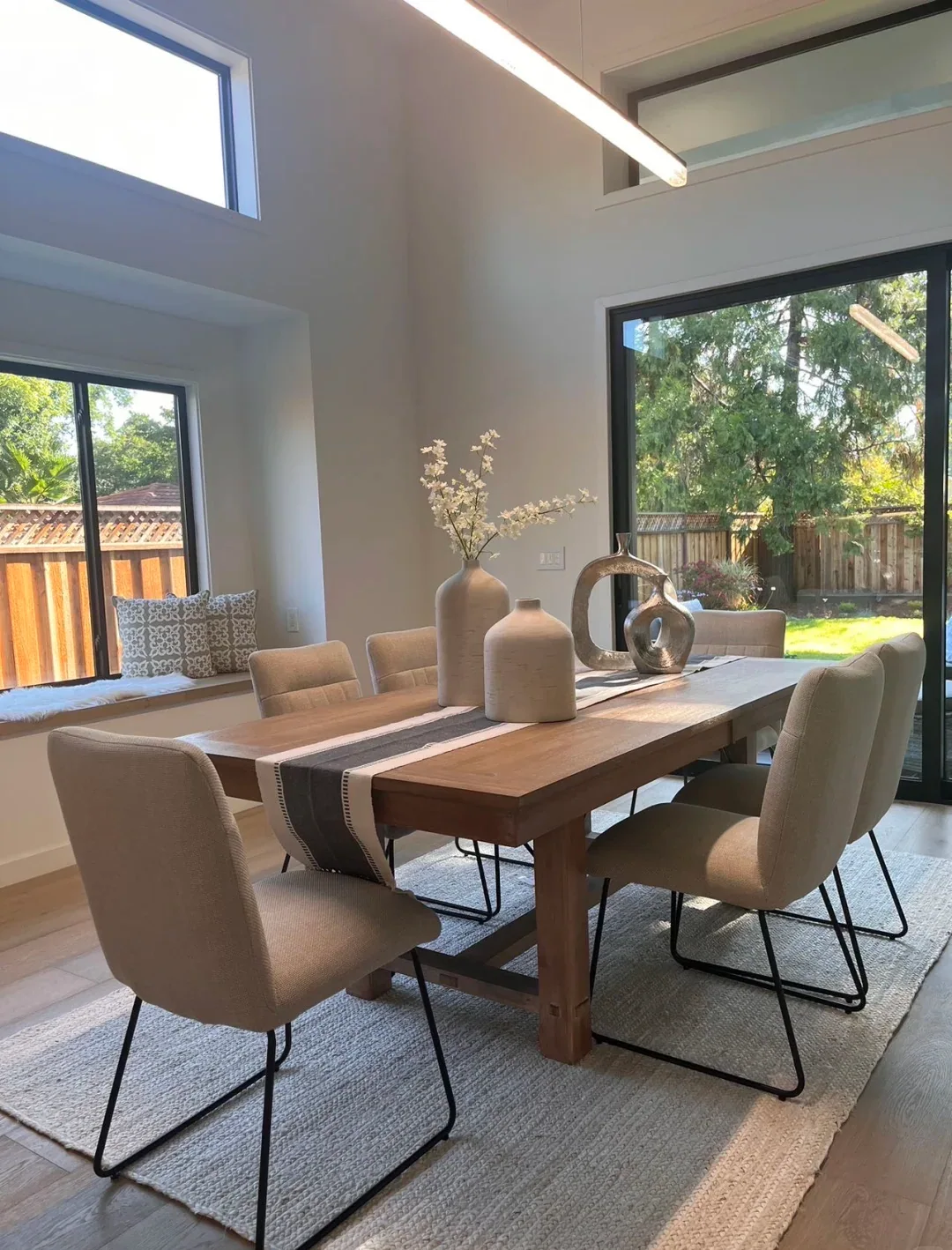
Rectangular wood tables often work best in long dining rooms, open-plan layouts, or family spaces that need stronger seating capacity.
Construction details determine long-term confidence
A table can photograph well and still be weak in production. Construction review is where buyers verify how the tabletop is built, how the base supports load, and how finish details are resolved.
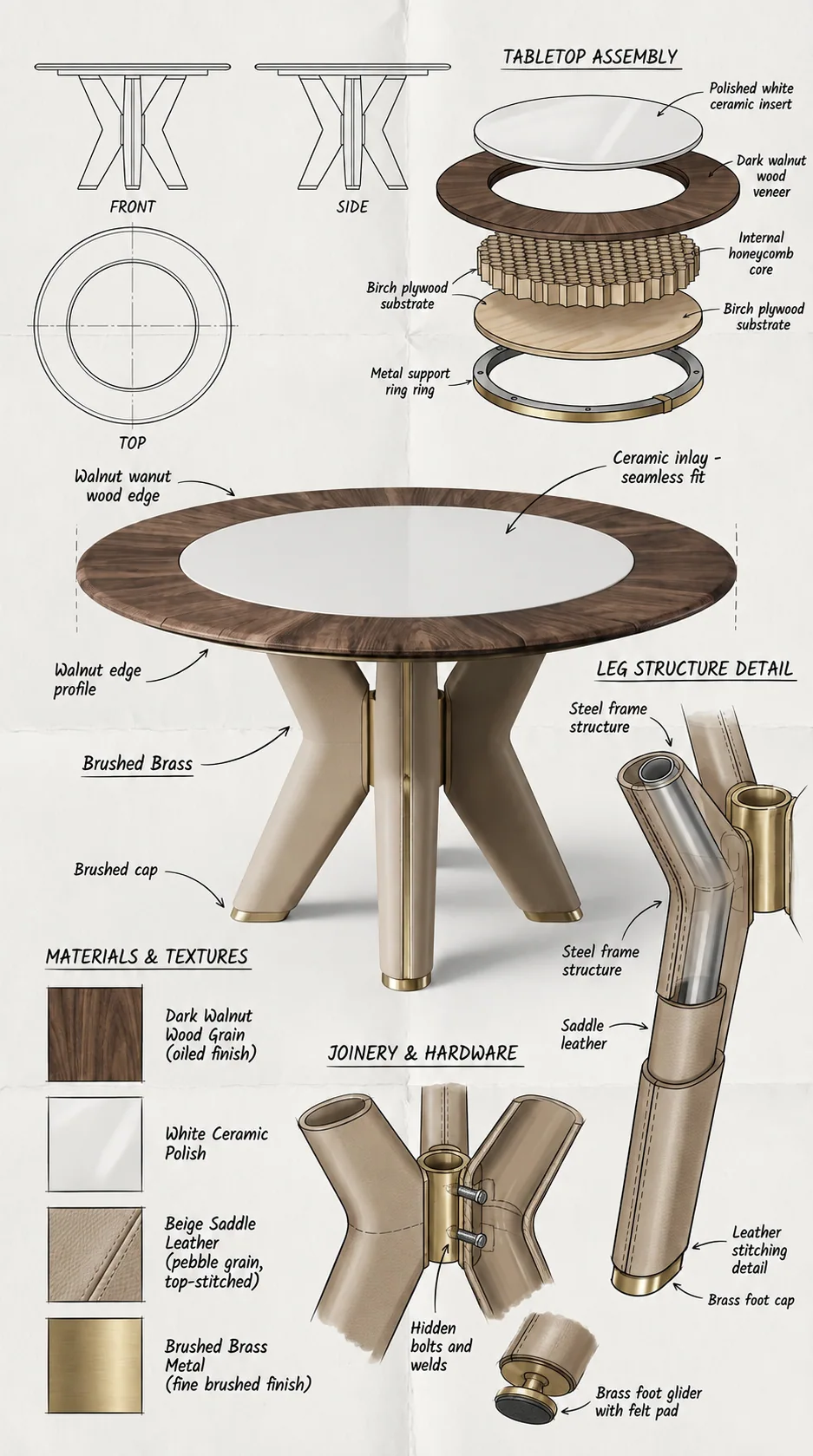
The updated structure image has been placed in the article content to support the construction section directly.
What to check in a structure review
- Top composition: substrate, reinforcement, support rings, and edge treatment
- Base logic: internal metal support, hidden hardware, and load path from top to floor
- Joinery: welding quality, bolt access, assembly sequence, and foot glides
- Transitions: where stone meets wood, and where metal meets leather or other wrapped materials
When a supplier can explain the structure clearly with diagrams or close-up details, you usually get fewer surprises during production and installation.
Real dining room examples help clients compare scale and mood
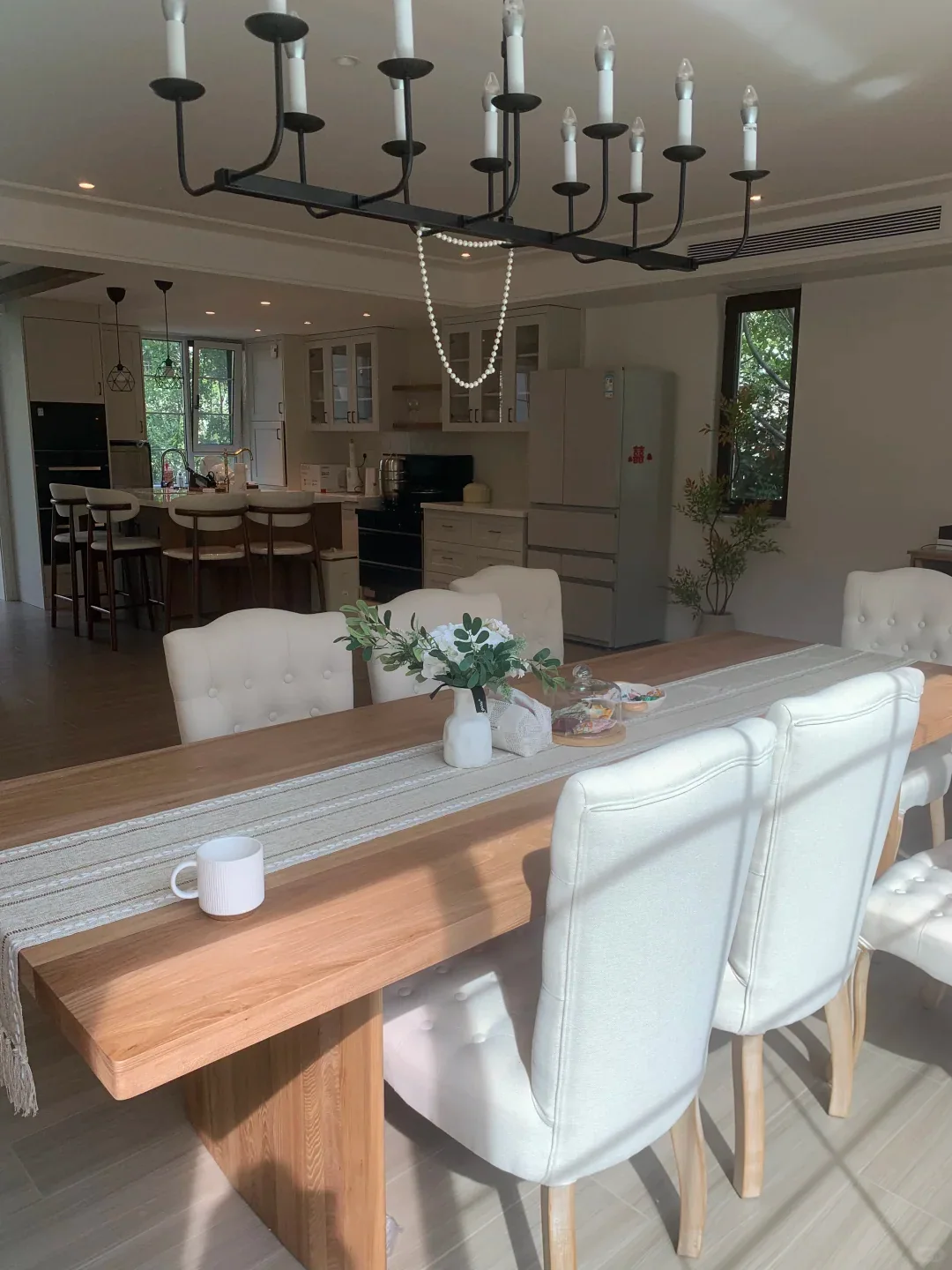
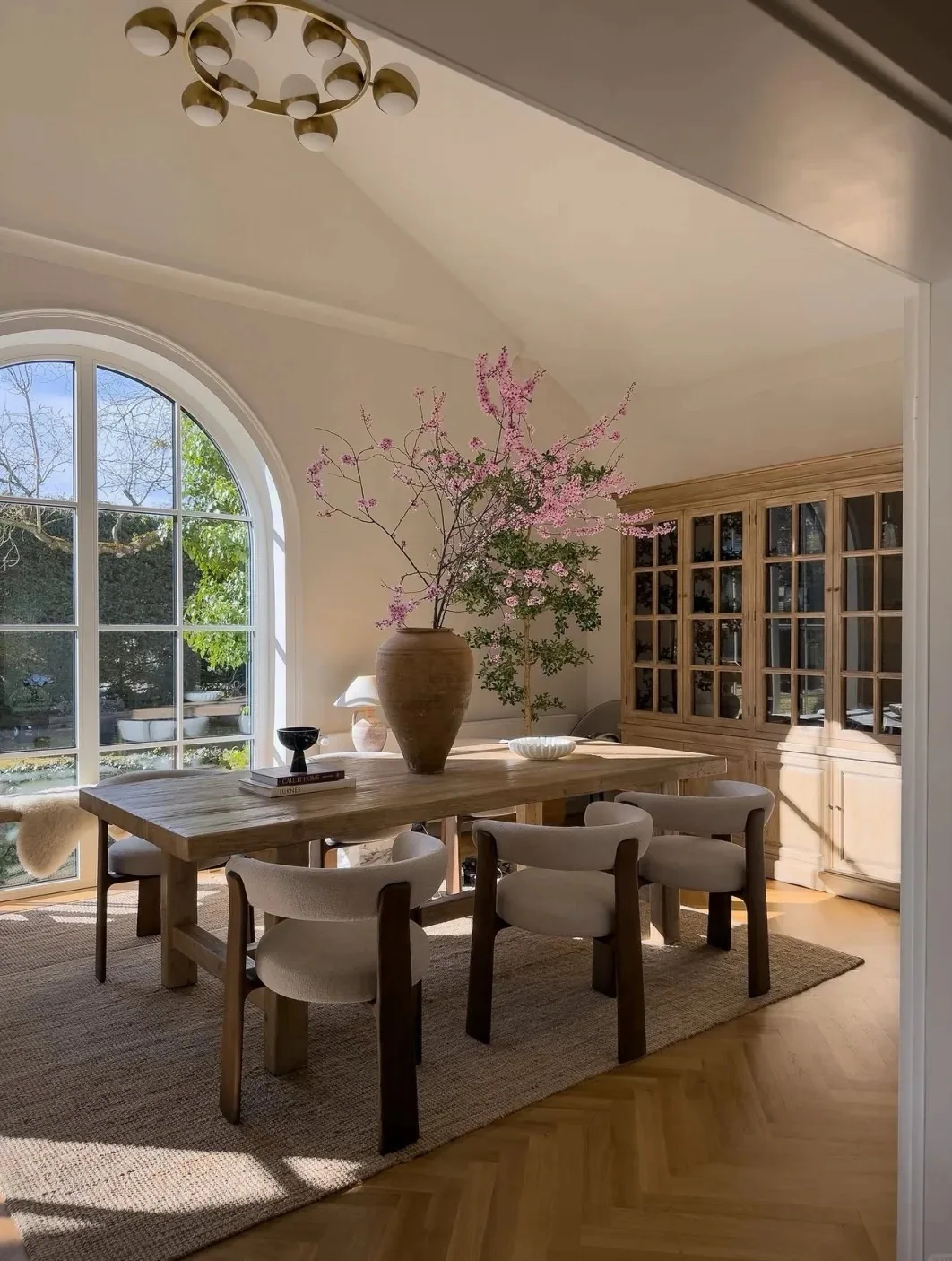
Long family table
A long table reads more architectural and works well when the dining area opens directly to the kitchen or social zone.
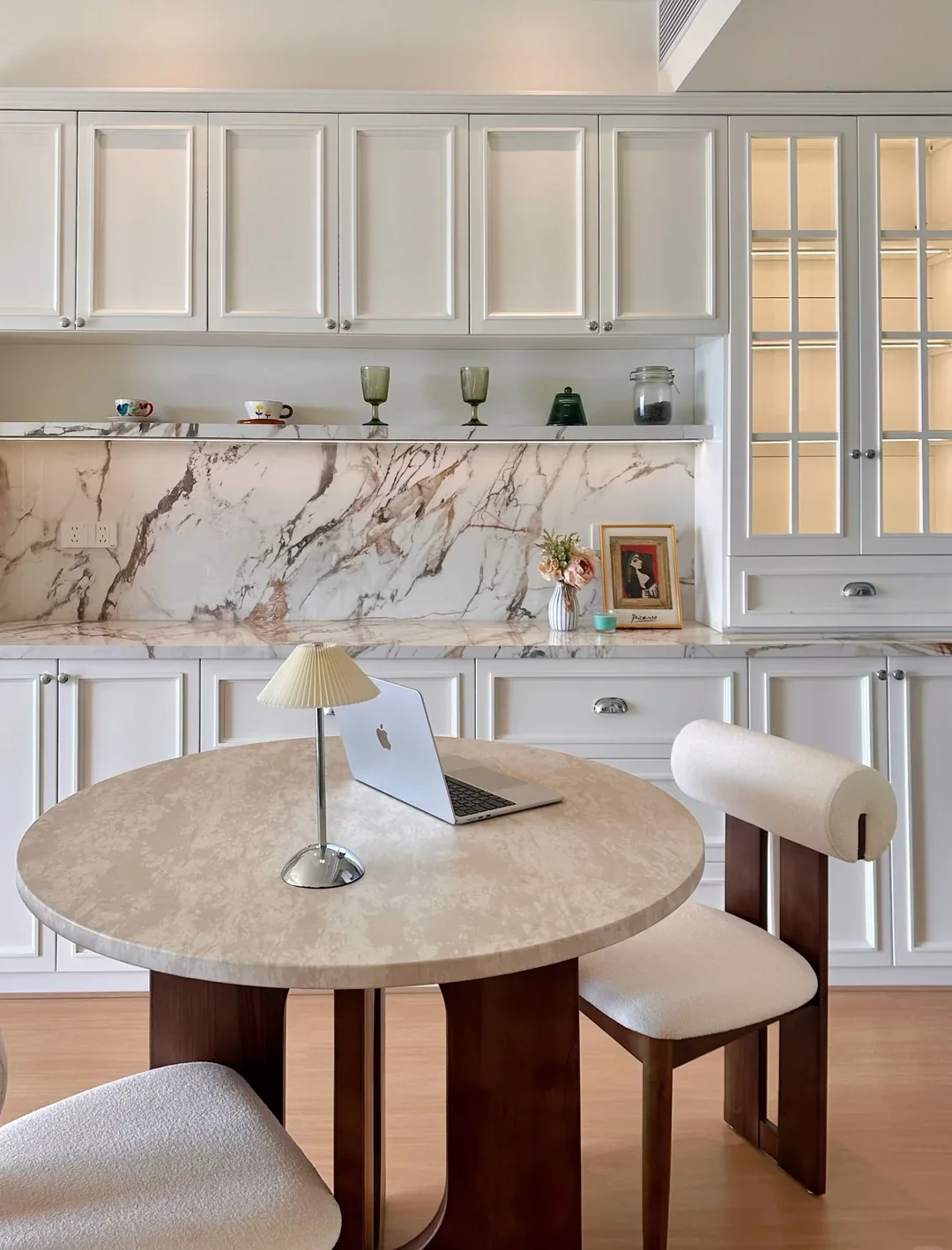
Compact round format
A round top often feels softer and more flexible in smaller footprints, breakfast zones, or informal everyday dining settings.
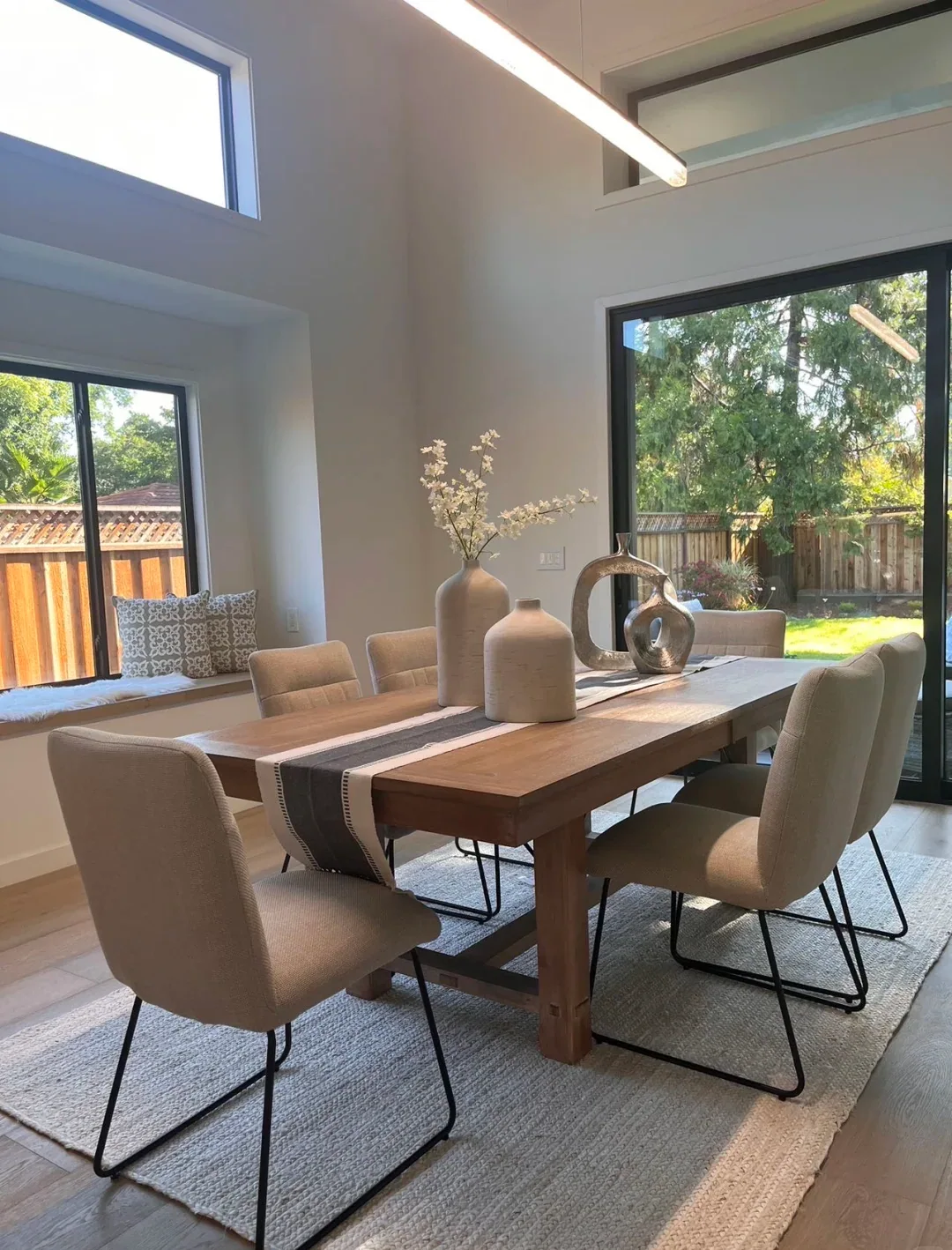
Rectangular entertaining table
Rectangular formats are the safest default when you need straightforward seating logic and clear visual alignment with the room.
Stone table shapes should be selected deliberately, not randomly
Clients often react first to stone texture, but table shape affects usability just as much. Shape changes how people circulate, how many seats fit naturally, and how visually heavy the table feels.
How to use a shape library
- Use rectangular or ellipse shapes when the room is long and seating count matters.
- Use round or water drop shapes when you want softer circulation and more visual ease.
- Use irregular shapes only when the surrounding furniture and circulation can support a more sculptural statement.
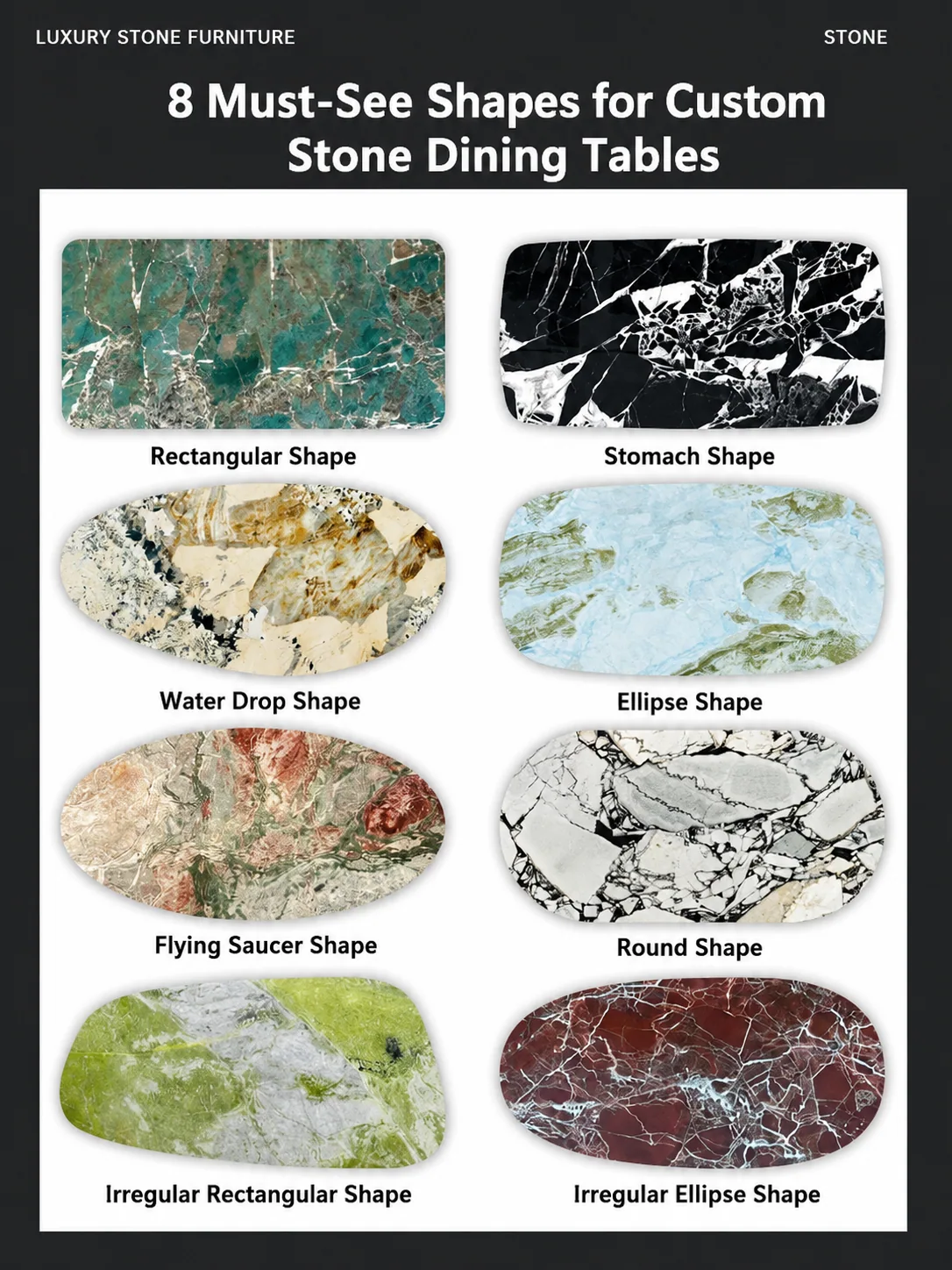
This infographic has been added to the blog to make the shape-comparison section more visual and more useful for clients.
Factory selection should be grounded in workshop reality and finished output
Catalog images are not enough. Buyers should compare workshop evidence with finished-product results to judge repeatability, scale handling, and finish discipline.
Real workshop evidence
Workshop photos show whether the supplier is used to full-size table handling, material protection, and repeatable production flow.
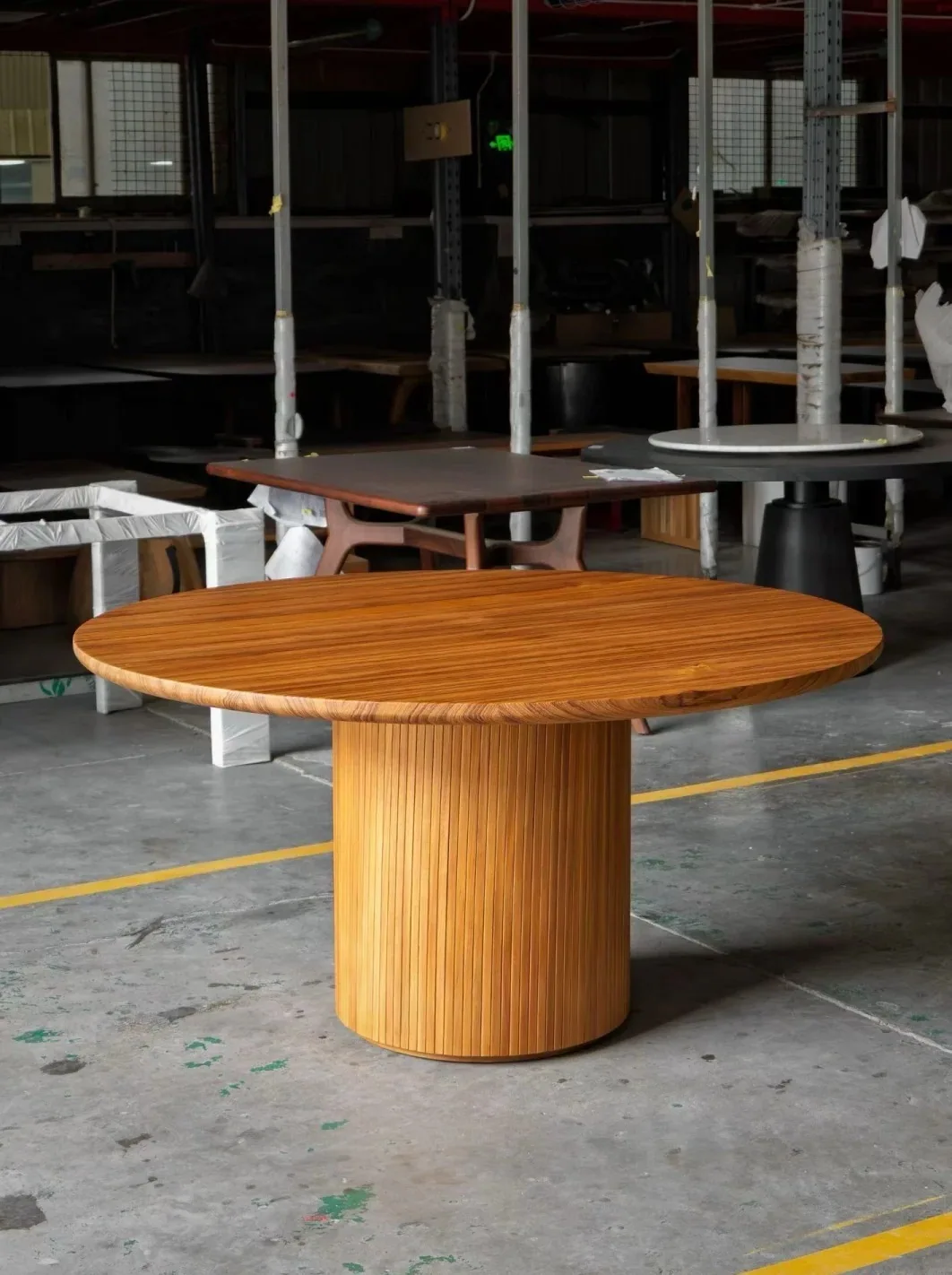
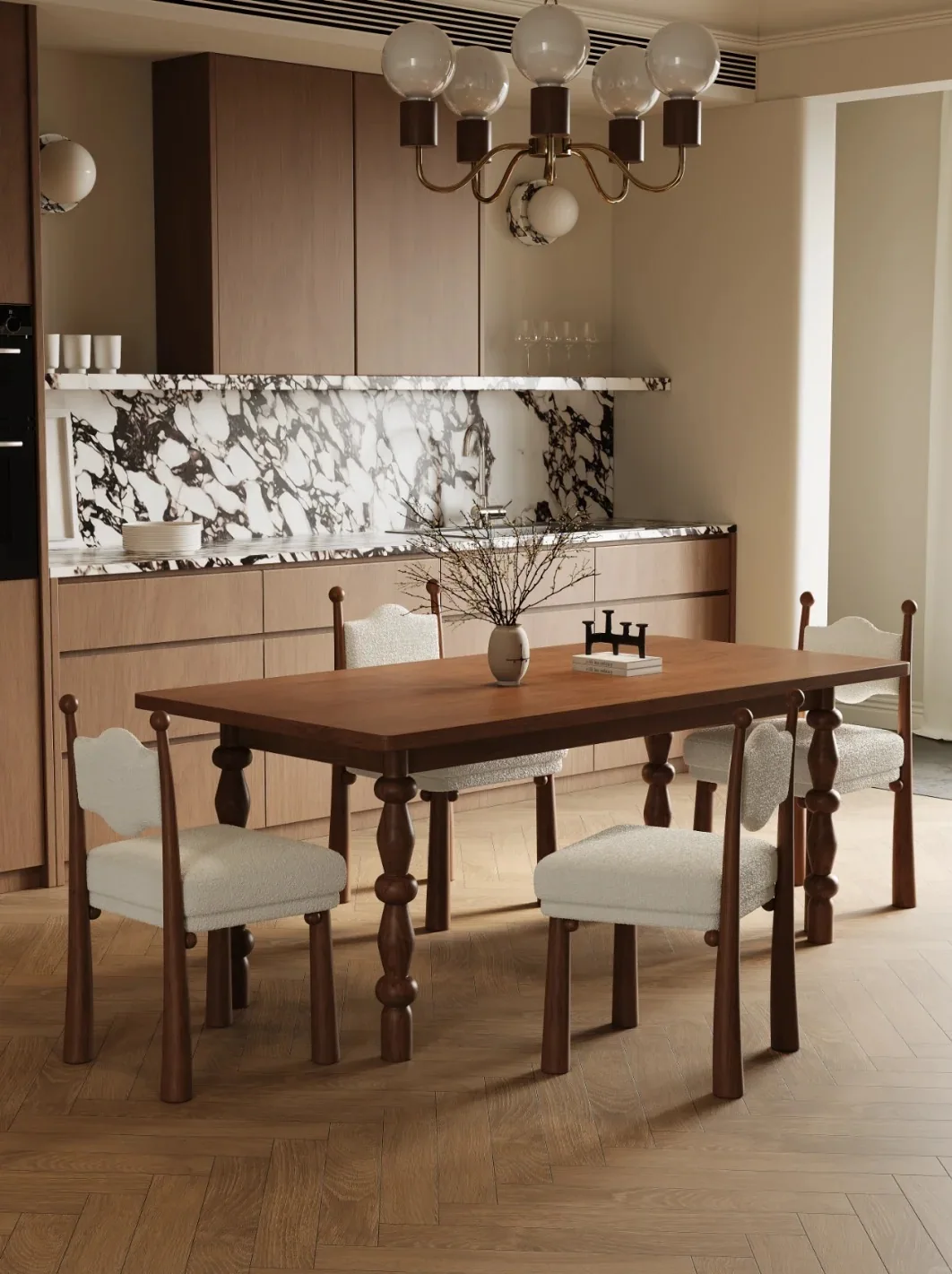
Finished-product evidence
Finished table examples help you compare proportion, base execution, repeatability, and finish consistency before shortlisting a factory.
Packing & shipping are part of product quality
For stone, ceramic, and mixed-material dining tables, the packaging plan is part of the product. A beautiful table that arrives damaged is simply a failed buying decision.
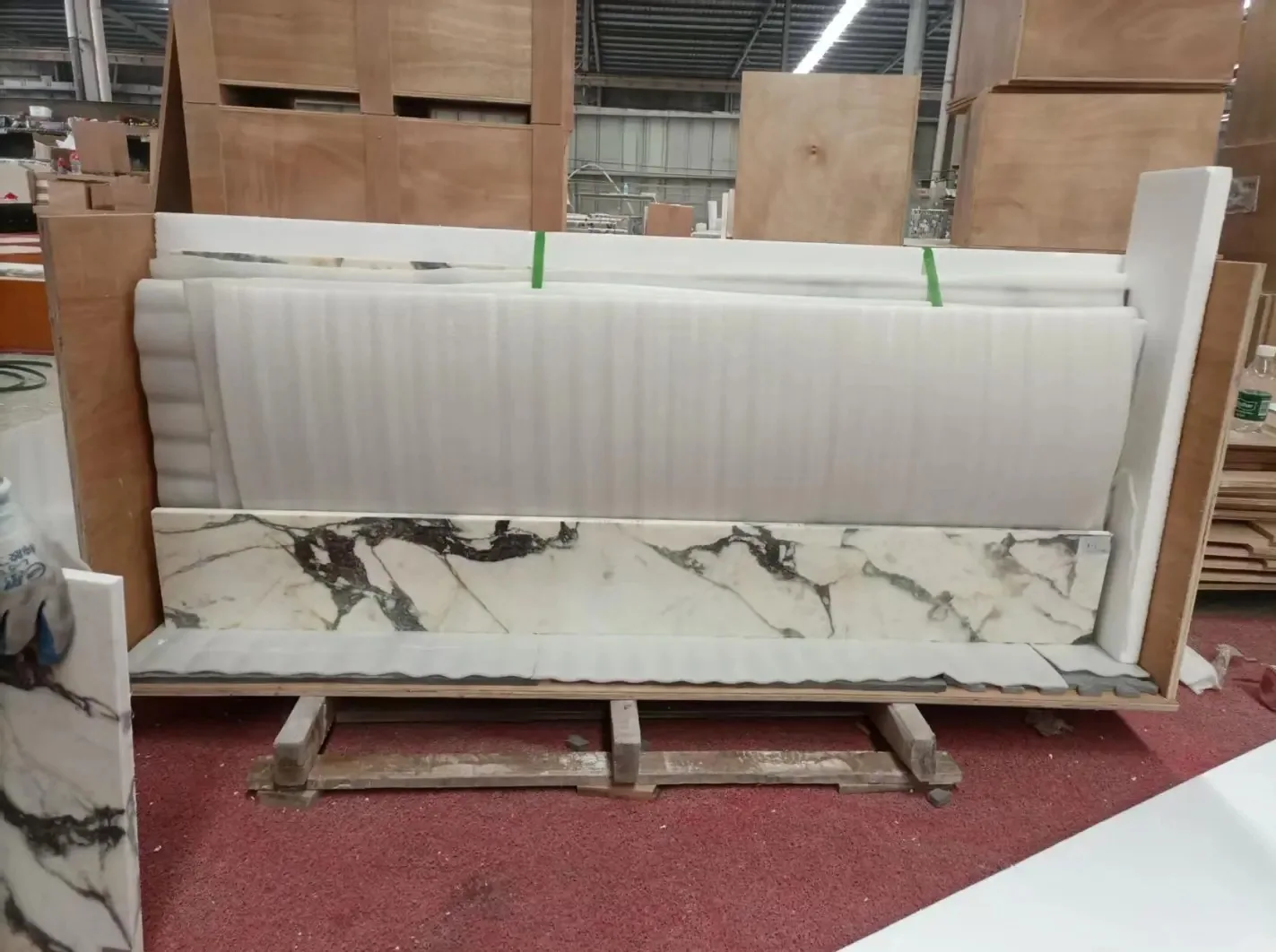
Stone or ceramic components should be protected with dense foam, separators, and reinforced edge support.

Premium or oversized tables usually require reinforced crating or structured packing to reduce movement in handling.

Loading discipline, labeling clarity, and correct stacking are the final checkpoints before shipment leaves the factory.
Connected resources
Continue from product research into collection browsing, project planning and sourcing guidance with these related Ratahome resources.
Dining Tables & Chairs
Browse table and chair options before narrowing style, material, or seating direction.
Workflow
How It Works
See how projects move from floor plan and selections through quotation, production, and delivery.
Guide
China Furniture Guide
Understand the broader sourcing ecosystem behind factory selection and project procurement.
Common questions before ordering a dining table
Should I decide the material first or the style first?
Usually the material family should come first because it affects construction, finish expectations, price range, and shipping requirements.
When is customization worth it?
Customization is most valuable when the room size is specific, the finish needs to match other items, or the project needs a non-standard seating layout.
What should I send before requesting a quotation?
Send the floor plan, target dimensions, seat count, inspiration images, material preference, and delivery destination. That is enough to start a meaningful recommendation and quotation process.