
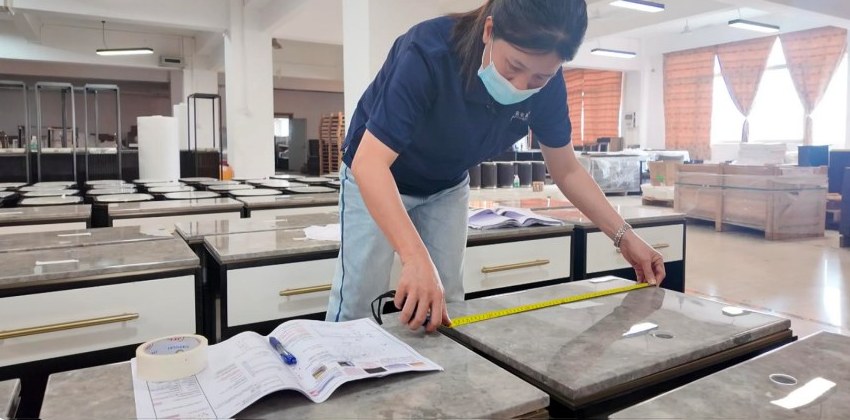
Before your furniture ships
Furniture HS Codes: Which Code Should You Check?
Your supplier asks for an HS code, or puts 9403 beside everything on the invoice. Is that enough? A sofa, table and mattress may share a container, but they are not all classified the same way.
Can you use one HS code for all your furniture?
No. Ordinary seats generally start under 9401, other furniture under 9403, and mattresses or specified bedding under 9404. Those are starting headings, not final decisions for your goods. The materials, function and legal notes matter, and your destination may need more digits than the international six-digit HS code.
What can this guide help you do?
Use it to understand the main furniture categories and gather the details a customs adviser will ask for. This is educational information, not customs or legal advice, a binding classification or a duty quote. Have a qualified customs professional in the destination country review your goods and the current import rules before shipment.
HS stands for Harmonized System. The World Customs Organization publishes it; this page uses its HS 2022 reference. Countries then add their own tariff subdivisions and rules. For a US import, that means checking the current USITC Harmonized Tariff Schedule, not simply copying the six digits on a supplier invoice.
The references were checked on 19 September 2026. No duty rates are quoted here: they need a separate check of the code, origin, entry date and any applicable trade measures.
Start with what the item is
Separate seats, other furniture, mattresses and specialist items before looking for a detailed code. A room name such as “bedroom set” can include goods from more than one heading.
A bed frame and a mattress bought together still need their own descriptions. Tell your adviser whether they are presented separately, and explain any special functions. The short category descriptions below are a starting point; the full wording and legal notes still need to be checked.
The starting headings come from WCO Chapter 94. Read its exclusions too. A mirror or loose stone slab does not become furniture simply because you bought it for the same room. Describe it separately when asking for a code.
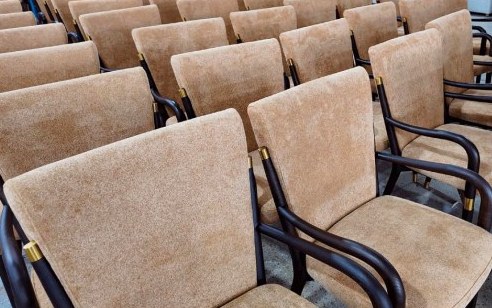
One furniture shipment can lead to different headings
Start with the distinct goods—not the room name or container label.
What is the actual item?
Function, construction and presentation guide the classification review.
9401 · Ordinary seats
Chairs and sofas generally start here; frame, upholstery and special functions need further review.
9403 · Other furniture
Tables, cabinets and many bed frames start here, subject to the full wording, legal notes and product details.
9404 · Mattresses and bedding
Mattresses and specified bedding require a separate route from an ordinary bed frame.
9402 · Certain specialist items
Medical furniture and qualifying specialist chairs have a separate heading; do not classify by appearance alone.
Keep in mindHave a qualified destination customs professional review the legal wording and actual goods before selecting a declaration code.
Simplified, non-exhaustive orientation based on WCO HS 2022 Chapter 94, cited below. Not customs or legal advice, a final classification or a duty calculation.
Why do the material and function matter?
Take two upholstered chairs: one has a wooden frame, the other a metal frame. They can lead you to different HS subheadings. A swivel or convertible feature can also change which category needs checking first.
The selected HS 2022 examples below are not a complete list. When a category says “other,” you need to check the categories before it—not choose it because the wording seems close enough.
| HS code | Simplified category | Question to resolve |
|---|---|---|
| 9401.61 | Upholstered, wooden-frame seats within the relevant “other seats” group | Does a more specific seat category apply first? |
| 9401.71 | Upholstered, metal-frame seats within that group | What is the actual frame material? |
| 9403.30 | Wooden office furniture | Is it furniture of a kind used in offices, rather than seating? |
| 9403.40 | Wooden kitchen furniture | What is supplied, and how is it presented at import? |
| 9403.50 | Wooden bedroom furniture | Separate the bed structure from a separately presented mattress. |
| 9403.60 | Other wooden furniture | Have the more specific furniture categories been ruled out? |
| 9403.20 | Other metal furniture | Is it a seat, office furniture or another more specific product? |
| 9403.70 | Plastic furniture | Is the finished article genuinely within this material category? |
For US imports, read the full wording under USITC heading 9401 and heading 9403. If your item uses several materials or has moving parts, explain those details to the person reviewing its classification.
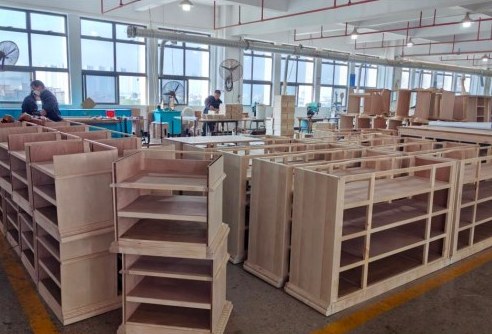
What should you send your customs adviser?
“Fabric chair” leaves a lot unanswered. Is the frame wood or metal? Does it swivel or adjust in height? What is inside the cushion? Ask the supplier for those details instead of relying on the catalogue name.
Give each distinct item an item code, then send its photos, dimensions, drawings and materials. Explain what it does and where it will be used. For a stone-top table with a metal base, describe both parts and whether they will be shipped together.
Also say how it will arrive: assembled, flat-packed, incomplete or as a separate component. A useful product description explains the goods as they will be imported, not only how they will look after installation.
Once the adviser has reviewed it, save the code, the reason or ruling reference, the review date and the exact model covered. That makes it easier to ask whether a later material or design change needs another review.
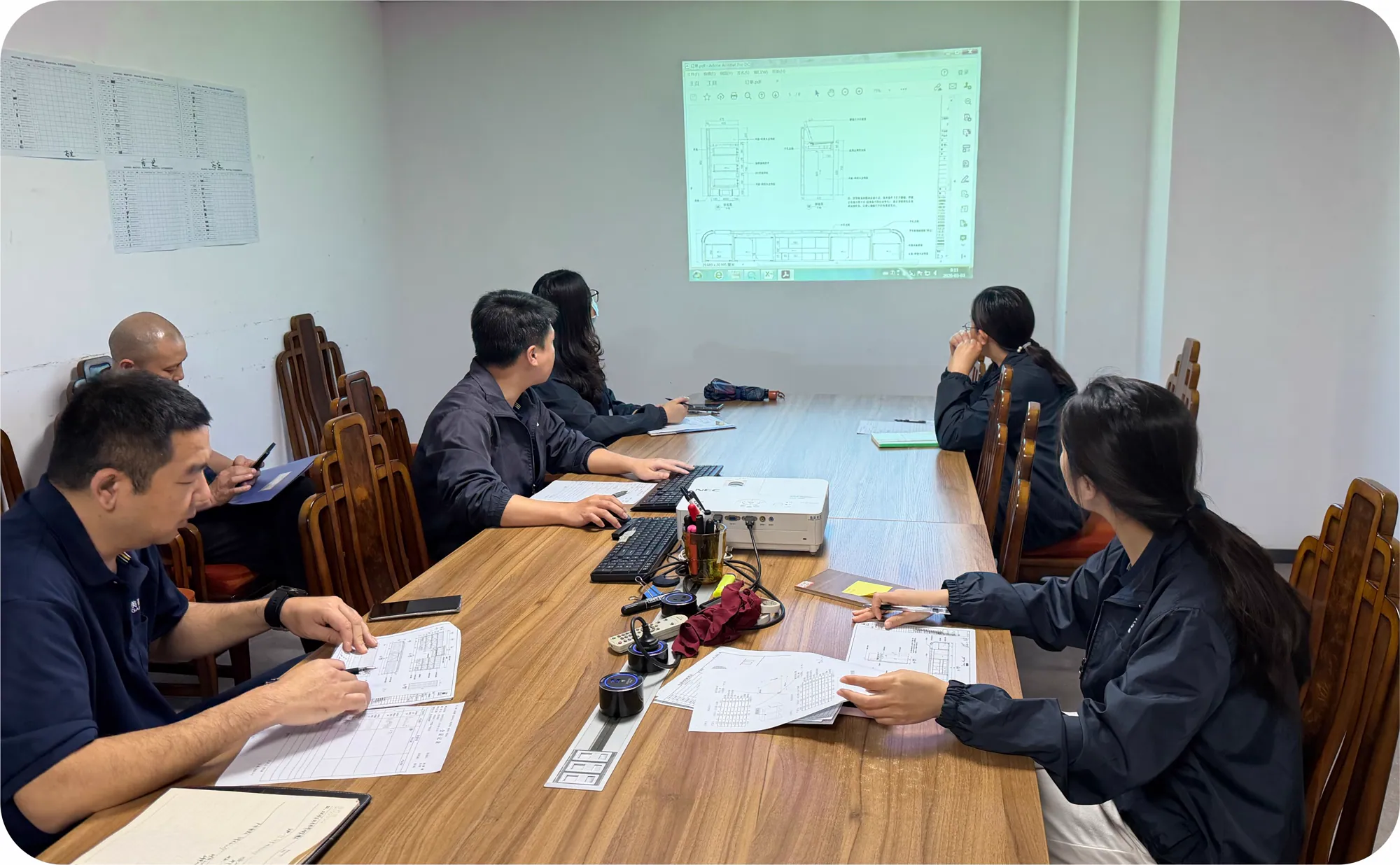
Four assumptions worth checking
- “Everything is in one container, so it can use one code.”
- The container can hold several different types of goods. Buying them from one supplier does not make their classifications the same.
- “It is flat-packed, so it must use a parts code.”
- Not necessarily. The rules cover incomplete and unassembled goods. Ask your adviser to review the packing and component list.
- “The supplier has used this code before.”
- Ask for which country, tariff edition and version of the product. The destination may use different national subdivisions.
- “The general duty rate says free, so there is nothing to pay.”
- Have any additional measures and other charges checked too. The ordinary rate alone is not a total import-cost calculation.
The WCO General Rules for Interpretation are part of the legal basis for these decisions. Your reviewer needs to apply them to the actual goods; this guide cannot do that for you.
Use the same item names on the invoice and packing list
If your invoice says “dining table” and the packing list says only “furniture,” it is harder to connect the papers to the boxes. Use the same item codes and clear descriptions on the order, invoice, packing list and classification notes. Check the quantities and package numbers before shipping.
Ask the broker or forwarder what other documents your goods need, including any transport, origin or material records. Product rules and wood-packaging requirements still need their own checks. Getting an HS code does not prove compliance with them.
Ratahome can help gather supplier product details as part of the agreed sourcing service; it does not issue customs rulings. See the China furniture buying guide for how this fits with inspection, packing and shipment.
What if two people suggest different codes?
Ask each person why. They may be working from different information about the materials, function or way the goods will be shipped. Send the missing details and ask which heading and legal notes support the proposed code. Do not choose a code simply because it appears cheaper.
For US imports, CBP's Binding Ruling Program offers pre-entry classification decisions. A request needs detailed product and transaction information. Other destinations have their own advance-ruling procedures, so check with the relevant customs authority. A changed product may need a fresh review.
Buyer questions
Practical questions, answered
Is 9403 the HS code for every furniture item?
No. Ordinary seats generally start under 9401, other furniture under 9403, and mattresses or specified bedding under 9404. Your reviewer still needs the product details and legal notes to reach a final classification.
Is a six-digit HS code enough for an import declaration?
Often not. The destination country adds its own tariff subdivisions and rules. Ask a qualified customs professional to check the full code in the current national schedule.
Does flat-pack furniture automatically use a parts code?
No. A complete item shipped unassembled is not automatically classified as separate parts. Show your adviser the component list and packing arrangement so they can apply the rules to the goods.
Can Ratahome confirm my final HS code and duty rate?
Ratahome can help collect product details within the agreed sourcing service, but this page is not a binding classification or duty quote. Use a qualified destination customs professional or the customs authority for that decision.
Want to check the details?
Official sources and notes
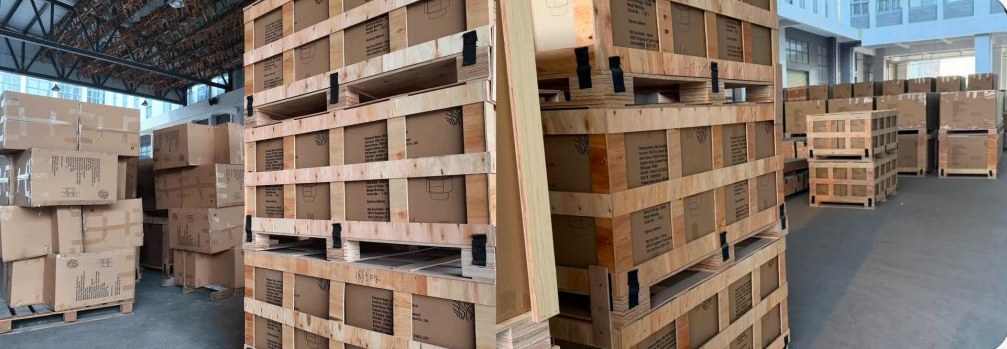
The examples are for planning, not quotations or past client projects. Photos illustrate the subject; they do not prove factory ownership or product certification. Check current requirements and dates with the relevant authority or organiser.
- WCO — HS 2022 Chapter 94 — International headings, subheadings and legal notes; read the complete text, including exclusions.
- WCO — General Rules for Interpretation — Rules used to interpret the classifications, including for unassembled goods.
- USITC — current Harmonized Tariff Schedule — US-specific tariff schedule; consult the current revision and applicable measures.
- CBP — Binding Ruling Program — US pre-entry classification decision process; tariff rates are not guaranteed by a classification ruling.
Have a project in mind?
Tell us what you need, where it will be delivered and when you need it. A furniture list or a few reference photos is a useful place to start.
Ratahome helps coordinate suppliers, samples and delivery in Foshan. We work with manufacturers; we do not manufacture the furniture ourselves.
Talk about your project