
Buying furniture from China
China Furniture: Where to Start
Should you visit a furniture market, contact a factory or work with a sourcing team? Start with what you want to furnish. The right buying route depends on the pieces, quantities and help you need.
Before you start searching
Are you buying a few pieces or furnishing a whole project?
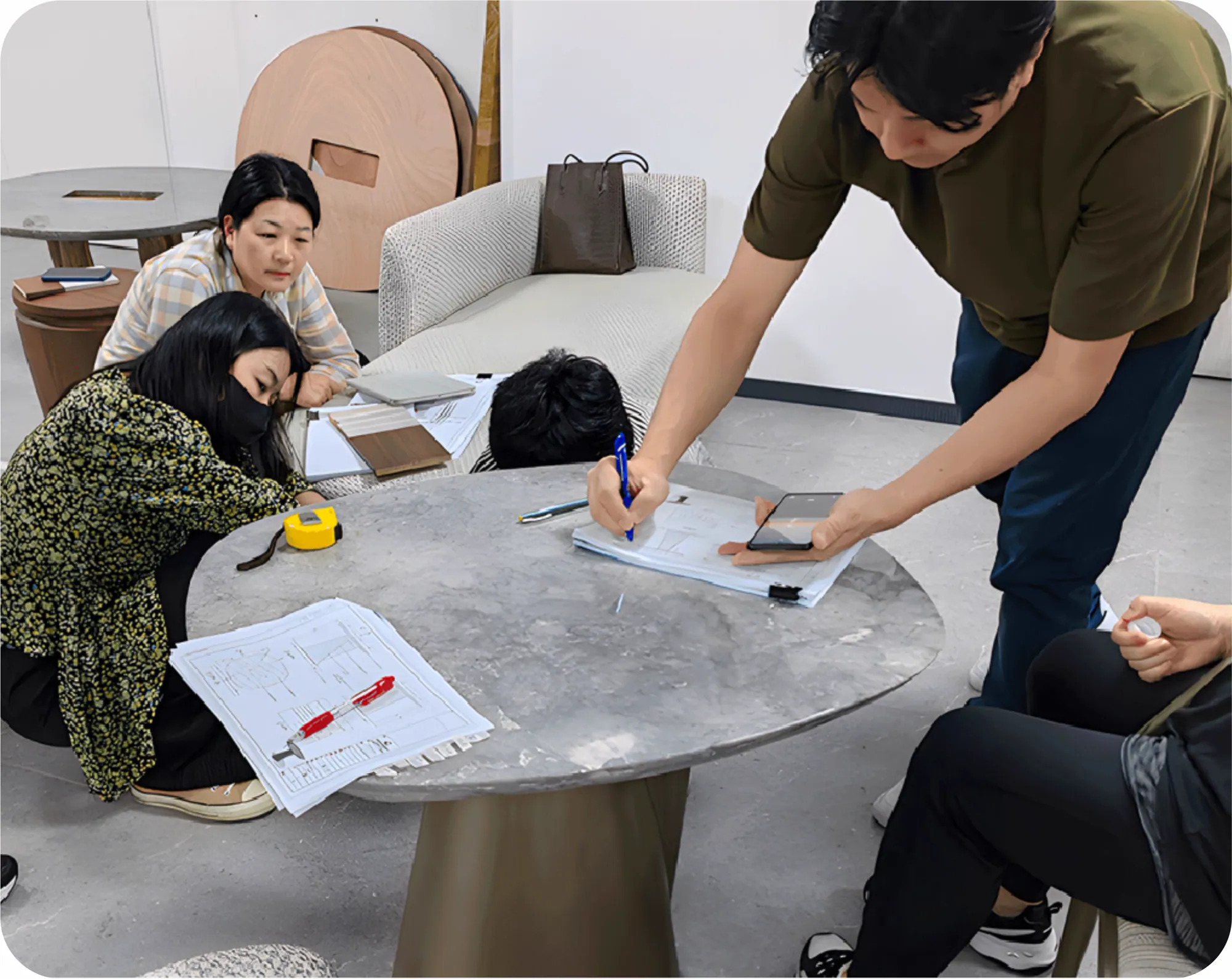
China has suppliers for homes, hotels, offices, outdoor spaces and custom-built furniture. You can buy through a factory, showroom, wholesaler or trading company. A local sourcing team can also help bring several suppliers, quality checks and shipments together.
Imagine furnishing a living room: you find the sofa in one showroom, a table in another and a cabinet that needs a different finish. Finding each piece is only half the job. Someone still needs to check that the finishes, delivery dates and packing work together.
For a wider view, China’s forestry authority describes five broad furniture-producing regions: the Pearl River Delta, Yangtze River Delta, Circum-Bohai, western and northern regions. That historical overview gives useful background, not a current list of suppliers.
Where to look
Which furniture region fits your shopping list?
A region’s specialities can narrow the search. They do not tell you whether a particular supplier can make your furniture well or deliver it as agreed.
| Region | Useful for | Why look here? | What to consider |
|---|---|---|---|
| Foshan & the Pearl River Delta | Whole-home orders, sofas, wooden furniture, cabinets, hotel furniture and custom work | Dense access to showrooms, factories, materials and export services | Different pieces may come from different workshops; coordination and finish control matter |
| Yangtze River Delta | Large-scale manufacturing, domestic brands and specialized production clusters | Broad industrial depth and mature logistics | A shopping list spread across provinces can mean separate trips and collection arrangements |
| Jiangxi · Nankang | Solid-wood furniture and scaled manufacturing | A government-supported furniture production base with related suppliers and services | Confirm timber species, moisture requirements, finish samples and destination compliance |
| Northern & western clusters | Regional specialties, established manufacturing bases and project-specific capacity | Can be competitive for a tightly defined category | A lower unit price may be offset by extra collection, inspection and transport |
Ratahome is based in Foshan. We coordinate selected manufacturing partners; we are not a furniture manufacturer.
For an on-the-ground view of the Pearl River Delta, use the Foshan showroom and factory guide.
Supplier types
Who are you buying from?
A showroom may sell furniture made elsewhere. That is not necessarily a problem—you need to know who makes your pieces, who takes your payment and who deals with a problem after delivery.
Factory
Makes particular types of furniture with its own equipment and workforce. A good starting point when you need repeated quantities of a clearly specified product.
- Strength
- Direct technical control
- Limit
- Narrower category range
Brand or showroom
Lets you see and compare a collection in person. It may make the furniture, buy from other factories or do both. Check who will produce your chosen pieces.
- Strength
- Fast visual selection
- Limit
- Factory may be indirect
Trading company
Brings products from several factories into one offer and handles export paperwork. Useful for a varied order, provided the product details and inspection responsibilities are clear.
- Strength
- Broad product access
- Limit
- Added supply-chain layer
Sourcing or project team
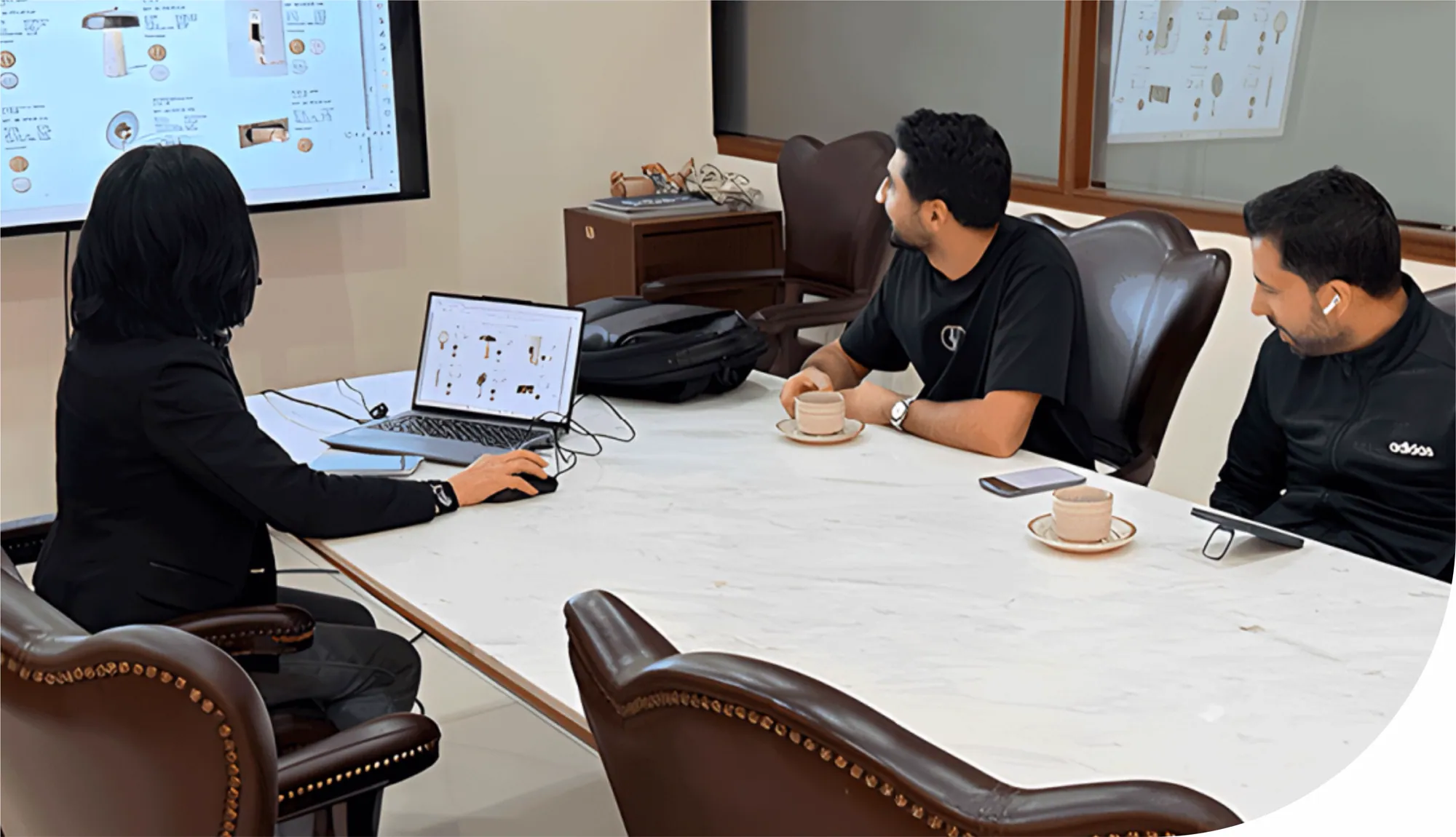
Starts with your bill of quantities (BOQ): a list of items and quantities. Coordinates suppliers, samples, quality checks and delivery. Its role and fees should be clear before work begins.
- Strength
- One view of the whole order
- Limit
- Depends on reliable follow-through
A factory claim deserves its own checks. Use the manufacturer verification guide to separate company identity, production capability and responsibility for your order.
Beyond the inspiration photo
What a room picture tells you—and what it leaves out
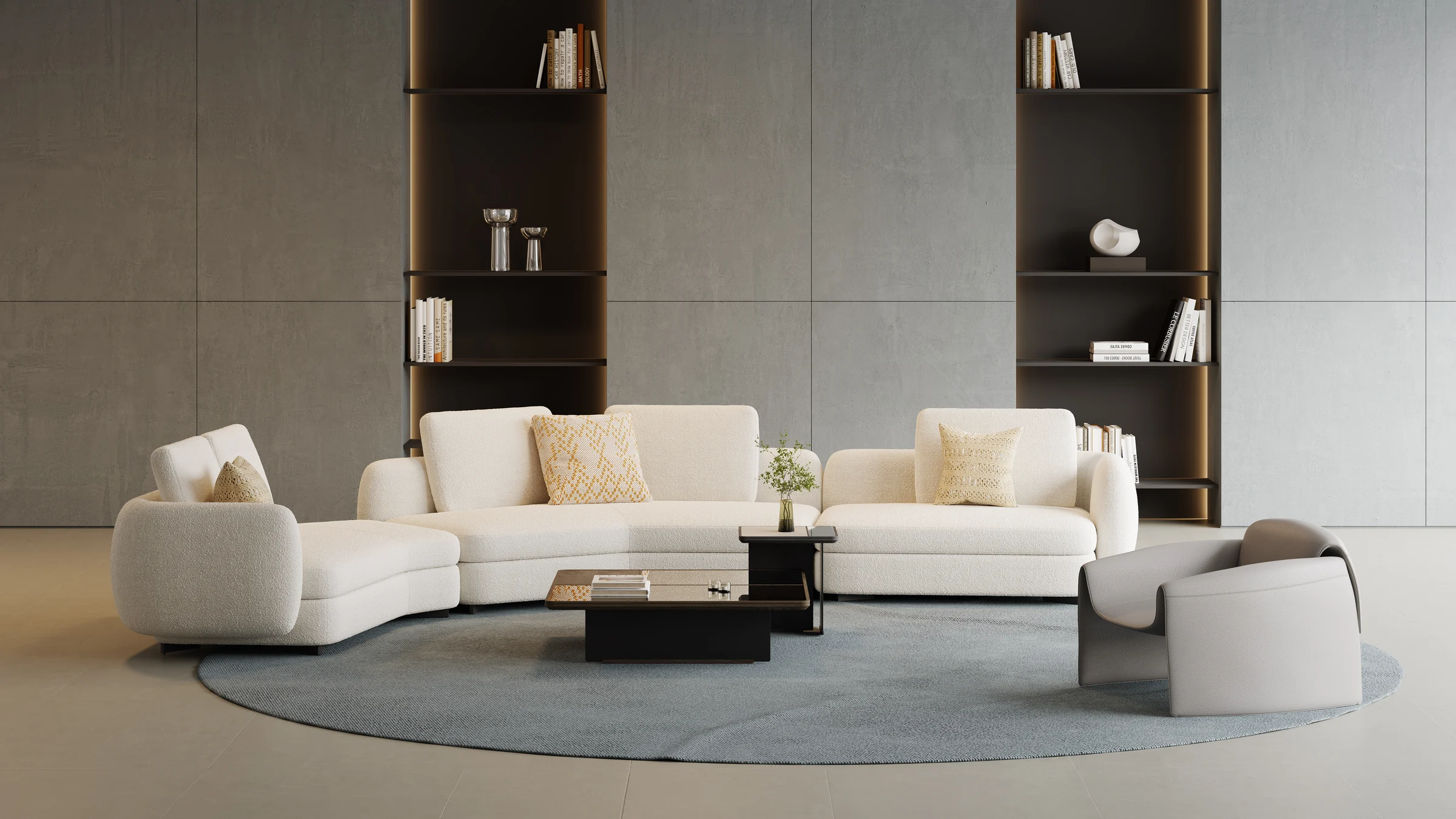
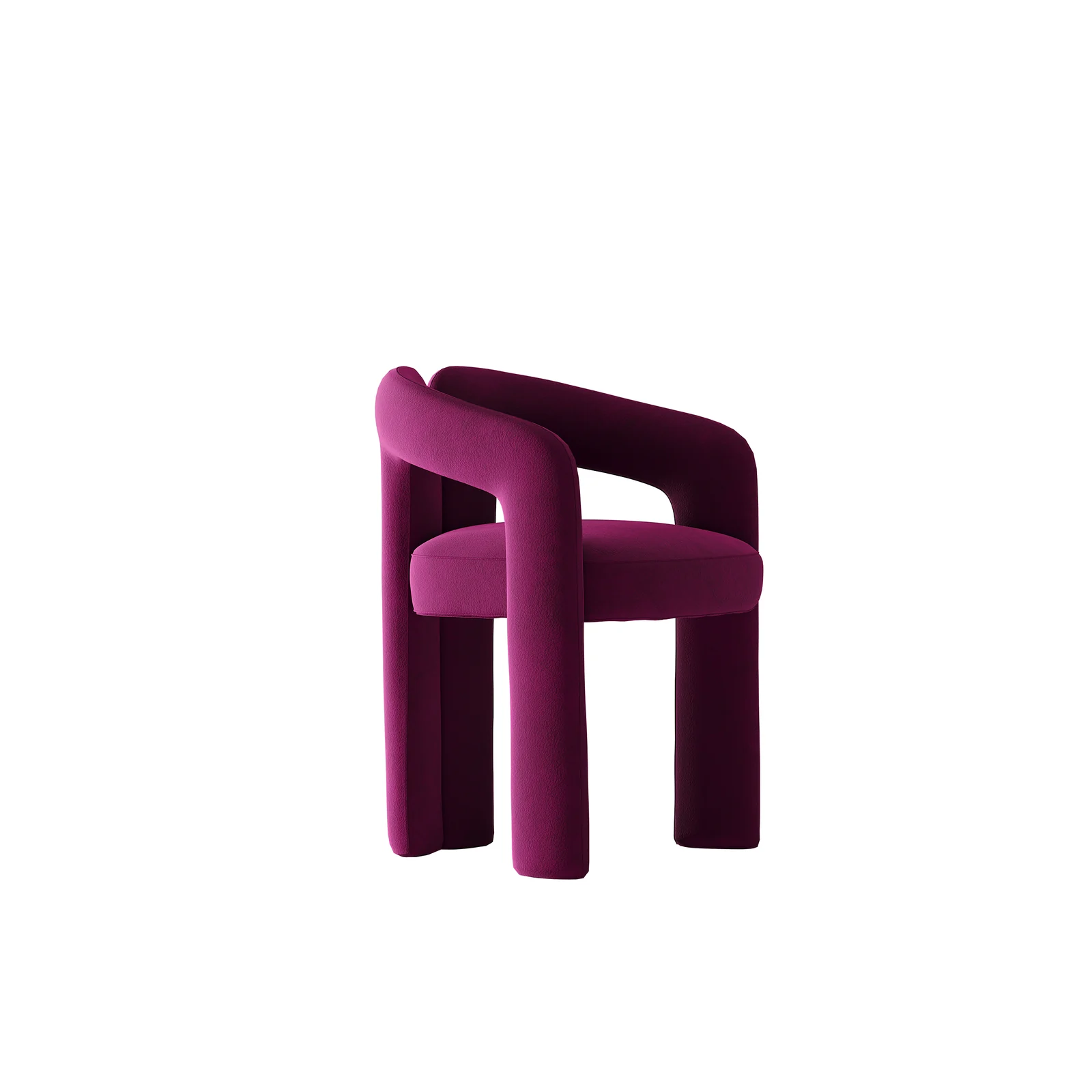
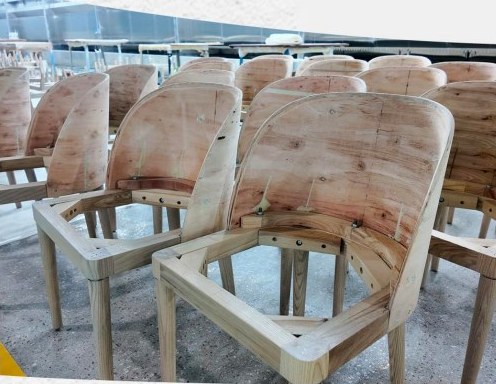
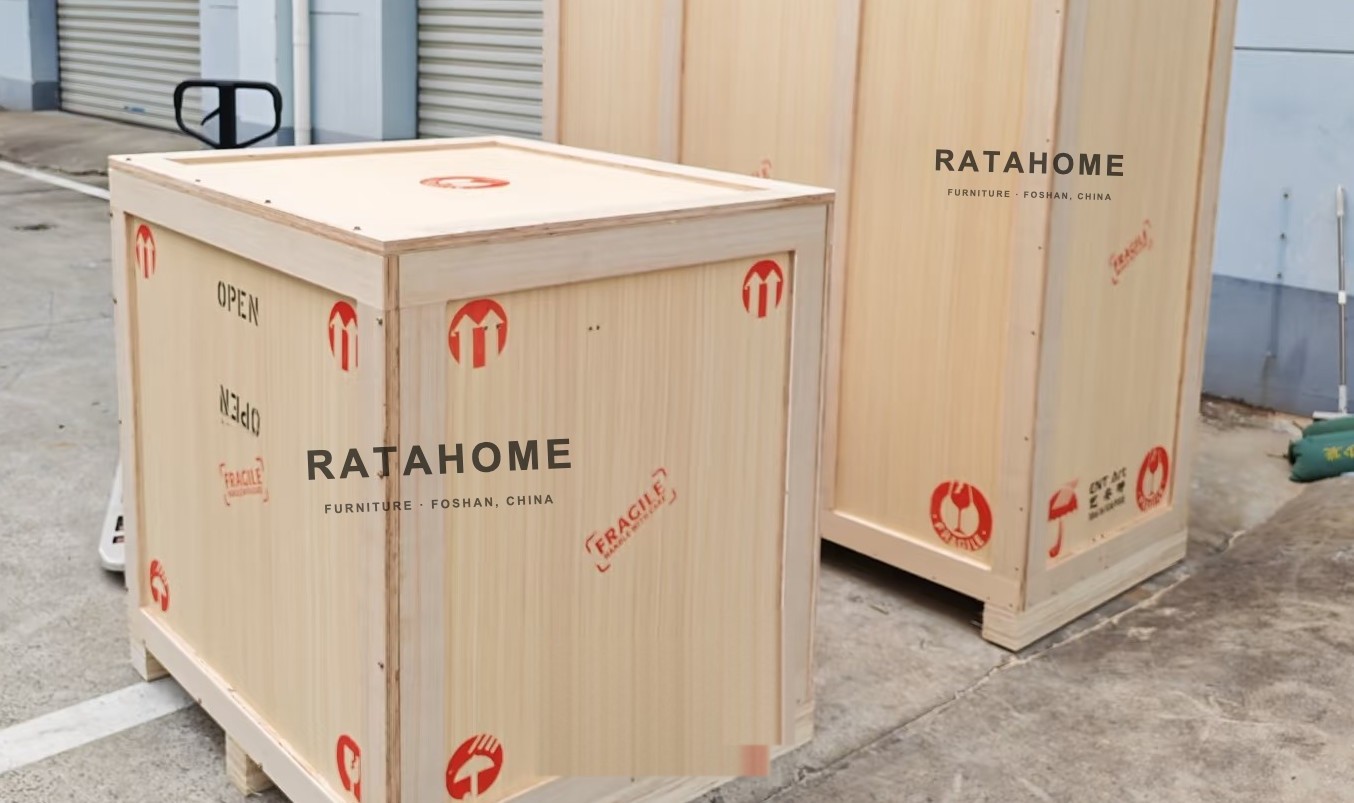
A room photograph is a useful starting point for style. You will still need the size, materials and finish of each piece. These images illustrate that progression, not a single order or one factory’s complete collection.
Price and minimum orders
Can you buy the quantity you need?
MOQ means minimum order quantity. It might apply to one model, one fabric or one finish—not your entire purchase. A seller may offer a single catalogue item but require a larger batch when you change its colour or construction.
The useful question is, “What changes if I keep the standard finish?” Where those options are available, compare the standard item with an adjusted finish and a fully custom version. You can then see what the changes add to the price and minimum quantity.
For example, 24 identical chairs are a different request from six designs in four fabrics. This is a hypothetical comparison, not a supplier offer; the same total quantity may come with different terms.
Wholesale order and MOQ planning looks at the cost of those choices. The step-by-step buying guide covers the full budget, payment, inspection and shipping.
Ways to buy
How much do you need to change or coordinate?
Catalogue purchase
Existing designs, selected finishes
Useful when you want existing designs without developing a new product. The quotation should still identify the same model, construction and finish you selected.
Made to order
Adjusted dimensions and materials
Useful when a piece needs to fit your room or colour scheme. The agreed dimensions, material samples and drawings tell the supplier exactly what to make.
A whole home or hotel may combine both routes across several suppliers. Someone then needs to keep finishes, dates, inspections and shipping aligned. For repeated commercial pieces, also agree performance, allowed variation, testing, labels, spare parts and replacement needs before production.
For commercial scope, start with contract furniture sourcing, then use the dedicated hotel, restaurant, office or outdoor brief.
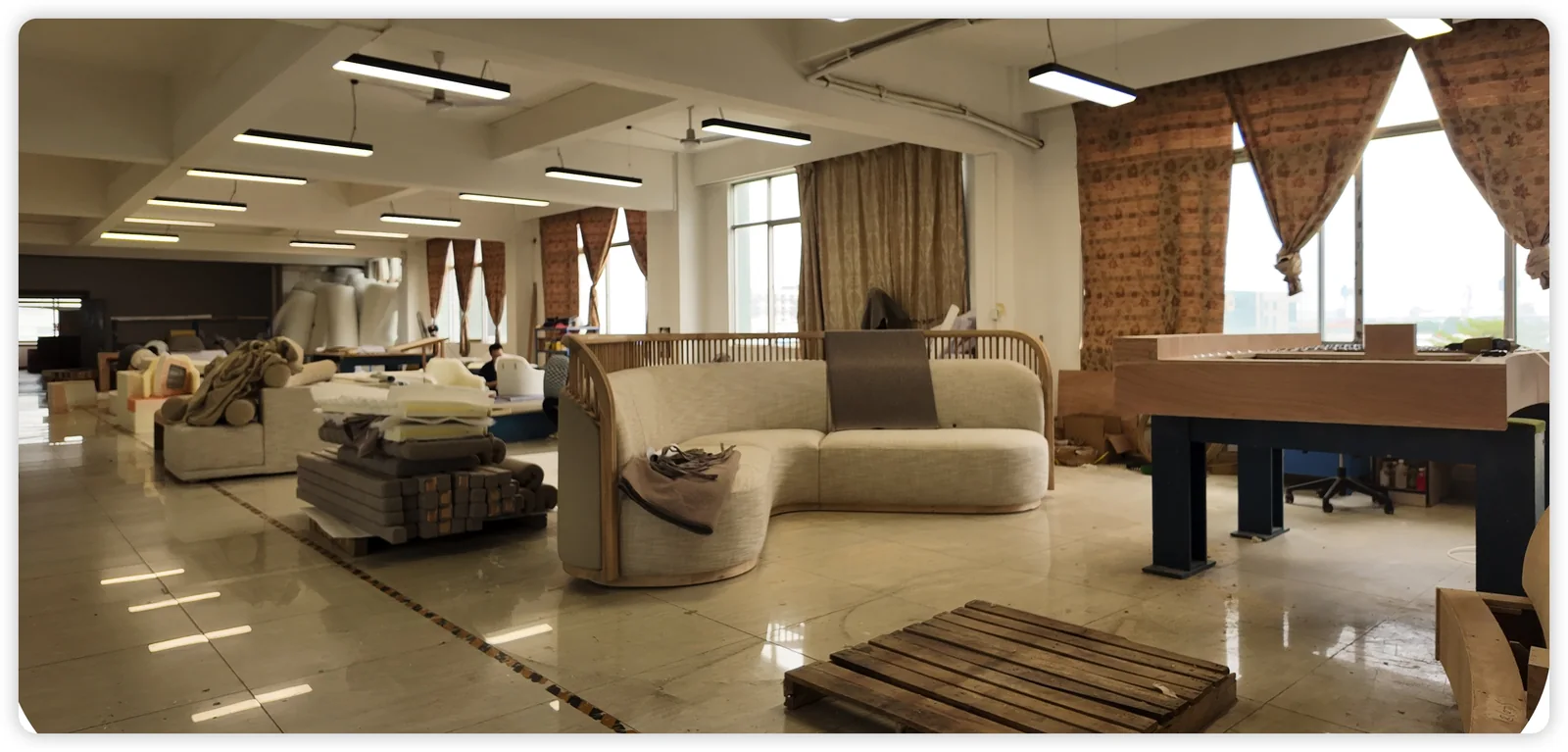
Should you start with a showroom or a factory?
It depends on whether you need to choose a few pieces, repeat one design or bring a whole project together.
What are you buying?
Start with the kind of order you have, then decide who can help.
- A few existing designs
Compare showroom pieces
Check the model, finish and availability. Ask whether the price includes export packing and the delivery you need.
- Many pieces of one design
Speak to a specialist factory
Review a sample and ask how the factory will keep the materials and construction consistent across the order.
- Several rooms or categories
Decide who coordinates it all
Someone needs to bring the supplier lists, finishes, inspections and shipping dates together.
Keep in mindYou can use more than one route. The important part is knowing who is responsible for each piece and for getting the order to you.
These are starting routes, not exclusive supplier categories. A commercial or custom project may combine more than one route.
Before you commit
What still needs an answer before you order?
A business licence helps identify the seller. It does not show whether your chair, cabinet or sofa will be made as agreed. These checks answer different parts of that question.
- Who are you paying?The company details on the quotation, contract, invoice and receiving bank account need to match, or any differences need an explanation.
- Where will it be made?You should know the production site and which work happens there or is passed to another supplier.
- What exactly are you buying?The agreement needs the materials, dimensions, finishes, allowed variation, labels and packing—not only a photograph.
- Which sample counts?An agreed swatch, prototype or drawing gives both sides the same reference if a later piece looks different.
- How will it be checked?Agree when inspections happen, how pieces are selected, what counts as a defect and who can approve shipment.
- Who gets it to you?Collection, documents, packing, freight, insurance and delivery each need a named responsible party.
Buyer questions
China furniture FAQ
What is the difference between a manufacturer, trading company and sourcing team?
A manufacturer makes furniture. A trading company buys from producers and sells to you. A sourcing team helps you choose and coordinate suppliers. These roles can overlap, so ask who will make your pieces, take payment, inspect the order and resolve a problem after delivery.
Which Chinese furniture regions should buyers compare?
That depends on the product. Foshan and the Pearl River Delta are useful for mixed residential, custom and contract scopes; the Yangtze River Delta has broad manufacturing depth; Nankang is known for solid-wood furniture; northern and western clusters have their own specialties. Regional reputation is only the start of supplier verification.
What MOQ should I expect when sourcing furniture from China?
There is no single minimum order quantity, or MOQ. Some sellers offer individual catalogue pieces. Custom orders may have a minimum for each design, colour or fabric. Ask whether the minimum applies to the whole order or to each choice within it.
How can I verify a Chinese furniture supplier?
Start with the company you will pay and the workshop making your furniture. Compare the names on the quotation, contract, invoice and bank details, and resolve any differences. Then review a relevant sample and agree what will be made, how it will be inspected and who arranges shipping before paying a deposit.
How does Ratahome support a furniture sourcing project?
Ratahome helps turn your furniture list into a coordinated order: finding and checking suppliers, arranging samples, following production, organising inspections and bringing shipments together. We are a sourcing team in Foshan, not the manufacturer. The project agreement defines the services included.
Want to check the details?
Official sources and notes
The official references below explain the regional background. Our comparisons help you plan a purchase; they are not supplier ratings. Historical documents do not confirm today’s capacity, prices or availability.
- National Forestry and Grassland Administration — Trends in China’s furniture industry
- Guangdong Provincial Government — Manufacturing high-quality development plan
- Nankang District Government — Furniture industry investment guide
- China national standards platform — Custom furniture general design specification
- International Trade Administration — Partner due diligence guidance
Not sure where to start?
Tell us what you want to furnish.
Share the rooms, approximate quantities and delivery destination. Ratahome can help you plan the supplier search, samples, inspections and shipping with selected Foshan partners.
Start a furniture project