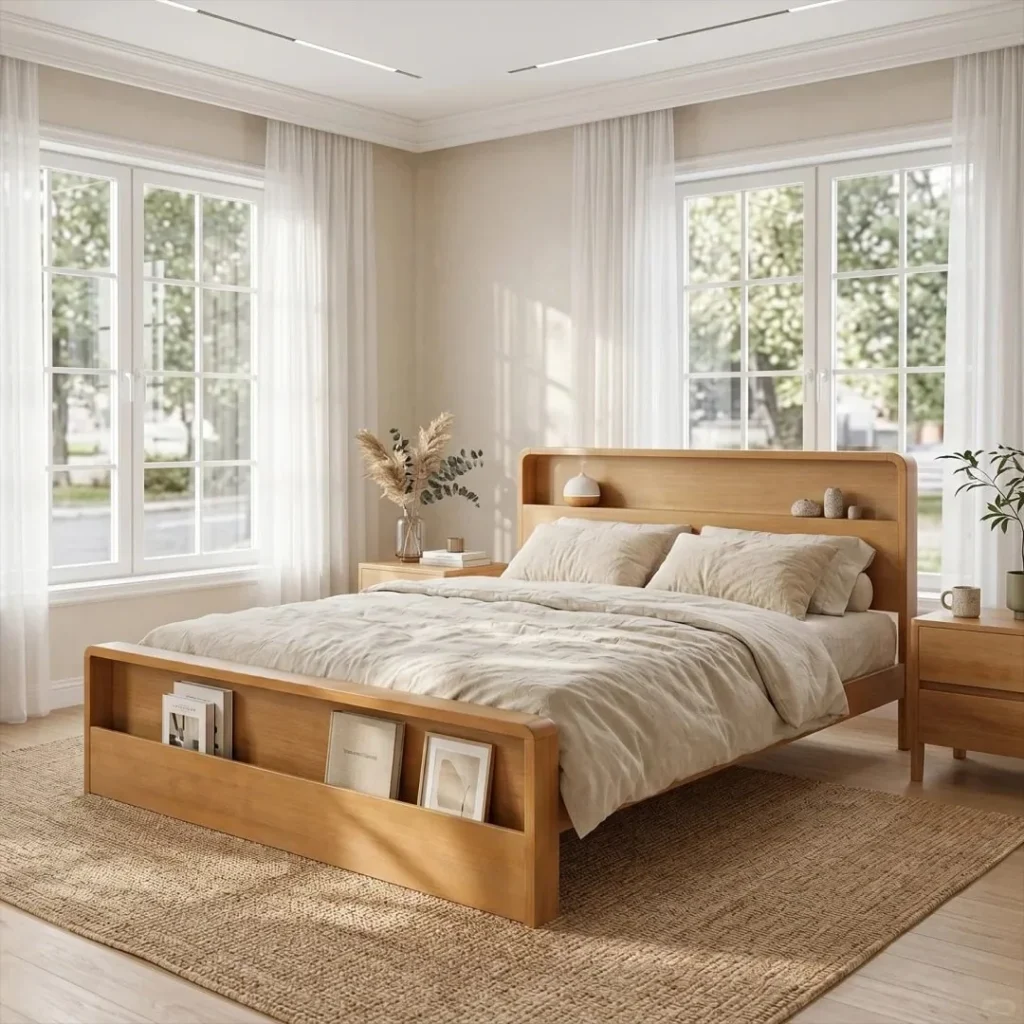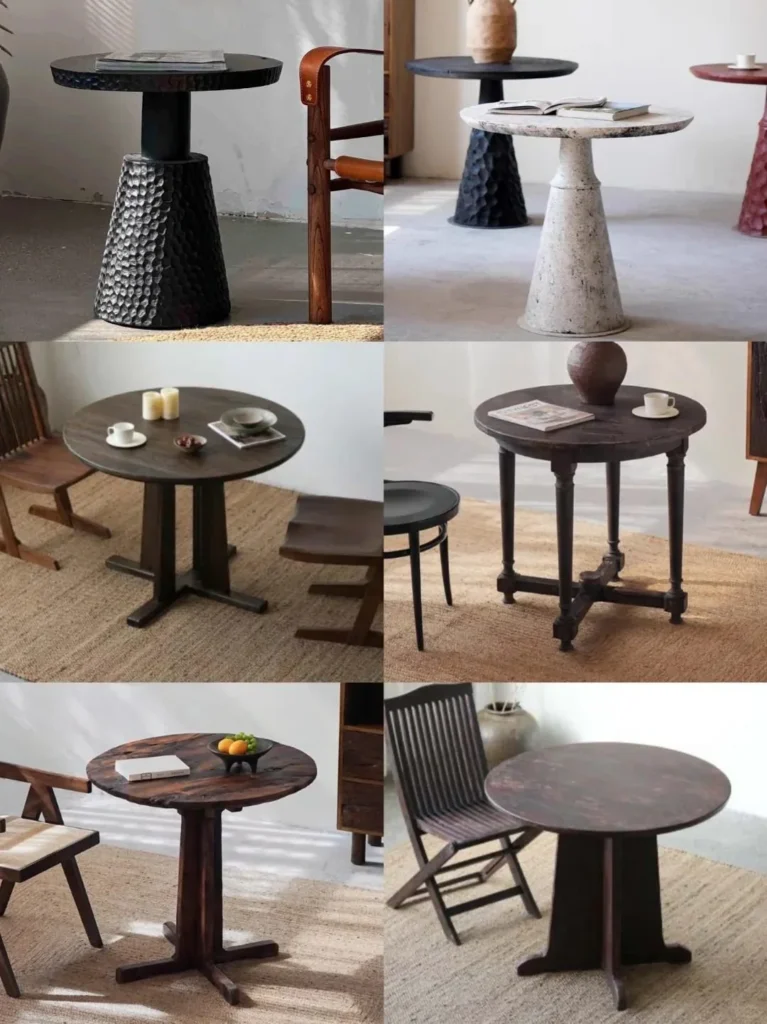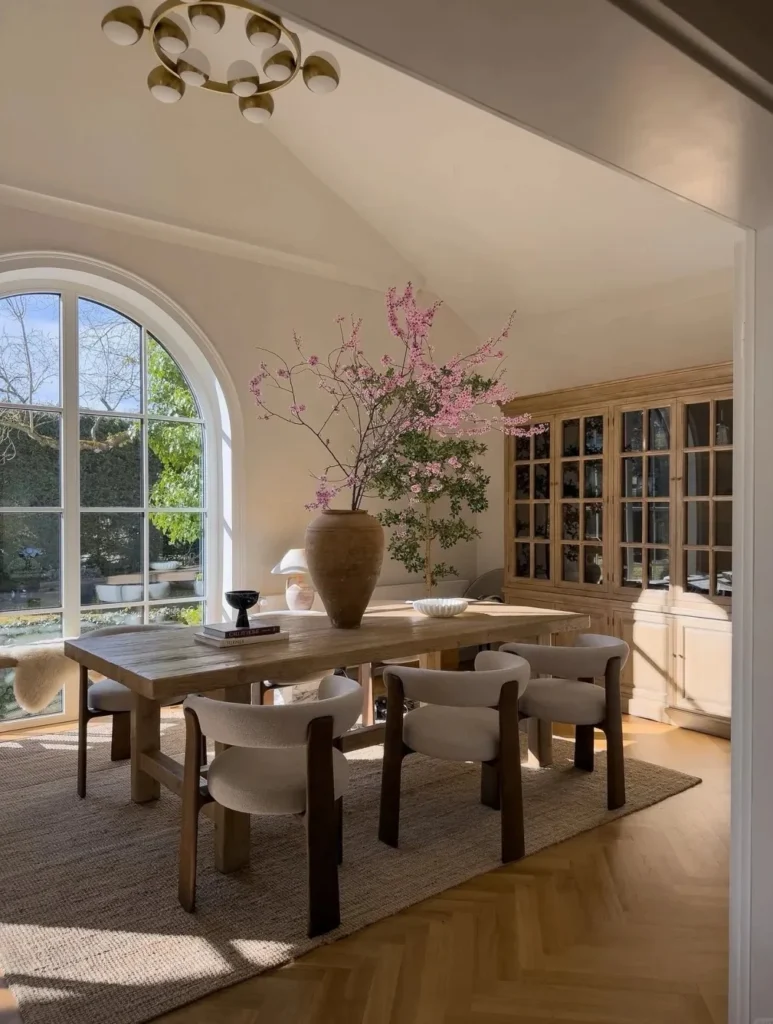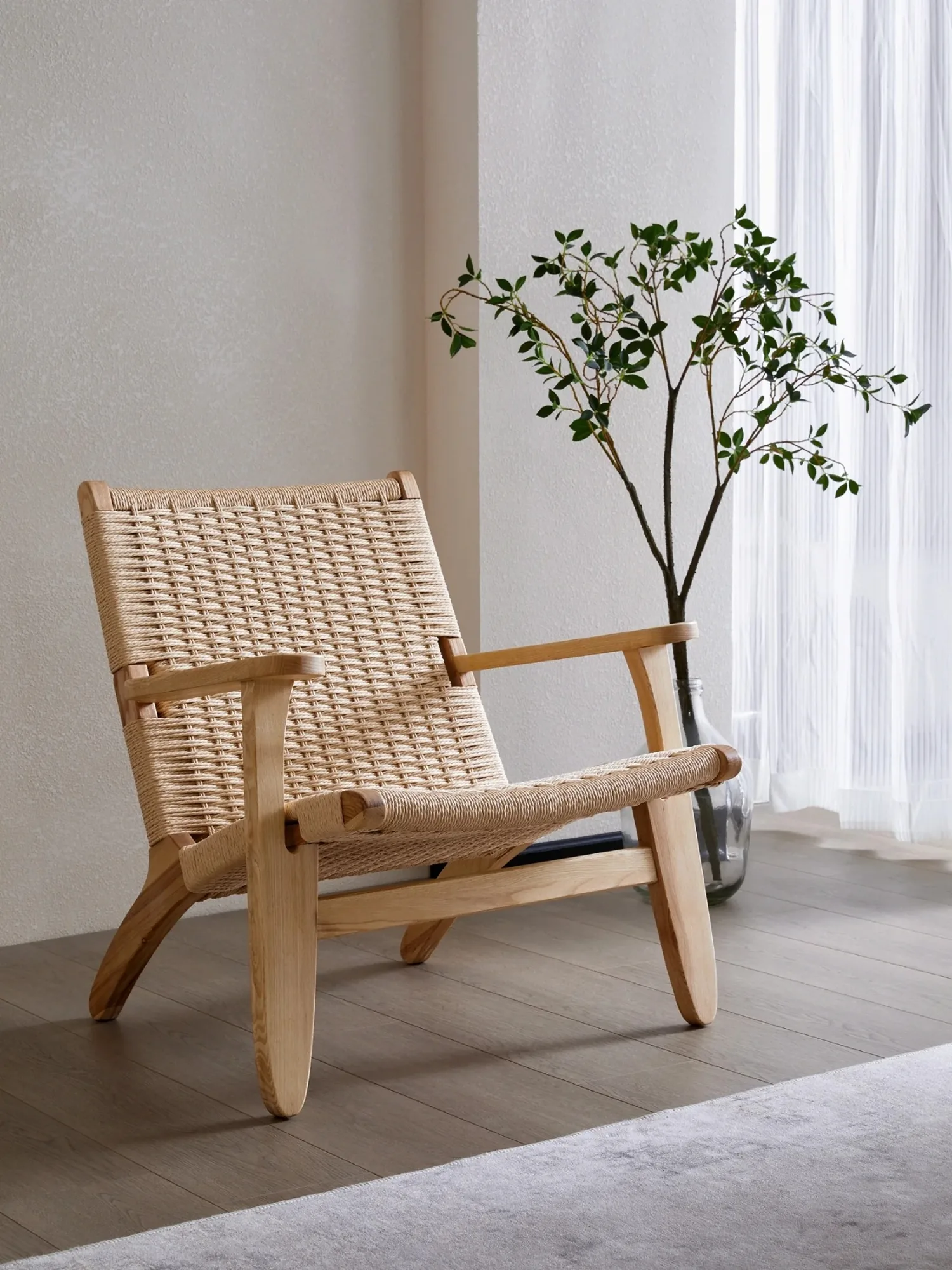
The biggest mistake when buying a lounge chair is treating it like a decorative object. If it will be used every day, comfort comes first—but comfort is not just softness. It is the relationship between seat height, seat depth, back angle, arm position, frame stability and cushioning.
1. Start with the room, not the chair
Before comparing fabrics or colors, measure the zone where the chair will live. A lounge chair needs visual breathing room around it; otherwise even a good design can make a room feel crowded.
| Room situation | Useful chair scale | What to watch |
|---|---|---|
| Compact living room | About 70 cm / 28 in wide and deep | Choose exposed legs, open arms or woven frames to reduce visual weight. |
| Medium to large room | About 80–95 cm / 31–37 in | Allows deeper cushions and a more enveloping seat without dominating the room. |
| Large open-plan room | Oversized chair or a pair | Use the chairs to create a conversation zone rather than leaving them isolated. |
As a working layout rule, keep roughly 40 cm / 16 in of usable clearance beside the chair where people need to pass. In a conversational setup, the lounge chair should feel connected to the sofa and coffee table rather than pushed to the perimeter. A spacing zone of roughly 1.2–1.5 m / 4–5 ft across the conversation grouping can be a useful starting point, then adjust for your actual room.
2. Comfort is about geometry, not just softness
For most adults, a practical lounge-chair seat height is around 40–45 cm / 16–18 in. Your feet should reach the floor naturally and standing up should not feel like climbing out of the chair. Seat depth commonly falls around 50–60 cm / 20–24 in; if you like curling up or semi-reclining, aim toward the deeper end. If you prefer upright reading or conversation, a slightly shallower seat can support you better.
Remember that body height changes the equation. A 58 cm deep seat may feel luxurious to a tall person and too deep to a shorter person. That is why trying the chair for several minutes is more useful than relying on a single “ergonomic” number.
3. Materials should match how you live
The best material is not the most expensive one—it is the one that matches the room, maintenance level and frequency of use. Construction matters too: a beautiful cover cannot compensate for a loose frame or weak cushion core.
| Material | Best for | What to know |
|---|---|---|
| Leather | Living rooms, studies, refined interiors | Easy to wipe clean and develops character, but temperature and feel vary with season and leather type. |
| Performance fabric / microfiber | Families, pets, everyday use | Look for abrasion resistance and realistic cleaning instructions rather than marketing labels alone. |
| Linen, cotton, chenille, bouclé | Soft, relaxed interiors | Texture adds warmth, but light colors and deep pile can require more care. |
| Rattan / woven fiber / PE wicker | Sunrooms, covered terraces, light interiors | Breathable and visually light. Confirm whether the material is actually rated for outdoor exposure. |
For the frame, solid timber or a well-engineered timber-and-metal structure is usually a good sign. For cushioning, a supportive foam core with a softer fiber or feather layer can balance durability and comfort better than an all-soft filling that quickly loses shape.
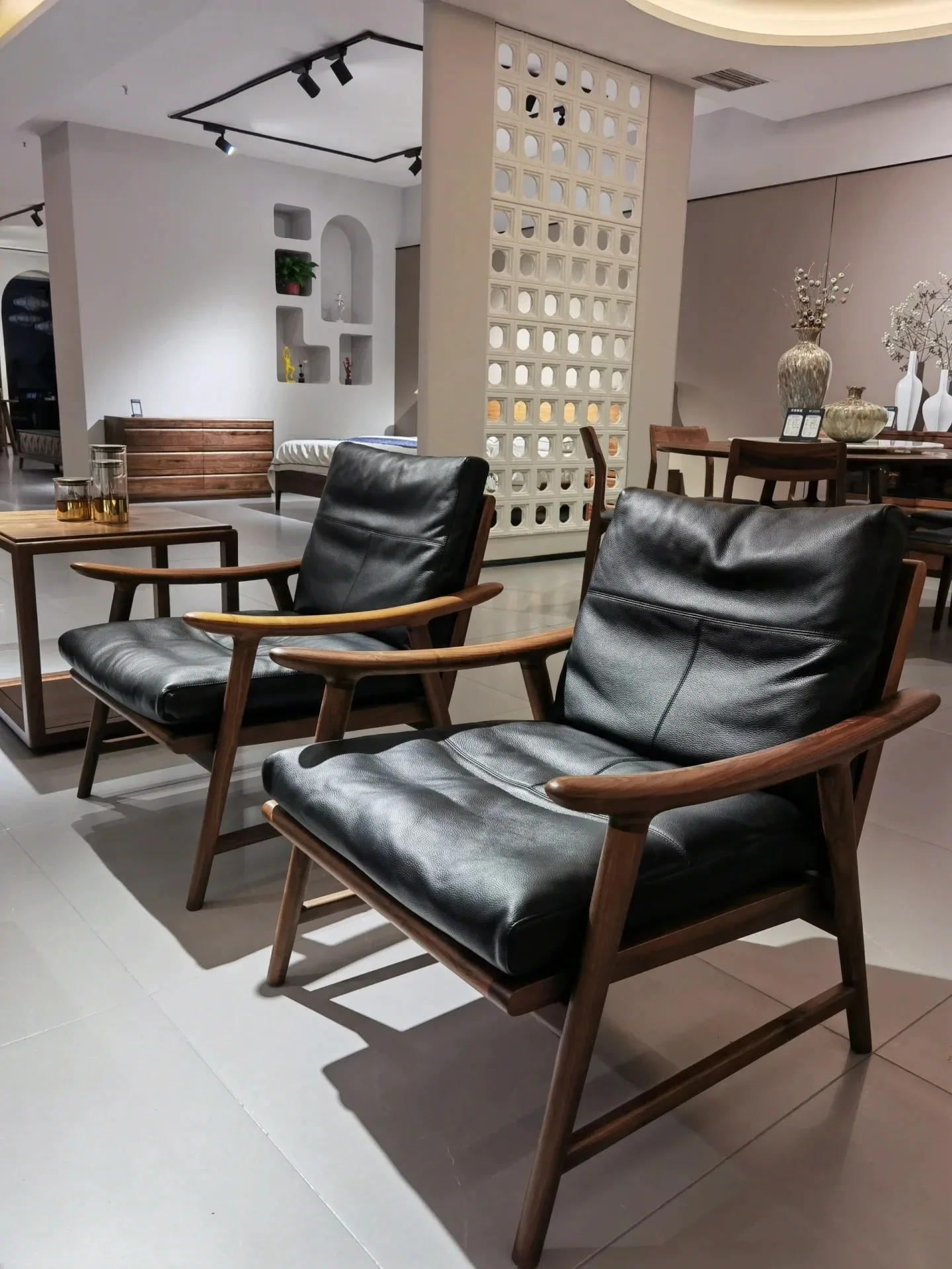

4. Match the chair to the sofa with contrast—not imitation
Your lounge chair does not need to match the sofa. In fact, the room often looks better when the chair introduces a controlled contrast in scale, color, texture or structure.
If the sofa is structured…
Choose a visually lighter chair with exposed legs, an open wood frame or woven surfaces to keep the room from feeling too formal.
If the sofa is dark…
A lighter oatmeal, cream, tan or natural-fiber chair can create separation and make both pieces read more clearly.
If the sofa is soft and rounded…
Try a chair with cleaner lines, timber arms or a more visible frame so the room gains structure.
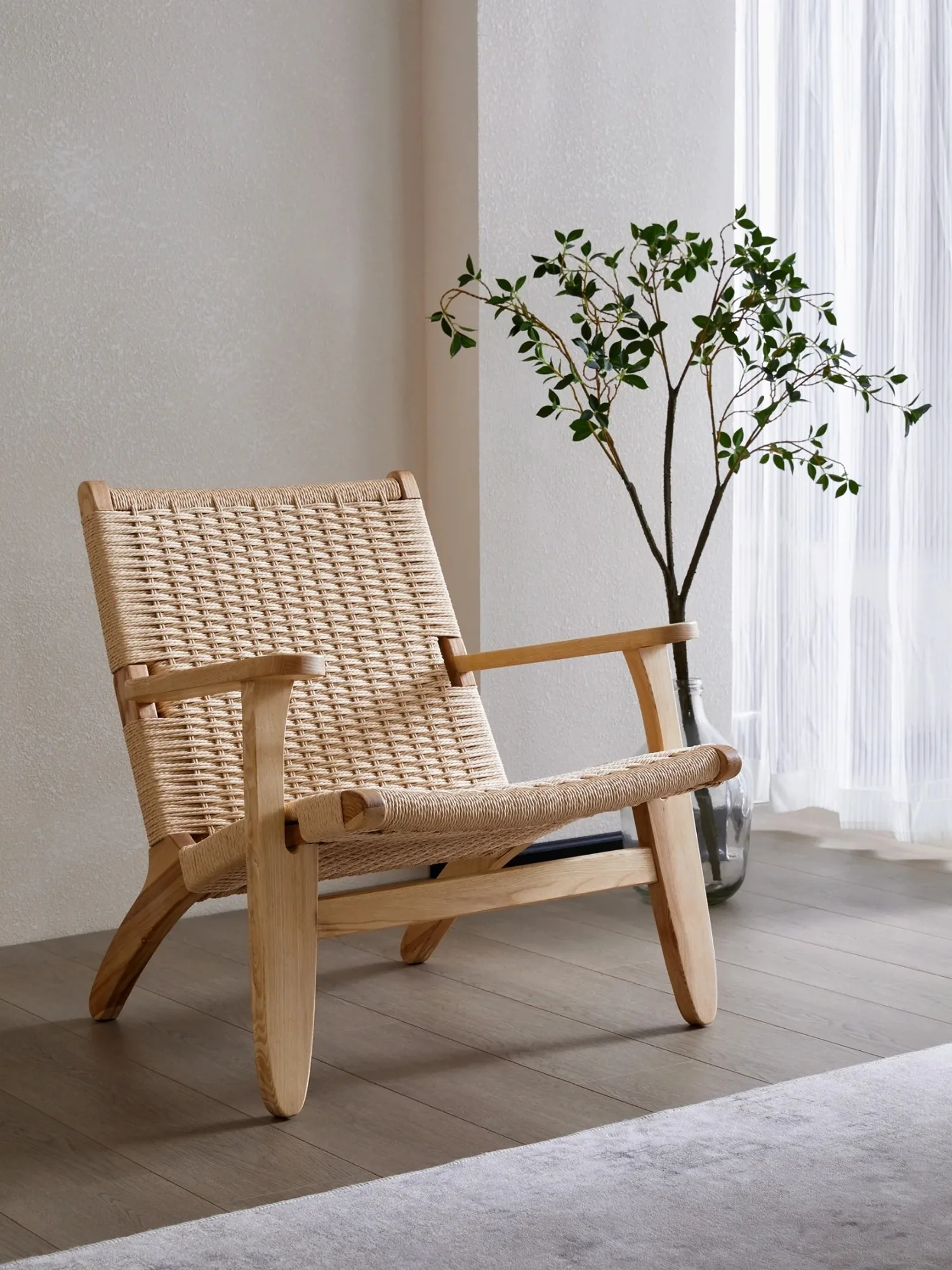
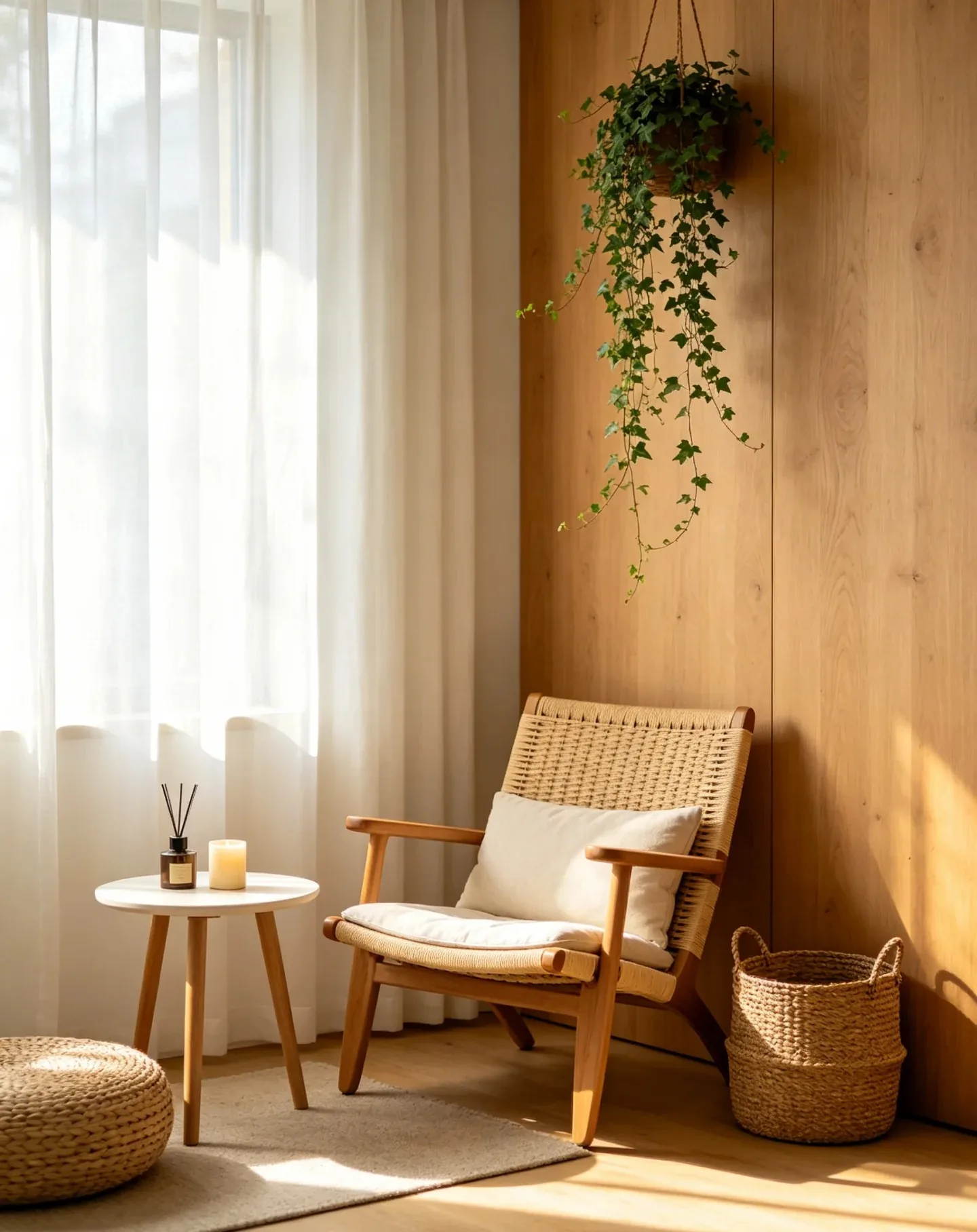
Light timber, woven texture and an open silhouette suit calm, airy rooms.
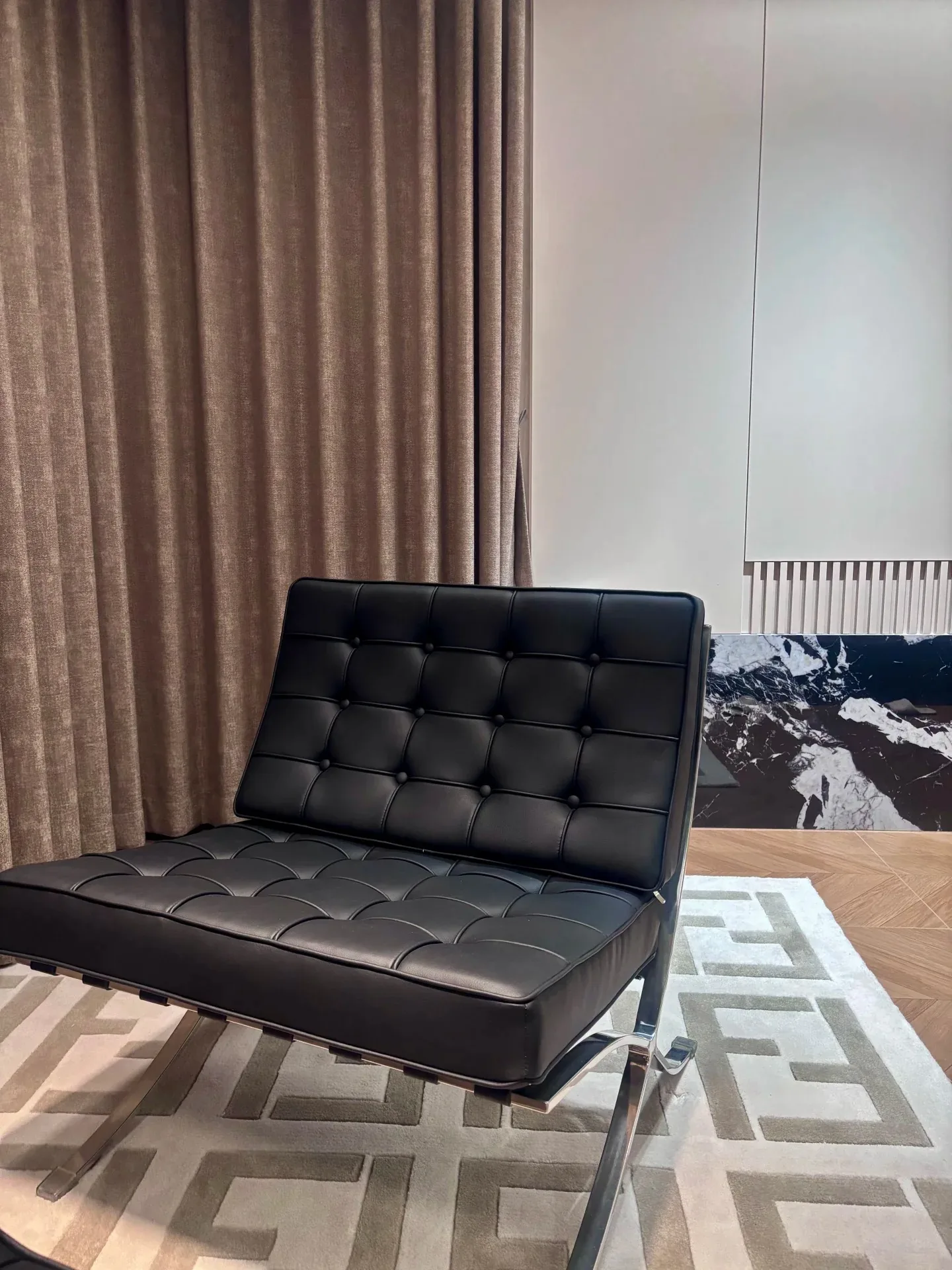
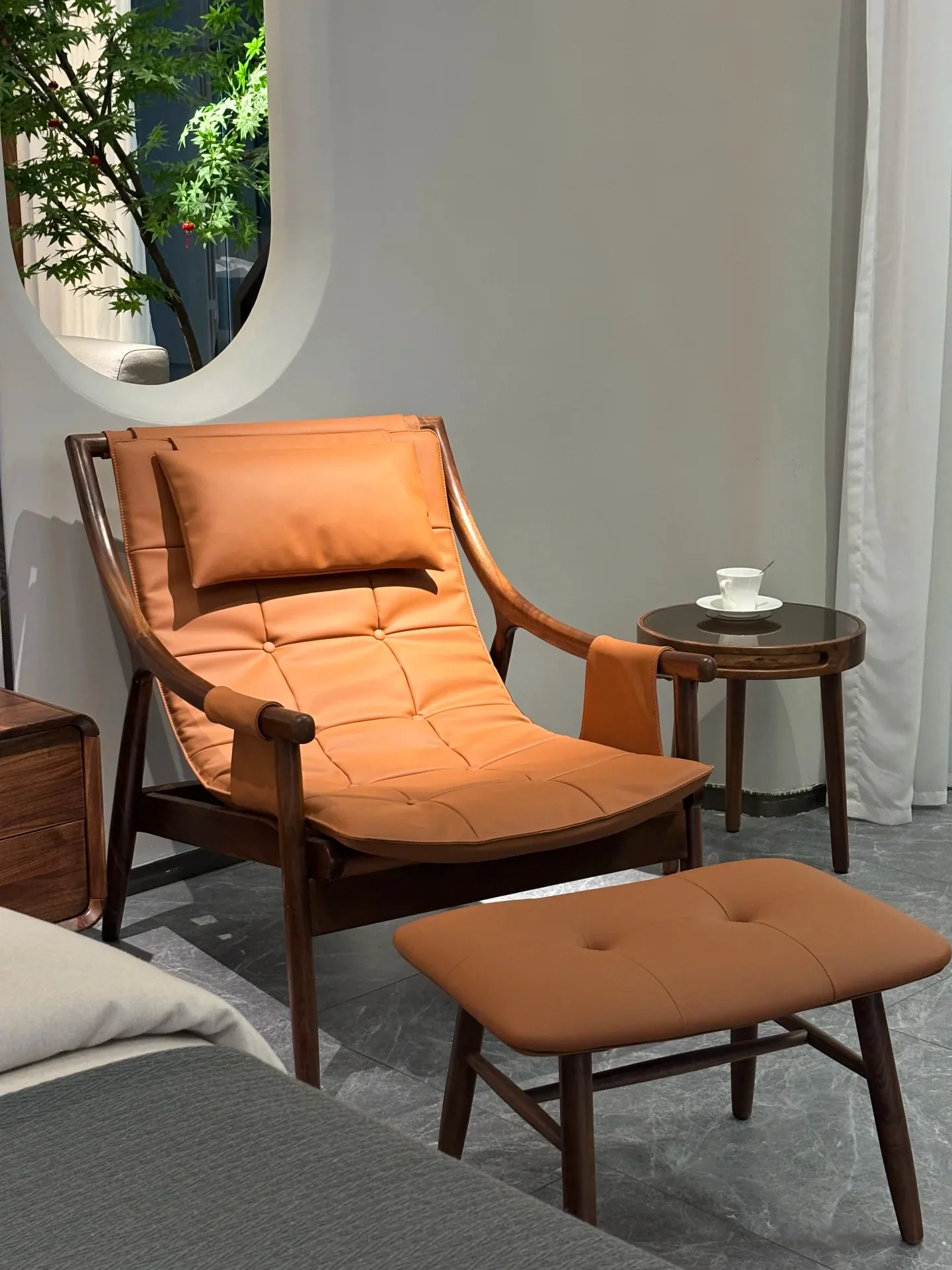
Low proportions, leather and metal create a sharper, more graphic contrast.
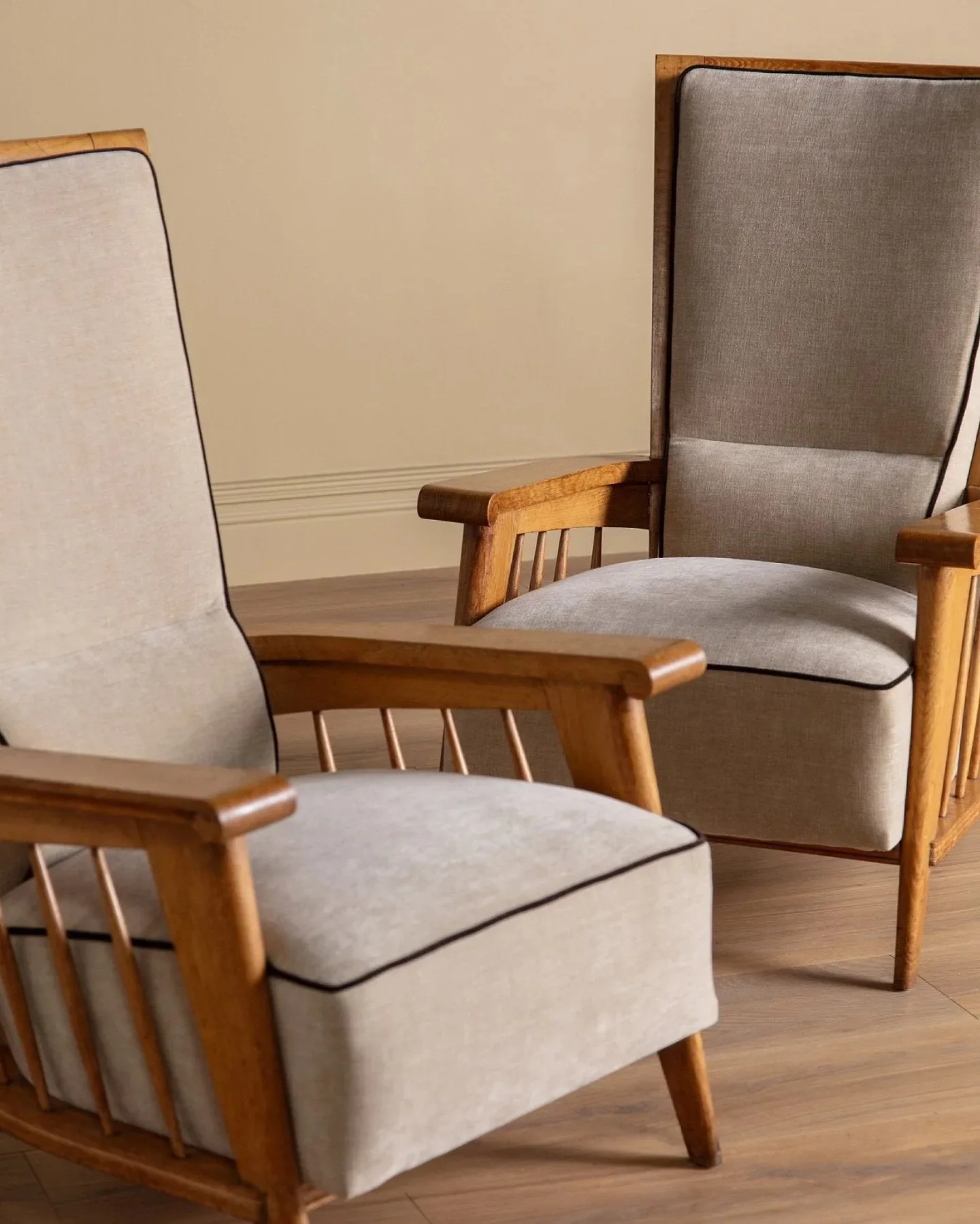
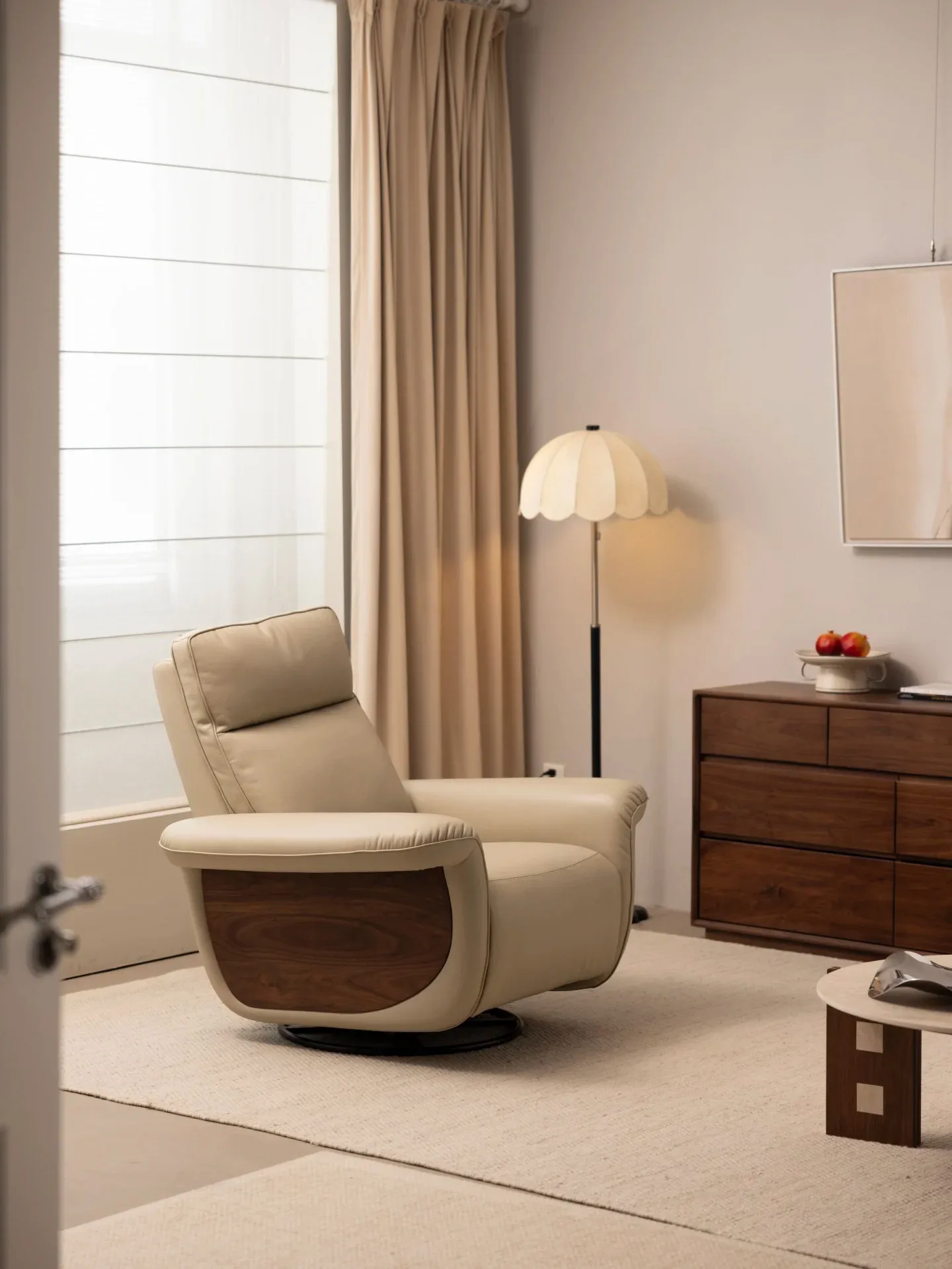
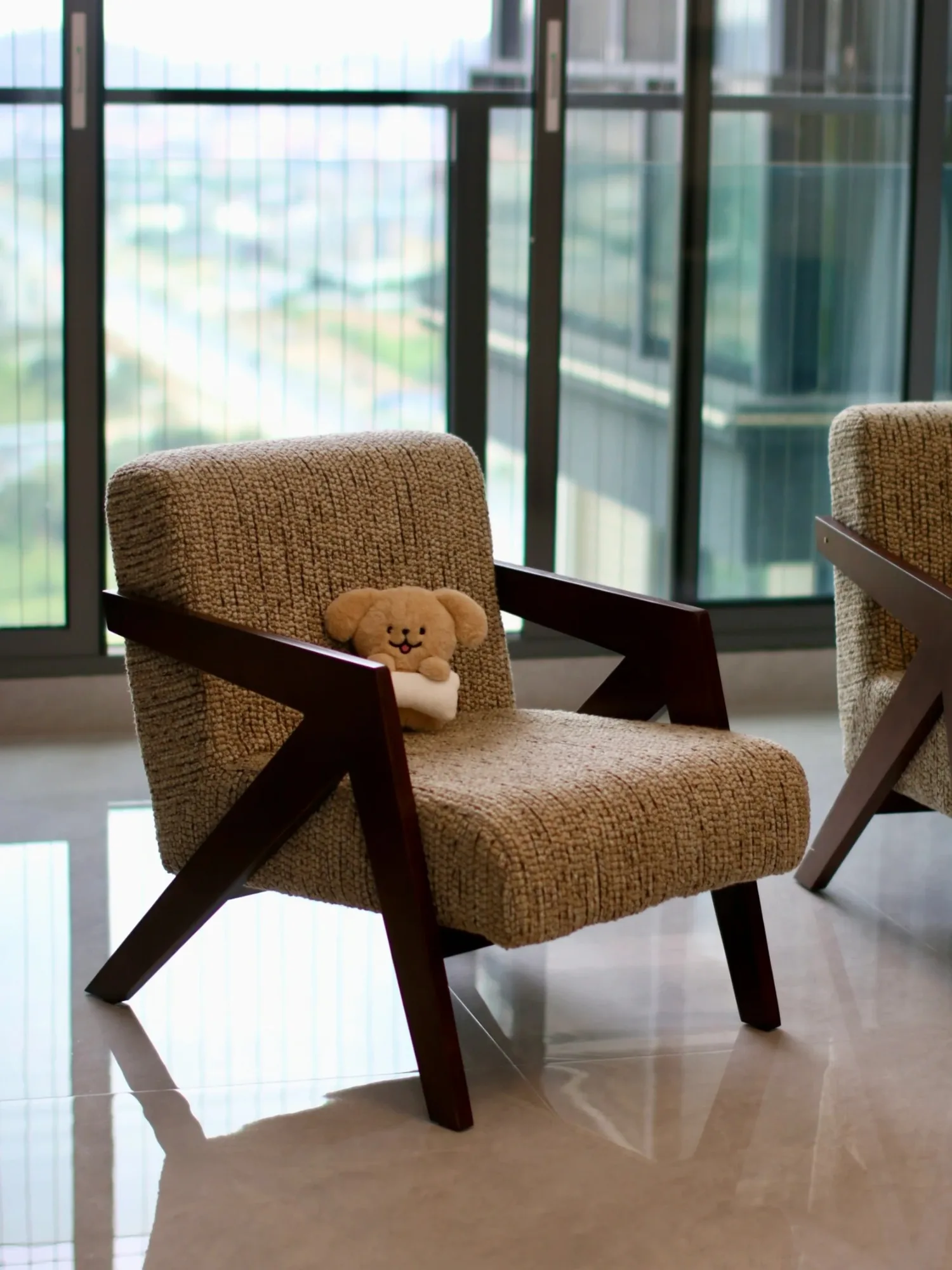
Upholstery softens the timber frame while a taller back adds presence and support.
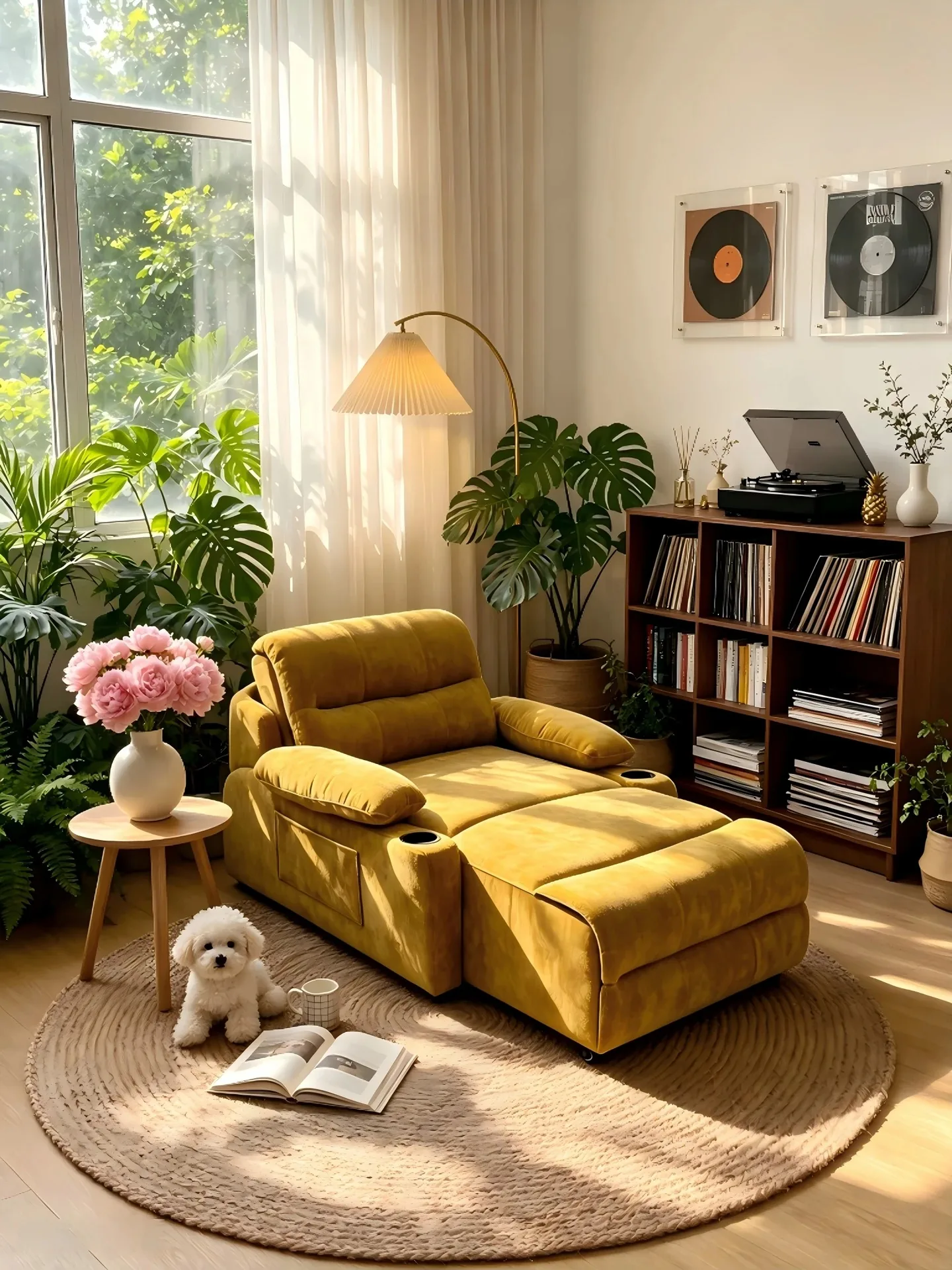
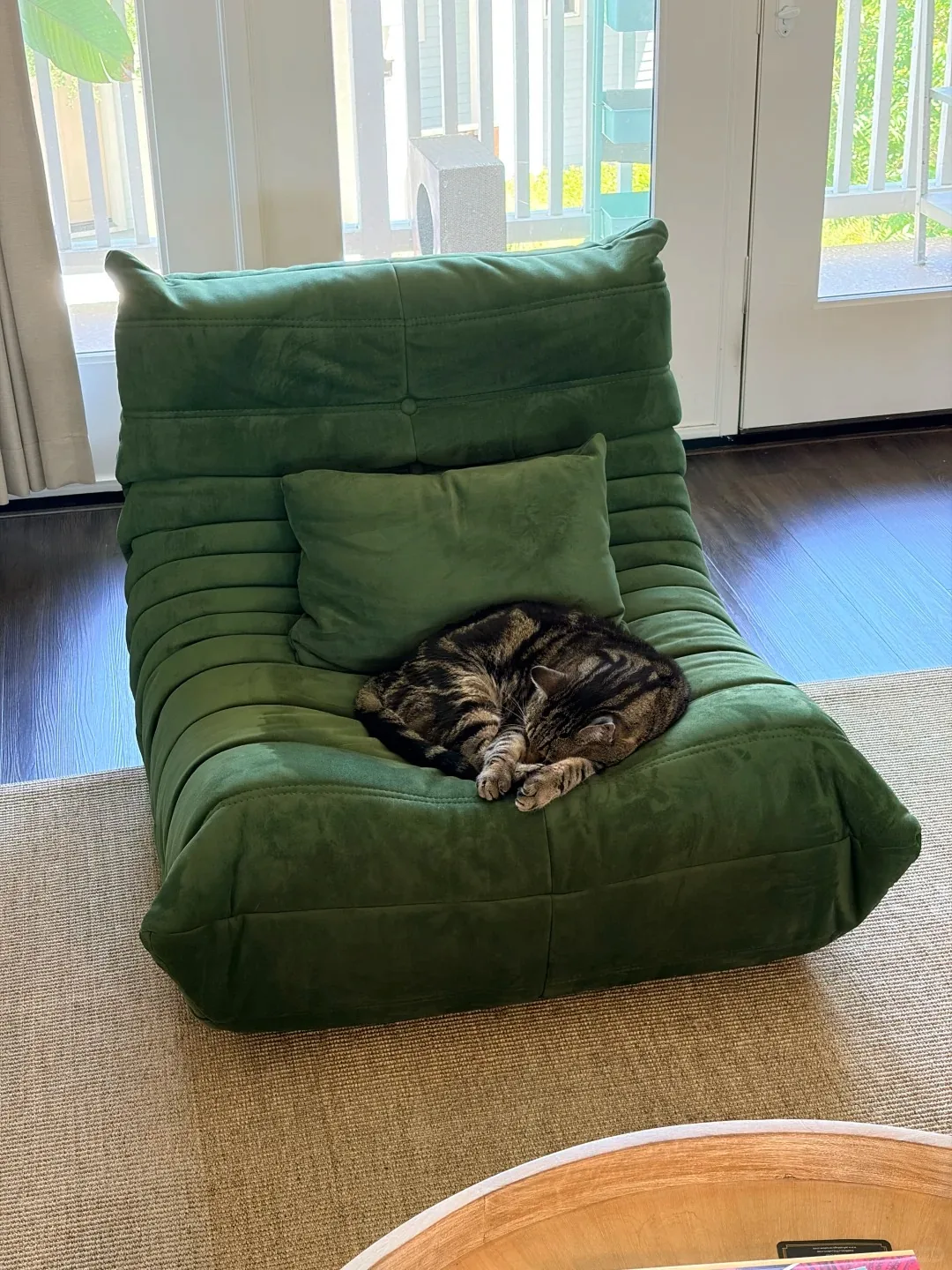
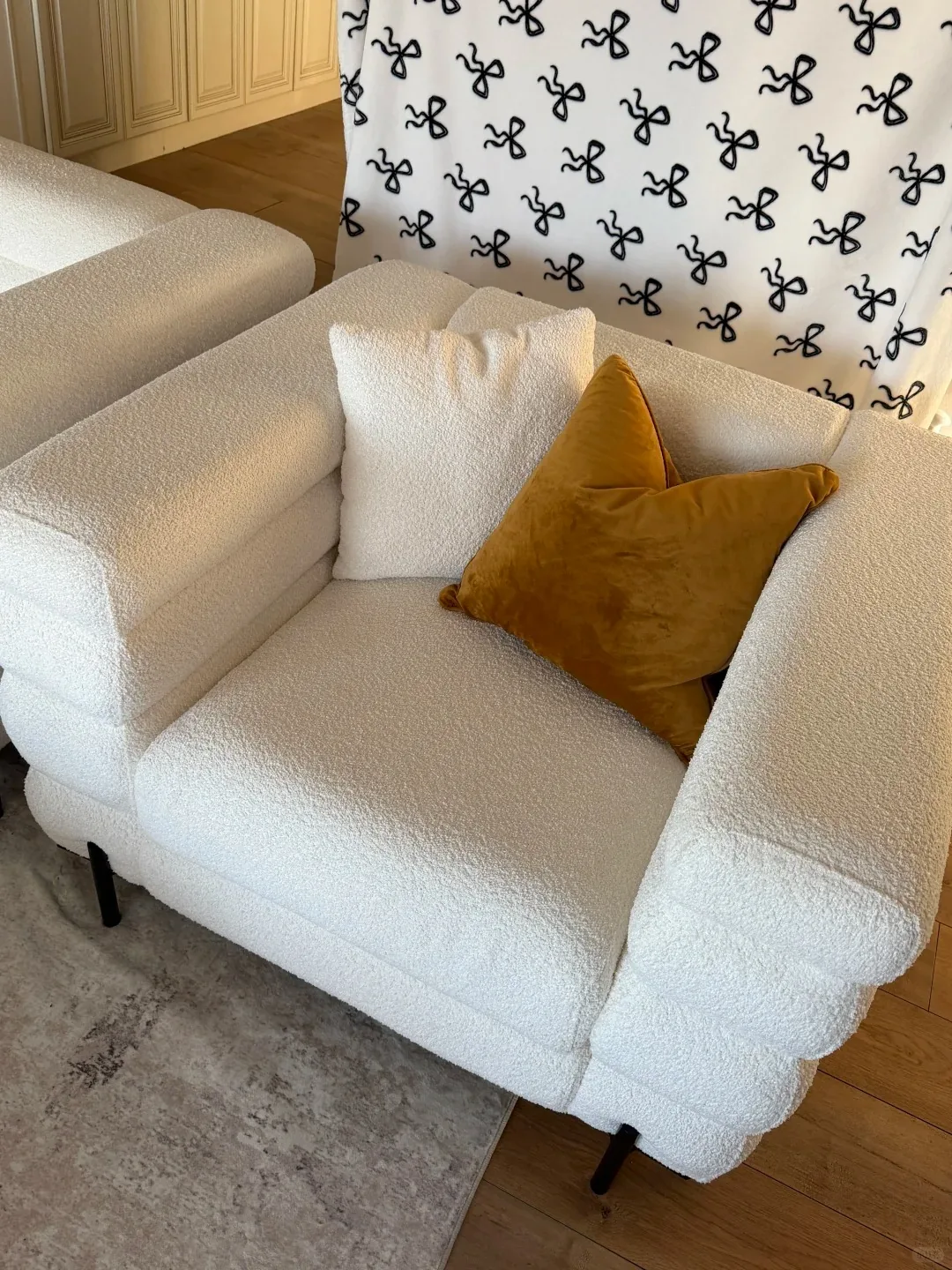
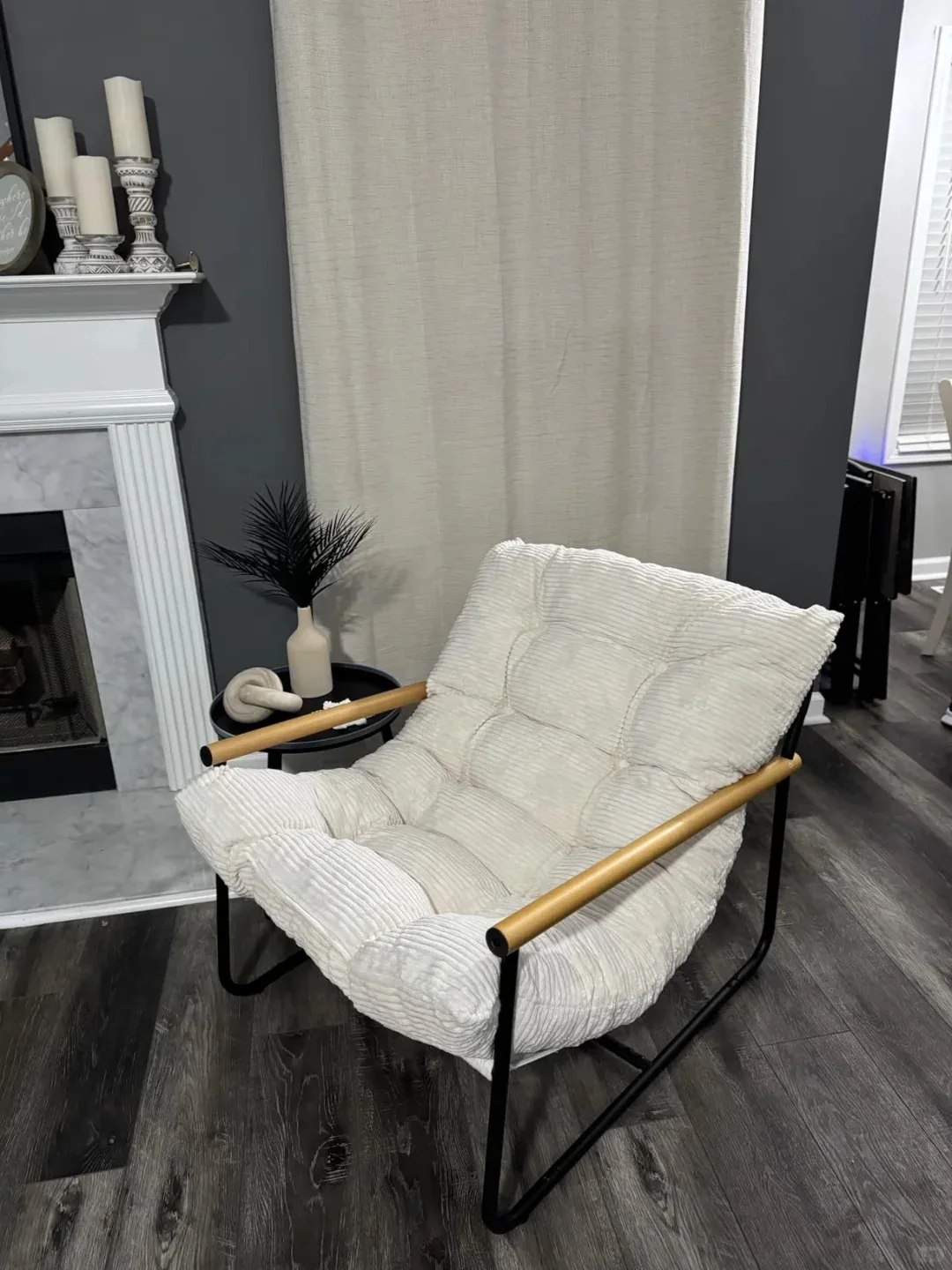
5. Choose the chair type for what you actually do
“Lounge chair” covers very different seating behaviors. Decide what the chair is for before deciding what it should look like.
6. The 5-minute showroom test
If the chair will be used every day, sit in it for at least several minutes. Do not judge it from the first soft impression.
- Sit all the way back. Does your lower back feel supported, or are you hanging forward?
- Check your feet. Can they rest naturally without strain?
- Check the seat edge. It should not press uncomfortably behind your knees.
- Rest your arms. Your shoulders should stay relaxed rather than being pushed up or left unsupported.
- Shift your weight. Listen for creaks and notice whether the frame feels stable.
- Stand up. The cushion should recover evenly, and getting up should not feel difficult unless you intentionally chose a very low lounge chair.
Quick buying checklist
FAQ
What is the best seat depth for a lounge chair?
A common useful range is about 50–60 cm / 20–24 in. Deeper seats suit lounging; shallower seats usually work better for upright sitting. Your height matters, so test whenever possible.
Should a lounge chair match the sofa?
No. It should relate to the sofa, but controlled contrast often looks better. Match one element—such as wood tone, color temperature or level of formality—then allow another element to differ.
Are very soft lounge chairs more comfortable?
Not automatically. Surface softness feels inviting, but the chair still needs enough support to keep your pelvis and lower back from sinking without control.
What is a safe choice for homes with pets or children?
Look for stable construction, rounded or forgiving edges, practical upholstery and clear cleaning instructions. Performance fabrics can be useful, but verify the actual care requirements.
Choose for the way you live
The right lounge chair should become the seat you naturally reach for—not the one you keep empty because it is uncomfortable. Measure your space, decide how you want to sit, choose a construction you trust, and then use style to make the chair belong in the room.
If you are ready to compare different silhouettes, materials and comfort levels, explore the Ratahome Lounge Chair Collection with these buying principles in mind. Look beyond appearance and choose the chair that best fits your room, your posture and the way you actually relax at home.