Furniture Styles
Mid-Century Modern
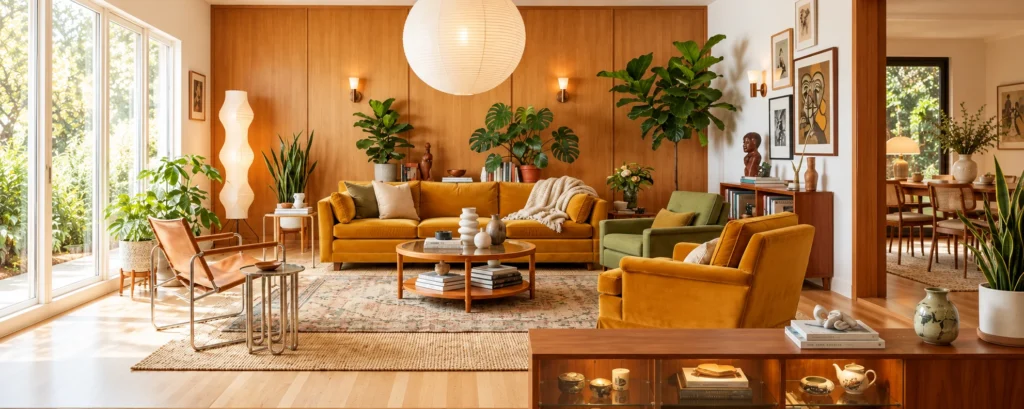
Explore mid-century modern furniture, defining shapes, warm woods, color palettes, iconic pieces, lighting, room ideas and a practical quality checklist.
Read article →
Modern furniture is not simply about straight lines or neutral colors. It is about how proportions, materials, comfort and everyday function come together. This guide explains how to recognize the style, select pieces that work together and check quality before you buy.
· Published
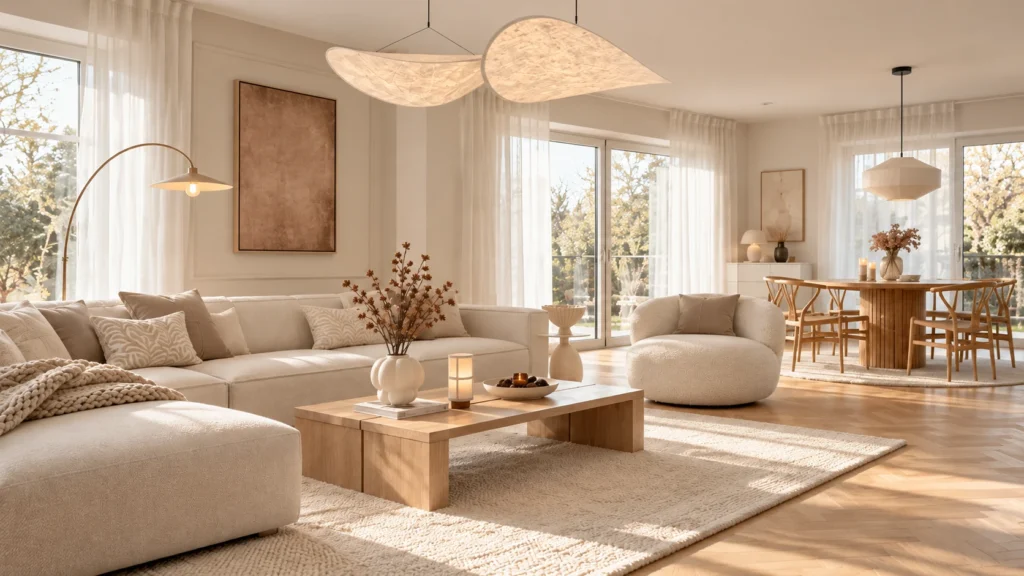
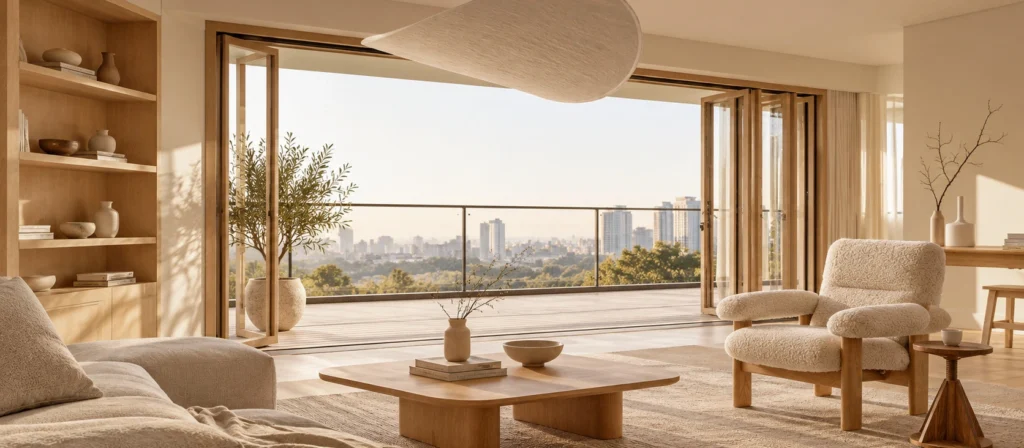
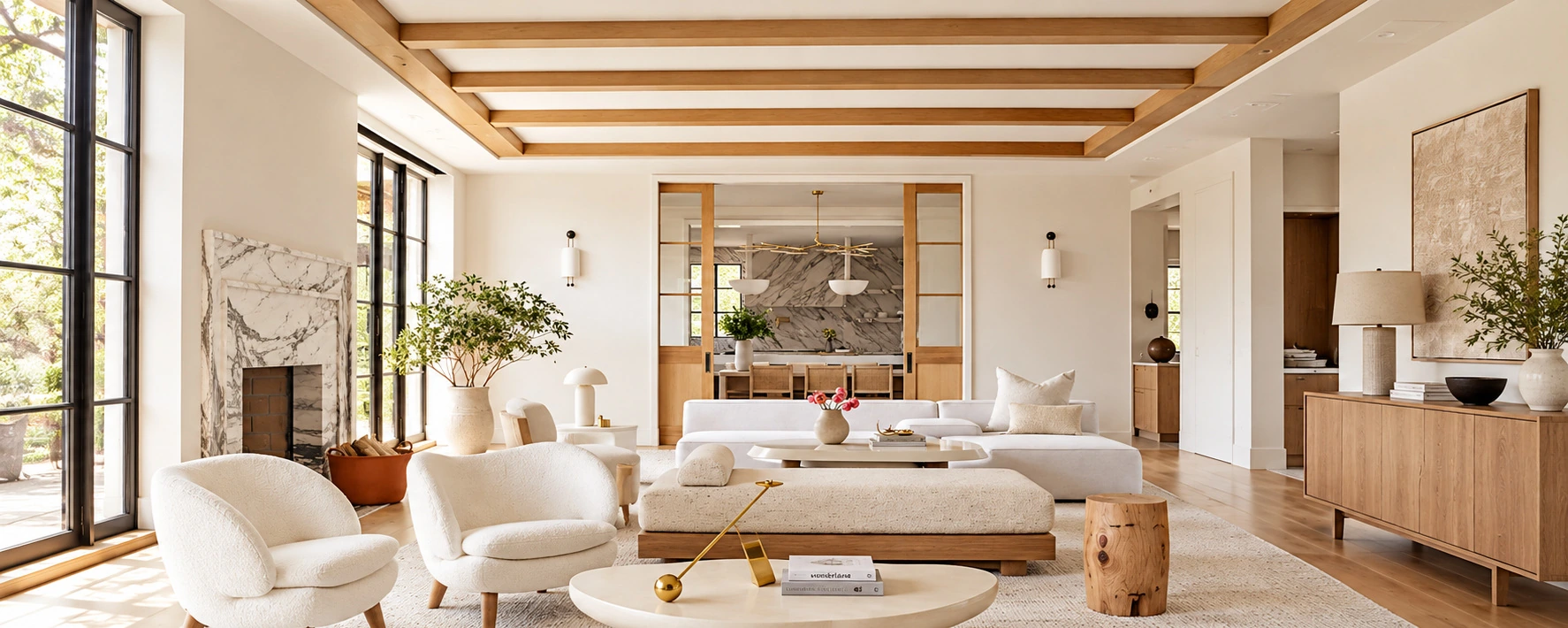
Use the accompanying residential photographs as design references for composition, furniture scale and finishes. They illustrate a single modern interior series rather than separate verified product specifications.
Modern furniture is defined less by a particular color than by a disciplined relationship between shape, proportion, function and materials. Clean silhouettes, purposeful detailing and uncluttered arrangements make each piece legible. Unlike a room built around decoration alone, a modern interior lets the sofa, table, cabinetry and lighting contribute to one coherent architectural composition.
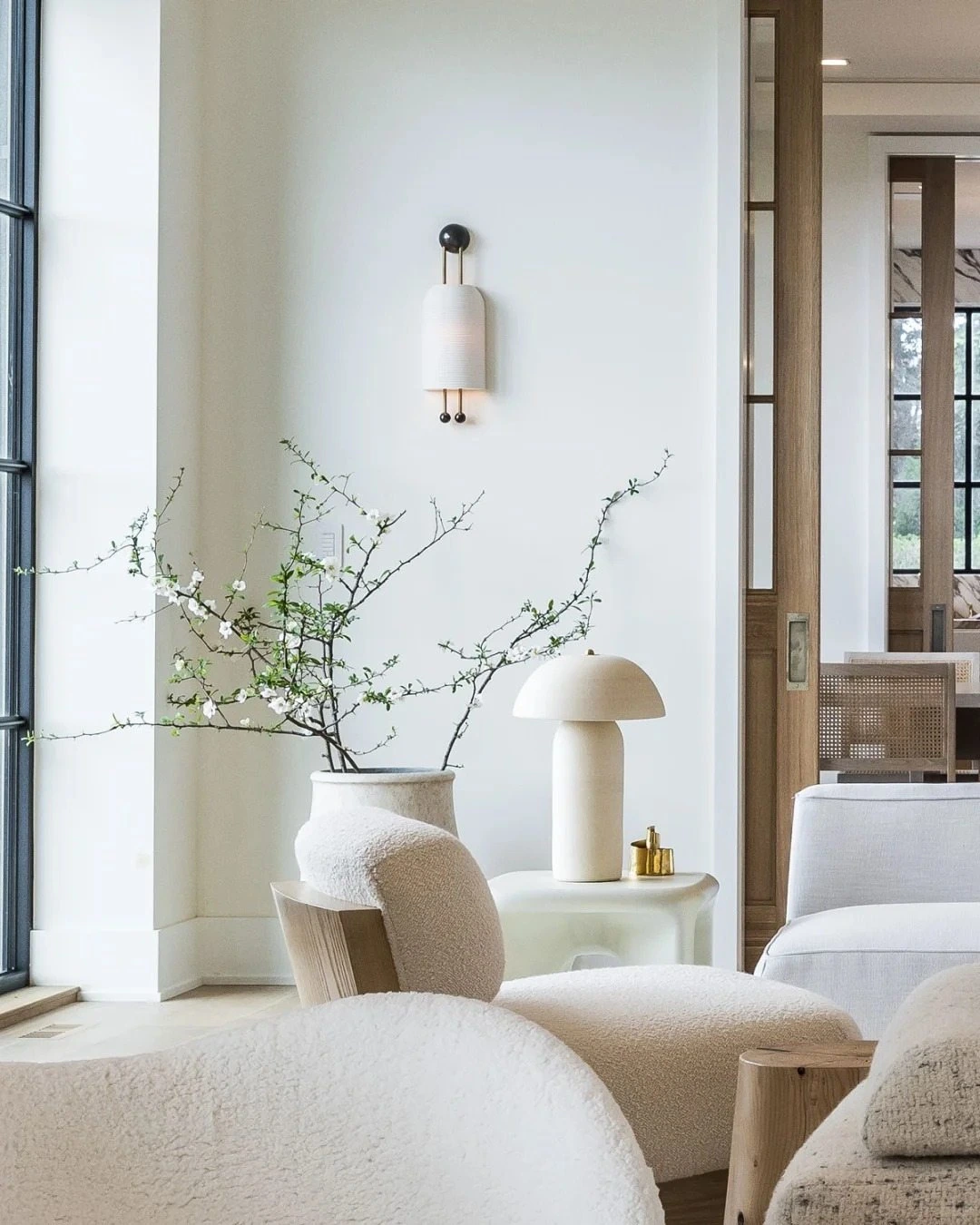
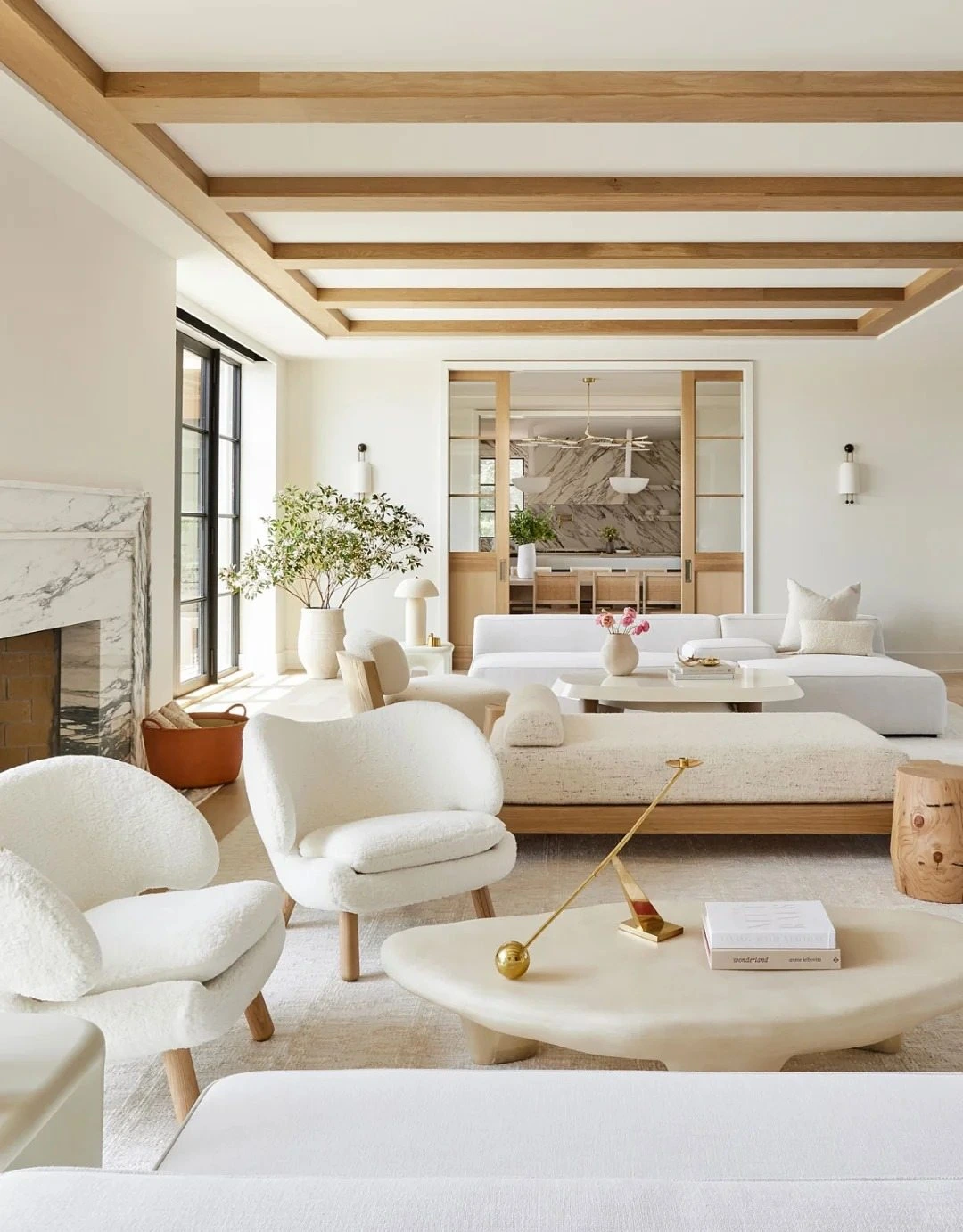
Modern design has roots in twentieth-century movements that emphasized function, industrial production and reduced ornament. Contemporary design describes what is being created now, so it can borrow from modernism as well as softer, sculptural and luxurious influences. For buyers, the practical question is not which label sounds better but whether the selected pieces share compatible lines, scale and materials.
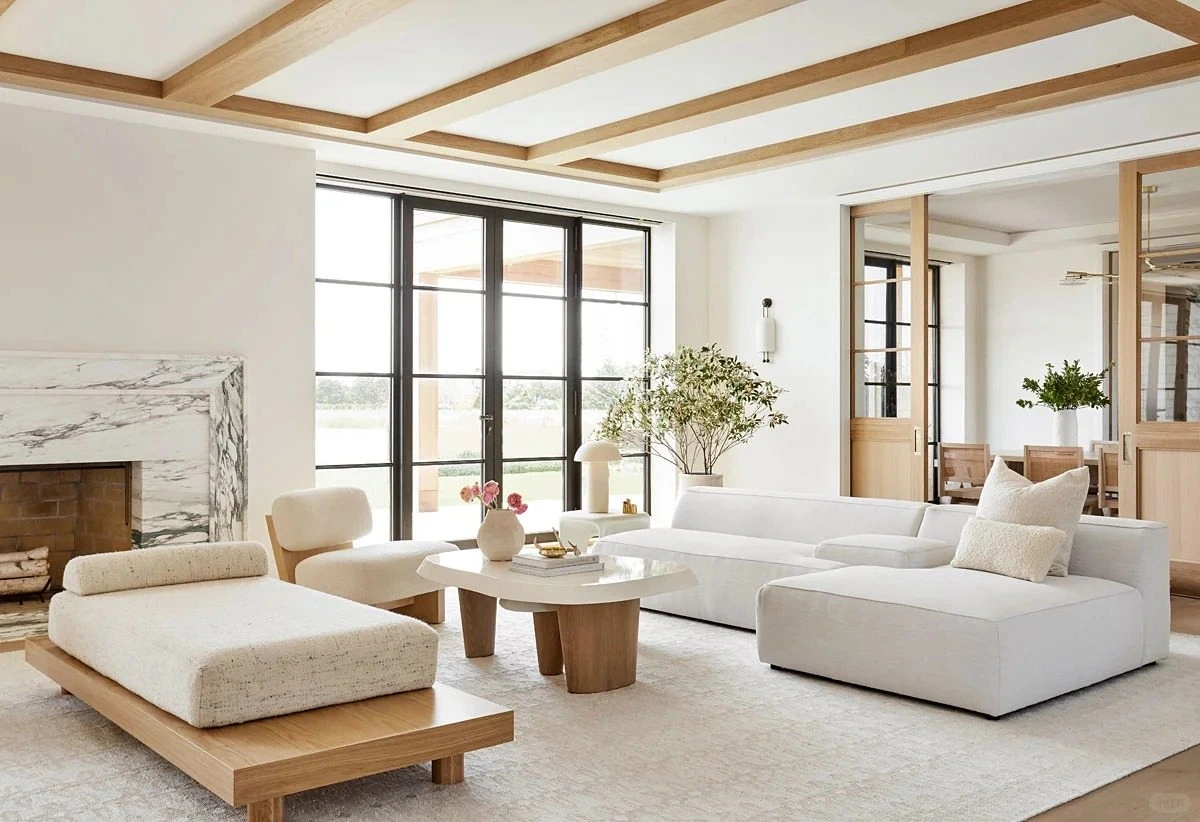
Look for clear profiles, restrained visual weight, comfortable but deliberate proportions and practical storage. A curved lounge chair can still feel modern when its form is simple; a large sofa can remain light visually through low arms or an open base. Good modern rooms balance solid volumes with negative space rather than filling every wall.
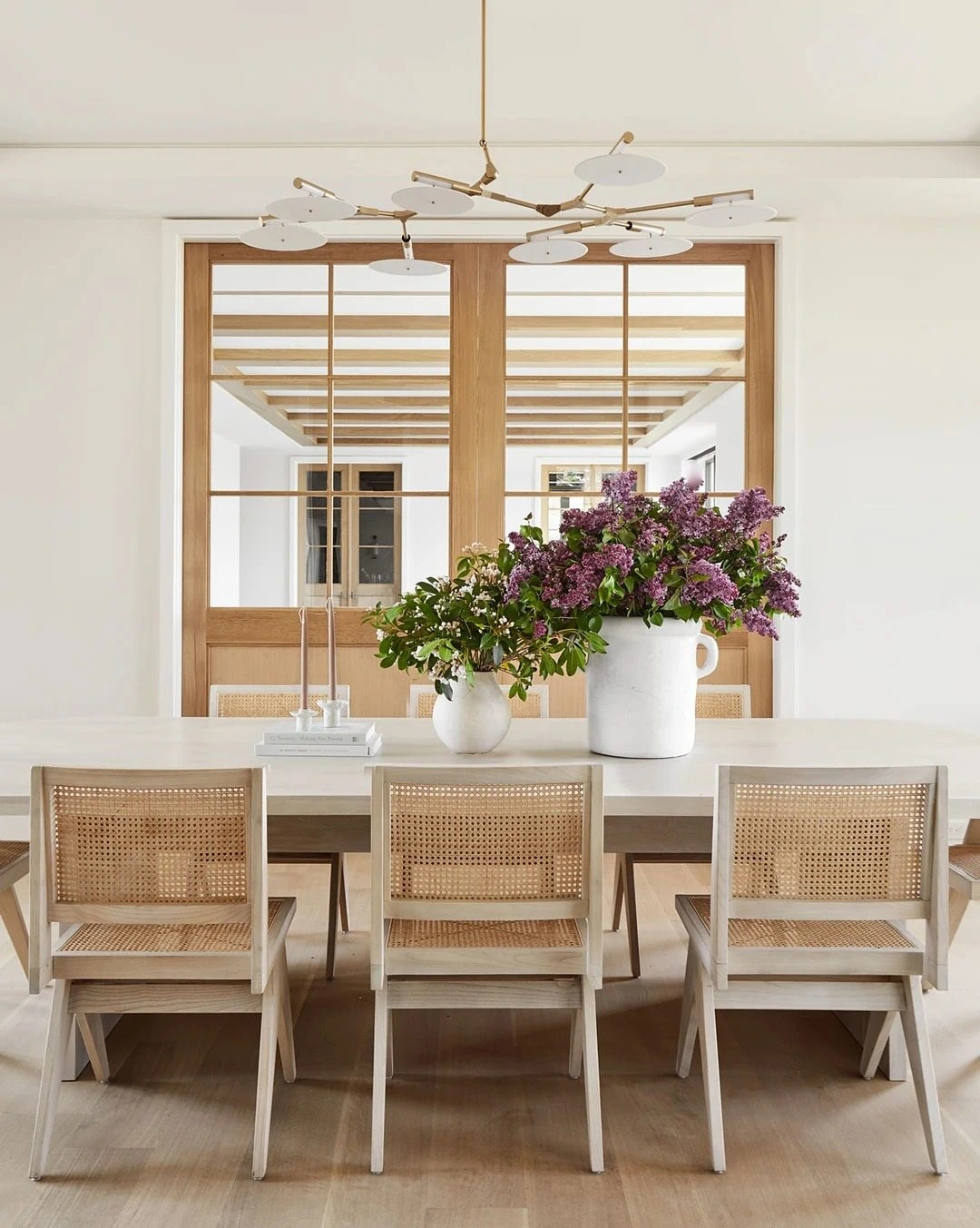
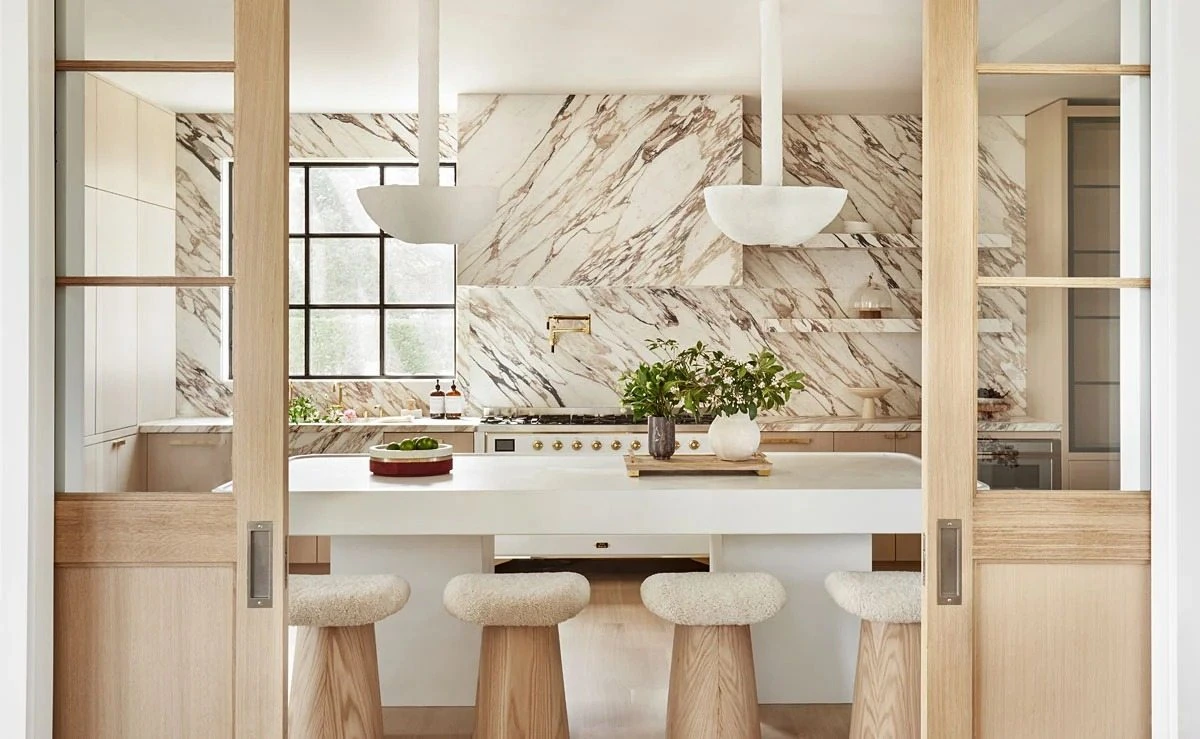
Wood brings warmth, stone introduces quiet texture, metal provides fine structural accents, and upholstered fabric softens the architecture. Choose a controlled material palette instead of matching every surface exactly. Inspect veneer matching, edge treatment, fabric consistency and finish sheen under natural and artificial light before confirming a large furniture order.
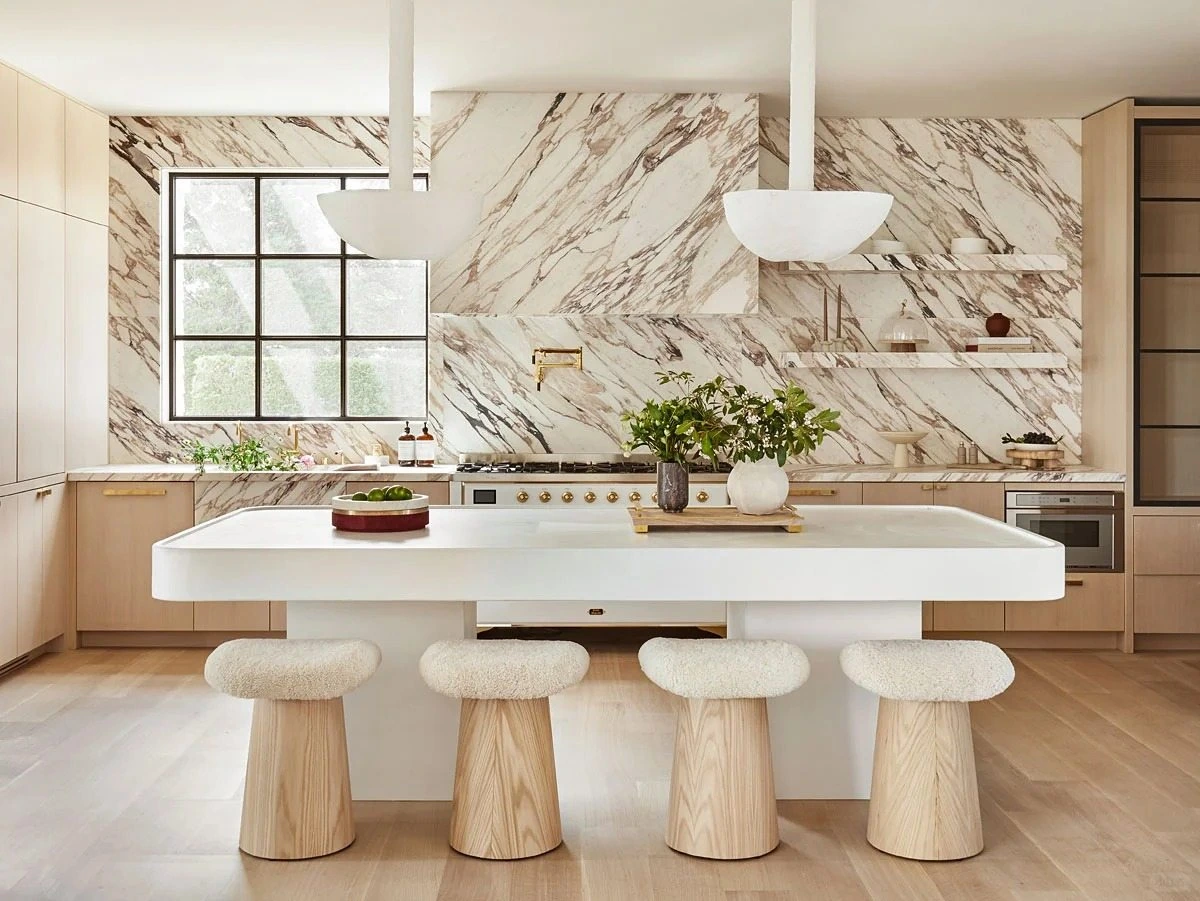
Warm white, taupe, sand, walnut, charcoal and muted earth tones provide a versatile foundation. Contrast is often more successful through texture than through saturated color: brushed wood against smooth stone, or tightly woven fabric against a polished table. Repeat a few tones across the room, but avoid making every item identical.
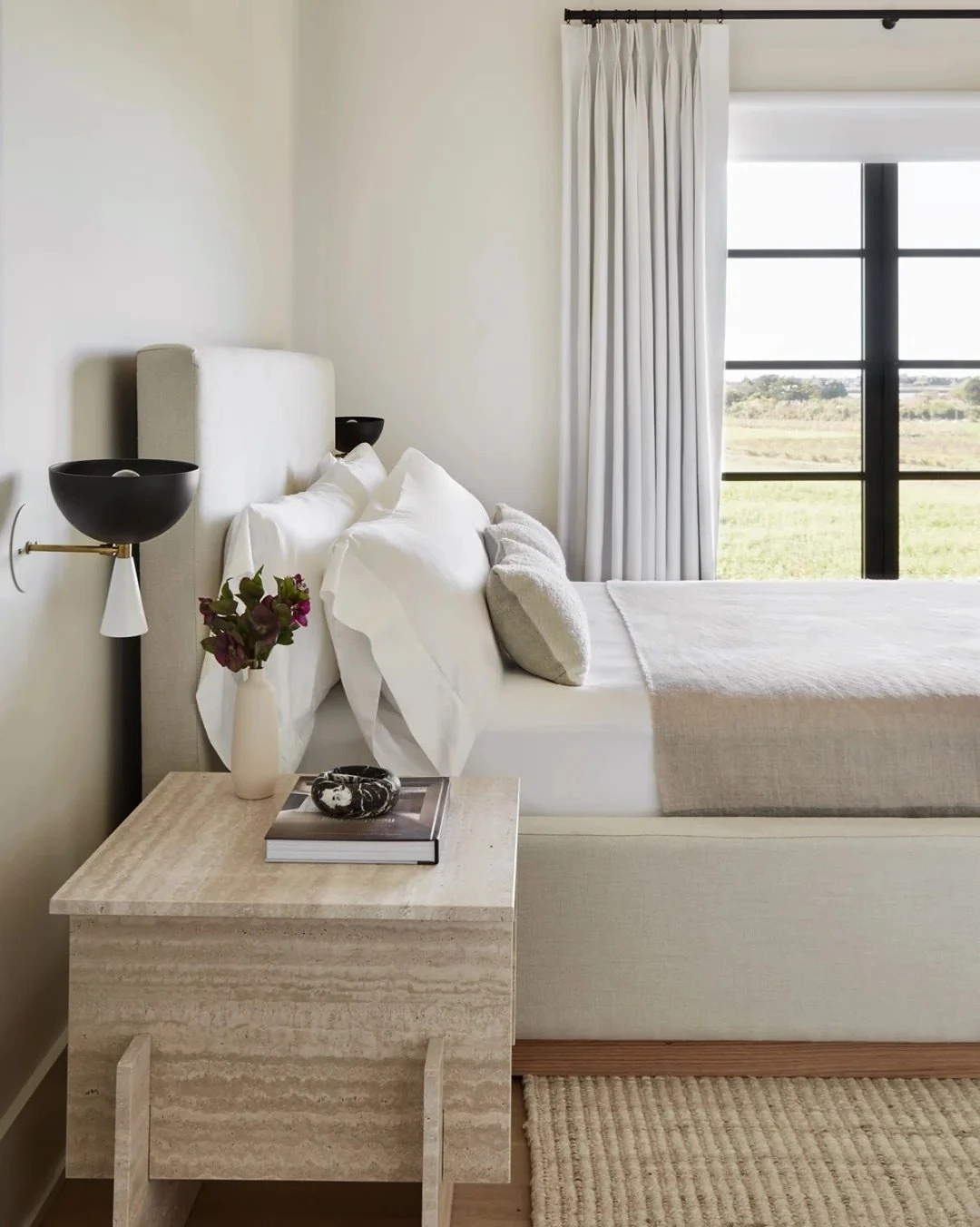
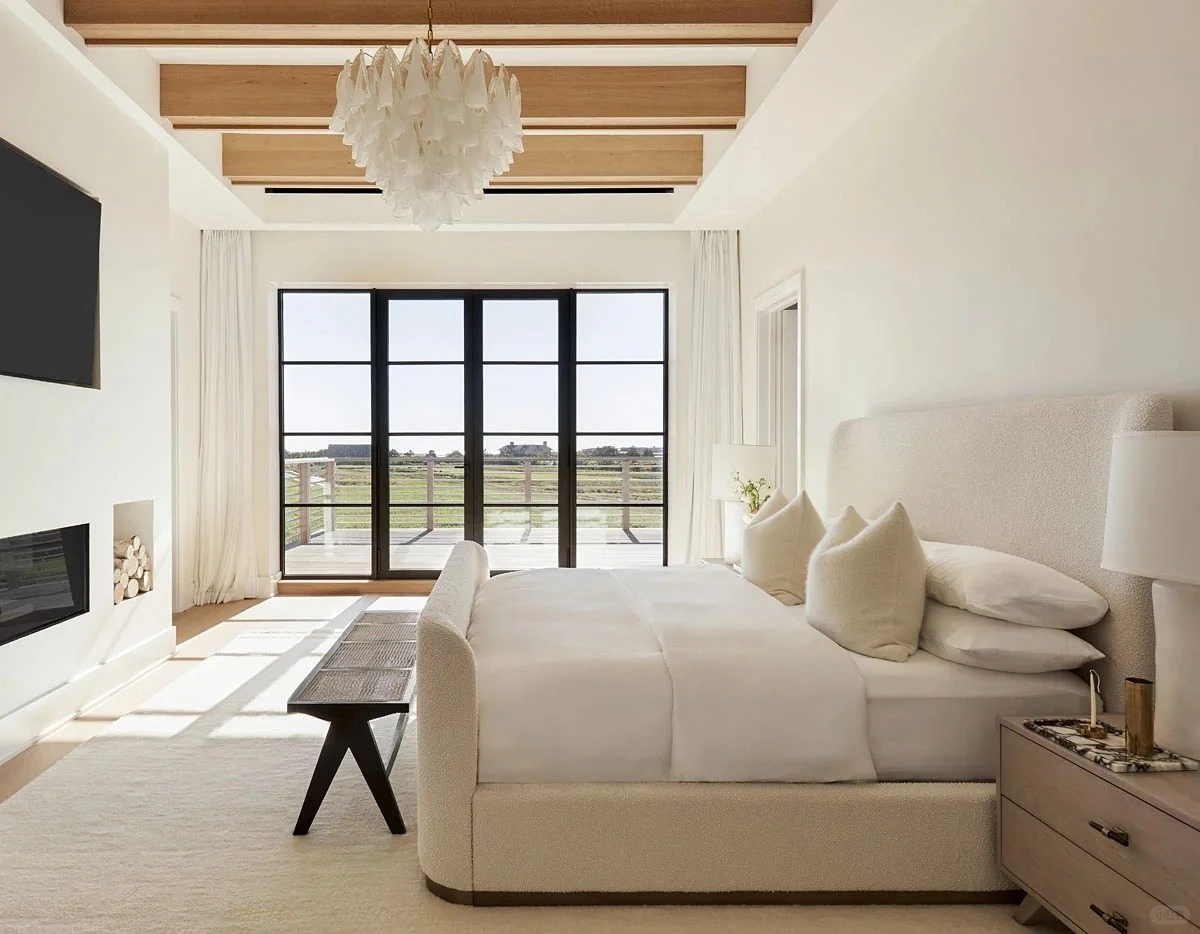
In the living room, start with seating scale and circulation; then choose a coffee table that suits the sofa height and footprint. For dining spaces, verify chair clearance and table leg positions. In bedrooms, use a calm headboard and practical bedside storage. In open-plan homes, repeat materials across zones to create continuity without using the same furniture everywhere.
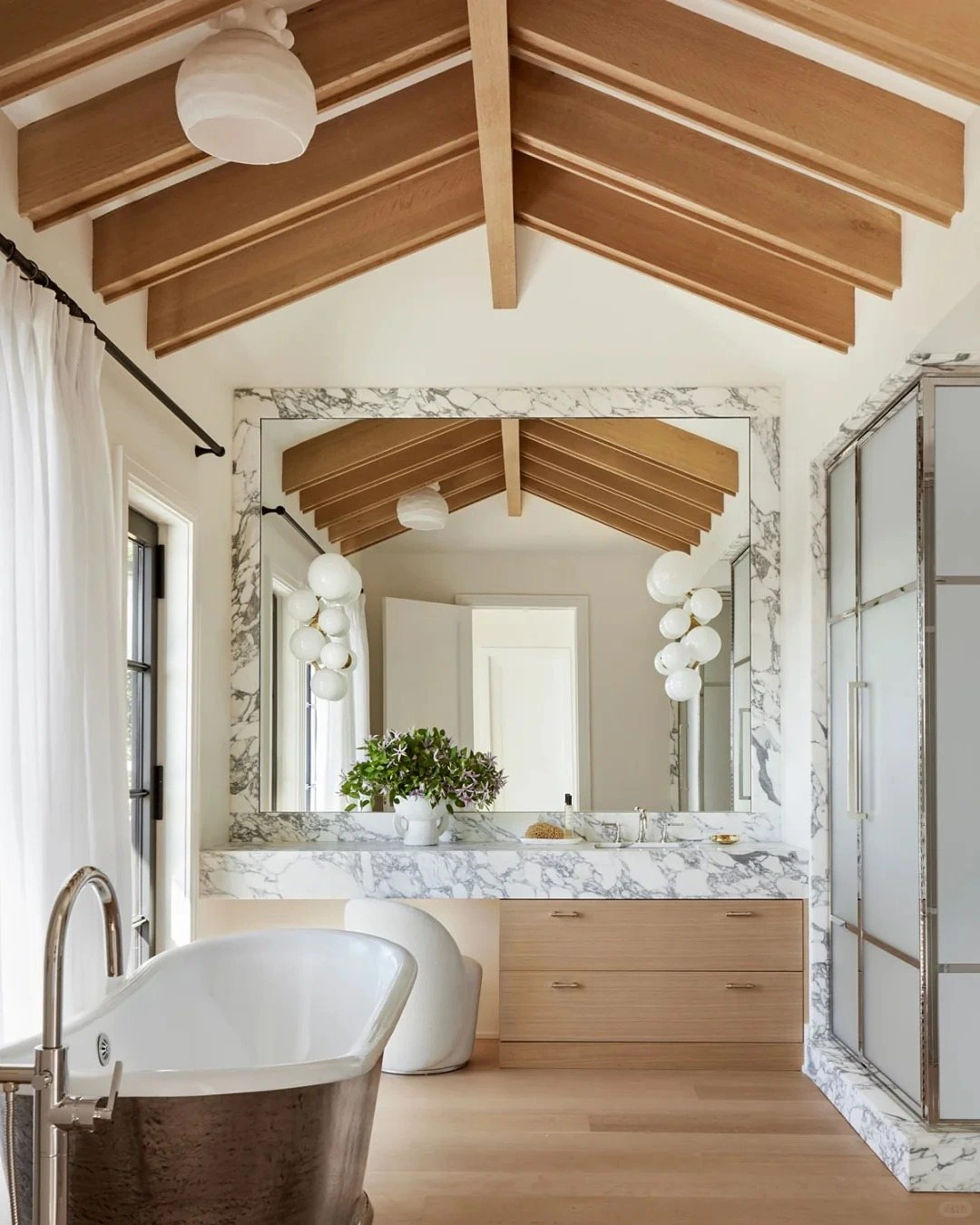
A streamlined exterior should never conceal weak construction. Check frame joints, panel thickness, stability, drawer runners, door gaps, upholstery tension and finish consistency. Ask for material specifications and dimensioned drawings, particularly when ordering custom pieces. Review samples in the lighting conditions where the furniture will be used.
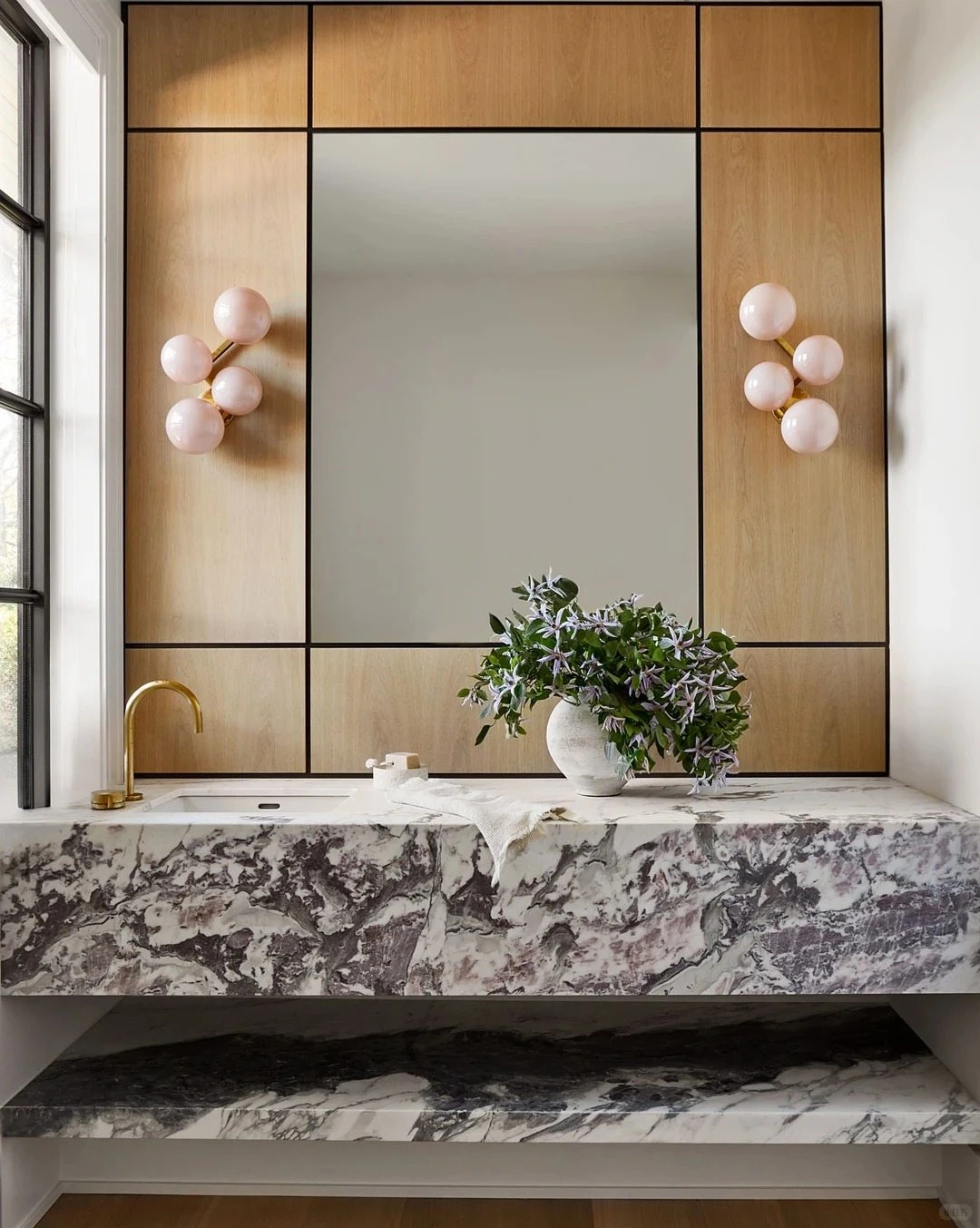
Measure doorways, elevators and installation routes before finalizing dimensions. Leave adequate walking space and check seat depth against the intended users. Common mistakes include oversized sectionals, too many competing finishes, poorly scaled lighting and storage that looks attractive but cannot function comfortably. A single coherent specification sheet helps prevent mismatches.
No. Modern furniture can include expressive curves, layered textures and luxurious materials while maintaining clear form and function.
Yes. Natural wood is one of the most effective ways to add warmth to a restrained scheme.
Approve dimensions, finishes, materials, hardware, upholstery samples, packaging requirements and delivery access.
Share your floor plan, inspiration photos and approximate dimensions with Ratahome. Explore materials, furniture construction and custom sizing before confirming your order.
Discuss Your Project →Explore more: Furniture joinery guide · Choosing wood for custom furniture · Sofa construction guide.
Explore mid-century modern furniture, defining shapes, warm woods, color palettes, iconic pieces, lighting, room ideas and a practical quality checklist.
Read article →Learn how to create a Scandinavian home with light wood, functional furniture, layered textiles, soft lighting, room-by-room ideas and a…
Read article →Learn how to create a Japandi home with natural wood furniture, warm neutral colors, room-by-room ideas, material tips and a…
Read article →