
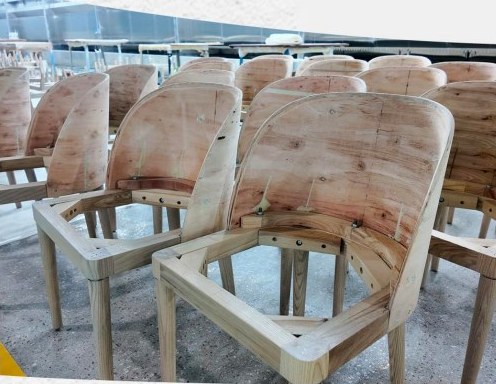
Before you choose a supplier
How to verify China furniture manufacturers
The showroom looks good and the price works. But who will make your furniture, and will the delivered pieces match the sample? Here is how to ask better questions before you pay.
How do you know who is really making your furniture?
Start with the company you will pay, the workshop that will make the goods, and the exact item you want to buy. Check each separately. A registered company can sell furniture made elsewhere, and a good sample does not prove a whole order will match it. Ratahome is a sourcing coordinator, not a furniture manufacturer.
Are you talking to the factory or the seller?
A showroom may buy from several factories. A factory may make the chairs but buy the matching tables elsewhere. Neither arrangement is necessarily a problem, provided you know who is doing what.
Ask a plain question: “Who will make this item, who will invoice me, and who will put it right if it arrives wrong?” The answer should name companies, not just say “our partner.”
| Supplier type | What they can offer | What to ask |
|---|---|---|
| Manufacturer | Experience making a particular type of furniture | Which parts of this item do you make at this workshop? |
| Showroom or brand seller | Samples you can see and compare | Who makes the version I am ordering, and who sells it to me? |
| Trading company | A choice of products from several makers | Who checks the goods and deals with a replacement? |
| Sourcing coordinator | Help comparing suppliers and following up the order | What does your fee cover, and which company sells me the furniture? |
For many identical pieces, a specialist factory may be a good fit. Furnishing several rooms may call for different makers. Compare both options in the China furniture overview; the word “factory” alone does not guarantee better quality or a lower delivered price.
Check the company behind the name on the brochure
The English brand on a catalogue may be different from the company's registered name. Ask for its Chinese legal name, business licence, registered address and unified social credit code—the business identifier used in Chinese company records.
Look up the company in China's National Enterprise Credit Information Publicity System, also linked from the State Administration for Market Regulation service portal. You may need to log in or complete verification. This checks the business record, not the quality of its furniture.
Now compare the name with the contract, invoice and bank account receiving your payment. If a different exporter or company is involved, ask why and get the explanation in writing. Save the details and date of your check.
If bank details change later, confirm them through a contact method you already trust. Replying to the message announcing the change is not a separate check. Get professional help with the contract or transaction where needed.
Ask to see how your type of furniture is made
Suppose you want upholstered chairs, but the tour shows only cabinets. You have seen a workshop, but you still do not know how your chairs will be made.
For upholstered furniture, ask to see the relevant frame-making, filling, cutting, sewing and assembly work. For cabinets and tables, ask about the boards or timber, edging, finishing and hardware. Find out which jobs happen there and which go to another company.
Take your drawing or sample reference into the discussion. Ask: “How will the person making this know which fabric and drawing version I approved?” Then ask what happens if that material is unavailable. You want changes brought back to you, not quietly substituted.
The same approach works for a remote review: ask for a current walkthrough of the stated workshop and an explanation of the work you can see. A general factory video cannot prove who controls the site. A visit also cannot guarantee future capacity, so discuss timing for your actual order.
The Foshan furniture guide helps you plan separate showroom and factory appointments.
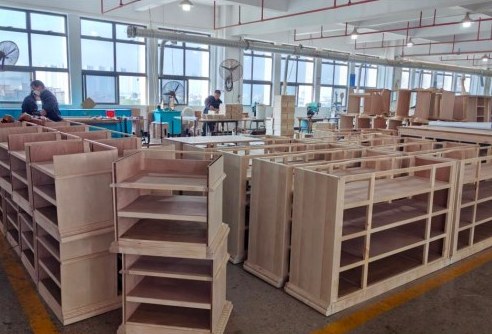
Four questions to ask a potential factory
A business licence and a workshop photo tell you different things. You need to connect both to your order.
Who will make your furniture?
Ask about the company you will pay, the workshop doing the work and the product you will receive.
Who am I paying?
Compare the company names on the contract, invoice and bank details. Ask for an explanation if they differ.
Where is it made?
Ask which workshop will make your order and whether another factory will do any part of the work.
Can I check this model?
Look at the relevant sample, drawings and reports, rather than relying on evidence for a different product.
Who fixes a problem?
Agree who will inspect the order, approve changes and arrange corrections before it ships.
Keep in mindKnowing a company is registered does not tell you whether its furniture matches your needs. Check both.
These questions help you check a supplier; they are not a certification. Ratahome coordinates sourcing and works with separate manufacturers.
What does each document or visit really prove?
A licence, a sample and a test report answer different questions. None replaces the others.
| Evidence | Useful for | Does not establish by itself |
|---|---|---|
| Business record | Identifying the registered entity | Product quality or actual in-house manufacture |
| Workshop review | Observing relevant processes and discussing capacity | Every future batch will match the sample |
| Approved physical sample | Agreeing appearance, dimensions and construction details | Required laboratory performance or bulk consistency |
| Test report | Evidence about the tested item and stated test conditions | All models, all materials or all destination rules |
| Pre-shipment inspection | Checking the inspected goods against agreed criteria | Every latent defect or shipping outcome |
Imagine being shown a test report for a chair with different filling from the one you are buying. The report may be genuine, but does it cover your chair? Check the model, materials, test standard and edition, results and stated limits. Where the answer matters, ask the report issuer or a qualified adviser.
Requirements also depend on the destination and product. The CPSC's U.S. upholstered-furniture guidance, for example, has a defined scope. It is not a worldwide approval of everything a supplier sells. Confirm the requirements for your order with a qualified destination adviser.
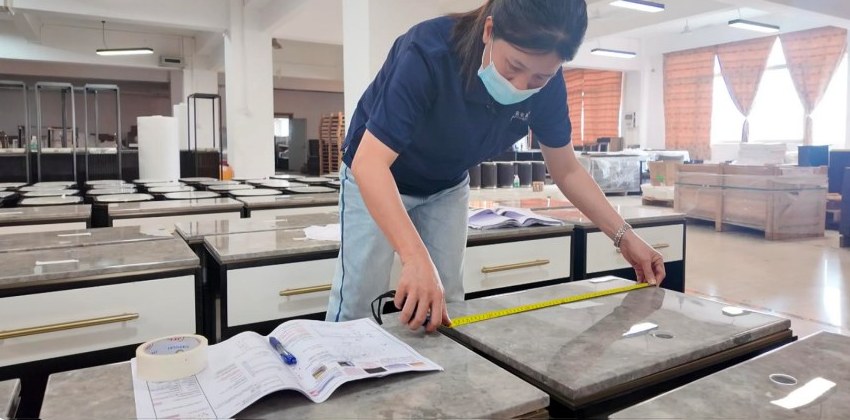
Make it clear what you approved in the sample
“Make it like this” leaves room for disagreement. Write down the sample's size, materials, finish, hardware and construction. If you like the shape but want a different fabric, make that change explicit before approving it.
Photograph details that words may miss: a seam position, a drawer gap or where two materials meet. Keep those photographs with the approved drawings and material samples. For natural materials, agree which colour or grain differences are acceptable.
Ask the manufacturer to keep the approved references available to the production team. Any proposed material or component change should come back to you for approval, including a check of whether new test evidence is needed.
For repeated guestroom pieces, see the hotel sample-room guide. For desks and chairs used together, see the office sample-setting guide.
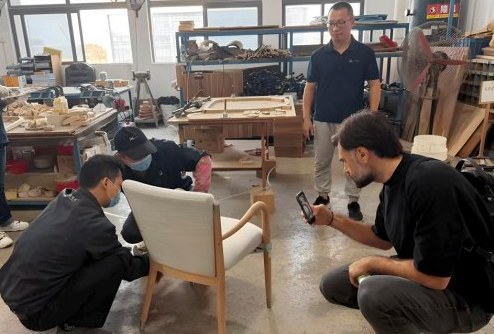
Is the cheaper quote for the same furniture?
Two chairs can look alike while using different frames, filling or hardware. Send each supplier the same product list and ask them to mark any differences. Compare the contents of the quote before comparing the price.
Check the minimum order quantity, or MOQ, for each model, finish and custom change. A catalogue minimum may not apply after you change the size or fabric. Also ask whether samples, testing, packaging and delivery are included.
Once you choose, put the agreement in writing: what you are buying, who sells it, the price and payment stages, when you can inspect, and how defects or delays will be handled. Keep sourcing-service fees and responsibilities clear as well. Use legal and trade advice where the transaction calls for it.
The wholesale guide explains mixed orders and MOQ with a chair-order example. The buying guide takes you through the rest of the purchase.
What should make you stop and ask another question?
Suppose the sample looks right, but nobody can explain why the payment account belongs to another company. That question still needs an answer. A good sample does not cancel out an unresolved payment issue.
The same applies if you do not know where the goods will be made, which sample is approved, or whether a required report covers your item. Write down the unanswered question, who needs to answer it and what you need to see. Do not make the affected payment or approval until it is resolved.
Before shipment, confirm that agreed inspections and corrections are complete, and that packing, documents and delivery arrangements match the order. This matters even with a familiar supplier when you buy a new model or change materials.
Ratahome is a sourcing and coordination team, not a furniture manufacturer. Its agreed services should be clear alongside the responsibilities of the company making and selling your furniture.
Buyer questions
Practical questions, answered
How can I tell whether a China furniture supplier is a real factory?
Check the company record, then ask to see where and how your type of furniture is made. Find out which work is done there and which is sent elsewhere. A licence or showroom photo alone cannot answer that.
Is buying directly from a manufacturer always cheaper?
No. Compare the same furniture, quantities and delivery service. A lower unit price may come with a larger minimum order or extra collection, inspection and shipping costs.
Does a business licence guarantee product quality?
No. It helps identify the company. You still need to check the furniture specification, sample, any required testing and the finished order.
Can I use one supplier report for a different furniture model?
Do not assume so. Check which model, materials and construction were tested. Ask the report issuer or a qualified specialist whether it also covers the version you want to buy.
Is Ratahome a furniture manufacturer?
No. Ratahome provides furniture sourcing and coordination. The manufacturer and the company selling the goods should be named for your order, with their responsibilities agreed in writing.
Want to check the details?
Official sources and notes
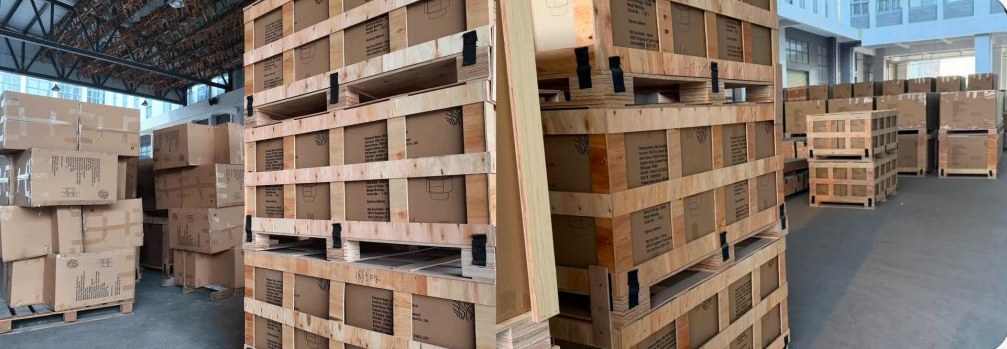
The examples are for planning, not quotations or past client projects. Photos illustrate the subject; they do not prove factory ownership or product certification. Check current requirements and dates with the relevant authority or organiser.
- National Enterprise Credit Information Publicity System — Official Chinese business-record portal. Verification or login may be required; registration is not a product-quality certification.
- SAMR Government Service Portal — Official route to national enterprise credit-information services.
- CPSC: Upholstered Furniture — Example of destination- and product-specific requirements; not a global supplier certification.
Have a project in mind?
Tell us what you need, where it will be delivered and when you need it. A furniture list or a few reference photos is a useful place to start.
Ratahome helps coordinate suppliers, samples and delivery in Foshan. We work with manufacturers; we do not manufacture the furniture ourselves.
Talk about your project