
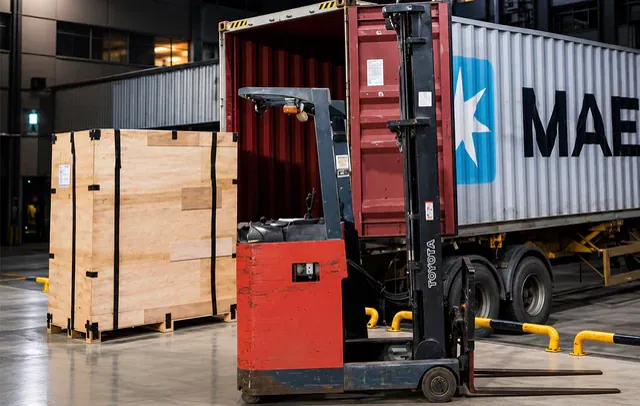
From choosing furniture to receiving it
How to Buy Furniture from China
You have found furniture you like. What should happen before you pay, and how do you know what will arrive? Work through the quote, samples, checks and shipping with a clear picture of the whole order.
Before placing the order
What are you agreeing to buy—and who gets it to you?
The order should say what will be made, what the price includes, when payments are due and who handles inspection and delivery. It also needs an agreed sample or specification, plus a way to deal with changes and goods that do not match.
Suppose two suppliers quote a similar dining chair, but only one includes export packing. Choosing the lower number before checking those details would not tell you which offer costs less to get home.
If you are still deciding where to shop, start with the China furniture market map or the Foshan visit-planning guide. This page picks up when you are ready to turn a shortlist into an order.
The buying process
Seven steps from a shopping list to a shipment
One dated item list keeps the order understandable. If a chat changes a size, finish, quantity or deadline, that change belongs in the list too—with the right person’s approval.
- 01
Write the shopping list
A bill of quantities (BOQ) lists your pieces and quantities. Add sizes, materials, destination, budget and the date you need them.
- 02
Check the seller and maker
Find out who will sell, manufacture and export each item, and whether they can handle your specific order.
- 03
Compare like with like
The same product details, packing, currency and delivery terms make two prices meaningfully comparable.
- 04
Agree the sample and drawings
Keep the approved finish, prototype, drawing or written specification as the reference for what the supplier must make.
- 05
Put the agreement in writing
Cover the goods, dates, payments, inspection, changes and what happens if something is wrong before production begins.
- 06
Check the work before it ships
Quality control (QC) may include material, production and finished-goods checks. Record any problems and confirm how they are corrected.
- 07
Bring the shipment together
Match the approved goods, carton labels, quantities and shipping documents before authorizing collection or loading.
What you should be able to see
From the first discussion to arrival
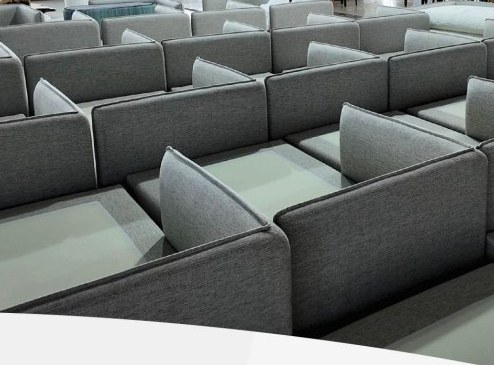
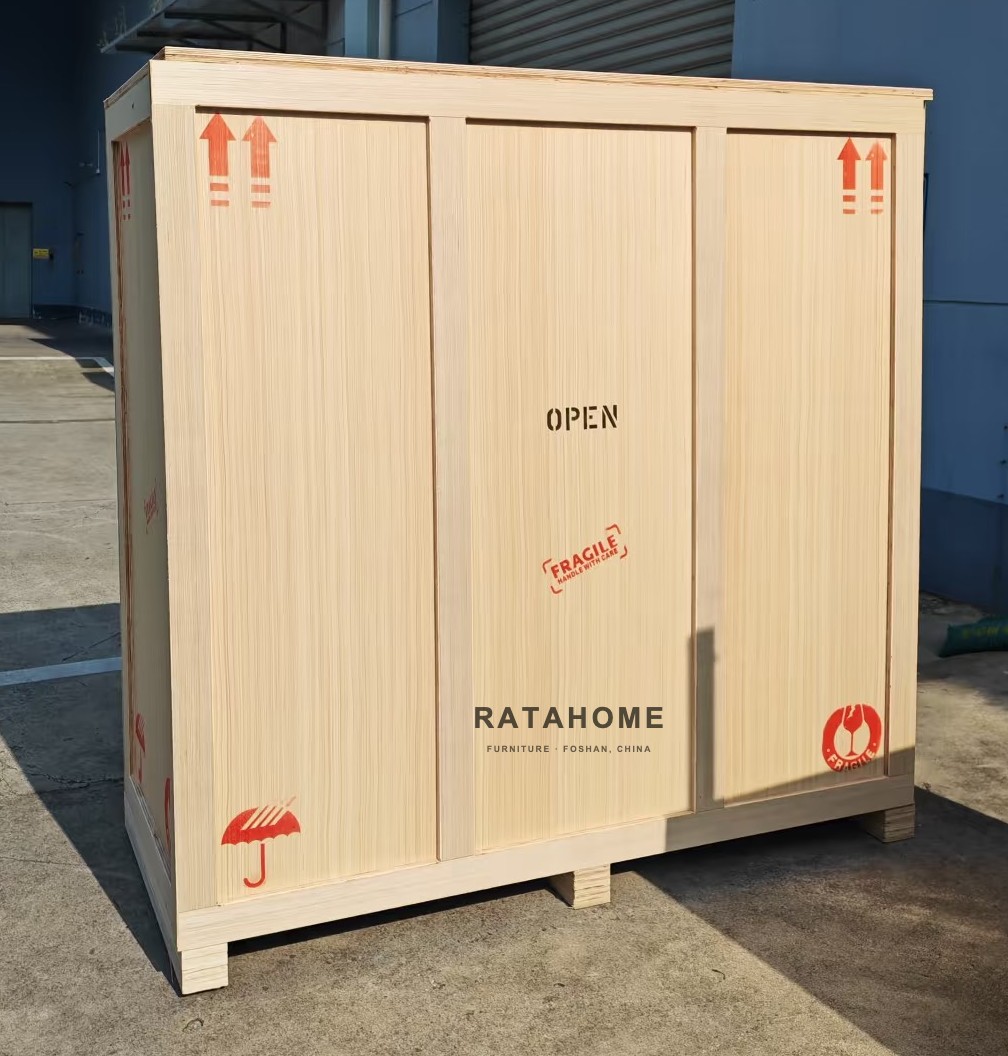
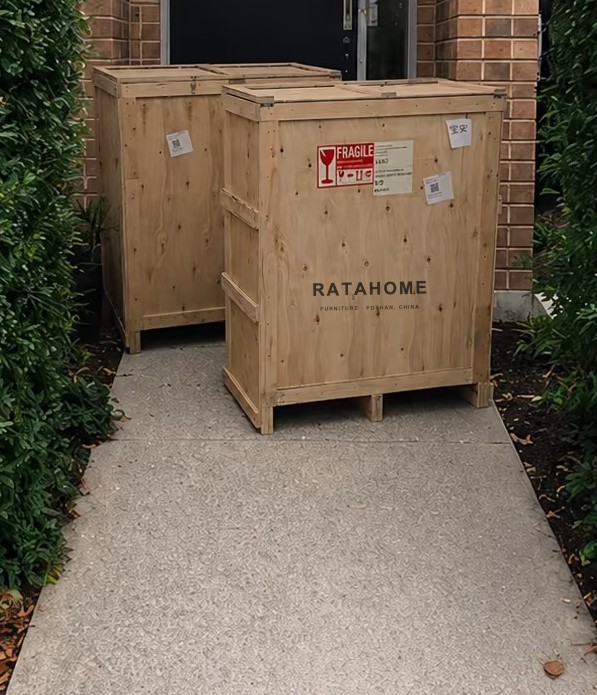
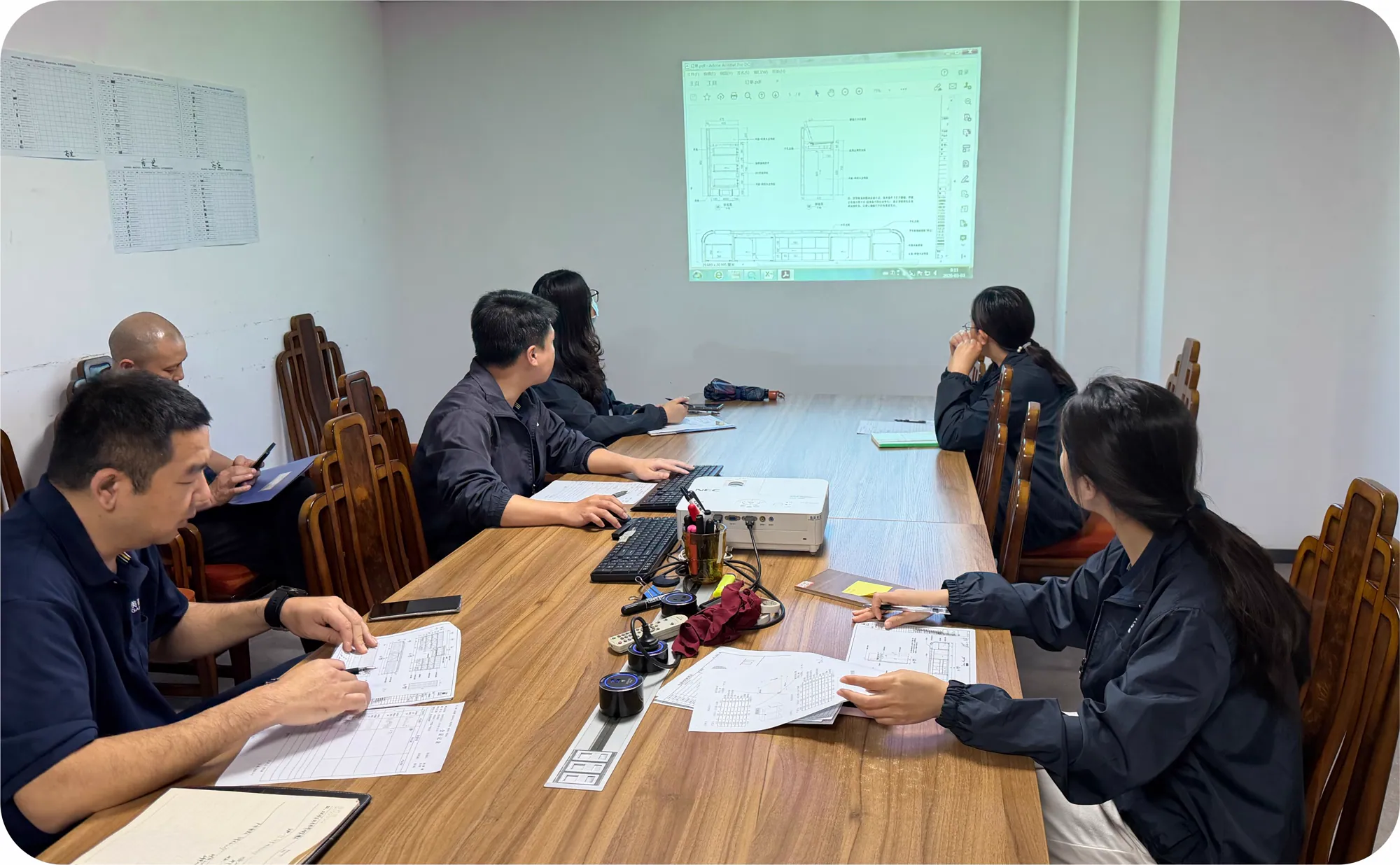
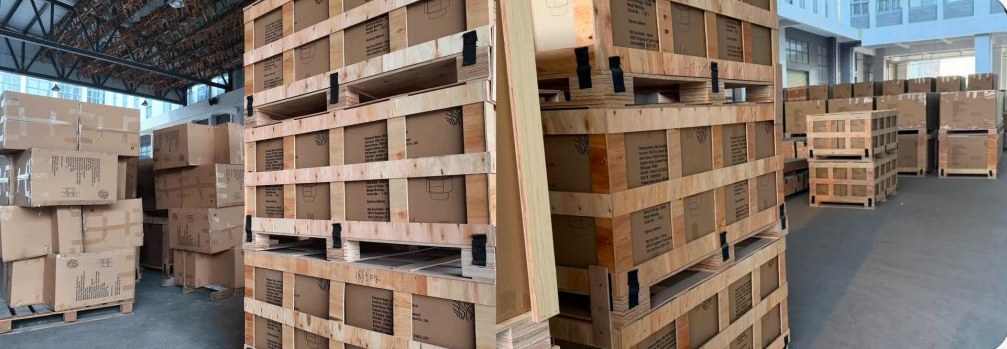
These photographs illustrate the stages. For your own order, progress photographs should show your pieces, their item references and the date—not simply a busy workshop.



Your item list
What should you send for a useful quote?
A photograph explains the look. The details alongside it explain what you want to buy—and what you expect the price to include.
Start with the piece, quantity and size. Add the construction, materials, finish, upholstery and hardware you want, along with any performance requirements. Packing, destination and the date you need delivery belong in the same request.
You do not need to pretend every detail is decided. “Supplier to propose” tells the seller where you want options; an empty box can invite an assumption you never intended.
For a home, include the room plan, finish choices and access limits. For a hotel or commercial space, add drawings, required product evidence, labels and delivery phases. Custom pieces also need agreed dimensions, allowed variation and someone authorized to approve changes.
The people behind the order
Who sells it, who makes it and who puts a problem right?
Those may be different companies. Before ordering, you should know who signs the contract, who receives the payment, where your goods will be made and who handles correction or replacement.
- The registered company should match the quote, contract, invoice and bank recipient, or any difference needs a clear explanation.
- The producer should explain which work it does itself, what it sends elsewhere and where your items will be made.
- Relevant samples, current work and inspection records are more useful than a general factory tour. A business licence alone does not prove production capability.
- Export experience and references are worth checking in proportion to the size and risk of your purchase.
Use the manufacturer identity and capability checklist before treating a showroom or trading company as the producer.
Price and minimum orders
Why can two similar pieces have very different prices?
They may use different materials—or include different services. Start with the same specification, then compare what it will cost to receive the furniture, not only to buy it at the factory.
MOQ means minimum order quantity. It may apply to each model, finish or fabric, so the number you need must be checked against the version you want.
| Field | What to make explicit | Why it changes cost |
|---|---|---|
| Product | Construction, material grade, size, finish, upholstery, hardware and accessories | Similar-looking pieces can have different frames, surfaces or fittings |
| MOQ | Per model, finish, fabric, material batch, supplier and total order | One-piece availability may not include custom colors or factory pricing |
| Packing | Carton, corner protection, any disassembly, crate or pallet, labels and required tests | Protection and packed size affect damage risk and freight cost |
| Delivery terms | Named delivery place and agreed Incoterms® 2020 rule | The rule sets out transport tasks, costs and risk; it does not specify the furniture or replace the sale contract |
| Services | Samples, drawings, inspection, combining supplier shipments, documents and after-sales help | A service left out of this quote may still need to be paid for elsewhere |
| Budget line | Example amount | Who confirms the real figure? |
|---|---|---|
| Furniture | $10,000 | Supplier, against the final item schedule |
| Samples and export packing | $700 | Supplier; check what the goods price already includes |
| Inspection | $300 | Inspection provider, against scope and location |
| Origin collection and consolidation | $500 | Coordinator or forwarder |
| Freight and insurance | $1,500 | Forwarder and insurer, using packed dimensions and route |
| Destination handling and delivery | $600 | Destination provider; confirm access and unloading |
| Subtotal before duties and taxes | $13,600 | Add destination duties and taxes once classification and value are confirmed |
The figures show how the budget adds up, not what your shipment should cost. Check what is already included so you do not count it twice. This example excludes storage, installation, financing and exceptional handling.
The furniture classification preparation guide explains what your customs broker needs. The wholesale guide looks at mixed orders and minimum quantities.
What else will you pay besides the furniture price?
Ask whether these costs are already included. The answer matters more than the size of the discount.
| Part of your order | Costs to ask about | Who to ask | Watch for |
|---|---|---|---|
| Making the furniture | Furniture, custom changes, samples, inspection and export packing | Your supplier and inspection provider | Are you comparing the same design? Is packing already included? |
| Getting it shipped | Collection, combining orders, freight and insurance | Your coordinator, freight forwarder and insurer | Are the quoted dimensions for packed goods? Where does the delivery service stop? |
| Getting it to your door | Applicable duties, taxes, handling and final delivery | Your destination customs adviser and delivery provider | Does the quote cover unloading and access to your property? |
Keep in mindWrite “included”, “extra” or “not yet confirmed” beside each cost. A missing price is not the same as a free service.
A cost-checking framework, not a quote or duty calculation. Amounts remain unconfirmed until the responsible provider reviews the actual scope.
Samples and drawings
What will the finished piece be compared with?
Not every piece needs a full prototype. A standard chair may need a fabric and finish sample; a custom sofa may need a physical trial piece. Built-in cabinets usually need detailed production drawings and material samples.
The approval should say which version was accepted, by whom and with what allowed variation. If a render and drawing disagree, both sides need to know which takes priority. A physical finish sample is also more reliable than a colour on a screen.
Contract and payment
What should happen before each payment?
There is no deposit percentage that makes every furniture order safe. The terms depend on the supplier, custom materials, order value and payment method. The agreement should make clear what progress or documents are due at each stage.
Before payment
You should know the seller and bank recipient, have the final quote and specification, and understand when the production clock starts.
During production
The agreed milestones can refer to approved samples, material readiness, actual production updates and inspection results.
Before shipment
Inspection issues, quantities, packing and document drafts need review. Name the person who can authorize the goods to leave.
Unexpected bank details deserve a fresh check. Confirm any change through a contact channel you already know is genuine, rather than only replying to the message announcing it.
Review payment options and responsibilities →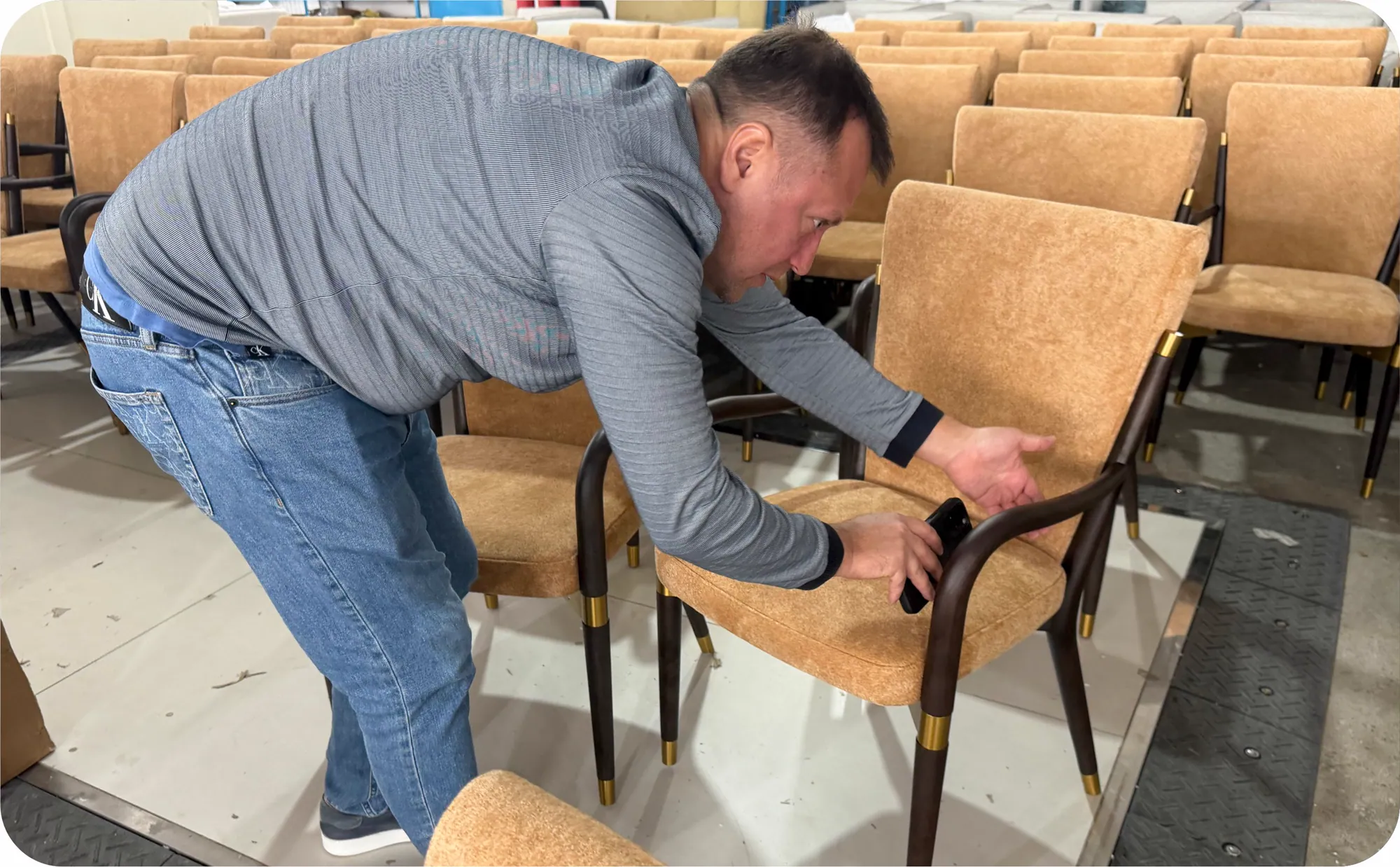
Quality checks
When is the right time to inspect?
Some details are easier to check before they disappear under a finish or fabric. Depending on the product, inspections may cover materials, work in progress, finished furniture and packing—not only sealed cartons at the end.
- Is it the right item? Check the model, size, quantity, labels and approved version.
- Is it made and working as agreed? Look at construction, stability, seams, finish, fittings and function.
- Does it match the requirements? Compare materials, colour and the product documents required for the destination.
- Is it ready to travel? Check protection, carton condition, labels, packed dimensions and loading order.
Agree with the inspector which batch is being checked, how pieces will be selected, what counts as a defect and who decides whether it can ship. Looking at furniture is not a substitute for required safety or performance tests.
See Ratahome’s quality-control process →Packing and shipping
How do pieces from different suppliers travel together?
Consolidation means bringing several suppliers’ goods together for shipment. One person needs to match the items, carton counts and measurements to the order, and resolve shortages before the packing list is finalized.
The paperwork
Documents you may need for the shipment
- Pro forma invoice or accepted quotation
- Commercial invoice
- Detailed packing list
- Bill of lading or air waybill—the transport document
- Certificate of origin or product documents when required
- Inspection, loading and insurance records where applicable
The exact set depends on the furniture, route and destination. Your destination customs authority, licensed broker and carrier should confirm it before shipment.
This page provides purchasing-process guidance, not customs, tax or legal advice. Classification, import eligibility, duties, product standards and documentary requirements must be confirmed for the specific product and destination.
Review shipping and consolidation support →Buyer questions
Buying furniture from China FAQ
What information should I prepare before requesting quotations?
Send a furniture list with quantities, sizes, preferred materials and finishes, destination and the date you need delivery. Add drawings or reference photos. Tell the supplier which details are fixed and which you would like help choosing; mark anything still undecided.
How are furniture orders from multiple suppliers consolidated?
The suppliers send labelled goods to an agreed warehouse. A coordinator matches the cartons to your orders, checks their condition and dimensions, resolves missing or incorrect items and works with the forwarder on loading and paperwork. Agree who does each part before deliveries begin.
What payment terms are common when buying furniture from China?
They vary by supplier and order; there is no deposit percentage that suits every purchase. Agree the amounts and the conditions for each payment in writing. Verify the company and bank details, and agree what inspection and documents you need before authorising shipment.
What quality checks should happen before shipment?
Compare the finished pieces with your approved sample, drawings and quantities. Check how they look and work, review any required product evidence, and inspect the packing and labels. Record problems and check the corrections before agreeing that the order is ready to load.
Which documents are commonly used for international furniture shipments?
Common documents include a pro forma invoice, commercial invoice, packing list and transport document such as a bill of lading. Certificates of origin, treatment records, insurance or product-specific documents may also be required. The destination broker and authorities should confirm the exact set.
Want to check the details?
Official sources and notes
The budget and measurement examples are hypothetical, not customer results or quotations. Your contract and destination requirements still apply. The U.S. trade references below explain general document concepts; they are not a China export filing checklist.
Have a project in mind?
Start with the pieces you need and where they are going.
Share your item list, destination and open questions. Ratahome can help identify missing details and plan the supplier, sample, inspection and shipping work with suitable partner factories.
Start a furniture project